Sixtus V
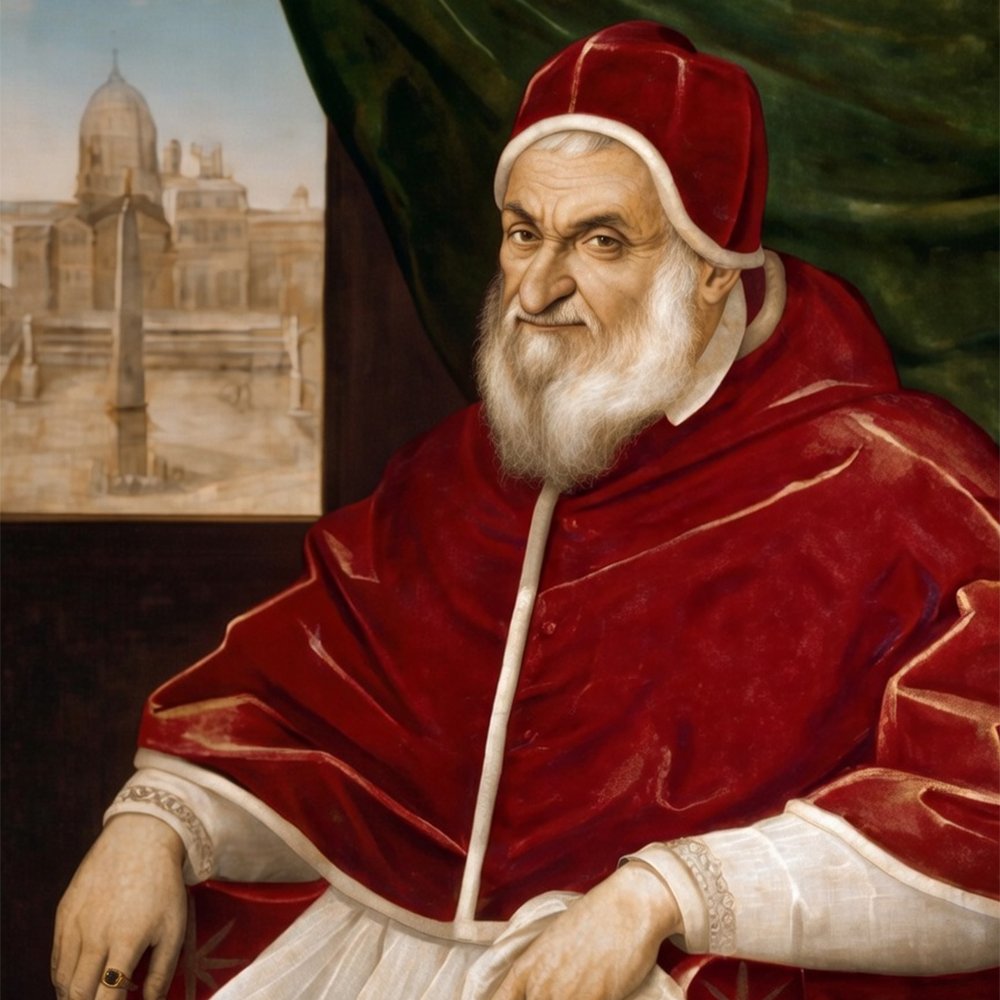
Pope Sixtus V (1585-1590)
BIOGRAPHICAL DATA
Birth name: Felice Peretti di Montalto
Birth: December 13, 1521, Grottammare, Papal States (Marche, Italy)
Papal election: April 24, 1585
Coronation: May 1, 1585
Pontificate: April 24, 1585 – August 27, 1590 (5 years, 4 months, 3 days)
Death: August 27, 1590, Rome (68 years old)
Burial: Basilica of Santa Maria Maggiore, Rome
Religious order: Franciscan Conventuals (Order of Friars Minor Conventual)
Papal motto: None officially recorded
Cognomen: “The Iron Pope”, “Sixtus the Terrible”, “Builder of Rome”, “The Peasant Pope”
NOTE: One of the most transformative and effective pontiffs in papal history! Rose from swineherd to pope, ruthlessly restored order to Papal States, reorganized Curia permanently, built modern Rome’s infrastructure, stabilized papal finances – all in just over 5 years!
FORMATION AND RELIGIOUS LIFE
Humble Origins – Peretti Family
Peretti Family:
- EXTREMELY HUMBLE origins (rare for popes – most from nobility!)
- Piergentile Peretti: father, poor peasant farmer/gardener
- Marianna Fasci: mother, peasant woman
- Family: desperately poor (agricultural laborers, Marche region)
- Legendary early poverty:
- Felice reportedly worked as swineherd in childhood!
- Family owned little land, struggled for basic subsistence
- Uncle (Franciscan friar): recognized boy’s intelligence, arranged education
Childhood and youth (1521-1535):
- Grottammare: small coastal town, Marche region (central Italy, Adriatic coast)
- Extreme poverty: family barely survived (agricultural subsistence)
- Uncle Salvatore: Franciscan friar, crucial figure
- Recognized Felice’s exceptional intelligence
- Arranged entry into Franciscan order (path out of poverty through Church)
- Felice: remarkably intelligent, ambitious despite circumstances
- Determined to escape poverty through education, Church career
- Health: robust (peasant stock, physical labor background – would prove important for demanding papal work)
Franciscan Formation and Education
Entry into Franciscan Order (1535):
- Age 14 – joined Conventual Franciscans
- Escape from poverty: Church offered only path to education, advancement
- Monastery of Montalto: initial formation
Religious name: Felice remained his baptismal name (didn’t change – unusual)
Academic formation:
- Franciscan schools: rigorous theological, philosophical training
- University of Fermo: advanced studies
- Doctorate in Theology (1548): 27 years old
- Student: BRILLIANT (exceptional intellectual gifts despite humble origins)
- Photographic memory: legendary
- Fierce intelligence: combined with peasant practicality
- Voracious reader: theology, law, history
Priestly Ordination: 1547 (26 years old)
Characteristics as young Franciscan:
- Extraordinary work ethic: peasant background instilled relentless discipline
- Ambitious: determined to rise despite humble birth
- Practical intelligence: combined scholarship with real-world shrewdness
- Physically tough: could endure hardship (rare among aristocratic clergy)
EARLY CAREER – PREACHER AND INQUISITOR (1548-1566)
Franciscan Preacher (1548-1556):
- Renowned preacher: powerful, direct sermons
- Traveled extensively: preaching throughout Italy
- Reputation growing: for eloquence, theological knowledge
- Style: blunt, forceful (peasant directness combined with theological sophistication)
Inquisitor in Venice (1556-1560):
- Venetian Inquisition: significant position
- Rigorous approach:
- Zealous prosecutor of heresy
- Uncompromising: strict enforcement of orthodoxy
- Conflicts with Venetian authorities: Republic’s independence caused friction
- Reputation: feared, respected (not always liked – harsh methods)
- Recalled (1560): Venetian government’s complaints led to reassignment
Various administrative positions (1560-1566):
- Vicar-General of Franciscan Order: significant leadership role within order
- Continued preaching, administrative duties
- Reputation solidifying: brilliant, harsh, incorruptible
Characteristics (1548-1566):
- Zealous orthodoxy: absolute commitment to doctrinal purity
- Harsh methods: willing to use severe measures against heresy
- Incorruptible: refused bribes, favors (rare integrity)
- Ambitious: carefully built reputation, relationships
- Physically vigorous: demanding schedule, extensive travel
BISHOP AND CARDINAL (1566-1585)
Episcopal Service
Bishop of Sant’Agata dei Goti (1566-1571):
- First diocese (age 45 – relatively late, reflecting humble origins requiring longer path)
- Administration:
- Rigorous reforms: implemented Tridentine standards strictly
- Clergy discipline: enforced harshly (zero tolerance for laxity)
- Personal austerity: continued despite episcopal status
Created Cardinal by Pius V (May 17, 1570):
- 49 years old
- Cardinal-Priest of San Girolamo dei Croati
- Reasons:
- Reputation for rigorous orthodoxy (Pius V himself was severe reformer)
- Effective Inquisition service
- Growing reputation for competence, zeal
Cardinal Montalto (1570-1585) – “The Sick Cardinal” Deception:
Strategic withdrawal:
- After Pius V’s death (1572): Peretti (now Cardinal Montalto – took name from birthplace) faced hostile pope (Gregory XIII)
- Political marginalization: excluded from influence under Gregory XIII
- BRILLIANT STRATEGY:
- Feigned illness, frailty: appeared weak, harmless, near death
- Withdrew from public life: lived quietly, seemingly declining
- Deceived rivals: made himself seem non-threatening, unremarkable
- Actually: remained vigorous, sharp, patiently waiting
Personal life during this period:
- Villa Montalto: built modest but tasteful residence (Esquiline Hill, Rome)
- Scholarly pursuits: continued theological, legal studies (quietly)
- Careful networking: maintained essential relationships without appearing ambitious
- Patient calculation: waited for opportunity (15 years!)
Reputation cultivated:
- “The dying cardinal”: widely believed near death, harmless
- Underestimated completely: by rival cardinals, Gregory XIII’s faction
- Secret strength: maintained physical vigor, sharp political mind throughout deception
CONCLAVE OF 1585 – ELECTION
Pre-Conclave Context
Death of Gregory XIII (April 10, 1585):
- Significant pontificate (1572-1585): Gregorian calendar reform, Jesuit support, but financial mismanagement
- Papal finances: SEVERELY DEPLETED (excessive spending, poor administration)
- Papal States: CHAOTIC (banditry rampant, law and order collapsed in countryside)
- Curia: disorganized, corrupt in places
Situation of Church (1585):
- Financial crisis: treasury nearly empty
- Banditry crisis: Papal States countryside dangerous, lawless (bandits controlled rural areas)
- Administrative chaos: Curia needed fundamental reorganization
- Counter-Reformation: ongoing but needed more systematic implementation
Cardinals wanted:
- Strong, decisive leader: to restore order
- Financial expertise: to fix treasury crisis
- NOT another weak, easily-manipulated pope
The Conclave – The Great Deception Revealed!
Start: April 1585
Duration: Relatively brief (cardinals eager for resolution)
The extraordinary election dynamics:
Cardinal Montalto’s strategy pays off:
- Perceived as weak, dying: cardinals thought they were choosing “transitional pope”
- Various factions: calculated he would be easily controlled due to apparent frailty
- Seemed safe choice: wouldn’t live long, wouldn’t cause trouble
- MASSIVE MISCALCULATION by electing cardinals!
Election: April 24, 1585
- Achieved necessary majority: based on false assumption of weakness/brevity
- THE TRANSFORMATION:
- Legend states: immediately upon election, Montalto threw away his cane, stood upright, revealed vigorous health
- Historical accounts: may be somewhat embellished, but essential truth confirmed: cardinals were shocked by his sudden vigor, decisiveness
- “I am no longer infirm; I am the Vicar of Christ!” (attributed quote – possibly apocryphal but captures moment)
Chose name: Sixtus V
- Homage to Sixtus IV (though very different character/methods)
- Number V: continuity
Coronation: May 1, 1585
- Basilica of St. Peter
- Dramatic contrast: with feeble cardinal image – Sixtus V appeared commanding, vigorous, determined
- Cardinals’ shock: realized they had been completely deceived
- Too late: election final, “sick” cardinal now supreme pontiff with iron will
PONTIFICATE (1585-1590) – FIVE YEARS OF TRANSFORMATION
Immediate Assertion of Authority
From day one:
- NO transitional weakness: immediately began sweeping reforms
- Iron will revealed: decisive, uncompromising leadership style
- Work ethic: legendary – reportedly worked from 4 AM, demanding schedule
- Personal involvement: micromanaged major initiatives personally
CRUSHING BANDITRY – RESTORATION OF ORDER
The Crisis:
- Papal States countryside: effectively controlled by bandit gangs
- Rural areas: dangerous, lawless (decades of weak enforcement)
- Commerce, agriculture: severely hampered by banditry
- Papal authority: effectively non-existent outside major cities
Sixtus V’s Response – RUTHLESS:
- Military campaigns:
- Organized systematic military operations against bandit strongholds
- Papal troops: deployed aggressively throughout Papal States
- No negotiation: absolute commitment to eliminate banditry entirely
- Brutal enforcement:
- Executions: extensive use of capital punishment for captured bandits
- Public displays: heads of executed bandits displayed publicly (deterrent strategy)
- Zero tolerance: no amnesty, no compromise with bandit leaders
- Legend: reportedly declared he wanted heads of bandits “more numerous than melons in the market”
- Systematic approach:
- Identified bandit networks: thorough intelligence gathering
- Coordinated strikes: military precision in operations
- Local cooperation: incentivized population to inform against bandits
Results – ASTONISHING SUCCESS:
- Within 2-3 years: banditry VIRTUALLY ELIMINATED in Papal States!
- Rural safety restored: unprecedented security in countryside
- Commerce revitalized: agriculture, trade flourished with restored order
- Papal authority: finally effective throughout entire territory
Assessment:
- Ruthless but effective: methods harsh by modern standards, but historically transformative
- Immediate, dramatic results: contrast with predecessors’ ineffective half-measures
- Legacy: demonstrated decisive leadership could solve seemingly intractable problems
FINANCIAL REVOLUTION – RESTORING PAPAL TREASURY
Inherited crisis:
- Treasury nearly empty: Gregory XIII’s mismanagement
- Papal States: economically depressed (banditry, poor administration)
Sixtus V’s Financial Genius:
- Systematic taxation reform:
- Efficient collection: eliminated corruption in tax gathering
- Fair assessment: more equitable distribution of tax burden
- New revenue sources: identified additional taxation opportunities
- Sale of offices (Vacabili):
- Created new bureaucratic positions: specifically to sell (controversial but effective)
- Generated massive revenue: wealthy individuals purchased prestigious/lucrative positions
- Modern assessment: ethically questionable but financially brilliant
- Banking innovations:
- Monte di Pietà expansion: created sophisticated papal banking system
- Public debt instruments: issued bonds (Monti) – innovative financial instruments
- Attracted investment: wealthy Romans, foreign investors purchased papal bonds
- Economical administration:
- Reduced wasteful spending: eliminated unnecessary expenses
- Efficient bureaucracy: streamlined administrative costs
- Discovered/utilized treasures:
- Legend: allegedly discovered hidden treasure in Castel Sant’Angelo (historical accuracy debated)
- Systematic asset management: inventoried, utilized papal resources efficiently
Results:
- MASSIVE FINANCIAL TURNAROUND:
- Estimated 3-4 million scudi accumulated in reserve by end of pontificate!
- From near-bankruptcy to substantial surplus: extraordinary transformation
- Papal finances: most stable in generations
Assessment:
- Financial genius: among most successful papal fiscal managers ever
- Innovative methods: banking instruments ahead of their time
- Foundation for future: successors inherited stable finances (contrast with later crises)
CURIAL REORGANIZATION – PERMANENT ADMINISTRATIVE REVOLUTION
The Problem:
- Curia: historically disorganized, overlapping jurisdictions, inefficient
- No systematic structure: ad hoc arrangements accumulated over centuries
Bull “Immensa Aeterni Dei” (1588) – REVOLUTIONARY REFORM:
Created systematic Congregation system:
- 15 permanent Congregations established:
- Holy Office (Inquisition)
- Signatura (justice)
- Index (censorship)
- Council (Trent interpretation)
- Bishops and Regulars
- Consistorial (episcopal appointments)
- Rites (liturgy)
- Vatican Press
- Roman University
- Papal States roads, bridges, waters
- Annona (food supply)
- Navy (papal fleet)
- Various other specialized functions
Structural innovation:
- Clear jurisdictions: each congregation specific responsibilities
- Systematic procedures: standardized operations
- Efficient administration: eliminated overlapping, conflicting authorities
- Permanent structure: designed for long-term institutional stability
IMPACT – EXTRAORDINARY LONGEVITY:
- This system essentially GOVERNED THE CATHOLIC CHURCH FOR NEXT 300+ YEARS!
- Remained largely intact: until Second Vatican Council (1962-1965) reforms!
- Most successful institutional reform: in papal history
- Sixtus V’s genius: created administrative framework of remarkable durability
Assessment:
- THE SINGLE MOST IMPORTANT ADMINISTRATIVE ACHIEVEMENT of any pope in modern history
- Systematic thinking: applied bureaucratic logic centuries ahead of contemporaries
- Practical genius: combined theological authority with administrative science
COLLEGE OF CARDINALS REFORM
Bull “Postquam Verus” (1586):
- Fixed number of cardinals: limited to 70 (symbolic – 70 elders of Israel, Moses)
- Structured composition:
- 6 Cardinal-Bishops
- 50 Cardinal-Priests
- 14 Cardinal-Deacons
- Prevented excessive expansion: previous popes had created cardinals excessively (diluting significance, creating administrative bloat)
Impact:
- This numerical limit remained in effect for centuries!
- Only significantly modified: in 20th century (Pope John XXIII, subsequent popes expanded numbers)
- Demonstrated: Sixtus V’s systematic approach to institutional structure
URBAN PLANNING AND CONSTRUCTION – TRANSFORMING ROME
Vision: Transform Rome into worthy capital of Christendom – both spiritually and physically
- Major street construction:
Strada Felice (Via Sistina system):
- Massive urban planning project
- Straight avenues: connecting major basilicas (revolutionary urban design)
- Purpose: facilitate pilgrim movement between seven major churches
- Engineering achievement: cut through existing urban fabric systematically
Key streets created/improved:
- Via Sistina
- Via delle Quattro Fontane
- Multiple connecting roads: creating coherent urban network
- Water supply revolution:
Acqua Felice (1585-1587):
- MASSIVE AQUEDUCT PROJECT
- 22 miles of aqueduct construction!
- Restored ancient Roman aqueduct system: (largely fallen into disrepair since antiquity)
- Brought water to: previously water-poor areas of Rome (especially higher elevations – Quirinal, Esquiline hills)
- Enabled: further urban development in previously uninhabitable areas
- Fountain of Moses (Mostra dell’Acqua Felice): monumental terminus fountain celebrating project
Impact:
- Enabled massive population growth: in previously water-scarce Roman districts
- Public health improvement: better water access
- Urban expansion: made new development possible
- Vatican Library completion:
- Massive new building: for Vatican Library
- Architect: Domenico Fontana
- Purpose: proper housing for papal manuscript, book collections
- Cultural significance: demonstrated commitment to scholarship despite practical focus
- Vatican Obelisk relocation (1586) – ENGINEERING MARVEL:
The challenge:
- Ancient Egyptian obelisk: located beside old St. Peter’s, needed relocation to new St. Peter’s Square
- 327-ton monolith: moving without modern equipment seemed nearly impossible
- Previous popes: had considered but abandoned due to technical difficulties
Domenico Fontana’s solution:
- Massive engineering operation:
- 900 workers, 75 horses, 40 winches
- Elaborate scaffolding, pulley systems
- Sixtus V personally oversaw: demanded absolute precision
- Famous incident: legend states sailor “Bresca” shouted “Water on the ropes!” when they were overheating from friction (saved operation) – Sixtus V rewarded him with special privilege for his family (Palm Sunday palms from San Remo)
Result:
- SUCCESSFUL RELOCATION: obelisk moved, erected in St. Peter’s Square
- Engineering triumph: celebrated throughout Europe
- Symbol: Christian triumph (pagan obelisk topped with cross, dedicated to Christian purposes)
- Still stands today: center of St. Peter’s Square!
- Completion of St. Peter’s Dome:
- Michelangelo’s design: dome construction had stalled
- Sixtus V’s decisive action:
- Ordered rapid completion
- Architect Giacomo della Porta: oversaw final construction
- Remarkably fast completion: dome finished in just 22 months (1588-1590)!
- Iconic achievement: completed one of world’s most famous architectural features
- Lateran Palace reconstruction:
- New papal palace: built adjacent to St. John Lateran
- Architect: Domenico Fontana
- Purpose: additional papal residence, administrative space
- Column monuments:
- Column of Trajan, Column of Marcus Aurelius: topped with statues of St. Peter and St. Paul respectively
- Christianization of pagan monuments: symbolic transformation
Assessment of building program:
- TRANSFORMATIVE: fundamentally reshaped Rome’s physical structure
- Practical and symbolic: combined infrastructure improvement with religious symbolism
- Efficient execution: remarkably fast completion of major projects
- Lasting legacy: much of Baroque Rome’s layout traces to Sixtus V’s vision
- Modern Rome: still bears fundamental structural mark of his 5-year reign!
RELIGIOUS AND DOCTRINAL MATTERS
Bible translation project:
- Sixtine Vulgate (1590):
- Attempted authoritative Latin Bible edition
- Sixtus V personally involved: in editing, corrections
- PROBLEMATIC RESULT: edition contained numerous errors!
- Immediately controversial: even before pope’s death, criticized for inaccuracies
- Successor (Clement VIII): had to issue corrected edition (Clementine Vulgate, 1592)
- Rare failure: in otherwise successful pontificate
Support for Catholic League (France):
- Continued predecessors’ policy: opposing Henry of Navarre’s Protestant claim to French throne
- More measured than successor Gregory XIV: didn’t bankrupt papacy to same extent
- Diplomatic support: without the financially catastrophic overcommitment that would characterize Gregory XIV’s approach
Missionary support:
- Propaganda Fide foundations: laid groundwork for later formal establishment
- Jesuit missions: continued support (Americas, Asia)
Inquisition:
- Maintained rigorous enforcement: consistent with earlier career as Inquisitor
- Systematic approach: applied same organizational genius to doctrinal enforcement
RELATIONS WITH EUROPEAN POWERS
Spain (Philip II):
- Generally cooperative: but Sixtus V maintained independence
- Spanish Armada (1588):
- Initially supported: Philip II’s invasion of Protestant England
- Promised financial support: contingent on successful landing
- Armada’s defeat: Sixtus V never had to pay (only owed money upon successful invasion)
- Pragmatic diplomacy: avoided financial catastrophe through careful conditional commitment
England:
- Continued opposition: to Elizabeth I’s Protestant regime
- Support for Catholic cause: though more measured than some predecessors
France:
- Complex situation: French Wars of Religion continuing
- Sixtus V’s approach: more measured than would-be successor Gregory XIV
- Balanced support: for Catholic League without complete financial overcommitment
Overall diplomatic style:
- Pragmatic: avoided the kind of total commitment that would prove disastrous for Gregory XIV
- Independent: didn’t allow single power (Spain) to dominate policy as completely as later happened
- Calculated risk assessment: demonstrated in Armada financial arrangement
PERSONAL CHARACTERISTICS AND GOVERNANCE STYLE
Legendary Work Ethic
Daily routine:
- 4 AM: Rising (extremely early even by standards of era)
- Personal review: of extensive documentation, reports
- Direct oversight: of major projects (construction, military campaigns, financial reforms)
- Minimal delegation: for major decisions (unusual – most popes relied heavily on curial officials)
- Physical stamina: despite age (60s during pontificate), maintained grueling schedule
Character Traits
Severity:
- “Sixtus the Terrible”: nickname reflecting harsh methods
- Ruthless when necessary: banditry suppression, financial exactions
- No tolerance for incompetence: demanded excellence from subordinates
Practical genius:
- Combined theological knowledge with administrative brilliance
- Peasant pragmatism: grounded approach despite intellectual sophistication
- Results-oriented: judged by outcomes, not just intentions
Personal austerity:
- Despite absolute power: maintained relatively simple personal habits
- Focused on institutional achievement: rather than personal luxury
- Family: did NOT engage in extreme nepotism (relatively restrained compared to era’s norms)
- Some family members given positions, but not the scandalous excess seen under other popes
- Priority on competence: even in family appointments
Physical presence:
- Peasant sturdiness: robust constitution despite advanced age
- Commanding demeanor: once revealed true vigor, projected authority effectively
- Direct communication style: blunt, clear (not diplomatic subtlety)
Nepotism – Relatively Restrained
Some family advancement, but NOT scandalous:
- Nephew Alessandro Peretti (Cardinal Montalto): created cardinal
- But: relatively competent, not primary power behind throne like other nepotes
- Sixtus V maintained personal control: didn’t delegate authority to family as extensively as predecessors/successors
- Family enrichment: occurred but not to same catastrophic extent as Innocent X’s Olimpia or later Alexander VIII’s Ottoboni
- Priority: institutional achievement over family enrichment (unusual for era)
FINAL YEAR AND DEATH (1590)
Continued Activity Despite Age
1589-1590:
- Age 68-69: still maintaining demanding schedule
- Continued major projects: St. Peter’s dome completion, various initiatives
- No significant health decline evident: until sudden final illness
Death
August 1590:
- Sudden illness: relatively rapid decline (specific cause debated – possibly malaria, given Roman summer timing, or other acute illness)
- Continued working: until final days despite illness
August 27, 1590:
- Death: in Rome
- Age: 68 years old
- Reign: 5 years, 4 months (accomplished extraordinary transformation in relatively brief tenure)
Immediate reaction:
Rome:
- MIXED REACTION:
- Relief among some: harsh methods, heavy taxation had created resentment
- Recognition of achievement: even critics acknowledged transformative impact
- Some celebrated: particularly those who suffered under harsh taxation, forced labor for construction projects
- Historical irony: effective, transformative pope not necessarily beloved during lifetime
Cardinals:
- Respect for achievements: even if personally intimidated by his severity
- Recognition: Church, Papal States fundamentally transformed for better organizationally
FUNERAL AND IMMEDIATE LEGACY
Funeral
Late August-September 1590:
- Santa Maria Maggiore: burial location (Sixtus V had significant connection to this basilica)
- Ceremony: appropriately significant given transformative pontificate
Immediate Succession Crisis
The Following Chaos (1590-1592):
- Urban VII (1590): 13 days – ironic contrast to Sixtus V’s effective long-term planning
- Gregory XIV (1590-1591): 10 months – would nearly undo some financial stability through disastrous French policy
- Innocent IX (1591): 2 months
- Finally Clement VI008 (1592): stability restored, built on Sixtus V’s foundational reforms
Sixtus V’s enduring legacy despite successors’ brief chaos:
- Curial reorganization: survived regardless of individual pope’s competence
- Financial reserves: provided cushion (though Gregory XIV nearly exhausted them)
- Urban infrastructure: physical transformations permanent
- Administrative systems: proved more durable than any individual pontificate
HISTORICAL LEGACY
Assessment by Historians
Overwhelmingly Positive – Rare Consensus:
- Administrative genius:
- Curial reorganization: MOST SUCCESSFUL INSTITUTIONAL REFORM in papal history
- 300+ year durability: system functioned until Vatican II
- Systematic thinking: centuries ahead of contemporary governance models
- Financial transformation:
- From bankruptcy to surplus: extraordinary fiscal achievement
- Innovative methods: banking, bonds ahead of their time
- Foundation for future stability: (though subsequent popes sometimes squandered this)
- Law and order restoration:
- Banditry elimination: dramatic, effective (if brutal) solution to chronic problem
- Papal States transformation: from chaos to order
- Urban transformation:
- Physical legacy: modern Rome’s layout significantly shaped by his vision
- Engineering achievements: obelisk relocation, aqueduct construction remain impressive
- Practical infrastructure: water supply, road systems enabled future development
Critical assessment (balanced):
- Harsh methods:
- Brutality: banditry suppression involved extensive executions
- Modern ethical concerns: methods would be considered excessive by contemporary standards
- But: effectiveness undeniable given circumstances
- Heavy taxation:
- Financial recovery: achieved partly through significant tax burden on population
- Popular resentment: during lifetime (though long-term benefits appreciated later)
- Vulgate Bible errors:
- Rare failure: in otherwise successful pontificate
- Needed immediate correction: by successor
- Autocratic style:
- Minimal consultation: with cardinals, traditional consultative processes
- Personal control: extensive, sometimes bypassing normal institutional checks
Overall verdict:
- ONE OF MOST EFFECTIVE POPES IN HISTORY: near-universal historical consensus
- Transformative achievements: in administration, finance, urban planning, law enforcement
- Methods questionable by modern standards: but effectiveness undeniable
- Legacy: shaped Catholic Church administration for over three centuries
Comparisons
With immediate predecessor (Gregory XIII, 1572-1585):
- Gregory XIII: calendar reform (lasting achievement) but poor financial management
- Sixtus V: comprehensive transformation across multiple domains
With immediate successors (Urban VII, Gregory XIV, Innocent IX):
- Stark contrast: Sixtus V’s 5-year reign accomplished more than these three combined pontificates
- Demonstrates: individual leadership capability’s crucial importance
With other transformative popes:
- Innocent III (1198-1216): medieval power consolidation
- Innocent XI (1676-1689): later reformer (beatified) – similar administrative genius, though different methods (less harsh)
- Sixtus V: perhaps most systematically transformative in shortest time period
Unique historical position:
- From swineherd to pope: most dramatic social rise in papal history
- 5-year transformation: accomplished what many popes couldn’t achieve in decades
- Institutional legacy: Curial system outlasted by centuries
CULTURAL AND ARCHITECTURAL LEGACY
Physical Rome Transformed
Enduring monuments:
- Vatican obelisk: still stands in St. Peter’s Square
- St. Peter’s dome: completed under his reign, iconic Rome silhouette
- Acqua Felice aqueduct/fountain: functioning water source, architectural landmark
- Street system: foundational to modern Rome’s layout
- Vatican Library building: continues housing papal collections
Urban planning influence:
- Baroque Rome’s foundations: many later developments built upon his infrastructure
- Pilgrim routes: street system facilitating religious tourism still relevant
Institutional Legacy
Curial system:
- Longest-lasting administrative reform: in Church history
- Model for modern bureaucracy: systematic approach influenced beyond religious institutions
- Vatican II changes (1960s): finally significantly modified system, testament to its 300+ year durability
PERSONAL CHARACTERISTICS SUMMARY
Virtues
Extraordinary competence:
- Administrative genius: unmatched systematic thinking
- Financial acumen: transformed bankruptcy to surplus
- Decisive leadership: effective action where predecessors failed
Work ethic:
- Legendary dedication: demanding personal schedule
- Attention to detail: personal oversight of major projects
- Physical stamina: despite advanced age
Strategic patience:
- 15-year deception: demonstrated remarkable self-control, long-term thinking
- Calculated risk-taking: (Armada financial arrangement) showed shrewd judgment
Relative integrity:
- Limited nepotism: compared to era’s typical excesses
- Focus on institutional achievement: over personal/family enrichment
Weaknesses/Criticisms
Harshness:
- Brutal methods: extensive capital punishment, ruthless enforcement
- Modern ethical concerns: about human rights implications of his methods
Autocratic tendencies:
- Minimal consultation: bypassed traditional collegial processes
- Personal control: extensive, sometimes excessive
Vulgate errors:
- Biblical scholarship limitations: personal involvement in flawed translation project
CURIOSITIES AND ANECDOTES
- The Great Deception:
- 15 years playing weak, dying cardinal
- Legend of throwing away cane upon election
- Immediate transformation: shocked electing cardinals
- “Heads like melons”:
- Famous (possibly apocryphal) quote: wanting bandit heads “more numerous than melons in market”
- Reflects: ruthless determination to eliminate banditry
- Obelisk relocation drama:
- “Acqua alle funi!” (“Water on the ropes!”): sailor’s warning during obelisk raising
- Reward: Bresca family granted perpetual right to provide Palm Sunday palms from San Remo to Vatican
- From swineherd to pope:
- Most dramatic social ascent: in papal history
- Symbol: meritocratic possibility within Church hierarchy (despite era’s typical aristocratic dominance)
- Spanish Armada financial cleverness:
- Conditional pledge: only pay upon successful invasion
- Armada’s defeat: saved papal treasury from massive expenditure
- Diplomatic shrewdness: avoided commitment trap that doomed Gregory XIV’s French policy
- 22-month dome completion:
- Remarkably fast: for such massive architectural undertaking
- Demonstrates: organizational efficiency, decisive leadership
DOCUMENTS AND ADMINISTRATIVE ACTS
Major Bulls and Reforms
“Immensa Aeterni Dei” (1588):
- THE FOUNDATIONAL DOCUMENT: Curial reorganization
- Most significant administrative document in papal history
- Created 15 Congregations: systematic governance structure
“Postquam Verus” (1586):
- College of Cardinals reform: fixed number at 70
Various financial regulations:
- Banking system establishment
- Tax reform documents
- Bond issuance regulations
Sixtine Vulgate (1590):
- Biblical translation project
- Later corrected: by Clement VIII (1592)
CHRONOLOGY SUMMARY
- 1521: Birth in Grottammare (Peretti family, extreme poverty)
- 1535: Entered Franciscan Order (age 14)
- 1547: Priestly ordination
- 1548: Doctorate in theology
- 1556-1560: Inquisitor in Venice
- 1570: Created cardinal by Pius V
- 1572-1585: “Sick cardinal” deception (15 years strategic withdrawal)
- 1585 (April 24): Papal election (63 years old, cardinals believed him weak/dying)
- 1585-1590: Comprehensive transformation of Papal States, Church administration
- 1586: Vatican obelisk relocation; College of Cardinals reform
- 1587: Acqua Felice aqueduct completed
- 1588: “Immensa Aeterni Dei” – Curial reorganization (15 Congregations established)
- 1588: Spanish Armada (avoided financial catastrophe through conditional pledge)
- 1590: St. Peter’s dome completed (22 months); Sixtine Vulgate published
- 1590 (August 27): Death in Rome, 68 years old
FINAL ASSESSMENT
Pope Sixtus V stands as one of the most transformative and effective pontiffs in papal history – a man who rose from swineherd to supreme pontiff, then used a legendary 15-year deception to secure election, only to reveal extraordinary administrative genius that reshaped the Catholic Church’s governance structure for over three centuries.
The Transformation
From weakness to power:
- The great deception: 15 years playing dying, harmless cardinal
- Immediate revelation: upon election, showed true vigor, decisive leadership
- Shocked electors: who had calculated wrongly, expecting brief, controllable pontificate
The Achievements – Extraordinary in Scope
Administrative revolution:
- Curial reorganization (1588): THE SINGLE MOST DURABLE INSTITUTIONAL REFORM in Church history
- 300+ year system: governed Catholic Church until Vatican II (1960s)
- Systematic genius: created bureaucratic framework centuries ahead of contemporaries
Financial miracle:
- From bankruptcy to 3-4 million scudi surplus: in just 5 years
- Innovative banking, bonds: ahead of their time
- Foundation for stability: (though later squandered by less careful successors)
Law and order restoration:
- Banditry elimination: dramatic, ruthless but effective
- Papal States transformation: from chaos to genuine governance
Urban transformation:
- Physical Rome reshaped: streets, aqueducts, monuments
- Engineering triumphs: obelisk relocation, rapid dome completion
- Lasting infrastructure: modern Rome still bears his mark
The Methods – Effective but Harsh
Ruthlessness:
- Brutal banditry suppression: extensive executions, public displays
- Heavy taxation: funded transformation but burden on population
- Autocratic style: minimal consultation, personal control
Modern ethical tension:
- Effectiveness undeniable: results speak for themselves
- Methods concerning: by contemporary human rights standards
- Historical context: must be understood within 16th-century governance norms
The Paradox
How reconcile harsh methods with genuine achievement?
- Sixtus V: proves sometimes transformative change requires uncomfortable methods
- Historical judgment: generally favorable despite ethical concerns about specific tactics
- Lasting legacy: institutional achievements outweigh contemporary discomfort with methods
Historical Position
Among greatest administrative popes:
- Rivals: Innocent III (medieval power), Innocent XI (later reformer)
- Perhaps unique: in combining humble origins with systematic genius
- 5-year timeframe: accomplished what many popes couldn’t achieve in decades-long reigns
Legacy summary:
- Remembered for: Curial reorganization, financial transformation, urban planning, banditry elimination
- “Iron Pope”: epithet reflecting both harsh methods and unbreakable will
- Institutional immortality: administrative system outlasted by centuries
Epitaph (Historical Assessment)
“Here lies Sixtus V Peretti, born a swineherd, died supreme pontiff, who deceived the College of Cardinals for fifteen years with feigned weakness, then revealed upon election an iron will that transformed papal governance for three centuries. He crushed banditry with ruthless efficiency, filled empty coffers with financial genius, reshaped Rome’s very streets and skyline, and created an administrative system that would govern the Catholic Church until the Second Vatican Council. His methods were harsh, his taxation heavy, his consultation minimal—but his achievements were undeniable and his vision transformative. In just five years, four months, he accomplished what many popes failed to achieve in decades. History judges him not by the gentleness of his methods, but by the permanence of his institutions and the magnitude of his transformation.”
Modern Relevance
Institutional lessons:
- Systematic reform possible: even against seemingly intractable problems (banditry, financial crisis, administrative chaos)
- Long-term vision matters: curial system’s 300+ year durability demonstrates value of thoughtful institutional design
- Decisive leadership: sometimes necessary for genuine transformation, though methods must be weighed against ethical considerations
Broader historical insight:
- Meritocratic possibility: even in hierarchical, aristocratic-dominated era, exceptional ability could achieve supreme position
- Deception as strategy: raises interesting questions about means/ends in achieving beneficial institutional change
- Balance of harsh efficiency vs. humane governance: ongoing tension in effective leadership models
Pope Sixtus V – the swineherd who became pope, the “dying” cardinal who revealed himself as history’s most systematically transformative pontiff, whose five-year reign reshaped Vatican governance for three centuries and Rome’s physical landscape for all time to come.
Requiescat in pace – in Santa Maria Maggiore, having risen from the humblest origins to leave perhaps the most enduring institutional legacy of any pope in history, proving that sometimes the most effective leaders emerge from the most unexpected circumstances, and that genuine transformation sometimes requires both genius and ruthlessness in equal measure.
From tending pigs in Marche’s countryside to commanding the Vatican’s transformation, Felice Peretti’s journey embodies both the meritocratic possibility within rigid hierarchy and the sometimes uncomfortable truth that history’s most effective reformers are rarely history’s most beloved figures during their own lifetimes. The streets of Rome, the obelisk in St. Peter’s Square, and the very structure of Vatican governance for three centuries stand as silent testimony to what determined genius—however harsh its methods—can achieve when finally freed from fifteen years of strategic deception.