Urban VII
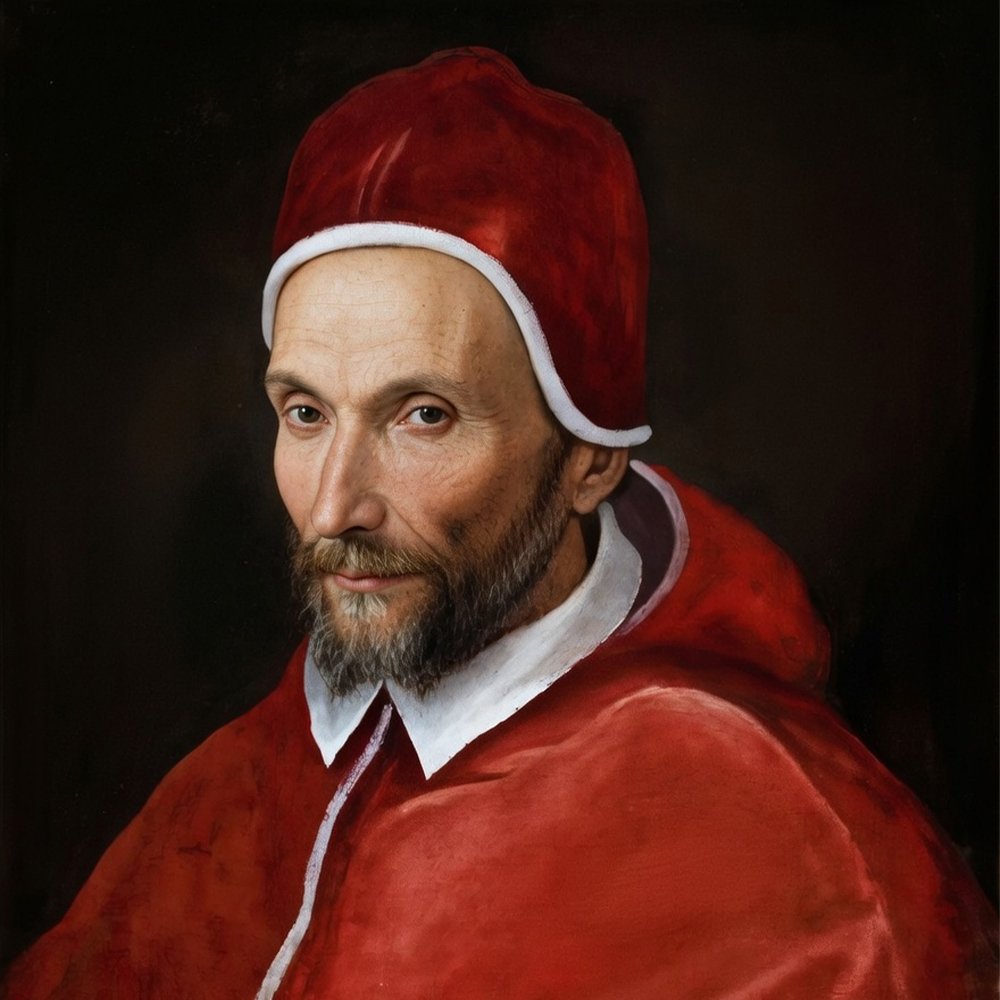
Pope Urban VII (1590)
BIOGRAPHICAL DATA
Birth name: Giovanni Battista Castagna
Birth: August 4, 1521, Rome, Papal States (Italy)
Papal election: September 15, 1590
Coronation: NEVER OCCURRED (died before coronation ceremony)
Pontificate: September 15, 1590 – September 27, 1590 (13 days – shortest papal reign in history!)
Death: September 27, 1590, Rome (69 years old)
Burial: Initially Santa Maria sopra Minerva, later transferred to Sant’Andrea della Valle, Rome
Religious order: Secular clergy (did not belong to a religious order)
Papal motto: None officially recorded (insufficient time)
Cognomen: “The Thirteen-Day Pope”, “Pope of Malaria”, “The Never-Crowned Pope”, “Pope of Public Health” (posthumous recognition)
NOTE: Holds the record for shortest papal reign in history! Died of malaria before even being crowned. Remembered primarily for a remarkable posthumously-discovered will demonstrating extraordinary personal charity and progressive social vision!
FORMATION AND RELIGIOUS LIFE
Genoese-Roman Origins – Castagna Family
Castagna Family:
- Originally from Genoa, established in Rome
- Prospero Castagna: father, respectable professional family (not high nobility, but educated class)
- Costanza Ricci: mother, Roman family
- Family: professional/mercantile background rather than aristocratic
- Giovanni Battista: showed early intellectual promise, directed toward Church career
Childhood and youth (1521-1540):
- Rome: raised in papal capital, immersed in ecclesiastical culture
- Education: solid classical education
- Latin, humanities, rhetoric
- Giovanni Battista: intelligent, serious, disciplined child
- Health: generally good in youth (later health would prove more fragile)
- Vocation: clear ecclesiastical calling from adolescence
Academic Formation
University of Bologna (1540-1546):
- Renowned law faculty
- Canon Law and Civil Law
- In utroque iure doctorate
- Doctorate: 1546 (25 years old)
- Student: excellent, methodical (strong academic performance)
Priestly Ordination: 1547 (26 years old)
- Standard preparation
- Immediate entry into ecclesiastical administrative career
EARLY ECCLESIASTICAL CAREER (1547-1573)
Legal and Administrative Positions (1547-1560):
- Served various ecclesiastical tribunals
- Auditor of the Rota: prestigious judicial position
- Reputation: skilled canonist, careful judge
- Characteristics: meticulous, incorruptible (rare for era), hardworking
Bishop of Rimini (1553-1560):
- Early episcopal service (age 32)
- Administration:
- Council of Trent implementation beginning
- Diocesan reforms initiated
- Personal charity: already showing generous tendencies toward poor
- Departure: transferred for continued diplomatic service
Papal Diplomat – Various Missions (1560-1573):
Nuncio to Spain (1565-1572):
- Crucial diplomatic posting
- King Philip II’s court: navigated complex Spanish-papal relations
- Performance: skilled, patient diplomat
- Reputation: trusted by both Spanish crown and Rome
Governor of various Papal States territories:
- Demonstrated administrative competence
- Justice: fair, consistent (avoided corruption common in era)
- Charity: consistently generous to poor throughout postings
Characteristics (1547-1573):
- Incorruptible: refused bribes (unusual, noteworthy for period)
- Charitable: personal generosity legendary even before papacy
- Meticulous: careful administrator, thorough documentation
- Reserved: not charismatic, but deeply respected for integrity
CARDINAL AND CONTINUED SERVICE (1583-1590)
Created Cardinal by Gregory XIII (December 12, 1583):
- 62 years old
- Cardinal-Priest of San Marcello
- Reasons:
- Decades of faithful, competent diplomatic service
- Reputation for personal integrity, incorruptibility
- Legal expertise valued
Cardinal (1583-1590):
Continued diplomatic service:
- Governor of Bologna (various periods): competent administration
- Various Curial congregations: Holy Office, Council interpretation
Personal characteristics as Cardinal:
- Extraordinary personal charity:
- Secretly distributed wealth to poor (would only be revealed after death!)
- Lived austerely despite considerable personal means
- Anonymous giving: avoided publicity for charitable works
- Legal expertise: continued canonical work
- Health: generally sound, though beginning to show age-related decline
- Reputation: universally respected for honesty and charity – rare combination of political skill and genuine virtue
Preparing hidden legacy:
- Unknown to contemporaries: Castagna was systematically planning extraordinary charitable bequests
- Personal fortune: accumulated through careful stewardship (not corruption)
- Secret intention: use wealth for poor relief, dowries for poor girls, and social welfare
CONCLAVE OF 1590 – ELECTION
Pre-Conclave Context
Death of Sixtus V (August 27, 1590):
- Significant pontificate (1585-1590): major reforms, urban planning, papal finances stabilized
- Strong, effective pope: left Church in relatively good administrative condition
- Legacy: organized curia, built infrastructure, restored papal authority
Situation of Church (1590):
- Relatively stable: following Sixtus V’s competent reign
- French Wars of Religion: ongoing concern (Henry of Navarre situation)
- Spanish influence: significant but not yet as dominant as would become under successor
- Financial situation: improved under Sixtus V (contrast with later Gregory XIV’s would-be devastation)
Cardinals wanted:
- Continuity: maintain Sixtus V’s competent administrative standards
- Integrity: Castagna’s reputation for honesty highly valued
- Experienced diplomat: capable of handling French crisis, Spanish relations
The Conclave – Relatively Quick
Start: September 1590
Duration: Brief (specific dates less documented due to subsequent chaos, but relatively quick process)
Factors favoring Castagna:
- Reputation for integrity:
- Incorruptibility: rare, valued quality
- Non-nepotistic tendencies: expected (based on character)
- Diplomatic experience:
- Decades of service: proven competence
- Spanish relations: experience valuable given ongoing French crisis
- Age and health (miscalculation):
- 69 years old: mature but seemingly healthy
- No obvious health crisis at election: unlike later Gregory XIV’s known ailments
- Tragic irony: would prove fatally vulnerable to disease within days
- Broad acceptability:
- Not strongly factional: respected across different cardinal groups
- Reform-minded: without being controversial
Election: September 15, 1590
- Achieved necessary majority relatively efficiently
- Castagna: accepted with characteristic humility
- Chose name: Urban VII
- Continuing traditional papal name pattern
NO CORONATION EVER OCCURRED
- Traditional coronation ceremony: typically followed election by days/weeks
- Urban VII: fell ill almost immediately after election
- Malaria: contracted rapidly (Roman malaria endemic, particularly dangerous in September – “mal’aria” season)
THE THIRTEEN DAYS – BRIEFEST PONTIFICATE IN HISTORY
Immediate Health Crisis
September 15-20, 1590:
- Days immediately following election
- Fever onset: malaria symptoms appearing rapidly
- Continued some activities: attempted to begin papal duties despite illness
- Correspondence: minimal administrative actions taken
Documented actions during brief reign:
- Immediate charitable decree:
- Prohibited excessive spending on his own coronation festivities
- Redirected funds: ordered money that would have been spent on elaborate coronation ceremonies be given to poor instead!
- Remarkable gesture: demonstrated immediate priorities (charity over pomp)
- Historic significance: even in his brief tenure, showed genuine character
- Fireworks/gunpowder trade prohibition (attributed):
- Some historical accounts: suggest he prohibited gunpowder/fireworks manufacture in Rome (public safety measure)
- Uncertain verification: limited time makes definitive policy assessment difficult
- If true: demonstrates practical, safety-conscious governance instinct
- General charitable intentions:
- Continued pattern: of personal charity even as pope
- Limited implementation: insufficient time for major charitable institutions
Rapid Health Decline
September 20-26, 1590:
- Malaria progressing: fever, chills, weakness intensifying
- Roman malaria: particularly virulent, dangerous (endemic disease in low-lying areas near Tiber)
- Medical treatment: primitive by modern standards (bloodletting, herbal remedies – largely ineffective against malaria)
- Confined increasingly: to bed
Final days:
- September 26-27: critical decline
- Lucid intermittently: but weakening rapidly
- Never crowned: ceremony postponed due to illness, then rendered impossible by death
Death
September 27, 1590:
- Death: from malaria complications
- Age: 69 years old
- Reign length: 13 days (September 15-27, 1590)
- Historical record: SHORTEST PAPAL REIGN IN DOCUMENTED HISTORY
- Never coronated: unique among popes who actually held office (some disputed/very brief antipopes aside)
Immediate reaction:
Rome:
- Shock: sudden death so soon after election
- Malaria fear: disease was serious ongoing public health concern in Rome (low-lying areas near Tiber notoriously dangerous, especially in late summer)
- Uncertainty: Church leadership crisis beginning
Cardinals:
- Stunned: needed to reconvene conclave almost immediately
- Concern: about health/age of future candidates (lesson not fully learned – would elect Gregory XIV next, also health-compromised)
THE EXTRAORDINARY POSTHUMOUS DISCOVERY
The Will – Revealing True Character
After death, execution of will revealed:
- Massive charitable bequests:
- Nearly entire personal fortune: designated for charitable purposes
- Specific provisions:
- Dowries for poor girls: substantial funds allocated (enabling marriage or convent entry for those who couldn’t otherwise afford dowries)
- Poor relief: direct assistance to Rome’s impoverished
- Hospital support: funding for medical care of poor
- Prisoner assistance: funds for those imprisoned for debt (allowing release)
- Personal austerity revealed:
- Modest personal effects: despite decades as wealthy cardinal/diplomat, personal possessions were minimal
- Simple lifestyle: confirmed – had lived far below his means
- Systematic charity: pattern of anonymous giving throughout life now documented
- Progressive social vision:
- Addressing systemic poverty: not just charity, but structural assistance (dowries enabling social mobility)
- Debt relief: addressing imprisonment for debt (progressive for era)
- Comprehensive approach: multiple forms of social assistance rather than simple almsgiving
Historical significance of the will:
Contemporary reaction:
- Astonishment: Romans amazed by extent of hidden charity
- Retrospective appreciation: brief pontiff’s true character revealed only in death
- Contrast: with era’s typical nepotism, self-enrichment (Innocent X’s Olimpia scandal would follow just decades later!)
Historical assessment:
- Genuine virtue: will provides authentic window into character (no political motivation for posthumous charity – couldn’t be for show)
- Missed potential: historians speculate what reforms might have been possible with longer reign
- Unique legacy: remembered more for what will revealed than for any papal actions (given brief tenure)
FUNERAL AND BURIAL
Funeral
September 29 – October 1, 1590:
- Modest ceremony: brief pontificate meant limited elaborate planning
- Complicated by: immediate need to plan new conclave
- Attendance: moderate, somewhat subdued by shock of sudden death
Burial and Reburial
Initial burial:
- Santa Maria sopra Minerva, Rome: initial interment
Later transfer:
- Sant’Andrea della Valle, Rome: remains later moved
- Tomb: eventually more elaborate monument constructed (reflecting growing appreciation for his character once will became known)
- Inscription: eventually noted both brief reign and extraordinary charity
IMMEDIATE SUCCESSOR AND HISTORICAL PATTERN
Conclave 1590 (Second time that year!)
Immediate necessity:
- Church needed new pope quickly: especially given ongoing French crisis
- Spanish pressure: intensifying (would lead to Gregory XIV’s election)
Result: Gregory XIV elected
- Continuing pattern: of health-compromised choices
- Would prove: even more problematic (financially disastrous French policy)
The Troubling Pattern of 1590-1592
Three problematic pontificates in succession:
- Urban VII (1590): 13 days – died before accomplishing anything, but revealed extraordinary character posthumously
- Gregory XIV (1590-1591): 10 months – health-compromised, disastrous policy
- Innocent IX (1591): 2 months – elderly, brief, limited impact
Only with Clement VIII (1592): stability finally achieved (13-year pontificate)
HISTORICAL LEGACY
Assessment by Historians
Unique historical position:
- Record holder:
- Shortest papal reign in documented history: 13 days
- Never crowned: technically unique status among “real” popes (as opposed to disputed antipopes)
- Character revelation:
- Will’s discovery: transformed historical assessment
- From footnote to figure of genuine interest: because of revealed charity
- Authentic virtue: rare combination of political competence and genuine personal holiness
- Missed potential:
- Historians speculate: what kind of pontiff he might have been with normal reign length
- Character suggests: could have been significant reforming, charitable pope
- Tragic timing: malaria’s random, devastating impact on history
- Public health historical note:
- Roman malaria: serious ongoing problem (wouldn’t be effectively addressed until much later drainage projects, understanding of disease transmission)
- Symbol: of how disease could alter history’s course (regardless of political power, papal office)
Positive assessment (based on limited evidence + will):
- Genuine personal virtue:
- Incorruptibility: documented throughout career
- Authentic charity: revealed definitively through will
- Humility: immediate redirection of coronation funds to poor
- Practical wisdom:
- Coronation funds redirection: shows immediate priorities, practical charity over ceremony
- If verified, gunpowder regulation: shows practical safety consciousness
Limitations of assessment:
Cannot judge:
- Actual governance capability: insufficient time
- Policy achievements: none possible in 13 days
- Diplomatic skills as pope: though pre-papal diplomatic career suggests competence
Comparisons
With other brief pontificates:
- Even shorter than: Innocent IX’s subsequent 2-month reign
- Historical uniqueness: truly the shortest, most extreme case
With subsequent popes:
- Character contrast: with soon-following Innocent X’s Olimpia scandal (1644-1655) – demonstrates how differently popes could behave
- Virtue contrast: Urban VII’s hidden charity vs. later nepotistic corruption
With Sixtus V (predecessor):
- Sixtus V: significant reforming pope (1585-1590) – effective administrator
- Urban VII: potentially could have continued reform tradition, but never given opportunity
PERSONAL CHARACTERISTICS
Virtues (Based on Career and Will)
Integrity:
- Incorruptible: documented throughout decades of service
- Authentic: will proves genuine character (not political posturing)
Charity:
- Extraordinary generosity: revealed posthumously
- Systematic approach: dowries, debt relief, hospital support – comprehensive social vision
- Humility: anonymous giving throughout life
Competence:
- Skilled diplomat: proven through Spanish nunciature, other postings
- Careful administrator: methodical, thorough approach to responsibilities
Practical wisdom:
- Immediate priorities: coronation fund redirection shows quick, correct moral judgment
- Balance: combined political skill with genuine spiritual/charitable values
Limitations (Circumstantial)
Health vulnerability:
- Susceptible to malaria: ultimately fatal weakness
- Unknown pre-existing conditions: may have contributed to rapid decline
Insufficient time:
- Cannot fully assess: leadership style, policy priorities, governance approach
- Potential unrealized: tantalizing hints of what might have been
CURIOSITIES AND HISTORICAL SIGNIFICANCE
- The coronation that never happened:
- Unique status: elected but never formally crowned
- Symbolic significance: raises interesting canonical questions about papal authority (though he was legitimately pope from election, regardless of coronation)
- Malaria’s historical impact:
- “Mal’aria” (bad air) – Italian term reflecting contemporary (incorrect) understanding of disease causation
- Endemic Roman problem: low-lying areas near Tiber notoriously dangerous, especially late summer/early fall
- September 1590: apparently particularly bad malaria season
- The will as historical document:
- Rare window: into genuine character of historical figure
- Contrasts sharply: with era’s typical corruption, nepotism
- Modern historians: particularly interested in this document as example of authentic period piety/charity
- Speculation on “what might have been”:
- Historical counterfactual: popular subject for historians
- Character suggests: potential major reforming, charitable pontificate
- Lost opportunity: for Church history given demonstrated virtue
- Coronation fund redirection:
- Immediate action: even while dying, prioritized poor over personal glorification
- Symbolic significance: perhaps his most important “policy” despite brief reign
DOCUMENTS AND HISTORICAL RECORDS
Extremely Limited Official Documents
Due to unprecedented brevity:
- No major bulls: insufficient time for any significant documents
- Minimal administrative record: virtually no papal correspondence of significance
- Primary historical source: the will itself (though technically a personal rather than papal document)
The Will:
- Most significant surviving document: reveals character comprehensively
- Detailed provisions: for various charitable purposes
- Historical value: exceeds typical papal administrative documents in revealing genuine character
Secondary Historical Sources
Contemporary accounts:
- Brief mentions: in chronicles of the tumultuous 1590 succession crisis
- Later historians: particularly interested once will’s contents became widely known
- Comparative studies: often referenced in discussions of papal nepotism (as counter-example)
CHRONOLOGY SUMMARY
- 1521: Birth in Rome (Castagna family)
- 1546: Doctorate in both laws (25 years old)
- 1547: Priestly ordination
- 1553-1560: Bishop of Rimini
- 1565-1572: Nuncio to Spain (crucial diplomatic service)
- 1583: Created cardinal by Gregory XIII (62 years old)
- 1583-1590: Cardinal service, secret extensive charitable giving
- 1590 (September 15): Papal election (69 years old)
- 1590 (September 15-27): THIRTEEN DAYS as pope – redirected coronation funds to poor
- 1590 (September 27): Death from malaria, before coronation – SHORTEST PAPAL REIGN IN HISTORY
- Posthumous: Will revealed extraordinary charitable bequests, transforming historical assessment
FINAL ASSESSMENT
Pope Urban VII holds a unique and poignant position in papal history: the shortest reign ever recorded (13 days), never even formally crowned, yet remembered with greater respect than many longer-reigning, more corrupt pontiffs due to a posthumously discovered will revealing extraordinary personal charity.
The Tragedy of Timing
Cruel historical irony:
- Decades of preparation: through diplomatic service, episcopal duties, cardinalate
- Finally achieving papacy: at 69, capping distinguished career
- Immediately struck down: by malaria before accomplishing virtually anything as pope
- 13 days: insufficient to demonstrate the reforming, charitable leadership his character suggested he might have provided
The Character Revealed
True measure of the man:
- Not through papal acts (insufficient time for significant policy)
- But through his will: revealing decades of hidden, systematic charity
- Genuine virtue: incorruptibility, humility, authentic care for poor
- Immediate priorities even while dying: redirected coronation funds to charity rather than personal glorification
Historical Significance
Beyond the record for brevity:
- Counter-example: to era’s typical papal nepotism, corruption
- Reminder: that genuine holiness sometimes exists quietly, revealed only through such circumstances as posthumous will discovery
- Contrast with successors: Gregory XIV’s disastrous policy, eventual Innocent X’s Olimpia scandal (1644-1655) make Urban VII’s hidden virtue even more remarkable by comparison
The Broader Lesson
For papal history:
- Character matters more than reign length: brief tenure doesn’t diminish genuine virtue
- True measure of person: sometimes revealed only through actions when no longer seeking earthly recognition (posthumous charity)
- Randomness of history: disease, health circumstances can dramatically alter historical trajectories regardless of individual merit
- Missed potential: raises perpetual historical question of “what might have been”
Epitaph (Fitting Tribute)
“Here lies Urban VII Castagna, who held the papacy for merely thirteen days yet revealed through his final testament decades of hidden charity that many longer-reigning pontiffs never matched. He redirected his own coronation funds to the poor rather than his glorification, then died of malaria before any coronation could occur. His will, discovered only after death, revealed a lifetime of systematic, anonymous generosity—dowries for poor girls, relief for imprisoned debtors, support for the sick—demonstrating that genuine holiness sometimes hides in plain sight, revealed only when earthly recognition no longer matters. Though history remembers him for the brevity of his reign, those who study his character remember him for the depth of his charity. Sometimes the shortest chapters contain the most profound truths about human virtue.”
Modern Relevance
Institutional lessons:
- Character assessment: importance of evaluating genuine virtue, not just political/administrative competence
- Legacy beyond office: true measure of leadership sometimes exists independent of official accomplishments
- Historical humility: reminder that even brief, seemingly insignificant historical episodes can contain profound moral lessons
Broader historical insight:
- Randomness and merit: disease, circumstance can prevent even worthy individuals from achieving their potential impact
- Authentic virtue: sometimes best revealed through actions taken without expectation of recognition or reward
- Historical patience: importance of looking beyond immediate, obvious achievements to understand true historical significance
Pope Urban VII – the briefest pontiff in papal history, yet remembered not primarily for his historical record-holding brevity, but for a posthumously discovered testament of extraordinary charity that revealed a character of genuine holiness hidden throughout a lifetime of faithful service.
Requiescat in pace – in Sant’Andrea della Valle, having reigned only thirteen days but having lived, we now know, a lifetime of quiet virtue that outlasts the very brevity that might otherwise have consigned him to mere historical footnote status.
Sometimes the measure of a life is not its length, but its depth—and Urban VII’s brief thirteen days as pope revealed, through one remarkable will, a depth of character that many popes with decades-long reigns never achieved. In dying almost immediately, he inadvertently gave history its most poignant lesson: true virtue needs no time to prove itself, only opportunity to be revealed.