Gregory XIV
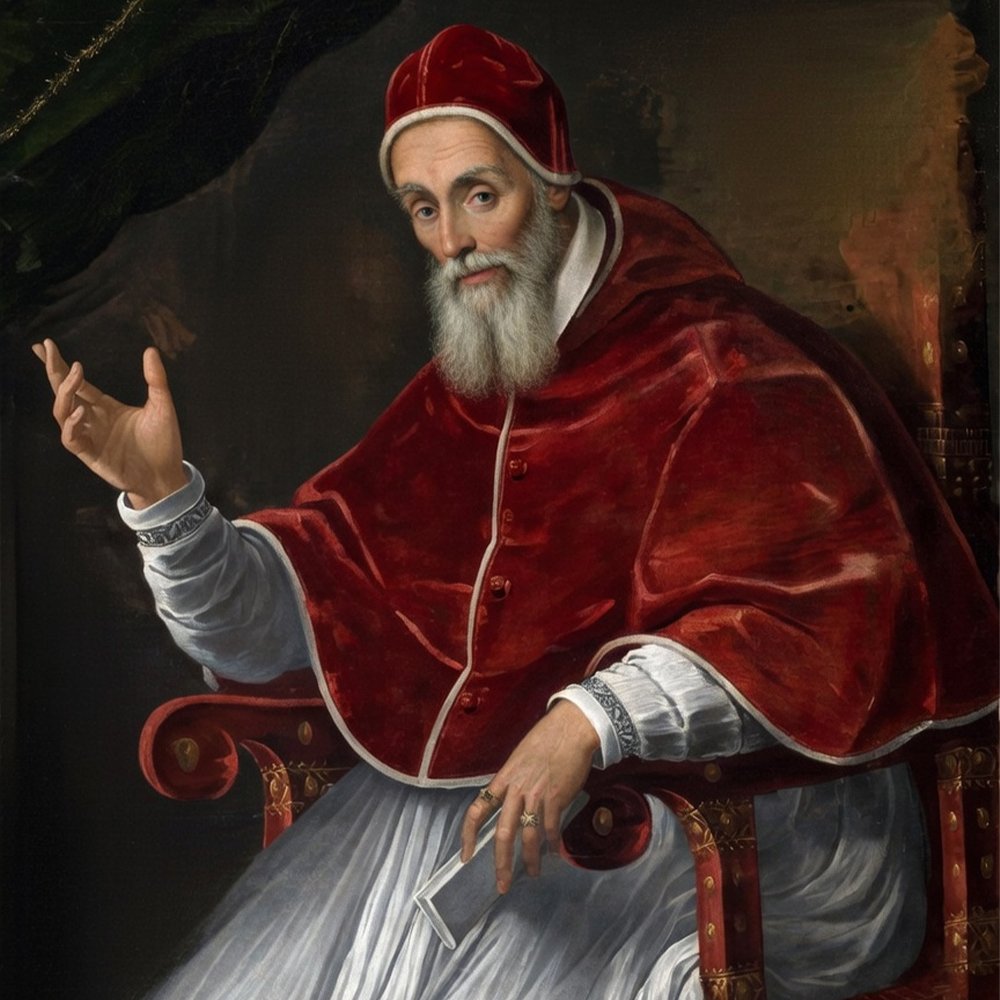
Pope Gregory XIV (1590-1591)
BIOGRAPHICAL DATA
Birth name: Niccolò Sfondrati
Birth: February 11, 1535, Somma Lombardo, Duchy of Milan (Italy)
Papal election: December 5, 1590
Coronation: December 8, 1590
Pontificate: December 5, 1590 – October 16, 1591 (10 months, 11 days)
Death: October 16, 1591, Rome (56 years old)
Burial: St. Peter’s Basilica, Vatican City
Religious order: Secular clergy (did not belong to a religious order)
Papal motto: None officially recorded
Cognomen: “The Sickly Pope”, “Pope of the Catholic League”, “The Spanish Pope”
NOTE: Weak, ailing pontificate dominated by Spanish influence and unwavering support for the French Catholic League against Protestant Henry of Navarre – drained papal treasury supporting a losing cause!
FORMATION AND RELIGIOUS LIFE
Lombard Origins – Sfondrati Family
Sfondrati Family:
- Noble Lombard family (Duchy of Milan – Spanish-controlled territory)
- Francesco Sfondrati: father, distinguished jurist, later Cardinal himself!
- Notable legal scholar, served various rulers
- Created cardinal by Julius III (1544)
- Anna Visconti: mother, from illustrious Milanese family (Visconti – former rulers of Milan)
- Family: prestigious, well-connected (father’s cardinalate significant)
- Niccolò: raised in highly educated, ecclesiastically-oriented household
Childhood and youth (1535-1550):
- Milan/Somma Lombardo: Spanish-controlled Lombardy, sophisticated culture
- Education: excellent (father’s connections, resources)
- Private tutors: Latin, humanities, law fundamentals
- Niccolò: studious, pious child
- Father’s example: legal/ecclesiastical career path clear
- Health: delicate from youth (chronic health problems would plague entire life)
- Family expectations: continue father’s distinguished service to Church
Academic Formation
University of Pavia (1550-1556):
- Prestigious Lombard university
- Civil and Canon Law
- Following father’s exact career path (jurist-cleric)
- Doctorate: 1556 (21 years old)
- Student: competent, diligent (not brilliant, but solid)
Priestly Ordination: 1560 (25 years old)
- Standard preparation completed
- Ministry: administrative/legal focus (family tradition)
EARLY ECCLESIASTICAL CAREER (1560-1583)
Various Ecclesiastical Positions (1560-1572):
- Served in Milan diocese administration
- Legal work: ecclesiastical courts, canonical procedures
- Reputation: competent canonist (following father’s expertise)
- Health issues: already experiencing chronic ailments (gastric problems, general weakness)
Bishop of Cremona (1560-1583):
- 23 years as bishop! (long episcopal tenure)
- Administration:
- Council of Trent implementation: enforced reforms diligently
- Seminary establishment: created diocesan seminary (Tridentine requirement)
- Visitations: conducted regularly (though health sometimes limited travel)
- Clergy discipline: enforced Tridentine standards
- Personal characteristics:
- Extremely pious: intense personal devotion
- Ascetic: severe personal mortifications despite poor health
- Scrupulous: meticulous about doctrinal orthodoxy
- Health struggles: chronic illness limited some activities
Reputation in Cremona:
- Respected for piety, dedication to Tridentine reforms
- Not charismatic: reserved, serious demeanor
- Genuinely holy: even critics acknowledged sincere spirituality
Created Cardinal by Gregory XIII (December 12, 1583):
- 48 years old
- Cardinal-Priest of Santa Cecilia
- Reasons:
- Father’s legacy (Francesco Sfondrati’s earlier cardinalate)
- Solid episcopal service (Cremona)
- Reputation for piety, orthodoxy
- Milan/Spanish connections valued
Cardinal (1583-1590):
- Continued as Bishop of Cremona (residential cardinal – unusual but Tridentine-approved)
- Health deteriorating: chronic ailments worsening with age
- Congregations: limited participation (health, distance from Rome)
- Reputation: holy but increasingly frail
- Spanish sympathies: Lombardy under Spanish control shaped worldview
CONCLAVE OF 1590 – ELECTION
Pre-Conclave Context
Death of Urban VII (September 27, 1590):
- SHORTEST PONTIFICATE IN HISTORY: only 13 days!
- Died of malaria before even coronation
- Crisis: Church needed stable leadership urgently
Situation of Church/Europe (1590):
French Wars of Religion – CRITICAL:
- Henry III of France assassinated (1589)
- Henry of Navarre (Protestant Huguenot) claimed French throne
- Catholic League: French Catholic nobles refusing Protestant king
- Civil war: raging (Catholics vs. Huguenots, complicated by League factions)
- Spanish intervention: Philip II supporting Catholic League (wanted Catholic France, ideally pro-Spanish)
Spanish dominance:
- King Philip II: enormous influence in papal politics
- Wanted: pope who would support Catholic League unconditionally
- Pressure: intense on cardinals (Spanish ambassador influential)
Cardinals’ dilemma:
- After Urban VII’s 13-day disaster: needed functional pope
- Spanish pressure: significant faction insisted on pro-League candidate
- Health concerns: should have learned lesson, but pressure overcame prudence
The Conclave – Contentious
Start: October 1590 (immediately after Urban VII’s death)
Duration: Several weeks (contentious, Spanish pressure intense)
Factions:
- Spanish faction:
- DOMINANT: Philip II’s ambassador extremely active
- Demanded: pope who would fully support Catholic League
- Threatened: consequences if unsuitable candidate elected
- French-sympathetic cardinals:
- Minority: some recognized dangers of total Spanish subservience
- Wanted: more independent papal policy
- “Zelanti” (reform-minded):
- Wanted: pope who could reform Church, not just political tool
Spanish pressure decisive:
- Philip II’s ambassador: essentially dictated acceptable candidates
- Sfondrati: acceptable due to:
- Lombard origin (Spanish-controlled territory)
- Known piety (not political schemer)
- Malleable: health, temperament suggested compliance with Spanish wishes
- Anti-Protestant fervor: genuine conviction (not just politics)
Election: December 5, 1590
- Spanish-backed candidate: achieved necessary support
- Sfondrati: surprised, reluctant (health concerns, sense of inadequacy)
- Accepted: dutiful acceptance despite fears
- Chose name: Gregory XIV
- Homage to Gregory XIII (predecessor who made him cardinal)
Coronation: December 8, 1590
- St. Peter’s Basilica
- Ceremony: solemn, but Gregory XIV already showing health strain
- Spanish satisfaction: their candidate secured
PONTIFICATE (1590-1591) – SPANISH DOMINATION AND FRENCH CIVIL WAR
Complete Subservience to Spanish Policy
Style of governance:
- Health-limited: chronic illness restricted personal initiative
- Spanish ambassador influence: extraordinary (virtually dictated policy)
- Advisors: heavily influenced by pro-Spanish curial officials
Nephew Cardinal Paolo Camillo Sfondrati:
- Created cardinal-nephew (traditional practice)
- Not particularly corrupt (unlike some nepotes) but inexperienced
- Handled some administrative matters (uncle’s health limiting personal action)
French Catholic League Support – DISASTROUS POLICY
The Crisis:
Background:
- Henry of Navarre (Protestant): legitimate heir by French succession law
- Catholic League: refused Protestant king, fighting civil war
- Duke of Mayenne: League military leader
- Spanish goal: prevent Protestant France, ideally install pro-Spanish Catholic monarch (perhaps Spanish Infanta!)
Gregory XIV’s total commitment:
- Excommunication renewal:
- Reaffirmed excommunication of Henry of Navarre (originally by Sixtus V)
- Declared: Henry ineligible for French throne (heretic cannot rule Catholic kingdom)
- Absolute position: no compromise possible
- Massive financial support to Catholic League:
- Papal treasury: poured into League military efforts
- Estimated: hundreds of thousands of scudi (staggering sums)
- Purpose: fund League army against Henry of Navarre’s forces
- Result: PAPAL FINANCES DEVASTATED
- Military involvement:
- Papal troops sent to France! (unusual direct military intervention)
- Commanded by: nephew Ercole Sfondrati (relative, limited military experience)
- Joined: Spanish forces, League troops
- Purpose: direct military support (not just financial)
- Diplomatic pressure:
- Bull threatening French clergy: who supported Henry of Navarre
- Ordered: French bishops to oppose Protestant king absolutely
- Extreme position: left no room for political compromise or French national considerations
Consequences – CATASTROPHIC:
- Financial ruin:
- Papal treasury: nearly bankrupted
- Debts: accumulated massively
- Legacy: successors inherited severe financial crisis
- Military failure:
- Catholic League: ultimately LOST civil war (after Gregory XIV’s death)
- Henry of Navarre: eventually converted to Catholicism (1593) – “Paris is worth a Mass!”
- Papal troops: limited military impact (Spanish-French conflict too complex for papal intervention to decisively influence)
- Political humiliation:
- Total Spanish subservience: papacy seen as Spanish puppet
- French resentment: even French Catholics resented foreign interference
- Long-term damage: French Gallican sentiment strengthened (reaction against perceived papal/Spanish overreach)
- Ultimate irony:
- Henry IV (converted 1593): eventually recognized as legitimate king
- Papal Absolution: Henry IV absolved by Clement VIII (1595) – reversing Gregory XIV’s excommunication!
- Complete reversal: showed Gregory XIV’s policy was strategically disastrous
Historical assessment:
- Gregory XIV’s French policy: UNIVERSALLY CONDEMNED by historians
- Drained papal resources for ultimately failed cause
- Demonstrated: dangers of complete subservience to single foreign power (Spain)
- Contrast: with more balanced papal diplomacy under later popes
Other Administrative Actions
Reform attempts (limited by circumstances):
- University reforms:
- Some attempts: at academic reforms (Sapienza University)
- Limited implementation: health, financial crisis limited scope
- Inquisition:
- Maintained: standard Counter-Reformation vigilance
- No major new initiatives: brief pontificate prevented significant changes
- Canonization/Beatification:
- Minimal activity: insufficient time, financial constraints
- Charitable works:
- Attempted continuation: traditional papal charity
- But: financial crisis limited generous giving (funds diverted to French intervention)
Curial administration:
- Routine functioning: despite pope’s health limitations
- Spanish influence: pervasive in appointments, policy decisions
Health Crisis Throughout Pontificate
Chronic illness from beginning:
- Gastric problems: severe, persistent (possibly ulcers, digestive disorders)
- General weakness: limited physical activities
- Continued deterioration: throughout 10-month reign
Impact on governance:
- Limited personal initiative: relied heavily on advisors (Spanish-influenced)
- Reduced audiences: health restricted normal papal activities
- Delegate authority: nephew, curial officials handled much administration
Summer 1591:
- Health crisis intensifying
- Continued despite illness: maintained commitment to Catholic League cause
- Working from sickbed: increasingly common
Final months:
- September-October 1591: rapid decline
- Bedridden: final weeks
- Continued concern: for French Catholic cause even while dying
DEATH
October 1591:
- Health deteriorating rapidly
- Multiple ailments: compounding (digestive issues, general system failure)
- Received Last Rites
October 16, 1591:
- Death: after prolonged suffering
- Age: 56 years old
- Cause: Complications from chronic gastric illness, general physical decline
Immediate reaction:
Rome:
- Relief mixed with concern: brief, financially disastrous pontificate ending
- Exhaustion: second papal death in just over a year (following Urban VII’s 13-day reign)
- Financial worry: treasury depleted, debts accumulated
Cardinals:
- Urgent need: for stable, financially prudent successor
- Recognition: Spanish over-influence had proven costly
- Determination: needed pope who could restore balance
Spain:
- Mixed reaction: lost compliant pope, but policy had failed anyway
- Catholic League: continued fighting, but without same level of papal support
France:
- Complex reaction: Catholic League continued struggle
- Some relief: among moderate French Catholics who resented foreign interference
FUNERAL AND IMMEDIATE LEGACY
Funeral
October 18-20, 1591:
- St. Peter’s Basilica
- Ceremony: dignified but subdued (financial constraints, war-weariness)
- Attendance: moderate
Burial:
- St. Peter’s Basilica
- Tomb: modest (financial situation didn’t allow elaborate monument immediately)
Immediate Successor
Conclave 1591:
- Elected: Innocent IX (Giovanni Antonio Facchinetti)
- Even older: 72 years old!
- Even shorter pontificate: only 2 months!
- Pattern continued: cardinals still hadn’t learned lesson about age/health
Eventually:
- Clement VIII (1592): finally provided stability (13-year pontificate)
- Financial recovery: slow process (Gregory XIV’s spending left severe deficit)
- French situation resolved: Henry IV’s conversion (1593) and papal absolution (1595) finally ended crisis
HISTORICAL LEGACY
Assessment by Historians
Negative – Overwhelming Consensus:
- Catastrophic French policy:
- Financial disaster: papal treasury devastated
- Strategic failure: Catholic League ultimately lost
- Political humiliation: total Spanish subservience damaged papal independence
- Ultimate irony: Henry IV eventually absolved anyway (Gregory XIV’s excommunication proved pointless)
- Health-related governance problems:
- Chronic illness: limited effective leadership
- Delegated authority: excessive reliance on Spanish-influenced advisors
- Brief reign: prevented any potential positive achievements from developing
- Spanish over-dependence:
- Papal independence compromised: seen as Spanish puppet
- Long-term damage: contributed to Gallican sentiment in France (resentment of foreign interference)
Positive – Minimal:
- Personal piety:
- Genuine faith: sincere religious conviction (even if politically disastrous)
- Consistency: maintained principles despite health struggles
- Doctrinal orthodoxy:
- Firm Counter-Reformation stance: maintained institutional consistency
Overall verdict:
- One of most financially destructive pontificates in terms of resource misallocation
- Cautionary tale: dangers of single-power dependence (Spain) in papal policy
- Health assessment failure: should have been considered more carefully in conclave
Comparisons
With immediate predecessor (Urban VII, 1590):
- Urban VII: 13 days – didn’t live long enough to cause damage
- Gregory XIV: 10 months – long enough to cause significant financial damage
With immediate successor (Innocent IX, 1591):
- Both: elderly/unhealthy choices
- Innocent IX: even shorter reign (2 months) but less policy damage (insufficient time)
- Pattern: cardinals repeatedly chose unstable candidates during this crisis period
With Clement VIII (1592-1605):
- Dramatic contrast: stable, effective, balanced diplomacy
- Recovery period: took years to repair Gregory XIV’s financial damage
- Lesson learned: more careful candidate selection subsequently
Pattern of 1590-1592 crisis:
- Three consecutive problematic elections: Urban VII (too brief to matter), Gregory XIV (health issues, disastrous policy), Innocent IX (too old, too brief)
- Finally resolved: Clement VIII provided needed stability and competence
PERSONAL CHARACTERISTICS
Virtues
Piety:
- Genuine, intense: personal religious conviction
- Ascetic tendencies: mortifications despite poor health
- Doctrinal conviction: unwavering commitment to Catholic orthodoxy
Dedication:
- Committed to cause: French Catholic League support, despite personal cost
- Consistency: maintained positions despite health deterioration
Family tradition:
- Followed father’s path: legal/ecclesiastical career (Francesco Sfondrati’s legacy)
Weaknesses
Health:
- Chronic illness: fundamentally compromised effective governance
- Should have precluded election: in retrospect, health issues too severe
Political judgment:
- Poor strategic thinking: French policy proved disastrous
- Excessive Spanish dependence: lacked independent political judgment
- Financial recklessness: spent beyond papal means for questionable cause
Delegation problems:
- Excessive reliance on advisors: Spanish-influenced counselors dominated policy
- Limited personal oversight: health prevented careful management of huge expenditures
CURIOSITIES AND HISTORICAL CONTEXT
- Father-son cardinal legacy:
- Francesco Sfondrati (father): cardinal under Julius III
- Niccolò Sfondrati (son): cardinal, then pope
- Rare succession: father-son cardinal relationship (though son surpassed father’s rank)
- Ultimate policy reversal:
- Gregory XIV: excommunicated Henry of Navarre, funded war against him
- Clement VIII (successor’s successor): absolved Henry IV just 4 years later!
- Historical irony: demonstrates how quickly “absolute” religious-political positions can reverse
- “Paris is worth a Mass”:
- Henry IV’s famous conversion (1593): pragmatic conversion to Catholicism
- Made Gregory XIV’s entire policy moot: the very cause he bankrupted papacy for resolved itself through Henry’s pragmatism
- Bitter historical irony: enormous papal expenditure ultimately unnecessary
- Financial legacy burden:
- Debts from Gregory XIV’s French intervention: plagued papal finances for years
- Clement VIII: had to implement austerity measures to recover
- Long-term consequence: demonstrates how brief pontificates can have extended negative impacts
DOCUMENTS AND ADMINISTRATIVE ACTS
Key Documents
Bulls and Briefs:
- Renewed excommunication of Henry of Navarre: major theological/political statement
- Financial authorization documents: for Catholic League support (extensive paper trail of expenditures)
- Correspondence with Spanish crown: extensive (demonstrating dependency relationship)
- Instructions to French bishops: demanding opposition to Henry of Navarre
Administrative records:
- Treasury documents: showing massive outflows to Catholic League
- Military correspondence: regarding papal troop deployment to France
CHRONOLOGY SUMMARY
- 1535: Birth in Somma Lombardo (Sfondrati family)
- 1556: Doctorate in law (21 years old)
- 1560: Priestly ordination; became Bishop of Cremona
- 1560-1583: 23 years as Bishop of Cremona (Tridentine reforms implementation)
- 1583: Created cardinal by Gregory XIII (48 years old)
- 1590 (December 5): Papal election (55 years old, Spanish-backed candidate)
- 1590-1591: Massive financial/military support to French Catholic League
- 1591: Health crisis intensifying throughout year
- 1591 (October 16): Death in Rome, 56 years old (after 10 months as pope)
- 1593: Henry of Navarre converts to Catholicism (ironically validating what Gregory XIV opposed)
- 1595: Clement VIII absolves Henry IV (completely reversing Gregory XIV’s policy)
FINAL ASSESSMENT
Pope Gregory XIV represents a cautionary tale of health-compromised leadership and disastrous foreign policy dependency. His ten-month pontificate, while longer than his predecessor’s infamous 13 days, proved strategically catastrophic for papal finances and political independence.
The Health Factor
Chronic illness throughout:
- Fundamentally compromised: effective governance from the start
- Should have precluded election: cardinals ignored obvious health limitations
- Enabled excessive delegation: to Spanish-influenced advisors who dominated policy
The Political Disaster
Total Spanish subservience:
- Financial devastation: papal treasury drained supporting Catholic League
- Military overreach: papal troops sent to France (unusual, ultimately ineffective)
- Strategic failure: cause ultimately lost anyway (Henry of Navarre’s pragmatic conversion)
The bitter irony:
- Excommunicated Henry of Navarre: absolutely, unconditionally
- Bankrupted papacy: fighting this “heretic king”
- Henry converted anyway (1593): for political expediency (“Paris is worth a Mass”)
- Successor absolved him (1595): completely reversing Gregory XIV’s entire policy
- Lesson: enormous sacrifice for ultimately unnecessary cause
The Broader Pattern
Part of 1590-1592 crisis:
- Third problematic election in rapid succession (following Urban VII’s 13 days)
- Demonstrated: dangers of prioritizing political convenience (Spanish support) over practical governance capability
- Contributed to: overall instability requiring Clement VIII’s subsequent stabilizing influence
Historical Position
Among worst papal financial managers:
- Comparable to: later nepotistic popes who drained treasuries (though Gregory XIV’s motivation was ideological/political rather than personal enrichment)
- Unique aspect: money went to genuine (if misguided) cause rather than personal/family enrichment
- Still catastrophic: result equally damaging to papal finances
Legacy summary:
- Remembered for: disastrous French policy, Spanish over-dependence, health-compromised leadership
- Cautionary example: importance of independent papal judgment, careful health assessment in candidates
- Bridge figure: between chaotic 1590 crisis and eventual Clement VIII stability
Epitaph (Historical Assessment)
“Here lies Gregory XIV Sfondrati, who inherited chronic illness from nature and Spanish subservience from political necessity, and combined both to nearly bankrupt the papacy supporting a cause that resolved itself through pragmatic conversion just two years after his death. He excommunicated a king who would become Catholic anyway; he funded a war that would be lost anyway; he depleted a treasury that his successors would spend years rebuilding. His piety was genuine, his dedication sincere, but his political judgment—compromised by health and foreign dependency—proved catastrophically misguided. He represents the danger of confusing religious conviction with sound strategic thinking, and the peril of allowing any single foreign power excessive influence over papal policy.”
Modern Relevance
Institutional lessons:
- Health assessment: crucial factor in leadership selection (should be weighted seriously)
- Foreign policy independence: dangers of excessive dependence on any single external power
- Resource management: importance of prudent financial stewardship even for seemingly righteous causes
- Strategic patience: sometimes pragmatic solutions (like Henry IV’s conversion) emerge without dramatic intervention
Broader historical insight:
- Ideological absolutism: rigid positions (permanent excommunication, unconditional military support) can become strategically counterproductive
- Pragmatism vs. principle: Henry IV’s conversion demonstrates how political pragmatism sometimes achieves what military/financial force cannot
- Institutional memory: Gregory XIV’s disaster informed later, more balanced papal diplomatic approaches
Pope Gregory XIV – a pious man whose chronic illness and excessive foreign dependency combined to produce one of the papacy’s most financially disastrous and strategically misguided pontificates, ultimately rendered moot by the very pragmatic conversion he had spent papal treasure trying to prevent.
Requiescat in pace – in St. Peter’s, having given everything (health, treasury, papal independence) for a cause that resolved itself through the very human pragmatism he refused to acknowledge as legitimate.
History’s verdict: sincere faith without strategic wisdom, dedication without discernment, conviction without flexibility—together, they nearly bankrupted an institution meant to endure for centuries, all to oppose a king who would kneel at Catholic altars within two years of the pope’s own death.