Gregory XV
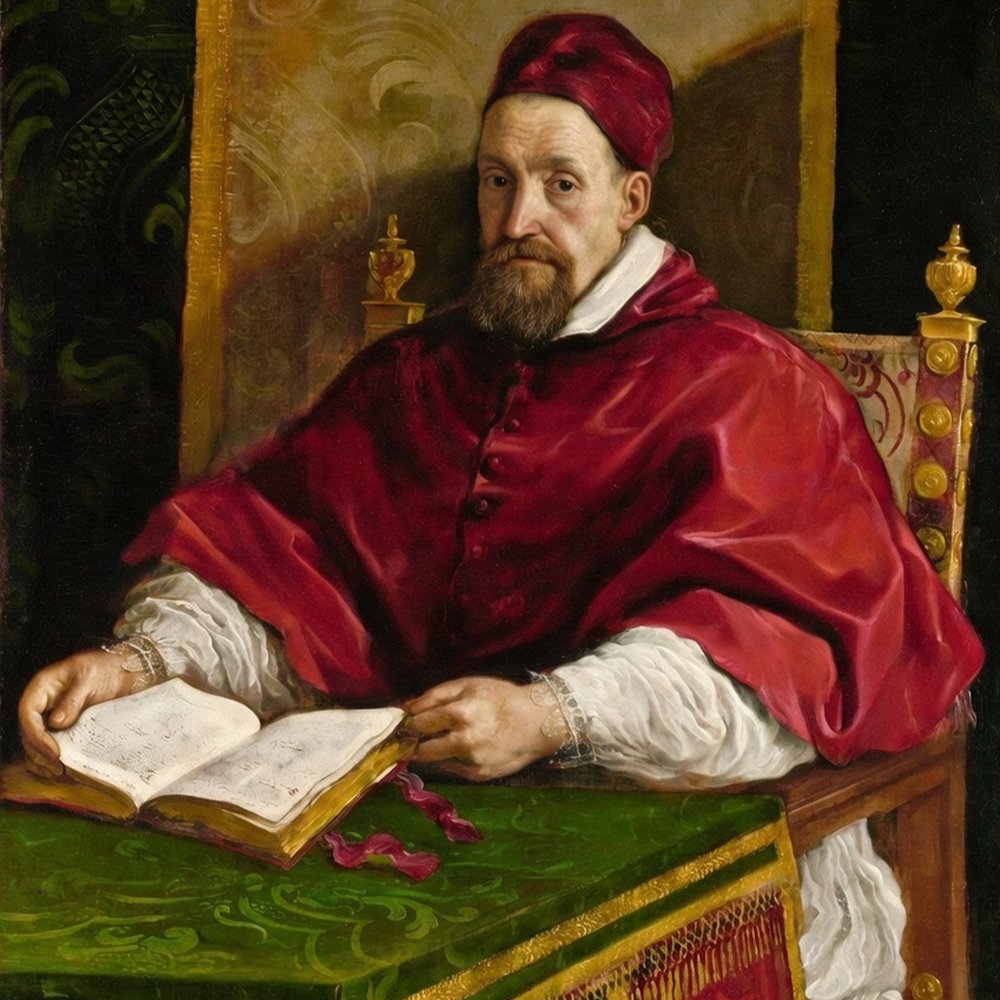
Gregory XV (1621-1623)
BIOGRAPHICAL DATA
Birth name: Alessandro Ludovisi
Birth: January 9, 1554, Bologna, Papal States
Papal election: February 9, 1621
Coronation: February 14, 1621
Pontificate: February 9, 1621 – July 8, 1623 (2 years, 5 months)
Death: July 8, 1623, Rome (69 years old)
Burial: Church of Sant’Ignazio, Rome
Religious order: Clergy of the Roman College (Jesuit-educated, but not a Jesuit)
Papal motto: None officially recorded
Cognome: “Pope of the Missions,” “Reformer of Conclaves,” “First Jesuit-Trained Pope”
NOTE: Founded the Congregation for the Propagation of the Faith (Propaganda Fide) – revolutionized Catholic missionary work and established the secret ballot for papal conclaves!
FORMATION AND EARLY LIFE
Aristocratic Origins – The Ludovisi Family
Family Ludovisi:
- Ancient Bolognese noble family
- Pompeo Ludovisi: father, Count of Samoggia (now Savigno in the Province of Bologna)
- Camilla Bianchini: mother, from a noble Bolognese family
- Family: seven children, Alessandro was the third
- Property: estates in Bologna and surrounding regions
- Economic status: comfortable nobility, not among the wealthiest Roman families
Childhood in Bologna (1554-1568):
- Born and raised in Bologna, second city of the Papal States
- Early education: local tutors, humanistic formation
- Family deeply connected to Bolognese ecclesiastical circles
- Young Alessandro: intelligent, serious, academically inclined
- Health: robust (would live to 69 – respectable for era)
Jesuit Education – Formative Influence
Roman College (1568-1571):
- Sent to Rome at age 14 to study at the Roman College
- Institution run by the Society of Jesus (Jesuits)
- Curriculum: humanities, rhetoric, philosophy
- Exposed to: Ignatian spirituality, systematic thinking
- First pope to be educated entirely by Jesuits
German College (1571-1573):
- Transferred to the German College (also Jesuit-run)
- Institution: founded by Jesuits to train German priests
- Environment: international, Counter-Reformation spirit
- Deepened: theological formation, ecclesiastical discipline
University of Bologna (1573-1575):
- Returned to Bologna for advanced studies
- Doctorate in Canon and Civil Law (in utroque iure): June 4, 1575
- Thesis: solid, orthodox, professionally competent
- Formation: unusually complete (humanities, philosophy, theology, law)
Ordination to Priesthood:
- No precise date recorded in historical sources
- Ordained sometime before 1575 or shortly after
- Evidence suggests: ordained before returning to Rome
- Never belonged to a religious order (secular priest)
Early Roman Career (1575-1612)
Return to Rome (1575):
- Entered Roman Curia as papal jurist
- Connections: through Bolognese network, family contacts
- Gradual ascent through administrative positions
Referendary of the Apostolic Signatura (1593-1596):
- Position: judge in the highest papal tribunal
- Responsibilities: reviewing legal cases, preparing decisions
- Reputation: competent jurist, hardworking, reliable
Vicegerent of Rome (1597-1598):
- Deputy to the Cardinal Vicar of Rome
- Administrative oversight of the Diocese of Rome
- Day-to-day governance of clergy, parishes, religious houses
- Experience gained: practical pastoral administration
Auditor of the Sacred Roman Rota (1599-1612):
- THIRTEEN YEARS as Rota Auditor
- One of the most prestigious judicial positions in Christendom
- Rota: supreme court of the Catholic Church
- Cases: marriage, benefices, ecclesiastical disputes
- Reputation built:
- Impartial
- Learned
- Meticulous
- Slow but thorough
Relationship with Pope Paul V:
- Paul V (1605-1621): Borghese pope
- Ludovisi: trusted collaborator
- Long papal reign (16 years) allowed stability
- Ludovisi’s career: steady advancement under same pope
EPISCOPATE AND CARDINALATE (1612-1621)
Archbishop of Bologna
Appointment (March 12, 1612):
- Pope Paul V named him Archbishop of Bologna
- Presumed priestly ordination: must have occurred before this date
- Consecration: May 1, 1612
- Location: Church of Sant’Andrea al Quirinale, Rome
- Consecrator: Cardinal Scipione Caffarelli-Borghese (pope’s nephew)
Governance of Bologna (1612-1621):
- Returned to his native city as archbishop
- Pastoral approach:
- Regular visitations to parishes
- Concern for clerical discipline
- Support for religious orders
- Emphasis on preaching and catechesis
- Jesuit connections maintained:
- Favored Jesuit institutions
- Promoted Ignatian spirituality
- Relations with civil authorities:
- Bologna: second city of Papal States
- Papal legate (cardinal governor) present
- Ludovisi: cooperative but defended ecclesiastical rights
Cardinal and Diplomat
Created Cardinal (September 19, 1616):
- Elevated by Pope Paul V
- Title: Cardinal-Priest of Santa Maria in Traspontina
- Age: 62 (relatively late – mature, experienced)
- Reason: merit, long service, episcopal competence
Nuncio to Savoy (August 1616):
- Diplomatic mission: Mediate between
- Charles Emmanuel I, Duke of Savoy
- Philip III of Spain
- Dispute: Succession to the Gonzaga Duchy of Montferrat
- Context: Northern Italy strategic, Franco-Spanish rivalry
- Outcome: Partial success, temporary calm (conflict would erupt later as War of Mantuan Succession, 1628-31)
- Diplomatic style: Patient, legalistic, persistent
Return to Bologna (1617-1621):
- Resumed episcopal duties after Savoy mission
- Remained in Bologna until Pope Paul V’s death
- Reputation in 1621:
- Experienced administrator
- Seasoned diplomat
- Learned jurist
- Personally pious
- Aged 67 – seen as “transitional figure”
CONCLAVE OF 1621 – ELECTION
Context: Death of Paul V
Death of Paul V (January 28, 1621):
- Pontificate: 16 years (1605-1621)
- Died at age 68
- College of Cardinals: 70 members, 69 eligible electors
- 51 cardinals participated in conclave
Situation of the Church (1621):
- Thirty Years’ War (1618-1648): raging in Germany
- Protestant forces: advancing
- Catholic League: needing support
- France: under young Louis XIII, regency of Marie de’ Medici
- Spain: dominant Catholic power, Philip III
- Papal States: stable but financially strained
- Missions: expanding globally but uncoordinated
The Conclave – One Day!
Dates: February 8-9, 1621
Duration: Approximately 24 hours – shortest conclave of the 17th century!
Factions in the Sacred College:
- Borghesian Party (29 cardinals):
- Led by: Cardinal Scipione Borghese (nephew of Paul V)
- Largest faction
- Initial candidate: Cardinal Campori
- Borghese had secured 24 declarations for Campori before conclave
- Clementine Party (13 cardinals):
- Led by: Cardinal Pietro Aldobrandini (nephew of Clement VIII)
- Cardinals created by Clement VIII
- Opposed Campori
- Sixtine Party (6 cardinals):
- Led by: Cardinal Alessandro Montalto (nephew of Sixtus V)
- Small but influential
- Neutrals (Italian ruling families):
- Cardinals d’Este, Medici, Sforza
- Not aligned with major factions
Key Obstacles:
- Republic of Venice: opposed Campori
- Cardinal Orsini: personally opposed Campori, had French support
- Campori’s candidacy: collapsed on first day
The Election
February 9, 1621 – Morning:
- Borghese attempted to elect Campori by acclamation
- Failed: many Borghese supporters defected to Orsini
- Campori withdrew his candidacy
First (and only) Scrutiny:
- Cardinal Robert Bellarmine, SJ: received 15 votes
- Bellarmine: 78 years old, had previously refused papacy
- Reiterated refusal: would not accept
Afternoon Negotiations:
- Key cardinals met: Borghese, Orsini, Zapata, Capponi, d’Este, Medici
- Searched for compromise candidate
- Consensus emerged: Alessandro Ludovisi
Why Ludovisi?
- Age (67): Seen as transitional, short pontificate expected
- Health: Known to be frail, ill
- Experience: Archbishop, former Rota Auditor, diplomat
- Neutrality: Not aligned with extreme factions
- Reputation: Learned, pious, uncontroversial
- Bolognese: Not Roman, thus outside local rivalries
Election (February 9, 1621 – Evening):
- Approximately 11:00 PM
- Cardinals assembled in Cappella Paolina
- Elected by acclamation (last pope elected this way!)
- Ludovisi accepted
- Chose name: Gregory XV
- Honored Gregory the Great? Gregory XIII? (probably general tribute)
Coronation (February 14, 1621):
- Crowned by Protodeacon Cardinal Andrea Baroni Peretti Montalto
- Later possession of St. John Lateran: May 14, 1621
Last Pope Elected by Acclamation:
- Gregory XV was the last pope elected by spontaneous acclamation
- He would soon reform the system to prevent irregularities!
PONTIFICATE (1621-1623) – REFORM AND MISSION
Nepotism – The Ludovisi Rise
The Problem of Health:
- Gregory XV: 67 years old, weak health
- Recognized: needed energetic assistant
- Solution: turn to family (standard practice of era)
Cardinal-Nephew Ludovico Ludovisi:
- Created cardinal: third day of pontificate (February 12, 1621)
- Age: 25 years old
- Relationship: nephew
- Qualities:
- Brilliant talents
- Energetic
- Devoted to pope
- Ambitious for family
- Catholic Encyclopedia: “used his brilliant talents and his great influence for the welfare of the Church”
Brother Orazio Ludovisi:
- Appointed: Captain General of the Church
- Head of papal army
- Made Nobile Romano and Duke of Fiano Romano (1621)
Family Acquisitions:
- Duchy of Zagarolo: purchased from Colonna family by Ludovico Ludovisi (1622)
- Prince of Piombino: nephew Niccolò Ludovisi married heiress, became ruling prince (1634, after Gregory’s death)
- Family advancement: systematic but not unusual for era
Assessment of Nepotism:
- Gregory XV’s nepotism: typical of 17th-century papacy
- Contrast with Innocent XII (future reform)
- Ludovico Ludovisi: genuinely capable, served Church effectively
- But: family enriched considerably
Foundation of Propaganda Fide – Revolutionary Reform
Historical Context – Need for Mission Coordination:
- Pre-1622: missions supervised by Catholic monarchies (Spain, Portugal)
- Padroado/Patronato systems: royal control over Church in colonies
- Problems:
- National interests over Church interests
- Lack of coordination
- Indigenous peoples neglected
- Competing religious orders (Jesuits, Franciscans, Dominicans)
- Need: central papal authority for missions
Foundation (January 6, 1622):
- Date: Feast of the Epiphany
- Significance: “call of the heathen to the Kingdom of Christ”
- Name: Sacred Congregation for the Propagation of the Faith
- Latin: Sacra Congregatio de Propaganda Fide
- Known as: “Propaganda” (origin of English word “propaganda”!)
Apostolic Constitution “Inscrutabili Divinae” (June 22, 1622):
- Formal canonical erection
- Claimed for pope: duty and right to spread faith as chief pastoral task
- Emphasis: pastoral responsibility toward all peoples
- Included: schismatics, heretics, infidels
Structure of New Congregation:
- 13 cardinals
- 2 prelates
- Secretary: Francis Ingoli (1578-1649) from Ravenna – first secretary, served 27 years
- Competence: broad, covering all missionary activity
Functions:
- Coordinate all missionary work
- Regulate missionary methods
- Assign mission territories
- Depend directly on papal authority
- Train missionaries
- Material and spiritual assistance to missions
Historical Significance:
- “New epoch of mission history”
- Centralization under pope, not monarchs
- Professionalization of missionary work
- Long-term impact:
- Spread of Catholicism worldwide
- Training indigenous clergy (eventually)
- Cultural accommodation debates (Chinese Rites later)
- Legacy: Propaganda Fide became model for missionary organization
Gregory XV’s Motives:
- Jesuit-educated: global vision
- Counter-Reformation: recover losses to Protestantism
- Pastoral: souls everywhere under papal care
- Institutional: order from chaos
Reform of Papal Conclaves
Bull “Aeterni Patris Filius” (November 15, 1621):
- Major reform of papal elections
- Response to: irregularities in previous conclaves
- His own election by acclamation: highlighted need for clarity
Three Permitted Methods of Election:
- By Scrutiny (ordinary method):
- Secret ballot
- Each cardinal votes for one candidate only
- No voting for oneself
- Two-thirds majority required
- Secret ballot introduced to abolish political influence
- By Compromise:
- After deadlock, cardinals unanimously delegate election to small committee
- Committee elects pope
- By Quasi-Inspiration (Acclamation):
- All cardinals spontaneously proclaim same candidate
- BUT: must be confirmed immediately by written ballot
- (Effectively eliminated true acclamation)
Bull “Decet Romanum Pontificem” (March 12, 1622):
- Detailed ceremonial regulations
- Every aspect of conclave prescribed
- Remained substantially in force until Pope John Paul II (1996)
Significance of Reform:
- Eliminated: voice votes, public declarations (pressure)
- Reduced: external political interference
- Established: secret ballot as norm
- Legacy: papal elections more orderly, less manipulable
Relations with Catholic Powers
Thirty Years’ War Support:
- Emperor Ferdinand II (Holy Roman Empire):
- Financial assistance: one million gold ducats
- Support for Catholic League against Protestants
- King Sigismund III Vasa (Poland-Lithuania):
- Support against Ottoman Empire
- Defending eastern Christendom
France:
- Regence of Marie de’ Medici
- Relations: correct but distant
- French Church: Gallican tendencies (not confronted aggressively)
Spain:
- Philip III: traditional Catholic ally
- Ludovisi family: cultivated Spanish connections
- Duchy of Montferrat mediation continued
General Policy:
- Gregory XV: interfered little in European politics
- Focus: internal Church reform, missions
- Resources: limited, spent strategically
Witchcraft Declaration – Moderation
“Omnipotentis Dei” (March 20, 1623):
- Last papal ordinance against witchcraft
- Significance: moderated former punishments
- Death penalty limited to those:
- “Proved to have entered into a compact with the devil”
- AND “committed homicide with his assistance”
- All others: lesser penalties
- Reflected: growing skepticism about witch trials
- Jesuit influence: rational approach
Canonizations – Counter-Reformation Saints
The Great Canonization of March 12, 1622:
- Five saints canonized together (rare!)
- St. Ignatius of Loyola (1491-1556): Founder of Jesuits
- St. Francis Xavier (1506-1552): Jesuit missionary to Asia
- St. Teresa of Ávila (1515-1582): Carmelite reformer, mystic
- St. Philip Neri (1515-1595): Founder of Oratorians, “Apostle of Rome”
- St. Isidore the Laborer (c. 1070-1130): Spanish farmworker, patron of peasants
Significance:
- Celebration of Counter-Reformation spirituality
- Jesuits: two founders canonized (Ignatius, Francis Xavier)
- Mystics: Teresa of Ávila
- Popular piety: Isidore the Laborer
- Roman reform: Philip Neri
- Message: Catholic renewal producing saints
Beatifications:
- Ambrose Sansedoni of Siena
- Albert the Great (Dominican theologian, doctor of Church – beatified, canonized later)
- Aloysius Gonzaga (Jesuit saint)
- Francis Borgia (Jesuit)
- Peter of Alcantara (Franciscan reformer)
Art and Patronage
Guercino in Rome:
- Giovanni Francesco Barbieri (“Guercino”) – Bolognese painter
- Gregory XV: brought him to Rome
- Commissioned major works
- Landmark: development of High Baroque style
Portrait Busts:
- Gian Lorenzo Bernini: sculpted Gregory XV
- Alessandro Algardi: restrained bust in tondo
- Church of Santa Maria in Vallicella: Algardi bust preserved
- Both: greatest sculptors of Baroque Rome
Architecture:
- Limited (short pontificate)
- But: patronized arts significantly
Brief Pontificate – Administrative Legacy
Duration: Only 2 years, 5 months
Achievements in Short Time:
- Propaganda Fide: permanent missionary structure
- Conclave reform: secret ballot, lasting until 1996
- Canonizations: five major Counter-Reformation saints
- Witchcraft moderation: last papal ordinance
- Diplomatic support: Thirty Years’ War
- Artistic patronage: Guercino, Bernini, Algardi
Why So Much Accomplished?
- Experienced administrator (70 years old)
- Excellent staff (nephew Ludovico capable)
- Clear priorities: missions, reform, saints
- Short time but intense focus
DEATH AND LEGACY
Final Illness
Health Decline (June-July 1623):
- Long history: kidney stones
- Bedridden: June 16 – July 1, 1623
- Symptoms: diarrhea, stomach disorder, great discomfort
- Condition worsened: July 4, fever greatly weakened him
Last Sacraments:
- Viaticum: July 5, 1623
- Extreme Unction: July 6, 1623
- Conscious, prepared for death
Death
July 8, 1623:
- Location: Quirinal Palace, Rome
- Age: 69 years, 6 months
- Cause: complications from kidney stones, old age
- Surrounded by: cardinals, servants, nephew Ludovico
Last Words (inferred from accounts):
- Not recorded precisely
- Likely prayers, commendation of soul
- Possibly: recommended Church to cardinals
Reaction:
- Rome: mourning, but expected (ill health known)
- Ludovisi family: grief, but prepared
- Cardinals: immediately began planning new conclave
- Successor: Pope Urban VIII (Maffeo Barberini) – elected August 6, 1623
Funeral and Burial
Funeral:
- St. Peter’s Basilica (temporary)
- Ceremony: standard papal funeral
- Later transferred
Burial:
- Church of Sant’Ignazio, Rome
- Jesuit church (fitting for Jesuit-educated pope)
- Location: near Altar
Monument:
- Erected more than 80 years later
- By: Jesuits
- At wish of: Cardinal Ludovico Ludovisi
- Monument honors: both Gregory XV and Ludovico Ludovisi
- Style: Baroque, magnificent
- Contrast: Gregory’s own simplicity vs. later monument
LEGACY AND HISTORICAL EVALUATION
Major Achievements
- Congregation for Propaganda Fide:
- Greatest legacy
- Transformed Catholic missions worldwide
- Centralized under papal authority
- Professionalized missionary work
- Lasting impact: still exists (now Dicastery for Evangelization)
- Conclave Reform:
- Secret ballot established
- Three methods codified
- Lasted nearly 400 years
- Reduced external interference
- Counter-Reformation Saints:
- Canonized founding saints of Jesuit order
- Legitimized new spirituality
- Inspired Catholic renewal
- Moderate Witchcraft Policy:
- Last papal intervention
- Reduced executions
- Reflected Enlightenment influence
Assessment
Contemporary Views:
- Catholic Encyclopedia (1910): positive
- Seen as: learned, reforming, pious
- Nepotism: accepted as normal for era
Modern Historiography:
- Reformer: in missions, elections
- Transitional: short but significant
- Jesuit influence: shaped vision
- Baroque pope: patron of arts
Comparison with Innocent XII:
Gregory XV (1621-23) | Innocent XII (1691-1700) |
Practiced nepotism | Abolished nepotism |
Founded Propaganda Fide | Expanded charity |
Reformed conclaves | Reformed Curia |
Short pontificate (2.5 years) | Longer pontificate (9 years) |
Jesuit-educated | Jesuit-educated? (different era) |
Counter-Reformation context | Post-Tridentine consolidation |
Weaknesses:
- Nepotism: enriched family significantly
- Short pontificate: limited impact
- Political involvement: minimal (some saw as weakness)
Beatification/Canonization
No cause introduced:
- Not considered for sainthood
- Reasons:
- Nepotism (normal for era but obstacle)
- No miracle tradition
- Short pontificate, less popular devotion
Veneration:
- No significant cult
- Remembered institutionally, not popularly
Historical Place
Significance:
- Among popes: mid-tier in fame, high-tier in specific reforms
- Propaganda Fide: his enduring monument
- Conclave rules: shaped all subsequent elections until 1996
Epitaph (implied):
“He organized the missions, reformed the conclave, and canonized the saints of the Counter-Reformation.”
CURIOSITIES AND DETAILS
Personal Characteristics
Appearance (from portraits):
- Face: rounded, thoughtful
- Expression: calm, intelligent
- Beard: full, white (as era style)
- Vestments: standard papal, not particularly austere
- Posture: dignified scholar
Personality:
- Learned: jurist by training
- Patient: 13 years as Rota Auditor
- Diplomatic: Savoy mission
- Pious: Jesuit formation
- Family-oriented: trusted nephew completely
Relationships:
- Cardinal Ludovico Ludovisi: complete trust, delegated authority
- Jesuits: lifelong connection
- Bologna: never forgot native city
- Artists: patron, connoisseur
Anecdotes
- The Shortest Conclave:
- 1621 conclave: 24 hours
- Gregory XV: last to be elected by acclamation
- Then he abolished acclamation!
- Irony: last acclamation pope eliminated acclamation
- First Jesuit-Trained Pope:
- Educated at Roman College and German College (both Jesuit)
- Brought Jesuit global vision to papacy
- Propaganda Fide: reflects Jesuit missionary experience
- The Nephew Who Delivered:
- Ludovico Ludovisi: age 25 made cardinal
- Critics: nepotism!
- Reality: Ludovico proved capable
- Catholic Encyclopedia: defended him
- Rare case: nephew justified trust
- Witchcraft Moderation:
- 1623: Europe still burning witches
- Gregory XV: limited death penalty
- Influenced by: rational legal training? Jesuit skepticism?
- Last papal word on subject
- Five Saints at Once:
- March 12, 1622: unprecedented multiple canonization
- Ignatius, Francis Xavier, Teresa, Philip Neri, Isidore
- Message: Catholic renewal producing heroes
- Ceremony: magnificent Baroque spectacle
Documents and Bulls
Major Documents:
- “Aeterni Patris Filius” (Nov 15, 1621): Conclave reform
- “Inscrutabili Divinae” (June 22, 1622): Propaganda Fide foundation
- “Decet Romanum Pontificem” (March 12, 1622): Conclave ceremonial
- “Omnipotentis Dei” (March 20, 1623): Witchcraft ordinance
Other Writings:
- Diplomatic correspondence with nuncios
- Instructions for missions
- Beatification decrees
- Letters to Catholic princes
Chronology Summary
- 1554 (Jan 9): Born in Bologna
- 1568-1573: Jesuit education (Roman College, German College)
- 1575 (June 4): Doctorate in laws, University of Bologna
- 1575: Returned to Rome, began curial career
- 1593-1596: Referendary of Apostolic Signatura
- 1597-1598: Vicegerent of Rome
- 1599-1612: Auditor of Sacred Roman Rota (13 years!)
- 1612 (March 12): Appointed Archbishop of Bologna
- 1612 (May 1): Consecrated bishop
- 1616 (August): Nuncio to Savoy (Montferrat mediation)
- 1616 (Sept 19): Created cardinal by Paul V
- 1621 (Feb 9): Elected pope (67 years old)
- 1621 (Feb 14): Coronation
- 1621 (Nov 15): Bull Aeterni Patris Filius (conclave reform)
- 1622 (Jan 6): Founded Propaganda Fide
- 1622 (March 12): Canonization of five saints
- 1623 (March 20): Omnipotentis Dei (witchcraft moderation)
- 1623 (July 8): Death in Rome (69 years old)
FINAL EVALUATION
Pope Gregory XV, Alessandro Ludovisi, reigned for only two and a half years, yet his pontificate left marks that endured for centuries. He stands as the organizational genius of the Counter-Reformation – the pope who built structures that would carry Catholic renewal worldwide.
His greatest achievement, the Congregation for the Propagation of the Faith (Propaganda Fide), revolutionized Catholic missions. Before Gregory XV, missionary work was fragmented, controlled by colonial powers, and lacked central coordination. After Gregory XV, the pope himself directed the spread of the faith through a permanent congregation of cardinals. This single act transformed Catholicism into a truly global religion, with Rome at the center of evangelization .
His reform of papal conclaves was equally lasting. By introducing the secret ballot and codifying election procedures, Gregory XV eliminated many of the abuses that had plagued papal elections for centuries. His rules remained in force, with minor modifications, until 1996 – a testament to their wisdom .
The great canonization of 1622 was a stroke of Counter-Reformation genius. By elevating Ignatius Loyola, Francis Xavier, Teresa of Ávila, Philip Neri, and Isidore the Laborer together, Gregory XV proclaimed that Catholic renewal was producing authentic saints – missionaries, mystics, reformers, and ordinary workers. The Jesuits, his educators, received validation; Spanish spirituality was honored; Roman reform was celebrated .
His witchcraft ordinance showed a moderating tendency rare in an age of persecution. By limiting the death penalty to devil-worshipping murderers, Gregory XV implicitly questioned the witch-hunts sweeping Europe. Jesuit rationalism and legal training may have influenced this cautious approach .
Yet Gregory XV was a man of his time in practicing nepotism. His elevation of 25-year-old Ludovico Ludovisi to cardinal and his enrichment of the family were standard for 17th-century popes. Unlike some nephews, Ludovico proved capable, but the system remained corrupt. A later pope, Innocent XII, would abolish such practices – building on structures Gregory XV helped create but reforming the abuses he exemplified.
Educated by Jesuits, formed as a jurist, experienced as a diplomat and administrator, Gregory XV brought to the papacy a rare combination of skills. His short pontificate suggests what he might have accomplished with more time. Yet perhaps his very brevity forced focus: missions, conclaves, saints – three priorities, three lasting achievements.
Comparison with Innocent XII is instructive. Both were products of their eras. Gregory XV built institutions for a global Church; Innocent XII purified the papacy of nepotism. Gregory XV organized; Innocent XII reformed. Together, they represent two faces of post-Tridentine Catholicism: expansion and purification.
His tomb in Sant’Ignazio, erected decades after his death, honors both Gregory XV and his nephew Ludovico. The Jesuit church is fitting: the first Jesuit-trained pope rests among the sons of Ignatius. The magnificent monument contrasts with his own modest personality – a Baroque tribute to a pope who helped shape the Baroque Church.
Epitaph:
“He organized the missions of the world, reformed the election of popes, and proclaimed the saints of the renewal. Jesuit in education, jurist in formation, reformer in action – Gregory XV built for eternity in the briefest of reigns.”
Propaganda Fide continues his work. Every missionary sent by Rome, every new diocese established under papal authority, every coordination of global evangelization – all trace back to January 6, 1622, when Gregory XV signed the bull that changed Catholic history.
The secret ballot in papal conclaves was his gift. Every cardinal since 1621 who has voted in secret, free from external pressure, owes that freedom to Gregory XV’s reform.
Five saints canonized together proclaimed his vision. Ignatius and Francis Xavier for the missions; Teresa for mystical prayer; Philip Neri for Roman charity; Isidore for humble labor – the Catholic Reformation in five biographies.
He was not a saint himself, nor is he widely remembered. But institutions outlive individuals, and Gregory XV’s institutions – Propaganda Fide, the reformed conclave – have outlived him by four centuries. That is a legacy few popes can match.