Charismatismus
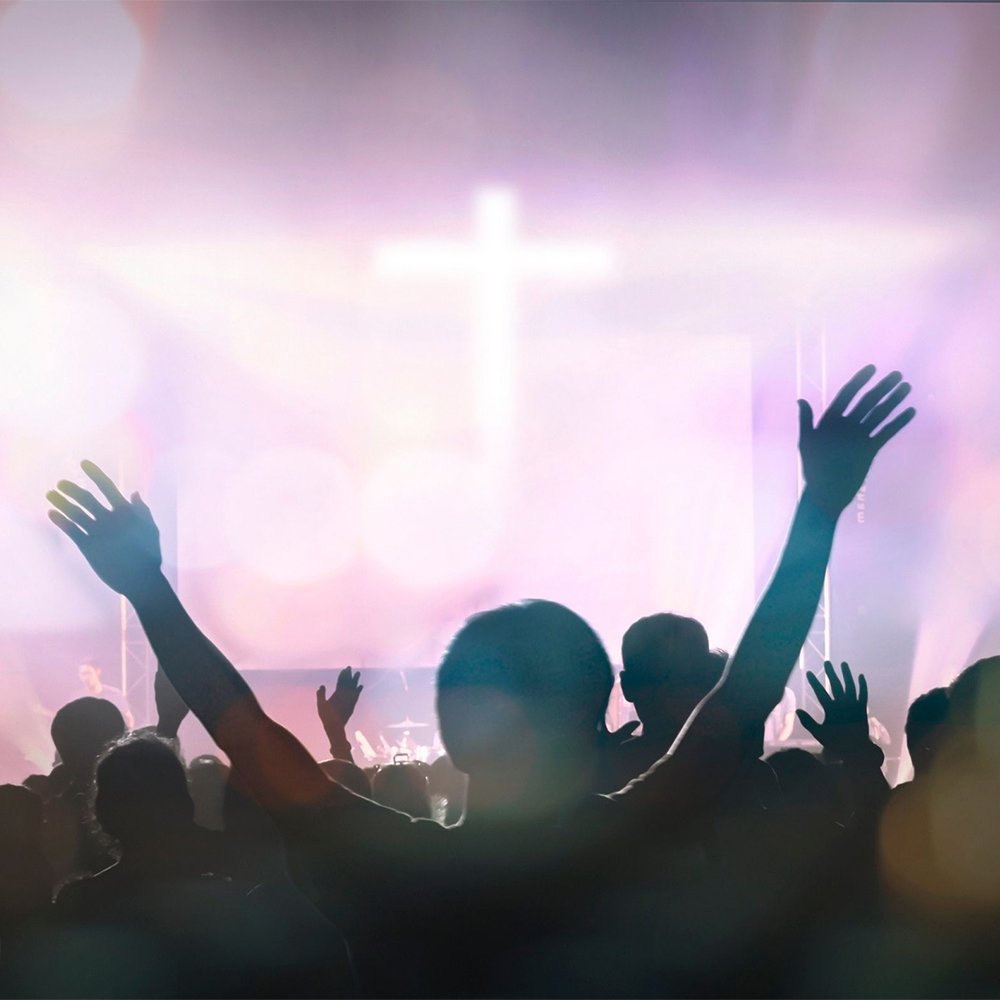
Catholic Charismatic Renewal (CCR)
The Pentecostal Protestant infiltration in the post-Vatican II Church.
I. SUSPECT ORIGINS – BORN FROM PROTESTANT PENTECOSTALISM
Duquesne Weekend (1967) – The “Baptism in the Spirit”
Historical context:
In February 1967 , at Duquesne University (Pittsburgh), Catholic professors and students participated in a retreat that initiated the Catholic charismatic movement.
Key events:
Protestant preparation:
The group had read the book “The Cross and the Switchblade” by David Wilkerson (a Pentecostal pastor).
They studied “They Speak in Other Tongues” by John Sherrill (about Pentecostalism).
They were instructed by Protestant Pentecostals about “baptism in the Spirit.”
The “baptism”:
Catholic students received the laying on of hands from Pentecostal Protestants.
They experienced “glossolalia” (speaking in tongues), tremors, and falls.
Phenomena identical to those in Protestant Pentecostal services.
No Catholic priests or theologians were initially involved.
Review:
Heterodox origin: It arose from PROTESTANT BOOKS and PROTESTANT LAYING ON OF HANDS, not from Catholic tradition.
Non-Catholic methodology: Subjective emotional experience as a criterion of truth.
Sacramental inversion: “Baptism in the Spirit” performed by lay people/Protestants, replacing sacramental Confirmation.
Suspicious timing: 1967 = peak of the post-Vatican II revolution.
Expansion of Notre Dame (1967-1970)
The University of Notre Dame became the center of the movement:
Professors like Kevin and Dorothy Ranaghan led the expansion.
First national meeting in 1967
Close connections with Protestant Pentecostals (David du Plessis, “Mr. Pentecost”)
Critique: Prestigious Catholic university legitimized a movement of Protestant origin, confusing the faithful.
II. Heretical/Heterodox Doctrines and Practices
1. “Baptism in the Holy Spirit” – Denial of Confirmation
Charismatic teaching:
The Catholic Charismatic Renewal (CCR) teaches that there is a post-baptismal experience called “baptism in the Spirit” where:
A person “releases” or “updates” the graces of Baptism/Confirmation.
Receives a “new outpouring” of the Holy Spirit.
Manifests charisms (speaking in tongues, prophecies, healings)
It’s time for “true conversion”.
Review:
A. CONTRADICTS SACRAMENTAL THEOLOGY
Council of Trent (Session VII, Canon 9): “If anyone says that the three sacraments [Baptism, Confirmation, Holy Orders] do not imprint a character on the soul… let him be anathema.”
Saint Thomas Aquinas ( Summa Theologica III, q.72): “Confirmation is for spiritual strengthening… the Holy Spirit is given for strength.”
Traditionalist argument:
In Baptism we receive the Holy Spirit for the first time (Romans 8:9).
In Confirmation we receive the fullness of the gifts of the Spirit.
These sacraments leave an indelible mark.
To say that one needs subsequent “baptism in the Spirit” is:
To deny the efficacy of the sacraments.
To imply that Baptism/Confirmation are insufficient.
Sacramental heresy
Pope Leo XIII, Divinum Illud Munus (1897): “Through Baptism… the Christian is conformed to Christ… Through Confirmation the faithful are spiritually perfected and endowed with a special strength of the Holy Spirit.”
B. Protestant Subjectivism
Protestant Pentecostalism teaches “baptism in the Spirit” because:
Nega eficaz ex opere operato dos sacramentos
It is based on subjective experience as proof.
Salvation is a feeling/experience, not objective grace.
RCC imported this error into the Church.
C. Lay/Extra-Sacramental Mechanism
Charismatic “Baptism in the Spirit”:
It is done by lay people (not priests).
Through non-sacramental laying on of hands
In prayer meetings (not liturgy)
With extraordinary effects (tongues, falls)
Critique: This creates a parallel sacrament, administered outside the hierarchy, with emotional validation as the criterion. It’s complete Protestantization .
2. Glossolalia – “Speaking in Tongues”
Charismatic practice:
Members of the RCC “speak in tongues” – incomprehensible sounds, ecstatic babbling, considered “prayer in the Spirit”.
Very serious theological problems:
A. It is not a biblical gift of tongues.
Acts 2:4-11: At Pentecost, the apostles spoke in REAL LANGUAGES that foreigners UNDERSTOOD : “Parthians, Medes, Elamites… we hear them speaking in our own tongues the wonders of God.”
1 Corinthians 14: Paul regulates the gift of tongues:
There must be an interpreter (vv. 27-28)
He must build up the Church (v.12)
It should not cause confusion (v.33)
“I prefer five words with understanding to ten thousand with words” (v.19)
Modern charismatic glossolalia:
Incomprehensible sounds (not languages)
Without interpreter
Confused Babel
Emotional self-development
Conclusion: It is NOT an apostolic gift, but a carnal or diabolical imitation .
B. SCIENTIFIC EVIDENCE
Linguistic studies of charismatic glossolalia:
It does not have the syntactic structure of real languages.
Repetitive and limited patterns
Psychologically inducible (through suggestion/group pressure)
Identical in charismatic Catholics, Protestants, Mormons, even pagans in trances.
Dr. William Samarin (linguist): “Glossolalia is not language… it’s just vocal sounds.”
Critique: If an identical phenomenon occurs in false sects and pagan rituals, it cannot be from the Holy Spirit.
C. Patristic Theology on the Gift of Tongues
Saint Augustine ( Homily on 1 John ): “The gift of tongues was a sign for the early times… With the preaching of the Gospel to all nations, this sign ceased.”
Saint John Chrysostom: “This gift of tongues and other extraordinary miracles have ceased… they were given to establish the Church.”
Traditional position: Extraordinary gifts (speaking in tongues, spectacular miracles) were for the apostolic era . Claiming them today is presumption or deception .
D. DANGER OF DIABOLICAL POSSESSION
Exorcist priests warn:
Opening oneself to “spirits” without discernment is a gateway to demons.
Glossolalia may be a demonic manifestation imitating a divine gift.
Documented cases of possessions beginning at charismatic meetings.
Father Gabriele Amorth (chief exorcist of Rome): He warned about the spiritual dangers of certain charismatic practices, especially when they involve altered states of consciousness.
3. “Prophecies” – False Prophets
RCC Practice:
Members “prophesy” in meetings – spontaneous messages allegedly from the Holy Spirit, often in the first person (“I, the Lord, tell you…”).
Problems:
A. PUBLIC DISCLOSURE ENDED
Vatican Council I, Dei Filius (1870): Public revelation was completed with the death of the last apostle .
Traditional catechism: The deposit of faith is complete – nothing can be added.
Charismatic “prophecies”:
They present themselves as direct words from God.
They intend to guide the Church/community.
They add to what is in Scripture and Tradition.
Critique: This is Protestant continuationism – the heresy that revelation continues.
B. ABUNDANT FALSE PROPHECIES
Matthew 7:15-20: “Beware of false prophets… by their fruits you will know them.”
Deuteronomy 18:22: “When a prophet speaks but the word does not come true… the prophet has spoken presumptuously.”
The reality of charismatic “prophecies”:
Vague and generic (“God loves you”, “hard times are coming”)
When specific, they are often wrong.
Never subjected to the rigorous test of Deuteronomy 18:22
No one is stoned for false prophecy (as the Old Testament commanded).
Critique: 99% is psychological emotionalism; 1% may be diabolical inspiration.
C. USURPATION OF THE TEACHING PROFESSION
The Catholic Church possesses an infallible Magisterium (Pope and bishops) to teach.
Charismatic “prophecies”:
Lay people (including women) “prophesy” with authority.
Community accepted as the word of God
It creates a parallel, subjective, non-hierarchical teaching system.
Critique: This is pure Protestantism – universal priesthood, individual revelation, rejection of hierarchical mediation.
4. “Cures” – Charlatanism and Illusion
RCC Practices:
“Healing Masses,” “healing sessions,” laying on of hands for physical/spiritual healing.
Problems:
A. IMITATION OF PROTESTANT TELEVISION BROADCASTS
Methods identical to:
Benny Hinn (fraudulent Pentecostal)
Kenneth Hagin (Word of Faith/Prosperity)
Oral Roberts (Protestant healer)
Common characteristics:
Emotional music to create atmosphere.
Exaggerated or fabricated testimonies
Psychological pressure (“if it wasn’t cured, it means there’s a lack of faith”)
No serious medical check-up
B. ABSENCE OF CANONICAL PROCESS
Traditional church and miracles:
A very rigorous process for recognizing a miracle:
Thorough medical investigation
Committee of experts
Years of analysis
Exclusion of natural explanations
In Lourdes alone: 7,000+ claims, only 70 recognized after centuries.
Charismatic “healings”:
Announced immediately
No medical check-up required.
Based on emotional testimony
“Cures” for psychosomatic or invisible illnesses
Frequently, those who are “cured” relapse later.
Critique: White lies or self-deception, not miracles.
C. DISTORTED HEALING THEOLOGY
Heresy “Name and Claim” (Word of Faith):
It teaches that a faithful Christian should not get sick; sickness is always a sign of lack of faith.
Infiltration in the RCC:
Many charismatic Catholic preachers have absorbed this:
“Claim your healing!”
“God wants everyone to be healed now!”
They blame the sick for “lack of faith”
Catholic Orthodoxy:
Suffering has redemptive value (Col 1:24)
Saints who are frequently ill (Saint Paul – a thorn in the flesh)
The cross is the path to salvation.
God allows suffering for sanctification.
Saint John of the Cross, Saint Thérèse of Lisieux: Saints closest to God suffered terribly.
Critique: Charismatic healing theology is spiritual materialism , not the Catholicism of the Cross.
5. “Resting in the Spirit” (Slain in the Spirit)
Practice:
People fall to the ground during the laying on of hands, entering a trance, allegedly due to the power of the Spirit.
Traditionalist analysis:
A. ABSENT FROM TRADITION
No saint of Tradition has fallen like this in prayer meetings.
The mystical ecstasies of saints occurred in deep, solitary prayer , not in public displays.
Saint Teresa of Ávila levitated in ecstasy, but it was a rare exception and she was ASHAMED.
Saint Padre Pio bore stigmata, but in silence and suffering , not in a spectacle.
B. PRESENT IN OCCULTISM
An identical phenomenon occurs in:
Spiritualist sessions (mediums fall into a trance)
Candomblé (possession by orishas)
Shamanism (shamanic trances)
Collective hypnosis
Mass hysteria
Critique: If the same phenomenon occurs in diabolical cults, it cannot be from the Holy Spirit.
C. PSYCHOLOGICAL EXPLANATION
Psychologists have documented:
The power of suggestion in a group setting.
Social expectation (“everyone is falling, I should fall too”)
Preacher’s pressure (“take it!”)
Music/atmosphere inducing altered state
Subtle nudges (documented in videos of Protestant preachers)
D. BAD FRUITS
Matthew 7:16: “By their fruits you will know them”
After “resting in the Spirit”:
People don’t become holier.
Addictions don’t disappear.
Deep conversions rarely last.
Emotional high followed by spiritual emptiness.
Comparison: Saints, after true ecstasies, were radically transformed, abandoned the world, and mortified themselves. Charismatic figures continue to live mediocre lives.
6. Abusive and Irreverent Liturgy
Common practices in the Catholic Charismatic Renewal:
During Mass:
Clapping during chants
Arms raised (“Pentecostal praise”)
Body movements, dances
“Catholic” pop/rock music
“Prophecies” and “speaking in tongues” during liturgy
Noise, emotionalism
Traditionalist criticism:
A. Violation of Sacredness
Pope Saint Pius X, Tra le Sollecitudini (1903): “Sacred music… must be holy… must be true art… must be universal [not particular to sects].”
Instruction Musicam Sacram (even post-Vatican II, 1967): “Musical instruments can be useful, but they should never obscure singing or cause disorder.”
Charismatic Masses:
Guitars, drums, folk instruments
Deafening volume
Emotional songs, not prayers.
They turn Mass into a show.
B. IMITATION OF PROTESTANT WORSHIP
Charismatic Mass is indistinguishable from Pentecostal evangelical worship .
Same musical style
Same gestures
Even emotionalism
Same “revival” atmosphere
The only difference: The presence of the priest performing the consecration (but obscured by the circus).
Criticism: This is NOT Catholic . It’s Protestantism with a consecrated host.
C. DISREGARD FOR LITURGICAL TRADITION
The Council of Trent codified the Mass with:
Silence and reverence
Precise and sacred gestures
Gregorian chant
Focus on Sacrifice
No room for emotionalism.
RCC rejects all of this in favor of “the spontaneity of the Spirit.”
Critique: The Holy Spirit inspired traditional liturgy for centuries. Now He inspires noise and confusion? IMPOSSIBLE . “God is not a God of confusion” (1 Cor 14:33).
7. False Ecumenism and Syncretism
RCC Practice:
Ecumenical meetings with Protestant Pentecostals, sharing of preachers, “unity in the Spirit”.
Problem:
A. Communion with Heretics
Pope Pius XI, Mortalium Animos (1928):
“Ecumenical initiatives cannot be approved by Catholics… Sponsored by those who deny the unity of the Church of Christ … False religion, completely alien to the truth.”
RCC does exactly this:
Invites Pentecostal pastors to preach.
He participates in “Spirit conferences” with Protestants.
He treats heretics as “brothers in the Spirit.”
B. DOCTRINE OF FALSE UNITY
RCC promotes: “We are all one in the Spirit, doctrinal differences are secondary.”
Catholic Orthodoxy:
Outside the Church there is no salvation.
Protestants are objectively committing heresy.
Unity can ONLY come with their conversion to Catholicism.
Doctrinal differences (Eucharist, priesthood, salvation) are ABSOLUTE.
Critique: The Catholic Charismatic Renewal implicitly denies Catholic dogmas by fraternizing with those who deny them.
C. CONFIRMATION BY PROTESTANTS
Protestant Pentecostals APPROVE of RCC:
David du Plessis (Pentecostal leader): “The Catholic Charismatic Renewal is the work of the same Spirit that works in us Pentecostals.”
Traditionalist critique: If heretics approve, IT’S BECAUSE THEY ARE NOT CATHOLIC. A true Catholic movement would be CONDEMNED. by Protestants, not celebrated.
III. Rotten Fruits of the Movement
1. Abandonment of the Doctrine
Statistical reality:
Members of the RCC often:
They ignore dogmatic doctrine.
They don’t know the Catechism.
They base their faith on “experiences,” not truths.
They relativize dogmas (“what matters is love/Spirit”)
Testimonials:
The Catholic Charismatic Renewal (RCC) rarely teaches about transubstantiation, mortal sin, hell, or the necessity of confession.
Full emphasis on “praise” and “experience”
Catechesis replaced by emotional “sharing”
Critique: Modern Gnosticism – salvation through mystical experience, not adherence to revealed truth.
2. Spiritual Superficiality
Comparison:
Traditional spirituality:
Deep meditation
Rigorous self-examination
Mortification
Contemplative mental prayer
Readings from the saints (John of the Cross, Teresa of Ávila)
Slow and painful growth due to
Charismatic spirituality:
Emotional music
Emotional “high”
No mortification (seen as “legalism”)
Noisy spontaneous prayer
Reading popular books on spiritual self-help.
Seeking extraordinary experiences
Result: Generations of spiritually immature Catholics , dependent on emotional stimulation, incapable of asceticism.
3. Loss of Solid Vocations
Seminarians trained in a charismatic environment:
Irreverent liturgy
Weak theology
Emphasis on extraordinary charisms vs. ordinary virtues
Priesthood viewed as a “ministry of praise,” not the offering of Sacrifice.
Result: Mediocre, effeminate post-Vatican II priests, incapable of confronting heresy or defending doctrine.
Comparison: Traditionally trained priests (pre-Vatican II) = warriors of the faith. Charismatic priests = crowd-pleasers.
4. Division in Parishes
RCC creates factions within parishes:
“Prayer group” vs. the rest of the faithful
Elite mentality (“we have baptism in the Spirit, you don’t”)
Parallel liturgy (groups have “their own” different Mass)
Disdain for “traditional” Catholics (seen as “dead,” “without Spirit”)
Criticism: This is sectarianism , not universal catholicity.
IV. HIERARCHICAL APPROVAL – PROOF OF POST-VATICAN II APOSTASY
Support from the Conciliar “Popes”
Paul VI:
Received charismatic leaders (1975)
He called the movement a “chance for the Church”
He did not condemn his mistakes.
John Paul II:
He participated in charismatic meetings.
It allowed uncontrolled growth.
In 1998: “The movement is the work of the Holy Spirit”
Benedict XVI:
Support continued.
He never corrected liturgical abuses.
Francisco:
Enthusiast of the RCC
Participates in charismatic events regularly.
Promotes charismatic preachers
Traditionalist/sedevacantist argument:
This approval PROVES that the post-Vatican II hierarchy is in apostasy:
RCC is clearly Protestant in spirit.
It contains heresies and superstitious practices.
Viola traditional liturgy
“Popes” approve and promote it.
CONCLUSION: They cannot be true popes – a true pope would condemn this immediately.
Historical comparison:
Saint Pius X condemned incipient Modernism with the utmost severity.
Pius XII warned against liturgical experimentation.
Popes prior to Vatican II would have anathematized the RCC.
Post-Vatican II “Popes” promoting it = proof of illegitimacy.
V. CONNECTIONS WITH OTHER MODERN HERESIES
1. Medjugorje
Fact: Most of those involved in the “apparitions” of Medjugorje are CHARISMATIC.
Common characteristics:
Emotivism
Vague and repetitive messages
Episcopal disobedience (local bishop condemns)
Unverified extraordinary phenomena
Marketing
Critique: RCC predisposes to false apparitions and non-Catholic mysticism.
2. “New” Communities
RCC has generated communities such as:
Canção Nova (Brazil)
Shalom Community
Pantokrator Catholic Community
Problems:
Psychological control of members
heterodox charismatic theology
Abuse of authority
Financial and moral scandals
Cult of personality surrounding founders
Critique: Sectarian, non-Catholic structures.
3. “Catholicism” of Experience vs. Doctrine
RCC contributed to general DOCTRINAL APOSTASY :
Faith based on feeling, not truth.
Relativism (“each person has their own experience of the Spirit”)
Rejection of “negative” dogmas (hell, damnation)
Exclusive emphasis on “love” without justice.
Result: Generations that call themselves Catholic but reject sexual morality, the Holy Spirit, confession, etc.
VI. COMPARISON WITH ANGLICANISM – PERFECT ANALOGY
Anglicanism = Catholicism + Protestantism
Anglican characteristics:
It maintains an episcopal structure.
Maintains liturgy (modified)
It maintains the appearance of Catholicism.
BUT: Protestant doctrine, denies transubstantiation, sacramental priesthood, papal authority.
RCC = Nominal Catholicism + Pentecostalism
RCC Characteristics:
Maintains participation in the sacraments (formally).
Maintains attendance at (noisy) Mass.
Keeps the “Catholic” name
BUT: Protestant practice, Pentecostal emotivism, continuationist theology, desacralized liturgy
Perfect analogy:
Just as Anglicanism is Protestantism with a Catholic appearance , the Catholic Charismatic Renewal is Pentecostalism with a Catholic label .
In both cases:
Substance = heretical
Form = superficially Catholic
Function = to deceive the faithful and destroy them from within.
VII. TRADITIONAL NATURAL PERSPECTIVE
RCC as an Instrument of the Synagogue of Satan
Extreme conspiracy theory:
Freemasonry/Judaism infiltrated Vatican II
Objective: To destroy traditional Catholicism.
Method: Protestantizing the Church from within
RCC was strategically launched (1967) to:
To absorb energy from young Catholics.
Channeling religious fervor into sterile emotionalism.
Prevent a return to traditionalism.
Creating a generation of “charismatic” Catholics = functional Protestants
“Proof”: Founders’ connections to ecumenism, approval from Freemasons and Protestants, perfect timing after Vatican II.
RCC as a Prelude to a Single World Religion
Revelation 13 – False Prophet prepares the religion of the Antichrist.
Argument:
RCC teaches “unity in the Spirit” without doctrinal conversion.
Promotes fraternization with heretics.
Minimizes dogmatic differences.
Preparation for a World Church where “all are one” under the Antichrist.
Pope Francis (who promotes the Catholic Charismatic Renewal) also promotes universal fraternity in Abu Dhabi.
Apocalyptic conclusion: RCC is the leaven of syncretistic religion of the end times.
VIII. CONCLUSION
Catholic Charismatic Renewal is incompatible with Catholicism of all times.
Summary of incompatibilities:
| Traditional Catholicism | RCC |
|---|---|
| Faith = adherence to revealed dogmas | Faith = emotional experience |
| Sacraments = objective means of grace | “Baptism in the Spirit” subjective |
| Liturgy = sacred, reverent sacrifice | Liturgy = an emotional show |
| Extraordinary gifts have ceased. | Extraordinary gifts, normal |
| Ecumenism = conversion of heretics | Ecumenism = fraternity without conversion |
| Holiness = Cross, mortification | Holiness = emotional “high” |
| Authority = Infallible teaching | Authority = lay “prophets” |
| Tradition of the Fathers | Protestant novelty of 1967 |
Traditionalist Final Verdict:
RCC is NOT a Catholic movement. It is:
Protestant sect with a Catholic mask
Trojan horse of Protestantism/Pentecostalism
Yeast of apostasy
Modernist abomination
A sign of the prophesied Great Apostasy.
Called:
Traditional Catholics should:
Reject the RCC completely.
WARN about its dangers
Return to traditional spirituality (rosary, silent adoration, meditation, mortification)
To acknowledge that approval by the post-Vatican II hierarchy does not validate, but rather condemns.
Quote summarizing:
“The Catholic Charismatic Renewal is to Catholicism what Anglicanism was to England: doctrinal destruction under a veneer of continuity. It is Pentecostal Protestantism baptized with holy water. It is the quintessence of post-Vatican II apostasy – experience without truth, enthusiasm without doctrine, noise without holiness.”