Dogmas
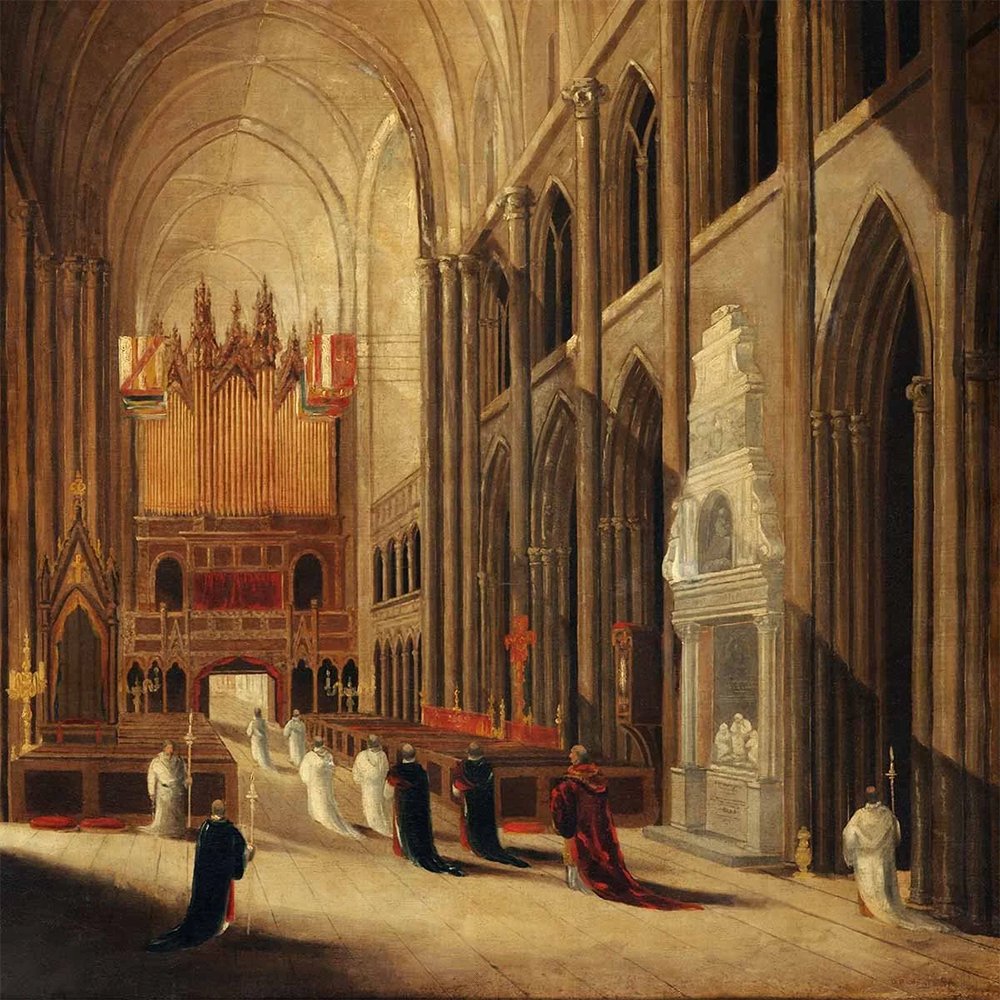
A dogma of the Catholic Church is a truth of faith revealed by God and proposed by the Church as necessary for salvation. In simpler terms, it is an absolute and definitive truth that every Catholic must believe. This means that the origin of dogma is not in a human opinion, in a philosophical theory or in a cultural preference. Its source is Divine Revelation itself. The Magisterium of the Church (the teaching authority entrusted to the Pope and the bishops in communion with him) has the duty to guard, interpret and proclaim this revealed truth. When the Magisterium defines a dogma, it is using its authority to propose a truth in a definitive and infallible way. This often happens at crucial moments in history, especially when that truth is denied, distorted, or misunderstood.
Dogma is like a light that illuminates the faith of Catholics. Far from being a limitation, it serves as a safe guide and a firm point of reference that maintains the unity of the Church and guarantees the authenticity of the Christian message throughout the centuries. Therefore, adherence to these dogmas is not just an intellectual act, but a deep bond of communion that unites all Catholics with each other and with the truth revealed by God, leading them to encounter the full truth which, for Christianity, is the very person of Jesus Christ. And, for this reason, to deny a dogma is to break this bond and place oneself outside the communion of the Church, such an act being considered heresy.
DOGMAS ABOUT THE ONE AND TRINE GOD
I. There is only one God
II. God is unique and personal
III. God is eternal
IV. God is immense
V. God is immutable
VI. God is omnipotent
VII. God is omniscient
VIII. God is omnipresent
IX. God is perfect and infinitely holy
X. God is distinct from the world
XI. God is the creator of heaven and earth
XII. The world was created from nothing
XIII. Creation is good
XIV. Divine Providence directs all things
XV. In God there are three truly distinct Persons: Father, Son and Holy Spirit
XVI. The three divine Persons are one God, equal in nature, power and glory
XVII. The Father is not begotten, the Son is begotten of the Father, and the Holy Spirit proceeds from the Father and the Son
XVIII. The three divine Persons are coeternal and consubstantial
XIX. None of the divine Persons were created
XX. All the external works of God are common to the three Persons
DOGMAS ABOUT JESUS CHRIST
I. Jesus Christ is true God and true man
II. Christ is the Only Begotten Son of God
III. In Jesus Christ there are two natures: divine and human
IV. The two natures are united in the one Person of the Word
V. Jesus Christ is one divine Person, not two
VI. Christ’s divine nature was not changed by the incarnation
VII. Christ was conceived by the power of the Holy Spirit in the womb of the Virgin Mary
VIII. Christ was born of the Virgin Mary
IX. Christ really suffered and died
X. Christ freely offered himself as a sacrifice for our salvation
XI. Christ died for all men
XII. Christ descended into hell (to the limbo of the righteous)
XIII. Christ rose from the dead on the third day
XIV. Christ ascended to heaven
XV. Christ is seated at the right hand of God the Father
XVI. Christ will return at the end of time to judge the living and the dead
DOGMAS ABOUT THE HOLY SPIRIT
I. The Holy Spirit is true God
II. The Holy Spirit proceeds from the Father and the Son as from one principle
III. The Holy Spirit is worshiped and glorified with the Father and the Son
IV. The Holy Spirit is the subsisting love that unites the Father and the Son
DOGMAS ABOUT MARY, MOTHER OF GOD
I. Mary is truly Mother of God
II. Mary was conceived without original sin
III. Mary always remained a virgin: before, during and after childbirth
IV. Mary was assumed body and soul into heavenly glory
DOGMAS ABOUT MAN AND GRACE
I. Man is composed of spiritual and immortal body and soul
II. Man was created in the image and likeness of God
III. The first man, Adam, was constituted in a state of original holiness and righteousness
IV. Through Adam’s sin, the human race fell
V. Original sin is transmitted to all men by generation, not by imitation
VI. Original sin is erased only by Baptism
VII. Sanctifying grace is a created gift that dwells in the soul
VIII. Grace is absolutely necessary for any meritorious act and for salvation
IX. Man cannot, without grace, fulfill all of God’s Commandments
X. Grace can be increased by good works
XI. Sanctifying grace can be lost through mortal sin
XII. Sanctifying grace can be recovered through the sacrament of Penance
XIII. Supernatural merit is possible only in a state of grace
DOGMAS ABOUT THE CHURCH
I. Christ founded the Church
II. Christ gave the Church a hierarchical constitution
III. The Church is one, holy, catholic and apostolic
IV. Peter is the visible head of the Apostles and of the entire Church
V. The Pope is the successor of Saint Peter and has primacy of jurisdiction over the entire Church
VI. The Pope is infallible when he officially speaks in the cathedra of Peter on matters of faith and morals
VII. The Church is infallible when it defines truths of faith or morals
VIII. Outside the Church there is no salvation, understood as all salvation coming from Christ through the Church
IX. The Church is the Mystical Body of Christ
X. Christ is the Head of the Church
XI. Mary is Mother of the Church and mediatrix of all graces
DOGMAS ABOUT THE SACRAMENTS
I. The sacraments were instituted by Christ
II. There are seven sacraments: Baptism, Confirmation, Eucharist, Penance, Anointing of the Sick, Orders and Marriage
III. Sacraments are sensitive signs that confer grace
IV. Each sacrament confers grace ex opere operato
V. Baptism is necessary for salvation
VI. Baptism imprints indelible spiritual character
VII. Confirmation confers increased grace and indelible character
VIII. In the Eucharist the Body, Blood, Soul and Divinity of Christ is present, really and substantially.
IX. Only a validly ordained priest can consecrate the Eucharist
X. The Mass is the same sacrifice as Calvary, in a bloodless way
XI. The sacrament of Penance was instituted by Christ to forgive sins committed after Baptism
XII. For the validity of the confession, the full confession of serious sins and the absolution of the priest are necessary.
XIII. The Anointing of the Sick confers grace and spiritual comfort and can restore health if it suits salvation
XIV. The sacrament of Orders confers spiritual power and imprints indelible character
XV. Marriage is indissoluble between baptized people and is a symbol of the union of Christ and the Church
DOGMAS ABOUT THE LAST THINGS
I. Death is the consequence of original sin
II. After death there is a private judgment
III. The souls of the righteous go to heaven, those of those who die in mortal sin go to hell, and those of the imperfect righteous go to purgatory
IV. There is a purgatory and the souls trapped there can be helped by the prayers and suffrages of the faithful
V. At the end of time, all the dead will be resurrected with the same bodies
VI. There will be a universal final judgment
VII. The current world will be transformed
VIII. The righteous will possess heaven forever; the damned will suffer eternally in hell