Idolatria
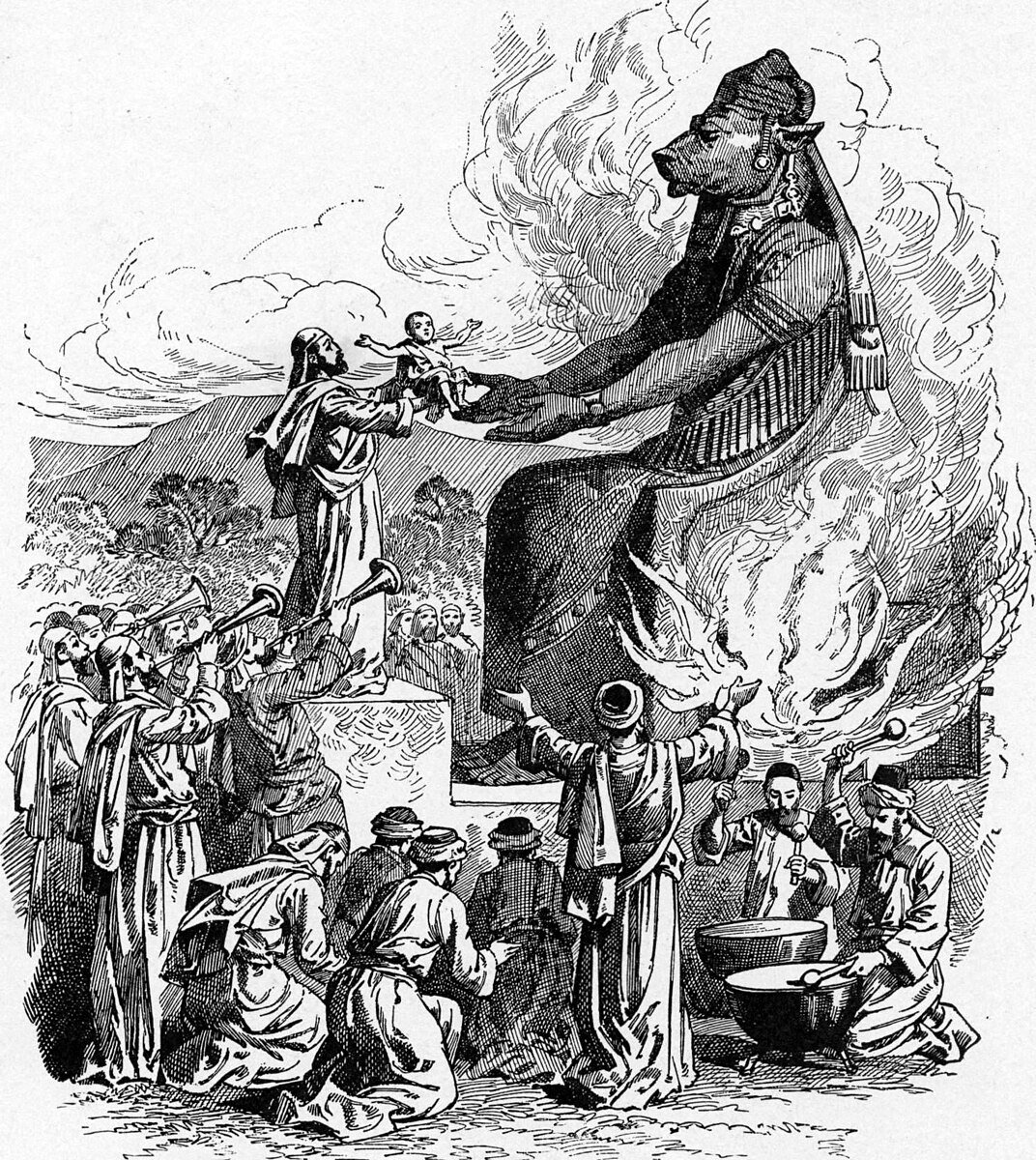
False Gods and Sacrifices to Demons
I. THEOLOGICAL FOUNDATIONS OF IDOLATRY
Classical theological definition :
Saint Thomas Aquinas ( Summa Theologica , II-II, q.94, a.1):
“Idolatry is a sin by which divine worship is given to a creature. It is the most serious of all sins, for it perverts what is noblest in man: the worship due only to God.”
Catechism of Saint Pius X :
“Idolatry is giving to a creature the honor and worship that is due only to God. It is the first and most serious sin against the First Commandment.”
The Three Types of Worship
Traditional Catholic doctrine distinguishes :
1. Latria (Worship):
Due exclusively to God
Recognition of absolute supremacy
Total dependence of the creature on the Creator.
It is a most grave mortal sin to worship any creature.
2. DULIA (Veneration):
Honor paid to the saints
Recognition of his holiness and intercession
It’s not worship , but respect.
Lawful and pious
3. Hyperdulia (Special veneration):
Special honor to the Virgin Mary.
Above the saints, below God.
Based on her divine motherhood
Never worship
The sin of idolatry : It consists of giving latria (worship) to something that is not God.
II. THE HISTORICAL ORIGIN OF IDOLATRY
The Primitive Revelation and Its Corruption
Catholic tradition teaches :
Adam and the Primordial Revelation:
Original state :
Adam and Eve were created with perfect knowledge of God.
Direct communication with the Creator.
Oral transmission of this revelation to descendants.
After the Fall (Genesis 3):
Knowledge of God remains, but obscured.
The inclination to sin progressively corrupts faith.
Successive generations gradually move away from the original truth.
The First Idolatries
The Theory of Religious Degeneration:
Father Wilhelm Schmidt (Catholic ethnologist) and others demonstrated:
More isolated “primitive” peoples often have a purer monotheism.
“Advanced” cultures developed complex polytheism.
This suggests: monotheism → polytheism (not the reverse that evolutionists proposed)
Mechanism of corruption :
Generations 1-10 : They know the true God.
Sin and pride : They want “autonomy” from God.
Early deviations : Worship of illustrious ancestors
Deification : Dead heroes become “gods”
Natural forces : Sun, moon, rivers personified and worshipped.
Demons : They take advantage and manifest themselves as “gods”.
The Biblical Testimony
Tower of Babel (Genesis 11):
Context :
Post-diluvian humanity concentrated
They begin building a tower “all the way to the sky”
Objective: “Let us make a name for ourselves” (not for God)
Traditional Catholic interpretation :
Saint Jerome and the Church Fathers :
“Babel was the first organized idolatrous temple. The Tower was a ziggurat for astrology and astral worship. Nimrod, the leader of the construction, established the first anti-Christian religious system. God confused languages to prevent the consolidation of universal idolatry.”
Result : Dispersion of the peoples → each one takes fragments of the original revelation plus specific idolatries.
Abraham and the Idolatry of Ur (Genesis 12):
Joshua 24 : 2-3
“Thus says the Lord: Your fathers, Terah, Abraham’s father… lived beyond the river [Euphrates] and served other gods . I brought your father Abraham from beyond the river.”
Historical context :
Ur of the Chaldeans (modern-day Iraq, 2000 BC): Center of worship for the moon god Sin.
Massive ziggurats, astrology, sacrifices
Abraham was called to LEAVE this idolatry.
Theological meaning :
“Abraham represents a radical separation from idolatry. Leaving family, land, and idolatrous culture to follow the one true God. He is a model of conversion: completely abandoning false gods.”
III. The Demonic Reality Behind the Idols
Biblical Doctrine: Idols Are Demons
Deuteronomy 32:16-17:
“They provoked Him with strange gods… They sacrificed to demons, not to God , to gods they did not know, new gods that had recently appeared, gods that your fathers did not fear.”
Psalm 96 (95),5:
“All the gods of the pagans are demons (LXX: daimonia); but the Lord made the heavens.”
1 Corinthians 10:19-21:
“What do I mean then? That an idol is anything, or that a sacrifice offered to an idol is anything? No, but the things which the Gentiles sacrifice, they sacrifice to demons and not to God . And I do not want you to be associated with demons. You cannot drink the cup of the Lord and the cup of demons.”
Patristic and Theological Interpretation
Saint Augustine ( The City of God , Books VIII-X):
Fundamental thesis :
“The gods of the pagans are not mere human inventions nor personified natural forces. They are real demons – fallen angels – who make themselves worshipped by men through idols, oracles, and prodigies.”
Augustine’s argument :
Demons exist : Rebel angels expelled from heaven (Revelation 12:7-9)
Demons hate God : They want to steal worship that belongs to Him.
Demons deceive : They present themselves as “benevolent gods.”
Demons have limited power : They can perform wonders (not true miracles).
Demons demand worship : Especially bloody sacrifices.
Crucial quote :
“Demons do not have the power of their own to create or perform true miracles (only God has that), but they can, through the speed of their angelic nature and knowledge of natural causes, produce effects that seem supernatural to the ignorant. Thus, oracles, healings, and apparitions are demonic tricks to ensnare souls.”
Saint Thomas Aquinas ( Summa Theologica , II-II, q.94):
On the nature of false gods :
“Idols themselves are inanimate matter – stone, wood, gold – and can do nothing. But demons use these images as instruments of their presence and action. When a pagan worships an idol, the cult passes through the image to the demon that manifests itself in it.”
Power of demons :
They can appear : Assume visible forms (angels are pure spirits, but they can manifest themselves)
They can speak : Through oracles, possessions, dreams
They can move objects : Poltergeist phenomena
They can cure diseases , especially those they themselves caused.
They CANNOT : Create, truly resurrect the dead, change substances, know intimate thoughts (only God can).
The Pagan Oracles: Evidence of Demonic Activity
The Oracle of Delphi (Greece):
How it works :
The priestess (Pythia) would enter a trance.
He breathed in vapors from a crack in the rock.
He delivered messages from the “god Apollo”
Consultations with kings, generals, philosophers
Catholic interpretation :
Saint Augustine recounts:
“While paganism dominated, oracles functioned with frightening accuracy. When Christ was born and crucified, oracles began to fail. Finally, Emperor Julian (the Apostate, 361-363 AD) consulted Delphi and received the ultimate answer: ‘Tell the king: the wondrous court has fallen to the ground. Apollo has no more house, nor prophetic laurel; the fountains are mute.’ Christ has conquered, demons have been bound.”
Historically Verified Phenomena:
Eusebius of Caesarea ( Evangelical Preparation ) documents:
Accurate predictions : Oracles correctly predicted future events (prenatural knowledge of demons).
Sudden cessation : After Christ, oracles fell silent or failed.
Expulsion by Christians : Christian missionaries, through the sign of the cross, silenced oracles.
Specific example – Saint Benedict :
Saint Gregory the Great ( Dialogues , Book II) recounts:
“When Saint Benedict settled in Monte Cassino (529 AD), on the summit there was an ancient temple of Apollo still used by peasants. Benedict destroyed the idol, purified the place, and built oratories. Apollo appeared to him in a terrifying form, threatening him. Benedict made the sign of the cross and the demon fled screaming.”
IV. THE MAIN HISTORICAL IDOLATRIES
1. Mesopotamia (Sumer, Babylon, Assyria)
Main Pantheon:
Anu – God of the sky ; Enlil – God of storms and power; Ea/Enki – God of water and wisdom; Ishtar/Inanna – Goddess of love and war; Marduk – Supreme god of Babylon (later centuries) ; Moloch/Molech – God to whom children were sacrificed.
Specific Practices:
A. Sacred Prostitution :
Herodotus (Histories, I.199):
“The most shameful custom of the Babylonians is this: every woman born in the country must, once in her life, go to the temple of Aphrodite [Ishtar] and give herself to a foreigner… The woman follows the first man who throws money into her lap, unable to refuse it… Only after this act can she return home.”
Traditional Catholic interpretation :
“The demon Ishtar/Astarte perverted the sacred (sexuality ordered towards marriage) into the profane. She transformed sin into ‘worship’. Women believed they were honoring the ‘goddess’ through ritual prostitution. It is the ultimate diabolical perversion.”
B. Ziggurats and Astrology :
Tower of Babel (Genesis 11) = Typical Ziggurat
Structure :
Stepped pyramid (7 levels = 7 known “planets”)
Temple at the top for astronomical observation.
Astrology: The belief that celestial bodies govern human destiny.
Catholic doctrine :
Saint Augustine ( Confessions , VII):
“Before my conversion, I consulted astrologers. Afterwards, I understood: astrology is idolatry, because it attributes to the creature (the stars) what belongs to the Creator (divine providence). Furthermore, demons use astrological predictions to enslave souls.”
C. Sacrifices to Moloch :
Leviticus 18:21
“You shall not offer any of your children to be made to pass through the fire before Moloch.”
2 Kings 23:10
“[King Josiah] defiled Tophet in the Valley of Ben Hinnom, so that no one would make their son or daughter pass through the fire in honor of Moloch.”
Description of the ritual (ancient sources + tradition):
Bronze statue of Moloch with outstretched arms.
Huge fire inside the statue.
Drums and cymbals were playing loudly.
Live babies placed in incandescent arms
Children’s cries muffled by the music
Catholic priest documents (based on archaeological excavations):
“In the Valley of Hinnom (Gehenna) near Jerusalem, archaeologists found urns containing the charred remains of babies and young children. A horrifying confirmation of what Scripture denounced. Moloch – the real demon – demanded the most precious thing: innocent life.”
Why do demons want human sacrifices?
Saint Thomas :
“Demons don’t ‘eat’ sacrificed flesh (they are spirits). They want perverse worship and souls. Human sacrifice is the ultimate blasphemy: man, created in the image of God, destroyed to honor a demon. It is a satanic inversion of Christ’s sacrifice: Christ (God) dies to save men; men die to ‘honor’ demons.”
2. Ancient Egypt
Pantheon Complex:
Ra/Amon-Ra – Supreme sun god; Osiris – God of the dead and resurrection; Isis – Mother goddess, wife of Osiris; Horus – Falcon god, son of Isis/Osiris; Set – God of chaos and desert; Anubis – Jackal god, guardian of the dead + Hundreds of other local gods
Theological Characteristics:
A. Zoolatry (Animal Worship):
Sacred animals :
Apis Bull : Incarnation of Ptah, mummified with royal honors.
Cats : Sacred to Bastet; killing a cat = death penalty.
Crocodiles : Temples with fed and venerated crocodiles
Ibises and falcons : Millions mummified and buried.
Exodus 8:26 – Moses to Pharaoh:
“It is not right to do so, because the sacrifices we offer to the Lord our God are an abomination to the Egyptians . If we sacrifice what is an abomination before them, will they not stone us?”
Interpretation : Israelites sacrificed animals (lambs, oxen) that Egyptians worshipped.
Catholic priest comments :
“Zoolatry is the ultimate degradation: man, king of creation, worships an inferior creature (animal). It inverts the divine order. It demonstrates the extent to which idolatry enslaves reason.”
B. Worship of the Dead and Mummification :
Egyptian belief :
A preserved body is necessary for eternal life.
Ba (soul) and Ka (life force) return to the body.
Book of the Dead : Magical formulas for navigating the afterlife
Judgment of Osiris :
Heart of the dead weighed against the feather of truth (Maat)
If weighed down by sin: devoured by Ammit (devouring demon)
Take it easy: admitted to Osiris’ paradise.
Catholic analysis :
“It contains elements of natural truth (survival of the soul, judgment after death) corrupted by idolatry. Osiris is a demonic parody of Christ: a ‘god’ who dies and ‘resurrects’ (myth), final judgment (distorted truth). Demons always mix truth with lies to deceive.”
C. Pharaoh as God :
Official theology :
Pharaoh = Horus incarnate
Son of Ra
Mediator between gods and men
Political consequence :
Exodus 5:2 – Pharaoh answers Moses:
“Who is the Lord, that I should obey his voice and let Israel go? I do not know the Lord , and neither will I let Israel go.”
Idolatrous pride : Pharaoh, considering himself a god, refuses to obey the true God.
Ten Plagues : Each one humiliates an Egyptian “god”:
Water into blood → Hapi (Nile god)
Frogs → Heqet (frog goddess)
Lice → Set (god of the earth)
Flies → Khepri (scarab-god)
Cattle plague → Apis (sacred bull)
Ulcers → Sekhmet (healing goddess)
Hail → Nut (sky goddess)
Locusts → Osiris (god of agriculture)
Darkness → Ra (sun god)
Death of the firstborn → Pharaoh (living god)
Theological message :
“YHWH demonstrated supremacy over all the ‘gods’ of Egypt, revealing them as powerless demons before the true God.”
3. Ancient Greece and Rome
Greco-Roman Pantheon:
Greek | Roman | Domain |
|---|---|---|
Zeus | Jupiter | King of the gods, heaven |
Ivy | Juno | Queen, wedding |
Poseidon | Neptune | Sea |
Hades | Pluto | Underworld |
Ares | Mars | War |
Aphrodite | Venus | Love, lust |
Athena | Minerva | Wisdom, war |
Apollo | Apollo | Sun, music, prophecy |
Artemis | Diana | Hunting, moon |
Hermes | Mercury | Messenger, trade |
Hephaestus | Vulcano | Fire, metallurgy |
Dionysius | Spleen | Wine, ecstasy |
Moral Characteristics of the “Gods”:
Saint Augustine ( City of God , II) catalogs immoralities:
Zeus/Jupiter :
Countless adulteries
Rapes (Leda, Europa, Danae, etc.)
Incest (married Sister Hera)
Homosexuality (the abduction of Ganymede)
Aphrodite/Venus :
Adulteries (with Ares while married to Hephaestus)
Sacred prostitution in their temples
Ares/Mars :
Violence, blood, cruelty
Dionysus/Bacchus :
Orgies, ritual drunkenness
Bacchae : Women in a frenzy who tore apart animals (and sometimes humans).
Augustine argues :
“How can beings more immoral than the worst humans be gods? Answer: They are not gods, they are DEMONS who taught immorality as ‘religion’ to corrupt humanity. Roman theaters staged adulteries of the ‘gods,’ teaching vices to the people.”
Sacrifices and Rituals:
A. Mass Animal Sacrifices :
Hecatombs : Sacrifice of 100 oxen simultaneously.
Typical description :
Animal carried to the altar
The priest invokes the god.
Animal with throat slit
Blood spilled on the altar
Burnt meat; smoke “pleases” the god.
Portions eaten at a ritual banquet.
1 Corinthians 10:20 – Saint Paul:
“The things which the pagans sacrifice, they sacrifice to demons and not to God.”
Early Christians refused to eat sacrificed meat (scandal) → persecution.
B. Eleusinian Mysteries :
Secret worship of Demeter and Persephone (goddesses of agriculture):
Initiation : Secret rituals under oath of death.
Visions : Induced by ritual drink ( kykeon – possibly hallucinogenic)
Promise : A happy afterlife for initiates.
Tertullian (Christian apologist, 2nd century):
“Pagan mysteries are diabolical imitations of Christian sacraments. Demons know God’s plan and create counterfeits: ‘baptism’ in bull’s blood (Mithraism), ‘communion’ with bread and wine (Dionysianism), ‘resurrection’ of Osiris. These are sacraments of Satan.”
C. Gladiators and Human Sacrifices :
Gladiatorial games :
Origin : Etruscan funerary ritual – gladiators fought in funerals to honor the dead.
Roman development : Massive spectacle
Colosseum : 50,000+ spectators
Inauguration of the Colosseum (80 AD): 100 days of games, 9,000 animals killed, thousands of gladiators.
Christians thrown to the lions : Martyrs provided as entertainment.
Demonic nature :
“Rome transformed murder into religious entertainment. Games were dedicated to the gods. Spilled blood ‘fed’ spirits. The population became addicted to violence, their hearts hardened. Demons rejoiced.”
Saint Augustine ( Confessions , VI.8) recounts his friend Alypius:
“He became addicted to gladiatorial games. A morbid pleasure in seeing blood. Only Christ freed him from this demonic slavery.”
V. CANAAN: IDOLATRY THAT GOD COMMANDED TO BE EXTERMINATED
The Gods of Canaan
Main Pantheon :
El – Supreme God (father of the gods) Baal – God of storms, fertility Asherah – Mother Goddess, consort of El Astarte – Goddess of sexuality and war Moloch – God to whom children were sacrificed Dagon – Fish-god of the Philistines
Ritual Abominations
1. Sacred Prostitution :
Deuteronomy 23: 17-18
“There shall be no sacred prostitute among the daughters of Israel, nor a sacred prostitute among the sons of Israel. You shall not bring into the house of the Lord your God the wages of a prostitute or the price of a dog [male prostitute], for both of these are an abomination to the Lord.”
Canaanite practice :
Temples of Baal and Astarte with “sacred” prostitutes
Ritual sex considered an act of worship
Belief : Human sexual union imitates the divine union of Baal and Astarte, guaranteeing the fertility of fields and herds.
Practitioners believed they were participating in the cosmic cycle of creation.
1 Kings 14:23-24 (Kingdom of Rehoboam):
“Judah also built high places, pillars, and Asherah poles on every high hill and under every spreading tree. There were also male prostitutes in the land . They imitated all the abominations of the nations that the Lord had driven out.”
Traditional Catholic theology on this perversion :
Saint Thomas Aquinas :
“The devil always seeks to pervert what is most sacred. The conjugal act, ordained by God for procreation and the union of spouses, has been transformed into idolatrous worship. Lust, which is already a grave sin, becomes sacrilege when practiced as ‘adoration.’ It is the ultimate profanation.”
2. Child Sacrifice to Moloch :
Jeremiah 7:31
“They built the high places of Tophet in the Valley of Ben Hinnom to burn their sons and daughters in the fire —something I never commanded, nor did it ever enter my mind.”
Jeremiah 19 : 5
“They built high places to Baal to burn their children in the fire as burnt offerings to Baal, a thing I never commanded them , nor did I speak of, nor did it even enter my mind.”
Leviticus 20 : 2-5
“Any man of the children of Israel… who gives any of his children to Moloch shall surely be put to death ; the people of the land shall stone him… I will set my face against that man and his family… because he has given some of his children to Moloch, defiling my sanctuary and profaning my holy name .”
Archaeological and historical description :
Excavations at Tophet (Valley of Hinnom, Jerusalem):
Thousands of urns containing charred remains of children.
Ages: newborns up to approximately 5 years old
Dating: Period of the Kings (900-600 BC)
It confirms the literalness of biblical accusations.
Diodorus Siculus (Greek historian, 1st century BC) describing Carthage (Phoenician colony that maintained a cult):
“In the city there was a bronze statue of Cronus [Moloch], with its hands outstretched and bent forward, so that a child placed in them would roll and fall into a fiery pit.”
Why do demons demand child sacrifice?
Traditionalist Catholic priest explains :
“Innocence is what pleases God most. Baptized children who die go straight to Heaven. Demons, out of inverted hatred, demand precisely the most innocent. Furthermore:
It destroys paternal/maternal love (image of divine love).
Hardens hearts to the extreme (killing one’s own child)
It perverts the strongest natural instinct (protecting offspring).
It sends innocent souls to hell (they die without baptism in a state of demonic worship).
It is the ultimate insult to God: to destroy His image (a child) in order to ‘honor’ Satan.
3. Idol-Poles (Asherah) :
Judges 6: 25-26
“Tear down the altar of Baal that belongs to your father and cut down the Asherah pole that is beside it. Build an altar to the Lord your God… and offer burnt offerings with the wood from the Asherah pole that you cut down.”
Nature of the idol-pole :
Phallic wooden symbol planted near altars.
She represented Asherah, goddess of fertility.
Often sculpted in anthropomorphic female form.
Associated with sexual rituals in the “high places” (places of worship)
Why did God command total destruction?
Deuteronomy 7 : 5
“But this is what you are to do to them: Tear down their altars, smash their sacred stones, cut down their Asherah poles and burn their idols in the fire .”
Theological reason :
“Spiritual contamination is like physical leprosy: it spreads through contact. Idolatrous objects are instruments of demons. Keeping them would be keeping the door open for demonic influence. Complete destruction was a necessary spiritual surgery.”
The Divine Commandment of Extermination
Deuteronomy 7: 1-2
“When the Lord your God brings you into the land… and drives out before you many nations… when the Lord delivers them over to you and you strike them down, you must utterly destroy them ; you must make no covenant with them, nor show them mercy.”
Deuteronomy 20 : 16-18
“Of the cities of these nations… you shall leave nothing alive that breathes . But you shall utterly destroy them… so that they do not teach you to do according to all the abominations that they have done for their gods, and you sin against the Lord your God.”
The Moral Question: Why Did God Ordain Genocide?
Traditional Catholic response :
Saint Thomas Aquinas ( Suma Theologiae , I-II, q.100, a.8, ad 3):
“God is Lord of life and death. We will all die, innocent or guilty, by the original divine sentence [death came through sin]. When God ordains death, He executes His justice. Canaanite nations had reached such a degree of corruption that they became irredeemable and a deadly contamination to other peoples.”
Specific theological reasons :
Divine justice : Canaanites had practiced horrific abominations for generations.
Genesis 15,16 : “The iniquity of the Amorites [Canaanites] is not yet complete” – God waited 400 years!
When Israel joined, corruption was at its peak.
Protection of Israel : The chosen people were spiritually vulnerable.
History has proven it : When the Israelites spared the Canaanites, they fell into idolatry.
Judges 2:11-15 : Cycle of apostasy → oppression → repentance
Salvation of humanity : Israel should preserve pure monotheism.
The Messiah would come from this lineage.
If Israel were to become completely corrupt, universal salvation would be compromised.
The extreme evil of the Canaanites : It wasn’t an ethnic issue, but a moral one.
They burned children alive.
Ritual prostitution (including children)
Ritual bestiality (Leviticus 18:23-24)
Ritual cannibalism (archaeological evidence)
Father Gabriele Amorth (chief exorcist of the Vatican, 1925-2016):
“Societies that practice human sacrifice, especially of children, are completely demonically possessed. It’s not just individuals, but entire cultures under collective satanic dominion. Destruction was necessary, just as one destroys gangrenous tissue to save the body.”
VI. THE IDOLATRY OF ISRAEL: RECURRENT APOSTASIES
The Golden Calf (Exodus 32)
Context :
Moses on Sinai receiving the Law (40 days)
Impatient people: “As for Moses, that man… we do not know what has become of him” (v.1)
Aaron makes an idol :
Exodus 32 : 4
“[Aaron] took gold, melted it down, and made a molten calf . Then they said, ‘Israel, these are your gods who brought you up out of the land of Egypt!’ ”
The nature of sin :
It was not initially a complete abandonment of YHWH.
It was syncretism : Representing YHWH as a calf (common in Egypt – Apis).
Violation of the Second Commandment : Making a carved image.
Idolatrous feast :
Exodus 32 : 6
“They rose early, offered burnt offerings… they sat down to eat and drink, and rose up to play .”
“To have fun” (Hebrew: tsachaq ) – implying sexual orgies (same verb used in Genesis 26:8 for Isaac caressing Rebekah).
Divine wrath :
Exodus 32 : 9-10
The Lord said to Moses, “I have seen this people, and indeed they are a stiff-necked people . Now leave me alone, that my wrath may burn hot against them and consume them .”
Moses’ intercession saves the people, BUT:
Exodus 32 : 27-28
“This is what the Lord says: ‘Each of you put your sword on your side… and kill your brother, your friend, and your neighbor.’ The Levites did as Moses commanded, and about three thousand men of the people fell that day .”
Theological lesson :
“Even the people who witnessed the plagues of Egypt, the parting of the Red Sea, and manna from heaven – 40 DAYS later they fell into idolatry! This demonstrates human frailty and the seductive power of demons. Severe punishment was necessary to establish the absolute gravity of the 1st Commandment.”
The Reign of Ahab and Jezebel (1 Kings 16-21)
Historical context (Northern Kingdom, Israel, ~875-853 BC):
King Ahab :
He married Jezebel , a Phoenician princess (Tyre/Sidon).
Jezebel brought massive worship of Baal .
1 Kings 16: 30-33
“Ahab did more evil in the sight of the Lord than all who were before him … He took Jezebel as his wife … and went and served Baal and worshiped him. He erected an altar to Baal in the house of Baal that he had built in Samaria. He also made an Asherah pole . Ahab did more to provoke the Lord to anger than all the kings of Israel before him.”
Persecution of the prophets of YHWH :
1 Kings 18 :4
“When Jezebel was killing the prophets of the Lord , Obadiah took a hundred prophets, hid fifty of them in each cave, and fed them with bread and water.”
Jezebel maintained :
450 prophets of Baal
400 prophets of Asherah
All supported by the royal court.
The Confrontation on Mount Carmel (1 Kings 18)
Elias challenges :
1 Kings 18:21
“How long will you waver between two opinions? If the Lord is God, follow him ; but if Baal is God, follow him .”
The test :
Prophets of Baal prepare altar and sacrifice.
They don’t light fires – they invoke Baal to send fire from heaven.
Morning until noon : They cry out to Baal.
Midday : Elijah mocks: “Shout aloud, for he is a god; perhaps he is meditating, or attending to needs , or on a journey, or maybe he is sleeping and needs to be awakened” (v.27)
Late into the night : Prophets go into a frenzy , cutting themselves with knives and spears (v.28)
Result : “There was no voice, no answer, no attention” (v.29)
Elijah restores YHWH’s altar :
Order water to be thrown (3 times!) on the sacrifice.
A simple prayer
The fire of the Lord descends and consumes burnt offerings, wood, stones, dust, and water!
The fate of false prophets :
1 Kings 18:40
Elijah said, “Seize the prophets of Baal; let no one escape!” They seized them, and Elijah brought them down to the Kishon Valley and slaughtered them there .
Lesson :
“Tolerance of idolatry is cruelty. Prophets of Baal deceived entire nations, leading them to damnation. Their execution was justice, not fanaticism. The people were defending themselves from spiritual poisoners.”
Reign of Manasseh: The Height of Apostasy (2 Kings 21)
Manasseh (697-642 BC) – King of Judah:
2 Kings 21 : 2-6
“He did what was evil in the sight of the Lord… He rebuilt the high places that his father Hezekiah had destroyed; he erected altars to Baal ; he made Asherah poles as Ahab had done… he worshiped all the host of heaven [astrology] and served them. He built [idolatrous] altars in the house of the Lord … in the two areas of the temple. He burned his son as an offering ; he practiced sorcery and divination; he consulted mediums and necromancers. He did very much evil in the sight of the Lord, provoking Him to anger.”
Specific sins :
Desecration of the Temple : Idolatrous altars IN Solomon’s Temple!
Sacrifice of one’s own child : Supreme horror
Necromancy : Consulting the dead (strictly forbidden)
The murder of prophets : Jewish tradition says that Isaiah was sawn in half on the orders of Manasseh (cf. Hebrews 11:37).
National consequence :
2 Kings 21 : 10-15
“The Lord said through his servants the prophets: ‘Because Manasseh has committed these abominations… I will bring such disaster on Jerusalem and Judah that the ears of everyone who hears about it will tingle… I will give the remnant of my inheritance into the hands of their enemies .’”
Fulfillment : Babylonian Exile (586 BC), 50 years after the death of Manasseh.
VII. Greco-Roman Paganism and Christianity
The Christian View of Pagan Gods
Justin Martyr (†165 AD), First Apology :
“Demons appeared to men, contaminated women, corrupted boys, showed terrors to men… so much so that those who did not judge these events by reason, but were led by fear, called them gods, ignoring that they were wicked demons.”
Athenagoras of Athens (2nd century), Plea for the Christians :
“We distinguish between God and matter, and we teach that matter is one thing and God another… Now, it would be ridiculous to claim that we worship stones, wood, and gold. But you… don’t you see that what you call gods are… wicked and deceitful demons ?”
The Accusation: Christians Are Atheists!
Historical paradox : The Roman Empire persecuted Christians as “atheists” .
Reason :
Christians refused to worship state gods.
They refused to sacrifice to the “Emperor’s Genius”.
Therefore, they were “atheists” (without the gods of the city).
Polycarp of Smyrna (†155 AD), martyred at age 86:
Proconsul : “Swear by the Genius of Caesar! Repent! Say: ‘Down with the atheists!’”
Polycarp (pointing to the pagan crowd): ” Down with the atheists! “ (referring to pagans, not Christians)
Proconsul : “Blaspheme against Christ and I will release you.”
Polycarp : “ I have served Him for eighty-six years, and He has never done me any harm. How can I blaspheme my King who saved me? ”
Result : Burned alive.
The Martyrs: Absolute Rejection of Idolatry
Saint Perpetua and Saint Felicity (†203 AD, Carthage)
Context :
Perpetua: Young noblewoman, mother of a baby.
Happiness: Pregnant slave
Arrested for being Christians
Pressure from Perpetua’s father :
“Daughter, have pity on my white hair! Think of your baby son! Sacrifice to the gods! “
Perpetua : “I can call myself nothing other than what I am: a Christian .”
Martyrdom (Carthage arena):
Wild cow throws
Wounded, but alive
An inexperienced gladiator tried to kill them, but failed.
Perpetua guided his sword to her own throat.
Last entry (Perpetua’s diary):
“Thus we will die happy, passing from the prison of the body to the freedom of eternal glory.”
Saint Polycarp (†155 AD)
Around the bonfire :
When the fire did not consume him (a miracle witnessed), the executioner stabbed him .
Eyewitness ( Martyrdom of Polycarp ):
“When he was stabbed, a dove [symbol of the Holy Spirit] came out, and so much blood flowed that it extinguished the fire, and the whole crowd marveled at the great difference between unbelievers and the elect.”
The Martyrs of Lyon (†177 AD)
Blandina – a Christian slave:
Tortured from dawn till dusk.
Tormentors took turns (tired)
She refused to sacrifice: ” I am a Christian; no harm is done among us .”
Finally: wrapped in a net, thrown to a wild bull , which gored her to death.
Pagan witnesses: “They have never seen a woman suffer so much for so long.”
Why so much suffering?
Traditional response :
“Demons, through pagan authorities, fought desperately. Every martyr who maintained faith until death was a VICTORY of Christ over Satan. Extreme cruelty aimed to break testimony and prevent conversions (blood of the martyrs = seed of the Church).”
Christ’s Victory Over the Gods
Silencing the Oracles
Plutarch (†120 AD), pagan priest of Delphi, On the Decline of the Oracles :
“Why have the oracles stopped speaking? In the time of our grandparents, the Oracle of Delphi answered everything. Today, many temples are deserted, many oracles are silent.”
Christian explanation :
Eusebius of Caesarea ( Evangelical Preparation) ):
“When Christ came, demons were bound. They could no longer deceive humanity so freely. Oracles fell silent because satanic power was broken by the Cross.”
Specific example – Oracle of Delphi :
Emperor Julian the Apostate (361-363 AD) – attempted to restore paganism:
He sent a messenger to Delphi. Last response from the oracle (recorded by a historian):
“Tell the king: the magnificent court has fallen to the ground. Apollo no longer has a dwelling place, nor prophetic laurel . The fountains are now silent; the waters that once spoke have fallen silent .”
Destruction of Pagan Temples
Emperor Constantine (313-337 AD):
Edict of Milan (313): Religious freedom for Christians
It progressively favored Christianity.
Emperor Theodosius (379-395 AD):
Edict of Thessalonica (380): Christianity = official religion
391 : Closure of pagan temples
Serapeum of Alexandria (massive temple): Destroyed by a Christian mob led by Patriarch Theophilus.
Demetrius of Phalerum (a contemporary) records:
“When Christians toppled the giant statue of Serapis, pagans expected fire from heaven to destroy the desecrators. NOTHING happened. When they opened the base of the statue, they found rat nests . Multitudes converted, seeing that ‘god’ was a dwelling place for rodents.”
VIII. IDOLATRY IN THE CHURCH: CHRISTIAN HERESIES
Gnosticism (1st-3rd centuries)
Nature :
Syncretism : Christianity + Greek philosophy + Eastern religions + magic
Dualism : Matter = evil (created by an evil demiurge); spirit = good.
Salvation through secret knowledge ( gnosis ), not through faith/grace.
Idolatrous elements :
Aeons : Divine emanations forming hierarchies (like a pantheon).
Demiurge : Evil god of the Old Testament who created the material world (blasphemy)
Christ : He did not truly incarnate (Docetism – only “appearance”).
Magic and amulets : Secret formulas for ascending through the spheres.
Saint Irenaeus ( Against Heresies , 2nd century):
“Gnostics are worse than pagans. Pagans worship demons ignorantly. Gnostics, knowing Christ, reject Him because of fantasies. They invent infinite ‘aeons’ and ‘deities’ – polytheism disguised as Christianity .”
Gnostic Gospels :
The Gospel of Judas : Judas as a hero who “liberated” Christ.
Gospel of Thomas : Jesus teaches self-deification.
Pistis Sophia : Cosmology spanning 365 eons
The church condemned : The New Testament canon excluded Gnostic texts (4th century).
Arianism (4th Century)
Arius (†336): Presbyter of Alexandria.
Heresy :
“There was a time when [the Son] did not exist… Therefore, although called God, Christ is a creature , not the Creator .”
Idolatrous implication :
If Christ is a creature, then worshipping Him would be idolatry !
Or: To deny the divinity of Christ is to refuse the worship due to Him.
Council of Nicaea (325):
He defined it as : “[Christ is] God from God, Light from Light, true God from true God, begotten, not made, consubstantial [homoousios] with the Father .”
Symbol of Athanasius (5th century):
“Whoever wishes to be saved must first of all hold fast to the Catholic faith… that we worship one God in the Trinity… without confusing the Persons… The Father is God, the Son is God, the Holy Spirit is God. However, they are not three Gods, but one God .”
IX. THE NEW IDOLATRY: MODERNITY AND POST-MODERNITY
Self-idolatry (Individualism)
Characteristic : Absolute autonomy, self-determination as the supreme value.
Pope Leo XIII ( Libertas , 1888):
“Modern liberty arrogates to itself the right of each person to be a law unto himself , without regard for God or man… It is the most fatal of all liberties, the enslavement of the soul to the tyranny of passions. “
Contemporary manifestations :
“My truth” : Radical subjectivism
Gender ideology : Self-determination against created nature
Abortion : Absolute autonomy over life (sacrifice to modern Moloch)
Euthanasia : Autonomy over the moment of death.
Saint John Paul II ( Evangelium Vitae , 1995):
“The root of this ‘culture of death’ is practical atheism , the absence of God that leads man to consider himself the sole master of himself… This is the most insidious of idolatries: man’s worship of himself .”
Idolatry of Pleasure (Hedonism)
Philippians 3:19
“Their god is their belly, and their glory is in their shame.”
Demonstrations :
Pornography : Slavery of billions, sacrifice of purity.
Hook-up culture : Sex without commitment, inversion of the creative order.
Drugs : The pursuit of artificial ecstasy (an ancient inspiration from pagan oracles)
Padre Pio (†1968):
“Impurity is the most powerful demon after pride. It is what drags the most souls to hell.”
Idolatry of Money (Mammon)
Matthew 6:24
“No one can serve two masters… You cannot serve God and Mammon [personified wealth].”
São Paulo (1 Timothy 6:10):
“The root of all evil is the love of money .”
Colossians 3 : 5
” Greed is idolatry .”
Pope Francis ( Evangelii Gaudium , 2013):
“We have created new idols. The worship of the ancient golden calf has reappeared in a new and cruel form: the tyranny of the market … Money governs instead of serving.”
Idolatry of the State (Totalitarianism)
Nazism :
Hitler as Führer (messianic leader)
The Aryan race as the chosen people.
Reich of a thousand years as an earthly paradise
Communism :
State as welfare
The Party as an infallible church .
Dialectical materialism as dogma
Lenin, Stalin, Mao mummified as relics.
Pius XI ( Mit Brennender Sorge , 1937):
“Whoever takes a race, or a people… or state power… and deifies them with idolatrous worship, perverts the order of creation and is far from the true faith.”
Idolatry of Science (Scientism)
Crucial distinction :
Legitimate science : The study of creation glorifies the Creator.
Scientism : Science as the sole source of truth , denying metaphysics and revelation.
Demonstrations :
Atheistic evolutionism : Denying intelligent design, believing everything is chance.
Transhumanism : Man as god of himself through technology.
Artificial Intelligence : Creating a “new species” superior to humans.
Pope Benedict XVI ( Caritas in Veritate , 2009):
“Reason always needs to be purified by faith… When reason seeks to monopolize truth… it becomes ideology and an instrument of domination.”
The New Babel: Globalism
Features :
World government : UN, supranational organizations
Universal syncretistic religion : False ecumenism, indifferentism
“Consensual” morality : Against natural law
Total control: Surveillance, social credit, cancellation.
Revelation 13 : The Beast demands universal worship.
Traditional interpretation :
“The Antichrist will establish a global political-religious-economic system. He will enforce the mark of the beast (participation in the system). He will persecute to death those who refuse. It is the ultimate idolatry : the worship of a deified, collectivized man.”
X. HOW TO RESIST IDOLATRY: SPIRITUAL REMEDIES
1. Exclusive Worship of the True God
Deuteronomy 6:4-5 ( Shema Israel) ):
“Hear, O Israel: The Lord our God, the Lord is one . You shall love the Lord your God with all your heart and with all your soul and with all your might .”
True worship :
Latria : To the Triune God alone.
Holy Mass : The perfect sacrifice that replaces all pagan sacrifices.
Eucharistic Adoration : The Real Presence of Christ
2. Devotion to the Blessed Virgin
Genesis 3:15 ( Proto-Gospel ):
“I will put enmity between you [serpent/demon] and the woman, and between your offspring and hers; he will crush your head .”
Saint Louis de Montfort ( Treatise on True Devotion ):
“God established only one enmity… between Mary and the devil. Mary crushes Satan’s head and destroys his works, especially idolatry.”
Fatima (1917): Our Lady warned against the errors of Russia (atheistic communism).
3. Exorcisms and Renunciation of Occultism
Christian initiation rituals (Baptism):
Priest : “Do you renounce Satan?”
Candidate : “I resign”
Priest : “And all his works?”
Candidate : “I resign”
Priest : “And all her seductions?”
Candidate : “I resign”
“Works of Satan” : Includes all forms of idolatry, occultism, and superstition.
Acts 19:18-19 (Ephesus):
“Many of those who had practiced magic arts brought their books and burned them in the sight of everyone .”
4. Devotion to the Sacred Heart
Revelations to Saint Margaret Mary (Paray-le-Monial, 1673-1675):
Christ asked:
Personal consecration to the Sacred Heart
First Friday : Reparative Communion (9 months)
Holy Hour : Adoration Thursday evening
Promise :
“I will give to the devotees of My Heart all the necessary graces. I will establish peace in their families. I will bless every home where an image of My Heart is displayed and honored .”
Antidote to idolatry : A house consecrated to the Sacred Heart is protected.
5. Rosary: Weapon Against Demons
Padre Pio :
“The Rosary is the weapon “
Pope Leo XIII (13 encyclicals on the Rosary):
“The Rosary is a most powerful weapon to drive away demons, preserve purity, and acquire virtues.”
Historic victories for Rosario :
Lepanto (1571): Christian fleet defeats Ottoman invasion.
Vienna (1683): City saved from Turkish siege.
Austria (1955): Liberation from Soviet occupation
6. Sacramentals: Spiritual Shield
Holy water : Drives away demons.
Medals : Saint Benedict (exorcism), Miraculous, Scapular
Crucifix : Supreme symbol of Christ’s victory.
Exorcised salt : Protection of environments
Father Amorth (exorcist):
“Holy water, when used properly, is one of the most powerful sacramentals. Demons fear it. Wet your fingers and make the sign of the cross when entering your home, before going to sleep, when tempted.”
CONCLUSION: THE ETERNAL BATTLE
Revelation 12 : 7-9
“Then war broke out in heaven. Michael and his angels fought against the dragon… And the great dragon was hurled down—that ancient serpent called the devil, or Satan , who leads the whole world astray.”
Idolatry is :
As old as the Fall : Satan promised, “You will be like God” (Genesis 3:5)
Adaptable : Changes forms according to culture (tribal totems → Greco-Roman idols → modern ideologies)
Always demonic : Behind every idol, a demon.
Fight to the end : Antichrist will demand worship (Revelation 13)
The victory is :
Already conquered : Christ triumphed on the Cross (Colossians 2:15)
Progressive : Church expels demons throughout the centuries.
Final : The Second Coming will definitively destroy idolatry.
Revelation 21 : 8
“As for the idolaters , their portion will be in the lake that burns with fire and sulfur, the second death .”
Revelation 22:15
“Outside [the Holy City] are… the idolaters and everyone who loves and practices falsehood.”
The choice is :
Deuteronomy 30:19
“I call heaven and earth to witness against you today, that I have set before you life and death, blessing and curse . Therefore choose life.”
Joshua 24:15
“If serving the Lord seems undesirable to you, then choose for yourselves this day whom you will serve … As for me and my household, we will serve the Lord .”
Protestantism and Idolatry
The controversy over idolatry is one of the deepest theological divisions between Catholics and Protestants since the 16th-century Reformation. The traditional Catholic Church maintains that the Protestant reformers made a fundamental error of interpretation by equating the veneration of saints and the use of sacred images with pagan idolatry.
The Fundamental Theological Distinction
Catholic theology establishes three distinct levels of worship, each with a specific nature and purpose:
1. Latria (Worship)
This is the supreme, absolute, and exclusive worship due only to God – Father, Son, and Holy Spirit. When a Catholic kneels before the Blessed Sacrament (the Eucharist), he is worshipping Christ present in the sacrament. This is latria.
Characteristics of latria:
Recognition of absolute divinity
Total and unconditional submission
Recognition of God as creator and ultimate end.
Offering of sacrifice (the Mass)
Practical example: When a Catholic genuflects before the tabernacle containing the Blessed Sacrament, they are adoring Christ. This gesture would never be appropriate before an image of a saint.
2. Dulia (Veneration)
It is the honor bestowed upon saints and angels. The word comes from the Greek “douleia” (service). It is fundamentally different from worship.
Characteristics of the dulia:
Recognition of the holiness attained through God’s grace.
Honoring the example of Christian life
Request for intercession (not a direct granting of favors)
Admiration for heroic virtues
Practical examples:
Just as we honor admirable living people (parents, national heroes, great leaders), Catholics honor those who have led exceptionally holy lives.
When we ask Saint Joseph to intercede for us, it’s like asking a friend to pray for us – we’re not saying he has any power of his own.
3. Hyperdulia (Special Veneration of Mary)
A superior form of veneration, but still inferior to the worship due to God.
Why does Mary receive special honor?
Mother of Jesus Christ (Theotokos – Mother of God)
Perpetual Virgin
Immaculate Conception
Assumption into Heaven
Mediatrix of all graces (submissive to Christ)
Example: When praying the Hail Mary, a Catholic does not worship Mary, but asks for her intercession: “pray for us sinners” – it is a request, not worship.
Catholic Biblical Arguments
The Commandment Correctly Interpreted
Exodus 20:4-5 – “You shall not make for yourself an idol… you shall not bow down to them or worship them.”
The Catholic Church argues that context is crucial:
The prohibition was against pagan idols worshipped as gods.
The Israelites came from Egypt, surrounded by pagan idolatry (Apis, Ra, etc.).
It was not an absolute ban on all visual representation.
God Himself ordained sacred images.
Biblical examples of images ordained by God:
Exodus 25:18-22 – Golden Cherubim on the Ark of the Covenant
God commands: “You shall make two cherubim of gold… at the ends of the mercy seat.”
The Israelites bowed down before the Ark (but they worshipped God who was present there).
Numbers 21:8-9 – The bronze serpent
God commands Moses to make a bronze serpent.
Whoever looked at her would be healed.
Jesus himself refers to this in John 3:14: “Just as Moses lifted up the serpent in the desert.”
1 Kings 6:23-29 – Solomon’s Temple
Full of images: cherubs, lions, bulls, palm trees, flowers.
Walls covered with sculptures
God approved and dwelt in this temple (1 Kings 8:10-11)
Ezekiel 41:17-20 – Vision of the future Temple
It describes walls decorated with cherubs and palm trees.
Divine prophecy including sacred images
The Intercession of the Saints
Revelation 5:8 – “The twenty-four elders… had golden bowls full of incense, which are the prayers of the saints.”
It shows saints in heaven offering prayers to God.
Model of heavenly intercession
Revelation 8:3-4 – Angel offers incense with the prayers of the saints.
Explicit angelic intercession
James 5:16 – “The prayer of a righteous person is powerful and effective.”
If the prayers of the righteous are powerful on earth, how much more so in heaven?
2 Maccabees 15:12-14 – Vision of Onias and Jeremiah (both deceased) interceding
Precedent of deceased saints praying for the living.
(Deuterocanonical book, accepted by Catholics)
The Communion of Saints
Hebrews 12:1 – “We are surrounded by a great cloud of witnesses”
The saints in heaven are not inactive or unconscious.
They are active witnesses of the Church militant (on earth).
Hebrews 12:22-23 – “You have come to the spirits of the righteous made perfect.”
Mystical union between the earthly and heavenly Church
1 Corinthians 12:12-27 – The Body of Christ
The Church is one body.
Death does not break this fundamental bond.
The Historical Context: The Early Church
The Catholic Church argues that its practices reflect original Christianity, not medieval innovations.
Roman Catacombs (1st-3rd Centuries)
Archaeological evidence:
Catacomb of Priscilla (2nd century): paintings of Mary with the infant Jesus
Catacomb of Saint Callixtus: images of Peter, Paul, and other saints.
Christian symbols: fish, anchor, good shepherd
Context: Persecuted Christians would not create images if they considered it idolatry. They risked their lives to maintain these representations, indicating that they saw no contradiction with the commandment.
Early Church Fathers
Saint Athanasius (296-373) defended the veneration of saints: “Those who touch the bones of martyrs participate in holiness through grace.”
Saint Jerome (347-420) On intercession: “If the Apostles and martyrs, while still in the flesh, could pray for others… how much more so after their crowns of victory?”
Saint Augustine (354-430) “We do not build temples and ordain priesthoods and sacrifices to martyrs, for they are not our gods, but their God and ours is God.”
Clear distinction between veneration and worship.
Saint John Damascene (675-749) Great defender of sacred images: “Formerly God had neither body nor form and could not be represented. But now that God has made himself seen in the flesh… I make an image of the visible God.”
Second Council of Nicaea (787 AD)
Dogmatic definition:
He condemned iconoclasm (destruction of images).
He clearly distinguished between adoration (latria) and veneration (dulia).
He stated that the honor bestowed upon the image is transferred to the prototype.
7th Ecumenical Council – accepted by Catholics and Orthodox Christians
Official decree: “The honor paid to an image passes to its prototype; whoever venerates an image venerates the person represented in it.”
The Protestant “Error” According to Catholic Theology
1. Oversimplification
Protestants, according to the Catholic view, apply the commandment literally and out of context:
Problem identified:
They are unaware that God ordained images in the Temple itself.
They do not distinguish between pagan idols and pedagogical Christian images.
They apply inconsistent standards (many have family photos, national flags, but reject religious images).
Example of inconsistency: If all images were idolatry, Protestant churches could not have:
Crosses (visual representation)
Stained glass windows with biblical scenes
Illustrations in children’s Bibles
Photos of loved ones (honoring creatures)
2. Break with Apostolic Tradition
Catholic argument:
For 1,500 years, Christianity has used images.
The Apostles did not condemn this practice in the churches they founded.
The Protestant Reformation of the 16th century broke historical continuity.
Catholic principle: “Lex orandi, lex credendi” (the law of prayer is the law of faith)
How the Church has always prayed reveals what it has always believed.
Universal and ancient practices reflect apostolic faith.
3. Misunderstanding about Intercession
Protestant confusion identified: Equating requests for intercession with attributing divine power to saints.
Catholic analogy:
If I ask my pastor to pray for me, I am not denying that Christ alone is the mediator.
Christ is the ONLY necessary and sufficient mediator.
Saints are mediators subordinate to and dependent on Christ.
1 Timothy 2:1 – Paul asks for intercessory prayers for one another.
Practical example: When someone asks “pray for me,” they are not denying Christ’s mediation. They are acknowledging that:
Christ is the primary mediator.
The prayers of the faithful have value (James 5:16)
The Church is a body where the members help one another.
4. Iconoclasm: Repeating a Historical Error
Historical parallel: Catholics argue that Protestantism repeats Byzantine iconoclasm (8th-9th centuries), which had already been condemned by the Church.
Consequences of Protestant iconoclasm:
Destruction of priceless sacred art during the Reformation.
Catholic churches looted in England, Germany, and the Netherlands.
Loss of centuries of cultural and religious heritage.
Saint Thomas More executed by Henry VIII (1535)
Examples of destruction:
England (1530-1540): dissolution of monasteries, destruction of relics and images.
Netherlands (1566): “Iconoclastic Fury” – mass destruction of churches
Scotland (1559-1560): John Knox led the destruction of “papist idols”
5. Ignoring the Pedagogical Aspect
“Biblia Pauperum” (Bible of the Poor): For centuries, most people were illiterate. Images served as:
Visual education about biblical stories
Reminders of Christian virtues
Inspiration for prayer and meditation
Saint Gregory the Great (540-604): “What writing presents to readers, painting presents to the ignorant who contemplate it… therefore, especially for nations, painting can replace reading.”
Argument: If God used physical objects (the Ark, the Temple, the bronze serpent), why can’t we use images to draw closer to Him?
Practical Examples of the Difference
Scenario 1: In front of an Image of Saint Francis
Catholic:
Kneel, but mentally address God.
Ask Saint Francis to intercede.
He admires the example of evangelical poverty.
It does not attribute divine power to the saint.
Protestant understanding (according to Catholics, erroneous):
He sees the Catholic kneeling and assumes worship.
He does not understand the mental distinction between veneration and worship.
It concludes that idolatry exists where there is only honor and requests for intercession.
Scene 2: Procession with the Image of Our Lady
Catholic perspective:
Community celebration of faith
Honor to the Mother of Jesus
Remembrance of Marian virtues (humility, faith, obedience)
Expression of popular religious culture
Protestant critique:
Appearance of pagan worship
Special treatment for the creature
Catholic response: Just as military parades honor national heroes without considering them gods, processions honor spiritual heroes.
Scenario 3: Relics of Saints
2 Kings 13:21 – “The dead man who touched Elisha’s bones came back to life.”
God worked a miracle through a physical relic.
Biblical precedent for the veneration of relics
Acts 19:11-12 – “God performed extraordinary miracles through Paul, so that even handkerchiefs and aprons that had touched him were taken to the sick.”
Material objects as channels of grace
Catholic practice:
Relics remind us that the saint was a real person.
Physical continuity with the heroes of faith.
It’s not magic, but reverence for God’s work in the person.
The Question of Mary: A Special Case
Why Does Mary Receive Special Veneration?
Biblical titles:
“Full of grace” (Luke 1:28)
“Blessed among women” (Luke 1:42)
“All generations will call me blessed” (Luke 1:48)
Catholic argument: If Mary herself prophesied that she would be honored by all generations, Protestants disobey the prophecy by neglecting it.
Luke 1:43 – Elizabeth calls Mary “the mother of my Lord”
If Jesus is God (Lord), Mary is Theotokos (Mother of God).
Title defined at the Council of Ephesus (431)
Protestant Objections and Catholic Responses
Objection: “Only Jesus is the mediator” (1 Timothy 2:5)
Catholic response:
Jesus is the ONLY necessary and sufficient mediator between God and men.
This does not exclude secondary and subordinate mediation.
Paul himself asks for prayers: “Brothers, pray for us” (1 Thessalonians 5:25)
If prayers on earth are valid, why not in heaven?
Objection: Jesus rebuked those who called Him blessed because of Mary (Luke 11:27-28)
Catholic response:
Jesus did not deny Mary’s blessedness.
He expanded the concept: blessed are those who hear and keep the Word.
Mary is the first and perfect disciple who kept everything in her heart (Luke 2:51).
Conclusion from the Catholic Perspective
The traditional Catholic Church maintains that:
Solid biblical basis: The distinction between worship and veneration is grounded in Scripture and in the practice of God himself (who ordained images in the Temple).
Historical continuity: For 1,500 years, since the Apostles, the Church has practiced the veneration of saints and the use of images without seeing any contradiction with the commandment.
Protestant hermeneutical error: The Reformation applied literal and decontextualized interpretation, ignoring fundamental theological distinctions.
Theological coherence: The veneration of saints flows naturally from the doctrine of the Communion of Saints and the Body of Christ.
Spiritual fruit: Millions have found inspiration and spiritual growth through the veneration of saints, producing fruits of holiness.
Final Catholic position: Protestantism, with good intentions of purifying the faith, has discarded authentic apostolic practices, impoverishing devotional life and breaking with the tradition of the undivided Church. The accusation of idolatry reveals more theological misunderstanding than the reality of authentically lived Catholic practice.
Protestantismo e Idolatria
A controvérsia sobre idolatria é uma das divisões teológicas mais profundas entre católicos e protestantes desde a Reforma do século XVI. A Igreja Católica tradicional sustenta que os reformadores protestantes cometeram um erro fundamental de interpretação ao equiparar a veneração de santos e o uso de imagens sacras com idolatria pagã.
A Distinção Teológica Fundamental
A teologia católica estabelece três níveis distintos de culto, cada um com natureza e finalidade específicas:
1. Latria (Adoração)
Este é o culto supremo, absoluto e exclusivo devido somente a Deus – Pai, Filho e Espírito Santo. Quando um católico se ajoelha diante do Santíssimo Sacramento (a Eucaristia), ele está adorando Cristo presente no sacramento. Isso é latria.
Características da latria:
Reconhecimento da divindade absoluta
Submissão total e incondicional
Reconhecimento de Deus como criador e fim último
Oferecimento de sacrifício (a Missa)
Exemplo prático: Quando um católico genuflecte diante do sacrário onde está o Santíssimo, está adorando Cristo. Esse gesto nunca seria apropriado diante de uma imagem de santo.
2. Dulia (Veneração)
É a honra prestada aos santos e anjos. A palavra vem do grego “douleia” (serviço). É fundamentalmente diferente da adoração.
Características da dulia:
Reconhecimento da santidade alcançada pela graça de Deus
Honra ao exemplo de vida cristã
Pedido de intercessão (não concessão direta de graças)
Admiração por virtudes heroicas
Exemplos práticos:
Assim como honramos pessoas vivas admiráveis (pais, heróis nacionais, grandes líderes), os católicos honram aqueles que levaram vidas excepcionalmente santas
Quando pedimos a São José que interceda por nós, é como pedir a um amigo que reze por nós – não estamos dizendo que ele tem poder próprio
3. Hiperdulia (Veneração Especial a Maria)
Uma forma superior de veneração, mas ainda assim inferior à adoração devida a Deus.
Por que Maria recebe honra especial:
Mãe de Jesus Cristo (Theotokos – Mãe de Deus)
Virgem perpétua
Imaculada Conceição
Assunção ao céu
Medianeira de todas as graças (submissa a Cristo)
Exemplo: Ao rezar a Ave Maria, o católico não adora Maria, mas pede sua intercessão: “rogai por nós pecadores” – é um pedido, não adoração.
Argumentos Bíblicos Católicos
O Mandamento Corretamente Interpretado
Êxodo 20:4-5 – “Não farás para ti imagem esculpida… não te prostrarás diante delas, nem as servirás”
A Igreja Católica argumenta que o contexto é crucial:
A proibição era contra ídolos pagãos adorados como deuses
Os israelitas vinham do Egito, cercados de idolatria pagã (Apis, Rá, etc.)
Não era proibição absoluta de toda representação visual
Deus Mesmo Ordenou Imagens Sagradas
Exemplos bíblicos de imagens ordenadas por Deus:
Êxodo 25:18-22 – Querubins de ouro na Arca da Aliança
Deus ordena: “Farás dois querubins de ouro… nas extremidades do propiciatório”
Os israelitas se prostravam diante da Arca (mas adoravam a Deus presente ali)
Números 21:8-9 – A serpente de bronze
Deus ordena Moisés fazer uma serpente de bronze
Quem olhasse para ela seria curado
Jesus mesmo referencia isso em João 3:14: “Como Moisés levantou a serpente no deserto”
1 Reis 6:23-29 – Templo de Salomão
Repleto de imagens: querubins, leões, touros, palmeiras, flores
Paredes revestidas com esculturas
Deus aprovou e habitou este templo (1 Reis 8:10-11)
Ezequiel 41:17-20 – Visão do Templo futuro
Descreve paredes decoradas com querubins e palmeiras
Profecia divina incluindo imagens sagradas
A Intercessão dos Santos
Apocalipse 5:8 – “Os vinte e quatro anciãos… tinham taças de ouro cheias de incenso, que são as orações dos santos”
Mostra santos no céu apresentando orações a Deus
Modelo de intercessão celestial
Apocalipse 8:3-4 – Anjo oferece incenso com as orações dos santos
Intercessão angelical explícita
Tiago 5:16 – “A oração do justo tem grande poder”
Se na terra as orações dos justos são poderosas, quanto mais no céu?
2 Macabeus 15:12-14 – Visão de Onias e Jeremias (já falecidos) intercedendo
Precedente de santos falecidos orando pelos vivos
(Livro deuterocanônico, aceito por católicos)
A Comunhão dos Santos
Hebreus 12:1 – “Estamos rodeados por uma grande nuvem de testemunhas”
Os santos no céu não estão inativos ou inconscientes
Eles são testemunhas ativas da Igreja militante (na terra)
Hebreus 12:22-23 – “Vos aproximastes… dos espíritos dos justos aperfeiçoados”
União mística entre Igreja terrestre e celeste
1 Coríntios 12:12-27 – O Corpo de Cristo
A Igreja é um só corpo
A morte não rompe essa união fundamental
O Contexto Histórico: Igreja Primitiva
A Igreja Católica argumenta que suas práticas refletem o cristianismo original, não inovações medievais:
Catacumbas Romanas (Séculos I-III)
Evidências arqueológicas:
Catacumba de Priscila (século II): pinturas de Maria com o menino Jesus
Catacumba de São Calisto: imagens de Pedro, Paulo, outros santos
Símbolos cristãos: peixe, âncora, bom pastor
Contexto: Cristãos perseguidos não criariam imagens se considerassem idolatria. Arriscavam suas vidas para manter essas representações, indicando que não viam contradição com o mandamento.
Primeiros Pais da Igreja
Santo Atanásio (296-373) Defendeu a veneração de santos: “Aqueles que tocam os ossos dos mártires participam da santidade através da graça”
São Jerônimo (347-420) Sobre a intercessão: “Se os Apóstolos e mártires, enquanto ainda na carne, podem orar pelos outros… quanto mais depois de suas coroas de vitória?”
Santo Agostinho (354-430) “Não construímos templos e ordenamos sacerdócios e sacrifícios aos mártires, pois não são nossos deuses, mas é o Deus deles e nosso”
Distinção clara entre veneração e adoração
São João Damasceno (675-749) Grande defensor das imagens sagradas: “Antigamente Deus não tinha corpo nem forma e não podia ser representado. Mas agora que Deus se fez ver na carne… faço uma imagem do Deus visível”
Segundo Concílio de Niceia (787 d.C.)
Definição dogmática:
Condenou a iconoclastia (destruição de imagens)
Distinguiu claramente entre adoração (latria) e veneração (dulia)
Afirmou que a honra prestada à imagem passa ao protótipo
7º Concílio Ecumênico – aceito por católicos e ortodoxos
Decreto oficial: “A honra prestada a uma imagem passa ao seu protótipo; quem venera uma imagem venera a pessoa nela representada”
O “Erro” Protestante Segundo a Teologia Católica
1. Simplificação Excessiva
Os protestantes, segundo a visão católica, aplicam o mandamento de forma literal e descontextualizada:
Problema identificado:
Ignoram que Deus ordenou imagens no próprio Templo
Não distinguem entre ídolos pagãos e imagens cristãs pedagógicas
Aplicam padrão inconsistente (muitos têm fotos de família, bandeiras nacionais, mas rejeitam imagens religiosas)
Exemplo da inconsistência: Se toda imagem fosse idolatria, as igrejas protestantes não poderiam ter:
Cruzes (representação visual)
Vitrais com cenas bíblicas
Ilustrações em Bíblias infantis
Fotos de entes queridos (honra a criaturas)
2. Ruptura com a Tradição Apostólica
Argumento católico:
Por 1.500 anos, o cristianismo utilizou imagens
Os Apóstolos não condenaram essa prática nas igrejas que fundaram
A ruptura protestante do século XVI quebrou continuidade histórica
Princípio católico: “Lex orandi, lex credendi” (a lei da oração é a lei da fé)
Como a Igreja sempre orou revela o que sempre acreditou
Práticas universais e antigas refletem fé apostólica
3. Mal-entendido sobre Intercessão
Confusão protestante identificada: Equiparar pedidos de intercessão com atribuir poder divino aos santos
Analogia católica:
Se eu peço a meu pastor que ore por mim, não estou negando que só Cristo é mediador
Cristo é o ÚNICO mediador necessário e suficiente
Santos são mediadores subordinados e dependentes de Cristo
1 Timóteo 2:1 – Paulo pede orações de intercessão uns pelos outros
Exemplo prático: Quando alguém pede “ore por mim”, não está negando a mediação de Cristo. Está reconhecendo que:
Cristo é o mediador principal
Orações dos fiéis têm valor (Tiago 5:16)
A Igreja é um corpo onde os membros se ajudam
4. Iconoclastia: Repetindo Erro Histórico
Paralelo histórico: Os católicos argumentam que o protestantismo repete a iconoclastia bizantina (séculos VIII-IX), já condenada pela Igreja.
Consequências da iconoclastia protestante:
Destruição de arte sacra inestimável durante a Reforma
Templos católicos saqueados na Inglaterra, Alemanha, Países Baixos
Perda de patrimônio cultural e religioso de séculos
Santo Tomás More executado por Henrique VIII (1535)
Exemplos de destruição:
Inglaterra (1530-1540): dissolução de mosteiros, destruição de relíquias e imagens
Países Baixos (1566): “Fúria Iconoclasta” – destruição massiva em igrejas
Escócia (1559-1560): John Knox liderou destruição de “ídolos papistas”
5. Ignorar o Aspecto Pedagógico
“Biblia Pauperum” (Bíblia dos Pobres): Durante séculos, a maioria era analfabeta. As imagens serviam como:
Educação visual sobre histórias bíblicas
Lembretes de virtudes cristãs
Inspiração para oração e meditação
São Gregório Magno (540-604): “O que a escrita apresenta aos leitores, a pintura apresenta aos ignorantes que a contemplam… portanto, especialmente para as nações, a pintura pode substituir a leitura”
Argumento: Se Deus usou objetos físicos (Arca, Templo, serpente de bronze), por que não podemos usar imagens para nos aproximar d’Ele?
Exemplos Práticos da Diferença
Cenário 1: Diante de uma Imagem de São Francisco
Católico:
Ajoelha, mas mentalmente dirige-se a Deus
Pede que São Francisco interceda
Admira o exemplo de pobreza evangélica
Não atribui poder divino ao santo
Entendimento protestante (segundo católicos, errôneo):
Vê o católico ajoelhado e assume adoração
Não compreende a distinção mental entre veneração e adoração
Conclui idolatria onde há apenas honra e pedido de intercessão
Cenário 2: Procissão com Imagem de Nossa Senhora
Perspectiva católica:
Celebração comunitária da fé
Honra à Mãe de Jesus
Lembrança das virtudes marianas (humildade, fé, obediência)
Expressão de cultura religiosa popular
Crítica protestante:
Aparência de adoração pagã
Tratamento especial a criatura
Resposta católica: Assim como paradas militares honram heróis nacionais sem considerá-los deuses, procissões honram heróis espirituais
Cenário 3: Relíquias de Santos
2 Reis 13:21 – “O morto que tocou os ossos de Eliseu reviveu”
Deus operou milagre através de relíquia física
Precedente bíblico para veneração de relíquias
Atos 19:11-12 – “Deus fazia milagres extraordinários por meio de Paulo, de modo que até lenços e aventais que tinham tocado nele eram levados aos doentes”
Objetos materiais como canais de graça
Prática católica:
Relíquias lembram que o santo foi pessoa real
Continuidade física com os heróis da fé
Não é magia, mas reverência à obra de Deus na pessoa
A Questão de Maria: Caso Especial
Por Que Maria Recebe Veneração Especial?
Títulos bíblicos:
“Cheia de graça” (Lucas 1:28)
“Bendita entre as mulheres” (Lucas 1:42)
“Todas as gerações me chamarão bem-aventurada” (Lucas 1:48)
Argumento católico: Se a própria Maria profetizou que seria honrada por todas as gerações, os protestantes desobedecem a profecia ao negligenciá-la
Lucas 1:43 – Isabel chama Maria de “mãe do meu Senhor”
Se Jesus é Deus (Senhor), Maria é Theotokos (Mãe de Deus)
Título definido no Concílio de Éfeso (431)
Objeções Protestantes e Respostas Católicas
Objeção: “Só Jesus é mediador” (1 Timóteo 2:5)
Resposta católica:
Jesus é o ÚNICO mediador necessário e suficiente entre Deus e homens
Isso não exclui mediação secundária e subordinada
Paulo mesmo pede orações: “irmãos, orai por nós” (1 Tessalonicenses 5:25)
Se orações na terra são válidas, por que não no céu?
Objeção: Jesus repreendeu quem O chamava de bem-aventurado por causa de Maria (Lucas 11:27-28)
Resposta católica:
Jesus não negou a bem-aventurança de Maria
Expandiu o conceito: bem-aventurados são os que ouvem e guardam a Palavra
Maria é a primeira e perfeita discípula que guardou tudo em seu coração (Lucas 2:51)
Conclusão da Perspectiva Católica
A Igreja Católica tradicional sustenta que:
Base bíblica sólida: A distinção entre adoração e veneração está fundamentada nas Escrituras e na prática do próprio Deus (que ordenou imagens no Templo)
Continuidade histórica: Por 1.500 anos, desde os Apóstolos, a Igreja praticou veneração de santos e uso de imagens sem ver contradição com o mandamento
Erro hermenêutico protestante: A Reforma aplicou interpretação literal e descontextualizada, ignorando distinções teológicas fundamentais
Coerência teológica: A veneração de santos flui naturalmente da doutrina da Comunhão dos Santos e do Corpo de Cristo
Fruto espiritual: Milhões encontraram inspiração e crescimento espiritual através da veneração dos santos, produzindo frutos de santidade
Posição final católica: O protestantismo, com boas intenções de purificar a fé, jogou fora práticas apostólicas autênticas, empobrecendo a vida devocional e rompendo com a tradição da Igreja indivisa. A acusação de idolatria revela mais mal-entendido teológico do que realidade da prática católica vivida com autenticidade.