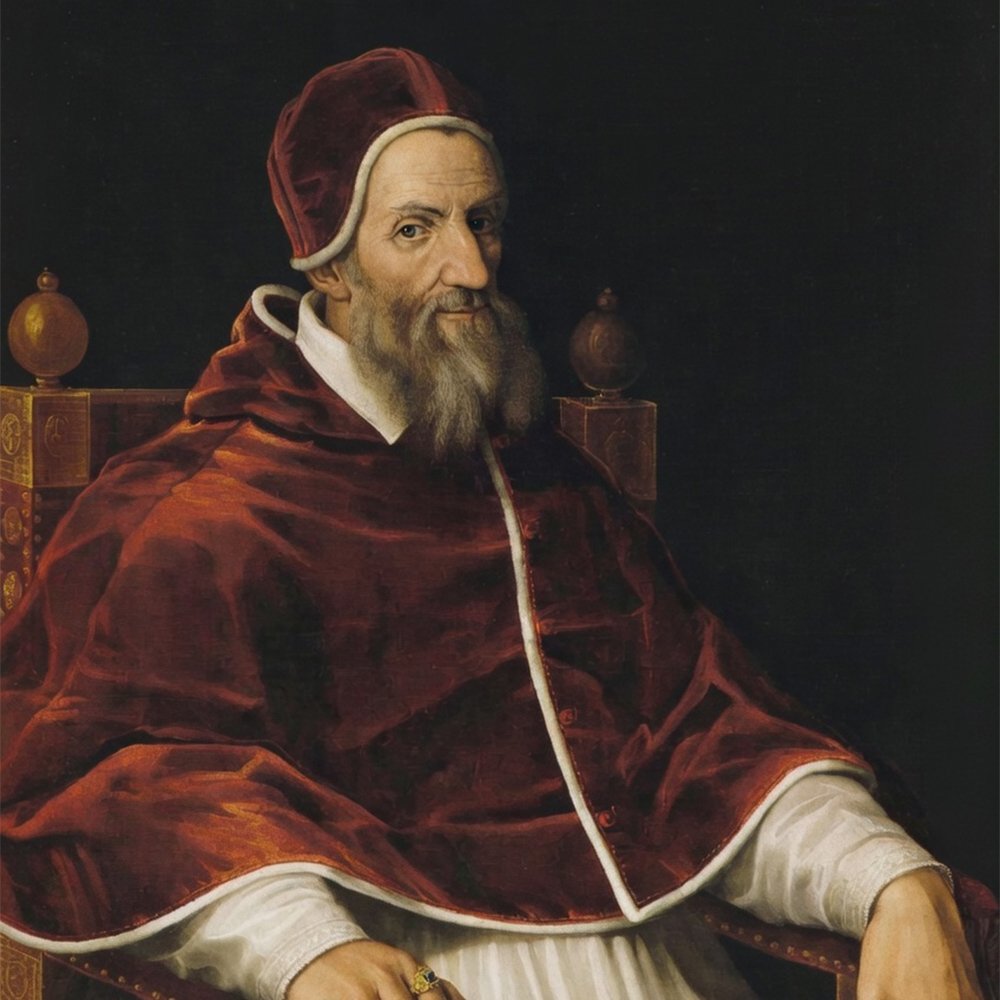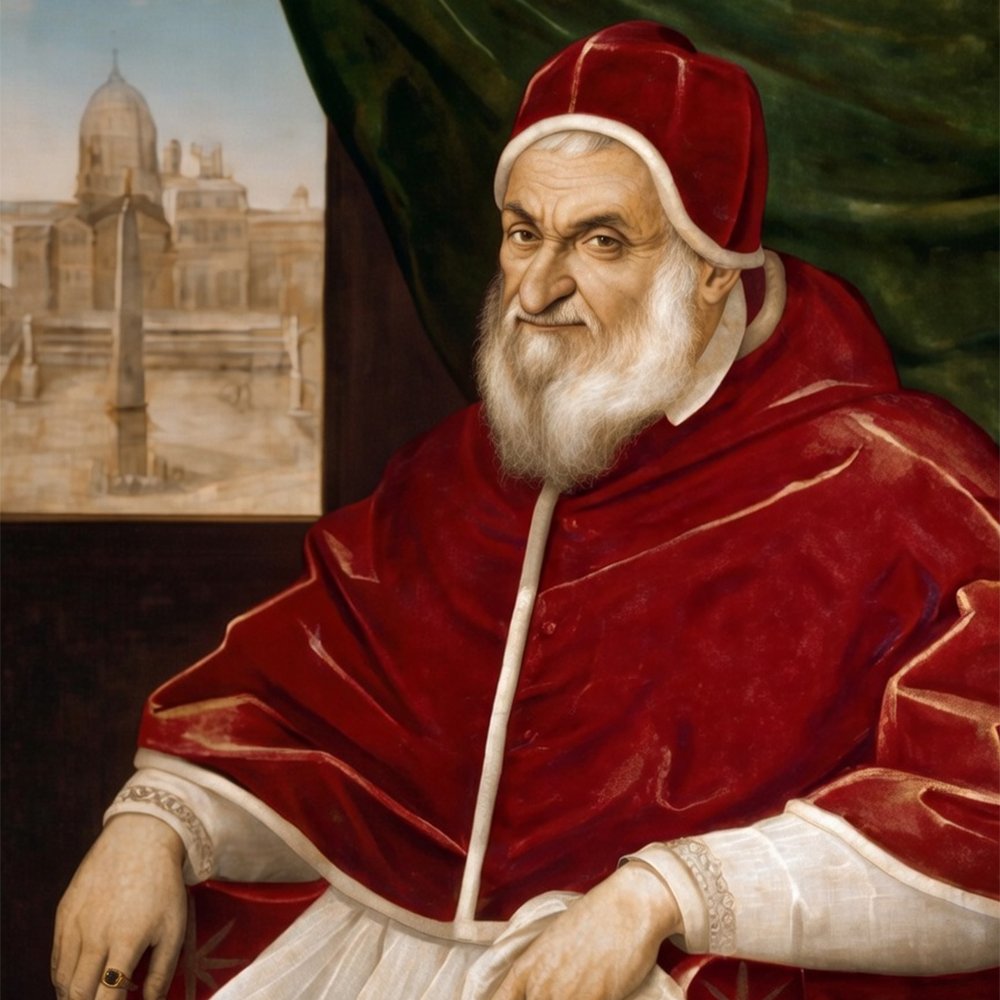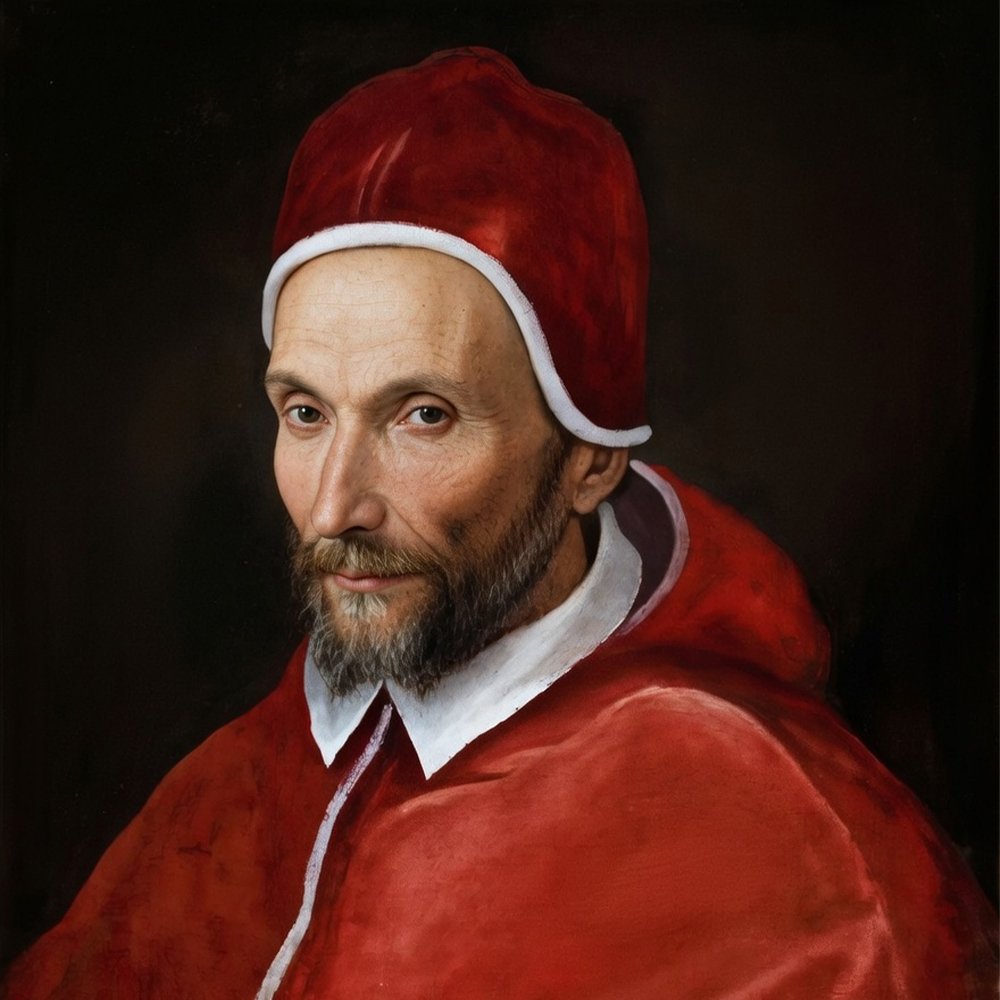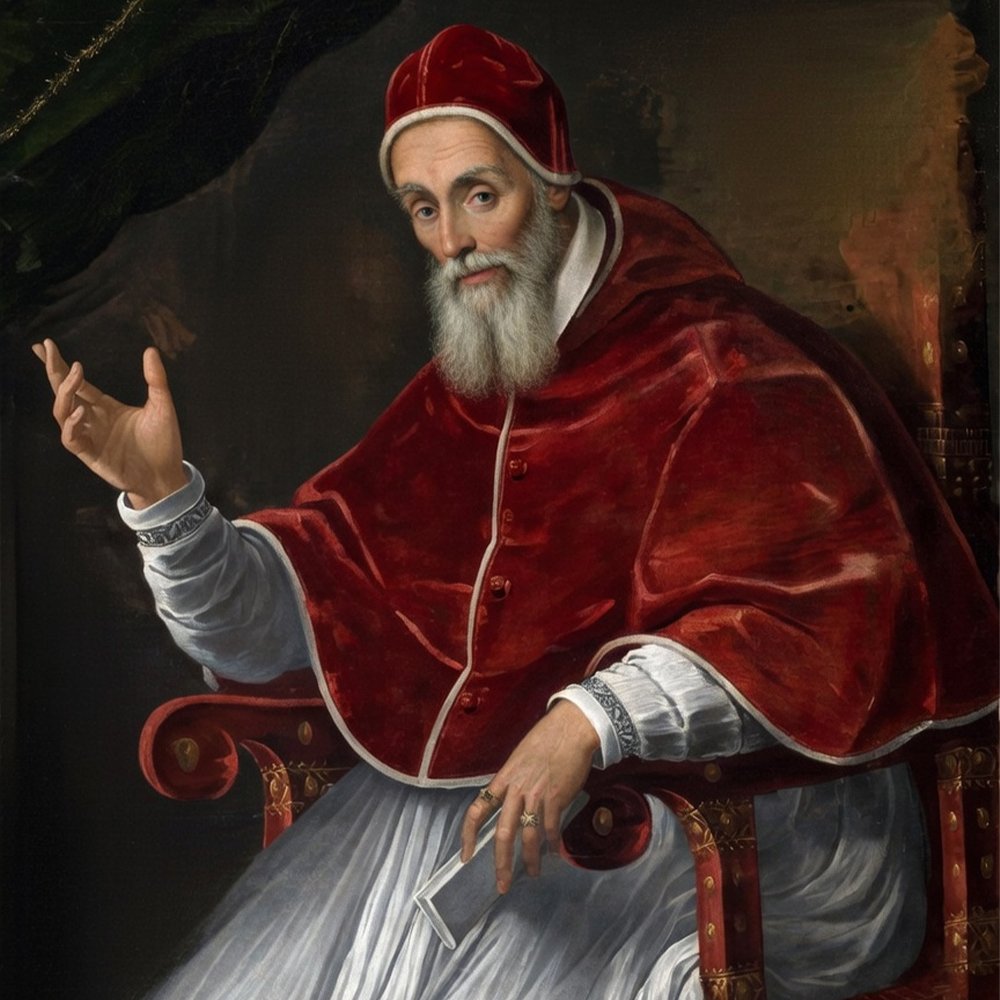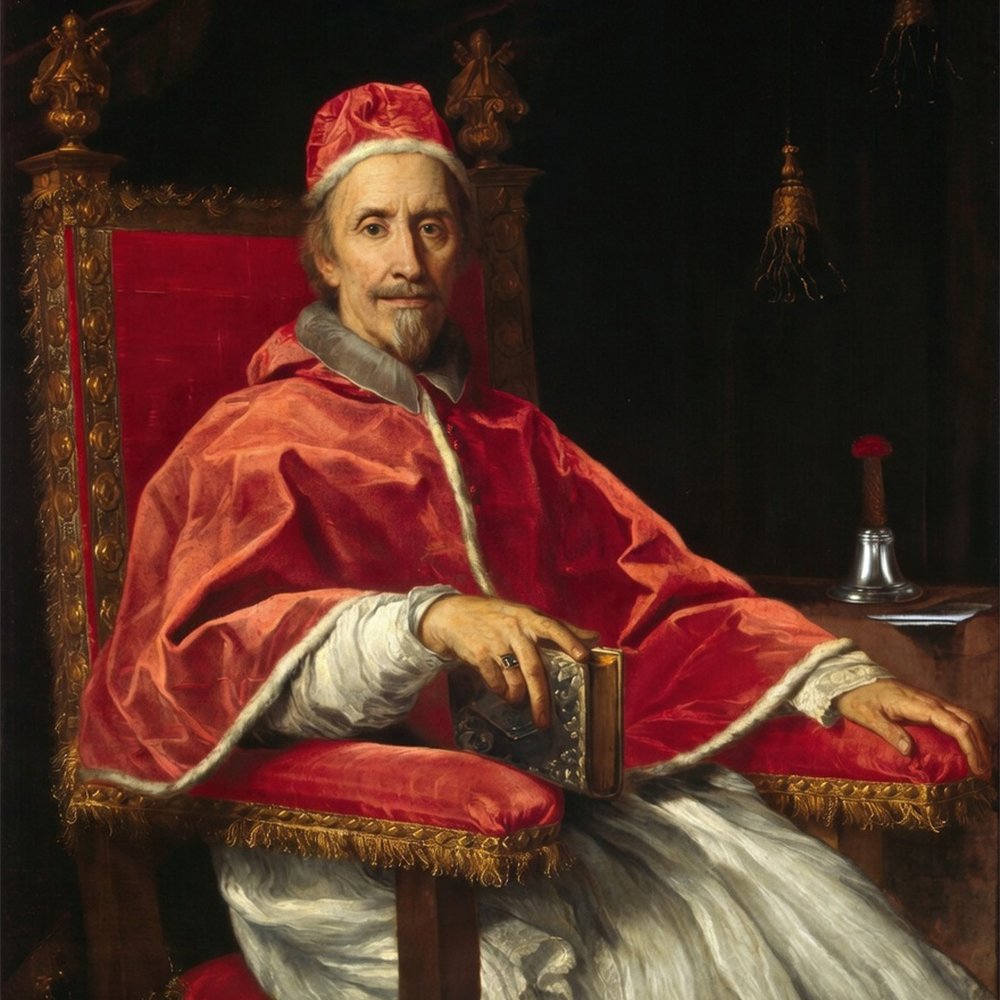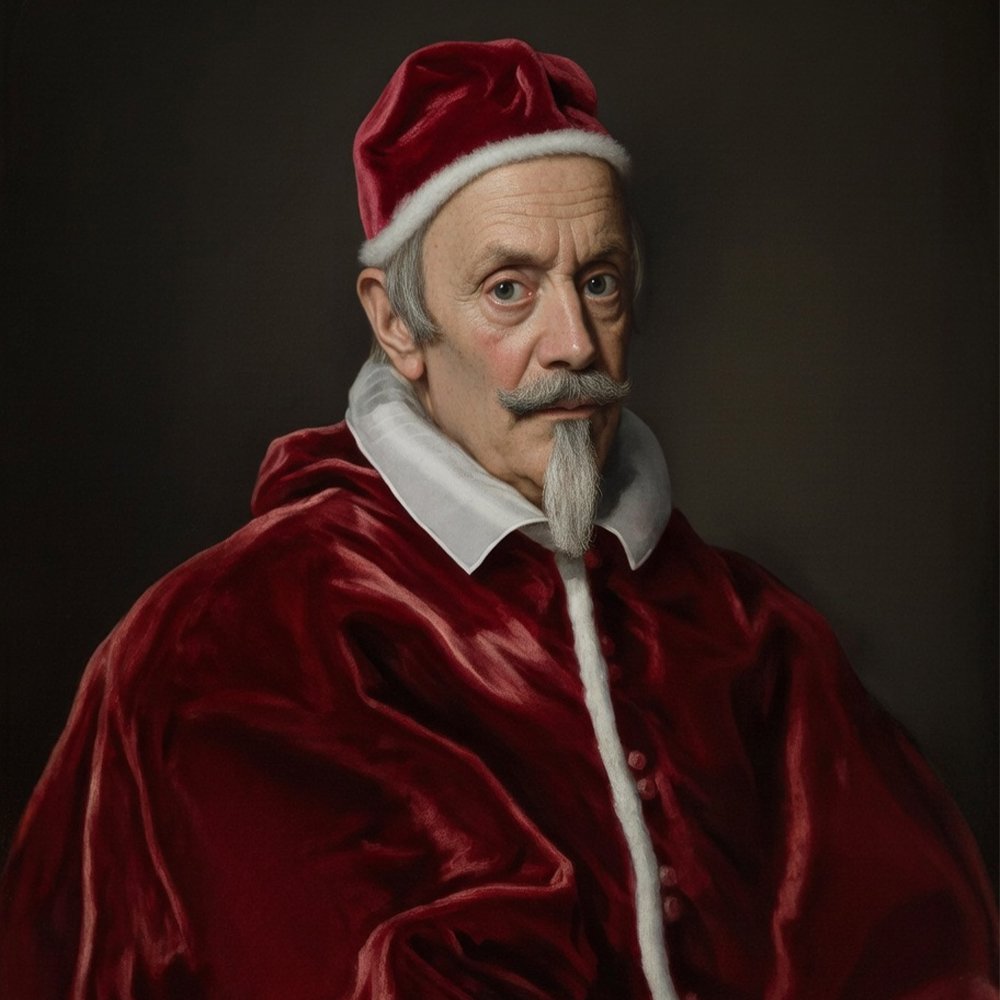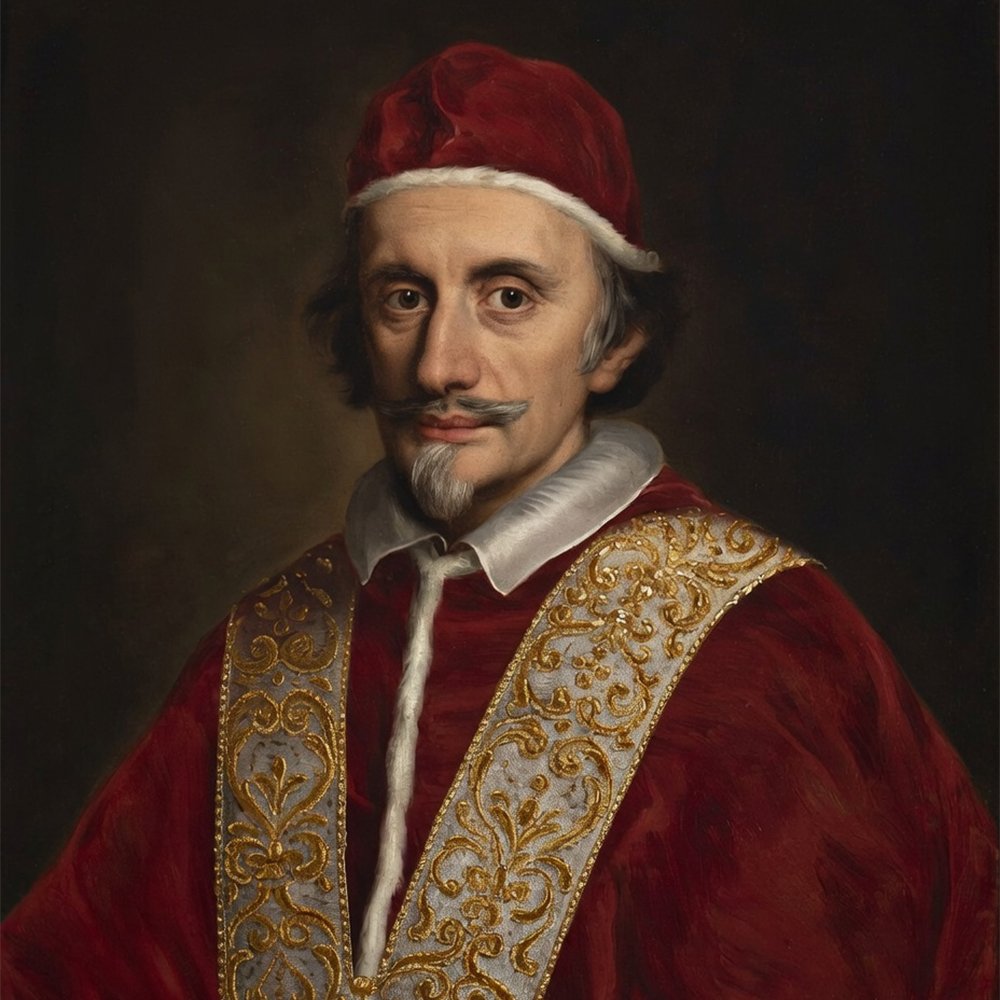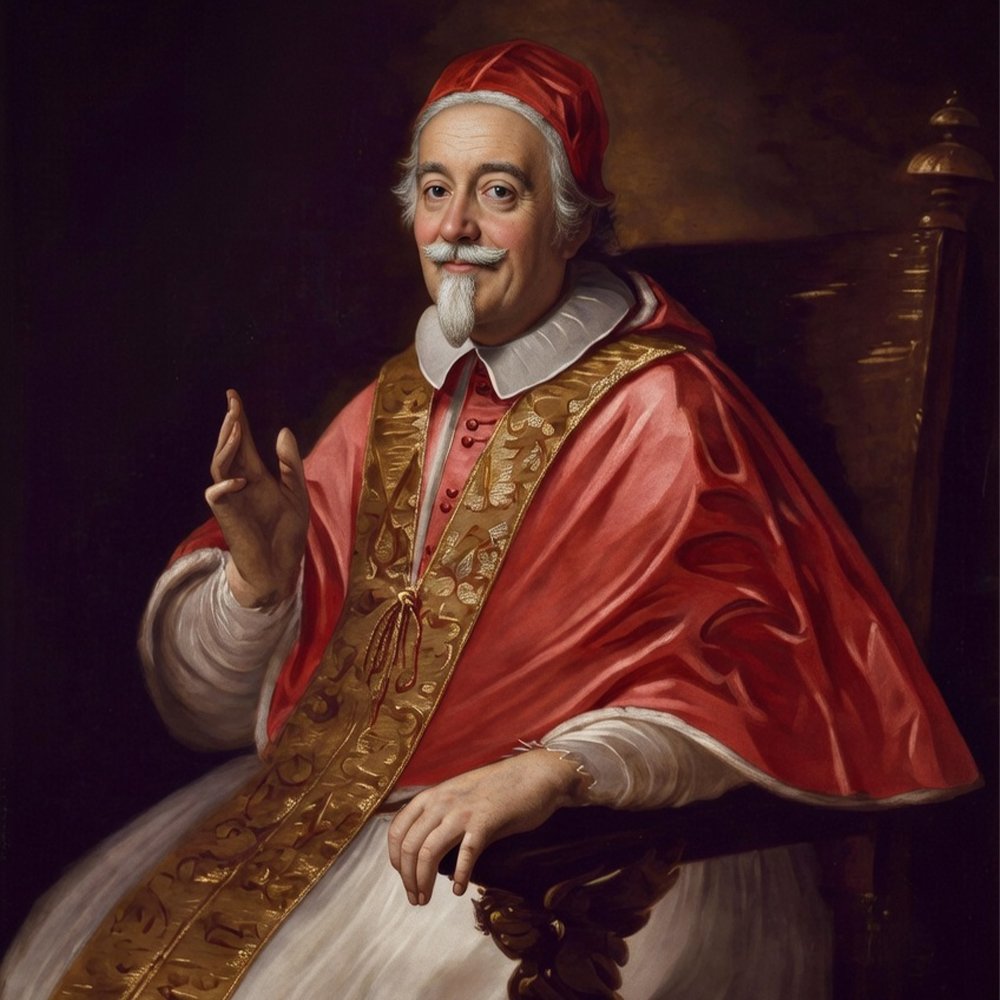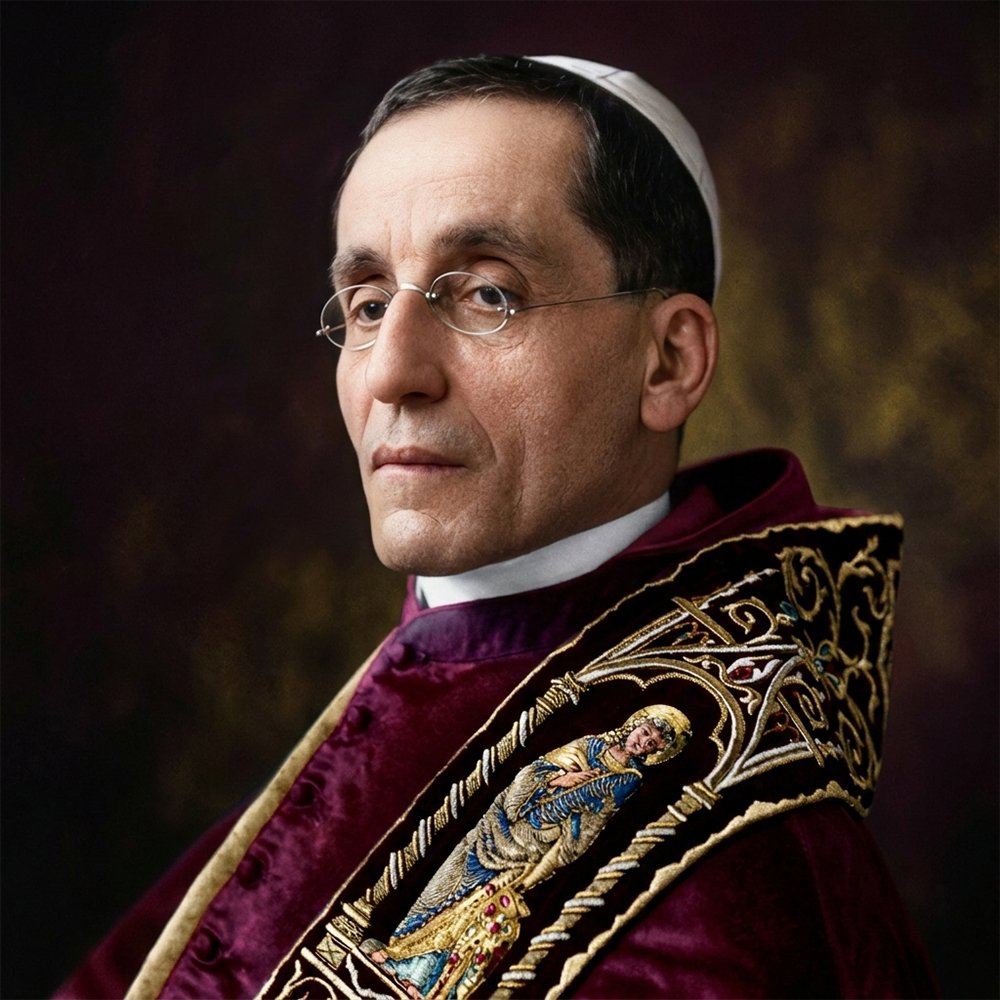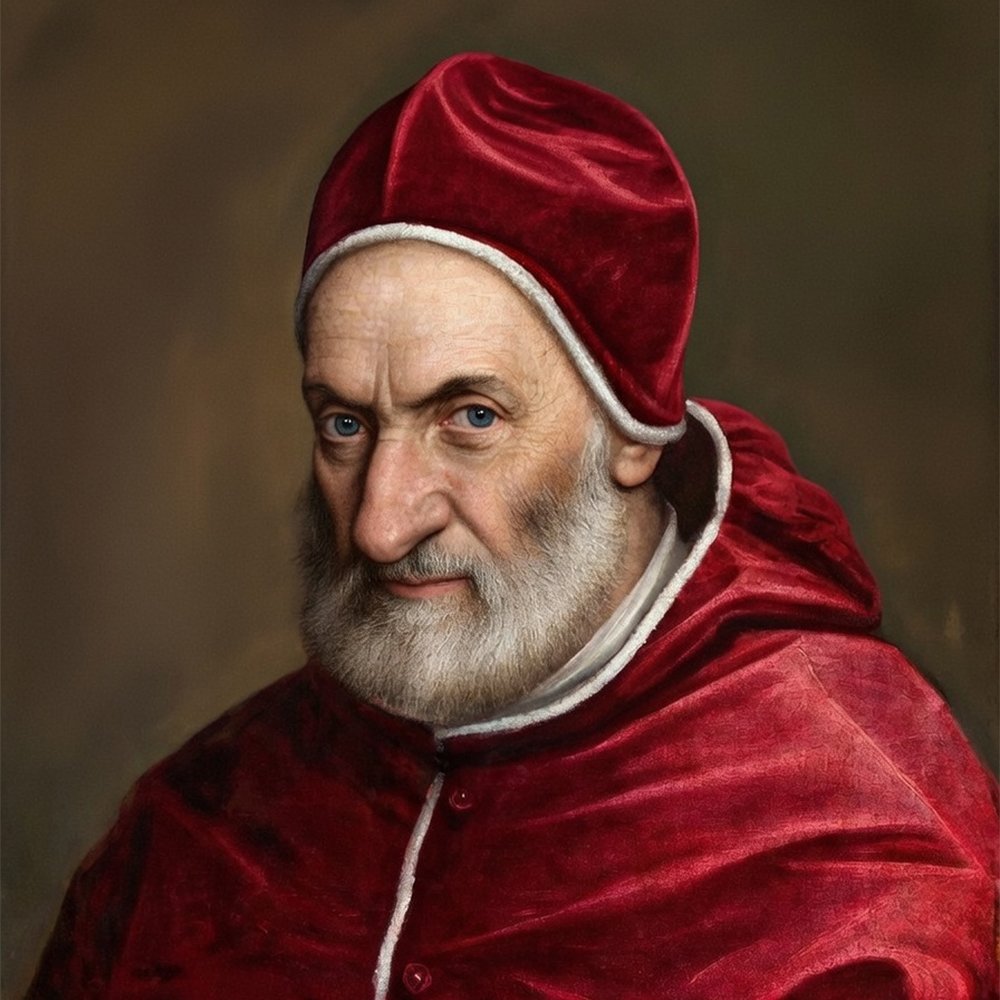
Result of your search...

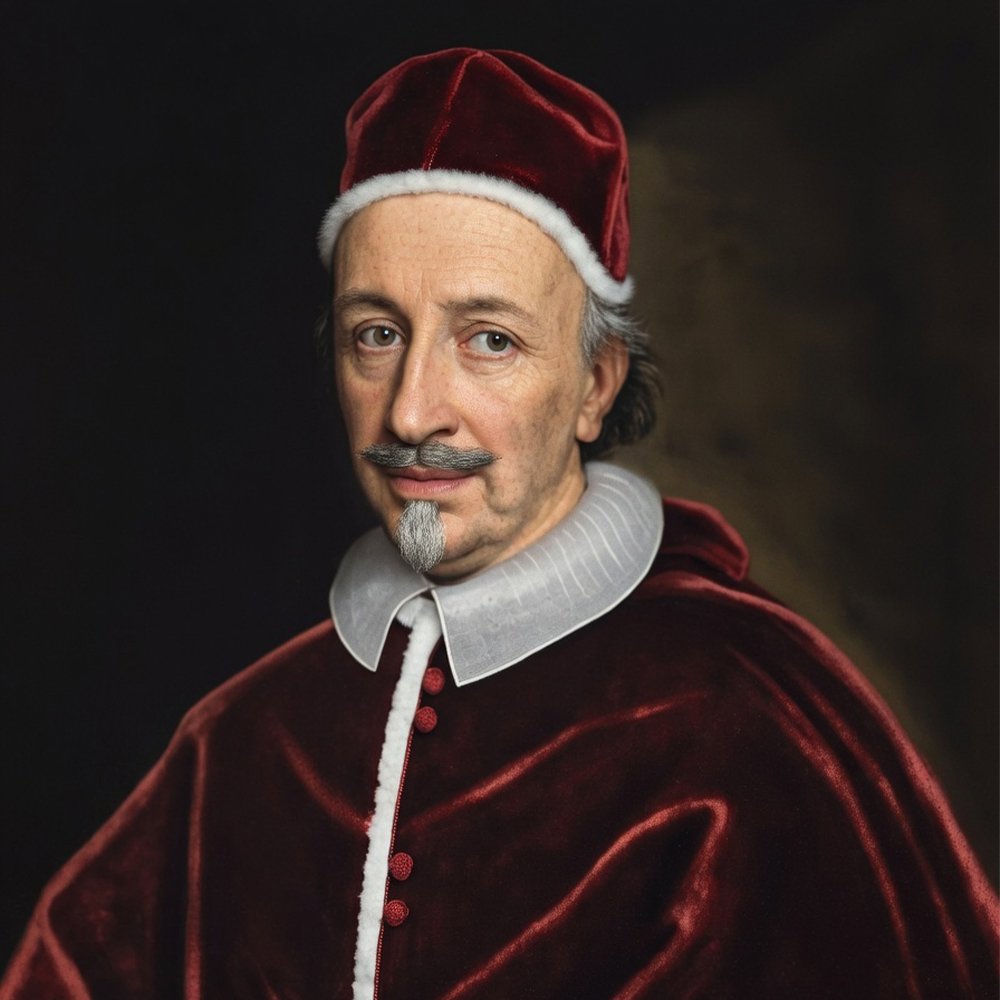
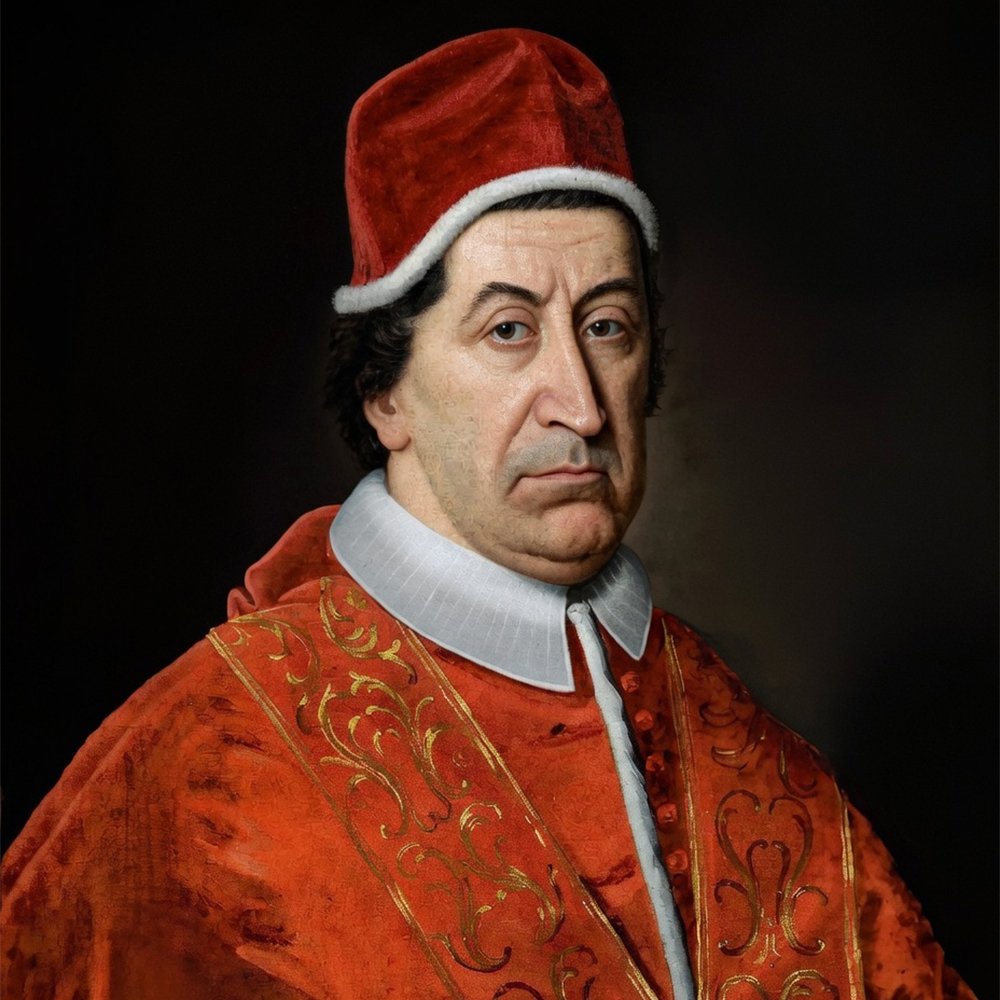
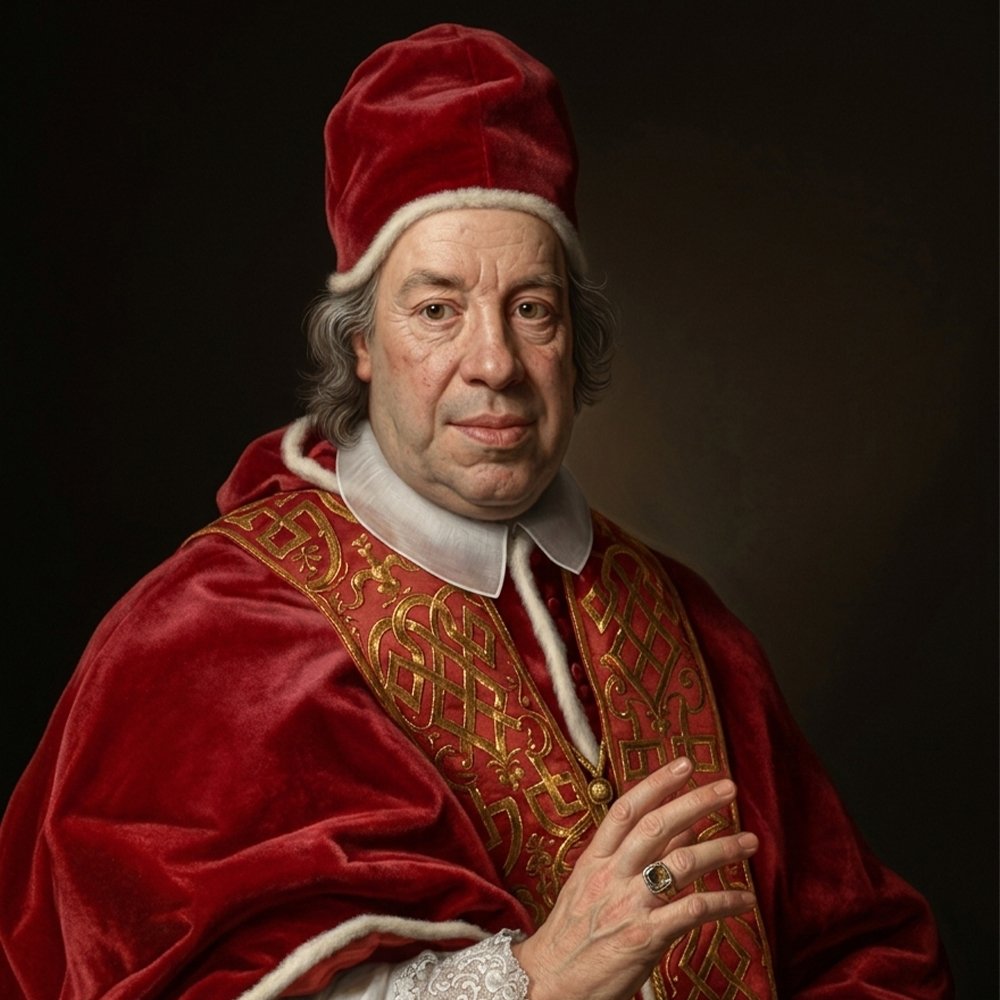
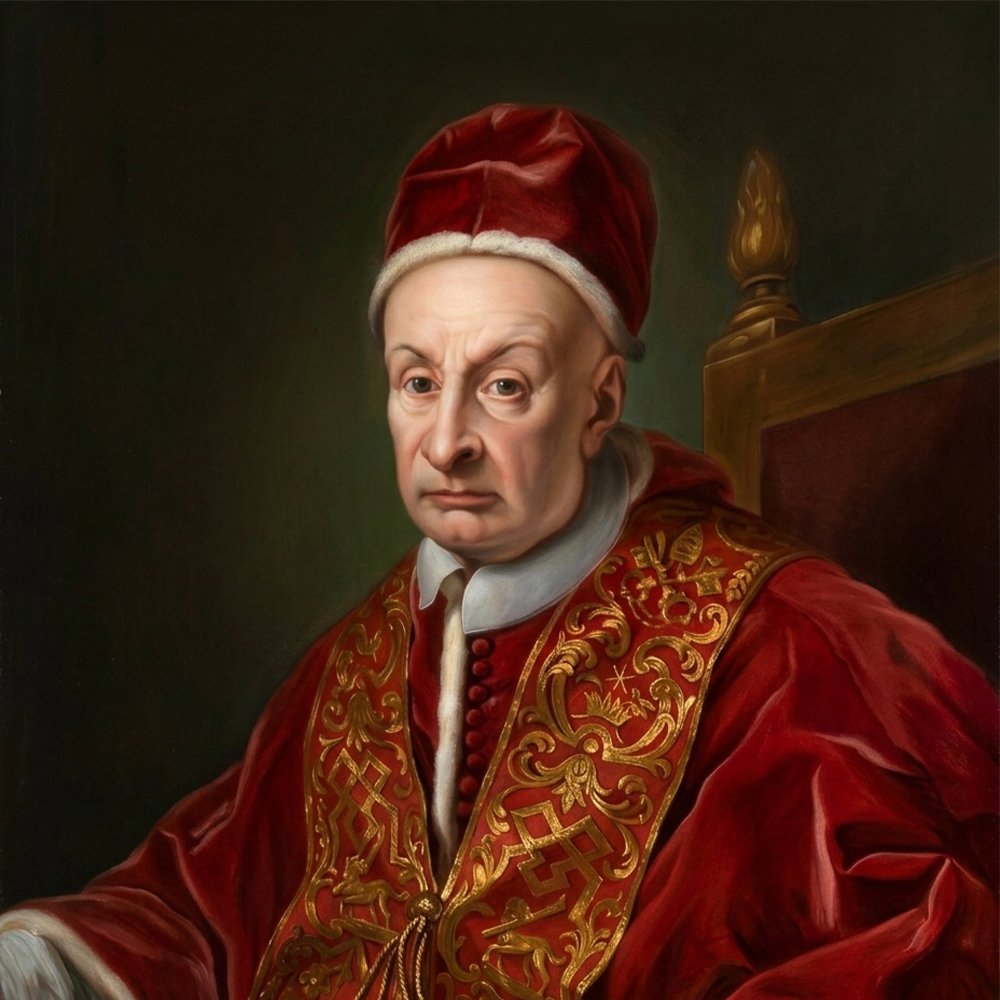
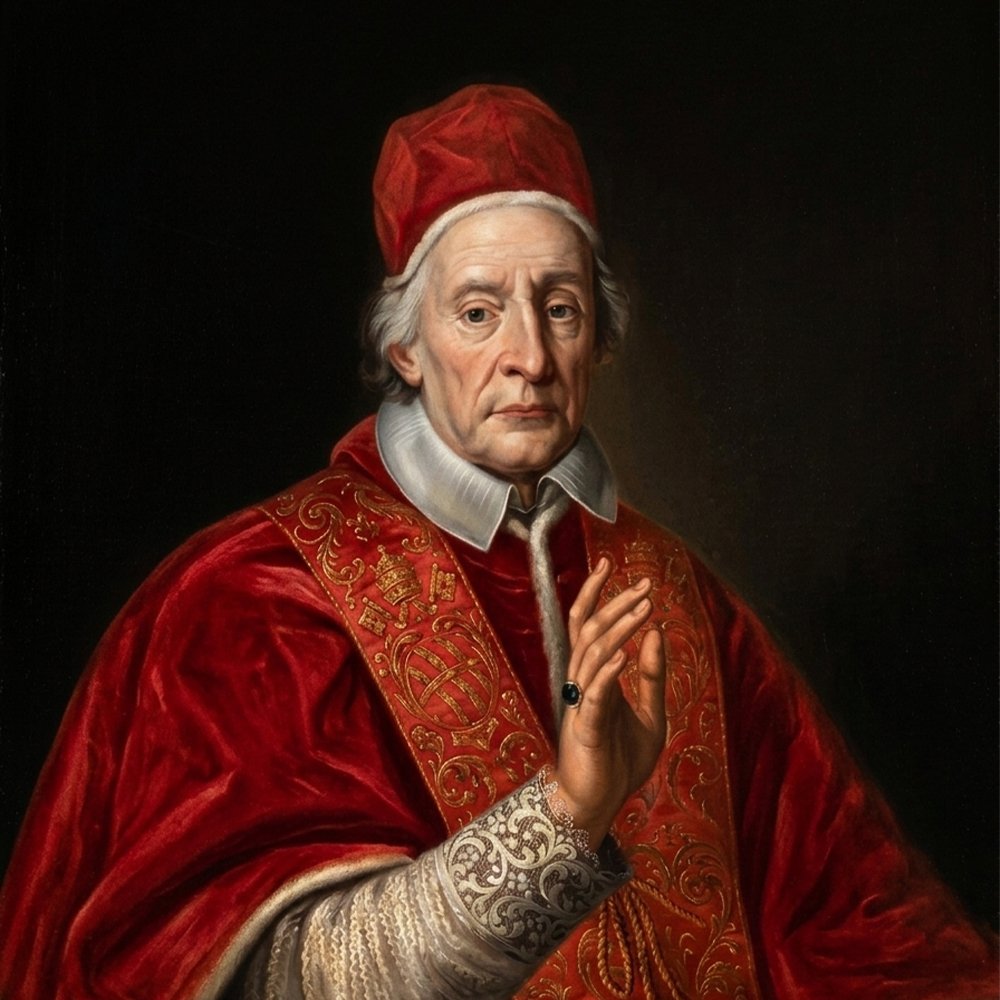
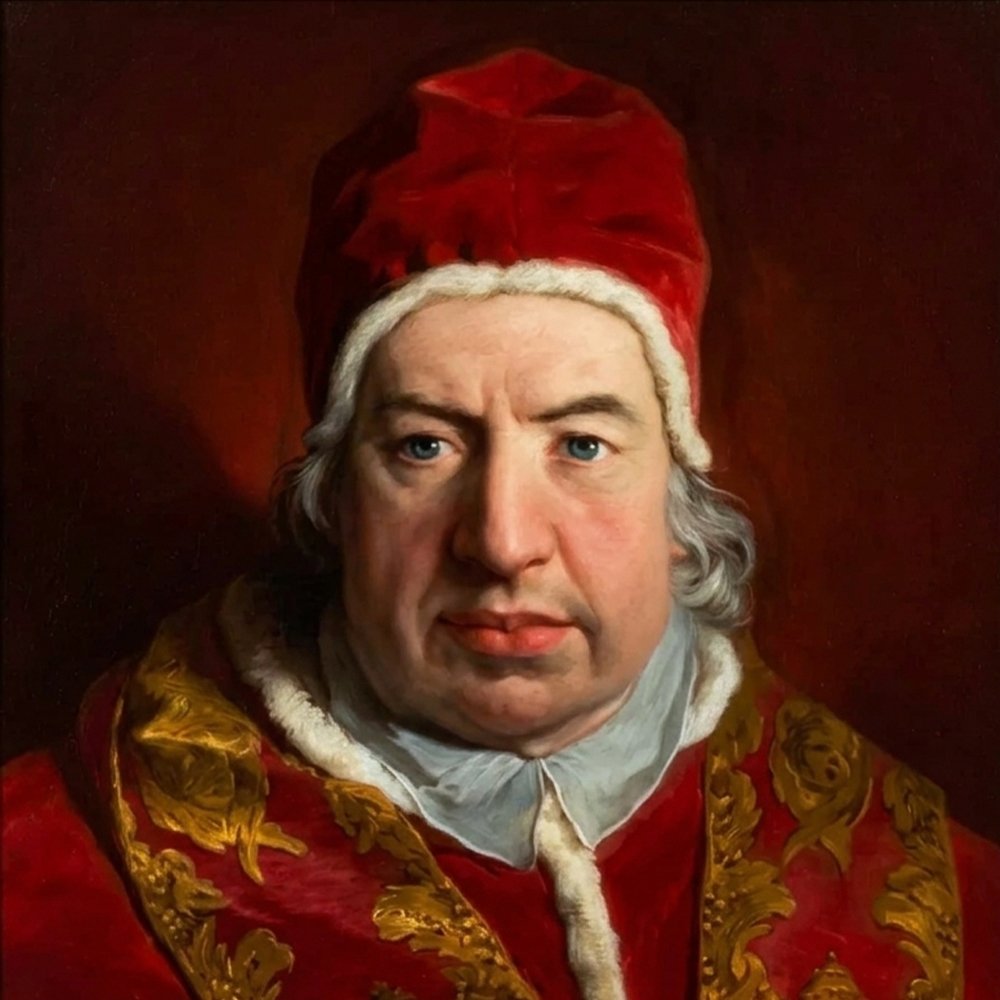
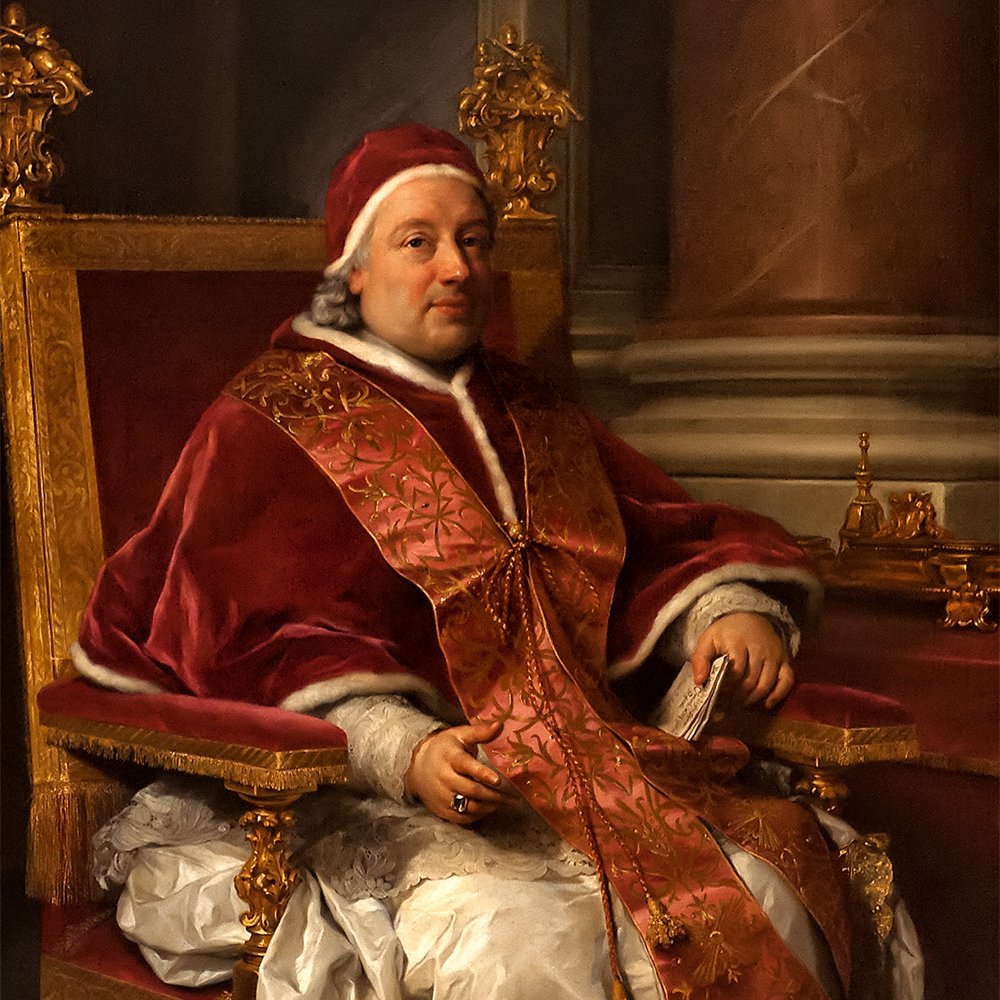
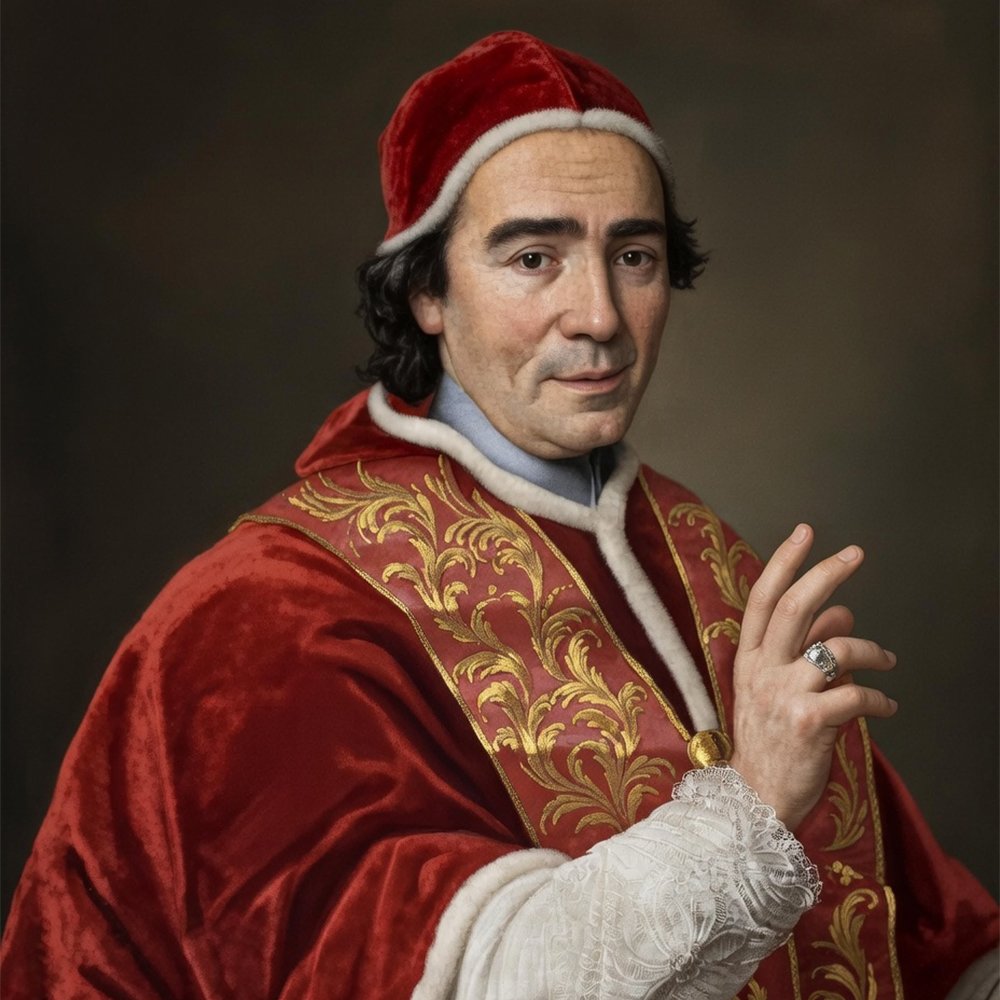
Pius IV

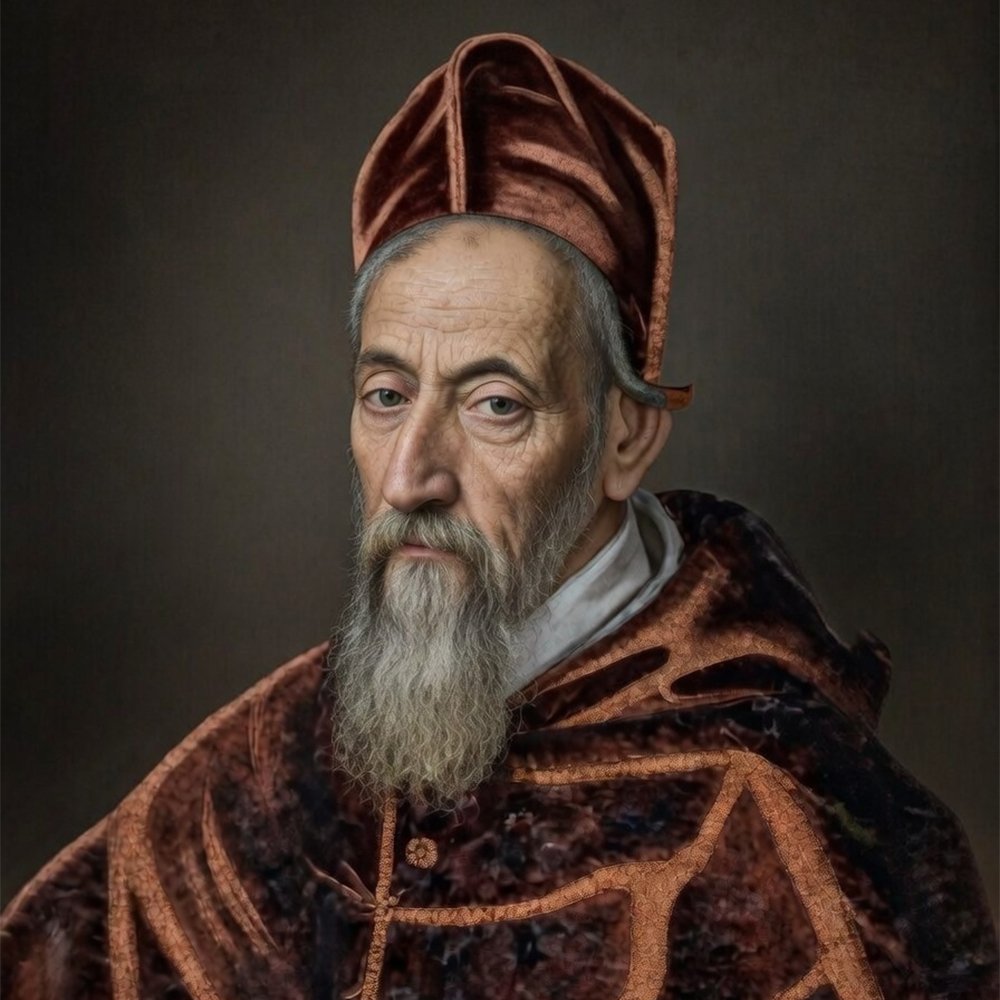
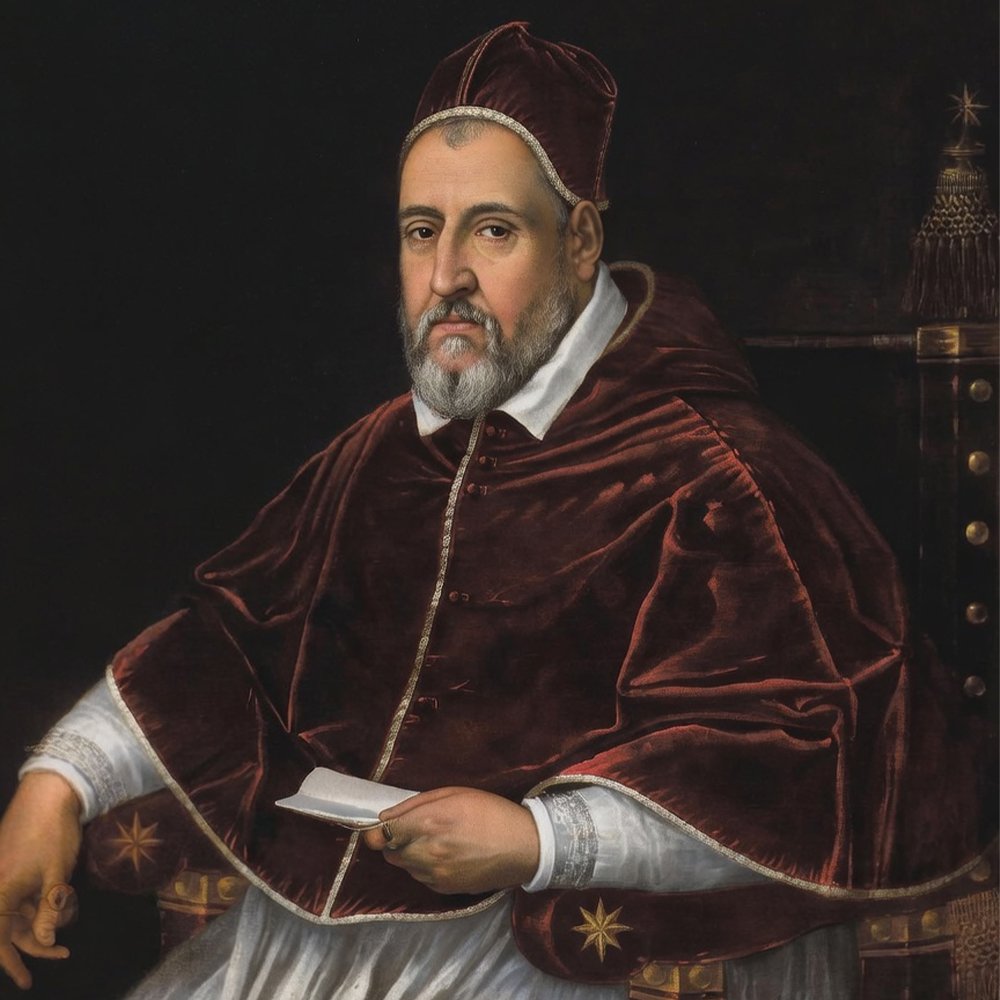
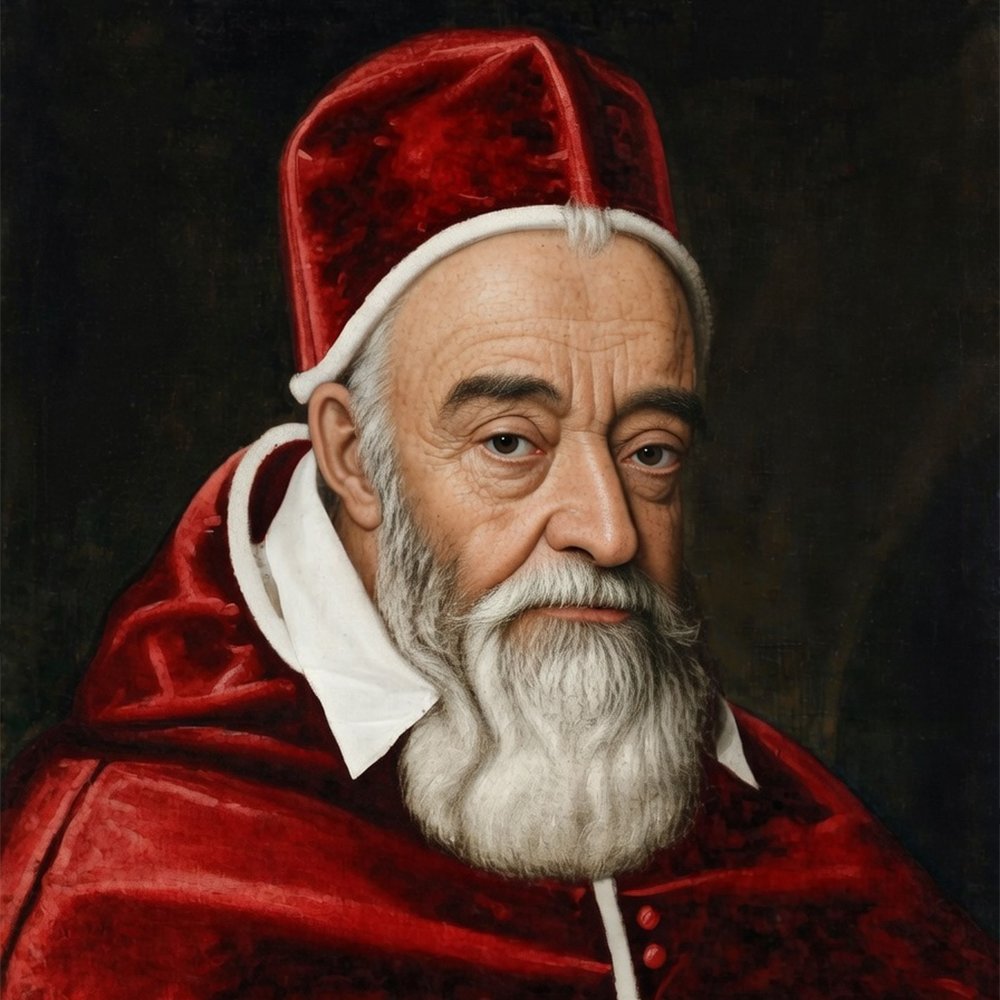
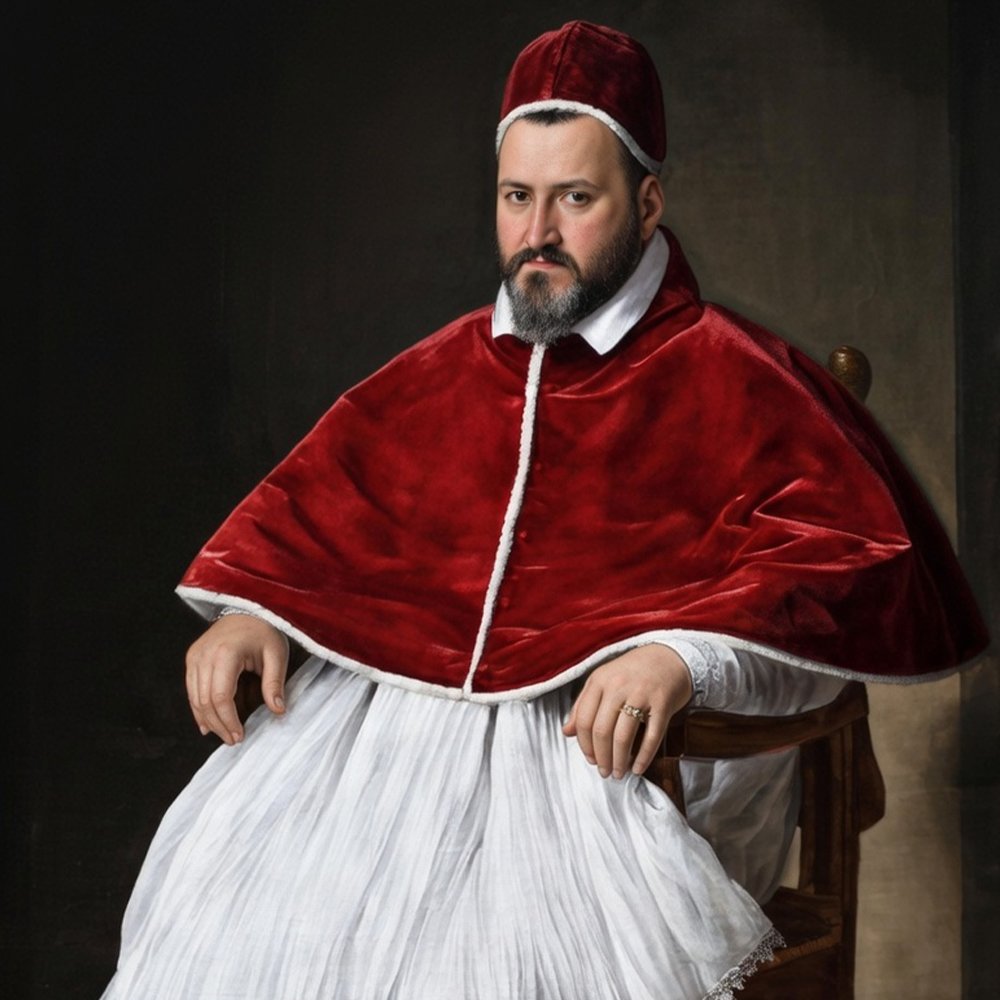
Pope Pius IV (1559-1565)

BIOGRAPHICAL DATA

Birth name: Giovanni Angelo Medici (de’ Medici)
Birth: March 31, 1499, Milan, Duchy of Milan (Italy)
Papal election: December 25, 1559 (Christmas Day!)
Coronation: January 6, 1560 (Epiphany)
Pontificate: December 25, 1559 – December 9, 1565 (5 years, 349 days)
Death: December 9, 1565, Rome (66 years old)
Burial: Santa Maria degli Angeli e dei Martiri, Rome
Religious order: Secular clergy (did not belong to a religious order)
Papal motto: None officially recorded
Cognomen: “The Conciliator Pope”, “Finisher of Trent”, “The Diplomatic Pope”, “Uncle of St. Charles”, “The Moderate”

NOTE: Successfully concluded the Council of Trent (1545-1563) after 18 years and three different popes, achieving one of the most important ecclesiastical councils in Church history! Remembered for diplomatic skill, successful family nepotism (promoted nephew St. Charles Borromeo, who justified the appointment!), moderate Counter-Reformation approach balancing reform with pragmatism, and masterful political maneuvering. Despite earlier scandalous personal life (three illegitimate children before entering Church career!), became effective reforming pope. NOT related to the famous Florentine Medici banking family, despite identical surname!

FORMATION AND EARLY LIFE

Milanese Origins – Medici Family (NOT the Florentine Medici!)

Crucial clarification:

  • Giovanni Angelo Medici: NOT related to famous Florentine Medici family (Lorenzo the Magnificent, Medici popes Leo X and Clement VII)
  • Different family entirely: minor Milanese nobility, same surname by coincidence
  • Confusion: historical sources sometimes unclear, contemporaries also confused
  • Social standing: respectable but not wealthy/powerful like Florentine Medici

Family background:

Parents:

  • Bernardino de’ Medici: father, minor nobleman/professional class
    • Legal/administrative background (likely notary or minor official)
    • Modest means, not impoverished but not wealthy
  • Clelia Serbelloni: mother, also minor Milanese nobility
    • Serbelloni family: somewhat more prominent than Medici (ironically)

Siblings:

  • Several brothers and sisters: sources vary on exact number
  • Gian Giacomo Medici (Medeghino): older brother (possibly half-brother)
    • Important: condottiero (mercenary captain), eventually Marquis of Marignano
    • Controversial: brutal military career, enriched through warfare
    • Later connection: would facilitate Giovanni Angelo’s ecclesiastical career
    • Complex relationship: Giovanni Angelo both benefited from and distanced himself from brother’s reputation

Childhood and youth (1499-1515):

Milan context:

  • Duchy of Milan: wealthy, strategic, constantly contested
  • Foreign domination: French, Spanish, Holy Roman Empire all vying for control
  • Political instability: Giovanni Angelo grew up amid warfare, regime changes
  • Cultural sophistication: despite political chaos, Milan = center of Renaissance culture

Early years:

  • 1499-1515: childhood in Milan
  • Education: basic education in Milan
    • Latin, humanities (standard for educated class)
    • Family could afford decent tutoring (not extensive, but adequate)
  • Character developing: intelligent, observant, adaptable (survival skills in unstable Milan)
  • Vocation: not initially directed toward Church (unlike many future clerics)

Secular Life – The Scandalous Years

Young adulthood (1515-1527): LAYMANSHIP

Crucial biographical fact:

  • Giovanni Angelo lived as layman: until late twenties/early thirties
  • Did NOT enter seminary young: unlike most future popes
  • Career: initially secular legal/administrative work
  • Personal life: VERY secular – fathered three illegitimate children!

The three illegitimate children:

Historical documentation:

  • Well-attested: not hidden scandal, openly acknowledged
  • Three children: two sons, one daughter (born before ecclesiastical career)
  • Mother(s): unclear if one woman or multiple relationships
    • Sources discreet/vague (typical for era regarding illegitimacy)
    • Likely: one relationship, possibly informal marriage (not sacramental but recognized)

Children’s identities:

  1. Carlo Borromeo (NOT the saint – different person): son
    • Later: legitimized, minor positions
    • Not particularly distinguished
  2. Gian Federico Borromeo: son
    • Later: legitimized, ecclesiastical positions through papal nepotism
    • Eventually Archbishop of Milan (through uncle’s influence)
  3. One daughter: name uncertain in sources
    • Later: advantageous marriage arranged (when Giovanni Angelo became pope)

Legitimization:

  • After becoming pope: formally legitimized children
  • Ecclesiastical law: pope could legitimate (remove canonical disabilities from illegitimacy)
  • Social integration: children given Borromeo surname (mother’s family? or honorific?)
  • Nepotism: natural – typical papal behavior for era

Career during lay years:

Legal studies:

  • Universities:
    • Bologna: primarily (renowned law faculty)
    • Pavia: possibly also studied there
  • Degree: doctorate in both civil and canon law (in utroque iure)
    • Achieved by mid-1520s (age ~25-27)
  • Student: competent, successful (not brilliant but solid)

Legal practice:

  • Milan: practiced law in Milan
  • Clients: various (notarial work, representation)
  • Reputation: capable, reliable lawyer
  • Income: modest but adequate

Personal characteristics (lay years):

  • Worldly: clearly not ascetic celibate type!
  • Ambitious: seeking advancement through law, family connections
  • Intelligent: shrewd, calculating
  • Pragmatic: adaptable to circumstances
  • Not particularly pious: conventional religiosity but not devout

Why enter Church career? (Speculative but reasonable)

Motivations:

  1. Opportunity: ecclesiastical career = advancement possibility
  2. Brother’s influence: Gian Giacomo’s military success created connections
  3. Illegitimate children grown: personal obligations lessened (children old enough)
  4. Pragmatism: Church = path to wealth, power for capable lawyer
  5. Genuine conversion? Possibly some religious awakening, but primarily practical

ECCLESIASTICAL CAREER (1527-1559)

Entry into Church Service

Transition to clerical state (late 1520s-early 1530s):

Age ~28-33: relatively late entry to ecclesiastical career

  • Ordained priest: ~1527-1530 (sources imprecise, but around this period)
  • Circumstances:
    • Sack of Rome (1527): chaos created opportunities for those with legal skills
    • Post-sack reconstruction: need for capable administrators
    • Brother’s connections: Gian Giacomo’s military/political influence opened doors

Early positions (1530s):

Vice-legate of Bologna:

  • Date: early 1530s
  • Responsibility: papal administration in Bologna (key Papal States city)
  • Performance: competent, efficient
  • Characteristics:
    • Good administrator: detail-oriented, thorough
    • Pragmatic: solved problems rather than creating them
    • Non-controversial: avoided factional conflicts
  • Reputation building: established himself as reliable papal servant

Rise Through Papal Service (1535-1549)

Governor of various cities in Papal States:

Sequential appointments:

  • Parma (1535-1540s): governor during complex period
    • Challenge: Parma contested between Pope and Farnese family
    • Medici’s approach: navigated diplomatically, avoided worse conflicts
  • Other cities: various governorships throughout 1530s-40s
    • Perugia, Piacenza (sources vary on exact sequence/dates)

Skills demonstrated:

  • Administration: capable, organized governance
  • Diplomacy: balanced competing interests
  • Financial: generally sound management (avoided major debt/corruption scandals)
  • Legal expertise: resolved disputes using canonical/civil law knowledge
  • Political acumen: survived in dangerous papal politics

Relationship with Pope Paul III (Farnese, 1534-1549):

Trusted administrator:

  • Paul III: recognized Medici’s capabilities
  • Appointments: progressive responsibilities
  • Distance maintained: Medici not in inner Farnese circle (good – avoided factional dangers)

Characteristics (1530s-40s):

  • Careful: avoided making powerful enemies
  • Competent: delivered results
  • Ambitious: clearly seeking higher positions
  • Moderate: not ideologically extreme (reform or conservative)
  • Worldly wisdom: understood political realities

Nuncio to Florence (1549)

Appointment:

  • Date: 1549
  • Position: Papal nuncio to Grand Duchy of Tuscany
  • Significance: important diplomatic posting

Context:

  • Florence: under Medici rule (the FAMOUS Florentine Medici – Cosimo I)
  • Irony: Giovanni Angelo Medici (unrelated) representing Pope to Medici duke
  • Confusion: contemporaries sometimes thought he WAS related (he didn’t discourage this!)

Performance:

  • Successful: navigated complex Florentine politics
  • Cosimo I relations: maintained good working relationship with duke
  • Papal interests: protected while not antagonizing powerful Tuscany
  • Duration: 1549-1555/56 (approximately 6-7 years)

Reputation enhanced:

  • Diplomatic skill: proven capability in sensitive posting
  • Political sophistication: understood Italian state system
  • Moderate approach: neither pro-Spanish nor pro-French extremism (valuable in divided Italy)

Cardinal (1549-1559)

Created Cardinal by Paul III (April 1549):

Age: 50 years old (relatively mature appointment)

Title: Cardinal-Priest (various titular churches over years)

Circumstances:

  • Timing: just before nunciature to Florence (or concurrent – sources vary slightly)
  • Reasons:
    • Reward for loyal administrative service
    • Recognition of legal expertise
    • Brother Gian Giacomo’s influence (possibly – mercenary captain had leverage)
    • Genuine capability (not just nepotism – Medici was competent)

Cardinal-Archbishop of Ragusa (Dubrovnik, 1553):

  • Appointment: titular archbishopric
  • Never visited: typical absent archbishop (normal for cardinals with titular sees)
  • Symbolic: status elevation, not pastoral role

Service under multiple popes:

  1. Paul III (1534-1549):created him cardinal
  • Relationship: loyal servant, trusted administrator
  1. Julius III (1550-1555):continued favor
  • Retained positions: continuity despite papal change
  • Nunciature to Florence: continued/completed under Julius III
  1. Marcellus II (April 1555 – 22 days!):brief pontificate
  • No significant changes: Marcellus died too quickly
  1. Paul IV (Carafa, 1555-1559):TENSE relationship

Paul IV’s reign – Difficult years:

Pope Paul IV (Gian Pietro Carafa):

  • Character: severe, uncompromising, reforming zealot
  • Policies:
    • Extreme anti-Spanish
    • Harsh Inquisition (had been Grand Inquisitor)
    • Anti-Jewish policies (created Roman ghetto, 1555)
    • Nepotism (despite reform rhetoric, enriched worthless nephews)
    • Disastrous war with Spain (1556-1557)

Medici’s position:

  • Uncomfortable:
    • Paul IV’s severity vs. Medici’s moderation
    • Anti-Spanish policy vs. Medici’s pragmatic neutrality
    • Suspicion: Paul IV distrusted anyone not zealous
  • Survival strategy:
    • Low profile: avoided prominence during Paul IV’s reign
    • Careful: didn’t oppose openly (dangerous with Carafa!)
    • Waiting: survived until Paul IV’s death
  • Never in inner circle: Paul IV favored more extreme reformers

Characteristics as Cardinal (1549-1559):

Administrative:

  • Curial positions: various congregations, administrative roles
  • Competent: reliable, efficient service
  • Legal expertise: valued for canonical knowledge

Personal:

  • Worldly: enjoyed good living (food, comfort) – not ascetic
  • Intelligent: shrewd political operator
  • Moderate: avoided extremes (theological, political)
  • Pragmatic: focused on practical solutions over ideological purity
  • Diplomatic: skilled at managing relationships

Family:

  • Illegitimate children: now grown, careers/marriages arranged
  • Brother Gian Giacomo (died 1555): mercenary captain’s death removed both asset and liability
  • Nephew Carlo Borromeo (born 1538): beginning to emerge
    • Future saint: Giovanni Angelo noticed nephew’s exceptional qualities
    • Planning: already considering promoting Carlo if opportunity arose

Theological positions:

  • Orthodox: conventionally Catholic, not innovative/controversial
  • Moderate on reform: favored disciplinary reforms, not radical restructuring
  • Anti-Protestant: conventional opposition to Protestantism
  • Not zealot: unlike Paul IV, didn’t see heretics everywhere
  • Conciliar: supported completing Council of Trent (suspended 1552)

Conclave preparation:

Paul IV’s declining health (1559):

  • Unpopular: Paul IV widely disliked (harsh, disastrous policies, worthless nephews)
  • Anticipation: cardinals preparing for inevitable conclave
  • Medici positioning:
    • Not prominent: low profile = hadn’t made enemies
    • Competent reputation: known as capable administrator
    • Moderate: appealing after Paul IV’s extremism
    • Mature: 60 years old, experienced
    • Broadly acceptable: no strong factional identity

CONCLAVE OF 1559-1560 – ELECTION

Pre-Conclave Context

Death of Paul IV (August 18, 1559):

Paul IV’s catastrophic legacy:

  • Roman riots: immediate riots upon death (Romans hated him!)
    • Inquisition palace attacked: mob destroyed records
    • Nephew’s statue: dragged through streets, beheaded
    • Unprecedented: such violent public celebration of pope’s death
  • Spanish war disaster: humiliating military defeat, financial ruin
  • Nepotism scandal:
    • Carlo Carafa (nephew): cardinal-nephew, corrupt, incompetent
    • Other Carafa nephews: enriched unjustly
    • Hypocrisy: Paul IV preached reform while practicing nepotism
  • Alienated everyone:
    • Spain: open warfare
    • France: unreliable ally
    • Cardinals: many imprisoned/suspected by his Inquisition
    • Romans: hated severity, failed war, taxation
    • Jews: ghetto, forced baptism attempts, persecution

Church situation (August 1559):

Council of Trent suspended (since 1552):

  • Problem: Protestant crisis unresolved, reforms incomplete
  • Need: resume Council, complete work
  • Obstacle: political divisions prevented reconvening

Protestant expansion continuing:

  • Germany: Peace of Augsburg (1555) – cuius regio, eius religio (ruler’s religion = subjects’ religion)
    • Accepted: permanent Protestant presence in Empire
    • Mixed: pragmatic but acknowledged Catholic defeat
  • England: Elizabeth I (1558) – establishing Protestant church
    • Reversal: Mary I’s (1553-1558) Catholic restoration undone
    • Settlement (1559): Anglican church structure
  • France: Wars of Religion brewing (would explode 1562)
    • Huguenots: growing Calvinist movement
    • Political crisis: weak monarchy, noble factions
  • Netherlands: Protestant discontent under Spanish rule (revolt brewing)
  • Scotland: Protestant Reformation establishing (1559-1560)

Catholic Church needs:

  1. Trent completion: urgent necessity
  2. Spain-France reconciliation: stop Catholic powers fighting each other
  3. Reform continuation: Paul IV started some good reforms despite failures
  4. Moderate leadership: after Paul IV’s extremism
  5. Diplomatic skill: navigate complex political situation
  6. Financial recovery: Paul IV left treasury depleted

Cardinals wanted:

  • Moderate: someone unlike Paul IV!
  • Diplomatic: capable of managing Catholic powers
  • Administrative: competent governance
  • Reform-minded: but pragmatic, not zealot
  • Conciliar: committed to reconvening Trent
  • Broadly acceptable: not factionally divisive

The Conclave – Extremely Long

Start: September 5, 1559
Duration: 111 days! (September 5 – December 25, 1559)

  • One of longest conclaves: in papal history
  • Christmas Day election: symbolic (new beginning?)

Size: ~60 cardinals (sources vary: 58-60)

Factions:

  1. Spanish faction (largest, ~20 cardinals):
  • Led by: Cardinals representing Philip II’s interests
  • Goals:
    • Pro-Spanish pope (or at least not anti-Spanish)
    • Reverse Paul IV’s disastrous anti-Spanish policy
    • Someone who would cooperate with Spanish interests
  • Veto power: Philip II gave explicit exclusion list (certain candidates unacceptable)
  • Problem: too obvious Spanish candidate would alienate French faction
  1. French faction (~15 cardinals):
  • Led by: Cardinal Charles de Guise (Cardinal of Lorraine), others
  • Goals:
    • Support French interests
    • Counter Spanish dominance
    • Someone sympathetic to French position on Huguenots (complicated)
  • Weakness: France divided by nascent Wars of Religion, less unified than Spain
  • Strategy: block Spanish candidate, find compromise
  1. Reform faction (zealots, ~10 cardinals):
  • Carafa party survivors: some still loyal to Paul IV’s severity
  • Other hardliners: Ghislieri (future Pius V!), other Inquisition-associated
  • Goals:
    • Continue severe reform approach
    • Uncompromising on doctrine/discipline
    • Anti-Protestant militancy
  • Candidate: initially Carlo Carafa (Paul IV’s nephew cardinal) – impossible (too hated)
  • Problem: too associated with Paul IV’s failures
  1. Moderate reform faction (~10-15 cardinals):
  • Characteristics:
    • Favor reform but not zealotry
    • Diplomatic approach
    • Complete Trent
  • Potential candidates: various, including Medici (though not initially prominent)
  1. Imperial faction (small, ~5 cardinals):
  • Holy Roman Emperor Ferdinand I: some influence
  • Goals: generally aligned with Spain but distinct interests
  • Not decisive: smaller faction
  1. “Politiques”/independents (~10 cardinals):
  • No strong factional loyalty:
  • Priorities: competent administrator, avoid disaster
  • Decisive: these swing voters would determine outcome

Ballot progression (summary – detailed ballots not fully documented):

Early ballots (September-October):

Attempted candidates:

  1. Ippolito d’Este (Cardinal of Ferrara):
    • French candidate: strongly backed by France
    • Problem: Spanish veto (too pro-French)
    • Support peaked: couldn’t reach two-thirds majority
    • Blocked: Spanish faction adamant
  2. Giovanni Morone:
    • Reformer: respected, moderate, diplomatic
    • Major problem: Paul IV had imprisoned him for suspected heresy!
      • Charges: never proven, Morone eventually vindicated
      • Taint: association with heresy accusation (even if false) disqualified
    • Spanish support: actually favored by Spain
    • Vetoed: by hardline reform faction (suspicion remained despite innocence)
  3. Various Spanish candidates:
    • Too obvious: French faction blocked
    • Names: several proposed, none succeeded

Deadlock (October-November):

  • Stalemate: no candidate could achieve two-thirds
  • Spanish-French rivalry: paralyzing process
  • Frustration: cardinals exhausted, Rome awaiting
  • Winter approaching: urgency increasing (conclave uncomfortable)

Compromise search (late November-December):

Requirements emerging:

  • Not Spanish candidate: French wouldn’t accept
  • Not French candidate: Spanish wouldn’t accept
  • Not too reformist: moderates concerned
  • Not too moderate: reformers concerned
  • Competent: after Paul IV disaster, needed capable administrator
  • Acceptable to Philip II: Spanish veto had to be avoided

Medici emerges as compromise (December):

Factors favoring Giovanni Angelo Medici:

  1. Not factionally divisive:
  • No strong Spanish ties: despite pragmatic relations
  • No strong French ties: despite Florence nunciature
  • Moderate: acceptable to both sides
  • Low profile under Paul IV: hadn’t been prominent partisan
  1. Administrative competence:
  • Proven: governorships, nunciature successful
  • Legal expertise: valuable for Trent completion
  • Experience: decades of papal service
  • Age: 60 – mature but not ancient
  1. Moderate reformer:
  • Favored reform: supported disciplinary improvements
  • Not zealot: unlike Paul IV extremism
  • Conciliar: committed to Trent completion
  • Pragmatic: would balance ideals with realities
  1. Broadly acceptable personally:
  • No major scandals: (illegitimate children long past, common for era anyway)
  • No enemies: careful career meant few had strong animus
  • Personable: diplomatic skill made him likeable
  • Intelligent: respected for competence
  1. Name confusion advantage (possibly!):
  • “Medici” name: some thought him related to Florentine Medici
    • Florentine Medici popes: Leo X, Clement VII (both controversial but prestigious family)
    • Confusion: Giovanni Angelo may have benefited from positive associations
    • He never clarified: diplomatically vague about family connections
    • Irony: elected partly due to name he didn’t deserve!
  1. Spanish non-objection:
  • Philip II: no veto (Medici not on exclusion list)
  • Acceptable: preferable to French candidate
  • Not threatening: Medici seemed manageable
  1. French acquiescence:
  • Better than Spanish candidate: compromise acceptable
  • Exhaustion: after 3+ months, needed resolution
  • Hope: Medici might be malleable

Final balloting (December 24-25):

December 24 (Christmas Eve):

  • Medici gaining: support coalescing
  • Near majority: close but not quite two-thirds

December 25, 1559 (Christmas Day):

  • Final ballot: Giovanni Angelo Medici elected
  • Vote: achieved two-thirds majority (exact count not recorded, but sufficient)
  • Time: early Christmas Day (symbolism: new birth for Church?)
  • Acceptance: Medici accepted (reportedly with humble surprise – conventional modesty or genuine?)

Name chosen: PIUS IV

Reasoning:

  • Pius III (1503): brief pontificate (26 days), but gentle, reform-minded
  • Pius II (Piccolomini, 1458-1464): humanist pope, respected
  • NOT: Pius = pious (though convenient pun!)
  • Diplomatic: honoring previous Pius popes, non-controversial choice

Age at election: 60 years old

CORONATION AND IMMEDIATE ACTIONS

Coronation: January 6, 1560 (Epiphany)

Ceremony:

  • Traditional: full papal coronation ritual
  • Attendance: large, enthusiastic (relief after Paul IV!)
  • Mood: hopeful (anything better than predecessor!)
  • Symbolism: Epiphany = manifestation, revelation (new direction for Church)

Immediate priorities announced:

  1. Reconvene Council of Trent: complete suspended ecumenical council
  2. Reform continuation: disciplinary improvements (but moderate approach)
  3. Reconciliation: Spain-France peace efforts
  4. Financial recovery: repair papal treasury
  5. Justice: reverse some of Paul IV’s excesses

PONTIFICATE (1560-1565)

Immediate Actions – Reversing Paul IV’s Disasters

First weeks/months (January-June 1560):

  1. Carafa nephews prosecution:

Background:

  • Carlo Carafa (cardinal-nephew): Paul IV’s principal nephew
    • Corruption: embezzled vast sums
    • Incompetence: military disaster in Spanish war
    • Murder: allegedly involved in assassination of Duchess of Palliano
  • Other Carafa nephews: similarly corrupt, violent
  • Public outrage: Romans demanded justice
  • Precedent question: could pope prosecute predecessor’s relatives?

Pius IV’s action:

  • Trial ordered (1560):
    • Carlo Carafa and others arrested
    • Charged: embezzlement, murder, treason
    • Controversial: pope judging cardinals (Carlo = cardinal)
  • Verdict (March 1561):
    • Guilty: Carlo and brother Giovanni (Duke of Palliano)
    • Sentences: death
  • Execution (March 4, 1561):
    • Carlo Carafa: strangled (cardinal status = no public beheading)
    • Giovanni Carafa: beheaded
    • Unprecedented: executing predecessor’s cardinal-nephew!
    • Public approval: Romans celebrated (Carafas hated)
    • Message: new direction, justice over nepotism

Significance:

  • Political: distanced Pius IV from Paul IV
  • Justice: genuine crimes punished
  • Precedent: even papal relatives not above law
  • But ironic: given Pius IV’s own coming nepotism!
  1. Jewish policy moderation:

Paul IV’s harshness:

  • Cum nimis absurdum (1555): created Roman ghetto, forced badges, economic restrictions
  • Forced conversions: attempted
  • Persecution: severe

Pius IV’s approach:

  • Maintained ghetto: didn’t abolish (would have been too radical)
  • Eased restrictions:
    • Some economic activities permitted
    • Reduced forced sermon attendance
    • Less harassment
  • Pragmatism: recognized Jewish banking = economically necessary
  • Moderate: neither philosemitic nor as harsh as Paul IV
  • Limited improvement: still terrible, but less catastrophic
  1. Inquisition moderation:

Paul IV’s severity:

  • Terror: imprisoned even cardinals (Morone case)
  • Excessive: prosecuted on mere suspicion
  • Index: extremely restrictive book prohibitions

Pius IV’s reforms:

  • Cardinal Morone released (1560):
    • Vindication: declared innocent
    • Rehabilitation: restored to positions
    • Symbol: justice over zealotry
  • Inquisition procedures:
    • More careful: stricter evidence standards
    • Less torture: (relatively – still used but less casually)
    • Fewer executions: more imprisonment/penance
  • Index revision:
    • Less restrictive: some books removed from prohibition
    • Scholarly exceptions: qualified readers could access some banned works
    • Still censorship: but less draconian
  1. Spanish relations normalized:

Paul IV’s war: disaster

  • 1556-1557: Pope + France vs. Spain
  • Spanish victory: humiliating papal defeat
  • Result: Spanish domination of Italy increased

Pius IV’s diplomacy:

  • Peace: accepted Spanish hegemony pragmatically
  • Cooperation: worked with Philip II constructively
    • Trent: needed Spanish cooperation for Council
    • Reform: Spain actually supported many reforms
  • Balance: maintained some independence, not puppet
  • Pragmatic: recognized realities of Spanish power
  1. Financial recovery:

Paul IV’s legacy:

  • Treasury depleted: war costs enormous
  • Debt: significant papal debt
  • Taxation: Romans exhausted by taxes

Pius IV’s measures:

  • Fiscal discipline: controlled spending (relatively)
  • Debt management: renegotiated some obligations
  • Taxation: kept high (unavoidable) but more efficient collection
  • Economies: reduced some court expenses
  • BUT: also increased spending on family (nepotism) and building projects

Assessment of early actions:

  • Positive: reversed Paul IV’s worst policies
  • Pragmatic: balanced justice with political reality
  • Moderate: neither radical reform nor reaction
  • Diplomatic: skillful management of expectations
  • Popular: Romans relieved, grateful

The Nephew – St. Charles Borromeo

Most significant act of nepotism in papal history – because it worked!

Carlo Borromeo (later St. Charles Borromeo, canonized 1610):

Background:

  • Born: October 2, 1538, Arona (Lombardy)
  • Family: nephew of Giovanni Angelo Medici
    • Mother: Margherita Medici (Giovanni Angelo’s sister)
    • Father: Count Gilberto Borromeo (aristocratic family)
  • Education: studied law at Pavia (uncle’s encouragement)
  • Age at uncle’s election: 21 years old (finishing studies)

Immediate promotion (1560):

February 1560 (one month after coronation!):

Multiple positions simultaneously:

  1. Cardinal: created Cardinal-Deacon (age 22!)
    • Unprecedented youth: one of youngest cardinals ever
    • Title: Cardinal of Santa Prassede
  2. Cardinal-nephew: official papal secretary
    • Chief minister: effectively prime minister of Papal States
    • Correspondence: managed all papal business
  3. Archbishop of Milan (nominated 1560, installed 1564):
    • One of most important sees: major archdiocese
    • Held in absentia: initially remained in Rome
  4. Secretary of State: de facto (title later formalized)
  5. Papal legate: to various territories
  6. Multiple benefices: accumulated church revenues (standard nepotism)

Contemporary reaction:

  • Scandal: obvious, extreme nepotism
  • Criticism: even at time, some cardinals objected
  • Pius IV’s defense: “He’s capable!” (actually true, remarkably)
  • Expectation: typical worthless papal nephew

BUT – Charles Borromeo proved exceptional:

Immediate demonstration of ability (1560-1565):

Administrative genius:

  • Papal States governance: extraordinarily efficient
    • Correspondence: managed enormous volume
    • Decisions: quick, intelligent
    • Coordination: unified various departments
  • Trent organization: crucial role in reconvening Council
    • Logistics: arranged housing, security, supplies for hundreds
    • Communication: coordinated between Rome and Trent
    • Documentation: organized record-keeping
  • Diplomatic skill: represented uncle in sensitive negotiations

Personal transformation:

Initial years (1560-1562):

  • Worldly: enjoyed aristocratic lifestyle
    • Fine clothes, hunting, social events
    • Not scandalous but conventional noble cardinal
  • Competent: but not obviously saintly

Crisis: Brother’s death (1562):

  • Federico Borromeo (brother): died unexpectedly
  • Inheritance: Charles now heir to Borromeo family estates/title
  • Decision point:
    • Option 1: resign cardinalate, inherit, marry, continue family line
    • Option 2: remain cardinal, renounce inheritance, embrace full priesthood

Conversion:

  • Chose priesthood: renounced inheritance (gave to other relatives)
  • Ordained priest (1563): had been cardinal-deacon, now priestly orders
  • Transformed: became austere, intensely devout
    • Mortification: hairshirt, fasting, penance
    • Charity: gave away wealth to poor
    • Prayer: hours daily
    • Study: theological depth
  • Maintained efficiency: spiritual transformation enhanced rather than impaired administrative ability

Role at Trent (1562-1563):

  • Pius IV’s representative: coordinated papal diplomacy
  • Procedural management: helped navigate complex negotiations
  • Draft documents: worked on final decree formulations
  • Crisis management: resolved deadlocks
  • Success: Trent’s successful conclusion partly his achievement

After Pius IV’s death (1565):

Finally to Milan (1566):

  • Residence: actually went to archdiocese (revolutionary – most cardinals stayed Rome!)
  • Reform: model Tridentine bishop
    • Diocesan synods: implemented Trent systematically
    • Clergy education: founded seminaries
    • Visitations: personally visited every parish
    • Discipline: reformed lax clergy
    • Charity: plague ministry (1576) – personally cared for sick
    • Result: Milan = model reformed diocese

Later career:

  • Provincial councils: organized implementation across northern Italy
  • Writing: catechisms, reforms texts
  • Continued influence: advised multiple popes
  • Death: 1584 (age 46, exhausted from labors)
  • Canonization: 1610 (only 26 years after death – rapid recognition)
  • Feast: November 4
  • Legacy: model Counter-Reformation bishop

Pius IV’s nepotism vindicated:

  • Only case: where papal nepotism produced saint!
  • Talent recognition: Pius IV correctly identified nephew’s exceptional ability
  • Training ground: papal service prepared Charles for Milan reforms
  • Legacy: Pius IV’s greatest achievement = recognizing/promoting nephew’s gifts

Irony:

  • Most blatant nepotism: became most justified
  • Scandal initially: triumph ultimately
  • Critics silenced: Charles’s sanctity/effectiveness undeniable

The Council of Trent – Defining Achievement

Context: The suspended Council

Council of Trent (Concilium Tridentinum):

  • Convoked: Paul III (1545)
  • Purpose: respond to Protestant Reformation, reform Catholic Church
  • Sessions:
    • First period (1545-1547): initial doctrinal work
    • Second period (1551-1552): more doctrine, some Protestants attended briefly
    • Suspended (1552): political/military reasons (wars prevented continuation)
    • Gap: 1552-1562 (TEN YEARS!)

Why suspended:

  • Wars: Habsburg-Valois conflicts, German Protestant conflicts
  • Political impossibility: couldn’t safely convene bishops
  • Papal changes:
    • Julius III (1550-1555): continued second period, then suspended
    • Marcellus II (1555): 22 days, no time for Council
    • Paul IV (1555-1559): opposed Council! (feared bishops would limit papal power)

By 1559:

  • Incomplete: many doctrines undefined, reforms not enacted
  • Urgent: Protestant expansion continuing
  • Necessary: Catholic Church needed clarity, reform
  • Controversial: political obstacles remained

Pius IV’s commitment:

From election: clear priority

  • Campaign promise: effectively ran on Trent completion
  • Personal conviction: believed Council necessary
  • Diplomatic preparation: needed to secure Catholic rulers’ cooperation

Diplomatic groundwork (1560-1561):

Securing cooperation:

  1. Philip II (Spain):
  • Crucial: Spanish cooperation essential
  • Negotiation: Pius IV worked carefully
    • Concessions: acknowledged some Spanish concerns
    • Assurances: Council wouldn’t threaten Spanish interests
  • Agreement: Philip II supported reconvening
  1. Ferdinand I (Holy Roman Emperor):
  • More difficult:
    • Ferdinand religiously moderate (concerned about Protestant subjects)
    • Wanted concessions to Protestants (Communion in both kinds, married priests)
  • Negotiation:
    • Pius IV: willing to discuss (moderate approach)
    • Compromise: Council would consider, not guarantee
  • Agreement: secured with reservations
  1. France:
  • Complex:
    • Catherine de Medici (Queen Mother, regent): wanted Council
    • Gallican bishops: suspicious of papal control
    • Politique faction: wanted accommodation with Huguenots
    • Guise faction: hardline Catholic
  • Colloquy of Poissy (1561): French attempt at separate Catholic-Protestant dialogue
    • Failed: predictably
    • Result: demonstrated need for proper Council
  • Agreement: French bishops would attend Trent
  1. Protestant participation (attempted):
  • Invitations sent: to Protestant princes, theologians
  • Offer: safe conduct, hearing at Council
  • Response:
    • Most refused: rejected Council’s legitimacy (already condemned Luther)
    • Few attended: briefly, accomplished nothing
    • Failure: inevitable (positions irreconcilable)

Reconvening (January 18, 1562):

Bull: Ad Ecclesiae regimen (November 29, 1560):

  • Announced: Council reconvening
  • Date set: Easter 1561 (later postponed to January 1562)
  • Invitation: all Catholic bishops

Third Period – Session XVIII (January 18, 1562):

  • Location: Trent (Trento, northern Italy – strategic, accessible)
  • Attendance: grew to ~250 bishops (largest session)
  • Leadership:
    • Papal legates: Cardinals leading on behalf of pope
    • Pius IV: directed from Rome through legates + Charles Borromeo coordination
  • Duration: January 1562 – December 1563 (nearly 2 years)

Major sessions and achievements (1562-1563):

Doctrinal definitions (Sessions XVIII-XXV):

Session XXI (July 16, 1562): Communion in both kinds:

  • Issue: Protestants gave laity both bread and wine; Catholics only bread
  • Debate:
    • Some wanted concession: give chalice to laity (might reconcile Protestants)
    • Conservatives: opposed any change
  • Decision:
    • Doctrinally: both kinds not necessary (Christ fully present in either)
    • Disciplinarily: pope could permit chalice in some areas (compromise)
    • Result: limited permission granted to some German territories

Session XXII (September 17, 1562): Sacrifice of the Mass:

  • Central doctrine: Mass = true sacrifice (vs. Protestant memorial view)
  • Definition:
    • Eucharist: Christ truly present (transubstantiation reaffirmed)
    • Sacrifice: Mass re-presents Calvary sacrifice
    • Priesthood: ordained priest necessary
  • Anathemas: condemned Protestant positions
  • Significance: defended core Catholic understanding vs. Protestant challenge

Session XXIII (July 15, 1563): Sacrament of Orders:

  • Priesthood: sacramental (vs. Protestant functional view)
  • Hierarchy: bishops, priests, deacons (divinely instituted)
  • Ordination: sacramental character (indelible)
  • Celibacy:
    • Debate: some wanted married priesthood (especially for Germany)
    • Decision: maintained celibacy (disciplinary not doctrinal, but enforced)

Session XXIV (November 11, 1563): Marriage:

  • Sacramental: marriage = true sacrament (vs. Protestant contract view)
  • Clandestine marriages: major problem (secret marriages, validity disputes)
  • Solution: Tametsi decree:
    • Required: marriages before priest + witnesses (prevented clandestine)
    • Registration: parish records mandated
    • Revolutionary: created modern marriage registration system
  • Divorce: reaffirmed indissolubility (vs. Protestant allowance)

Session XXV (December 3-4, 1563): Final session:

Purgatory:

  • Affirmed: existence (vs. Protestant denial)
  • Moderation: excessive speculation discouraged
  • Indulgences: reformed (abuses curtailed but practice maintained)

Saints, relics, images:

  • Veneration: legitimate (vs. Protestant iconoclasm)
  • Abuses: condemned (superstition, false relics)
  • Regulation: bishops oversee proper use

Reform decrees (Sessions XVIII-XXV):

Episcopal residence (finally enforced!):

  • Decree: bishops MUST reside in dioceses
  • Penalties: lose revenues if absent without permission
  • Revolutionary: ended centuries of absenteeism
  • Result: gradually effective (took decades, but eventually bishops actually lived in sees!)

Diocesan seminaries (Session XXIII):

  • Mandate: every diocese establish seminary
  • Curriculum: standardized theological education
  • Age: boys from ~12, through ordination
  • Discipline: regulated lifestyle
  • Significance: ENORMOUS
    • Created modern priest formation
    • Improved clergy education dramatically
    • Model: lasted until Vatican II reforms

Preaching obligation:

  • Bishops: must preach regularly
  • Priests: Sunday/holy day sermons mandatory
  • Content: Scripture, doctrine, morals (not just fundraising!)
  • Language: vernacular (people could understand!)

Clergy discipline:

  • Concubinage: severely punished
  • Simony: prohibited (selling offices/sacraments)
  • Pluralism: limited (holding multiple benefices)
  • Visitations: bishops must inspect parishes regularly

Religious orders:

  • Reform: lax monasteries/convents must reform
  • Enclosure: strict cloister for nuns
  • Property: regulated
  • Exemptions: some reduced (bishops gained more authority)

Diocesan synods:

  • Annual: bishops must hold yearly synod of clergy
  • Provincial councils: regional gatherings every 3 years
  • Implementation: mechanism for applying reforms

Music and liturgy:

  • Sacred music: reform (clarity of text, avoid theatrical excess)
  • Latin: maintained (but intelligibility emphasized)
  • Uniformity: tendency toward standardization

Major controversies during sessions:

  1. Episcopal divine right:
  • Issue: Are bishops divinely instituted or papal delegates?
  • Debate:
    • Spanish bishops: divine institution (limits papal absolutism)
    • Curialists: papal delegation (maximizes papal power)
    • Pius IV: nervous (feared limiting papal authority)
  • Resolution:
    • Ambiguous: avoided explicit definition
    • Compromise wording: satisfied neither side fully
    • Practical: bishops have real authority, but from/under pope
  1. Clerical reform vs. doctrinal definition:
  • Tension: reform-minded vs. doctrine-focused cardinals
  • Resolution: both accomplished (parallel tracks)
  1. National vs. universal:
  • French Gallicans: wanted national autonomy
  • Curialists: universal papal authority
  • Resolution: papal supremacy affirmed but some local flexibility
  1. Protestant reconciliation attempts:
  • Futile: positions too divergent
  • Result: Council = defining Catholic identity vs. Protestantism

Final closing (December 4, 1563):

Acclamation:

  • Formula: “Anathema to all heretics!” repeated
  • Approval: decrees accepted by acclamation
  • Submission: sent to pope for confirmation
  • Conclusion: Council concluded (finally!)

Papal confirmation:

Bull: Benedictus Deus (January 26, 1564):

  • Confirmed: all Trent decrees
  • Mandated: implementation throughout Catholic Church
  • Authority: papal supremacy affirmed (Council = pope’s council)

Profession of Faith (1564):

  • Required: all clergy must profess Tridentine faith
  • Content: summarized Trent doctrines
  • Oath: binding on bishops, priests, teachers
  • Enforcement: mechanism for orthodoxy

Commission for implementation:

  • Created: Congregation for implementation of Trent
  • Task: coordinate worldwide application
  • Challenge: enormous (centuries of customs to change)

Significance of Trent:

Immediate:

  1. Defined Catholic identity: vs. Protestantism clearly
  2. Reformed clergy: education, discipline, residence
  3. Standardized: doctrine, liturgy, practice
  4. Organized: structure for implementation

Long-term:

  1. Created “Tridentine Catholicism”: lasted 400 years (until Vatican II)
  2. Seminary system: modern priesthood formation
  3. Catechesis: standardized teaching
  4. Prevented collapse: Catholic Church might have fragmented without Trent
  5. Missionary expansion: clear identity facilitated worldwide evangelization

Pius IV’s role – essential:

Without him:

  • Council might never have reconvened: Paul IV opposed, successor might have too
  • Might have failed: needed diplomatic skill to manage
  • Charles Borromeo: organizational genius made logistics possible

Personal involvement:

  • Directed legates: constant communication from Rome
  • Diplomatic pressure: on rulers to cooperate
  • Crisis management: resolved deadlocks through intermediaries
  • Balanced: reformers vs. curialists, national vs. universal
  • Confirmed: gave decrees full papal authority

Assessment:

  • Greatest achievement: completing Trent = Pius IV’s historical significance
  • Skill demonstrated: diplomatic, administrative, theological (working with advisors)
  • Moderate approach worked: neither reactionary nor radical, pragmatic
  • Legacy secured: everything else overshadowed by this accomplishment

Other Significant Policies and Actions

  1. Index of Forbidden Books – Tridentine Index (1564):

Background:

  • Paul IV’s Index (1559): extremely restrictive, impractical
  • Trent mandate: revise Index more reasonably

Tridentine Index (1564):

  • Less restrictive: than Paul IV’s
  • Categories:
    • Class I: heretical authors (all works prohibited)
    • Class II: specific dangerous works (by otherwise acceptable authors)
    • Class III: anonymous works (often condemned)
  • Exceptions: scholars with permission could read some prohibited books
  • Censorship continued: but more rationally
  • Enforcement: variable (Venice particularly resistant)

Significance:

  • Intellectual control: maintained Catholic intellectual boundaries
  • Moderation: improvement over Paul IV
  • Limit: still significant restriction on inquiry
  1. Papal States administration:

Governance:

  • Competent: Pius IV’s legal/administrative background served well
  • Cardinal-nephew: Charles Borromeo = extraordinarily efficient chief minister
  • Justice: generally fair (Carafa prosecution demonstrated independence)
  • Taxation: high (necessary for finances) but efficient
  • Banditry: ongoing problem (never fully solved)

Economic:

  • Recovery: from Paul IV’s war devastation
  • Debt management: reduced but didn’t eliminate papal debt
  • Revenue: maintained through various sources
    • Taxation
    • Papal States income
    • Ecclesiastical fees
    • Some simony reduction (reform) reduced income, but maintained legitimacy

Military:

  • Modest forces: small papal army maintained
  • Defense: adequate for Papal States security
  • No adventures: avoided military conflicts (wise after Paul IV disaster)
  1. Art and architecture:

Major projects:

Porta Pia (Rome):

  • Designed: Michelangelo (last architectural work, 1561-1565)
  • Purpose: gate in Aurelian Walls (urban planning)
  • Style: Mannerist masterpiece
  • Legacy: still standing, significant monument

Santa Maria degli Angeli e dei Martiri:

  • Conversion: Baths of Diocletian → church
  • Architect: Michelangelo (1563-1564)
  • Pius IV’s burial site: eventually (body transferred there)
  • Significance: adaptive reuse of Roman ruins

Vatican improvements:

  • Casino Pio IV (Vatican Gardens):
    • Pleasure palace: small villa for relaxation
    • Architecture: elegant Renaissance/Mannerist
    • Function: papal retreat, meetings
    • Decorations: frescoes, stucco work (Federico Zuccari, others)
    • Survives: still in Vatican

Other commissions:

  • Churches: various restoration/construction projects
  • Fortifications: some Papal States defensive works
  • Urban planning: Rome improvements (roads, fountains)

Artistic patronage:

  • Michelangelo: late works commissioned/supported
    • Died 1564: Pius IV present for final years
    • Funeral: honored by pope
  • Other artists: supported (but not lavish patron like Julius II/Leo X)

Assessment:

  • Significant: important architectural legacy
  • Moderate: not excessive spending given era
  • Tasteful: good aesthetic judgment
  • Balance: building projects while maintaining fiscal responsibility (relatively)
  1. University and education:

Seminary implementation:

  • Trent mandate: executed
  • Roman seminary: model established
  • Other dioceses: encouraged/pressured to establish

Universities:

  • Oversight: maintained academic standards
  • Theology: ensured Tridentine orthodoxy
  • Degrees: regulated (preventing corrupt/inadequate education)

Printing/books:

  • Licensing: printers required approval
  • Index enforcement: attempted (variably successful)
  • Censorship: less draconian than Paul IV, still substantial
  1. Missionary activity:

Support for missions:

  • Jesuits: supported Jesuit expansion
    • Asia: Francis Xavier’s successors in India, Japan
    • Americas: missionary work in Spanish/Portuguese colonies
    • Europe: missions to Protestant areas
  • Other orders: Franciscans, Dominicans also supported
  • Bishops: appointed to new missionary territories

Trent impact on missions:

  • Standardization: clear Catholic identity helped missionary clarity
  • Education: seminary training improved missionary preparation
  • Catechesis: Tridentine catechism provided teaching tool
  1. Relations with Catholic rulers:

Spain (Philip II):

  • Generally good: cooperation on Trent
  • Tensions:
    • Ecclesiastical appointments: Spanish crown claimed extensive control
    • Inquisition: Spanish Inquisition independent of Rome
    • Milan: Philip II wanted control of archdiocese
  • Balance: Pius IV navigated carefully (needed Spanish support)

France:

  • Wars of Religion beginning (1562):
    • Huguenot crisis: Protestant minority growing
    • Catherine de Medici: regent, politique approach (religious tolerance for peace)
    • Guise faction: ultra-Catholic, wanted extermination of Huguenots
  • Pius IV’s position:
    • Supported Catholics: naturally
    • But cautious: avoided pushing France into chaos
    • Diplomatic: tried to balance factions
  • Limited influence: France increasingly independent of papal direction

Holy Roman Empire:

  • Ferdinand I (1558-1564):
    • Moderate: religiously tolerant (pragmatic)
    • Concessions wanted: Communion in both kinds, married priests (for Protestant reconciliation)
    • Pius IV: allowed limited concessions reluctantly
  • Maximilian II (1564-1576):
    • Even more tolerant: religiously ambiguous personally
    • Concern: Pius IV worried about Emperor’s orthodoxy
    • But pragmatic: needed imperial cooperation

Poland-Lithuania:

  • Generally supportive: Polish monarchy Catholic
  • Concern: Polish religious tolerance unusual
  • Jesuits sent: to strengthen Catholicism

Portugal:

  • Good relations: Portuguese expansion supported
  • Missions: Portuguese colonial missions encouraged
  • Padroado: Portuguese royal patronage system accepted

England (Elizabeth I):

  • No relations: Elizabeth’s Protestant settlement (1559) = schism
  • Policy:
    • No recognition: of Elizabeth’s legitimacy
    • Support: for English Catholic exiles, seminary priests
    • But no excommunication: Pius IV avoided Paul IV’s/Pius V’s extreme step
    • Pragmatic: recognized impossibility of changing situation
  1. Religious orders:

Reform continuation:

  • Trent implementation: applied reform decrees to orders
  • Visitations: investigated religious houses
  • Discipline: enforced vows, cloister

Support for new/reformed orders:

Jesuits:

  • Strongly supported: valued their education, missionary work, orthodoxy
  • Expansion: approved new Jesuit provinces/houses
  • Privileges: granted various exemptions/faculties

Discalced Carmelites:

  • St. Teresa of Ávila: beginning reform (1562)
  • Support: Pius IV approved (initial permission for reformed houses)

Other reforms:

  • Franciscans: Capuchin branch supported
  • Various orders: reform movements generally encouraged

Suppressions:

  • Humiliati (1571 – just after Pius IV): process begun under him
    • Reason: corruption, resistance to reform, violence
    • Precedent: willingness to suppress unreformable orders
  1. Canonizations and beatifications:

Limited during reign:

  • No major canonizations: processes slow, Pius IV focused on Trent
  • Causes promoted: several causes advanced (completed by successors)

Personal spirituality:

  • Conventional: not particularly mystical or austere
  • Dutiful: fulfilled papal religious obligations
  • Pragmatic: religion more institutional than contemplative

Final Illness and Death

Health decline (1565):

Chronic conditions:

  • Age: 66 – not ancient but elderly for era
  • Gout: suffered from (painful, common aristocratic ailment – rich diet)
  • General weakness: years of administrative stress taking toll
  • Overweight: enjoyed good living, food (not ascetic like Pius V would be)

Summer-Fall 1565:

Declining strength:

  • Fatigue: increasing difficulty maintaining schedule
  • Gout attacks: more frequent, severe
  • Fever: intermittent (possibly recurrent infection)
  • Continued working: attempted to maintain duties despite illness

November-December 1565:

Final deterioration:

  • Bed-ridden: increasingly confined
  • Medical treatment:
    • Bloodletting: standard (useless/harmful)
    • Herbal remedies: various (ineffective)
    • Prayer: religious remedies
  • Lucid: mentally clear despite physical weakness
  • Last rites: received Extreme Unction (sacrament of sick)

Last days:

December 7-8, 1565:

  • Weakness extreme: clearly dying
  • Charles Borromeo: nephew at bedside (genuinely devoted despite initial nepotism)
  • Cardinals: gathered
  • Confession: final sacramental preparation
  • Prayers: Commendation of dying

Last words/concerns:

  • Trent implementation: urged continuation of reforms
  • Charles: entrusted some final instructions to nephew
  • Church: commended to cardinals’ care
  • Forgiveness: asked/gave (conventional)

Death:

December 9, 1565:

  • Time: night
  • Place: Vatican Palace, Rome
  • Age: 66 years old
  • Reign: 5 years, 349 days
  • Cause: likely combination: gout complications, infection, general organ failure

Deathbed scene (reported):

  • Peaceful: death not agonizing (sources report)
  • Conscious: until near end
  • Sacraments: fully received
  • Attended: cardinals, Charles Borromeo, household

Funeral and Burial

Immediate aftermath:

Public reaction:

  • Rome:
    • Respect: generally positive (competent pope)
    • Relief some: (from Jews – Pius V’s succession would reverse this)
    • Gratitude: for Trent completion
  • Catholic world: widespread recognition of achievements
  • Cardinals: genuine appreciation (mostly – some resented nepotism)

Funeral:

December 11-13, 1565:

  • Lying in state: St. Peter’s Basilica
  • Attendance: large crowds, cardinals, diplomats
  • Ceremonies:
    • Requiem Masses: multiple
    • Eulogies: praised Trent completion, moderation, diplomatic skill
    • Relatively elaborate: befitting successful pontificate

Burial:

Initial:

  • St. Peter’s Basilica: temporary burial
  • Tomb: initial monument commissioned

Transfer:

  • Santa Maria degli Angeli e dei Martiri: later transferred
    • His church: converted from Baths of Diocletian during his reign
    • Appropriate: buried in church he created
  • Tomb:
    • Location: prominent position in church
    • Design: appropriate to papal status
    • Inscription: noting Trent completion, reform achievements

Body:

  • No incorruption claims: (unlike some popes/saints)
  • Standard preservation: typical burial

Immediate Successor and Conclave

Conclave 1566:

Context:

  • Trent completed: major accomplishment, now needed implementation
  • Reform momentum: continuation required
  • Charles Borromeo: powerful influence (young cardinal)

Duration: 19 days (December 20, 1565 – January 7, 1566)

Result: Michele Ghislieri = Pius V

Character: COMPLETE OPPOSITE of Pius IV!

  • Severe: vs. Pius IV’s moderation
  • Ascetic: vs. Pius IV’s comfort
  • Inquisitor: vs. Pius IV’s lawyer-diplomat
  • Uncompromising: vs. Pius IV’s pragmatism

Ironic succession:

  • Pius IV: moderate, diplomatic, pragmatic, worldly (in youth), nepotistic (but effectively)
  • Pius V: severe, rigorous, ascetic, anti-nepotistic, uncompromising
  • Both: implemented Trent (different styles)
  • Continuity: reform agenda continued
  • Method: radically different approaches

Charles Borromeo’s role:

  • Influential: in Pius V’s election (supported hardline reformer)
  • Continued service: under Pius V (initially, then to Milan)
  • Vindication: of uncle’s nepotism (Charles proved worthy)

HISTORICAL LEGACY

Assessment by Historians

Contemporary (16th century):

Catholic sources:

  • Praised: Trent completion, moderate reform
  • Appreciated: reversal of Paul IV’s extremes
  • Some criticism: nepotism (though Charles vindicated it)
  • Recognized: diplomatic skill

Protestant sources:

  • Criticized: naturally (Trent = anti-Protestant)
  • Acknowledged: more moderate than Paul IV/Pius V
  • Condemned: Tridentine definitions

Later Catholic historians (17th-19th century):

Generally positive:

  • Hero: of Counter-Reformation
  • Savior: completed Trent (saved Church)
  • Moderate: compared favorably to severe popes
  • Nepotism excused: Charles’s sanctity justified uncle’s promotion

Criticism:

  • Some: thought insufficiently severe (compared to Pius V)
  • Ultramontanes: wanted more papal absolutism

Modern historians (20th-21st century):

Academic consensus:

Positive assessments:

  1. Trent completion: singular achievement
    • Prevented Catholic collapse: provided coherent identity
    • Reform momentum: created structure for improvement
    • Diplomatic triumph: managed complex political situation
  2. Moderate approach: balanced reform with pragmatism
  3. Administrative competence: effective governance
  4. Cultural patronage: significant architectural legacy
  5. Nephew: recognized Charles Borromeo’s talent

Negative assessments:

  1. Nepotism: egregious promotion of family (even if Charles proved worthy)
  2. Limited reform depth: moderate vs. radical (compared to Pius V)
  3. Worldliness: earlier scandalous life (three illegitimate children)
  4. Carafa execution: some question justice (though popular)
  5. Index: continued censorship (though less than Paul IV)

Balanced view:

  • Product of era: must understand 16th-century context
  • Effective: achieved primary goal (Trent)
  • Pragmatic: chose achievable over ideal
  • Lucky: Charles Borromeo turned out exceptional (nepotism gamble paid off)
  • Significant: historically important pontificate

Comparison with other popes:

Counter-Reformation popes:

Paul III (1534-1549):

  • Started Trent: convoked Council
  • Pius IV: completed it
  • Complementary: needed both to achieve result

Paul IV (1555-1559):

  • Opposite: Pius IV reversed his extremes
  • Contrast: moderation vs. fanaticism
  • Reaction: Pius IV = relief after Paul IV

Pius V (1566-1572):

  • Successor: opposite personality, similar goal (reform)
  • Methods: Pius IV diplomatic, Pius V severe
  • Together: defined Counter-Reformation (different approaches)

Gregory XIII (1572-1585):

  • Similar: continued moderate reform approach
  • Calendar: Gregorian calendar = parallel achievement to Trent (Gregory XIII)

Among “moderate” popes:

  • Relatively effective: compared to many who talked reform but didn’t achieve
  • Practical: vs. merely theoretical reformers

Historical significance ranking:

  • Major: Trent alone makes him historically significant
  • Not greatest: but clearly important Counter-Reformation figure
  • Underrated: sometimes overshadowed by more dramatic popes (Pius V, Sixtus V)

Lasting Influences

  1. Council of Trent – ENORMOUS:

400 years of influence (1563-1963):

  • Tridentine Catholicism: Pius IV’s Council defined Catholic identity
    • Lasted: until Vatican II
    • Seminary system: still fundamentally Tridentine
    • Catechesis: pattern continued
    • Liturgy: Tridentine Mass (Pius V formalized, but based on Trent)
    • Discipline: clerical standards

Counter-Reformation:

  • Prevented collapse: Catholic Church might have fragmented without Trent
  • Clear identity: vs. Protestantism definitively
  • Mission expansion: clear doctrine facilitated evangelization
  • Reform: clergy quality genuinely improved (over generations)

Modern echoes:

  • Vatican II (1962-1965): consciously updated Trent
  • Still referenced: Trent remains authoritative in many areas
  • Historical turning point: modern Catholicism’s foundation
  1. Nepotism paradox:

St. Charles Borromeo:

  • Vindicated: uncle’s promotion spectacularly
  • Model bishop: Tridentine ideal
  • Milan reforms: pattern for worldwide implementation
  • Canonization (1610): uncle’s greatest “achievement”?

Lesson:

  • Talent recognition: Pius IV correctly identified genius
  • Training ground: papal service prepared Charles
  • Exception proves rule: only papal nepotism producing saint!
  • Complicated legacy: wrong means (nepotism), right result (Charles’s ministry)
  1. Moderate reform model:

Alternative to severity:

  • Showed: reform possible without Paul IV/Pius V extremism
  • Diplomatic: achieved through persuasion, cooperation
  • Practical: focused on achievable goals
  • Effective: Trent success proved moderation could work

Legacy:

  • Later popes: some followed moderate model (Gregory XIII, Clement VIII)
  • Others: preferred severity (Pius V, Sixtus V)
  • Debate: which approach more effective (probably context-dependent)
  1. Architectural:

Roman landscape:

  • Porta Pia: Michelangelo masterpiece survives
  • Santa Maria degli Angeli: adaptive reuse model
  • Casino Pio IV: Vatican gem
  • Urban planning: contributed to Renaissance Rome
  1. Tridentine Profession of Faith:

Required oath (1564):

  • Content: summarized Trent doctrines
  • Required: all clergy, teachers
  • Duration: used for 400 years (modified 1967)
  • Significance: orthodoxy enforcement mechanism
  1. Church-State relations:

Catholic rulers:

  • Cooperation model: showed working with monarchs (vs. Paul IV’s confrontation)
  • Pragmatism: accepted political realities
  • Limits: recognized papal temporal power’s limits
  • Balance: maintained spiritual authority while accommodating temporal
  1. Counter-Reformation culture:

Defined parameters:

  • Orthodoxy: clear boundaries (Index, Profession of Faith)
  • Discipline: standards for clergy, religious
  • Education: seminary system
  • Worship: liturgical direction (leading to Pius V’s standardization)

PERSONAL CHARACTERISTICS

Virtues

  1. Diplomatic skill:
  • Master negotiator: Trent completion required extraordinary political acumen
  • Balance: managed competing Catholic factions
  • Patience: persisted through long negotiations
  • Persuasion: convinced reluctant parties to cooperate
  1. Administrative competence:
  • Effective: governed Papal States well
  • Organized: systematic approach to problems
  • Delegated wisely: Charles Borromeo promotion = inspired choice
  • Legal expertise: background served Church well
  1. Pragmatism:
  • Realistic: accepted what was achievable vs. ideal
  • Flexible: adapted to circumstances
  • Practical: focused on results over ideology
  • Moderate: avoided extremes (left/right)
  1. Intelligence:
  • Shrewd: politically sophisticated
  • Learned: legal/canonical knowledge
  • Strategic: long-term thinking
  • Quick: responded effectively to crises
  1. Moderation:
  • Balanced: reform with tradition
  • Reasonable: avoided fanaticism
  • Temperate: (in governance if not food/drink!)
  • Centrist: neither reactionary nor radical
  1. Patronage appreciation:
  • Aesthetic: good artistic taste
  • Michelangelo: honored great artist’s final years
  • Architecture: commissioned lasting monuments
  • Culture: valued learning, beauty

Vices/Weaknesses

  1. Worldliness:
  • Scandalous youth: three illegitimate children!
  • Good living: enjoyed comfort, food, luxury
  • Not ascetic: conventional piety, not deep spirituality
  • Appearance: sometimes valued image/status
  1. Nepotism:
  • Egregious: Charles Borromeo promotion blatant
  • Family enrichment: illegitimate children legitimized, advanced
  • Benefices: accumulated revenues for relatives
  • Era’s standards: typical, but still problematic
  1. Limited prophetic vision:
  • Administrator: not visionary reformer
  • Pragmatic: sometimes too cautious
  • Institutional: focused on structures over spiritual renewal
  • Conventional: not innovative theologically
  1. Indecisiveness (sometimes):
  • Trent: occasionally hesitant on controversial issues
  • Compromise: sometimes excessive (though often necessary)
  • Caution: avoided strong positions (prudent? or weak?)
  1. Jewish policy:
  • Maintained ghetto: didn’t abolish (though eased somewhat)
  • Theological anti-Judaism: conventional prejudices
  • Limited improvement: though better than Paul IV, still unjust
  1. Delayed vocation:
  • Late entry: lived worldly life first (three children!)
  • Opportunism: Church career partly pragmatic advancement
  • Conversion: whether genuine spiritual awakening unclear

Paradoxes

  1. Scandalous youth, reforming pope:
  • Three illegitimate children: before priesthood
  • Yet: completed Council defining Catholic morality!
  • Hypocritical? Or: genuine reform despite personal failings?
  1. Blatant nepotism producing saint:
  • Charles Borromeo: most egregious papal nephew promotion
  • Yet: Charles became model Tridentine bishop, canonized!
  • Wrong means, right result: ethical complexity
  1. Moderate reformer, significant achievement:
  • Not radical: neither Paul IV zealotry nor Pius V severity
  • Yet: accomplished more (Trent) than either!
  • Pragmatism won: moderate approach succeeded where extremes failed
  1. Worldly, yet effective:
  • Enjoyed comfort: food, luxury, good living
  • Not ascetic: unlike many reforming popes
  • Yet: implemented reforms effectively
  • Administrative vs. personal: effectiveness ≠ personal sanctity
  1. Diplomat who enforced:
  • Negotiated: Trent through persuasion
  • Yet: imposed Index, executed Carafas (when necessary)
  • Velvet glove + iron fist: knew when each appropriate

DOCUMENTS AND TEACHINGS

Major Bulls and Documents

  1. Ad Ecclesiae regimen(November 29, 1560) – Reconvening Trent:
  • Announced: Council’s third period
  • Invitation: to all Catholic bishops
  • Significance: made Trent completion reality
  1. Benedictus Deus(January 26, 1564) – Confirming Trent:
  • Most important: confirmed all Tridentine decrees
  • Authority: gave full papal weight to Council
  • Implementation: mandated worldwide application
  • Lasting: basis for 400 years of Tridentine Catholicism
  1. Tridentine Profession of Faith (1564):
  • Content: summarized Trent’s doctrines
  • Required: all clergy, teachers, converts
  • Oath: binding commitment to orthodoxy
  • Duration: used until 1967 (modified)
  1. Tridentine Index (1564):
  • Revised: Paul IV’s excessive Index
  • Categories: prohibited books classified
  • Moderation: less restrictive (relatively)
  • Censorship: continued intellectual control
  1. Various reform bulls:
  • Seminary establishment: implementing Trent
  • Clergy discipline: enforcement decrees
  • Religious orders: reform mandates

Theological Positions

Tridentine orthodoxy:

  • Followed Trent: accepted conciliar definitions
  • Seven Sacraments: reaffirmed vs. Protestant reduction
  • Transubstantiation: real presence defended
  • Justification: faith + works (vs. sola fide)
  • Scripture + Tradition: both authoritative (vs. sola scriptura)
  • Papal supremacy: affirmed (though within conciliar framework)

Not innovative:

  • Administrator: not theologian
  • Conventional: orthodox Catholic positions
  • Trent implementation: rather than original thinking

Moderate positions:

  • Chalice to laity: allowed limited concession
  • Married priests: considered (rejected, but discussed)
  • Protestant reconciliation: attempted (failed, but tried)

CULTURAL IMPACT

Art and Architecture

Commissioned works:

  • Porta Pia: Michelangelo’s last architecture
  • Santa Maria degli Angeli: conversion masterpiece
  • Casino Pio IV: Vatican jewel
  • Various churches: Rome, Papal States

Michelangelo’s final years:

  • Honored: great artist in old age
  • Commissioned: late works
  • Funeral (1564): papal tribute
  • Legacy: associated with last Michelangelo works

Artistic policy:

  • Sacred art: promoted devotional purpose
  • Trent influence: art should teach/inspire (Council decree)
  • Modest censorship: less than Paul IV (covered some nudes)
  • Renaissance continuity: maintained cultural patronage tradition

Literary Legacy

About him:

  • Scholarly works: numerous historical studies
  • Trent focus: usually examined in Council context
  • Underrated: sometimes overshadowed by more dramatic popes

Primary sources:

  • Bulls, letters: official correspondence
  • Trent documents: conciliar records
  • Diplomatic: correspondence with rulers

FINAL ASSESSMENT

The Man

Giovanni Angelo Medici / Pius IV – paradoxical figure:

Worldly background:

  • Three illegitimate children: before priesthood
  • Late vocation: entered Church ~30s (pragmatic? converted?)
  • Comfortable living: enjoyed food, luxury, social life
  • Not ascetic: conventional piety, not profound spirituality

Yet effective reformer:

  • Trent completed: singular achievement
  • Moderate approach: balanced, pragmatic
  • Administrative skill: competent governance
  • Diplomatic genius: navigated complex politics

The contradiction:

  • Personal vs. institutional:
    • Personally: not saint (scandalous youth, worldly)
    • Institutionally: achieved major reform
  • Pragmatic: focused on possible over ideal
  • Successful: precisely because moderate, realistic

The Pope

As ecclesiastical leader: HIGHLY SUCCESSFUL

Achievement:

  • Council of Trent: completion = defining accomplishment
    • 18 years: previous popes couldn’t finish
    • Diplomatic triumph: united fractious parties
    • Historical impact: shaped Catholicism for 400 years
    • Reform implementation: created structures for improvement

Governance:

  • Competent: Papal States well-administered
  • Justice: generally fair (Carafa prosecution, Morone vindication)
  • Finances: recovered from Paul IV disaster
  • Moderate: avoided extremes (Paul IV severity, Renaissance corruption)

Nepotism:

  • Blatant: Charles Borromeo promotion scandalous
  • Justified: Charles became saint, model bishop!
  • Paradox: wrong method, right result
  • Unique: only papal nepotism producing canonized saint

As political figure: SKILLED

Diplomacy:

  • Masterful: managed Spain, France, Empire cooperation
  • Balanced: maintained independence while cooperating
  • Pragmatic: accepted political realities
  • Effective: achieved goals through negotiation

Limitations:

  • No miracles: couldn’t reconcile Protestants (impossible task)
  • Limited reach: France, England increasingly independent
  • Temporal power: continued decline (accepted gracefully)

As reformer: MODERATE SUCCESS

Positive:

  • Trent: systematic reform structure created
  • Seminary system: implemented (long-term impact enormous)
  • Clergy: discipline improved (gradually)
  • Liturgy: standardization begun (Pius V formalized)

Limitations:

  • Not radical: some wanted more severe reform
  • Gradual: changes took generations to implement
  • Incomplete: many problems remained
  • Moderate: pragmatism sometimes limited scope

Historical Significance

Defining Counter-Reformation:

Central figure:

  • Trent completion: without this, Counter-Reformation might have failed
  • Catholic identity: Council defined Catholicism vs. Protestantism
  • Reform structures: seminary system, disciplinary mechanisms
  • Lasting: Tridentine Catholicism = 400 years

Prevented collapse:

  • Crisis point: by 1559, Catholic Church hemorrhaging territory
  • Trent provided:
    • Doctrinal clarity: what Catholics believe
    • Disciplinary reform: how Catholics should live
    • Organizational structure: how Church should function
    • Missionary foundation: what to teach converts
  • Result: Catholic Church stabilized, expanded globally

Legacy:

Immediate:

  • Reform momentum: continued by successors
  • Pius V: implemented Trent severely
  • Gregory XIII: continued moderately
  • Sixtus V: organized administratively
  • Foundation: Pius IV’s Trent = basis for all

Long-term:

  • Until Vatican II (1962-1965): Tridentine Catholicism dominated
  • Seminary system: still fundamentally Tridentine structure
  • Doctrine: Trent definitions remain authoritative
  • Liturgy: Tridentine Mass celebrated still (Extraordinary Form)

Comparative:

  • Among Counter-Reformation popes: arguably most consequential
    • Paul III: started Trent (important)
    • Pius IV: completed Trent (crucial)
    • Pius V: implemented Trent (necessary)
    • Together: saved Catholic Church

Underrated:

  • Overshadowed: by more dramatic popes (Pius V’s severity, Sixtus V’s energy)
  • But foundational: their successes built on his achievement
  • Should be recognized: as one of most important popes in history

CONCLUSION

Pope Pius IV (1559-1565) occupies a unique position in Catholic history: a man of worldly background and moderate temperament who achieved one of the most significant accomplishments in Church history – completing the Council of Trent.

His background was scandalous by later clerical standards: three illegitimate children before entering Church service in his late twenties/early thirties, a comfortable lifestyle enjoying good food and luxury, conventional rather than profound piety. He was no mystic, no ascetic, no saint. He was a pragmatic lawyer-administrator who saw ecclesiastical career as opportunity for advancement.

Yet this worldly man accomplished what more “holy” popes could not: he reconvened and successfully completed the Council of Trent after it had been suspended for a decade. Through brilliant diplomatic maneuvering, he convinced the fractious Catholic powers of Spain, France, and the Holy Roman Empire to cooperate. Through patient negotiation, he guided the Council through contentious theological and disciplinary debates. Through political skill, he secured the acceptance of the final decrees throughout the Catholic world.

The result was nothing less than the salvation of the Catholic Church. Trent provided:

  • Doctrinal clarity: defining Catholic belief vs. Protestant positions
  • Disciplinary reform: especially the revolutionary seminary system for educating clergy
  • Liturgical foundation: leading to the standardized Tridentine Mass
  • Organizational structure: for implementing reforms worldwide
  • Catholic identity: clear, coherent, missionary-ready

This “Tridentine Catholicism” would last 400 years, until Vatican II. The seminary system Trent mandated still fundamentally shapes priestly formation. The doctrinal definitions remain authoritative. The Tridentine Mass is still celebrated. Pius IV’s achievement echoes across centuries.

His nepotism was blatant: promoting his 22-year-old nephew Charles Borromeo to cardinal, Secretary of State, and Archbishop of Milan simultaneously was scandalous even by 16th-century standards. Yet this became his greatest “success” – Charles Borromeo proved to be a administrative genius who made Trent’s completion logistically possible, then became the model Tridentine bishop in Milan, implementing reforms so effectively he was canonized as St. Charles Borromeo in 1610. It remains the only case in papal history where nepotism produced a saint.

He was no Pius V: While his successor would live as a Dominican friar even as pope, wearing hairshirt and giving away all papal income, Pius IV enjoyed comfortable living. While Pius V would be canonized for personal sanctity, Pius IV would be remembered for administrative achievement. While Pius V imposed reforms through severity and fear, Pius IV accomplished them through diplomacy and persuasion.

Yet arguably Pius IV achieved more: Trent’s completion required skills Pius V didn’t possess – patience, flexibility, diplomatic subtlety, political acumen. The moderate approach worked where Paul IV’s severity had failed and where Pius V’s rigidity would later cause problems (Elizabeth I excommunication disaster).

His contradictions define him:

  • Scandalous youth yet reforming pope
  • Blatant nepotism producing saintly nephew
  • Worldly personality achieving spiritual reform
  • Moderate temperament accomplishing radical change
  • Administrator not theologian defining Catholic theology

These paradoxes reveal a profound truth: ecclesiastical effectiveness doesn’t require personal sanctity. Pius IV was no saint – but he was exactly what the Catholic Church needed in 1559-1565. His pragmatism, diplomatic skill, administrative competence, and moderate approach succeeded where more “holy” popes might have failed.

When he died in December 1565, he left the Catholic Church in immeasurably better condition than he found it:

  • Trent completed: after 18 years, finally finished
  • Reform structures: in place for implementation
  • Catholic identity: clearly defined vs. Protestantism
  • Diplomatic relations: stabilized with Catholic powers
  • Papal States: well-governed, financially recovering
  • Cultural legacy: significant architectural achievements

History has been ambivalent about Pius IV: He’s neither celebrated like Pius V nor reviled like Paul IV. He lacks dramatic stories – no Battle of Lepanto, no extreme asceticism, no spectacular scandals in office. He was competent, moderate, pragmatic, successful – qualities historians sometimes find less interesting than extremes.

But competence matters. In the crisis of the 16th century, when the Catholic Church faced potential fragmentation and collapse, it needed someone who could navigate impossible political complexities, achieve consensus among hostile parties, and create institutional structures for long-term reform. It needed an administrator, a diplomat, a pragmatist.

It needed Pius IV.

His legacy is the Catholic Church itself – or at least the form it would take for four centuries. Every priest educated in a Tridentine seminary, every Catholic taught from the Roman Catechism, every Mass celebrated according to the Tridentine rite, every convert professing the Tridentine faith – all trace back to the Council this worldly, moderate, politically skilled pope completed.

The shepherd boy Pius V would become a canonized saint. The lawyer-administrator Pius IV would change history.

Sometimes the Church needs saints. Sometimes it needs skilled administrators.

Pius IV was the latter – and that’s what saved the Catholic Church in the 16th century.

Requiescat in pace – in Santa Maria degli Angeli, the church he created from ancient Roman baths, a fitting monument: taking something old and transforming it into something new, beautiful, and functional.

Just as he took the old, corrupted, fragmented Church of 1559 and – through one great Council – transformed it into the reformed, unified, missionary Tridentine Catholic Church that would evangelize the world for four centuries.

Not through sanctity, but through competence.
Not through severity, but through moderation.
Not through vision, but through pragmatism.

Pope Pius IV: the moderate who achieved the impossible.
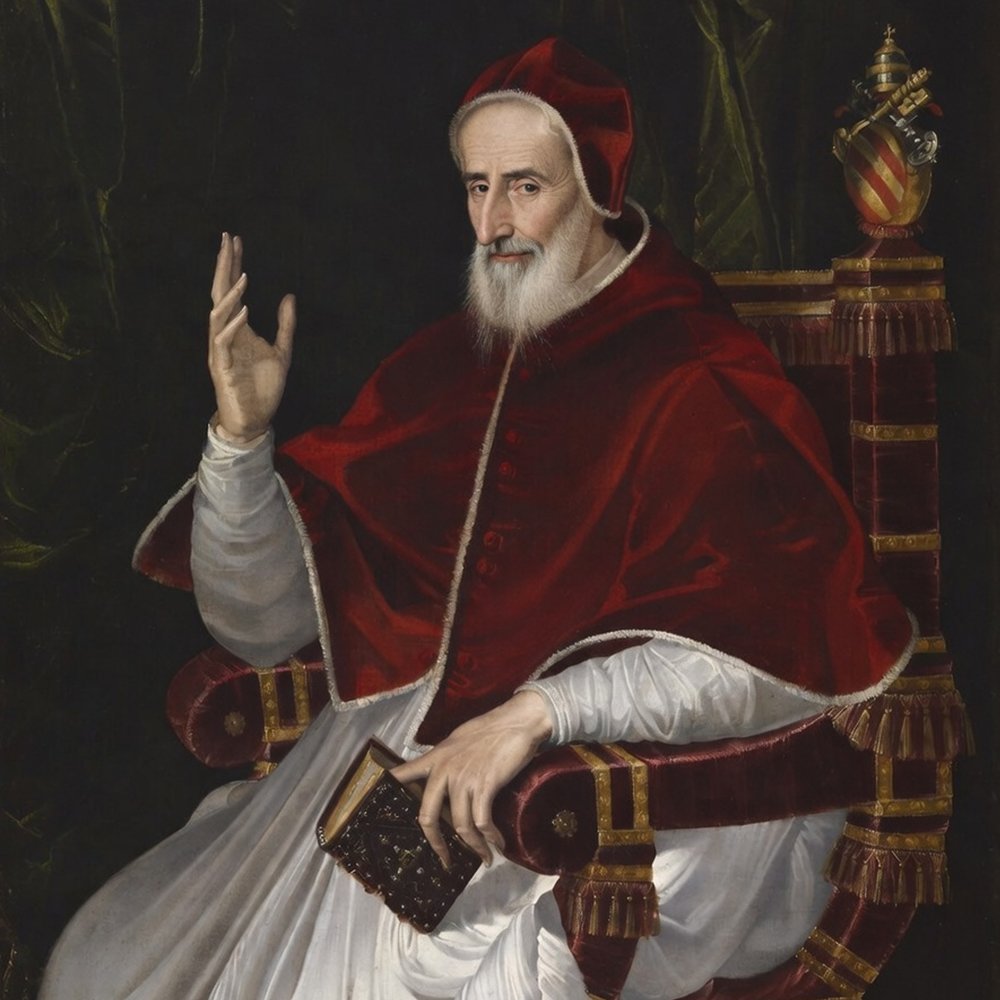
Pius V

St. Pius V (1566-1572)

BIOGRAPHICAL DATA

Birth name: Antonio (Michele) Ghislieri
Birth: January 17, 1504, Bosco Marengo, Duchy of Milan (Italy)
Papal election: January 7, 1566
Coronation: January 17, 1566 (his 62nd birthday!)
Pontificate: January 7, 1566 – May 1, 1572 (6 years, 114 days)
Death: May 1, 1572, Rome (68 years old)
Burial: Santa Maria Maggiore, Rome (later transferred to Cappella Sistina within basilica)
Religious order: Order of Preachers (Dominicans – OP)
Papal motto: None officially recorded
Cognomen: “The Inquisitor Pope”, “Defender of Christendom”, “Pope of Lepanto”, “The Austere Reformer”, “Hammer of Heresy”
Canonization: May 22, 1712 by Pope Clement XI (beatified May 1, 1672 by Clement X – exactly 100 years after death!)
Feast day: April 30 (Catholic Church)

NOTE: One of only two popes from post-Reformation era to be canonized as saint (with Pius X, 1903-1914)! Remembered primarily for implementing Council of Trent reforms with iron discipline, organizing the Holy League victory at Battle of Lepanto (1571) against Ottoman Empire, issuing standardized Roman Missal and Breviary, and establishing Roman Catechism. Also controversial for severity as Grand Inquisitor, harsh treatment of Jews, excommunication of Queen Elizabeth I, and uncompromising rigidity. A pope of dramatic contrasts: profound personal sanctity alongside institutional ruthlessness!

FORMATION AND RELIGIOUS LIFE

Humble Origins – Ghislieri Family

Family background:

  • Bosco Marengo (Alessandria, Piedmont): small town in Duchy of Milan
  • Paolo Ghislieri: father, humble background (likely agricultural laborer or minor tradesman – sources vary but consistently indicate poverty)
  • Domenica Augeria: mother, equally humble origins
  • Family: genuinely poor, working-class background (rare for future pope!)
  • Antonio: eldest or among eldest children
  • Economic situation: family struggled financially, could not provide formal education

Childhood and youth (1504-1518):

  • Poverty: genuine hardship in early years
  • Basic education: initially minimal (family couldn’t afford tutoring)
  • Shepherding: Antonio worked as shepherd boy (confirmed biographical detail)
    • Tended sheep for local families
    • Limited formal schooling during these years
    • Developed habits: solitude, prayer, contemplation during shepherding
  • Turning point (age ~13-14): local Dominican friars recognized intelligence
    • Charity education: Dominicans in Voghera took interest in bright poor boy
    • Offered basic education, religious instruction
    • Antonio: showed remarkable intellectual aptitude despite late start

Dominican Formation

Entry into Dominican Order (1518):

  • Age: 14 years old
  • Location: Voghera (initially), then Vigevano
  • Motivation: genuine religious vocation combined with opportunity for education
  • Religious name: Michele (Michael) – took at profession
    • Would use “Michele Ghislieri” throughout religious life until papacy
  • Novitiate: standard Dominican formation
    • Strict discipline: poverty, chastity, obedience
    • Dominican charism: preaching, study, poverty
    • Young Michele: exceptionally fervent, austere even by Dominican standards

Philosophical and Theological Studies (1518-1528):

University studies:

  • Bologna: primary location for advanced studies
  • Curriculum: scholastic philosophy, Thomistic theology
    • St. Thomas Aquinas: became foundational influence (as typical for Dominicans)
    • Medieval scholasticism: rigorous logical training
    • Canon law: also studied extensively
  • Student: brilliant, disciplined, exceptionally rigorous
    • Perfect memory: renowned among contemporaries
    • Theological precision: exact, uncompromising understanding of doctrine
    • Asceticism: practiced severe personal mortification even as student

Priestly Ordination: 1528 (age 24)

  • Dominican priest: now fully incorporated into Order of Preachers
  • Early reputation: already known for learning, austerity, uncompromising orthodoxy

Early Priestly Ministry (1528-1542)

Teaching and Preaching:

Professor of theology (1528-1542):

  • Pavia University: taught theology for sixteen years
    • Thomistic theology: specialized in St. Thomas Aquinas
    • Reputation: brilliant but demanding teacher
    • Students: found him intimidating, rigorously orthodox
  • Preaching ministry: concurrent with teaching
    • Dominican charism: Order of Preachers’ fundamental mission
    • Style: forceful, uncompromising, focused on sin/judgment more than mercy
    • Subjects: heresy danger, moral reform, strict observance
    • Effect: powerful but severe (inspired fear more than love)

Personal characteristics (emerging pattern):

  • Extreme austerity:
    • Personal mortification: hairshirt, fasting, minimal sleep
    • Poverty: refused any personal comfort beyond absolute minimum
    • Discipline: rigorous prayer schedule, exactitude in all observances
  • Uncompromising orthodoxy:
    • Zero tolerance for doctrinal deviation
    • Suspicious of anything resembling Protestant ideas
    • Harsh toward perceived laxity in clergy
  • Intellectual brilliance:
    • Masterful theologian: particularly in Thomistic thought
    • Legal expertise: canon law equally mastered
    • Perfect memory: could quote texts verbatim extensively

THE INQUISITOR (1542-1566)

Rise Through Inquisitorial Ranks

Context: Counter-Reformation Intensity

Protestant Reformation crisis (by 1542):

  • Luther (1517-): Germany, Scandinavia largely lost
  • Calvin (1536-): Geneva, spreading through France, Netherlands
  • England (1534): Henry VIII’s schism, later Protestant turn under Edward VI
  • Italy threatened: Protestant ideas infiltrating despite geographic proximity to Rome
    • Valdesianism: spiritualist movement with Protestant affinities
    • Italian reformers: various figures questioning Catholic orthodoxy
    • Papal alarm: real fear of losing Italy itself

Papal Inquisition reorganization:

  • Paul III (1542): established Roman Inquisition (Congregation of the Holy Office)
    • Carafa (future Paul IV): chief organizer, extremely severe
    • Purpose: combat heresy systematically, prevent Protestant spread
    • Need: capable, utterly orthodox personnel

Michele Ghislieri recruited (1542):

  • Age: 38
  • Recommendation: reputation for learning, absolute orthodoxy
  • Appointment: Inquisitor of Como and Bergamo
    • Strategic location: northern Italy, close to Switzerland/Protestant influences
    • Mission: root out any heretical infiltration

Inquisitor of Como and Bergamo (1542-1550)

Approach to office:

Severity and thoroughness:

  • Zero tolerance: even suspected heresy pursued relentlessly
  • Interrogation methods:
    • Used torture when deemed necessary (standard Inquisition practice)
    • Prolonged questioning: exhaustive examination of suspects
    • Assumed guilt: better to punish innocent than risk heretic escaping
  • Punishments imposed:
    • Execution: for obstinate, unrepentant heretics
    • Imprisonment: lengthy sentences for those who recanted
    • Penances: public humiliation, confiscation of property
    • No leniency: reputation for harshness even among Inquisitors

Cases and controversies:

  • Valdesian sympathizers: particularly targeted
  • Clergy suspects: priests/religious with suspected Protestant leanings harshly investigated
  • Jewish converts: “New Christians” suspected of crypto-Judaism also scrutinized
  • Reputation developing: feared throughout region
    • Some fled jurisdiction to avoid investigation
    • Others praised his “defense of faith”
    • Growing controversy: even some Catholics thought him excessive

Personal characteristics (continued):

  • Incorruptible: absolutely no bribes, influence, nepotism in decisions
  • Austere lifestyle maintained: lived as poor friar despite Inquisitorial authority
  • Convinced of righteousness: genuinely believed severity was mercy (saving souls from damnation)
  • No personal malice: not sadistic, but absolutely convinced heresy was spiritual cancer requiring surgical removal

Commissioner General of the Inquisition (1550-1558)

Promotion by Julius III (1550):

  • Age: 46
  • Position: Commissioner General – effectively second-in-command of entire Roman Inquisition
  • Reason: proven effectiveness, absolute reliability, theological expertise
  • Responsibility: oversee all Inquisitorial operations throughout Papal States and coordinate with other jurisdictions

Expanded authority:

Administrative role:

  • Systematization: organized Inquisitorial procedures more efficiently
  • Documentation: insisted on meticulous records (still exist in Vatican archives!)
  • Training: established standards for local inquisitors
  • Centralization: brought more control to Rome, consistency across territories

Major cases supervised:

  • Pietro Carnesecchi (eventually executed 1567): prominent humanist with Protestant sympathies – Ghislieri pursued relentlessly for years
  • Various Italian reformers: systematic campaign against Protestant-leaning intellectuals
  • Morone case (Cardinal Giovanni Morone): accused distinguished cardinal of heresy
    • Controversial: even at time, many thought accusation against prince of Church excessive
    • Later vindicated: Morone eventually cleared (after Ghislieri became pope, ironically had to partially back down)
    • Shows: Ghislieri’s tendency toward severity sometimes exceeded evidence

Growing reputation:

  • Among orthodox: champion of faith, incorruptible defender
  • Among moderates: excessive, dangerously rigid
  • Among suspected: terrifying, merciless prosecutor

Relationship with Paul IV (Carafa, 1555-1559):

  • Perfect alignment: Paul IV equally severe, uncompromising
  • Mutual respect: two hardliners reinforcing each other
  • Jewish persecution intensified:
    • 1555: Paul IV issued Cum nimis absurdum – harsh anti-Jewish bull
    • Ghislieri: enthusiastically enforced (created Roman ghetto, forced wearing of badges, economic restrictions)
    • Beginning pattern: anti-Jewish policies would continue under Ghislieri’s own papacy

Cardinal and Grand Inquisitor (1558-1566)

Created Cardinal by Paul IV (March 15, 1557, announced 1558):

  • Age: 53
  • Title: Cardinal-Priest of Santa Maria sopra Minerva (later changed)
  • Reason: reward for inquisitorial zeal, ensure continuation of hard line

Grand Inquisitor appointment (1558):

  • Supreme position: head of entire Roman Inquisition
  • Authority: second only to pope in matters of heresy
  • Tenure: 1558-1566 (until his own papal election)

As Grand Inquisitor (1558-1566):

Intensified operations:

  • Systematic: more organized, thorough pursuit of heresy
  • Index of Forbidden Books: helped develop and enforce
    • Censorship: extensive prohibition of suspect texts
    • Enforcement: printers, booksellers monitored
    • Severity: better to ban questionably than risk doctrinal contamination
  • Clergy discipline: particularly harsh on priests suspected of doctrinal or moral laxity
  • Geographic expansion: extended Inquisitorial reach where possible

Controversies:

  • Cardinal Morone case (continued): imprisoned fellow cardinal despite limited evidence
  • Excessive severity: even some supporters began questioning extremism
  • Political tensions: inquisitorial activities sometimes conflicted with diplomatic considerations

Personal life as Cardinal:

  • Continued austerity: refused cardinal’s typical lifestyle
    • Lived in simple cell
    • Wore hair-shirt under cardinal’s robes
    • Continued extreme fasting, mortification
    • Gave away income to poor (kept only minimum for survival)
  • Prayer life: hours daily in contemplation
  • No nepotism: refused to advance family members (contrast with era’s norm!)
  • Reputation: holy but terrifying – combination of sanctity and severity

Under Pius IV (1559-1565):

  • Tension: Pius IV (Medici) more moderate, diplomatic than Paul IV
  • Policy conflicts:
    • Pius IV: wanted reconciliation with Protestants where possible
    • Ghislieri: believed any compromise = betrayal of faith
  • Morone case resolution: Pius IV eventually released Morone, tacit rebuke of Ghislieri’s excess
  • Despite tensions: Ghislieri’s orthodoxy, personal sanctity gave him continuing influence

Council of Trent (final sessions, 1562-1563):

  • Ghislieri’s role: theological consultant, enforcer of orthodoxy
  • Positions: consistently most conservative/uncompromising
    • Against any concessions to Protestants
    • For strictest discipline/reform measures
    • Suspicious of anything resembling Protestant positions
  • Influence: significant on final decrees’ rigorous character

CONCLAVE OF 1565-1566 – ELECTION

Pre-Conclave Context

Death of Pius IV (December 9, 1565):

  • Legacy: moderate pope, concluded Council of Trent (1563), began implementation
  • Need: someone to continue Trent implementation rigorously
  • Situation: Council ended, but actual reforms barely begun

Church situation (December 1565):

Protestant challenge continuing:

  • Germany: solidly divided (Lutheran north, Catholic south)
  • France: Wars of Religion intensifying (1562-1598)
  • Netherlands: revolt brewing (would explode 1566-1648)
  • England: Elizabeth I (1558-) establishing Protestant church
  • Scotland: Presbyterian Kirk established
  • Scandinavia: entirely Lutheran

Catholic response needed:

  • Trent implementation: urgent necessity
  • Disciplinary reform: clergy corruption still widespread despite Council
  • Doctrinal clarity: systematic teaching of Trent reforms
  • Militant defense: against Protestant expansion

Cardinals wanted:

  • Strength: uncompromising implementation of Trent
  • Personal sanctity: to inspire reform by example
  • Theological competence: to guide doctrinal clarification
  • Severity: many wanted hard line after Pius IV’s moderation

The Conclave – Unusually Long

Start: December 20, 1565
Duration: 19 days (December 20, 1565 – January 7, 1566) – relatively long for era

Factions:

  1. “Spirituali” (reformers seeking severe discipline):
  • Wanted: uncompromising reformer
  • Candidate: Michele Ghislieri (Cardinal Alessandrino)
  • Support: Charles Borromeo, other reform cardinals
  • Argument: Church needs severity to implement Trent, combat Protestantism
  1. Moderate faction:
  • Wanted: continuation of Pius IV’s diplomatic approach
  • Concern: Ghislieri too severe, would alienate even Catholic rulers
  • Resistance: feared his inquisitorial harshness
  1. Spanish faction:
  • Philip II’s influence: strong pro-Spanish cardinals
  • Initially uncertain: about Ghislieri
  • Eventually supportive: recognized his orthodoxy, anti-Protestant credentials
  1. French faction:
  • Opposed: Ghislieri (correctly) seen as pro-Spanish
  • Concern: would not support French Catholic position vs. Huguenots diplomatically

Factors favoring Ghislieri:

  1. Personal sanctity (undeniable):
  • Reputation: genuinely holy life, extreme austerity
  • Poverty: lived as poor friar despite cardinal status
  • Incorruptibility: absolutely no scandal, venality
  • Prayer: known for hours in contemplation
  • Example: could inspire reform through personal witness
  1. Theological expertise:
  • Brilliant: master of Thomistic theology
  • Trent veteran: participated in Council deliberations
  • Doctrinal precision: exactly what implementing Trent required
  1. Proven administrator:
  • Inquisition: organized, efficient despite controversial
  • Discipline: could impose order systematically
  1. Uncompromising orthodoxy:
  • Zero tolerance for heresy: exactly what many wanted
  • No compromise: would implement reforms without weakening
  1. St. Charles Borromeo’s strong advocacy:
  • Borromeo: nephew of Pius IV, already emerging as major reform figure
  • Influence: carried weight among reformers
  • Conviction: Church needed Ghislieri’s severity

Factors against Ghislieri:

  1. Excessive severity:
  • Reputation: harsh even by Inquisition standards
  • Morone case: unjust treatment of fellow cardinal
  • Fear: would alienate through extremism
  1. Lack of diplomatic experience:
  • Career: entirely theological/inquisitorial
  • No nunciature: unlike many cardinal-electors
  • Concern: couldn’t handle complex political situations
  1. Age and health:
  • 62 years old: not ancient but not young
  • Health: already showing signs of condition that would eventually kill him (kidney/bladder stones, general weakness)
  • Concern: might not live long enough to accomplish reforms
  1. Anti-Jewish reputation:
  • Known severity: toward Jewish communities
  • Economic concerns: Jewish banking important in Papal States economy

The decisive vote:

Spanish support secured:

  • Philip II’s cardinals: eventually recognized Ghislieri as best for anti-Protestant struggle
  • Tipped balance: combined with reform faction

Election: January 7, 1566

  • Achieved majority: after 19 days deliberation
  • Ghislieri’s reaction: reportedly tried to refuse (genuine humility vs. conventional modesty – sources suggest genuine reluctance)
  • Accepted: only under obedience
  • Name chosen: Pius V
    • Honoring: Pius IV (despite policy differences – gracious gesture)
    • Or perhaps: Pius II (Piccolomini, 1458-1464, humanist but also crusade advocate)

Coronation: January 17, 1566

  • Coincidence: his 62nd birthday!
  • Ceremony: relatively simple by papal standards (refused excessive pomp)
  • Symbolism: immediately established austere tone

PONTIFICATE (1566-1572)

Personal Papal Style – Revolutionary Austerity

Immediate changes to papal lifestyle:

  1. Continued Dominican observance:
  • Unprecedented: continued living essentially as Dominican friar
  • White habit: wore Dominican habit under/instead of papal vestments whenever possible
    • Visual symbol: constantly reminded everyone of religious vows
    • Later iconography: almost always shown in white habit rather than red/gold papal garments
  • Cell instead of apartments: refused luxurious papal quarters
    • Simple room with minimal furniture
    • Hard bed (reportedly slept on boards)
    • No decorations except crucifix
  • Monastic schedule:
    • Rose very early (3-4 AM)
    • Hours of prayer before dawn
    • Continued even when ill
  1. Extreme personal austerity:
  • Hair-shirt: wore constantly under clothing
  • Fasting: rigorous, far beyond canonical requirements
    • Minimal food even on non-fast days
    • Reportedly sometimes only bread and water
  • Self-mortification: continued private penances
  • No personal comfort: refused heating even in winter, minimal lighting
  1. Poverty maintained:
  • Papal income: gave vast majority to poor, church building/repair, religious houses
  • Personal possessions: virtually nothing beyond absolute necessities
  • Refused gifts: wouldn’t accept presents (revolutionary for papal court!)
  • Anti-nepotism:
    • Extraordinary: appointed only ONE family member to position (later made cardinal, but qualified)
    • Contrast: contemporary popes typically enriched entire families!
    • Ghislieri family: remained in modest circumstances despite one of them being pope!
  1. Papal court transformed:
  • Expenses slashed: eliminated vast amounts of Renaissance papal luxury
  • Etiquette simplified: reduced elaborate ceremonies where possible
  • Personnel reduced: fewer courtiers, servants
  • Moral discipline imposed:
    • Clergy behavior: strict monitoring of all clergy in Rome
    • Prostitution: aggressive campaign to suppress
    • Gambling: prohibited
    • Theater/entertainments: curtailed if deemed immoral
    • Sunday observance: enforced strictly (businesses closed)
    • Result: Rome transformed (at least temporarily) into much more austere city

Contemporary reactions:

Admiration:

  • Reformers: inspired by pope practicing what he preached
  • Common people: many loved his obvious sanctity, charity to poor
  • Clergy: some genuinely inspired to reform

Resentment:

  • Roman nobility: hated loss of papal patronage, elegant court life
  • Courtiers: lost positions, income
  • Pleasure-seekers: resented moral crackdown
  • Clergy: many disliked being held to stricter standards

Historical assessment:

  • Genuine sanctity: clearly not political theater – lived austerely even privately
  • Revolutionary: no pope before or since lived so monastically while holding office
  • Inspiration: for later reform movements, including St. Charles Borromeo’s even more intense personal austerity

Implementation of Council of Trent Reforms

The enormous task:

Council of Trent (1545-1563):

  • Duration: 18 years (interrupted multiple times)
  • Result: massive corpus of doctrinal definitions, reform decrees
  • Problem by 1566: most decrees existed only on paper
    • Bishops hadn’t implemented
    • Clergy often ignorant of contents
    • Local resistance widespread
    • No systematic implementation mechanism

Pius V’s systematic approach:

  1. Roman Catechism (Catechismus Romanus, 1566):

Background:

  • Trent decree: ordered creation of universal catechism for clergy instruction
  • Previous attempts: begun under Pius IV but incomplete
  • Pius V’s push: made this absolute priority

Promulgation: September 1566

  • Structure: four parts
    • Creed (Apostles’ Creed explained)
    • Sacraments
    • Ten Commandments
    • Lord’s Prayer
  • Audience: primarily for parish priests, to teach laity
  • Language: Latin (later translated to vernaculars)
  • Theological basis: Thomistic, scholastic precision
  • Purpose: standardize Catholic teaching worldwide

Significance:

  • First: universal systematic catechism in Catholic history
  • Influence: remained standard until 1992 (!) catechism
  • Implementation: Pius V mandated use throughout Catholic world
  • Success: actually achieved wide distribution, usage
  1. Roman Breviary (1568):

Background:

  • Breviary: Divine Office – prayers priests obligated to pray daily
  • Problem: hundreds of local variations, some corrupt/superstitious
  • Need: standardized, purified version

Promulgation: Quod a nobis (July 9, 1568)

  • Structure: revised, standardized liturgical hours
  • Basis: ancient Roman practice, purged of medieval accretions
  • Mandatory: all clergy unless diocese could prove 200+ year tradition
  • Effect:
    • Unified Catholic liturgical prayer
    • Eliminated many questionable local practices
    • Imposed Roman conformity widely

Characteristics:

  • Conservative: sought to restore ancient tradition, not innovate
  • Rigid: little flexibility allowed
  • Thomistic: reflected theological precision
  • Lasting: remained substantially unchanged until 1911 reforms
  1. Roman Missal (1570):

Background:

  • Mass variations: even more problematic than breviary
  • Medieval proliferation: countless local uses, some theologically questionable
  • Protestant challenge: needed clear Catholic liturgical identity

Promulgation: Quo primum (July 14, 1570)

  • Structure: standardized Mass structure, prayers, calendar
  • Basis: ancient Roman rite, reformed
  • Mandatory: same exception clause (200+ year tradition)
    • Preserved: Ambrosian (Milan), Mozarabic (Toledo), some religious order rites
    • Eliminated: hundreds of local variations
  • Rubrics: exact, detailed ceremonial instructions
  • Latin: universal language (no vernacular)

Significance:

  • IMMENSE: defined Catholic liturgical identity for four centuries!
  • “Tridentine Mass”: this Missal = what’s meant by term
  • Remained standard: until Vatican II (1962-1965) reforms
  • Still celebrated: “Extraordinary Form” authorized 2007
  • Pius V’s most lasting legacy: this more than anything else

Characteristics of the Missal:

  • Theological precision: every prayer reflected Trent’s doctrinal definitions
  • Anti-Protestant: clearly distinguished Catholic from Protestant worship
  • Uniformity: intentionally eliminated diversity for unity
  • Aesthetic: reverent, solemn, hieratic (sacred distance emphasized)
  • Clerical: priest-centered, minimal lay participation
  1. Bishops and clergy discipline:

Episcopal appointments:

  • Scrutiny: Pius V personally examined candidates thoroughly
  • Criteria:
    • Theological competence (required!)
    • Moral character (no scandals)
    • Pastoral commitment (not just administrators)
    • Residence requirement: absolutely insisted bishops actually live in dioceses (major Trent reform often ignored)
  • Removals: deposed bishops who wouldn’t comply with Trent
    • Controversial: but Pius V uncompromising
  • Regular visitation: mandated episcopal visitations of parishes

Clergy formation:

  • Seminaries: Trent mandated establishment of diocesan seminaries
    • Pius V: aggressively enforced implementation
    • Funding: sometimes provided papal assistance for poor dioceses
    • Curriculum: standardized theological education
    • Result: slow but real improvement in clergy education
  • Religious orders: also reformed
    • Visitations: investigated religious houses
    • Suppressed: houses that wouldn’t reform
    • Carmelite reform: supported St. Teresa of Ávila’s reformed Carmelites

Clergy discipline:

  • Concubinage: priests living with women severely punished
    • Roman streets: regular patrols arrested priests in taverns, brothels
    • Penalties: suspension, imprisonment for repeat offenders
  • Simony: selling church offices prosecuted
  • Pluralism: holding multiple benefices curtailed
  • Absenteeism: bishops/priests not residing in sees/parishes removed
  1. Moral reform of Rome:

Prostitution campaign:

  • Severe restrictions: forced registration, limited zones
  • Closures: brothels shut down
  • Alternative: provided economic alternatives (dowries for former prostitutes to marry or enter convents)
  • Partial success: reduced but couldn’t eliminate

Public morality:

  • Sunday observance: businesses closed, Mass attendance expected
  • Blasphemy: public cursing punished
  • Dress codes: immodest clothing prohibited
  • Carnival: traditional excesses curtailed
  • Theater censorship: plays examined for orthodoxy/morality

Results:

  • Rome transformed: noticeably more austere during his reign
  • Mixed legacy: reforms partially lasted, partially reversed after his death
  • Symbolic: demonstrated pope’s commitment to reform by example
  1. Inquisition and Index:

Continued severity:

  • Maintained: inquisitorial activities from before papacy
  • Index expansion: more books prohibited
    • Talmud: banned (continued anti-Jewish policy)
    • Humanist works: some classics prohibited for moral/doctrinal concerns
    • Protestant books: obviously prohibited entirely
  • Enforcement: printers required licenses, inspections
    • Venice: major conflict over enforcement of Index in Republic
    • Compromises: eventually reached but tensions remained

Notable cases:

  • Pietro Carnesecchi (1567): finally executed after decades-long pursuit
    • Controversial: humanist with Protestant sympathies, but prominent figure
    • Demonstrated: Pius V’s uncompromising approach
  • Continued prosecutions: of suspected Protestants, crypto-Jews, witches

The Battle of Lepanto (1571) – Defining Moment

Ottoman threat context:

Ottoman Empire expansion (16th century):

  • Süleyman the Magnificent (1520-1566): conquered much of Hungary, besieged Vienna (1529)
  • Mediterranean dominance: Ottoman navy controlled much of sea
  • Christian territories threatened:
    • Cyprus (Venetian): under attack 1570
    • Southern Italy: raiding
    • Malta (1565): Great Siege barely defeated Ottomans
  • Perception: existential threat to Christian Europe

Pius V’s crusading vision:

From election onward:

  • Priority: uniting Christian princes against Ottomans
  • Model: medieval crusades (though different military reality)
  • Theological understanding: defense of Christendom = sacred duty
  • Personal commitment: saw this as essential papal responsibility

Obstacles:

  • Catholic division: France, Spain, Austria pursuing rival interests
  • Protestant conflict: Catholic rulers fighting each other or Protestants instead of Ottomans
  • Expense: warfare incredibly costly
  • Previous failures: numerous attempts at “crusade” leagues had collapsed

The Holy League formation (1571):

Context: Cyprus crisis:

  • Ottoman invasion (1570): Cyprus (Venetian possession) attacked
  • Famagusta siege: brutal, prolonged
  • Venetian desperation: needed allies
  • Appeal to pope: Venice sought Holy League formation

Pius V’s diplomatic triumph:

Negotiations (1570-1571):

  • Personal involvement: Pius V directly managed diplomacy
  • Parties:
    • Spain (Philip II): most powerful, essential participant
    • Venice: needed help desperately
    • Papal States: pope’s own military contribution
    • Others: Genoa, Savoy, Knights of Malta, etc.
  • Challenges:
    • Spanish-Venetian rivalry: centuries of distrust
    • Cost-sharing: who pays what?
    • Command structure: who leads?
    • Strategic goals: differing priorities

League treaty signed (May 25, 1571):

  • Participants: Spain, Venice, Papal States (formally)
  • Terms:
    • Combined naval force
    • Shared expenses
    • Joint command
  • Command: Don Juan of Austria (Philip II’s half-brother, 24 years old)
    • Pius V’s insistence: overcame initial Spanish reluctance
    • Inspired choice: young, energetic, charismatic
  • Papal contribution:
    • 12 galleys
    • Significant financial subsidy
    • Spiritual leadership

Pius V’s spiritual preparation:

Prayer campaign:

  • Rosary: promoted rosary praying throughout Catholic world for victory
    • Belief: Marian intercession essential
    • Organization: confraternities organized rosary praying
  • Fasting: called for days of fasting, penance
  • Processions: penitential processions in Rome, elsewhere
  • Personal: spent hours in prayer for fleet’s success

The Battle of Lepanto (October 7, 1571):

Location: Gulf of Patras (Lepanto), Greece
Date: October 7, 1571

Forces:

  • Holy League:
    • ~206 galleys, 6 galleasses
    • ~30,000 soldiers
    • Don Juan of Austria commanding
  • Ottoman:
    • ~230 galleys
    • ~30,000+ soldiers
    • Ali Pasha commanding

Battle:

  • Naval engagement: galley warfare (ramming, boarding)
  • Fierce fighting: brutal, hours-long combat
  • Holy League victory: decisive
    • Ottoman fleet: destroyed (180+ galleys captured/sunk)
    • Casualties:
      • Ottoman: ~30,000 killed/wounded, 8,000+ captured
      • Holy League: ~7,500 killed, 20,000 wounded
    • Liberated: ~15,000 Christian galley slaves freed from Ottoman ships

Significance:

  • Strategic: ended Ottoman naval supremacy in Mediterranean
  • Psychological: shattered myth of Ottoman invincibility
  • European morale: electrified Christian Europe
  • Turning point: though Ottomans rebuilt navy, never again same threat level

Pius V’s miraculous knowledge (legend):

October 7, 1571 (during battle):

  • Pius V: in Rome, meeting with officials
  • Reported: suddenly stood, went to window, looked south, said “This is not a time for business; let us go and thank God, for at this very moment our fleet has gained a victory over the Turks”
  • Timing: allegedly precisely during battle conclusion (hundreds of miles away, communication impossible)
  • Later verification: when news arrived weeks later, timing matched
  • Interpretation:
    • Believers: miraculous divine revelation
    • Skeptics: retroactive legend-making
    • Historical fact: widely reported in sources, contributed to his sanctification process

Celebration and thanksgiving:

When news officially arrived (October):

  • Rome: jubilation, processions, Te Deum
  • Pius V’s reaction:
    • Thanksgiving: attributed victory to Virgin Mary
    • Humility: gave God credit, not just military prowess
    • Feast established: “Our Lady of Victory” (October 7)
      • Later: changed to “Our Lady of the Rosary” by Gregory XIII
      • Rosary connection: credited rosary praying for victory
      • Permanent: feast still celebrated in Catholic calendar

Aftermath and disappointment:

Holy League dissolution:

  • Venice: made separate peace with Ottomans (1573), abandoned League
    • Pius V’s fury: felt betrayed
    • Venetian pragmatism: couldn’t sustain warfare economically
  • Spain: pursued own Mediterranean strategy
  • No follow-up: crusade to liberate Holy Land never materialized
  • Pius V’s frustration: spent last months trying to revive League
    • Unsuccessful: couldn’t overcome national interests
    • Died (1572): before achieving broader crusading goals

Historical assessment of Lepanto:

Military significance:

  • Decisive: ended Ottoman Mediterranean dominance
  • Limited: didn’t translate to broader Christian reconquest
  • Symbolic: more important psychologically than strategically long-term

Pius V’s role:

  • Essential: without his diplomatic skill, League never formed
  • Vision: provided spiritual/ideological framework
  • Limitation: couldn’t maintain unity after victory
  • Legacy: Lepanto inseparably associated with his pontificate

Anti-Jewish Policies – Dark Legacy

Context: Medieval anti-Judaism:

Traditional Catholic teaching:

  • Theological anti-Judaism: Jews held collectively responsible for Christ’s death
  • Social restrictions: Jews relegated to marginal economic roles, segregated housing
  • Forced conversions: periodic attempts throughout medieval period
  • Blood libels: false accusations of ritual murder
  • Expulsions: Jews expelled from England (1290), France (repeatedly), Spain (1492), Portugal (1497)

Renaissance relative improvement:

  • Some popes: relatively tolerant (Leo X, Clement VII)
  • Jewish communities: established in Rome, Papal States
  • Economic role: money-lending, trade
  • Intellectual contributions: medicine, scholarship

Paul IV’s reversal (1555):

  • Cum nimis absurdum (1555): harsh anti-Jewish bull
    • Roman ghetto: created, Jews confined
    • Economic restrictions: limited to rag trade, money-lending
    • Badges: forced wearing of yellow badges
    • Church attendance: compulsory sermons (conversion attempts)
    • Property: severe restrictions
  • Ghislieri’s enforcement: as Inquisitor, enthusiastically implemented

Pius V’s intensification (1566-1572):

  1. Hebraeorum gens (1569) – Expulsion:

Promulgation: February 26, 1569

Provisions:

  • Expulsion: all Jews from Papal States except Rome and Ancona
  • Justification:
    • Accused of usury
    • Claimed corrupting Christian morals
    • Alleged practicing magic
    • “Perfidy”: refusing to convert to Christianity
  • Timeline: three months to leave
  • Exceptions: Rome, Ancona (major cities where could be monitored in ghettos)

Implementation:

  • Thousands expelled: from small towns throughout Papal States
  • Economic devastation: Jewish communities destroyed
  • Refuges:
    • Some fled to Rome/Ancona ghettos
    • Others to more tolerant Italian states (Venice, Mantua, Ferrara)
    • Some to Ottoman Empire
  • Property confiscation: often couldn’t sell in time, lost possessions
  1. Rome/Ancona ghetto hardening:

Existing ghettos (from Paul IV):

  • Overcrowding: increased with refugees from expulsion
  • Unsanitary: deliberately poor conditions
  • Economic strangling: limited occupations

Pius V’s additional restrictions:

  • Talmud banned: ordered burning of Talmudic texts
    • Intellectual devastation: centuries of rabbinical learning destroyed
    • Resistance: some texts hidden, but enormous loss
  • Forced sermons: intensified conversion preaching
    • Compulsory attendance: Jews required to attend Christian sermons regularly
    • Conversions: some genuine, many coerced or pragmatic
  • Social separation: tightened segregation rules
  • Medical practice: Jewish physicians banned from treating Christians
    • Exception: sometimes violated when Christian patients specifically requested Jewish doctors (renowned skills)
  1. Inquisitorial prosecution:

Crypto-Judaism pursuit:

  • “New Christians”: former Jews/descendants who converted
  • Suspicion: assumed many secretly practicing Judaism
  • Investigations: intense scrutiny, torture to extract confessions
  • Punishments: property confiscation, execution for “relapsed heretics”

Theological justification (Pius V’s perspective):

Genuine belief:

  • Saving souls: thought harshness necessary to prompt conversions (eternal salvation)
  • Protecting Christians: feared Jewish influence would “corrupt” Christian faith
  • Traditional theology: Jews’ suffering = punishment for rejecting Christ, incentive to convert
  • Eschatology: Jewish conversion believed necessary before Second Coming

Not racial: theological/religious, not racial (converted Jews theoretically equal – though often still suspected)

Inconsistency: personally charitable to poor, yet cruel to Jews – cognitive dissonance typical of era but especially stark in his case

Economic consequences:

Papal States damage:

  • Lost expertise: Jewish merchants, physicians, craftsmen expelled
  • Economic decline: money-lending networks disrupted
  • Tax revenue: lost tax base from expelled communities
  • Ironic: Pius V’s own financial difficulties partly self-inflicted through expulsions

Jewish community devastation:

  • Poverty: economic restrictions reduced most to destitution
  • Cultural loss: Talmud burning, intellectual disruption
  • Demographic: population decline through conversion, flight, death

Comparison with contemporaries:

More severe than:

  • Venice: Venetian ghetto existed but less harsh economically
  • Ferrara: Este dukes relatively protective
  • Poland-Lithuania: relatively tolerant period
  • Ottoman Empire: better treatment generally

Similar to:

  • Spain: post-1492 Inquisition similarly severe
  • Portugal: likewise harsh

Less severe than:

  • England, France: total expulsion already completed centuries before

Later papal reversals:

Immediate successors:

  • Gregory XIII (1572-1585): maintained most restrictions
  • Sixtus V (1585-1590): actually relaxed some economic restrictions (pragmatism)

Eventual reforms:

  • Gradual easing: over centuries
  • Ghetto abolition: only with Italian unification (1870)
  • Church reversal: Vatican II (1962-1965) finally repudiated theological anti-Judaism

Pius V’s canonization (1712) controversy:

Issue:

  • Anti-Jewish policies: clearly problematic even by 18th century
  • Sanctity claims: personal holiness vs. institutional cruelty

Resolution:

  • Canonized anyway: personal piety, Lepanto, Trent implementation outweighed
  • Troubling precedent: saint despite policies now recognized as gravely sinful

Modern Catholic reckoning:

  • Vatican II: repudiated anti-Judaism theologically
  • John Paul II (1998): apologized for Catholic anti-Semitism
  • Benedict XVI (2008): Good Friday prayer revision removed “perfidious Jews”
  • Francis: continued reconciliation efforts

But:

  • Pius V still venerated: saint status unchanged (canonization considered irreversible)
  • Uncomfortable legacy: his anti-Jewish policies embarrassment to modern Church
  • Historical honesty: requires acknowledging even saints’ grave sins

The Elizabeth I Excommunication (1570) – Diplomatic Disaster

Context: English Reformation:

Henry VIII (1509-1547):

  • Break with Rome (1534): Act of Supremacy, Henry = Supreme Head
  • Motivation: initially dynastic (divorce), later theological
  • Dissolution: monasteries seized, church wealth confiscated

Edward VI (1547-1553):

  • Protestant turn: thoroughgoing Protestantization
  • Book of Common Prayer: Cranmer’s liturgical reform
  • Doctrine: increasingly Calvinist

Mary I (1553-1558):

  • Catholic restoration: attempted return to Rome
  • Persecution: “Bloody Mary” – burned ~280 Protestants
  • Failure: died after five years, no heir, restoration collapsed

Elizabeth I (1558-1603):

Accession (1558):

  • Legitimacy questioned: Catholic view = illegitimate (daughter of Henry VIII + Anne Boleyn, seen as adultery)
  • Religious policy: “Elizabethan Settlement” (1559)
    • Act of Supremacy: Elizabeth = Supreme Governor (not “Head” – slight moderation)
    • Act of Uniformity: Book of Common Prayer required
    • Via media: attempted middle way between Catholic/Protestant extremes
    • Reality: Protestant church, but retaining some Catholic elements (bishops, liturgy)

Catholic perspective (1558-1570):

  • Initially: some hoped Elizabeth would convert or compromise
  • Seminary priests: English Catholics trained abroad, sent back to minister
  • Recusancy: Catholics refusing Anglican services (fined)
  • Mary Stuart (Mary Queen of Scots): Catholic claimant to throne (Elizabeth’s cousin)
    • Threat: focus for Catholic plots
    • Eventually imprisoned: by Elizabeth

Pius V’s position:

Uncompromising view:

  • Heretic: Elizabeth’s Protestantism = heresy
  • Illegitimate: bastard daughter of adultery (Catholic legal view)
  • Usurper: rightful queen = Mary Stuart
  • Schismatic: leading England into damnation

The Bull: Regnans in Excelsis (February 25, 1570):

Title: “Reigning on High”

Provisions:

  1. Excommunication:
  • Elizabeth: declared excommunicated
  • Heretic: formally condemned as Protestant heretic
  • Bastard: her legitimacy denied
  1. Deposition:
  • Removed: from throne
  • No authority: her rule declared null
  • Subjects released: from allegiance oath
  1. Catholics forbidden from obeying:
  • Conscience obligation: English Catholics told they CANNOT obey her
  • Penalties: those obeying her = excommunicated themselves
  • Effect: Catholics must choose: queen or pope

Text (key passages):

“Elizabeth, the pretended Queen of England and the servant of crime… We declare the aforesaid Elizabeth to be a heretic and favorer of heretics… We declare her to be deprived of her pretended title to the kingdom… And we command and enjoin all and singular nobles, subjects, peoples and others that they presume not to obey her or her orders, laws and commandments, binding under the same curse those who do anything to the contrary.”

Promulgation:

  • May 25, 1570: affixed to Bishop of London’s door by John Felton (English Catholic)
  • Felton executed: hanged, drawn, quartered (later beatified as martyr)

Immediate consequences:

For English Catholics (catastrophic):

  1. Impossible position:
  • Loyalty dilemma: obey queen (excommunication) or pope (treason)
  • Most chose: quiet conformity, trying to satisfy both
  • Minority: actively recusant, risking persecution
  • Tragic: many genuinely loyal to Elizabeth AND Catholic faith – bull made this impossible
  1. Intensified persecution:
  • Government response: saw all Catholics as potential traitors
  • 1571 Treason Act: made bringing in papal bulls = treason
  • 1581: recusancy fines massively increased
  • Priest-hunting: seminary priests hunted, executed horribly
    • Tyburn: dozens executed over following decades
    • Methods: hanging, drawing, quartering
    • Martyrs: many later canonized/beatified
  • Suspicion: all Catholics suspected of plots
  1. Actual plots encouraged:
  • Ridolfi Plot (1571): immediately after bull, plot to replace Elizabeth with Mary Stuart
    • Discovered: participants executed
    • Spanish involvement: Philip II implicated
  • Later conspiracies: Throckmorton Plot (1583), Babington Plot (1586)
    • Babington: led directly to Mary Stuart’s execution (1587)
  • Bull’s role: gave theological justification to conspiracies

For international relations:

  1. Anglo-Spanish rupture:
  • Philip II: initially cautious, but bull pushed toward confrontation
  • Dutch Revolt: English support for Dutch Protestants increased
  • Armada (1588): eventual result of deteriorating relations
  1. Propaganda victory for Protestants:
  • Demonstrated: papal “interference” in national affairs
  • Confirmed: Protestant fears of Catholic disloyalty
  • Strengthened: English Protestant identity (against foreign pope)
  1. Precedent concern:
  • Other rulers: worried similar excommunications possible
  • Papal authority: challenged increasingly

Criticism even among Catholics:

Contemporary Catholic concerns:

  • Philip II: annoyed (undermined his own English diplomacy)
  • Catholic moderates: thought it counter-productive
  • English Catholic nobility: many furious (endangered their positions)

Later assessment:

  • Cardinal Allen: later admitted it was mistake
  • Jesuit criticism: some Jesuits thought it strategically disastrous
  • Gregory XIII: Pius V’s successor, implicitly backed away (didn’t insist on enforcement)

Pius V’s perspective (why he did it):

Theological conviction:

  • Duty: as pope, obligated to condemn heresy
  • Souls: believed Elizabeth leading millions to damnation
  • Precedent: medieval popes had deposed rulers (his model)

Inquisitorial mindset:

  • No compromise: heresy = absolute evil, no accommodation
  • Political naivete: didn’t understand new political realities
  • Medieval worldview: still thought papal authority could depose princes

Lepanto parallel:

  • Success there: organizing Holy League against Ottomans
  • Thought: similarly could organize against Protestant England
  • Miscalculation: England ≠ Ottoman naval threat, Catholic rulers wouldn’t cooperate same way

Historical assessment:

Complete failure:

  • Didn’t depose Elizabeth: reigned another 33 years successfully
  • Harmed English Catholics: turned bad situation catastrophic
  • Strengthened Protestantism: rallied English to Elizabeth
  • Damaged papacy: demonstrated limits of papal temporal power
  • Strategic disaster: achieved opposite of intentions

Symbolic significance:

  • End of era: last serious attempt at papal deposition of monarch
  • Medieval to modern: showed medieval papal political pretensions obsolete
  • Westphalian order emerging: nation-states supreme, papal authority limited to spiritual

Contrast:

  • Trent success: where implemented through cooperation with willing rulers
  • Elizabeth failure: where tried to impose against powerful monarch
  • Lesson: post-Reformation papacy needed different strategies

Modern perspective:

  • Pius V’s sanctity: canonized despite this disaster
  • Theological correctness vs. prudence: may have been “right” theologically (by his lights) but catastrophically imprudent
  • Good intentions, bad results: classic case study

Other Significant Policies and Actions

  1. Clerical celibacy enforcement:

Concubinage campaign:

  • Problem: many priests kept concubines openly
  • Pius V’s severity:
    • Investigations: inquisitorial examination
    • Penalties:
      • First offense: suspension, fines
      • Repeat: permanent deposition, imprisonment
      • Notorious cases: public humiliation
  • Women: concubines expelled from priests’ houses, sometimes imprisoned
  • Results:
    • Some improvement in major cities
    • Rural areas: harder to enforce
    • Resentment: significant clergy resistance
  1. Papal finances:

Revenue challenges:

  • Reduced income: Pius V’s austerity reduced traditional papal revenue sources
    • Simony: refused to sell offices
    • Nepotism: didn’t enrich family (who would have spent/taxed)
    • Indulgences: curtailed abuses (reduced income)
  • Increased expenses:
    • Lepanto: Holy League subsidy enormous
    • Church building: repairs, constructions
    • Poor relief: extensive charity
    • Seminary support: funding clergy education

Financial management:

  • Careful administration: despite austerity, managed reasonably well
  • Avoided bankruptcy: unlike some predecessors/successors
  • Papal debt: moderate (controlled compared to later popes)
  1. Church construction and art:

Paradox:

  • Personal austerity: Pius V lived in poverty
  • Church beautification: supported church building/decoration
  • Logic: glory of God vs. personal comfort (typical Catholic distinction)

Major projects:

  • Santa Maria Maggiore: work continued
  • Vatican: some renovations (modest by Renaissance standards)
  • Churches throughout Papal States: repairs, improvements
  • Dominican houses: special support for his order

Artistic patronage:

  • Limited: compared to Renaissance popes (Julius II, Leo X)
  • Focused: sacred art for devotional purposes
  • Censorious:
    • Nudes: ordered covering of nudes in churches
    • Michelangelo’s Last Judgment: wanted to destroy/cover, persuaded to only cover most offensive parts (fig leaves added)
    • Classical statues: some removed from display
  1. Saints and devotions:

Canonizations:

  • St. Diego of Alcalá (1588, posthumously completed): process begun under Pius V

Devotional promotion:

  • Rosary: intensely promoted (especially after Lepanto)
  • Roman Breviary/Missal: standardized devotional life
  • Litanies: approved various litanies
  • Scapular: promoted Scapular devotion
  1. Religious orders:

Dominican favoritism (natural):

  • His own order: supported generally
  • Reform: insisted even Dominicans follow strict observance
  • Appointments: promoted Dominicans to positions (though not excessively)

Other orders:

  • Jesuits: supported (valued their orthodoxy, education work)
    • St. Francis Borgia: worked with closely
  • Carmelites: supported St. Teresa of Ávila’s reform
  • Franciscans: promoted observant reform branches
  • Suppressed: houses that wouldn’t reform
  1. Universities and education:

Promotion:

  • Seminary education: primary focus (Trent implementation)
  • University reform: insisted on orthodox theology teaching
  • Thomism: promoted St. Thomas Aquinas as normative theologian
    • Declared St. Thomas “Doctor of the Church” (1567)
    • Curriculum: required Thomistic theology in Catholic universities
  • Censorship: academic theological speculation restricted
  1. Papal States governance:

Administration:

  • Justice: harsh but impartial
    • Crime: severe penalties (death penalty frequently)
    • Banditry: major problem, suppressed violently
    • Corruption: prosecuted (officials held to high standards)
  • Taxation:
    • Burden: taxes high (to support reforms, charity, Lepanto)
    • Fairness: attempted equitable assessment
  • Public works:
    • Roads: some improvement
    • Grain supply: attention to food security (famine prevention)
  1. Diplomacy:

Relations with Catholic rulers:

Philip II (Spain):

  • Generally good: shared Counter-Reformation zeal
  • Lepanto: cooperation excellent
  • Tensions: sometimes over ecclesiastical appointments, Spain’s Italian territories

France:

  • Complicated: Wars of Religion (1562-1598)
    • Supported: Catholic side (Duke of Guise faction)
    • Opposed: Huguenots absolutely
    • Catherine de Medici: distrusted her politique moderation
    • St. Bartholomew’s Day Massacre (1572): occurred just after his death, but policies contributed to climate

Holy Roman Empire:

  • Maximilian II: tensions (Maximilian religiously ambiguous, tolerant of Protestants)
  • Support: for Catholic princes against Protestant
  • Hungary: concern over Ottoman threat

Poland:

  • Generally good: supported Catholic monarchy
  • Concern: Polish religious tolerance (unusual for era)

Protestant rulers:

  • No relations: refused any diplomatic contact with Protestant princes
  • England: excommunication (discussed above)
  • German Protestants: condemned uniformly

Final Illness and Death

Health decline (1571-1572):

Chronic conditions:

  • Kidney stones / Bladder stones: excruciating painful condition
    • No effective treatment: medieval medicine helpless
    • Symptoms: blood in urine, severe pain, urinary difficulties
    • Prognosis: progressive, eventually fatal
  • General weakness: age, austerity, stress taking toll
  • Continued austerity despite illness: refused to moderate lifestyle

Final months (early 1572):

January-April 1572:

  • Increasing pain: stone condition worsening
  • Continued duties: worked despite suffering
    • Lepanto follow-up: still trying to maintain Holy League (futile)
    • Administrative work: continued reform efforts
    • Audiences: received visitors until very end
  • Spiritual preparation:
    • Confessions: frequent
    • Prayer: intensified (if possible)
    • Last rites: received multiple times as condition fluctuated

Deathbed:

April 30 – May 1, 1572:

  • Final decline: clear he was dying
  • Lucid: conscious, coherent to end
  • Cardinals summoned: gathered at bedside
  • Last words (reported):
    • Prayers: continuous prayer
    • Forgiveness: asked forgiveness from those he might have wronged
    • Recommendations: urged cardinals to continue reforms
    • “I command you to continue what I have begun” (substance of final exhortation)

Death:

  • May 1, 1572: died early morning
  • Age: 68 years old
  • Reign: 6 years, 114 days
  • Cause: kidney/bladder stone complications, likely including infection/uremia

Deathbed scene details (hagiographical sources):

  • Dominican habit: wore until death (naturally)
  • Crucifix: held throughout final hours
  • Rosary: praying rosary
  • Peaceful: despite pain, sources report peaceful death
  • Last breath: reportedly said “Lord, increase my sufferings and my patience”

Funeral and Burial

Immediate aftermath:

Public reaction:

  • Rome:
    • Mixed: some genuinely mourned holy pope
    • Others: relieved (found his severity oppressive)
    • Jews: likely quiet relief
  • Broader Church:
    • Reformers: mourned loss of champion
    • Moderates: hoped for less rigid successor

Funeral:

May 3-5, 1572:

  • Lying in state: St. Peter’s Basilica
  • Attendance: large crowds (curious, reverent, or both)
  • Ceremonies:
    • Requiem Masses: multiple
    • Eulogies: praising sanctity, Lepanto, reforms
  • Simple: by papal standards, reflecting his austerity

Burial:

  • Santa Maria Maggiore: his choice (beloved basilica)
  • Cappella Sistina (Sistine Chapel – not the famous one!): side chapel within basilica
    • His commission: had chapel built during life
    • Dominican connection: dedicated to Dominican saints
  • Tomb: eventually elaborate monument constructed
    • Domenico Fontana: architect
    • Bronze: Pius V praying (in Dominican habit, naturally)
    • Inscriptions: praising Lepanto, reforms, sanctity

Relics:

  • Body: initially intact
  • Later:
    • Beatification/canonization: body exhumed for verification
    • Incorrupt: reported partially incorrupt (hagiographical claim)
    • Relics distributed: some parts given to churches, particularly Dominican

Immediate Successor

Conclave 1572:

Context:

  • Needed: someone to continue reforms but perhaps less severe
  • Candidates: various factions
  • Result: Gregory XIII (Ugo Boncompagni, 1572-1585)
    • Character: reformer but more diplomatic
    • Policy: continued Trent implementation, less harshly
    • Lepanto: couldn’t maintain Holy League (Venice defected)
    • Calendar: Gregorian calendar reform (1582) = major legacy
    • Reign: long (13 years), generally competent

Pius V’s shadow:

  • Standard: set high bar for reform
  • Legacy: successors judged against his zeal
  • Impossible to replicate: unique combination sanctity/severity

BEATIFICATION AND CANONIZATION

Road to Sainthood

Immediate reputation:

Sanctity recognized:

  • Personal life: austerity, prayer, charity undeniable
  • Miracles claimed: some attributed to intercession even immediately after death
  • Cult: popular devotion began, especially among:
    • Dominicans: naturally promoted their pope
    • Reformers: valued his uncompromising stance
    • Lepanto veterans: attributed victory to his prayers

Process begun:

Under Gregory XIII:

  • Informative process: testimony collection began
  • Dominican promotion: Order of Preachers pushed cause vigorously
  • Documentation: witnesses interviewed, writings examined

Obstacles:

  • Controversies:
    • Anti-Jewish policies: even then some questioned
    • Severity: some thought excessive harshness un-saintly
    • Elizabeth excommunication: obvious failure
  • Time: canonization processes slow

Beatification: May 1, 1672 (exactly 100 years after death!)

  • Pope Clement X: declared Blessed
  • Timing: centenary symbolic
  • Recognition: personal sanctity, Trent implementation, Lepanto

Canonization: May 22, 1712

  • Pope Clement XI: declared Saint
  • Title: St. Pius V
  • Feast: April 30 (eve of death)
  • Patronage:
    • Bosco Marengo: hometown
    • Various causes: against Church’s enemies, for Christian unity

Canonical process highlights:

Virtues examined:

  • Faith: unquestionable orthodoxy
  • Hope: trust in God despite difficulties
  • Charity: personal charity to poor, zeal for souls
  • Prudence: [controversial – Elizabeth excommunication clear imprudence, but overall governance…]
  • Justice: [harsh, but incorruptible…]
  • Fortitude: uncompromising despite opposition
  • Temperance: extreme austerity

Miracles verified:

  • Required: several miracles attributed to intercession
  • Examined: medical testimony, witness accounts
  • Approved: sufficient evidence (by standards of era)

Controversies addressed:

  • Jewish policies:
    • Defense: acting according to conscience, era’s norms
    • Questionable: even then, some unease
  • Severity:
    • Defense: necessary for reform, zeal for souls
    • Medieval precedents: many severe saints (Dominic, Bernard)

Cult and Veneration

Feast day celebration:

  • April 30: celebrated in Catholic Church
  • Dominicans: special celebration within order
  • Rank: varies by calendar (currently optional memorial)

Churches dedicated:

  • Multiple: throughout Catholic world, especially Italy, Dominican churches
  • Bosco Marengo: basilica built in hometown

Iconography:

  • Typical representation:
    • White Dominican habit: almost always
    • Papal tiara: sometimes
    • Rosary: frequently (Lepanto association)
    • Crucifix: often
    • Book: representing learning, Roman Catechism/Missal/Breviary
    • Lepanto reference: sometimes battle depicted

Famous images:

  • Tomb statue: Santa Maria Maggiore
  • Paintings: numerous, by various artists
    • Usually: austere, praying, holding rosary

Relics:

  • Primary: body at Santa Maria Maggiore
  • Secondary: distributed to various churches
  • Veneration: pilgrimage site

Devotion patterns:

  • Rosary connection: particularly invoked for rosary intentions
  • Against Church enemies: traditional invocation
  • For orthodoxy: maintaining pure faith

HISTORICAL LEGACY

Assessment by Historians

Immediate successor perspectives (16th-17th century):

Catholic historians:

  • Hagiographical: emphasized sanctity, Lepanto, reforms
  • Hero: defender of faith against Protestantism, Ottomans
  • Model: ideal pope for Counter-Reformation
  • Minimized: failures (Elizabeth), controversies (Jewish persecution)

Protestant historians:

  • Villain: epitome of Catholic intolerance
  • Persecutor: cited in martyrologies (English martyrs)
  • Fanatic: example of papal overreach
  • Lepanto: even enemies acknowledged achievement

Enlightenment period (18th century):

Critical reassessment:

  • Voltaire, etc.: criticized intolerance, severity
  • Index, Inquisition: seen as obscurantist
  • Jewish persecution: condemned
  • But: personal virtue still generally acknowledged

19th century:

Catholic revival:

  • Ultramontanism: Pius V as model of strong papacy
  • Anti-liberal: his uncompromising stance valued
  • Lepanto romanticism: battle celebrated

Liberal criticism:

  • Intolerance: condemned as backwards
  • Temporal power: his policies cited against papal political role

20th century to present:

Vatican II and after:

  • Complicated legacy:
    • Liturgical: Tridentine Mass = “Pius V’s Mass” (oversimplification but common)
    • Trent implementation: valued positively
    • Lepanto: still celebrated
    • BUT Jewish policies: deeply embarrassing
    • Elizabeth excommunication: acknowledged failure

Academic historians:

Positive assessments:

  1. Genuine sanctity: personal holiness undeniable
  2. Administrative ability: Trent implementation major achievement
  3. Lepanto: diplomatic/spiritual leadership crucial
  4. Standardization: Roman Catechism, Missal, Breviary = lasting contributions
  5. Reform commitment: genuinely tried to improve Church
  6. Incorruptibility: rare for era, admirable
  7. Anti-nepotism: extraordinary restraint

Negative assessments:

  1. Jewish persecution: inexcusable even by era’s standards
  2. Excessive severity: harshness counter-productive often
  3. Elizabeth excommunication: disastrous strategic blunder
  4. Inflexibility: inability to adapt to new political realities
  5. Inquisitorial ruthlessness: cruel, unjust prosecutions
  6. Theological narrowness: stifled legitimate intellectual inquiry
  7. Limited vision: couldn’t imagine other valid approaches

Balanced view:

  • Product of era: must understand 16th-century context
  • Contradictions: genuine saint who did terrible things
  • Medieval mind in modern world: applying medieval solutions to new problems
  • Sincere: genuinely believed he was saving souls
  • Tragic: good intentions, often disastrous results

Comparative Assessment

Among Counter-Reformation popes:

Contemporary comparisons:

Paul IV (Carafa, 1555-1559):

  • More severe: even harsher than Pius V (hard to imagine!)
  • Less effective: administrative chaos, nepotism
  • Similarity: Inquisitorial background, anti-Jewish
  • Pius V: shared severity but more effective, less nepotistic

Pius IV (Medici, 1559-1565):

  • Moderate: more diplomatic
  • Trent conclusion: successfully concluded Council
  • Contrast: Pius V implemented what Pius IV negotiated
  • Complementary: needed both approaches

Gregory XIII (1572-1585):

  • Successor: continued reforms, less severe
  • Calendar: Gregorian reform = major legacy
  • Lepanto follow-up: couldn’t maintain, but tried
  • More balanced: Pius V’s zeal + more prudence

Sixtus V (1585-1590):

  • Similar energy: also former inquisitor, reformer
  • More pragmatic: relaxed some Jewish restrictions (for economic reasons)
  • Administrative genius: reorganized curia brilliantly
  • Comparison: Sixtus V = Pius V’s effectiveness without extreme severity?

Among canonized popes:

Medieval saintly popes:

  • Gregory VII (1073-1085): similar uncompromising severity, reform zeal
  • Innocent III (1198-1216): powerful, reforming, but more politically successful

Modern era (post-Reformation):

  • Only two canonized: Pius V, Pius X (1903-1914)
    • Similarity: both anti-modernist, uncompromising
    • Difference: Pius X’s struggles = intellectual (Modernism) not military (Ottomans)

Contrast with most popes:

  • Typical pope: politically adept, moderate, some corruption/nepotism
  • Pius V: politically naive, severe, absolutely incorruptible
  • Unique: combination sanctity + effectiveness rare

Lasting Influences

  1. Liturgical legacy (ENORMOUS):

Roman Missal (1570):

  • “Tridentine Mass”: = Pius V’s standardization
  • Lasted: 400 years (1570-1970) substantially unchanged
  • Suppressed: Vatican II reforms (1969-70 Missal of Paul VI)
  • Revived: 2007 (Benedict XVI) “Extraordinary Form”
    • Traditionalist movements: celebrate “Pius V’s Mass”
    • Symbolic: his liturgy = orthodox Catholic identity for some
  • Influence: even new Mass retains much structure
  • Historical: defined Catholic worship for centuries

Roman Breviary:

  • Clergy prayer: standardized Divine Office
  • Lasted: until 1911 reforms (Pius X)
  • Influence: shaped Catholic clerical spirituality

Roman Catechism:

  • Teaching: standard until 1992
  • Influence: theological formation for 400+ years
  1. Counter-Reformation completion:

Trent implementation:

  • Without Pius V: Council decrees might have remained paper
  • He enforced: made Trent real through systematic implementation
  • Legacy: Tridentine Catholicism = largely his creation
    • Seminary system: educated clergy
    • Standardized liturgy: universal Catholic identity
    • Disciplined clergy: (attempted) moral reform
    • Clear doctrine: Roman Catechism
  1. Rosary devotion:

Lepanto association:

  • Our Lady of the Rosary feast: directly from his thanksgiving
  • Rosary popularity: massively increased after Lepanto
  • Dominican devotion: spread universally
  • Lasting: rosary remains central Catholic devotion
  1. Papal model (contested):

For some:

  • Ideal: uncompromising orthodoxy, personal sanctity
  • Model: what pope should be (vs. worldly Renaissance popes)
  • Traditionalists: often invoke his example

For others:

  • Warning: excessive severity, imprudence
  • Caution: sanctity ≠ good policy
  • Critique: intolerance, inflexibility
  1. Jewish-Catholic relations (negative):

His policies:

  • Ghetto system: his intensification lasted until 1870
  • Theological anti-Judaism: reinforced worst traditions
  • Modern repudiation: Vatican II had to overcome his legacy
  • Obstacle: to Jewish-Catholic reconciliation
  1. Church-State relations:

Elizabeth excommunication:

  • Demonstrated: limits of papal temporal power
  • Contributed: to Westphalian system (national sovereignty)
  • Last: serious attempt at papal deposition
  • Lesson: Church needed different approach to secular states
  1. Inquisitorial legacy:

Roman Inquisition:

  • Systematized: under him, continued long after
  • Methods: his thoroughness became institutional
  • Reputation: Catholic intolerance stereotype partly from his era
  • Eventually: transformed into Congregation for Doctrine of Faith (1965)

PERSONAL CHARACTERISTICS (SYNTHESIS)

Virtues (Undeniable)

  1. Personal sanctity:
  • Austerity: extreme, genuine (not for show)
  • Prayer: hours daily, deep contemplative life
  • Poverty: lived as poor friar despite papal wealth
  • Chastity: absolutely no scandal (rare for era!)
  • Obedience: to vows despite supreme authority
  1. Incorruptibility:
  • No bribes: couldn’t be bought
  • No nepotism: (virtually) unique among early modern popes
  • Justice: harsh but impartial
  • Integrity: genuinely believed what he preached
  1. Courage:
  • Uncompromising: stood firm despite opposition
  • Lepanto: organized league despite obstacles
  • Reform: pushed through resistance
  • Convictions: never wavered (for better or worse)
  1. Intellectual brilliance:
  • Theologian: masterful Thomistic theology
  • Canonist: expert in church law
  • Memory: reportedly could quote extensively verbatim
  • Systematic: organized, methodical thinker
  1. Administrative ability:
  • Organized: systematized Inquisition, implemented Trent efficiently
  • Detail-oriented: attended to minutiae
  • Persistent: followed through on initiatives
  • Effective: actually accomplished reforms (unlike many popes who just talked)
  1. Charity to poor:
  • Generous: gave away vast amounts to impoverished
  • Hospitals: supported medical care
  • Famine relief: attended to food security
  • Personal: visited sick, poor personally sometimes

Vices/Weaknesses (Equally Clear)

  1. Excessive severity:
  • Harsh: punishments often disproportionate
  • Merciless: limited compassion for those he deemed wrong
  • Inquisitorial: assumed guilt, used torture
  • Climate of fear: created oppressive atmosphere
  1. Inflexibility:
  • Inability to compromise: even when prudent
  • Medieval mindset: couldn’t adapt to new political realities
  • One approach: severity, regardless of context
  • Elizabeth disaster: prime example
  1. Anti-Jewish bigotry:
  • Cruel policies: expulsion, ghettoization inexcusable
  • Theological justification: doesn’t excuse
  • Intensified suffering: made bad situation worse
  • Blind spot: couldn’t see injustice
  1. Political naivete:
  • Diplomatic failures: Elizabeth, Holy League dissolution
  • Overestimated: papal authority in new era
  • Underestimated: nationalism, state interests
  • Medieval template: applied to different world
  1. Narrow vision:
  • Single approach: couldn’t imagine other valid methods
  • Suspicious: of anything different
  • Intolerant: intellectually, religiously, culturally
  • Stifling: limited legitimate diversity
  1. Harshness outweighing mercy:
  • Imbalanced: emphasized justice over mercy (theological imbalance)
  • Contrast with Gospel: Jesus’ approach more merciful
  • Counter-productive: often hardened resistance rather than converting

Paradoxes

  1. Saint who persecuted:
  • Genuine holiness: + grave injustice (especially to Jews)
  • Both real: not contradiction but tragic reality
  • Sainthood question: can persecutors be saints? (Church says yes, problematically)
  1. Personally charitable, institutionally cruel:
  • Gave to poor: personally generous
  • Harsh policies: structurally oppressive
  • Cognitive dissonance: saw no contradiction
  1. Brilliant yet naive:
  • Intellectually: masterful theologian
  • Politically: disastrous diplomat
  • Academic vs. practical: intelligence different types
  1. Effective reformer, failed crusader:
  • Trent implementation: huge success
  • Lepanto organization: brilliant
  • Lepanto follow-up: complete failure
  • Elizabeth: disaster
  • Mixed record: context determined success
  1. Medieval man in modern world:
  • Mindset: 13th century
  • Reality: 16th century
  • Disconnect: applied outdated solutions
  • Occasionally worked: (liturgical standardization)
  • Often failed: (political interventions)

DOCUMENTS AND TEACHINGS

Major Bulls and Documents

  1. Quo primum(July 14, 1570) – Roman Missal:
  • Most famous: promulgating Tridentine Mass
  • Perpetual obligation: claimed (controversially) permanent binding force
  • Standardization: universal except ancient rites
  • Lasting influence: defined Catholic worship 400 years
  1. Quod a nobis(July 9, 1568) – Roman Breviary:
  • Divine Office: standardized clergy prayer
  • Structure: reformed liturgical hours
  • Universal: imposed throughout Church
  1. Regnans in excelsis(February 25, 1570) – Elizabeth excommunication:
  • Most controversial: deposed English queen
  • Complete failure: strategically disastrous
  • Historical importance: last serious papal deposition attempt
  1. Hebraeorum gens(February 26, 1569) – Jewish expulsion:
  • Most shameful: expelled Jews from Papal States (except Rome/Ancona)
  • Cruel: devastating consequences
  • Stain: on his legacy
  1. Various reform bulls:
  • Clerical discipline: multiple bulls enforcing Trent reforms
  • Religious orders: reform mandates
  • Universities: theological education standards

Theological Positions

Thomism promotion:

  • St. Thomas Aquinas: declared Doctor of Church (1567)
  • Normative theology: made Thomism standard
  • Seminary curriculum: required Thomistic approach
  • Lasting influence: Thomism = Catholic theology norm for centuries

Trent orthodoxy:

  • Strict interpretation: no deviation from Trent definitions
  • Anti-Protestant: clearly distinguishing Catholic from Protestant
  • Sacramental theology: traditional seven sacraments
  • Transubstantiation: real presence in Eucharist
  • Justification: faith + works (vs. Protestant sola fide)

Papal authority:

  • Supreme: affirmed papal supremacy
  • Temporal: claimed (unsuccessfully) deposition power
  • Infallibility: not yet defined (Vatican I, 1870) but assumed in practice

Mariology:

  • Rosary: intensely promoted
  • Intercession: emphasized Mary’s mediation
  • Lepanto: attributed to her intervention

CULTURAL AND ARTISTIC LEGACY

Art and Architecture

Artistic patronage (limited):

  • Pius V: not major patron like Renaissance popes
  • Focused: sacred art for devotional purposes
  • Censorious: covered/removed nudes
  • Michelangelo’s Last Judgment: wanted to destroy, settled for covering genitals

Architecture:

  • Santa Maria Maggiore: Cappella Sistina (his burial chapel)
    • Domenico Fontana: architect
    • Lavish: despite personal austerity, glory of God justified
  • Churches: repairs, modest building throughout Papal States
  • Practical: not monumental projects

Iconography of Pius V:

  • White habit: defining visual element
  • Austere: never luxurious representations
  • Rosary: frequently included
  • Praying: typical pose
  • Lepanto: sometimes battle scene included

Famous artworks:

  • Tomb statue: Santa Maria Maggiore (praying in habit)
  • Various paintings: especially by later artists (hagiographical)

Literary Legacy

About him:

  • Hagiographies: numerous lives of saint
  • Historical studies: countless scholarly works
  • Controversial assessments: from all perspectives

His own writings:

  • Bulls, letters: official correspondence
  • Theological works: limited (administrative career didn’t allow much writing)
  • Sermons: some survive

Popular Culture

Traditionalist Catholicism:

  • Hero: among Latin Mass communities
  • Model pope: uncompromising orthodoxy
  • Liturgical identity: “Pius V’s Mass” = rallying cry

Broader culture:

  • Lepanto: occasionally referenced in Western culture
  • G.K. Chesterton poem: “Lepanto” (1911) celebrates battle
  • Generally: less culturally prominent than Renaissance popes (Julius II, Leo X)

FINAL ASSESSMENT

The Man

Michele Ghislieri / Pius V – one of history’s most paradoxical figures:

Genuinely holy:

  • Personal sanctity: undeniable
  • Austerity: extreme, authentic
  • Prayer: deep contemplative life
  • Charity: generous to poor
  • Incorruptibility: rare integrity

Yet capable of great cruelty:

  • Jewish persecution: inexcusable
  • Inquisitorial harshness: torture, executions
  • Inflexibility: caused unnecessary suffering
  • Narrow vision: intolerant of difference

The contradiction:

  • Both aspects real: not illusion or propaganda
  • Medieval worldview: genuinely believed severity = mercy (eternal salvation)
  • Cognitive dissonance: couldn’t see injustice in his policies
  • Sincerity: thought he was saving souls

Modern evaluation:

  • Cannot dismiss: either sanctity or sins
  • Must hold together: complicated reality
  • Canonical saint: yet committed grave injustices
  • Lesson: sanctity ≠ infallibility or perfect judgment

The Pope

As ecclesiastical reformer: SUCCESSFUL

Achievements:

  1. Trent implementation: systematically enforced Council reforms
  2. Liturgical standardization: created unified Catholic worship (400 years!)
  3. Clergy education: seminary system established
  4. Catechesis: Roman Catechism standardized teaching
  5. Discipline: improved (though imperfectly) clerical behavior
  6. Administrative: organized, efficient despite personal austerity

Limitations:

  1. Excessive severity: counter-productive harshness
  2. Inflexibility: one-size-fits-all approach
  3. Cultural imperialism: imposed Roman uniformity, destroyed legitimate diversity
  4. Intellectual narrowness: stifled legitimate inquiry

As political leader: MIXED/FAILED

Success:

  1. Lepanto: organized Holy League, decisive victory
  2. Spiritual leadership: provided moral authority for Christian resistance

Failures:

  1. Elizabeth excommunication: complete strategic disaster
  2. Holy League maintenance: couldn’t keep alliance together after victory
  3. Jewish policy: economically damaging, morally indefensible
  4. Diplomatic naivete: couldn’t navigate new political realities

As spiritual figure: PROFOUND

Positive:

  1. Personal example: transformed papal lifestyle
  2. Prayer: modeled contemplative life
  3. Poverty: rejected nepotism, luxury
  4. Rosary: devotional legacy lasting

Negative:

  1. Severity: emphasized judgment over mercy
  2. Intolerance: spiritually narrow
  3. Fear: created oppressive climate

Historical Significance

Defining Counter-Reformation:

Pius V = quintessential Counter-Reformation pope:

  • Implemented Trent: made reforms real
  • Defined Catholic identity: liturgically, doctrinally, institutionally
  • Militant resistance: to Protestantism, Islam
  • Reformed Church: moral discipline, educated clergy
  • Tridentine Catholicism: largely his creation

Lasting four centuries:

  • Until Vatican II (1962-1965): his reforms substantially unchanged
  • Liturgy: Tridentine Mass = Catholic worship
  • Theology: Thomistic scholasticism = norm
  • Structure: seminary system, standardized catechesis
  • Mentality: anti-Protestant defensiveness, Counter-Reformation mindset

Impact:

  • Positive: prevented Catholic collapse, created coherent identity, improved clergy
  • Negative: excessive rigidity, cultural imperialism, intellectual narrowness, Jewish persecution

Turning point:

  • Medieval to modern: last pope to seriously attempt temporal deposition
  • Old to new: his failures showed papacy needed different approach
  • Uniformity: imposed Roman conformity ending medieval liturgical diversity

The Saint

Canonization (1712): problematic but understandable

Arguments for:

  1. Personal holiness: genuine sanctity in private life
  2. Heroic virtue: poverty, chastity, obedience extraordinary
  3. Church reform: saved Church from collapse
  4. Lepanto: defended Christendom
  5. Good intentions: genuinely trying to save souls
  6. Miracles: attributed to intercession

Arguments against:

  1. Jewish persecution: grave injustice
  2. Inquisitorial cruelty: torture, unjust executions
  3. Elizabeth disaster: imprudent, harmful
  4. Severity: lack of mercy un-Christlike
  5. Intolerance: violated human dignity

Resolution:

  • Church’s position: personal sanctity despite policy failures
  • Distinction: private virtue vs. public actions
  • Context: judged by era’s standards (problematic excuse)
  • Complicated saint: neither all good nor all bad

Modern implications:

  • Uncomfortable: saint who persecuted
  • Question: what does sanctity mean?
  • Lesson: even saints can commit grave sins
  • Caution: authority ≠ righteousness

Ultimate Legacy

For Catholic Church:

Positive:

  1. Reformed: prevented worse corruption
  2. Unified: created coherent Catholic identity
  3. Educated: improved clergy formation
  4. Worshipped: standardized liturgy
  5. Survived: helped Church weather Protestant crisis

Negative:

  1. Rigidity: excessive uniformity
  2. Intolerance: reinforced worst tendencies
  3. Jewish relations: poisoned for centuries
  4. Intellectual: stifled legitimate inquiry
  5. Diplomatic: damaged Church’s political credibility

For broader history:

Significant:

  1. Lepanto: major military turning point
  2. Counter-Reformation: defining figure
  3. Catholic identity: shaped for centuries
  4. Church-state: demonstrated limits of papal power
  5. Liturgy: created worship form lasting 400 years

For individuals:

Inspiration: (for some)

  • Uncompromising principle: never wavered
  • Personal holiness: genuine sanctity
  • Effective reform: accomplished goals

Warning: (for others)

  • Fanaticism: excessive zeal dangerous
  • Severity: harshness counter-productive
  • Intolerance: inflexibility harmful

CONCLUSION

Pope St. Pius V (1566-1572) stands as one of the most complex, contradictory, and consequential figures in Catholic history.

A Dominican friar who never ceased being a friar – even as pope, he lived in a cell, wore a hair-shirt, fasted rigorously, and gave away nearly all papal income to the poor. Yet this personally holy man was also the Grand Inquisitor who tortured suspected heretics, the persecutor who expelled Jews and intensified ghetto oppression, the fanatic who excommunicated Elizabeth I and inadvertently triggered a wave of English Catholic martyrdoms.

As a reformer, he succeeded brilliantly: he took the decrees of the Council of Trent – which had existed mostly on paper for years – and systematically implemented them across the Catholic world. He created the Roman Catechism (standardizing Catholic teaching), the Roman Breviary (unifying clergy prayer), and most famously the Roman Missal of 1570 – creating what became known as the “Tridentine Mass” that would define Catholic worship for exactly four centuries until the reforms of Vatican II.

As a crusader, he achieved the impossible: through brilliant diplomacy, he united the fractious Catholic powers of Spain, Venice, and the Papal States into the Holy League, which under his spiritual leadership achieved the stunning naval victory at Lepanto (1571) – destroying Ottoman naval supremacy in the Mediterranean and saving Christian Europe from potential Islamic conquest. He spent the battle in Rome, praying the rosary – and legend says he knew the exact moment of victory through miraculous revelation.

As a political leader, he failed catastrophically: his excommunication of Elizabeth I (1570) was a strategic disaster that backfired completely – it didn’t depose her, but it did condemn English Catholics to decades of intensified persecution and martyrdom, making them suspect as potential traitors in their own country. It was the last serious papal attempt to depose a reigning monarch – and its complete failure demonstrated that the medieval world of papal temporal supremacy was dead, whether Pius V could accept that reality or not.

As a man, he embodied irreconcilable contradictions: genuinely charitable to Rome’s poor yet cruel to Rome’s Jews; intellectually brilliant yet politically naive; capable of organizing a multinational military alliance yet incapable of imagining that severity might not be the answer to every problem; living in Christ-like poverty yet creating an atmosphere of inquisitorial terror; praying for hours daily yet authorizing torture; canonized as a saint yet responsible for grave injustices that the Church now deeply regrets.

He was a medieval man thrust into the early modern world – applying 13th-century solutions to 16th-century problems. Sometimes this worked (liturgical standardization, when enforced through willing cooperation with Catholic rulers). Often it failed (political depositions, when attempted against powerful nation-states). Always it was uncompromising.

His legacy is enormous and contradictory:

For 400 years, Catholics worldwide attended the Mass he standardized, prayed the Office he reformed, learned their faith from the Catechism he promulgated. The Tridentine Catholic identity – clear, militant, disciplined, universal – was largely his creation. When people speak of “traditional Catholicism,” they almost always mean the Catholicism Pius V defined.

Yet this same pope intensified the ghetto system, expelled thousands of Jews from their homes, burned the Talmud, and reinforced the theological anti-Judaism that would poison Christian-Jewish relations for centuries. The Church has spent the past half-century trying to undo the damage his policies (and those of popes like him) inflicted.

Vatican II (1962-1965) essentially dismantled much of Pius V’s Counter-Reformation Church: replacing his Latin Mass with vernacular liturgy, his Thomistic uniformity with theological pluralism, his anti-Protestant militancy with ecumenical dialogue, his condemnation of Jews with recognition of the Jewish roots of Christianity and repudiation of anti-Semitism.

Yet he remains a canonized saint – St. Pius V, feast day April 30. His canonization poses profound questions: Can someone who committed grave injustices be a saint? What does sanctity mean if it can coexist with persecution? The Church’s answer seems to be that personal holiness in one’s interior spiritual life can coexist with terrible moral blindness in one’s public actions – a troubling answer, but perhaps an honest recognition of human complexity.

For traditional Catholics, he remains a hero: the pope who saved the Catholic Church from Protestant dissolution and Ottoman conquest, who reformed a corrupt clergy, who lived in poverty while others wallowed in luxury, who never compromised the faith, who created a liturgy so perfect it lasted four centuries. They celebrate the Latin Mass of Pius V (granted new permissions in 2007) as an act of communion with his uncompromising orthodoxy.

For progressive Catholics, he represents a warning: the danger of confusing severity with sanctity, of assuming that harshness equals faithfulness, of thinking that uniformity means unity, of believing that any means justify saving souls. His failures – Elizabeth, the Jews, the stifling of intellectual inquiry – demonstrate that good intentions don’t excuse bad policies.

For historians, he is endlessly fascinating: a genuine saint who did terrible things, a brilliant administrator who was politically naive, a successful reformer whose reforms eventually required dismantling, a complex human being who cannot be reduced to hero or villain.

Perhaps the final word should be one of humility: Pius V reminds us that even those recognized as saints remain flawed human beings, capable of both sublime holiness and grave sin; that institutional position doesn’t grant moral infallibility; that sincerity of belief doesn’t justify cruelty; that the Church itself is always ecclesia semper reformanda – a Church always in need of reform, including reform of the reforms of even its saintly popes.

He saved the Catholic Church from collapse in the 16th century.

He also harmed it through his severity, intolerance, and political blunders.

Both are true.

That is the tragedy and triumph of Pope St. Pius V.

Requiescat in pace – in the Cappella Sistina of Santa Maria Maggiore in Rome, wearing still in death the white Dominican habit he never abandoned in life, the shepherd boy from Bosco Marengo who became pope yet remained a friar, the saint and persecutor, the reformer and fanatic, the victor of Lepanto and author of catastrophic excommunication, the creator of the Tridentine Mass that defined Catholic identity for four hundred years.

Sometimes the measure of a historical figure is not their consistency but their consequences – and by that measure, Pius V’s consequences echo still, for good and ill, in the Catholic Church and beyond.


Gregory XIII

Pope Gregory XIII (1572-1585)

BIOGRAPHICAL DATA

Birth name: Ugo Boncompagni
Birth: January 7, 1502, Bologna, Papal States (Italy)
Papal election: May 14, 1572
Coronation: May 25, 1572
Pontificate: May 14, 1572 – April 10, 1585 (12 years, 10 months, 27 days)
Death: April 10, 1585, Rome (83 years old)
Burial: St. Peter’s Basilica, Vatican City
Religious order: Secular clergy (did not belong to a religious order)
Papal motto: None officially recorded
Cognomen: “The Calendar Pope”, “The Jesuit Pope”, “Pope of the Massacre” (controversial)

NOTE: Reformed the calendar still used worldwide today (Gregorian Calendar)! Strong supporter of Jesuits and Counter-Reformation education. BUT: controversially celebrated the St. Bartholomew’s Day Massacre of French Protestants, and left papal finances in serious disarray!

FORMATION AND RELIGIOUS LIFE

Bolognese Origins – Boncompagni Family

Boncompagni Family:

  • Bolognese family, moderate nobility (professional class – not among greatest aristocratic houses)
  • Cristoforo Boncompagni: father, merchant/professional
  • Angela Marescalchi: mother, from respectable Bolognese family
  • Family: educated, prosperous but not among Bologna’s greatest dynasties
  • Ugo: showed early intellectual promise, directed toward legal/ecclesiastical career

Childhood and youth (1502-1520):

  • Bologna: great university city, intellectual center of Italy
  • Education: solid, comprehensive (family resources adequate)
  • Ugo: highly intelligent, studious child
  • Health: robust (would live to 83 – exceptional for era!)
  • Illegitimate son: Giacomo Boncompagni born to Ugo before his ordination (common practice pattern for era – acknowledged, later legitimized)

Academic Formation – Legal Brilliance

University of Bologna (1520-1530):

  • Premier law faculty in Europe
  • Civil and Canon Law
  • In utroque iure (doctorate in both laws)
  • Doctorate: 1530 (28 years old)
  • Student: exceptional (among most brilliant legal minds of generation)
  • Teaching position: immediately began lecturing at Bologna (unusual honor – retained as professor)

Professor of Law (1530-1539):

  • Taught at University of Bologna: nearly a decade
  • Reputation: brilliant jurist, exceptional teacher
  • Students included: many future cardinals, bishops, important figures
  • Scholarly output: significant legal commentaries, treatises

Priestly Ordination: 1539 (37 years old)

  • Relatively late ordination (after establishing legal career, having illegitimate son)
  • Pattern common for era: worldly career first, then Church commitment

EARLY ECCLESIASTICAL CAREER (1539-1565)

Legal and Administrative Positions (1539-1558):

  • Continued legal expertise application within Church administration
  • Various curial positions: utilizing exceptional legal knowledge
  • Council of Trent participation (1545-1563):
    • Attended multiple sessions: significant contributor to Counter-Reformation’s defining council
    • Legal expertise valued: helped draft canonical decrees
    • Reputation enhanced: through substantive theological/legal contributions

Bishop of Vieste (1558):

  • First episcopal position
  • Brief tenure: quickly moved to more significant diplomatic roles

Papal Diplomat – Key Missions (1558-1565):

Legal representative to various courts:

  • Spain: significant diplomatic missions
  • Reputation: skilled negotiator, brilliant legal mind applied to diplomacy
  • Trust built: with King Philip II (crucial relationship for future papacy)

Characteristics (1539-1565):

  • Legal genius: among era’s most respected canonists
  • Diplomatic skill: effective negotiator
  • Worldly experience: balanced scholarly brilliance with practical political acumen
  • Ambitious: carefully built reputation, relationships across Europe

CARDINAL AND CONTINUED SERVICE (1565-1572)

Created Cardinal by Pius IV (March 12, 1565):

  • 63 years old
  • Cardinal-Priest of San Sisto
  • Reasons:
    • Distinguished legal career
    • Council of Trent contributions
    • Diplomatic successes
    • Spanish relations valuable

Cardinal (1565-1572):

Continued diplomatic service:

  • Legate to Spain (1565-1572): extended, crucial diplomatic mission
  • Philip II relationship: cultivated strong personal, political ties
  • Spanish support: would prove crucial for papal election

Legal/administrative contributions:

  • Continued canonical work: applying legal expertise to Church governance
  • Trent implementation: helped ensure Council’s decrees properly executed

Personal characteristics as Cardinal:

  • Worldly sophistication: combined scholarly achievement with political savvy
  • Spanish alliance: carefully cultivated (would prove essential for election)
  • Reputation: brilliant administrator, skilled diplomat
  • Age: already elderly (65-70) by standards of era, but vigorous

CONCLAVE OF 1572 – ELECTION

Pre-Conclave Context

Death of Pius V (May 1, 1572):

  • Significant reforming pontificate (1566-1572): rigorous Counter-Reformation implementation
  • Lepanto victory (1571): major Christian naval triumph over Ottomans (occurred during Pius V’s reign)
  • Strong legacy: left Church with renewed vigor, but continuing challenges

Situation of Church (1572):

  • Counter-Reformation: ongoing implementation of Trent reforms
  • Ottoman threat: still significant despite Lepanto victory
  • Protestant Reformation: continuing challenge, especially in France, England, Germany
  • Spanish influence: significant in Italian, papal politics

Cardinals wanted:

  • Continuation of Tridentine reforms
  • Strong administrator: experienced in Church governance
  • Good relations with Spain: crucial ally against Protestants, Ottomans

The Conclave – Efficient

Start: May 1572
Duration: Brief (approximately 2 weeks – relatively quick process)

Factors favoring Boncompagni:

  1. Spanish support:
  • Strong Philip II backing: crucial diplomatic relationship paid off
  • Spanish faction: actively promoted his candidacy
  1. Legal/administrative reputation:
  • Proven competence: decades of distinguished service
  • Council of Trent credentials: valued reforming credentials
  1. Age (paradoxically):
  • 70 years old: mature, experienced
  • Not seen as threat: to various factions’ interests
  • Assumed shorter reign: (ironically would live to 83, reign nearly 13 years!)

Election: May 14, 1572

  • Achieved necessary majority relatively efficiently
  • Boncompagni: accepted readily
  • Chose name: Gregory XIII
    • Homage to Gregory I “the Great” and continuing papal tradition

Coronation: May 25, 1572

  • St. Peter’s Basilica
  • Ceremony: appropriately solemn
  • Spanish satisfaction: their preferred candidate secured

PONTIFICATE (1572-1585) – REFORM AND CONTROVERSY

THE ST. BARTHOLOMEW’S DAY MASSACRE – CONTROVERSIAL RESPONSE

The Massacre (August 23-24, 1572):

Context:

  • French Wars of Religion: ongoing Catholic-Huguenot conflict
  • Catherine de’ Medici, Charles IX: orchestrated mass killing of Protestant (Huguenot) leaders in Paris
  • Occasion: wedding of Henry of Navarre (Protestant) to Margaret of Valois (Catholic) – supposed reconciliation event
  • Massacre erupted: thousands of Huguenots killed in Paris, spreading to provinces
  • Death toll: estimates range from 5,000-30,000 across France

Gregory XIII’s Response – HIGHLY CONTROVERSIAL:

Celebration in Rome:

  • News reached Rome: early September 1572 (just months into pontificate!)
  • Gregory XIII’s reaction:
    • Ordered Te Deum sung: thanksgiving hymn celebrating “victory” over Protestants
    • Commissioned commemorative medal: depicting massacre as triumph
    • Commissioned fresco: Vasari painted scene in Vatican’s Sala Regia depicting massacre approvingly!
    • Public celebrations: bonfires, festivities ordered in Rome

Historical/theological justification (contemporary Catholic view):

  • Viewed as: suppression of dangerous rebellion/heresy (not simply religious persecution)
  • Catherine de’ Medici’s framing: presented as preemptive strike against Huguenot coup plot
  • Gregory XIII accepted this framing: believed genuine political conspiracy had been thwarted

Modern historical assessment – CONDEMNATORY:

  • Universally condemned: as one of history’s worst religious massacres
  • Gregory XIII’s celebration: seen as profound moral failure
  • Legacy stain: darkest aspect of his pontificate
  • Contrasts sharply: with his otherwise significant educational, scientific achievements

Long-term impact:

  • Symbol: of Counter-Reformation’s darker excesses
  • Protestant propaganda: used extensively (proof of Catholic brutality)
  • Historical memory: Gregory XIII’s celebration remains deeply troubling historical episode
  • Modern Catholic Church: would later distance itself from this response (different theological/historical understanding developed)

Assessment:

  • Cannot be excused by “context of times”: even contemporaries recognized massacre’s brutality
  • Represents: genuine moral blind spot in otherwise accomplished pontificate
  • Historical lesson: demonstrates how religious conflict could corrupt moral judgment even in sophisticated, educated leaders

THE GREGORIAN CALENDAR REFORM – LASTING SCIENTIFIC ACHIEVEMENT

The Problem:

Julian Calendar’s accumulated error:

  • Julian Calendar (45 BC): slight miscalculation of solar year length
  • Accumulated drift: by 1572, calendar was 10 days out of alignment with astronomical reality
  • Practical problems:
    • Easter calculation: increasingly disconnected from proper astronomical timing
    • Seasonal drift: calendar dates no longer matched actual seasons accurately
    • Agricultural, religious calendar confusion

Scientific Background:

  • Long-recognized problem: astronomers, mathematicians had noted issue for centuries
  • Previous popes: had commissioned studies but never implemented solution
  • Council of Trent: had specifically called for calendar reform

Gregory XIII’s Implementation:

Scientific commission:

  • Assembled leading astronomers, mathematicians:
    • Christopher Clavius (Jesuit mathematician): primary scientific architect
    • Aloysius Lilius (Italian physician/astronomer): proposed core solution (died before implementation, but his work fundamental)
    • International consultation: Vatican gathered best available astronomical knowledge

The Solution:

Bull “Inter Gravissimas” (February 24, 1582):

  1. Immediate correction:
  • October 4, 1582 was followed immediately by October 15, 1582
  • 10 days eliminated: to realign calendar with astronomical reality
  • Dramatic implementation: people literally “lost” 10 days!
  1. Future accuracy mechanism:
  • Leap year refinement:
    • Julian system: leap year every 4 years (too frequent, caused drift)
    • Gregorian solution: century years (1700, 1800, 1900) NOT leap years UNLESS divisible by 400
    • Result: 1600, 2000 ARE leap years; 1700, 1800, 1900 are NOT
    • Mathematical precision: reduced calendar drift to negligible levels (accurate to within 26 seconds per year!)
  1. Easter calculation improvement:
  • More accurate determination: of Easter’s proper astronomical timing
  • Aligned with: Council of Nicaea’s original 325 AD specifications

Implementation challenges:

Catholic countries: adopted relatively quickly

  • Spain, Portugal, Italian states, Poland: implemented 1582
  • France: implemented December 1582

Protestant resistance:

  • Religious suspicion: Protestant countries initially refused papal calendar reform
  • Political/religious tension: seen as papal overreach
  • Gradual adoption:
    • Germany (Protestant states): eventually adopted 1700
    • England: finally adopted 1752! (170 years later!)
    • Russia: didn’t adopt until 1918 (after Bolshevik Revolution!)
    • Various Orthodox countries: even later adoption

Historical significance – EXTRAORDINARY LASTING IMPACT:

Universal modern usage:

  • THE GREGORIAN CALENDAR IS THE INTERNATIONAL STANDARD CALENDAR TODAY!
  • Used globally: regardless of religious affiliation
  • Scientific accuracy: remains remarkably precise even by modern astronomical standards
  • Secular adoption: transcended its religious origins to become universal practical standard

Assessment:

  • GREATEST SCIENTIFIC/PRACTICAL ACHIEVEMENT of Gregory XIII’s pontificate
  • Demonstrates: successful integration of scientific expertise with papal authority
  • Legacy: literally shapes how humanity measures time, 400+ years later
  • Irony: secular, scientific achievement outlasts religious controversies of era

EDUCATIONAL REVOLUTION – JESUIT SUPPORT AND COLLEGE FOUNDATION

Strong Support for Jesuit Order:

Context:

  • Society of Jesus (Jesuits): founded 1540, rapidly growing educational, missionary force
  • Counter-Reformation education: Jesuits recognized as crucial for combating Protestant influence, training orthodox clergy

Gregory XIII’s Patronage:

  1. Roman College (Collegio Romano) expansion:
  • Massive investment: in Jesuit’s flagship educational institution
  • New building construction: significant architectural investment
  • Curriculum support: enabled expanded theological, philosophical, scientific education
  • Later renamed: Pontifical Gregorian University (in his honor!) – still exists today as major Vatican-affiliated university!
  1. German College (Collegium Germanicum) support:
  • Training German Catholic clergy: crucial for Counter-Reformation in Germany
  • Combat Protestant influence: through well-trained, orthodox German priests
  1. English College (Venerable English College) foundation:
  • 1579 establishment: training English Catholic priests
  • Context: English Catholics faced persecution under Elizabeth I
  • Purpose: prepare priests for dangerous missionary work in Protestant England
  • Many graduates: later martyred (demonstrates serious, dangerous mission)
  1. Greek College foundation:
  • 1577: for training clergy to work with Eastern Christian communities
  • Purpose: reunion efforts with Orthodox churches, support for Eastern Catholics
  1. Maronite College:
  • Supporting: Maronite Christians (Lebanon) – Eastern Catholic community
  1. Numerous other national colleges:
  • Hungarian College
  • Various other national seminaries: supporting Catholic education across Europe

Comprehensive educational strategy:

  • Systematic approach: training clergy for specific national/regional contexts
  • Counter-Reformation tool: education as primary weapon against Protestant expansion
  • Global vision: colleges prepared missionaries for worldwide Catholic expansion

Assessment:

  • TRANSFORMATIVE EDUCATIONAL LEGACY: created lasting institutional infrastructure
  • Many institutions still exist: or evolved into modern Catholic universities/seminaries
  • Strategic vision: recognized education’s crucial role in religious conflict
  • Positive counter-balance: to St. Bartholomew’s controversy – genuine constructive achievement

MISSIONARY EXPANSION SUPPORT

Global Catholic Missions:

Americas:

  • Continued support: for Spanish, Portuguese colonial missionary efforts
  • Jesuit missions: expanding throughout Spanish America

Asia:

  • Jesuit missions to Japan, China: significant support
  • Matteo Ricci’s China mission: began during this period (though major impact came slightly later)
  • Japan missions: continued support despite eventual severe persecution

Support mechanisms:

  • Financial backing: for missionary expeditions
  • Educational preparation: through college system (training missionaries)
  • Diplomatic support: encouraging Catholic monarchies’ colonial missionary efforts

FINANCIAL MISMANAGEMENT – SERIOUS ADMINISTRATIVE FAILURE

The Problem:

Excessive spending:

  • Educational institutions: massive investment (colleges, universities)
  • Building projects: various construction initiatives
  • Missionary support: significant ongoing financial commitment
  • Charitable works: continued traditional papal charity

Poor financial administration:

  • Inadequate revenue collection systems
  • Insuffient fiscal oversight: compared to what successor Sixtus V would implement
  • Nepotism costs: some family enrichment (though not as scandalous as later Innocent X situation)

Nepotism – Moderate but Present:

Giacomo Boncompagni (illegitimate son):

  • Legitimized: during Gregory XIII’s pontificate
  • Advanced significantly:
    • Castellan of Sant’Angelo: important, lucrative position
    • Various other appointments: benefiting from father’s papal position
    • Not as extreme as some nepotism cases: but definitely benefited from father’s status

Result – Financial Crisis by End of Pontificate:

Treasury severely depleted:

  • By 1585 (Gregory XIII’s death): papal finances in serious disarray
  • Successor’s challenge: Sixtus V would inherit near-bankruptcy
  • Contrast: with Sixtus V’s subsequent dramatic financial turnaround

Assessment:

  • Well-intentioned spending: (education, missions, charity) but poor fiscal management
  • Lacked: systematic financial administration that successor would implement
  • Legacy burden: left successor with significant financial challenge to solve

OTHER ADMINISTRATIVE AND RELIGIOUS MATTERS

Council of Trent implementation:

  • Continued enforcement: of Tridentine reforms throughout Church
  • Seminary establishment: encouraged throughout Catholic dioceses (Trent requirement)
  • Liturgical standardization: continued implementation of reformed liturgical practices

Relations with Catholic monarchs:

Spain (Philip II):

  • Strong, continued alliance: crucial diplomatic relationship maintained throughout pontificate
  • Mutual support: against Protestant threats, Ottoman Empire

France:

  • Complex relationship: St. Bartholomew’s Massacre complicated moral standing
  • Continued engagement: with French Catholic monarchy despite massacre’s troubling nature

Holy Roman Empire:

  • Support for Catholic princes: against Protestant expansion
  • German College: specifically designed to support this struggle

Inquisition:

  • Maintained: standard Counter-Reformation vigilance
  • Continued enforcement: of doctrinal orthodoxy

Beatifications/Canonizations:

  • Some activity: though not primary focus of pontificate
  • Continued process: for various sainthood causes

FINAL YEARS AND DEATH (1583-1585)

Continued Activity Despite Advanced Age

1583-1584:

  • Age 81-82: remarkably still active for era
  • Continued educational, missionary support
  • Calendar reform implementation: ongoing process (different countries adopting at different times)

Health Decline

Early 1585:

  • Health beginning to fail: natural decline given advanced age (83)
  • Continued some activities: despite weakening condition

April 1585:

  • Rapid final decline
  • Received Last Rites

Death

April 10, 1585:

  • Death: in Rome
  • Age: 83 years old (exceptionally long life for era!)
  • Reign: nearly 13 years (12 years, 10 months)
  • Cause: natural causes, advanced age

Immediate reaction:

Rome:

  • Mixed assessment:
    • Appreciation: for educational, calendar achievements
    • Concern: about financial disarray left behind
    • Complex legacy: brilliant achievements alongside serious administrative problems and moral controversy (St. Bartholomew’s)

Cardinals:

  • Recognition: of significant achievements (calendar, education)
  • Awareness: of financial crisis requiring urgent attention
  • Need: for strong successor to address fiscal problems, restore order

FUNERAL AND IMMEDIATE LEGACY

Funeral

April 1585:

  • St. Peter’s Basilica
  • Ceremony: appropriately significant given lengthy, consequential pontificate
  • Attendance: substantial (long reign meant significant personal connections)

Burial:

  • St. Peter’s Basilica
  • Tomb: eventually significant monument (reflecting substantial pontificate)

Immediate Successor

Conclave 1585:

  • Urgent need: address severe financial crisis
  • Result: Sixtus V elected
    • Dramatic transformation: would completely reverse financial disaster
    • Contrast: Gregory XIII’s spending vs. Sixtus V’s fiscal discipline
    • Continuity: Sixtus V built upon some Gregory XIII initiatives while fixing fundamental problems

HISTORICAL LEGACY

Assessment by Historians

Positive – Significant:

  1. Calendar reform:
  • MOST LASTING ACHIEVEMENT: Gregorian Calendar still used globally today!
  • Scientific sophistication: demonstrated successful integration of astronomy, mathematics with papal authority
  • Universal impact: transcended religious boundaries to become secular standard
  1. Educational investment:
  • Jesuit college system: created lasting institutional infrastructure
  • Roman College/Gregorian University: continues operating today
  • National colleges: trained generations of clergy, some still existing in evolved forms
  • Strategic vision: recognized education’s crucial role in religious conflict
  1. Missionary support:
  • Global Catholic expansion: facilitated through educational, financial support
  • Long-term impact: on global Catholic Church’s geographic spread

Negative – Serious:

  1. St. Bartholomew’s Day Massacre celebration:
  • PROFOUND MORAL FAILURE: celebrating mass killing of Protestants
  • Historical stain: remains deeply troubling aspect of pontificate
  • Cannot be excused: by contemporary religious conflict context
  1. Financial mismanagement:
  • Left successor: near-bankruptcy
  • Poor administrative oversight: contrast with Sixtus V’s subsequent fiscal genius
  • Well-intentioned but poorly executed: spending priorities
  1. Nepotism:
  • Moderate but present: illegitimate son’s advancement
  • Not scandalous: by era’s worst standards, but still ethically questionable

Overall verdict:

  • MIXED BUT SIGNIFICANT LEGACY:
    • Calendar reform: ensures lasting positive historical memory
    • Educational achievements: substantial constructive contribution
    • St. Bartholomew’s response: permanent moral stain
    • Financial management: serious administrative failure

Comparisons

With predecessor (Pius V, 1566-1572):

  • Pius V: rigorous reformer, Lepanto victory, canonized saint (1712)
  • Gregory XIII: scientific achievement (calendar) but moral controversy (Bartholomew’s)

With immediate successor (Sixtus V, 1585-1590):

  • Dramatic contrast: Gregory XIII’s financial mismanagement vs. Sixtus V’s fiscal genius
  • Sixtus V: inherited crisis, transformed it completely
  • Complementary legacies: Gregory XIII’s educational/scientific achievements, Sixtus V’s administrative/financial reforms

With other “calendar” achievements:

  • Julius Caesar (Julian Calendar, 45 BC): original system Gregory XIII corrected
  • Gregory XIII’s reform: more scientifically sophisticated, longer-lasting accuracy

Legacy Complexity – The Central Paradox

How reconcile:

  • Brilliant scientific achievement (calendar) representing rational, mathematical sophistication
  • With troubling moral failure (Bartholomew’s celebration) representing religious conflict’s darker impulses
  • And administrative weakness (financial mismanagement) representing governance limitations

Historical assessment must hold multiple truths simultaneously:

  1. Genuine intellectual, scientific achievement (calendar reform)
  2. Serious moral failure (massacre celebration)
  3. Significant constructive achievement (educational investment)
  4. Administrative shortcoming (financial crisis)

CULTURAL AND SCIENTIFIC LEGACY

The Gregorian Calendar – Enduring Global Standard

Continued relevance:

  • Used by: virtually every country in world today (regardless of religious affiliation)
  • Scientific accuracy: remains remarkably precise (26-second annual error – won’t require adjustment for thousands of years)
  • Cultural integration: so completely normalized that most people don’t realize its papal origin!

Vatican Observatory connection:

  • Scientific tradition: established groundwork for later Vatican astronomical work
  • Christopher Clavius: his calendar work influenced broader Jesuit scientific tradition

Educational Institution Legacy

Pontifical Gregorian University:

  • Direct descendant: of Roman College Gregory XIII expanded
  • Continues today: major Vatican-affiliated university, training priests, scholars globally
  • Named in his honor: reflecting recognition of foundational contribution

Various national colleges:

  • English College: continues existing (evolved through centuries)
  • German College: ongoing institutional presence
  • Pattern established: national seminary model influenced later Catholic educational development

PERSONAL CHARACTERISTICS

Virtues

Intellectual brilliance:

  • Legal genius: among era’s most respected canonists
  • Scientific sophistication: successfully oversaw complex calendar reform
  • Educational vision: recognized crucial importance of systematic clergy training

Diplomatic skill:

  • Spanish alliance: carefully cultivated, maintained throughout career
  • Effective negotiator: demonstrated throughout diplomatic career

Institutional building:

  • Long-term thinking: educational investments show strategic vision beyond immediate political concerns
  • Systematic approach: to training clergy for specific regional/national contexts

Weaknesses/Criticisms

Moral judgment failure:

  • St. Bartholomew’s celebration: represents serious ethical lapse
  • Religious zealotry: allowed anti-Protestant sentiment to override basic humanitarian concern

Administrative weakness:

  • Financial mismanagement: serious oversight failure
  • Inadequate fiscal systems: compared to what successor would implement

Nepotism:

  • Illegitimate son’s advancement: though moderate, still ethically questionable

CURIOSITIES AND ANECDOTES

  1. The “lost” ten days:
  • October 4, 1582 → October 15, 1582: People literally went to sleep on the 4th and woke up on the 15th!
  • Popular confusion: some ordinary people believed authorities had literally “stolen” ten days of their lives
  • Practical chaos: contracts, rents, various time-sensitive matters required careful adjustment
  1. Protestant resistance to calendar:
  • England’s 170-year delay: didn’t adopt Gregorian Calendar until 1752!
  • Riots reported: when England finally switched, some claimed rioters shouted “Give us back our eleven days!” (though historical accuracy of this specific incident is debated)
  • Religious stubbornness: Protestant countries’ delayed adoption purely due to papal origin, despite scientific superiority
  1. Vasari’s massacre fresco:
  • Sala Regia, Vatican: still exists today!
  • Modern visitors: can see controversial fresco depicting St. Bartholomew’s Massacre approvingly
  • Historical reminder: uncomfortable artistic testimony to papal celebration of violence
  1. Illegitimate son’s rise:
  • Giacomo Boncompagni: born before father’s ordination
  • Legitimized, advanced: significant positions despite illegitimate birth
  • Reflects: era’s complex relationship between clerical celibacy ideals and actual practice
  1. Christopher Clavius’s mathematical genius:
  • Jesuit mathematician: primary scientific architect of calendar reform
  • Complex calculations: required sophisticated astronomical, mathematical knowledge
  • Legacy: calendar’s continued accuracy testament to his mathematical precision

DOCUMENTS AND ADMINISTRATIVE ACTS

Major Bulls and Documents

“Inter Gravissimas” (February 24, 1582):

  • THE CALENDAR REFORM BULL
  • Most historically significant document of pontificate
  • Detailed scientific, theological justification for calendar change

Various educational foundation documents:

  • Roman College expansion charters
  • National college establishment documents: English, German, Greek, Maronite colleges

Financial administration documents:

  • Various fiscal records: showing spending patterns, eventual crisis

CHRONOLOGY SUMMARY

  • 1502: Birth in Bologna (Boncompagni family)
  • 1530: Doctorate in both laws (28 years old); began teaching at Bologna
  • 1539: Priestly ordination (37 years old, after establishing legal career)
  • 1545-1563: Council of Trent participation (multiple sessions)
  • 1565: Created cardinal by Pius IV
  • 1565-1572: Legate to Spain (cultivated crucial Philip II relationship)
  • 1572 (May 14): Papal election (70 years old)
  • 1572 (September): Celebrated St. Bartholomew’s Day Massacre – controversial response
  • 1577: Greek College founded
  • 1579: English College founded
  • 1582 (February 24): “Inter Gravissimas” – Gregorian Calendar reform announced
  • 1582 (October): Calendar implementation – 10 days eliminated
  • 1585 (April 10): Death in Rome, 83 years old, after nearly 13-year pontificate

FINAL ASSESSMENT

Pope Gregory XIII presents historians with a profound paradox: the creator of humanity’s most successful, lasting calendar system, who simultaneously celebrated one of history’s most notorious religious massacres, while leaving papal finances in near-ruinous condition.

The Scientific Triumph

Gregorian Calendar:

  • UNPARALLELED LASTING IMPACT: literally still used by entire world today
  • Scientific sophistication: successfully integrated cutting-edge astronomical knowledge with practical governance
  • Universal adoption: transcended religious origins to become secular global standard
  • Precision: remains remarkably accurate even by modern scientific standards

The Educational Achievement

Jesuit college system:

  • Strategic vision: recognized education’s crucial role in religious/cultural conflict
  • Lasting institutions: many colleges evolved into modern universities, seminaries
  • Global impact: trained missionaries, clergy who shaped Catholic Church’s worldwide development

The Moral Failure

St. Bartholomew’s Day Massacre celebration:

  • INEXCUSABLE RESPONSE: to mass killing of religious minorities
  • Permanent historical stain: cannot be rationalized away by “context of times”
  • Demonstrates: how religious conflict corrupted moral judgment even in sophisticated leaders
  • Historical lesson: warning about dangers of religious triumphalism overriding basic humanity

The Administrative Weakness

Financial mismanagement:

  • Serious governance failure: left successor near-bankruptcy
  • Contrast: with subsequent Sixtus V’s fiscal genius
  • Well-intentioned spending: (education, missions) but poor systematic oversight

Historical Position

Complex legacy requiring nuanced assessment:

  • Cannot simply celebrate: without acknowledging Bartholomew’s controversy
  • Cannot simply condemn: without recognizing genuine calendar, educational achievements
  • Historical maturity requires: holding multiple truths simultaneously

Among “mixed legacy” popes:

  • Similar to: other historical figures combining genuine achievement with serious moral failures
  • Requires: honest historical assessment rather than simple hero/villain categorization

Epitaph (Balanced Historical Assessment)

“Here lies Gregory XIII Boncompagni, who gave humanity a calendar so precise it still governs our understanding of time itself, more than four centuries later. He built colleges that educated generations of scholars and missionaries, recognizing education’s power to shape faith and culture. Yet this same brilliant mind celebrated the mass murder of religious dissenters with bonfires and commemorative medals, revealing how deeply religious conflict can corrupt moral judgment even in humanity’s most sophisticated thinkers. He left the papal treasury in crisis, requiring his successor’s fiscal genius to repair the damage. His legacy demands neither simple celebration nor simple condemnation, but honest acknowledgment that historical figures often embody profound contradictions: scientific genius alongside moral blindness, educational vision alongside administrative failure, lasting positive contribution alongside permanent troubling memory.”

Modern Relevance

Institutional lessons:

  • Scientific achievement possible: even within religious institutional context (calendar reform)
  • Education’s transformative power: strategic investment in training, knowledge transmission
  • Financial oversight crucial: even well-intentioned spending requires systematic management

Broader historical insight:

  • Moral complexity of historical figures: genuine achievement doesn’t excuse serious ethical failures
  • Religious conflict’s corrupting potential: even sophisticated, educated leaders can lose moral clarity amid sectarian conflict
  • Legacy assessment requires nuance: avoiding both hagiography and simple condemnation

Calendar’s continued relevance:

  • Daily reminder: every time we check a calendar, we use Gregory XIII’s scientific achievement
  • Secular triumph: demonstrates how religious institutional achievement can transcend original context to serve universal human need
  • Symbol: of successful science-religion collaboration, despite era’s other religious conflicts

Pope Gregory XIII – the pope who gave the world its calendar while revealing religious conflict’s capacity to corrupt even brilliant moral judgment. His scientific legacy governs our daily lives; his moral failure reminds us that intellectual brilliance doesn’t guarantee ethical wisdom.

Requiescat in pace – in St. Peter’s Basilica, having left humanity a calendar that will outlast every empire, every religious conflict, every historical controversy—yet also having demonstrated, through his response to Bartholomew’s massacre, that even history’s most scientifically sophisticated minds can fail catastrophically in basic moral judgment when religious triumphalism clouds fundamental human decency.

Every time we consult a calendar—checking a date, planning an event, marking time’s passage—we unknowingly invoke Gregory XIII’s genius. Yet his celebration of religious massacre reminds us that scientific achievement and moral wisdom don’t always travel together, and that history’s judgment must encompass both the brilliant calculations that govern our days and the troubling choices that reveal our capacity for both genius and profound moral failure.


Sixtus V

Pope Sixtus V (1585-1590)

BIOGRAPHICAL DATA

Birth name: Felice Peretti di Montalto
Birth: December 13, 1521, Grottammare, Papal States (Marche, Italy)
Papal election: April 24, 1585
Coronation: May 1, 1585
Pontificate: April 24, 1585 – August 27, 1590 (5 years, 4 months, 3 days)
Death: August 27, 1590, Rome (68 years old)
Burial: Basilica of Santa Maria Maggiore, Rome
Religious order: Franciscan Conventuals (Order of Friars Minor Conventual)
Papal motto: None officially recorded
Cognomen: “The Iron Pope”, “Sixtus the Terrible”, “Builder of Rome”, “The Peasant Pope”

NOTE: One of the most transformative and effective pontiffs in papal history! Rose from swineherd to pope, ruthlessly restored order to Papal States, reorganized Curia permanently, built modern Rome’s infrastructure, stabilized papal finances – all in just over 5 years!

FORMATION AND RELIGIOUS LIFE

Humble Origins – Peretti Family

Peretti Family:

  • EXTREMELY HUMBLE origins (rare for popes – most from nobility!)
  • Piergentile Peretti: father, poor peasant farmer/gardener
  • Marianna Fasci: mother, peasant woman
  • Family: desperately poor (agricultural laborers, Marche region)
  • Legendary early poverty:
    • Felice reportedly worked as swineherd in childhood!
    • Family owned little land, struggled for basic subsistence
    • Uncle (Franciscan friar): recognized boy’s intelligence, arranged education

Childhood and youth (1521-1535):

  • Grottammare: small coastal town, Marche region (central Italy, Adriatic coast)
  • Extreme poverty: family barely survived (agricultural subsistence)
  • Uncle Salvatore: Franciscan friar, crucial figure
    • Recognized Felice’s exceptional intelligence
    • Arranged entry into Franciscan order (path out of poverty through Church)
  • Felice: remarkably intelligent, ambitious despite circumstances
    • Determined to escape poverty through education, Church career
  • Health: robust (peasant stock, physical labor background – would prove important for demanding papal work)

Franciscan Formation and Education

Entry into Franciscan Order (1535):

  • Age 14 – joined Conventual Franciscans
  • Escape from poverty: Church offered only path to education, advancement
  • Monastery of Montalto: initial formation

Religious name: Felice remained his baptismal name (didn’t change – unusual)

Academic formation:

  • Franciscan schools: rigorous theological, philosophical training
  • University of Fermo: advanced studies
  • Doctorate in Theology (1548): 27 years old
  • Student: BRILLIANT (exceptional intellectual gifts despite humble origins)
    • Photographic memory: legendary
    • Fierce intelligence: combined with peasant practicality
    • Voracious reader: theology, law, history

Priestly Ordination: 1547 (26 years old)

Characteristics as young Franciscan:

  • Extraordinary work ethic: peasant background instilled relentless discipline
  • Ambitious: determined to rise despite humble birth
  • Practical intelligence: combined scholarship with real-world shrewdness
  • Physically tough: could endure hardship (rare among aristocratic clergy)

EARLY CAREER – PREACHER AND INQUISITOR (1548-1566)

Franciscan Preacher (1548-1556):

  • Renowned preacher: powerful, direct sermons
  • Traveled extensively: preaching throughout Italy
  • Reputation growing: for eloquence, theological knowledge
  • Style: blunt, forceful (peasant directness combined with theological sophistication)

Inquisitor in Venice (1556-1560):

  • Venetian Inquisition: significant position
  • Rigorous approach:
    • Zealous prosecutor of heresy
    • Uncompromising: strict enforcement of orthodoxy
    • Conflicts with Venetian authorities: Republic’s independence caused friction
  • Reputation: feared, respected (not always liked – harsh methods)
  • Recalled (1560): Venetian government’s complaints led to reassignment

Various administrative positions (1560-1566):

  • Vicar-General of Franciscan Order: significant leadership role within order
  • Continued preaching, administrative duties
  • Reputation solidifying: brilliant, harsh, incorruptible

Characteristics (1548-1566):

  • Zealous orthodoxy: absolute commitment to doctrinal purity
  • Harsh methods: willing to use severe measures against heresy
  • Incorruptible: refused bribes, favors (rare integrity)
  • Ambitious: carefully built reputation, relationships
  • Physically vigorous: demanding schedule, extensive travel

BISHOP AND CARDINAL (1566-1585)

Episcopal Service

Bishop of Sant’Agata dei Goti (1566-1571):

  • First diocese (age 45 – relatively late, reflecting humble origins requiring longer path)
  • Administration:
    • Rigorous reforms: implemented Tridentine standards strictly
    • Clergy discipline: enforced harshly (zero tolerance for laxity)
    • Personal austerity: continued despite episcopal status

Created Cardinal by Pius V (May 17, 1570):

  • 49 years old
  • Cardinal-Priest of San Girolamo dei Croati
  • Reasons:
    • Reputation for rigorous orthodoxy (Pius V himself was severe reformer)
    • Effective Inquisition service
    • Growing reputation for competence, zeal

Cardinal Montalto (1570-1585) – “The Sick Cardinal” Deception:

Strategic withdrawal:

  • After Pius V’s death (1572): Peretti (now Cardinal Montalto – took name from birthplace) faced hostile pope (Gregory XIII)
  • Political marginalization: excluded from influence under Gregory XIII
  • BRILLIANT STRATEGY:
    • Feigned illness, frailty: appeared weak, harmless, near death
    • Withdrew from public life: lived quietly, seemingly declining
    • Deceived rivals: made himself seem non-threatening, unremarkable
    • Actually: remained vigorous, sharp, patiently waiting

Personal life during this period:

  • Villa Montalto: built modest but tasteful residence (Esquiline Hill, Rome)
  • Scholarly pursuits: continued theological, legal studies (quietly)
  • Careful networking: maintained essential relationships without appearing ambitious
  • Patient calculation: waited for opportunity (15 years!)

Reputation cultivated:

  • “The dying cardinal”: widely believed near death, harmless
  • Underestimated completely: by rival cardinals, Gregory XIII’s faction
  • Secret strength: maintained physical vigor, sharp political mind throughout deception

CONCLAVE OF 1585 – ELECTION

Pre-Conclave Context

Death of Gregory XIII (April 10, 1585):

  • Significant pontificate (1572-1585): Gregorian calendar reform, Jesuit support, but financial mismanagement
  • Papal finances: SEVERELY DEPLETED (excessive spending, poor administration)
  • Papal States: CHAOTIC (banditry rampant, law and order collapsed in countryside)
  • Curia: disorganized, corrupt in places

Situation of Church (1585):

  • Financial crisis: treasury nearly empty
  • Banditry crisis: Papal States countryside dangerous, lawless (bandits controlled rural areas)
  • Administrative chaos: Curia needed fundamental reorganization
  • Counter-Reformation: ongoing but needed more systematic implementation

Cardinals wanted:

  • Strong, decisive leader: to restore order
  • Financial expertise: to fix treasury crisis
  • NOT another weak, easily-manipulated pope

The Conclave – The Great Deception Revealed!

Start: April 1585
Duration: Relatively brief (cardinals eager for resolution)

The extraordinary election dynamics:

Cardinal Montalto’s strategy pays off:

  • Perceived as weak, dying: cardinals thought they were choosing “transitional pope”
  • Various factions: calculated he would be easily controlled due to apparent frailty
  • Seemed safe choice: wouldn’t live long, wouldn’t cause trouble
  • MASSIVE MISCALCULATION by electing cardinals!

Election: April 24, 1585

  • Achieved necessary majority: based on false assumption of weakness/brevity
  • THE TRANSFORMATION:
    • Legend states: immediately upon election, Montalto threw away his cane, stood upright, revealed vigorous health
    • Historical accounts: may be somewhat embellished, but essential truth confirmed: cardinals were shocked by his sudden vigor, decisiveness
    • “I am no longer infirm; I am the Vicar of Christ!” (attributed quote – possibly apocryphal but captures moment)

Chose name: Sixtus V

  • Homage to Sixtus IV (though very different character/methods)
  • Number V: continuity

Coronation: May 1, 1585

  • Basilica of St. Peter
  • Dramatic contrast: with feeble cardinal image – Sixtus V appeared commanding, vigorous, determined
  • Cardinals’ shock: realized they had been completely deceived
  • Too late: election final, “sick” cardinal now supreme pontiff with iron will

PONTIFICATE (1585-1590) – FIVE YEARS OF TRANSFORMATION

Immediate Assertion of Authority

From day one:

  • NO transitional weakness: immediately began sweeping reforms
  • Iron will revealed: decisive, uncompromising leadership style
  • Work ethic: legendary – reportedly worked from 4 AM, demanding schedule
  • Personal involvement: micromanaged major initiatives personally

CRUSHING BANDITRY – RESTORATION OF ORDER

The Crisis:

  • Papal States countryside: effectively controlled by bandit gangs
  • Rural areas: dangerous, lawless (decades of weak enforcement)
  • Commerce, agriculture: severely hampered by banditry
  • Papal authority: effectively non-existent outside major cities

Sixtus V’s Response – RUTHLESS:

  1. Military campaigns:
  • Organized systematic military operations against bandit strongholds
  • Papal troops: deployed aggressively throughout Papal States
  • No negotiation: absolute commitment to eliminate banditry entirely
  1. Brutal enforcement:
  • Executions: extensive use of capital punishment for captured bandits
  • Public displays: heads of executed bandits displayed publicly (deterrent strategy)
  • Zero tolerance: no amnesty, no compromise with bandit leaders
  • Legend: reportedly declared he wanted heads of bandits “more numerous than melons in the market”
  1. Systematic approach:
  • Identified bandit networks: thorough intelligence gathering
  • Coordinated strikes: military precision in operations
  • Local cooperation: incentivized population to inform against bandits

Results – ASTONISHING SUCCESS:

  • Within 2-3 years: banditry VIRTUALLY ELIMINATED in Papal States!
  • Rural safety restored: unprecedented security in countryside
  • Commerce revitalized: agriculture, trade flourished with restored order
  • Papal authority: finally effective throughout entire territory

Assessment:

  • Ruthless but effective: methods harsh by modern standards, but historically transformative
  • Immediate, dramatic results: contrast with predecessors’ ineffective half-measures
  • Legacy: demonstrated decisive leadership could solve seemingly intractable problems

FINANCIAL REVOLUTION – RESTORING PAPAL TREASURY

Inherited crisis:

  • Treasury nearly empty: Gregory XIII’s mismanagement
  • Papal States: economically depressed (banditry, poor administration)

Sixtus V’s Financial Genius:

  1. Systematic taxation reform:
  • Efficient collection: eliminated corruption in tax gathering
  • Fair assessment: more equitable distribution of tax burden
  • New revenue sources: identified additional taxation opportunities
  1. Sale of offices (Vacabili):
  • Created new bureaucratic positions: specifically to sell (controversial but effective)
  • Generated massive revenue: wealthy individuals purchased prestigious/lucrative positions
  • Modern assessment: ethically questionable but financially brilliant
  1. Banking innovations:
  • Monte di Pietà expansion: created sophisticated papal banking system
  • Public debt instruments: issued bonds (Monti) – innovative financial instruments
  • Attracted investment: wealthy Romans, foreign investors purchased papal bonds
  1. Economical administration:
  • Reduced wasteful spending: eliminated unnecessary expenses
  • Efficient bureaucracy: streamlined administrative costs
  1. Discovered/utilized treasures:
  • Legend: allegedly discovered hidden treasure in Castel Sant’Angelo (historical accuracy debated)
  • Systematic asset management: inventoried, utilized papal resources efficiently

Results:

  • MASSIVE FINANCIAL TURNAROUND:
    • Estimated 3-4 million scudi accumulated in reserve by end of pontificate!
    • From near-bankruptcy to substantial surplus: extraordinary transformation
    • Papal finances: most stable in generations

Assessment:

  • Financial genius: among most successful papal fiscal managers ever
  • Innovative methods: banking instruments ahead of their time
  • Foundation for future: successors inherited stable finances (contrast with later crises)

CURIAL REORGANIZATION – PERMANENT ADMINISTRATIVE REVOLUTION

The Problem:

  • Curia: historically disorganized, overlapping jurisdictions, inefficient
  • No systematic structure: ad hoc arrangements accumulated over centuries

Bull “Immensa Aeterni Dei” (1588) – REVOLUTIONARY REFORM:

Created systematic Congregation system:

  • 15 permanent Congregations established:
    1. Holy Office (Inquisition)
    2. Signatura (justice)
    3. Index (censorship)
    4. Council (Trent interpretation)
    5. Bishops and Regulars
    6. Consistorial (episcopal appointments)
    7. Rites (liturgy)
    8. Vatican Press
    9. Roman University
    10. Papal States roads, bridges, waters
    11. Annona (food supply)
    12. Navy (papal fleet)
    13. Various other specialized functions

Structural innovation:

  • Clear jurisdictions: each congregation specific responsibilities
  • Systematic procedures: standardized operations
  • Efficient administration: eliminated overlapping, conflicting authorities
  • Permanent structure: designed for long-term institutional stability

IMPACT – EXTRAORDINARY LONGEVITY:

  • This system essentially GOVERNED THE CATHOLIC CHURCH FOR NEXT 300+ YEARS!
  • Remained largely intact: until Second Vatican Council (1962-1965) reforms!
  • Most successful institutional reform: in papal history
  • Sixtus V’s genius: created administrative framework of remarkable durability

Assessment:

  • THE SINGLE MOST IMPORTANT ADMINISTRATIVE ACHIEVEMENT of any pope in modern history
  • Systematic thinking: applied bureaucratic logic centuries ahead of contemporaries
  • Practical genius: combined theological authority with administrative science

COLLEGE OF CARDINALS REFORM

Bull “Postquam Verus” (1586):

  • Fixed number of cardinals: limited to 70 (symbolic – 70 elders of Israel, Moses)
  • Structured composition:
    • 6 Cardinal-Bishops
    • 50 Cardinal-Priests
    • 14 Cardinal-Deacons
  • Prevented excessive expansion: previous popes had created cardinals excessively (diluting significance, creating administrative bloat)

Impact:

  • This numerical limit remained in effect for centuries!
  • Only significantly modified: in 20th century (Pope John XXIII, subsequent popes expanded numbers)
  • Demonstrated: Sixtus V’s systematic approach to institutional structure

URBAN PLANNING AND CONSTRUCTION – TRANSFORMING ROME

Vision: Transform Rome into worthy capital of Christendom – both spiritually and physically

  1. Major street construction:

Strada Felice (Via Sistina system):

  • Massive urban planning project
  • Straight avenues: connecting major basilicas (revolutionary urban design)
  • Purpose: facilitate pilgrim movement between seven major churches
  • Engineering achievement: cut through existing urban fabric systematically

Key streets created/improved:

  • Via Sistina
  • Via delle Quattro Fontane
  • Multiple connecting roads: creating coherent urban network
  1. Water supply revolution:

Acqua Felice (1585-1587):

  • MASSIVE AQUEDUCT PROJECT
  • 22 miles of aqueduct construction!
  • Restored ancient Roman aqueduct system: (largely fallen into disrepair since antiquity)
  • Brought water to: previously water-poor areas of Rome (especially higher elevations – Quirinal, Esquiline hills)
  • Enabled: further urban development in previously uninhabitable areas
  • Fountain of Moses (Mostra dell’Acqua Felice): monumental terminus fountain celebrating project

Impact:

  • Enabled massive population growth: in previously water-scarce Roman districts
  • Public health improvement: better water access
  • Urban expansion: made new development possible
  1. Vatican Library completion:
  • Massive new building: for Vatican Library
  • Architect: Domenico Fontana
  • Purpose: proper housing for papal manuscript, book collections
  • Cultural significance: demonstrated commitment to scholarship despite practical focus
  1. Vatican Obelisk relocation (1586) – ENGINEERING MARVEL:

The challenge:

  • Ancient Egyptian obelisk: located beside old St. Peter’s, needed relocation to new St. Peter’s Square
  • 327-ton monolith: moving without modern equipment seemed nearly impossible
  • Previous popes: had considered but abandoned due to technical difficulties

Domenico Fontana’s solution:

  • Massive engineering operation:
    • 900 workers, 75 horses, 40 winches
    • Elaborate scaffolding, pulley systems
    • Sixtus V personally oversaw: demanded absolute precision
  • Famous incident: legend states sailor “Bresca” shouted “Water on the ropes!” when they were overheating from friction (saved operation) – Sixtus V rewarded him with special privilege for his family (Palm Sunday palms from San Remo)

Result:

  • SUCCESSFUL RELOCATION: obelisk moved, erected in St. Peter’s Square
  • Engineering triumph: celebrated throughout Europe
  • Symbol: Christian triumph (pagan obelisk topped with cross, dedicated to Christian purposes)
  • Still stands today: center of St. Peter’s Square!
  1. Completion of St. Peter’s Dome:
  • Michelangelo’s design: dome construction had stalled
  • Sixtus V’s decisive action:
    • Ordered rapid completion
    • Architect Giacomo della Porta: oversaw final construction
    • Remarkably fast completion: dome finished in just 22 months (1588-1590)!
  • Iconic achievement: completed one of world’s most famous architectural features
  1. Lateran Palace reconstruction:
  • New papal palace: built adjacent to St. John Lateran
  • Architect: Domenico Fontana
  • Purpose: additional papal residence, administrative space
  1. Column monuments:
  • Column of Trajan, Column of Marcus Aurelius: topped with statues of St. Peter and St. Paul respectively
  • Christianization of pagan monuments: symbolic transformation

Assessment of building program:

  • TRANSFORMATIVE: fundamentally reshaped Rome’s physical structure
  • Practical and symbolic: combined infrastructure improvement with religious symbolism
  • Efficient execution: remarkably fast completion of major projects
  • Lasting legacy: much of Baroque Rome’s layout traces to Sixtus V’s vision
  • Modern Rome: still bears fundamental structural mark of his 5-year reign!

RELIGIOUS AND DOCTRINAL MATTERS

Bible translation project:

  • Sixtine Vulgate (1590):
    • Attempted authoritative Latin Bible edition
    • Sixtus V personally involved: in editing, corrections
    • PROBLEMATIC RESULT: edition contained numerous errors!
    • Immediately controversial: even before pope’s death, criticized for inaccuracies
    • Successor (Clement VIII): had to issue corrected edition (Clementine Vulgate, 1592)
    • Rare failure: in otherwise successful pontificate

Support for Catholic League (France):

  • Continued predecessors’ policy: opposing Henry of Navarre’s Protestant claim to French throne
  • More measured than successor Gregory XIV: didn’t bankrupt papacy to same extent
  • Diplomatic support: without the financially catastrophic overcommitment that would characterize Gregory XIV’s approach

Missionary support:

  • Propaganda Fide foundations: laid groundwork for later formal establishment
  • Jesuit missions: continued support (Americas, Asia)

Inquisition:

  • Maintained rigorous enforcement: consistent with earlier career as Inquisitor
  • Systematic approach: applied same organizational genius to doctrinal enforcement

RELATIONS WITH EUROPEAN POWERS

Spain (Philip II):

  • Generally cooperative: but Sixtus V maintained independence
  • Spanish Armada (1588):
    • Initially supported: Philip II’s invasion of Protestant England
    • Promised financial support: contingent on successful landing
    • Armada’s defeat: Sixtus V never had to pay (only owed money upon successful invasion)
    • Pragmatic diplomacy: avoided financial catastrophe through careful conditional commitment

England:

  • Continued opposition: to Elizabeth I’s Protestant regime
  • Support for Catholic cause: though more measured than some predecessors

France:

  • Complex situation: French Wars of Religion continuing
  • Sixtus V’s approach: more measured than would-be successor Gregory XIV
  • Balanced support: for Catholic League without complete financial overcommitment

Overall diplomatic style:

  • Pragmatic: avoided the kind of total commitment that would prove disastrous for Gregory XIV
  • Independent: didn’t allow single power (Spain) to dominate policy as completely as later happened
  • Calculated risk assessment: demonstrated in Armada financial arrangement

PERSONAL CHARACTERISTICS AND GOVERNANCE STYLE

Legendary Work Ethic

Daily routine:

  • 4 AM: Rising (extremely early even by standards of era)
  • Personal review: of extensive documentation, reports
  • Direct oversight: of major projects (construction, military campaigns, financial reforms)
  • Minimal delegation: for major decisions (unusual – most popes relied heavily on curial officials)
  • Physical stamina: despite age (60s during pontificate), maintained grueling schedule

Character Traits

Severity:

  • “Sixtus the Terrible”: nickname reflecting harsh methods
  • Ruthless when necessary: banditry suppression, financial exactions
  • No tolerance for incompetence: demanded excellence from subordinates

Practical genius:

  • Combined theological knowledge with administrative brilliance
  • Peasant pragmatism: grounded approach despite intellectual sophistication
  • Results-oriented: judged by outcomes, not just intentions

Personal austerity:

  • Despite absolute power: maintained relatively simple personal habits
  • Focused on institutional achievement: rather than personal luxury
  • Family: did NOT engage in extreme nepotism (relatively restrained compared to era’s norms)
    • Some family members given positions, but not the scandalous excess seen under other popes
    • Priority on competence: even in family appointments

Physical presence:

  • Peasant sturdiness: robust constitution despite advanced age
  • Commanding demeanor: once revealed true vigor, projected authority effectively
  • Direct communication style: blunt, clear (not diplomatic subtlety)

Nepotism – Relatively Restrained

Some family advancement, but NOT scandalous:

  • Nephew Alessandro Peretti (Cardinal Montalto): created cardinal
    • But: relatively competent, not primary power behind throne like other nepotes
    • Sixtus V maintained personal control: didn’t delegate authority to family as extensively as predecessors/successors
  • Family enrichment: occurred but not to same catastrophic extent as Innocent X’s Olimpia or later Alexander VIII’s Ottoboni
  • Priority: institutional achievement over family enrichment (unusual for era)

FINAL YEAR AND DEATH (1590)

Continued Activity Despite Age

1589-1590:

  • Age 68-69: still maintaining demanding schedule
  • Continued major projects: St. Peter’s dome completion, various initiatives
  • No significant health decline evident: until sudden final illness

Death

August 1590:

  • Sudden illness: relatively rapid decline (specific cause debated – possibly malaria, given Roman summer timing, or other acute illness)
  • Continued working: until final days despite illness

August 27, 1590:

  • Death: in Rome
  • Age: 68 years old
  • Reign: 5 years, 4 months (accomplished extraordinary transformation in relatively brief tenure)

Immediate reaction:

Rome:

  • MIXED REACTION:
    • Relief among some: harsh methods, heavy taxation had created resentment
    • Recognition of achievement: even critics acknowledged transformative impact
    • Some celebrated: particularly those who suffered under harsh taxation, forced labor for construction projects
  • Historical irony: effective, transformative pope not necessarily beloved during lifetime

Cardinals:

  • Respect for achievements: even if personally intimidated by his severity
  • Recognition: Church, Papal States fundamentally transformed for better organizationally

FUNERAL AND IMMEDIATE LEGACY

Funeral

Late August-September 1590:

  • Santa Maria Maggiore: burial location (Sixtus V had significant connection to this basilica)
  • Ceremony: appropriately significant given transformative pontificate

Immediate Succession Crisis

The Following Chaos (1590-1592):

  • Urban VII (1590): 13 days – ironic contrast to Sixtus V’s effective long-term planning
  • Gregory XIV (1590-1591): 10 months – would nearly undo some financial stability through disastrous French policy
  • Innocent IX (1591): 2 months
  • Finally Clement VI008 (1592): stability restored, built on Sixtus V’s foundational reforms

Sixtus V’s enduring legacy despite successors’ brief chaos:

  • Curial reorganization: survived regardless of individual pope’s competence
  • Financial reserves: provided cushion (though Gregory XIV nearly exhausted them)
  • Urban infrastructure: physical transformations permanent
  • Administrative systems: proved more durable than any individual pontificate

HISTORICAL LEGACY

Assessment by Historians

Overwhelmingly Positive – Rare Consensus:

  1. Administrative genius:
  • Curial reorganization: MOST SUCCESSFUL INSTITUTIONAL REFORM in papal history
  • 300+ year durability: system functioned until Vatican II
  • Systematic thinking: centuries ahead of contemporary governance models
  1. Financial transformation:
  • From bankruptcy to surplus: extraordinary fiscal achievement
  • Innovative methods: banking, bonds ahead of their time
  • Foundation for future stability: (though subsequent popes sometimes squandered this)
  1. Law and order restoration:
  • Banditry elimination: dramatic, effective (if brutal) solution to chronic problem
  • Papal States transformation: from chaos to order
  1. Urban transformation:
  • Physical legacy: modern Rome’s layout significantly shaped by his vision
  • Engineering achievements: obelisk relocation, aqueduct construction remain impressive
  • Practical infrastructure: water supply, road systems enabled future development

Critical assessment (balanced):

  1. Harsh methods:
  • Brutality: banditry suppression involved extensive executions
  • Modern ethical concerns: methods would be considered excessive by contemporary standards
  • But: effectiveness undeniable given circumstances
  1. Heavy taxation:
  • Financial recovery: achieved partly through significant tax burden on population
  • Popular resentment: during lifetime (though long-term benefits appreciated later)
  1. Vulgate Bible errors:
  • Rare failure: in otherwise successful pontificate
  • Needed immediate correction: by successor
  1. Autocratic style:
  • Minimal consultation: with cardinals, traditional consultative processes
  • Personal control: extensive, sometimes bypassing normal institutional checks

Overall verdict:

  • ONE OF MOST EFFECTIVE POPES IN HISTORY: near-universal historical consensus
  • Transformative achievements: in administration, finance, urban planning, law enforcement
  • Methods questionable by modern standards: but effectiveness undeniable
  • Legacy: shaped Catholic Church administration for over three centuries

Comparisons

With immediate predecessor (Gregory XIII, 1572-1585):

  • Gregory XIII: calendar reform (lasting achievement) but poor financial management
  • Sixtus V: comprehensive transformation across multiple domains

With immediate successors (Urban VII, Gregory XIV, Innocent IX):

  • Stark contrast: Sixtus V’s 5-year reign accomplished more than these three combined pontificates
  • Demonstrates: individual leadership capability’s crucial importance

With other transformative popes:

  • Innocent III (1198-1216): medieval power consolidation
  • Innocent XI (1676-1689): later reformer (beatified) – similar administrative genius, though different methods (less harsh)
  • Sixtus V: perhaps most systematically transformative in shortest time period

Unique historical position:

  • From swineherd to pope: most dramatic social rise in papal history
  • 5-year transformation: accomplished what many popes couldn’t achieve in decades
  • Institutional legacy: Curial system outlasted by centuries

CULTURAL AND ARCHITECTURAL LEGACY

Physical Rome Transformed

Enduring monuments:

  • Vatican obelisk: still stands in St. Peter’s Square
  • St. Peter’s dome: completed under his reign, iconic Rome silhouette
  • Acqua Felice aqueduct/fountain: functioning water source, architectural landmark
  • Street system: foundational to modern Rome’s layout
  • Vatican Library building: continues housing papal collections

Urban planning influence:

  • Baroque Rome’s foundations: many later developments built upon his infrastructure
  • Pilgrim routes: street system facilitating religious tourism still relevant

Institutional Legacy

Curial system:

  • Longest-lasting administrative reform: in Church history
  • Model for modern bureaucracy: systematic approach influenced beyond religious institutions
  • Vatican II changes (1960s): finally significantly modified system, testament to its 300+ year durability

PERSONAL CHARACTERISTICS SUMMARY

Virtues

Extraordinary competence:

  • Administrative genius: unmatched systematic thinking
  • Financial acumen: transformed bankruptcy to surplus
  • Decisive leadership: effective action where predecessors failed

Work ethic:

  • Legendary dedication: demanding personal schedule
  • Attention to detail: personal oversight of major projects
  • Physical stamina: despite advanced age

Strategic patience:

  • 15-year deception: demonstrated remarkable self-control, long-term thinking
  • Calculated risk-taking: (Armada financial arrangement) showed shrewd judgment

Relative integrity:

  • Limited nepotism: compared to era’s typical excesses
  • Focus on institutional achievement: over personal/family enrichment

Weaknesses/Criticisms

Harshness:

  • Brutal methods: extensive capital punishment, ruthless enforcement
  • Modern ethical concerns: about human rights implications of his methods

Autocratic tendencies:

  • Minimal consultation: bypassed traditional collegial processes
  • Personal control: extensive, sometimes excessive

Vulgate errors:

  • Biblical scholarship limitations: personal involvement in flawed translation project

CURIOSITIES AND ANECDOTES

  1. The Great Deception:
  • 15 years playing weak, dying cardinal
  • Legend of throwing away cane upon election
  • Immediate transformation: shocked electing cardinals
  1. “Heads like melons”:
  • Famous (possibly apocryphal) quote: wanting bandit heads “more numerous than melons in market”
  • Reflects: ruthless determination to eliminate banditry
  1. Obelisk relocation drama:
  • “Acqua alle funi!” (“Water on the ropes!”): sailor’s warning during obelisk raising
  • Reward: Bresca family granted perpetual right to provide Palm Sunday palms from San Remo to Vatican
  1. From swineherd to pope:
  • Most dramatic social ascent: in papal history
  • Symbol: meritocratic possibility within Church hierarchy (despite era’s typical aristocratic dominance)
  1. Spanish Armada financial cleverness:
  • Conditional pledge: only pay upon successful invasion
  • Armada’s defeat: saved papal treasury from massive expenditure
  • Diplomatic shrewdness: avoided commitment trap that doomed Gregory XIV’s French policy
  1. 22-month dome completion:
  • Remarkably fast: for such massive architectural undertaking
  • Demonstrates: organizational efficiency, decisive leadership

DOCUMENTS AND ADMINISTRATIVE ACTS

Major Bulls and Reforms

“Immensa Aeterni Dei” (1588):

  • THE FOUNDATIONAL DOCUMENT: Curial reorganization
  • Most significant administrative document in papal history
  • Created 15 Congregations: systematic governance structure

“Postquam Verus” (1586):

  • College of Cardinals reform: fixed number at 70

Various financial regulations:

  • Banking system establishment
  • Tax reform documents
  • Bond issuance regulations

Sixtine Vulgate (1590):

  • Biblical translation project
  • Later corrected: by Clement VIII (1592)

CHRONOLOGY SUMMARY

  • 1521: Birth in Grottammare (Peretti family, extreme poverty)
  • 1535: Entered Franciscan Order (age 14)
  • 1547: Priestly ordination
  • 1548: Doctorate in theology
  • 1556-1560: Inquisitor in Venice
  • 1570: Created cardinal by Pius V
  • 1572-1585: “Sick cardinal” deception (15 years strategic withdrawal)
  • 1585 (April 24): Papal election (63 years old, cardinals believed him weak/dying)
  • 1585-1590: Comprehensive transformation of Papal States, Church administration
  • 1586: Vatican obelisk relocation; College of Cardinals reform
  • 1587: Acqua Felice aqueduct completed
  • 1588: “Immensa Aeterni Dei” – Curial reorganization (15 Congregations established)
  • 1588: Spanish Armada (avoided financial catastrophe through conditional pledge)
  • 1590: St. Peter’s dome completed (22 months); Sixtine Vulgate published
  • 1590 (August 27): Death in Rome, 68 years old

FINAL ASSESSMENT

Pope Sixtus V stands as one of the most transformative and effective pontiffs in papal history – a man who rose from swineherd to supreme pontiff, then used a legendary 15-year deception to secure election, only to reveal extraordinary administrative genius that reshaped the Catholic Church’s governance structure for over three centuries.

The Transformation

From weakness to power:

  • The great deception: 15 years playing dying, harmless cardinal
  • Immediate revelation: upon election, showed true vigor, decisive leadership
  • Shocked electors: who had calculated wrongly, expecting brief, controllable pontificate

The Achievements – Extraordinary in Scope

Administrative revolution:

  • Curial reorganization (1588): THE SINGLE MOST DURABLE INSTITUTIONAL REFORM in Church history
  • 300+ year system: governed Catholic Church until Vatican II (1960s)
  • Systematic genius: created bureaucratic framework centuries ahead of contemporaries

Financial miracle:

  • From bankruptcy to 3-4 million scudi surplus: in just 5 years
  • Innovative banking, bonds: ahead of their time
  • Foundation for stability: (though later squandered by less careful successors)

Law and order restoration:

  • Banditry elimination: dramatic, ruthless but effective
  • Papal States transformation: from chaos to genuine governance

Urban transformation:

  • Physical Rome reshaped: streets, aqueducts, monuments
  • Engineering triumphs: obelisk relocation, rapid dome completion
  • Lasting infrastructure: modern Rome still bears his mark

The Methods – Effective but Harsh

Ruthlessness:

  • Brutal banditry suppression: extensive executions, public displays
  • Heavy taxation: funded transformation but burden on population
  • Autocratic style: minimal consultation, personal control

Modern ethical tension:

  • Effectiveness undeniable: results speak for themselves
  • Methods concerning: by contemporary human rights standards
  • Historical context: must be understood within 16th-century governance norms

The Paradox

How reconcile harsh methods with genuine achievement?

  • Sixtus V: proves sometimes transformative change requires uncomfortable methods
  • Historical judgment: generally favorable despite ethical concerns about specific tactics
  • Lasting legacy: institutional achievements outweigh contemporary discomfort with methods

Historical Position

Among greatest administrative popes:

  • Rivals: Innocent III (medieval power), Innocent XI (later reformer)
  • Perhaps unique: in combining humble origins with systematic genius
  • 5-year timeframe: accomplished what many popes couldn’t achieve in decades-long reigns

Legacy summary:

  • Remembered for: Curial reorganization, financial transformation, urban planning, banditry elimination
  • “Iron Pope”: epithet reflecting both harsh methods and unbreakable will
  • Institutional immortality: administrative system outlasted by centuries

Epitaph (Historical Assessment)

“Here lies Sixtus V Peretti, born a swineherd, died supreme pontiff, who deceived the College of Cardinals for fifteen years with feigned weakness, then revealed upon election an iron will that transformed papal governance for three centuries. He crushed banditry with ruthless efficiency, filled empty coffers with financial genius, reshaped Rome’s very streets and skyline, and created an administrative system that would govern the Catholic Church until the Second Vatican Council. His methods were harsh, his taxation heavy, his consultation minimal—but his achievements were undeniable and his vision transformative. In just five years, four months, he accomplished what many popes failed to achieve in decades. History judges him not by the gentleness of his methods, but by the permanence of his institutions and the magnitude of his transformation.”

Modern Relevance

Institutional lessons:

  • Systematic reform possible: even against seemingly intractable problems (banditry, financial crisis, administrative chaos)
  • Long-term vision matters: curial system’s 300+ year durability demonstrates value of thoughtful institutional design
  • Decisive leadership: sometimes necessary for genuine transformation, though methods must be weighed against ethical considerations

Broader historical insight:

  • Meritocratic possibility: even in hierarchical, aristocratic-dominated era, exceptional ability could achieve supreme position
  • Deception as strategy: raises interesting questions about means/ends in achieving beneficial institutional change
  • Balance of harsh efficiency vs. humane governance: ongoing tension in effective leadership models

Pope Sixtus V – the swineherd who became pope, the “dying” cardinal who revealed himself as history’s most systematically transformative pontiff, whose five-year reign reshaped Vatican governance for three centuries and Rome’s physical landscape for all time to come.

Requiescat in pace – in Santa Maria Maggiore, having risen from the humblest origins to leave perhaps the most enduring institutional legacy of any pope in history, proving that sometimes the most effective leaders emerge from the most unexpected circumstances, and that genuine transformation sometimes requires both genius and ruthlessness in equal measure.

From tending pigs in Marche’s countryside to commanding the Vatican’s transformation, Felice Peretti’s journey embodies both the meritocratic possibility within rigid hierarchy and the sometimes uncomfortable truth that history’s most effective reformers are rarely history’s most beloved figures during their own lifetimes. The streets of Rome, the obelisk in St. Peter’s Square, and the very structure of Vatican governance for three centuries stand as silent testimony to what determined genius—however harsh its methods—can achieve when finally freed from fifteen years of strategic deception.


Urban VII

Pope Urban VII (1590)

BIOGRAPHICAL DATA

Birth name: Giovanni Battista Castagna
Birth: August 4, 1521, Rome, Papal States (Italy)
Papal election: September 15, 1590
Coronation: NEVER OCCURRED (died before coronation ceremony)
Pontificate: September 15, 1590 – September 27, 1590 (13 days – shortest papal reign in history!)
Death: September 27, 1590, Rome (69 years old)
Burial: Initially Santa Maria sopra Minerva, later transferred to Sant’Andrea della Valle, Rome
Religious order: Secular clergy (did not belong to a religious order)
Papal motto: None officially recorded (insufficient time)
Cognomen: “The Thirteen-Day Pope”, “Pope of Malaria”, “The Never-Crowned Pope”, “Pope of Public Health” (posthumous recognition)

NOTE: Holds the record for shortest papal reign in history! Died of malaria before even being crowned. Remembered primarily for a remarkable posthumously-discovered will demonstrating extraordinary personal charity and progressive social vision!

‎ ‎ ‎

FORMATION AND RELIGIOUS LIFE

Genoese-Roman Origins – Castagna Family

Castagna Family:

  • Originally from Genoa, established in Rome
  • Prospero Castagna: father, respectable professional family (not high nobility, but educated class)
  • Costanza Ricci: mother, Roman family
  • Family: professional/mercantile background rather than aristocratic
  • Giovanni Battista: showed early intellectual promise, directed toward Church career

Childhood and youth (1521-1540):

  • Rome: raised in papal capital, immersed in ecclesiastical culture
  • Education: solid classical education
    • Latin, humanities, rhetoric
  • Giovanni Battista: intelligent, serious, disciplined child
  • Health: generally good in youth (later health would prove more fragile)
  • Vocation: clear ecclesiastical calling from adolescence

Academic Formation

University of Bologna (1540-1546):

  • Renowned law faculty
  • Canon Law and Civil Law
  • In utroque iure doctorate
  • Doctorate: 1546 (25 years old)
  • Student: excellent, methodical (strong academic performance)

Priestly Ordination: 1547 (26 years old)

  • Standard preparation
  • Immediate entry into ecclesiastical administrative career

‎ ‎ ‎ ‎

EARLY ECCLESIASTICAL CAREER (1547-1573)

Legal and Administrative Positions (1547-1560):

  • Served various ecclesiastical tribunals
  • Auditor of the Rota: prestigious judicial position
  • Reputation: skilled canonist, careful judge
  • Characteristics: meticulous, incorruptible (rare for era), hardworking

Bishop of Rimini (1553-1560):

  • Early episcopal service (age 32)
  • Administration:
    • Council of Trent implementation beginning
    • Diocesan reforms initiated
    • Personal charity: already showing generous tendencies toward poor
  • Departure: transferred for continued diplomatic service

Papal Diplomat – Various Missions (1560-1573):

Nuncio to Spain (1565-1572):

  • Crucial diplomatic posting
  • King Philip II’s court: navigated complex Spanish-papal relations
  • Performance: skilled, patient diplomat
  • Reputation: trusted by both Spanish crown and Rome

Governor of various Papal States territories:

  • Demonstrated administrative competence
  • Justice: fair, consistent (avoided corruption common in era)
  • Charity: consistently generous to poor throughout postings

Characteristics (1547-1573):

  • Incorruptible: refused bribes (unusual, noteworthy for period)
  • Charitable: personal generosity legendary even before papacy
  • Meticulous: careful administrator, thorough documentation
  • Reserved: not charismatic, but deeply respected for integrity

‎ ‎ ‎ ‎

CARDINAL AND CONTINUED SERVICE (1583-1590)

Created Cardinal by Gregory XIII (December 12, 1583):

  • 62 years old
  • Cardinal-Priest of San Marcello
  • Reasons:
    • Decades of faithful, competent diplomatic service
    • Reputation for personal integrity, incorruptibility
    • Legal expertise valued

Cardinal (1583-1590):

Continued diplomatic service:

  • Governor of Bologna (various periods): competent administration
  • Various Curial congregations: Holy Office, Council interpretation

Personal characteristics as Cardinal:

  • Extraordinary personal charity:
    • Secretly distributed wealth to poor (would only be revealed after death!)
    • Lived austerely despite considerable personal means
    • Anonymous giving: avoided publicity for charitable works
  • Legal expertise: continued canonical work
  • Health: generally sound, though beginning to show age-related decline
  • Reputation: universally respected for honesty and charity – rare combination of political skill and genuine virtue

Preparing hidden legacy:

  • Unknown to contemporaries: Castagna was systematically planning extraordinary charitable bequests
  • Personal fortune: accumulated through careful stewardship (not corruption)
  • Secret intention: use wealth for poor relief, dowries for poor girls, and social welfare

‎ ‎ ‎ ‎

CONCLAVE OF 1590 – ELECTION

Pre-Conclave Context

Death of Sixtus V (August 27, 1590):

  • Significant pontificate (1585-1590): major reforms, urban planning, papal finances stabilized
  • Strong, effective pope: left Church in relatively good administrative condition
  • Legacy: organized curia, built infrastructure, restored papal authority

Situation of Church (1590):

  • Relatively stable: following Sixtus V’s competent reign
  • French Wars of Religion: ongoing concern (Henry of Navarre situation)
  • Spanish influence: significant but not yet as dominant as would become under successor
  • Financial situation: improved under Sixtus V (contrast with later Gregory XIV’s would-be devastation)

Cardinals wanted:

  • Continuity: maintain Sixtus V’s competent administrative standards
  • Integrity: Castagna’s reputation for honesty highly valued
  • Experienced diplomat: capable of handling French crisis, Spanish relations

The Conclave – Relatively Quick

Start: September 1590
Duration: Brief (specific dates less documented due to subsequent chaos, but relatively quick process)

Factors favoring Castagna:

  1. Reputation for integrity:
  • Incorruptibility: rare, valued quality
  • Non-nepotistic tendencies: expected (based on character)
  1. Diplomatic experience:
  • Decades of service: proven competence
  • Spanish relations: experience valuable given ongoing French crisis
  1. Age and health (miscalculation):
  • 69 years old: mature but seemingly healthy
  • No obvious health crisis at election: unlike later Gregory XIV’s known ailments
  • Tragic irony: would prove fatally vulnerable to disease within days
  1. Broad acceptability:
  • Not strongly factional: respected across different cardinal groups
  • Reform-minded: without being controversial

Election: September 15, 1590

  • Achieved necessary majority relatively efficiently
  • Castagna: accepted with characteristic humility
  • Chose name: Urban VII
    • Continuing traditional papal name pattern

NO CORONATION EVER OCCURRED

  • Traditional coronation ceremony: typically followed election by days/weeks
  • Urban VII: fell ill almost immediately after election
  • Malaria: contracted rapidly (Roman malaria endemic, particularly dangerous in September – “mal’aria” season)

‎ ‎ ‎ ‎

THE THIRTEEN DAYS – BRIEFEST PONTIFICATE IN HISTORY

Immediate Health Crisis

September 15-20, 1590:

  • Days immediately following election
  • Fever onset: malaria symptoms appearing rapidly
  • Continued some activities: attempted to begin papal duties despite illness
  • Correspondence: minimal administrative actions taken

Documented actions during brief reign:

  1. Immediate charitable decree:
  • Prohibited excessive spending on his own coronation festivities
  • Redirected funds: ordered money that would have been spent on elaborate coronation ceremonies be given to poor instead!
  • Remarkable gesture: demonstrated immediate priorities (charity over pomp)
  • Historic significance: even in his brief tenure, showed genuine character
  1. Fireworks/gunpowder trade prohibition (attributed):
  • Some historical accounts: suggest he prohibited gunpowder/fireworks manufacture in Rome (public safety measure)
  • Uncertain verification: limited time makes definitive policy assessment difficult
  • If true: demonstrates practical, safety-conscious governance instinct
  1. General charitable intentions:
  • Continued pattern: of personal charity even as pope
  • Limited implementation: insufficient time for major charitable institutions

Rapid Health Decline

September 20-26, 1590:

  • Malaria progressing: fever, chills, weakness intensifying
  • Roman malaria: particularly virulent, dangerous (endemic disease in low-lying areas near Tiber)
  • Medical treatment: primitive by modern standards (bloodletting, herbal remedies – largely ineffective against malaria)
  • Confined increasingly: to bed

Final days:

  • September 26-27: critical decline
  • Lucid intermittently: but weakening rapidly
  • Never crowned: ceremony postponed due to illness, then rendered impossible by death

Death

September 27, 1590:

  • Death: from malaria complications
  • Age: 69 years old
  • Reign length: 13 days (September 15-27, 1590)
  • Historical record: SHORTEST PAPAL REIGN IN DOCUMENTED HISTORY
  • Never coronated: unique among popes who actually held office (some disputed/very brief antipopes aside)

Immediate reaction:

Rome:

  • Shock: sudden death so soon after election
  • Malaria fear: disease was serious ongoing public health concern in Rome (low-lying areas near Tiber notoriously dangerous, especially in late summer)
  • Uncertainty: Church leadership crisis beginning

Cardinals:

  • Stunned: needed to reconvene conclave almost immediately
  • Concern: about health/age of future candidates (lesson not fully learned – would elect Gregory XIV next, also health-compromised)

‎ ‎

THE EXTRAORDINARY POSTHUMOUS DISCOVERY

The Will – Revealing True Character

After death, execution of will revealed:

  1. Massive charitable bequests:
  • Nearly entire personal fortune: designated for charitable purposes
  • Specific provisions:
    • Dowries for poor girls: substantial funds allocated (enabling marriage or convent entry for those who couldn’t otherwise afford dowries)
    • Poor relief: direct assistance to Rome’s impoverished
    • Hospital support: funding for medical care of poor
    • Prisoner assistance: funds for those imprisoned for debt (allowing release)
  1. Personal austerity revealed:
  • Modest personal effects: despite decades as wealthy cardinal/diplomat, personal possessions were minimal
  • Simple lifestyle: confirmed – had lived far below his means
  • Systematic charity: pattern of anonymous giving throughout life now documented
  1. Progressive social vision:
  • Addressing systemic poverty: not just charity, but structural assistance (dowries enabling social mobility)
  • Debt relief: addressing imprisonment for debt (progressive for era)
  • Comprehensive approach: multiple forms of social assistance rather than simple almsgiving

Historical significance of the will:

Contemporary reaction:

  • Astonishment: Romans amazed by extent of hidden charity
  • Retrospective appreciation: brief pontiff’s true character revealed only in death
  • Contrast: with era’s typical nepotism, self-enrichment (Innocent X’s Olimpia scandal would follow just decades later!)

Historical assessment:

  • Genuine virtue: will provides authentic window into character (no political motivation for posthumous charity – couldn’t be for show)
  • Missed potential: historians speculate what reforms might have been possible with longer reign
  • Unique legacy: remembered more for what will revealed than for any papal actions (given brief tenure)

‎ ‎

FUNERAL AND BURIAL

Funeral

September 29 – October 1, 1590:

  • Modest ceremony: brief pontificate meant limited elaborate planning
  • Complicated by: immediate need to plan new conclave
  • Attendance: moderate, somewhat subdued by shock of sudden death

Burial and Reburial

Initial burial:

  • Santa Maria sopra Minerva, Rome: initial interment

Later transfer:

  • Sant’Andrea della Valle, Rome: remains later moved
  • Tomb: eventually more elaborate monument constructed (reflecting growing appreciation for his character once will became known)
  • Inscription: eventually noted both brief reign and extraordinary charity

‎ ‎

IMMEDIATE SUCCESSOR AND HISTORICAL PATTERN

Conclave 1590 (Second time that year!)

Immediate necessity:

  • Church needed new pope quickly: especially given ongoing French crisis
  • Spanish pressure: intensifying (would lead to Gregory XIV’s election)

Result: Gregory XIV elected

  • Continuing pattern: of health-compromised choices
  • Would prove: even more problematic (financially disastrous French policy)

The Troubling Pattern of 1590-1592

Three problematic pontificates in succession:

  1. Urban VII (1590): 13 days – died before accomplishing anything, but revealed extraordinary character posthumously
  2. Gregory XIV (1590-1591): 10 months – health-compromised, disastrous policy
  3. Innocent IX (1591): 2 months – elderly, brief, limited impact

Only with Clement VIII (1592): stability finally achieved (13-year pontificate)

‎ ‎

HISTORICAL LEGACY

Assessment by Historians

Unique historical position:

  1. Record holder:
  • Shortest papal reign in documented history: 13 days
  • Never crowned: technically unique status among “real” popes (as opposed to disputed antipopes)
  1. Character revelation:
  • Will’s discovery: transformed historical assessment
  • From footnote to figure of genuine interest: because of revealed charity
  • Authentic virtue: rare combination of political competence and genuine personal holiness
  1. Missed potential:
  • Historians speculate: what kind of pontiff he might have been with normal reign length
  • Character suggests: could have been significant reforming, charitable pope
  • Tragic timing: malaria’s random, devastating impact on history
  1. Public health historical note:
  • Roman malaria: serious ongoing problem (wouldn’t be effectively addressed until much later drainage projects, understanding of disease transmission)
  • Symbol: of how disease could alter history’s course (regardless of political power, papal office)

Positive assessment (based on limited evidence + will):

  1. Genuine personal virtue:
  • Incorruptibility: documented throughout career
  • Authentic charity: revealed definitively through will
  • Humility: immediate redirection of coronation funds to poor
  1. Practical wisdom:
  • Coronation funds redirection: shows immediate priorities, practical charity over ceremony
  • If verified, gunpowder regulation: shows practical safety consciousness

Limitations of assessment:

Cannot judge:

  • Actual governance capability: insufficient time
  • Policy achievements: none possible in 13 days
  • Diplomatic skills as pope: though pre-papal diplomatic career suggests competence

Comparisons

With other brief pontificates:

  • Even shorter than: Innocent IX’s subsequent 2-month reign
  • Historical uniqueness: truly the shortest, most extreme case

With subsequent popes:

  • Character contrast: with soon-following Innocent X’s Olimpia scandal (1644-1655) – demonstrates how differently popes could behave
  • Virtue contrast: Urban VII’s hidden charity vs. later nepotistic corruption

With Sixtus V (predecessor):

  • Sixtus V: significant reforming pope (1585-1590) – effective administrator
  • Urban VII: potentially could have continued reform tradition, but never given opportunity

‎ ‎

PERSONAL CHARACTERISTICS

Virtues (Based on Career and Will)

Integrity:

  • Incorruptible: documented throughout decades of service
  • Authentic: will proves genuine character (not political posturing)

Charity:

  • Extraordinary generosity: revealed posthumously
  • Systematic approach: dowries, debt relief, hospital support – comprehensive social vision
  • Humility: anonymous giving throughout life

Competence:

  • Skilled diplomat: proven through Spanish nunciature, other postings
  • Careful administrator: methodical, thorough approach to responsibilities

Practical wisdom:

  • Immediate priorities: coronation fund redirection shows quick, correct moral judgment
  • Balance: combined political skill with genuine spiritual/charitable values

Limitations (Circumstantial)

Health vulnerability:

  • Susceptible to malaria: ultimately fatal weakness
  • Unknown pre-existing conditions: may have contributed to rapid decline

Insufficient time:

  • Cannot fully assess: leadership style, policy priorities, governance approach
  • Potential unrealized: tantalizing hints of what might have been

‎ ‎ ‎ ‎

CURIOSITIES AND HISTORICAL SIGNIFICANCE

  1. The coronation that never happened:
  • Unique status: elected but never formally crowned
  • Symbolic significance: raises interesting canonical questions about papal authority (though he was legitimately pope from election, regardless of coronation)
  1. Malaria’s historical impact:
  • “Mal’aria” (bad air) – Italian term reflecting contemporary (incorrect) understanding of disease causation
  • Endemic Roman problem: low-lying areas near Tiber notoriously dangerous, especially late summer/early fall
  • September 1590: apparently particularly bad malaria season
  1. The will as historical document:
  • Rare window: into genuine character of historical figure
  • Contrasts sharply: with era’s typical corruption, nepotism
  • Modern historians: particularly interested in this document as example of authentic period piety/charity
  1. Speculation on “what might have been”:
  • Historical counterfactual: popular subject for historians
  • Character suggests: potential major reforming, charitable pontificate
  • Lost opportunity: for Church history given demonstrated virtue
  1. Coronation fund redirection:
  • Immediate action: even while dying, prioritized poor over personal glorification
  • Symbolic significance: perhaps his most important “policy” despite brief reign

‎ ‎ ‎ ‎

DOCUMENTS AND HISTORICAL RECORDS

Extremely Limited Official Documents

Due to unprecedented brevity:

  • No major bulls: insufficient time for any significant documents
  • Minimal administrative record: virtually no papal correspondence of significance
  • Primary historical source: the will itself (though technically a personal rather than papal document)

The Will:

  • Most significant surviving document: reveals character comprehensively
  • Detailed provisions: for various charitable purposes
  • Historical value: exceeds typical papal administrative documents in revealing genuine character

Secondary Historical Sources

Contemporary accounts:

  • Brief mentions: in chronicles of the tumultuous 1590 succession crisis
  • Later historians: particularly interested once will’s contents became widely known
  • Comparative studies: often referenced in discussions of papal nepotism (as counter-example)

‎ ‎ ‎ ‎

CHRONOLOGY SUMMARY

  • 1521: Birth in Rome (Castagna family)
  • 1546: Doctorate in both laws (25 years old)
  • 1547: Priestly ordination
  • 1553-1560: Bishop of Rimini
  • 1565-1572: Nuncio to Spain (crucial diplomatic service)
  • 1583: Created cardinal by Gregory XIII (62 years old)
  • 1583-1590: Cardinal service, secret extensive charitable giving
  • 1590 (September 15): Papal election (69 years old)
  • 1590 (September 15-27): THIRTEEN DAYS as pope – redirected coronation funds to poor
  • 1590 (September 27): Death from malaria, before coronation – SHORTEST PAPAL REIGN IN HISTORY
  • Posthumous: Will revealed extraordinary charitable bequests, transforming historical assessment

‎ ‎ ‎ ‎

FINAL ASSESSMENT

Pope Urban VII holds a unique and poignant position in papal history: the shortest reign ever recorded (13 days), never even formally crowned, yet remembered with greater respect than many longer-reigning, more corrupt pontiffs due to a posthumously discovered will revealing extraordinary personal charity.

The Tragedy of Timing

Cruel historical irony:

  • Decades of preparation: through diplomatic service, episcopal duties, cardinalate
  • Finally achieving papacy: at 69, capping distinguished career
  • Immediately struck down: by malaria before accomplishing virtually anything as pope
  • 13 days: insufficient to demonstrate the reforming, charitable leadership his character suggested he might have provided

The Character Revealed

True measure of the man:

  • Not through papal acts (insufficient time for significant policy)
  • But through his will: revealing decades of hidden, systematic charity
  • Genuine virtue: incorruptibility, humility, authentic care for poor
  • Immediate priorities even while dying: redirected coronation funds to charity rather than personal glorification

Historical Significance

Beyond the record for brevity:

  • Counter-example: to era’s typical papal nepotism, corruption
  • Reminder: that genuine holiness sometimes exists quietly, revealed only through such circumstances as posthumous will discovery
  • Contrast with successors: Gregory XIV’s disastrous policy, eventual Innocent X’s Olimpia scandal (1644-1655) make Urban VII’s hidden virtue even more remarkable by comparison

The Broader Lesson

For papal history:

  1. Character matters more than reign length: brief tenure doesn’t diminish genuine virtue
  2. True measure of person: sometimes revealed only through actions when no longer seeking earthly recognition (posthumous charity)
  3. Randomness of history: disease, health circumstances can dramatically alter historical trajectories regardless of individual merit
  4. Missed potential: raises perpetual historical question of “what might have been”

Epitaph (Fitting Tribute)

“Here lies Urban VII Castagna, who held the papacy for merely thirteen days yet revealed through his final testament decades of hidden charity that many longer-reigning pontiffs never matched. He redirected his own coronation funds to the poor rather than his glorification, then died of malaria before any coronation could occur. His will, discovered only after death, revealed a lifetime of systematic, anonymous generosity—dowries for poor girls, relief for imprisoned debtors, support for the sick—demonstrating that genuine holiness sometimes hides in plain sight, revealed only when earthly recognition no longer matters. Though history remembers him for the brevity of his reign, those who study his character remember him for the depth of his charity. Sometimes the shortest chapters contain the most profound truths about human virtue.”

Modern Relevance

Institutional lessons:

  • Character assessment: importance of evaluating genuine virtue, not just political/administrative competence
  • Legacy beyond office: true measure of leadership sometimes exists independent of official accomplishments
  • Historical humility: reminder that even brief, seemingly insignificant historical episodes can contain profound moral lessons

Broader historical insight:

  • Randomness and merit: disease, circumstance can prevent even worthy individuals from achieving their potential impact
  • Authentic virtue: sometimes best revealed through actions taken without expectation of recognition or reward
  • Historical patience: importance of looking beyond immediate, obvious achievements to understand true historical significance

‎ ‎ ‎ ‎

Pope Urban VII – the briefest pontiff in papal history, yet remembered not primarily for his historical record-holding brevity, but for a posthumously discovered testament of extraordinary charity that revealed a character of genuine holiness hidden throughout a lifetime of faithful service.

Requiescat in pace – in Sant’Andrea della Valle, having reigned only thirteen days but having lived, we now know, a lifetime of quiet virtue that outlasts the very brevity that might otherwise have consigned him to mere historical footnote status.

Sometimes the measure of a life is not its length, but its depth—and Urban VII’s brief thirteen days as pope revealed, through one remarkable will, a depth of character that many popes with decades-long reigns never achieved. In dying almost immediately, he inadvertently gave history its most poignant lesson: true virtue needs no time to prove itself, only opportunity to be revealed.


Gregory XIV

Pope Gregory XIV (1590-1591)

BIOGRAPHICAL DATA

Birth name: Niccolò Sfondrati
Birth: February 11, 1535, Somma Lombardo, Duchy of Milan (Italy)
Papal election: December 5, 1590
Coronation: December 8, 1590
Pontificate: December 5, 1590 – October 16, 1591 (10 months, 11 days)
Death: October 16, 1591, Rome (56 years old)
Burial: St. Peter’s Basilica, Vatican City
Religious order: Secular clergy (did not belong to a religious order)
Papal motto: None officially recorded
Cognomen: “The Sickly Pope”, “Pope of the Catholic League”, “The Spanish Pope”

NOTE: Weak, ailing pontificate dominated by Spanish influence and unwavering support for the French Catholic League against Protestant Henry of Navarre – drained papal treasury supporting a losing cause!

FORMATION AND RELIGIOUS LIFE

Lombard Origins – Sfondrati Family

Sfondrati Family:

  • Noble Lombard family (Duchy of Milan – Spanish-controlled territory)
  • Francesco Sfondrati: father, distinguished jurist, later Cardinal himself!
    • Notable legal scholar, served various rulers
    • Created cardinal by Julius III (1544)
  • Anna Visconti: mother, from illustrious Milanese family (Visconti – former rulers of Milan)
  • Family: prestigious, well-connected (father’s cardinalate significant)
  • Niccolò: raised in highly educated, ecclesiastically-oriented household

Childhood and youth (1535-1550):

  • Milan/Somma Lombardo: Spanish-controlled Lombardy, sophisticated culture
  • Education: excellent (father’s connections, resources)
    • Private tutors: Latin, humanities, law fundamentals
  • Niccolò: studious, pious child
    • Father’s example: legal/ecclesiastical career path clear
  • Health: delicate from youth (chronic health problems would plague entire life)
  • Family expectations: continue father’s distinguished service to Church

Academic Formation

University of Pavia (1550-1556):

  • Prestigious Lombard university
  • Civil and Canon Law
  • Following father’s exact career path (jurist-cleric)
  • Doctorate: 1556 (21 years old)
  • Student: competent, diligent (not brilliant, but solid)

Priestly Ordination: 1560 (25 years old)

  • Standard preparation completed
  • Ministry: administrative/legal focus (family tradition)

EARLY ECCLESIASTICAL CAREER (1560-1583)

Various Ecclesiastical Positions (1560-1572):

  • Served in Milan diocese administration
  • Legal work: ecclesiastical courts, canonical procedures
  • Reputation: competent canonist (following father’s expertise)
  • Health issues: already experiencing chronic ailments (gastric problems, general weakness)

Bishop of Cremona (1560-1583):

  • 23 years as bishop! (long episcopal tenure)
  • Administration:
    • Council of Trent implementation: enforced reforms diligently
    • Seminary establishment: created diocesan seminary (Tridentine requirement)
    • Visitations: conducted regularly (though health sometimes limited travel)
    • Clergy discipline: enforced Tridentine standards
  • Personal characteristics:
    • Extremely pious: intense personal devotion
    • Ascetic: severe personal mortifications despite poor health
    • Scrupulous: meticulous about doctrinal orthodoxy
    • Health struggles: chronic illness limited some activities

Reputation in Cremona:

  • Respected for piety, dedication to Tridentine reforms
  • Not charismatic: reserved, serious demeanor
  • Genuinely holy: even critics acknowledged sincere spirituality

Created Cardinal by Gregory XIII (December 12, 1583):

  • 48 years old
  • Cardinal-Priest of Santa Cecilia
  • Reasons:
    • Father’s legacy (Francesco Sfondrati’s earlier cardinalate)
    • Solid episcopal service (Cremona)
    • Reputation for piety, orthodoxy
    • Milan/Spanish connections valued

Cardinal (1583-1590):

  • Continued as Bishop of Cremona (residential cardinal – unusual but Tridentine-approved)
  • Health deteriorating: chronic ailments worsening with age
  • Congregations: limited participation (health, distance from Rome)
  • Reputation: holy but increasingly frail
  • Spanish sympathies: Lombardy under Spanish control shaped worldview

CONCLAVE OF 1590 – ELECTION

Pre-Conclave Context

Death of Urban VII (September 27, 1590):

  • SHORTEST PONTIFICATE IN HISTORY: only 13 days!
  • Died of malaria before even coronation
  • Crisis: Church needed stable leadership urgently

Situation of Church/Europe (1590):

French Wars of Religion – CRITICAL:

  • Henry III of France assassinated (1589)
  • Henry of Navarre (Protestant Huguenot) claimed French throne
  • Catholic League: French Catholic nobles refusing Protestant king
  • Civil war: raging (Catholics vs. Huguenots, complicated by League factions)
  • Spanish intervention: Philip II supporting Catholic League (wanted Catholic France, ideally pro-Spanish)

Spanish dominance:

  • King Philip II: enormous influence in papal politics
  • Wanted: pope who would support Catholic League unconditionally
  • Pressure: intense on cardinals (Spanish ambassador influential)

Cardinals’ dilemma:

  • After Urban VII’s 13-day disaster: needed functional pope
  • Spanish pressure: significant faction insisted on pro-League candidate
  • Health concerns: should have learned lesson, but pressure overcame prudence

The Conclave – Contentious

Start: October 1590 (immediately after Urban VII’s death)
Duration: Several weeks (contentious, Spanish pressure intense)

Factions:

  1. Spanish faction:
  • DOMINANT: Philip II’s ambassador extremely active
  • Demanded: pope who would fully support Catholic League
  • Threatened: consequences if unsuitable candidate elected
  1. French-sympathetic cardinals:
  • Minority: some recognized dangers of total Spanish subservience
  • Wanted: more independent papal policy
  1. “Zelanti” (reform-minded):
  • Wanted: pope who could reform Church, not just political tool

Spanish pressure decisive:

  • Philip II’s ambassador: essentially dictated acceptable candidates
  • Sfondrati: acceptable due to:
    • Lombard origin (Spanish-controlled territory)
    • Known piety (not political schemer)
    • Malleable: health, temperament suggested compliance with Spanish wishes
    • Anti-Protestant fervor: genuine conviction (not just politics)

Election: December 5, 1590

  • Spanish-backed candidate: achieved necessary support
  • Sfondrati: surprised, reluctant (health concerns, sense of inadequacy)
  • Accepted: dutiful acceptance despite fears
  • Chose name: Gregory XIV
    • Homage to Gregory XIII (predecessor who made him cardinal)

Coronation: December 8, 1590

  • St. Peter’s Basilica
  • Ceremony: solemn, but Gregory XIV already showing health strain
  • Spanish satisfaction: their candidate secured

PONTIFICATE (1590-1591) – SPANISH DOMINATION AND FRENCH CIVIL WAR

Complete Subservience to Spanish Policy

Style of governance:

  • Health-limited: chronic illness restricted personal initiative
  • Spanish ambassador influence: extraordinary (virtually dictated policy)
  • Advisors: heavily influenced by pro-Spanish curial officials

Nephew Cardinal Paolo Camillo Sfondrati:

  • Created cardinal-nephew (traditional practice)
  • Not particularly corrupt (unlike some nepotes) but inexperienced
  • Handled some administrative matters (uncle’s health limiting personal action)

French Catholic League Support – DISASTROUS POLICY

The Crisis:

Background:

  • Henry of Navarre (Protestant): legitimate heir by French succession law
  • Catholic League: refused Protestant king, fighting civil war
  • Duke of Mayenne: League military leader
  • Spanish goal: prevent Protestant France, ideally install pro-Spanish Catholic monarch (perhaps Spanish Infanta!)

Gregory XIV’s total commitment:

  1. Excommunication renewal:
  • Reaffirmed excommunication of Henry of Navarre (originally by Sixtus V)
  • Declared: Henry ineligible for French throne (heretic cannot rule Catholic kingdom)
  • Absolute position: no compromise possible
  1. Massive financial support to Catholic League:
  • Papal treasury: poured into League military efforts
  • Estimated: hundreds of thousands of scudi (staggering sums)
  • Purpose: fund League army against Henry of Navarre’s forces
  • Result: PAPAL FINANCES DEVASTATED
  1. Military involvement:
  • Papal troops sent to France! (unusual direct military intervention)
  • Commanded by: nephew Ercole Sfondrati (relative, limited military experience)
  • Joined: Spanish forces, League troops
  • Purpose: direct military support (not just financial)
  1. Diplomatic pressure:
  • Bull threatening French clergy: who supported Henry of Navarre
  • Ordered: French bishops to oppose Protestant king absolutely
  • Extreme position: left no room for political compromise or French national considerations

Consequences – CATASTROPHIC:

  1. Financial ruin:
  • Papal treasury: nearly bankrupted
  • Debts: accumulated massively
  • Legacy: successors inherited severe financial crisis
  1. Military failure:
  • Catholic League: ultimately LOST civil war (after Gregory XIV’s death)
  • Henry of Navarre: eventually converted to Catholicism (1593) – “Paris is worth a Mass!”
  • Papal troops: limited military impact (Spanish-French conflict too complex for papal intervention to decisively influence)
  1. Political humiliation:
  • Total Spanish subservience: papacy seen as Spanish puppet
  • French resentment: even French Catholics resented foreign interference
  • Long-term damage: French Gallican sentiment strengthened (reaction against perceived papal/Spanish overreach)
  1. Ultimate irony:
  • Henry IV (converted 1593): eventually recognized as legitimate king
  • Papal Absolution: Henry IV absolved by Clement VIII (1595) – reversing Gregory XIV’s excommunication!
  • Complete reversal: showed Gregory XIV’s policy was strategically disastrous

Historical assessment:

  • Gregory XIV’s French policy: UNIVERSALLY CONDEMNED by historians
  • Drained papal resources for ultimately failed cause
  • Demonstrated: dangers of complete subservience to single foreign power (Spain)
  • Contrast: with more balanced papal diplomacy under later popes

Other Administrative Actions

Reform attempts (limited by circumstances):

  1. University reforms:
  • Some attempts: at academic reforms (Sapienza University)
  • Limited implementation: health, financial crisis limited scope
  1. Inquisition:
  • Maintained: standard Counter-Reformation vigilance
  • No major new initiatives: brief pontificate prevented significant changes
  1. Canonization/Beatification:
  • Minimal activity: insufficient time, financial constraints
  1. Charitable works:
  • Attempted continuation: traditional papal charity
  • But: financial crisis limited generous giving (funds diverted to French intervention)

Curial administration:

  • Routine functioning: despite pope’s health limitations
  • Spanish influence: pervasive in appointments, policy decisions

Health Crisis Throughout Pontificate

Chronic illness from beginning:

  • Gastric problems: severe, persistent (possibly ulcers, digestive disorders)
  • General weakness: limited physical activities
  • Continued deterioration: throughout 10-month reign

Impact on governance:

  • Limited personal initiative: relied heavily on advisors (Spanish-influenced)
  • Reduced audiences: health restricted normal papal activities
  • Delegate authority: nephew, curial officials handled much administration

Summer 1591:

  • Health crisis intensifying
  • Continued despite illness: maintained commitment to Catholic League cause
  • Working from sickbed: increasingly common

Final months:

  • September-October 1591: rapid decline
  • Bedridden: final weeks
  • Continued concern: for French Catholic cause even while dying

DEATH

October 1591:

  • Health deteriorating rapidly
  • Multiple ailments: compounding (digestive issues, general system failure)
  • Received Last Rites

October 16, 1591:

  • Death: after prolonged suffering
  • Age: 56 years old
  • Cause: Complications from chronic gastric illness, general physical decline

Immediate reaction:

Rome:

  • Relief mixed with concern: brief, financially disastrous pontificate ending
  • Exhaustion: second papal death in just over a year (following Urban VII’s 13-day reign)
  • Financial worry: treasury depleted, debts accumulated

Cardinals:

  • Urgent need: for stable, financially prudent successor
  • Recognition: Spanish over-influence had proven costly
  • Determination: needed pope who could restore balance

Spain:

  • Mixed reaction: lost compliant pope, but policy had failed anyway
  • Catholic League: continued fighting, but without same level of papal support

France:

  • Complex reaction: Catholic League continued struggle
  • Some relief: among moderate French Catholics who resented foreign interference

FUNERAL AND IMMEDIATE LEGACY

Funeral

October 18-20, 1591:

  • St. Peter’s Basilica
  • Ceremony: dignified but subdued (financial constraints, war-weariness)
  • Attendance: moderate

Burial:

  • St. Peter’s Basilica
  • Tomb: modest (financial situation didn’t allow elaborate monument immediately)

Immediate Successor

Conclave 1591:

  • Elected: Innocent IX (Giovanni Antonio Facchinetti)
    • Even older: 72 years old!
    • Even shorter pontificate: only 2 months!
    • Pattern continued: cardinals still hadn’t learned lesson about age/health

Eventually:

  • Clement VIII (1592): finally provided stability (13-year pontificate)
  • Financial recovery: slow process (Gregory XIV’s spending left severe deficit)
  • French situation resolved: Henry IV’s conversion (1593) and papal absolution (1595) finally ended crisis

HISTORICAL LEGACY

Assessment by Historians

Negative – Overwhelming Consensus:

  1. Catastrophic French policy:
  • Financial disaster: papal treasury devastated
  • Strategic failure: Catholic League ultimately lost
  • Political humiliation: total Spanish subservience damaged papal independence
  • Ultimate irony: Henry IV eventually absolved anyway (Gregory XIV’s excommunication proved pointless)
  1. Health-related governance problems:
  • Chronic illness: limited effective leadership
  • Delegated authority: excessive reliance on Spanish-influenced advisors
  • Brief reign: prevented any potential positive achievements from developing
  1. Spanish over-dependence:
  • Papal independence compromised: seen as Spanish puppet
  • Long-term damage: contributed to Gallican sentiment in France (resentment of foreign interference)

Positive – Minimal:

  1. Personal piety:
  • Genuine faith: sincere religious conviction (even if politically disastrous)
  • Consistency: maintained principles despite health struggles
  1. Doctrinal orthodoxy:
  • Firm Counter-Reformation stance: maintained institutional consistency

Overall verdict:

  • One of most financially destructive pontificates in terms of resource misallocation
  • Cautionary tale: dangers of single-power dependence (Spain) in papal policy
  • Health assessment failure: should have been considered more carefully in conclave

Comparisons

With immediate predecessor (Urban VII, 1590):

  • Urban VII: 13 days – didn’t live long enough to cause damage
  • Gregory XIV: 10 months – long enough to cause significant financial damage

With immediate successor (Innocent IX, 1591):

  • Both: elderly/unhealthy choices
  • Innocent IX: even shorter reign (2 months) but less policy damage (insufficient time)
  • Pattern: cardinals repeatedly chose unstable candidates during this crisis period

With Clement VIII (1592-1605):

  • Dramatic contrast: stable, effective, balanced diplomacy
  • Recovery period: took years to repair Gregory XIV’s financial damage
  • Lesson learned: more careful candidate selection subsequently

Pattern of 1590-1592 crisis:

  • Three consecutive problematic elections: Urban VII (too brief to matter), Gregory XIV (health issues, disastrous policy), Innocent IX (too old, too brief)
  • Finally resolved: Clement VIII provided needed stability and competence

PERSONAL CHARACTERISTICS

Virtues

Piety:

  • Genuine, intense: personal religious conviction
  • Ascetic tendencies: mortifications despite poor health
  • Doctrinal conviction: unwavering commitment to Catholic orthodoxy

Dedication:

  • Committed to cause: French Catholic League support, despite personal cost
  • Consistency: maintained positions despite health deterioration

Family tradition:

  • Followed father’s path: legal/ecclesiastical career (Francesco Sfondrati’s legacy)

Weaknesses

Health:

  • Chronic illness: fundamentally compromised effective governance
  • Should have precluded election: in retrospect, health issues too severe

Political judgment:

  • Poor strategic thinking: French policy proved disastrous
  • Excessive Spanish dependence: lacked independent political judgment
  • Financial recklessness: spent beyond papal means for questionable cause

Delegation problems:

  • Excessive reliance on advisors: Spanish-influenced counselors dominated policy
  • Limited personal oversight: health prevented careful management of huge expenditures

CURIOSITIES AND HISTORICAL CONTEXT

  1. Father-son cardinal legacy:
  • Francesco Sfondrati (father): cardinal under Julius III
  • Niccolò Sfondrati (son): cardinal, then pope
  • Rare succession: father-son cardinal relationship (though son surpassed father’s rank)
  1. Ultimate policy reversal:
  • Gregory XIV: excommunicated Henry of Navarre, funded war against him
  • Clement VIII (successor’s successor): absolved Henry IV just 4 years later!
  • Historical irony: demonstrates how quickly “absolute” religious-political positions can reverse
  1. “Paris is worth a Mass”:
  • Henry IV’s famous conversion (1593): pragmatic conversion to Catholicism
  • Made Gregory XIV’s entire policy moot: the very cause he bankrupted papacy for resolved itself through Henry’s pragmatism
  • Bitter historical irony: enormous papal expenditure ultimately unnecessary
  1. Financial legacy burden:
  • Debts from Gregory XIV’s French intervention: plagued papal finances for years
  • Clement VIII: had to implement austerity measures to recover
  • Long-term consequence: demonstrates how brief pontificates can have extended negative impacts

DOCUMENTS AND ADMINISTRATIVE ACTS

Key Documents

Bulls and Briefs:

  • Renewed excommunication of Henry of Navarre: major theological/political statement
  • Financial authorization documents: for Catholic League support (extensive paper trail of expenditures)
  • Correspondence with Spanish crown: extensive (demonstrating dependency relationship)
  • Instructions to French bishops: demanding opposition to Henry of Navarre

Administrative records:

  • Treasury documents: showing massive outflows to Catholic League
  • Military correspondence: regarding papal troop deployment to France

CHRONOLOGY SUMMARY

  • 1535: Birth in Somma Lombardo (Sfondrati family)
  • 1556: Doctorate in law (21 years old)
  • 1560: Priestly ordination; became Bishop of Cremona
  • 1560-1583: 23 years as Bishop of Cremona (Tridentine reforms implementation)
  • 1583: Created cardinal by Gregory XIII (48 years old)
  • 1590 (December 5): Papal election (55 years old, Spanish-backed candidate)
  • 1590-1591: Massive financial/military support to French Catholic League
  • 1591: Health crisis intensifying throughout year
  • 1591 (October 16): Death in Rome, 56 years old (after 10 months as pope)
  • 1593: Henry of Navarre converts to Catholicism (ironically validating what Gregory XIV opposed)
  • 1595: Clement VIII absolves Henry IV (completely reversing Gregory XIV’s policy)

FINAL ASSESSMENT

Pope Gregory XIV represents a cautionary tale of health-compromised leadership and disastrous foreign policy dependency. His ten-month pontificate, while longer than his predecessor’s infamous 13 days, proved strategically catastrophic for papal finances and political independence.

The Health Factor

Chronic illness throughout:

  • Fundamentally compromised: effective governance from the start
  • Should have precluded election: cardinals ignored obvious health limitations
  • Enabled excessive delegation: to Spanish-influenced advisors who dominated policy

The Political Disaster

Total Spanish subservience:

  • Financial devastation: papal treasury drained supporting Catholic League
  • Military overreach: papal troops sent to France (unusual, ultimately ineffective)
  • Strategic failure: cause ultimately lost anyway (Henry of Navarre’s pragmatic conversion)

The bitter irony:

  • Excommunicated Henry of Navarre: absolutely, unconditionally
  • Bankrupted papacy: fighting this “heretic king”
  • Henry converted anyway (1593): for political expediency (“Paris is worth a Mass”)
  • Successor absolved him (1595): completely reversing Gregory XIV’s entire policy
  • Lesson: enormous sacrifice for ultimately unnecessary cause

The Broader Pattern

Part of 1590-1592 crisis:

  • Third problematic election in rapid succession (following Urban VII’s 13 days)
  • Demonstrated: dangers of prioritizing political convenience (Spanish support) over practical governance capability
  • Contributed to: overall instability requiring Clement VIII’s subsequent stabilizing influence

Historical Position

Among worst papal financial managers:

  • Comparable to: later nepotistic popes who drained treasuries (though Gregory XIV’s motivation was ideological/political rather than personal enrichment)
  • Unique aspect: money went to genuine (if misguided) cause rather than personal/family enrichment
  • Still catastrophic: result equally damaging to papal finances

Legacy summary:

  • Remembered for: disastrous French policy, Spanish over-dependence, health-compromised leadership
  • Cautionary example: importance of independent papal judgment, careful health assessment in candidates
  • Bridge figure: between chaotic 1590 crisis and eventual Clement VIII stability

Epitaph (Historical Assessment)

“Here lies Gregory XIV Sfondrati, who inherited chronic illness from nature and Spanish subservience from political necessity, and combined both to nearly bankrupt the papacy supporting a cause that resolved itself through pragmatic conversion just two years after his death. He excommunicated a king who would become Catholic anyway; he funded a war that would be lost anyway; he depleted a treasury that his successors would spend years rebuilding. His piety was genuine, his dedication sincere, but his political judgment—compromised by health and foreign dependency—proved catastrophically misguided. He represents the danger of confusing religious conviction with sound strategic thinking, and the peril of allowing any single foreign power excessive influence over papal policy.”

Modern Relevance

Institutional lessons:

  • Health assessment: crucial factor in leadership selection (should be weighted seriously)
  • Foreign policy independence: dangers of excessive dependence on any single external power
  • Resource management: importance of prudent financial stewardship even for seemingly righteous causes
  • Strategic patience: sometimes pragmatic solutions (like Henry IV’s conversion) emerge without dramatic intervention

Broader historical insight:

  • Ideological absolutism: rigid positions (permanent excommunication, unconditional military support) can become strategically counterproductive
  • Pragmatism vs. principle: Henry IV’s conversion demonstrates how political pragmatism sometimes achieves what military/financial force cannot
  • Institutional memory: Gregory XIV’s disaster informed later, more balanced papal diplomatic approaches

Pope Gregory XIV – a pious man whose chronic illness and excessive foreign dependency combined to produce one of the papacy’s most financially disastrous and strategically misguided pontificates, ultimately rendered moot by the very pragmatic conversion he had spent papal treasure trying to prevent.

Requiescat in pace – in St. Peter’s, having given everything (health, treasury, papal independence) for a cause that resolved itself through the very human pragmatism he refused to acknowledge as legitimate.

History’s verdict: sincere faith without strategic wisdom, dedication without discernment, conviction without flexibility—together, they nearly bankrupted an institution meant to endure for centuries, all to oppose a king who would kneel at Catholic altars within two years of the pope’s own death.

Innocent IX

Pope Innocent IX (1591)

BIOGRAPHICAL DATA

Birth name: Giovanni Antonio Facchinetti
Birth: July 20, 1519, Bologna, Papal States (Italy)
Papal election: October 29, 1591
Coronation: November 3, 1591
Pontificate: October 29, 1591 – December 30, 1591 (2 months, 1 day)
Death: December 30, 1591, Rome (72 years old)
Burial: St. Peter’s Basilica, Vatican City
Religious order: Secular clergy (did not belong to a religious order)
Papal motto: None officially recorded
Cognomen: “The Brief Pope”, “Pope of Two Months”, “The Anti-Turkish Pope”

NOTE: One of the shortest pontificates in papal history – died before he could accomplish anything substantial, but showed promise as canonist and would-be crusader against Ottoman Turks!

FORMATION AND RELIGIOUS LIFE

Origins – Facchinetti Family

Facchinetti Family:

  • Bolognese family, moderate nobility (not among greatest houses)
  • Antonio Facchinetti: father, lawyer, modest means
  • Emilia Biondini: mother, from respectable Bolognese family
  • Family: professional class (law, not landed aristocracy)
  • Giovanni Antonio: showed early aptitude for learning

Childhood and youth (1519-1535):

  • Bologna: great university city (oldest university in Europe)
  • Education: solid but not lavish (family means modest)
  • Giovanni Antonio: serious, studious child
  • Health: generally good (lived to 72 – respectable for era)
  • Vocation: clear interest in Church, law from youth

Academic Formation

University of Bologna (1535-1544):

  • Canon Law and Civil Law
  • In utroque iure (doctorate in both laws)
  • Doctorate: 1544 (25 years old)
  • Student: excellent (Bologna = premier law faculty in Europe)
  • Specialization: ecclesiastical jurisprudence, canon law procedure

Priestly Ordination: 1544 (25 years old)

  • Immediate ordination after doctorate
  • Prepared thoroughly for legal/administrative career in Church

EARLY ECCLESIASTICAL CAREER (1544-1560)

Auditor and Legal Advisor (1544-1553):

  • Served various bishops, cardinals (legal counsel)
  • Reputation: solid canonist, careful jurist
  • Demonstrated: administrative competence, legal precision

Vicar-General of Various Dioceses (1553-1560):

  • Served as vicar-general (bishop’s chief administrator) in several sees
  • Locations: Fano, other Italian dioceses
  • Role: ran diocesan administration (bishops often absent, in Rome)
  • Performance: competent, thorough (typical of legal-minded administrator)

Characteristics (1544-1560):

  • Meticulous: careful with documents, procedures
  • Orthodox: doctrinally conservative (Counter-Reformation era beginning)
  • Diligent: hardworking, reliable
  • Unremarkable but solid: not brilliant, but dependable

PAPAL DIPLOMACY AND ADVANCEMENT (1560-1591)

Nuncio and Diplomat

Nuncio to Venice (1566-1572):

  • Crucial period: height of Counter-Reformation
  • Context:
    • Republic of Venice: independent, sometimes tense with Rome
    • Battle of Lepanto approaching (1571): major naval battle vs. Ottoman Turks
    • Venice: key naval power (needed for anti-Turkish coalition)

Facchinetti’s role:

  • Diplomatic mediator: Venice-Rome relations
  • Crucial: helped organize Holy League (coalition against Ottomans)
    • Pope Pius V: organizing coalition (Spain, Venice, Papal States)
    • Facchinetti: facilitated Venetian participation
  • Lepanto (October 7, 1571): GREAT CHRISTIAN VICTORY
    • Ottoman fleet destroyed (turning point in Mediterranean)
    • Facchinetti: contributed to diplomatic groundwork

Assessment:

  • Competent diplomat: helped achieve historic victory
  • Anti-Ottoman commitment: developed strong conviction (would carry to papacy)
  • Reputation: solid, reliable (not spectacular, but effective)

Later assignments (1572-1585):

  • Various administrative, diplomatic posts
  • Continued anti-Turkish advocacy: consistent theme
  • Curial service: various congregations

Created Cardinal by Gregory XIII (December 12, 1583):

  • 64 years old (elderly for cardinalate)
  • Cardinal-Priest of San Girolamo dei Croati
  • Reasons:
    • Decades of loyal, competent service
    • Anti-Turkish credentials (Lepanto connection valued)
    • Canonical expertise respected

Cardinal (1583-1591):

  • Congregations:
    • Holy Office (Inquisition)
    • Council (Trent interpretation)
    • Various administrative bodies
  • Vicar of Rome (1588-1591):
    • Important position: oversaw Rome’s ecclesiastical administration
    • Direct papal representative in city governance
    • Performance: competent, orthodox
  • Reputation:
    • Respected canonist
    • Anti-Ottoman advocate (consistent position)
    • Elderly but capable (mental faculties sharp)
    • Ascetic: personal austerity noted

Personal characteristics (1583-1591):

  • Age: 64-72 (elderly cardinal)
  • Health: declining gradually but functional
  • Piety: genuine, traditional
  • Austerity: simple lifestyle (not ostentatious)
  • Scholarly: continued legal/canonical interests
  • Anti-Turkish zeal: primary passion (wanted crusade)

CONCLAVE OF 1591 – ELECTION

Pre-Conclave Context – Year of Three Popes!

1590-1591: EXTRAORDINARY YEAR:

  • Urban VII (September 1590): pontificate lasted 13 DAYS! (shortest in history – died of malaria before even coronation)
  • Gregory XIV (December 1590-October 1591): pontificate lasted 10 months
    • Weak, ailing pope (health problems entire reign)
    • Died October 16, 1591

Situation of Church (1591):

  • Instability: three popes within year (chaos, uncertainty)
  • Ottoman threat: continuing (despite Lepanto 1571, Turks still dangerous)
  • Spanish influence: King Philip II dominant in Italian politics
  • Counter-Reformation: ongoing implementation (Trent reforms)
  • France: Wars of Religion raging (Catholic-Huguenot conflict)

Cardinals wanted:

  • Stability: after chaotic year
  • Experienced administrator: steady hand
  • Anti-Turkish commitment: continue crusade spirit
  • Orthodox: Counter-Reformation continuity

The Conclave – Brief

Start: October 18, 1591
Duration: 11 days (quick – cardinals wanted resolution after chaotic year)

Factions:

  1. Spanish faction:
  • Philip II’s influence: significant in Italian politics
  • Wanted: pope favorable to Spanish interests
  1. Various Italian factions:
  • Different regional interests
  • Facchinetti: acceptable to most (Bolognese, not identified with extreme faction)

Why Facchinetti won:

  1. Age and experience:
  • 72 years old: very elderly
  • Experienced: decades of service (nuncio, cardinal, vicar)
  • “Transitional pope” logic: wouldn’t live long (turned out correct – only 2 months!)
  1. Anti-Turkish credentials:
  • Lepanto connection: valued (crusade spirit still strong)
  • Consistent advocate: wanted renewed anti-Ottoman effort
  1. Canonical expertise:
  • Solid jurist: Church needed steady legal hand
  • Not controversial: no major enemies
  1. Spanish acceptability:
  • Not hostile to Spanish interests
  • Philip II: didn’t oppose

Election: October 29, 1591

  • Achieved majority relatively quickly
  • Facchinetti: elderly, perhaps surprised (72, didn’t expect at this age)
  • Accepted: dutiful acceptance
  • Chose name: Innocent IX
    • Homage to previous Innocents (continuity, humility implied by name meaning)

Coronation: November 3, 1591

  • St. Peter’s Basilica
  • Ceremony: solemn but perhaps subdued (third papal transition in year – exhaustion)
  • Rome: hopeful for stability after chaotic year

PONTIFICATE (1591) – TWO MONTHS OF ACTIVITY

Immediate Priorities

Given brief time, Innocent IX focused on:

  1. Anti-Ottoman initiatives:
  • Immediate priority: renewed crusade planning
  • Correspondence: with Catholic powers (Spain, Venice, Austria)
  • Financial preparations: began organizing subsidies
  • Diplomatic outreach: encouraging coalition against Turks
  • Personal passion: this was his primary papal goal
  1. Support for Catholic League in France:
  • French Wars of Religion: ongoing
  • Catholic League: fighting Protestant Henry of Navarre (future Henry IV)
  • Innocent IX: strongly supported Catholic League
    • Financial subsidies: sent to League forces
    • Diplomatic support: encouraged continued resistance to Protestant succession
  • Context: Henry of Navarre (Protestant) claimed French throne
    • Catholic Church: opposed Protestant king
    • Innocent IX: continued predecessors’ policy (Sixtus V, Urban VII, Gregory XIV all opposed Henry)
  1. Administrative continuity:
  • Curial appointments: some (limited time for major changes)
  • Papal States governance: routine administration continued
  • No major reforms: insufficient time
  1. Charitable activities:
  • Continued traditional papal charity: hospitals, poor relief
  • Personal austerity: maintained simple lifestyle even as pope

Health Crisis – Immediate Decline

Pre-existing conditions:

  • Age 72: already elderly at election
  • Health: had been declining even before election
  • Possible awareness: may have sensed limited time

Rapid deterioration:

  • November-December 1591: health failing rapidly
  • Symptoms: likely cardiac/respiratory issues (common in elderly of era)
  • Continued working: despite declining health (dedication to anti-Turkish cause)
  • Audiences: maintained as long as possible

Final weeks:

  • Mid-December: confined increasingly to bed
  • Lucid: maintained mental clarity
  • Concerns: worried about unfinished anti-Turkish initiatives
  • Continued correspondence: dictated letters (crusade planning)

DEATH

December 30, 1591:

  • Rapid decline in final days
  • Received Last Rites
  • Death: peaceful, expected (health had been failing)
  • Age: 72 years, 5 months
  • Cause: Old age, likely cardiac or respiratory failure (natural causes, not sudden)

Immediate reaction:

Rome:

  • Weary resignation: THIRD papal death within 18 months!
  • Exhaustion: “Another conclave already?”
  • Limited mourning: brief pontificate meant limited personal connection with populace

Cardinals:

  • Practical concern: needed to organize FOURTH conclave in less than 2 years
  • Frustration: unstable papal succession (three deaths in rapid succession)
  • Urgency: Church needed LONGER-REIGNING, more stable pope

Europe:

  • Minimal impact: brief pontificate meant limited diplomatic accomplishments
  • Anti-Turkish coalition: initiatives interrupted (incomplete)
  • French Catholic League: lost supporter (continuity concerns)

FUNERAL AND IMMEDIATE LEGACY

Funeral

January 1-3, 1592:

  • St. Peter’s Basilica
  • Ceremony: dignified but modest (brief pontificate = limited elaborate planning)
  • Attendance: moderate (Romans somewhat inured to papal funerals after chaotic year)

Burial:

  • St. Peter’s Basilica
  • Tomb: simple (brief pontificate, limited time for elaborate planning)

Immediate Successor

Conclave 1592:

  • FOURTH conclave in less than 2 years!
  • Cardinals: desperately wanted stability
  • Result: Clement VIII (Ippolito Aldobrandini) elected
    • Much longer pontificate: 1592-1605 (13 years!)
    • Finally: stability restored
    • Clement VIII: significant pope (various achievements)
    • Relief: Church finally had breathing room after chaotic succession

HISTORICAL LEGACY

Assessment by Historians

Limited assessment possible:

Given only 2 months:

  • Cannot judge: major policy achievements (insufficient time)
  • Cannot assess: administrative reforms (none implemented)
  • Cannot evaluate: diplomatic success/failure (initiatives incomplete)

What CAN be assessed:

  1. Intentions and priorities:
  • Anti-Ottoman commitment: genuine, consistent (lifelong passion)
  • Catholic League support: continued predecessors’ policy (French situation)
  • Administrative competence: demonstrated throughout career (pre-papacy)
  1. Historical significance:
  • Symbol of instability: three popes in 18 months (1590-1591)
  • Demonstrates: dangers of electing very elderly candidates
  • Contrast: with subsequent Clement VIII’s long, stable pontificate
  1. What might have been:
  • If longer reign: possibly significant anti-Turkish initiatives
  • Canonical expertise: could have contributed to legal reforms
  • Anti-Protestant commitment: might have influenced French succession crisis more significantly

Comparisons

With immediate predecessors:

  • Urban VII (1590): 13 days – even shorter!
  • Gregory XIV (1590-1591): 10 months – also brief, weak health
  • Innocent IX: 2 months – continued pattern of instability

With successor:

  • Clement VIII (1592-1605): 13 years – dramatic contrast
  • Stability finally achieved: after chaotic 1590-1592 period

Pattern recognition:

  • 1590-1591: cardinals kept electing elderly, sickly candidates
  • Possibly: reaction to previous long pontificates (Gregory XIII, Sixtus V – both significant, lengthy reigns)
  • Overcorrection: elderly “safe” choices led to instability
  • Lesson learned: Clement VIII (age 56 at election) – more balanced choice

Why History Barely Remembers Him

Structural reasons:

  1. Insufficient time: 2 months cannot produce major legacy
  2. No major documents: no significant bulls, encyclicals possible
  3. No architectural projects: no time for construction/art patronage
  4. No major appointments: insufficient time for lasting personnel changes
  5. Overshadowed: by chaotic year (Urban VII, Gregory XIV) and stable successor (Clement VIII)

Historical footnote status:

  • Appears in papal lists (obligatory mention)
  • Rarely studied: insufficient material for biography/analysis
  • Symbol: rather than substantive historical figure
  • Represents: institutional instability period (1590-1592)

PERSONAL CHARACTERISTICS

Virtues (Based on Pre-Papal Career)

Competence:

  • Solid canonist: decades of legal expertise
  • Reliable administrator: consistent performance (vicar-general, nuncio, cardinal)

Piety:

  • Genuine faith: traditional Counter-Reformation orthodoxy
  • Personal austerity: simple lifestyle maintained

Commitment:

  • Anti-Ottoman zeal: lifelong passion (Lepanto connection, continued advocacy)
  • Consistency: maintained positions throughout career

Dedication:

  • Continued working: despite failing health (final weeks)
  • Focus: anti-Turkish initiatives prioritized even as dying

Limitations

Age:

  • 72 at election: already elderly (limited future service inevitable)
  • Health: declining even before election (should have been considered)

Brevity prevented:

  • Major achievements: insufficient time for lasting impact
  • Reform implementation: no opportunity for significant changes
  • Relationship building: limited time to develop diplomatic relationships as pope

CURIOSITIES AND HISTORICAL CONTEXT

  1. Year of chaos:
  • 1590-1591: THREE popes (Urban VII, Gregory XIV, Innocent IX)
  • Cumulative pontificate time: approximately 13 months for three popes combined!
  • Historical anomaly: rare period of extreme papal instability
  1. Election irony:
  • Cardinals sought “stability” by electing elderly, experienced candidate
  • Result: even shorter pontificate than predecessor!
  • Lesson: age/experience doesn’t guarantee longevity
  1. Lepanto connection:
  • 1571: Facchinetti’s diplomatic work helped enable historic victory
  • 1591: finally pope, wanted to continue anti-Turkish work
  • Tragic timing: died before could implement major initiatives
  1. Fourth conclave irony:
  • Cardinals who elected Innocent IX (seeking stability) had to convene AGAIN within months
  • Practical exhaustion: conclave fatigue evident by 1592
  • Result: finally chose more balanced candidate (Clement VIII, age 56)

DOCUMENTS AND ADMINISTRATIVE ACTS

Limited Documentary Legacy

Due to brief pontificate:

  • No major bulls: insufficient time for significant doctrinal statements
  • Administrative correspondence: some letters survive (Vatican Archives)
    • Anti-Turkish coalition correspondence
    • Catholic League support letters (France)
  • Routine appointments: minor curial adjustments (limited scope)

Historical sources:

  • Vatican Archives: administrative records, correspondence
  • Contemporary accounts: brief mentions in chronicles of period
  • Diplomatic correspondence: from various ambassadors (limited due to brief tenure)

CHRONOLOGY SUMMARY

  • 1519: Birth in Bologna (Facchinetti family)
  • 1544: Doctorate in both laws; priestly ordination (25 years old)
  • 1544-1560: Legal/administrative service (various dioceses)
  • 1566-1572: Nuncio to Venice (helped organize Holy League, Lepanto 1571)
  • 1583: Created cardinal by Gregory XIII (64 years old)
  • 1588-1591: Vicar of Rome
  • 1591 (October 29): Papal election (72 years old, third pope in 18 months)
  • 1591 (November-December): Brief pontificate – anti-Turkish initiatives, Catholic League support
  • 1591 (December 30): Death in Rome, 72 years old (after only 2 months as pope)

FINAL ASSESSMENT

Pope Innocent IX represents one of history’s briefest and least consequential pontificates – a mere two months that prevented any substantial legacy from developing, despite decades of competent pre-papal service.

The Context

Symbol of instability:

  • Third pope in 18 months (following 13-day Urban VII and 10-month Gregory XIV)
  • Institutional crisis: Church leadership in chaos
  • Cardinals’ dilemma: sought stability through experienced elderly candidate, achieved opposite result

The Man Behind the Brief Reign

Competent professional:

  • Solid canonist: Bologna-trained legal expert
  • Reliable diplomat: contributed to historic Lepanto victory (1571)
  • Consistent administrator: decades of dependable service

Genuine convictions:

  • Anti-Ottoman passion: lifelong commitment to crusade against Turks
  • Catholic orthodoxy: supported Counter-Reformation causes (French Catholic League)
  • Personal austerity: maintained simple lifestyle despite elevation

What Might Have Been

Interrupted potential:

  • Anti-Turkish coalition: initiatives begun but not completed
  • Legal reforms: canonical expertise never fully applied to papal governance
  • French crisis: Catholic League support cut short (Henry of Navarre situation continued without full papal engagement)

The Lesson

For papal history:

  1. Age matters: electing very elderly candidates (72+) as “safe” choices often backfires
  2. Health assessment crucial: should have been evaluated more carefully
  3. Stability requires: balance between experience and longevity potential
  4. Pattern breaking: Clement VIII’s election (age 56) finally provided needed stability

Historical Position

Among brief pontificates:

  • Shorter than: most papal reigns in history
  • Longer than: Urban VII (13 days) – his immediate predecessor’s predecessor
  • Category: “transitional popes” who provided continuity without substantial change

Legacy assessment:

  • Cannot be judged: by normal papal standards (achievements, reforms, documents)
  • Must be assessed: by intentions, pre-papal competence, historical context
  • Represents: institutional resilience (Church survived chaotic succession period)

Epitaph (Honest and Fair)

“Here lies Innocent IX Facchinetti, who spent decades preparing for a role he held only two months. A competent canonist, a dedicated anti-Ottoman advocate, a loyal supporter of Catholic causes in France – his brief pontificate prevented these qualities from producing lasting achievement. He represents not failure, but interrupted potential: a capable man given insufficient time by mortality’s timing. His death, following so closely upon two predecessors, taught the Church a crucial lesson about balancing experience with vitality in papal selection. Though history remembers him primarily as a footnote in an unstable period, he served faithfully in the time allotted, dying as he lived: dedicated to the Church’s defense against external threats and internal division.”

Modern Relevance

Institutional lessons:

  • Succession planning: importance of considering candidate vitality, not just experience
  • Continuity vs. change: balance needed in leadership transitions
  • Historical patience: even brief, seemingly inconsequential reigns serve institutional continuity purposes

Broader historical insight:

  • 1590-1592 crisis: demonstrates Church’s institutional resilience even during leadership instability
  • Eventually resolved: through Clement VIII’s stable, lengthy pontificate
  • Cyclical pattern: brief crises often precede periods of greater stability (silver lining)

Pope Innocent IX – remembered not for what he achieved, but for representing a moment of transition, a brief bridge between chaos and stability, a competent servant whose potential remained largely unrealized due to circumstances beyond his control.

Requiescat in pace – brief in reign, but sincere in service, faithful in his final months to causes he’d championed throughout a long ecclesiastical career.

In the grand sweep of papal history, some pontiffs shape centuries; others, like Innocent IX, simply ensure the institution survives to see another day – and sometimes, that quiet continuity is its own form of service.


Clement VIII

Clement VIII (1592-1605)

BIOGRAPHICAL DATA

Birth name: Ippolito Aldobrandini
Birth: February 24, 1536, Fano, Papal States
Papal election: January 30, 1592
Coronation: February 2, 1592
Pontificate: January 30, 1592 – March 3, 1605 (13 years, 1 month)
Death: March 3, 1605, Rome, Papal States (69 years old)
Burial: Borghese Chapel, Basilica of Santa Maria Maggiore, Rome (transferred 1646)
Religious order: Secular clergy (diocesan priest)
Papal motto: None officially recorded
Cognome: “Pope of the Jubilee,” “Reconciler of France,” “Pope of the Vulgate,” “The Lawyer Pope”

NOTE: His pontificate marked the culmination of the Counter-Reformation, highlighted by the reconciliation of Henry IV of France, the annexation of Ferrara to the Papal States, the publication of the Clementine Vulgate, and the tragic execution of Giordano Bruno. He was the last pope to serve in the 16th century and the first of the 17th.

EARLY LIFE AND FORMATION

Aldobrandini Family Origins

The Aldobrandini of Florence:

  • Ancient Florentine noble family, originally from Florence
  • Family left Florence due to disagreements with the Medici family 
  • Established themselves in the Papal States, particularly in Fano and Rome
  • Tradition of legal and ecclesiastical service

Parents:

  • Silvestro Aldobrandini: father, a distinguished canon lawyer and jurist
  • Elisabetta Dati: mother, from a noble Florentine family
  • Family circumstances: professional nobility with strong legal tradition
  • Ippolito followed his father into canon law

Birth and Childhood:

  • Born: February 24, 1536, in Fano (on the Adriatic coast of the Papal States) 
  • Some sources incorrectly give Florence as birthplace, but Fano is correct 
  • Baptism: likely in Fano cathedral
  • Early education: tutored in law by his father from an early age
  • Health: robust in youth, though later plagued by gout

Legal Formation – The Canonist

University Studies:

  • Studied canon and civil law under his father’s guidance
  • Trained as a consistorial advocate (lawyer for ecclesiastical courts)
  • Legal education: thorough, precise, humanistic
  • Developed reputation as an able jurist 

Auditor of the Roman Rota (1569):

  • Appointed Auditor of the Sacred Roman Rota 
  • Rota: highest ecclesiastical court of the Catholic Church
  • Position: judge in the most important church tribunal
  • Years: served from 1569 onward
  • Reputation: meticulous, learned, fair
  • His legal training would define his entire papacy

Spiritual Formation Under St. Philip Neri

Relationship with St. Philip Neri (1515-1595):

  • Placed himself under the spiritual direction of the reformer St. Philip Neri 
  • Philip Neri: founder of the Oratorians, “Apostle of Rome”
  • For thirty years Philip was his confessor 
  • Duration: approximately 1560s-1595 (until Philip’s death)
  • Spiritual formation: Oratorian spirituality – joy, humility, pastoral charity
  • Deeply influenced by Philip’s gentle reform approach

Impact of Oratorian Spirituality:

  • Balanced legal rigor with pastoral compassion
  • Emphasis on personal holiness over political maneuvering
  • Commitment to reform through interior renewal
  • Lifelong friendship with Philip and his disciples

Late Ordination

Ordination to Priesthood (December 31, 1580):

  • Ordained at age 45 
  • Relatively late for the era
  • Reasons for delay:
    • Focus on legal career
    • Possibly family considerations
    • Not uncommon for curial officials
  • Ordained by whom? (sources not specify)

Early Curial Positions:

  • Consistorial Advocate: before Rota appointment
  • Apostolic Datary (1585-1592):  Office handling papal benefices and dispensations
  • Major Penitentiary (1586-1592):  One of the most important curial positions, dealing with matters of conscience
  • Referendary of the Apostolic Signatura: (likely held earlier)

Cardinalate (1585-1592)

Created Cardinal (December 18, 1585): 

  • Elevated by Pope Sixtus V (1585-1590)
  • Age: 49 years old
  • Title: Cardinal-Priest of San Pancrazio fuori le Mura 
  • Reason: merit, legal competence, curial service

Major Penitentiary (January 1586-1592):

  • Appointed by Sixtus V
  • Position: head of the Apostolic Penitentiary, tribunal for matters of conscience
  • Responsibilities: absolutions, dispensations, indulgences
  • Gained: deep knowledge of pastoral theology and moral cases

Papal Legate to Poland (1588-1589): 

  • Sent by Sixtus V as Legatus a latere to Poland
  • Mission: diplomatic intervention in Polish succession crisis
  • Context:
    • After death of King Stephen Báthory (1586)
    • Contested election between:
      • Sigismund Vasa of Sweden (supported by Polish chancellor Jan Zamoyski)
      • Archduke Maximilian of Austria (Habsburg candidate)
    • Maximilian invaded, was defeated and captured at the Battle of Byczyna (1588)

Achievement in Poland:

  • Successfully negotiated release of Archduke Maximilian from captivity
  • Won gratitude of the Habsburgs 
  • Demonstrated diplomatic skill
  • Established relations with both Habsburg and Polish courts
  • Returned to Rome with enhanced reputation

CONCLAVE OF 1592 – ELECTION

Context: Death of Innocent IX

Death of Innocent IX (December 30, 1591):

  • Pontificate: only 2 months (October 30 – December 30, 1591)
  • Died at age 72
  • Third pope in quick succession:
    • Urban VII (1590): 13 days
    • Gregory XIV (1590-1591): 10 months
    • Innocent IX (1591): 2 months
  • Need: stable, experienced pope after series of brief reigns

Situation of the Church (1592):

  • Counter-Reformation: in full swing, Trent reforms being implemented
  • France: in chaos, Henry IV still Protestant (would convert 1593)
  • Spain: dominant Catholic power, Philip II seeking influence over papacy
  • England: Elizabeth I still on throne, persecution of Catholics
  • Wars of Religion: continuing in France
  • Ottoman threat: ongoing in eastern Europe

Political Alignments in College of Cardinals:

  • Spanish Faction: cardinals loyal to Philip II of Spain
    • Led by: Cardinal Ascanio Colonna, Cardinal Girolamo Simoncelli
    • Sought pro-Spanish pope
  • Anti-Spanish Faction (Italian Nationalists):
    • Cardinals unwilling to be dictated to by Spain 
    • Sought pope independent of Spanish control
    • Wanted balanced European policy
  • Sixtine Cardinals: created by Sixtus V
  • Gregorian Cardinals: created by Gregory XIV
  • Neutrals: various

The Conclave

Dates: January 10-30, 1592

Duration: 20 days

Location: Apostolic Palace, Rome

Opening: January 10, 1592, eleven days after Innocent IX’s death

Major Candidates:

  1. Cardinal Giulio Antonio Santori (59):
    • Former Inquisitor, supported by Spanish
    • Considered too pro-Spanish by anti-Spanish faction
  2. Cardinal Benedetto Giustiniani (38):
    • Young, capable, but not senior enough
  3. Cardinal Ippolito Aldobrandini (56):
    • Legal scholar, experienced diplomat
    • Known for intelligence, discipline, understanding of Church’s inner workings 
    • Not aligned with either extreme faction
    • Reputation: “very intelligent, disciplined, and in tune with the inner workings of the Church” 

The Struggle:

  • Spanish faction pressed for Santori or another pro-Spanish candidate
  • Anti-Spanish cardinals determined to resist Philip II’s domination
  • A determined minority of Italian cardinals refused to be dictated to by Spain 
  • Deadlock developed between factions

Why Aldobrandini Won:

  1. Neutrality: Held aloof from extreme factions
  2. Legal reputation: Canonist of marked ability
  3. Diplomatic success: Poland mission demonstrated skill
  4. Experience: Major Penitentiary, Datary, Cardinal for 7 years
  5. Age (56): Mature but not elderly
  6. Spiritual reputation: Disciple of St. Philip Neri
  7. Perceived as “balanced and liberal” in European policy 
  8. Acceptable to both sides: Compromise candidate

Election (January 30, 1592):

  • Elected on the twenty-first day of conclave
  • Received sufficient votes (probably two-thirds majority)
  • Accepted willingly
  • Chose name: Clement VIII
    • Perhaps after St. Clement? Or to honor Clement VII (Medici)?
    • “Non-politicised name” indicating new direction 

Reaction to Election:

  • “Received as a portent of more balanced and liberal Papal policy in European affairs” 
  • Spanish: cautiously accepting
  • Anti-Spanish: pleased with independent choice
  • Roman people: hopeful after series of short popes

Coronation (February 2, 1592):

  • St. Peter’s Basilica
  • Ceremony: traditional, solemn
  • Age at coronation: almost 56
  • Later possession of St. John Lateran

PONTIFICATE (1592-1605) – COUNTER-REFORMATION POPE

Character and Governing Style

Personality:

  • Lawyer’s eye for detail: meticulous, thorough 
  • Unlimited capacity for work: industrious, dedicated 
  • Wise statesman: diplomatic, strategic 
  • Effective, if sometimes rigorous, administrator 
  • Spiritually formed: disciple of St. Philip Neri

Governing Approach:

  • General object of policy: free Papacy from undue dependence upon Spain 
  • Balanced legal precision with pastoral concern
  • Surrounded himself with able men (nephews, Bellarmine, Baronius)
  • Attentive to both spiritual and temporal affairs

Appearance (from portraits):

  • Portrait by various artists (Caravaggio circle?)
  • Face: refined, intelligent, with aquiline features
  • Expression: serious, contemplative
  • Beard: full, white (fashion of era)
  • Eyes: penetrating, lawyer’s gaze

Ecclesiastical Reforms and Publications

Clementine Vulgate (November 1592):

  • Most significant literary achievement of pontificate
  • Published: November 1592 
  • Official title: Sixto-Clementine Vulgate 
  • Issued with Bull “Cum Sacrorum” (November 9, 1592) 

Background:

  • Council of Trent (1546) had called for authentic edition of Latin Vulgate
  • Sixtus V (1590) published edition but died soon after
  • Sixtus’s edition contained errors, was withdrawn
  • Clement appointed commission to revise Sixtus’s work

Content and Requirements:

  • Became official Bible of Catholic Church
  • Remained official until Nova Vulgata (1979) 
  • Requirements:
    • Every subsequent edition must be assimilated to this one
    • No word of text could be changed
    • Not even variant readings could be printed in margin 

Significance:

  • Standardized biblical text for Catholicism
  • Lasted nearly four centuries
  • Monumental achievement of Counter-Reformation scholarship

Liturgical Books:

  • Breviary: revised and published
  • Roman Missal: revised and published
  • Index of Forbidden Books: expanded 
  • Brought key liturgical texts into conformity with Trent

Forty Hours’ Devotion:

  • Introduced in all dioceses of the Catholic Church 
  • Devotion: continuous prayer before the Blessed Sacrament
  • Spread widely during his pontificate
  • Counter-Reformation emphasis on Eucharistic piety

The De Auxiliis Controversy (1597-1605)

Background:

  • Theological dispute between:
    • Dominican Order: emphasized efficacy of divine grace
    • Jesuit Order: emphasized role of free will (Molinism, after Luis de Molina)
  • Issue: respective roles of efficacious grace and free will in salvation
  • Long-standing tension between Thomists (Dominicans) and Molinists (Jesuits)

Establishment of Congregatio de Auxiliis (1597):

  • Clement VIII established special commission to settle controversy 
  • Name: Congregatio de Auxiliis Divinae Gratiae (On the Helps of Divine Grace)
  • Purpose: examine Molina’s teaching and decide orthodoxy

Proceedings:

  • Extensive debates between Dominican and Jesuit theologians
  • Held before pope and cardinals
  • Many sessions over several years
  • Debate tended toward condemnation of Molinism 

Clement’s Dilemma:

  • Theological inclination: possibly favored Dominican position
  • Political considerations:
    • Jesuit Order had enormous influence in Europe
    • Jesuit missions abroad (South America, China, India)
    • Powerful supporters in Catholic courts
    • Condemnation would cause major disruption

Outcome:

  • Clement VIII abstained from official condemnation 
  • Died before issuing final decision (1605)
  • Successor Paul V (1607) prohibited further debate
  • 1611 and 1625 decrees: reaffirmed prohibition
  • Controversy never formally resolved but suppressed

Significance:

  • Demonstrates Clement’s prudence and political wisdom
  • Prevented schism within Catholic theology
  • Kept both orders in service of Church
  • “Wisely abstained from pronouncing a decision” 

Relations with France and Spain

The French Problem:

  • France: afflicted with civil wars between Catholics and Huguenots since 1562 
  • Henry of Navarre (Henry IV): Protestant, heir to French throne (from 1589)
  • Catholic League: opposed Protestant king
  • Spain (Philip II): intervened to support Catholic League, claim French throne
  • Papacy: caught between competing Catholic powers

Reconciliation of Henry IV:

  • Most remarkable event of his reign 
  • Long negotiations conducted with great dexterity through Cardinal Arnaud d’Ossat 
  • Henry IV embraced Catholicism: July 25, 1593 
  • Clement paused to assess Henry’s sincerity
  • Autumn 1595: solemnly absolved Henry IV 

Date of Absolution:

  • Sources vary:
    • September 17, 1595 
    • Autumn 1595 
  • Formal ceremony: Rome, St. Peter’s Basilica
  • Henry represented by proctors

Significance:

  • Put an end to thirty years’ religious war in France 
  • Braved Spanish displeasure to act independently 
  • Won a powerful ally for papacy 
  • Demonstrated papal independence from Spain
  • “Moderated the dominance of the Spanish among the cardinals, reducing their influence on future conclaves” 

Peace of Vervins (May 2, 1598):

  • Clement VIII brought about definite treaty of peace between Spain and France 
  • Ended long contest between the two Catholic powers
  • Negotiated at Vervins (northern France)
  • Signed: May 2, 1598
  • Won much credit for papacy 
  • Also negotiated peace between France and Duchy of Savoy 

Annexation of Ferrara (1597-1598)

The Este Succession Crisis:

  • Alfonso II d’Este, Duke of Ferrara, died childless (October 27, 1597) 
  • Heirs: Cesare d’Este, illegitimate cousin, claimed succession
  • Ferrara: papal fief, reversion to Papal States upon extinction of legitimate male line
  • Clement VIII resolved to attach Ferrara to states of Church 

Diplomatic and Military Action:

  • Spain and Holy Roman Emperor Rudolf II encouraged Cesare to resist
  • But: Henry IV of France threatened to aid papacy
  • Spain and Empire deterred from material support 
  • Papal army under Cardinal Pietro Aldobrandini (nephew) entered Ferrara almost unopposed 
  • Cesare fled to Modena (retained Modena and Reggio)

Outcome:

  • Ferrara incorporated into Papal States (1598)
  • Last significant addition to papal territories 
  • Bold annexation succeeded through French alliance
  • Papal States now consolidated and economically strengthened 

Long War Against Ottomans (1593-1606)

Context:

  • Ottoman Empire: ongoing threat to Christian Europe
  • Habsburg Austria: fighting Turks in Hungary (Long Turkish War, 1593-1606)
  • Need for Christian alliance against common enemy

Clement’s Initiative (1594):

  • Initiated alliance of Christian European powers to oppose Ottoman Empire 
  • Facilitated treaty of alliance signed in Prague by:
    • Rudolf II, Holy Roman Emperor
    • Sigismund Báthory of Transylvania 
  • Aron Vodă of Moldavia and Michael the Brave of Wallachia joined later 

Papal Support:

  • Lent Emperor valuable assistance in men and money 
  • Financial subsidies for war effort
  • Diplomatic mediation between Christian princes
  • Spiritual support: prayers, indulgences for crusade

Significance:

  • Continued papal role as defender of Christendom
  • Maintained papal relevance in international affairs
  • War continued beyond Clement’s death (until 1606)

The Jubilee of 1600

The Great Jubilee:

  • Holy Year: first jubilee of 17th century
  • Three million pilgrims visited Rome 
  • Enormous crowds for era (Rome’s population ~100,000)
  • Pilgrimage to holy places: St. Peter’s, Lateran, Santa Maria Maggiore, St. Paul’s

Significance:

  • Magnificent testimony to restoration of papal prestige 
  • Demonstration of Catholic renewal after Trent
  • Counter-Reformation on display
  • Pilgrims from all over Europe

Challenges:

  • Managing massive crowds
  • Providing food, lodging, spiritual care
  • Maintaining order and devotion

Legacy:

  • High point of Clement’s pontificate
  • Celebrated as spiritual triumph
  • Last jubilee of 16th century (counted as 1600, but technically 17th)

Canonizations and Beatifications

Canonizations (Three Saints):

  1. St. Hyacinth (April 17, 1594): 
    • Polish Dominican (1185-1257)
    • Apostle of Poland, missionary to Kiev, Russia
    • Known as “Apostle of the North”
  2. St. Julian of Cuenca (October 18, 1594): 
    • Spanish bishop (1127-1208)
    • Known for charity to poor, miraculous multiplication of bread
  3. St. Raymond of Peñafort (1601): 
    • Spanish Dominican (1175-1275)
    • Master General of Dominicans, canon lawyer
    • Compiler of Decretals for Gregory IX

Beatifications:

  • 205 individuals beatified 
  • 200 of them: group martyrs
  • Notable: St. Charles Borromeo (beatified, later canonized)
  • Promoted cult of Counter-Reformation saints

Consistories and Cardinals

Creation of Cardinals:

  • Six consistories during pontificate 
  • 53 cardinals created 
  • Major creations:

First Consistory (September 17, 1593): 

  • Included: Lucio Sassi, Francesco de Toledo (first Jesuit cardinal)

Notable Cardinals Created:

  • Pietro Aldobrandini (1593): nephew, became powerful cardinal-nephew
  • Cinzio Passeri Aldobrandini (1593): nephew
  • Camillo Borghese: future Pope Paul V (1605-1621) 
  • Robert Bellarmine, SJ (1599): great theologian, later saint, doctor of Church 
  • Caesar Baronius (1596): great church historian, Oratorian 

Nepotism:

  • Named two nephews cardinals (Pietro and Cinzio) 
  • Standard practice of era
  • Pietro Aldobrandini: became effective secretary of state
  • Cinzio Passeri Aldobrandini: also influential
  • Family advancement typical of Counter-Reformation papacy

Patronage of Arts and Letters

Patronage of Artists:

  • Carlo Maderno (1556-1629): architect 
    • Later completed façade of St. Peter’s under Paul V
    • Clement patronized his early work
  • Supported Roman artistic community

Patronage of Writers:

  • Torquato Tasso (1544-1595): great Italian poet 
    • Author of Gerusalemme Liberata
    • Clement VIII patronized him
    • Tasso died 1595, supported in final years

Collegio Clementino:

  • Founded for education of sons of richer classes 
  • Noble college for young aristocrats
  • Named after Clement VIII

National Colleges:

  • Opened Collegio Scozzese (Scots College) 
  • Purpose: training missionaries to Scotland
  • Continued expansion of Roman colleges for missionary training

Medals:

  • “His reign is especially distinguished by the number and beauty of his medals” 
  • Artistic commemorations of papal achievements
  • Renaissance tradition continued

Anti-Jewish Measures

Historical Context:

  • Counter-Reformation papacy: increasingly restrictive toward Jews
  • Paul IV (1555): established Roman ghetto, forced segregation
  • Pius V (1569): expelled Jews from most Papal States except Rome, Ancona, Avignon
  • Clement VIII continued and intensified these policies

Key Bulls:

  1. “Cum saepe accidere” (February 28, 1592): 
    • Forbade Jewish community of Comtat Venaissin (Avignon enclave) to sell new goods
    • Economic restriction, forced them into secondhand trade
    • Fostered stereotype of Jew as dealer in used goods
  2. “Caeca et Obdurata” (February 25, 1593): 
    • Title meaning: “Blind and Obdurate” (referring to Jewish obstinacy)
    • Reiterated Pius V’s decree of 1569
    • Banned Jews from living in Papal States outside Rome, Ancona, Avignon
    • Evicted Jews who had returned to areas (especially Umbria) after 1586 
    • Expelled Jewish communities from cities like Bologna (under papal dominion since 1569) 
  3. “Cum Haebraeorum malitia” (February 28, 1593): 
    • Forbade reading of Talmud
    • Suppressed Jewish religious literature

Justification in Bull:

  • Alleged that Jews engaged in usury and exploited hospitality of Clement’s predecessors
  • Reference to “clemency of Christian piety” toward them 
  • Aim: “to lead them from darkness to knowledge of the true faith” 

Impact:

  • Completed segregation of Jews in Papal States
  • Confined Jewish life to ghettos of three cities
  • Economic restrictions impoverished communities
  • Part of broader Counter-Reformation tightening against non-Catholics

Assessment:

  • “Clement VIII was also openly anti-semitic (however, considering the times this was usual)” 
  • Modern scholarship: condemns these measures
  • Context: era of religious intolerance following Reformation

INTERNAL POLICIES AND CONTROVERSIES

Law Enforcement and Justice

Crushing Banditry:

  • “Clement VIII was as merciless as Sixtus V in crushing brigandage in central Italy” 
  • Papal provinces of Umbria and Marche: plagued by bandits 
  • Used strong military force to suppress
  • Restored order to countryside
  • Necessary for safe travel and commerce

Punishing Lawless Nobility:

  • “Punishing the lawlessness of the Roman nobility” 
  • Upon ascension (1592): had several noble troublemakers put to death 
  • Message: no one above law

Notable Cases:

  1. Troio Savelli:
    • Scion of powerful ancient Roman family
    • Executed for crimes
    • Symbol: even great families subject to justice
  2. Beatrice Cenci (1577-1599):
    • Young Roman noblewoman
    • Murdered her father, Francesco Cenci (likely due to his repeated abuses) 
    • Famous case: many requests for clemency
    • Pope Clement VIII rejected all pleas 
    • Executed: September 11, 1599 (with stepmother and brother)
    • Confiscated Cenci property passed to Aldobrandini family 
    • Became popular heroine, legend, subject of literature (Stendhal, Moravia) 

Assessment:

  • Clement’s justice: strict, sometimes harsh
  • Did not spare even sympathetic figures
  • Aim: establish rule of law throughout Papal States
  • Contrast: personal piety with rigorous justice

Giordano Bruno (1548-1600)

Background:

  • Giordano Bruno: Dominican friar, philosopher, cosmologist
  • Developed pantheistic views, infinite universe, multiple worlds
  • Held heretical opinions on Trinity, Incarnation, transubstantiation
  • Wandered Europe: Geneva, Paris, London, Wittenberg, Prague, Frankfurt
  • Returned to Italy (1591), arrested in Venice (1592), extradited to Rome (1593)

Trial by Inquisition:

  • Imprisoned and tried for seven years (1593-1600)
  • Clement VIII participated personally in final phases 
  • Invited cardinals in charge to proceed with verdict
  • Bruno refused to recant

Execution:

  • February 17, 1600 
  • Burned at the stake in Campo de’ Fiori, Rome
  • Public square, central Rome
  • Death: by fire, tongue pierced, iron spike through mouth (to prevent speaking)
  • Grim spectacle of Counter-Reformation justice

Historical Judgment:

  • “The execution of Giordano Bruno, February 17, 1600, is a blot upon an otherwise exemplary pontificate” 
  • “In 1600 Giordano Bruno was burned at the stake in the Campo de’ Fiori, a blot upon an exemplary pontificate” 
  • Clement’s personal involvement: final phase of trial 
  • Remains controversial to present day

Legacy:

  • Statue of Bruno erected in Campo de’ Fiori (1889)
  • Symbol of free thought against religious oppression
  • Clement’s reputation permanently shadowed by this act

Menocchio (Domenico Scandella)

Case:

  • Menocchio: miller from Friuli
  • Formed belief that God was not eternal but created from chaos 
  • Tried by Inquisition
  • Clement VIII had him tried and burned at stake (1599) 
  • Less famous but equally brutal

Inquisition and Index

Expansion of Inquisition:

  • Intensified activity and scope of Inquisition 
  • Vigorous prosecution of heresy
  • Counter-Reformation commitment to orthodoxy

Index of Forbidden Books:

  • Expanded significantly 
  • More books prohibited
  • Tighter control over reading

FOREIGN RELATIONS (OTHER POWERS)

England

Context:

  • Elizabeth I (1558-1603): Protestant, excommunicated by Pius V (1570)
  • Persecution of English Catholics
  • Gunpowder Plot not yet (1605, after Clement’s death)

Clement’s Policy:

  • Limited options for direct action
  • Supported English Catholic exiles
  • Established Scots College (for Scottish mission) 
  • Hoped for succession of Catholic monarch (not realized until James II, 1685)

Death of Elizabeth (1603):

  • James I succeeded (1603)
  • Initially: some hope for toleration
  • Clement died before James’s policy became clear

Poland

Continued Relations:

  • Had served as legate (1588-1589)
  • Maintained good relations
  • Synod of Brest (1595-1596): 
    • Held in Polish-Lithuanian Commonwealth
    • Result: great part of Ruthenian clergy and people reunited with Rome
    • Formation of Ukrainian Greek Catholic Church
    • Significant achievement for Eastern Catholic unity

Germany and Empire

Support for Emperor:

  • Financial and military aid against Turks
  • Diplomatic support
  • Maintained good relations with Habsburgs

Catholic League:

  • Supported Catholic princes in Germany
  • Counter-Reformation in imperial territories

Spain

Complex Relations:

  • General object: free Papacy from dependence on Spain 
  • But: maintained diplomatic relations
  • Peace of Vervins (1598): mediated between Spain and France
  • Reduced Spanish influence in College of Cardinals 

Venice

Relations:

  • Correct but sometimes tense
  • Clement avoided major conflict (unlike Paul V later)
  • Venetian Republic: jealous of ecclesiastical jurisdiction
  • Clement protested violations but did not retaliate 

Naples

Relations:

  • Kingdom of Naples: Spanish territory
  • Secular authorities constantly provoked Clement’s remonstration 
  • Violations of ecclesiastical rights
  • Clement protested but never retaliated 
  • Maintained peace with Spain over Naples

LAST YEARS AND DEATH

Health Decline

Gout:

  • Clement was affected by gout in later years 
  • Forced to spend much of his later life immobilized in bed 
  • Painful condition affecting joints
  • Limited mobility but not mental capacity

Continued Work:

  • Despite illness, continued governing
  • Worked from bed
  • Received visitors, signed documents
  • Capacity for business remained 

Final Months (1604-1605):

  • Gradually weakening
  • Gout worsened
  • But: remained lucid and active
  • Lived to see new century

Death

March 3, 1605:

  • Died at age 69 
  • Location: Quirinal Palace or Vatican (sources unclear)
  • Cause: complications from gout, old age
  • Surrounded by: cardinals, family, servants

Last Words:

  • Not recorded precisely
  • Likely: prayers, commendation of soul
  • Possibly: commending Church to cardinals

Reaction:

  • Rome: mourning for pope of 13 years
  • Cardinals: began preparing for conclave
  • French court: gratitude for reconciliation
  • Spanish court: mixed feelings
  • People: respect for long, stable pontificate

Immediate Successor:

  • Conclave: March 14 – April 1, 1605
  • Elected: Pope Leo XI (Alessandro de’ Medici)
  • Leo XI: reigned only 27 days
  • Then: Pope Paul V (Camillo Borghese) – created cardinal by Clement

Burial and Transfer

Initial Burial:

  • St. Peter’s Basilica (temporary)

Later Transfer (1646):

  • Remains moved to Borghese Chapel, Basilica of Santa Maria Maggiore
  • Transferred by order of Pope Paul V (Borghese) 
  • Paul V had mausoleum built for him
  • Location: magnificent chapel

Tomb:

  • Designed: possibly by Flaminio Ponzio
  • Features: marble, sculpture, Aldobrandini and Borghese heraldry
  • Clement VIII rests near his successor Paul V
  • Santa Maria Maggiore: one of four major Roman basilicas

LEGACY AND HISTORICAL EVALUATION

Major Achievements

  1. Reconciliation of France:
  • Absolved Henry IV, ended religious wars
  • Restored France to Catholic unity
  • Freed papacy from excessive Spanish dependence
  • “Most remarkable event of his reign” 
  1. Annexation of Ferrara:
  • Last major addition to Papal States
  • Consolidated papal territories
  • Demonstrated effective diplomacy backed by French alliance
  1. Clementine Vulgate:
  • Official Latin Bible until 1979
  • Standardized Scripture for Catholicism
  • Monumental scholarly achievement
  1. Jubilee of 1600:
  • Restored papal prestige
  • Three million pilgrims
  • Counter-Reformation on display
  1. Peace of Vervins (1598):
  • Ended Franco-Spanish war
  • Mediated by pope
  • Enhanced papal diplomatic standing
  1. Support for Long War:
  • Aided Emperor against Turks
  • Maintained papal role in defending Christendom
  1. Canonizations and Beatifications:
  • Hyacinth, Julian, Raymond
  • Beatified 205 (mostly martyrs)
  • Promoted Counter-Reformation saints
  1. Liturgical Books:
  • Breviary, Missal, Index revised
  • Standardized worship after Trent

Failures and Criticisms

  1. Execution of Giordano Bruno:
  • “Blot upon an otherwise exemplary pontificate” 
  • Personal involvement in trial
  • Permanent stain on reputation
  1. Anti-Jewish Measures:
  • “Caeca et Obdurata”: expelled Jews from most Papal States
  • Economic restrictions
  • Part of Counter-Reformation intolerance
  1. Nepotism:
  • Elevated two nephews to cardinalate
  • Enriched family (Cenci confiscations)
  • Standard for era but still criticized
  1. Beatrice Cenci Execution:
  • Refused clemency despite pleas
  • Confiscated property to Aldobrandini family
  • Appeared harsh, self-interested
  1. De Auxiliis Controversy Unresolved:
  • Died before decision
  • Left issue for successors
  • Controversy simmered for decades
  1. Inquisition Severity:
  • Expanded Inquisition’s scope
  • Burned Menocchio
  • Harsh enforcement of orthodoxy

Historical Assessment

Contemporary Views:

  • Catholic Encyclopedia (1913): “wise statesman,” “able ruler” 
  • Praised for: reconciling France, annexing Ferrara, Vulgate
  • Noted: strict but effective

Modern Scholarship:

  • Britannica: positive on statesmanship, negative on anti-Jewish measures, Bruno 
  • Balanced: acknowledges achievements, criticizes severity
  • Recognizes: last Counter-Reformation pope of 16th century

Comparison with Successors:

Clement VIII (1592-1605)

Paul V (1605-1621)

Gregory XV (1621-1623)

Leo XI (1605)

13-year pontificate

15-year pontificate

2.5-year pontificate

27-day pontificate

Reconciled France

Venetian Interdict crisis

Founded Propaganda Fide

Refused nepotism

Clementine Vulgate

Completed St. Peter’s

Conclave reform

Medici pope

Annexed Ferrara

Borghese nepotism

Canonized Ignatius, Xavier

“Lightning Pope”

Executed Bruno

Protected Galileo (1616)

Jesuit-trained

Friend of St. Philip Neri

Comparison with Innocent XII (1691-1700):

  • Clement: practiced nepotism (typical of era)
  • Innocent XII: abolished nepotism
  • Clement: expanded Inquisition
  • Innocent XII: focused on charity
  • Different eras, different priorities

Coffee Legend

The Story:

  • Coffee introduced to Europe from Muslim world
  • Clement’s advisers pressured him to condemn coffee as “bitter invention of Satan” 
  • Because of its popularity among Muslims
  • Clement reportedly tasted it
  • Declared: “This devil’s drink is so good… we should cheat the devil by baptizing it” 

Historical Status:

  • “It is not clear whether this is a true story” 
  • Possibly apocryphal
  • But: widely repeated in coffee lore
  • Clement’s association with coffee remains in popular culture

Epitaph

Implied:

“He reconciled France to the Church, added Ferrara to Peter’s patrimony, and gave the Catholic world its Bible for four centuries. But the flames of Campo de’ Fiori cast a shadow over his memory.”

In Santa Maria Maggiore:

  • Tomb inscription likely records his achievements
  • Magnificent monument befitting long reign

Final Evaluation

Pope Clement VIII, Ippolito Aldobrandini, reigned for thirteen years—one of the longest and most significant pontificates of the Counter-Reformation. He stands as the last great pope of the 16th century, a figure who consolidated the reforms of Trent, restored papal prestige, and navigated the treacherous waters of European politics with lawyerly precision and diplomatic skill.

His greatest achievement was the reconciliation of France. By absolving Henry IV, Clement ended thirty years of religious war, brought the most powerful kingdom in Europe back to Catholic unity, and freed the papacy from its crippling dependence on Spain. The Peace of Vervins that followed was a masterpiece of papal diplomacy. For this alone, he deserves remembrance.

The annexation of Ferrara demonstrated that the Papal States could still expand through shrewd diplomacy and timely alliances. It was the last significant addition to the temporal domain of the popes—a fitting capstone to centuries of territorial accumulation.

The Clementine Vulgate standardized the Bible for Catholics until 1978. Every Latin Mass, every theological treatise, every Scripture quotation for nearly four centuries depended on this text. It was the work of a lawyer-pope who understood that words matter, that precision in sacred things is itself a form of devotion.

The Jubilee of 1600 drew three million pilgrims to Rome—an astonishing number for an age without railways or airplanes. It demonstrated that the Catholic Church, far from being mortally wounded by the Reformation, was alive, vibrant, and capable of drawing the faithful from every corner of Europe. Clement presided over this revival with dignity and devotion.

Yet the shadow of Bruno falls across this achievement. The philosopher burned in Campo de’ Fiori on February 17, 1600, remains a symbol of intolerance, a reminder that the Counter-Reformation had its dark side. Clement’s personal involvement in the final stages of the trial suggests that this was not merely the work of subordinates but a decision he owned. It is the great stain on his record.

The anti-Jewish measures—the expulsion from most of the Papal States, the economic restrictions, the suppression of the Talmud—reflect the harshness of an age that had lost the medieval tolerance for Jewish communities. Clement was a man of his time, but that time was one of increasing confinement and persecution for Jews.

His nepotism—elevating Pietro and Cinzio Aldobrandini—was standard for the era. Pietro, at least, proved a capable cardinal-nephew who served the Church well. The family enrichment from the Cenci confiscation was more questionable, but again typical of papal practice before Innocent XII’s reform a century later.

The De Auxiliis controversy showed Clement at his most prudent. Pressed to condemn the Jesuits, he hesitated, studied, consulted, and ultimately left the decision to his successors. Whether from conviction or political calculation, he avoided a condemnation that would have rent the Church. His wisdom here contrasts with his severity elsewhere.

Personally, Clement was a man of piety—formed for thirty years by St. Philip Neri, devoted to prayer, committed to reform. He was also a workaholic, with “unlimited capacity for work”  and a “lawyer’s eye for detail” . Gout immobilized him but did not stop him. He governed from his bed until the end.

Artistically, he patronized Maderno and Tasso, founded the Collegio Clementino, and issued beautiful medals that still delight collectors. He understood that the Church needed beauty as well as truth.

Theologically, he gave the Church its Bible and its key liturgical books. He promoted saints—Hyacinth, Julian, Raymond—who embodied the Catholic renewal. He supported missions, including the Synod of Brest that brought many Eastern Christians back to Rome.

Politically, he restored papal independence, balanced France and Spain, and consolidated the Papal States. He was the last pope of the 16th century and the first of the 17th—a bridge between eras.

His tomb in Santa Maria Maggiore lies near that of Paul V, his successor and creation. Both Borghese and Aldobrandini are honored there. It is a fitting resting place for a pope who did so much to shape the Baroque Church that would follow.

Epitaph:

“Lawyer and statesman, penitent and prince, he reconciled a king, annexed a duchy, and gave the Church its Bible. But in the year of jubilee, a philosopher burned in Campo de’ Fiori—and the smoke of that fire still rises to trouble his memory.”
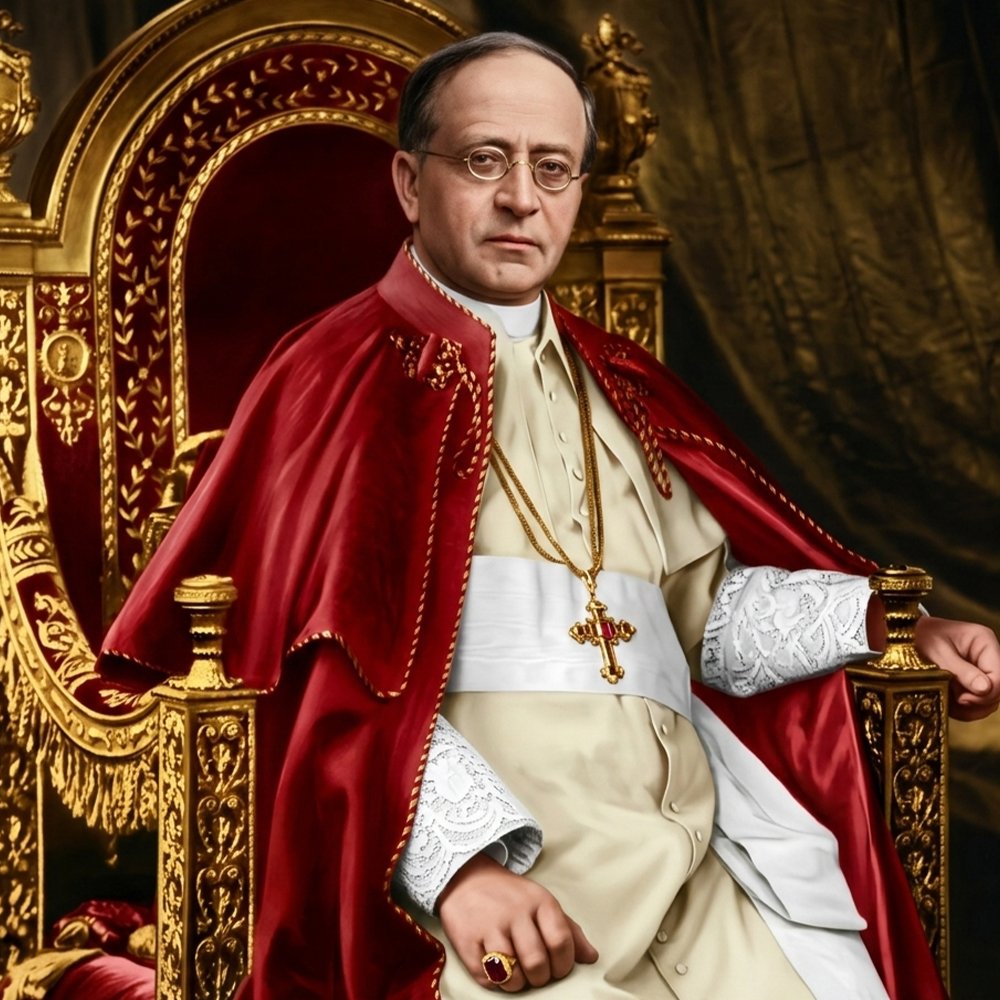
Coffee legend remembers him fondly: the pope who baptized the devil’s drink. It is a gentler image than the flames of Bruno—a reminder that Clement, like all humans, was complex, capable of both severity and humor, both rigor and indulgence.

The Clementine Vulgate remained in use until 1979. For nearly four hundred years, every Catholic who opened the Latin Bible read the text he authorized. That is a legacy few popes can match.

Henry IV of France knelt in absolution at Clement’s feet, and the wars ended. The most remarkable achievement of his reign stands.

Giordano Bruno burned, and the smoke still rises. The most terrible decision of his reign stands too.

Pope Clement VIII: reconciler and persecutor, builder and censor, lawyer and pilgrim—a man of his age, with all its glories and its shadows.


Leo XI

Leo XI (1605)

BIOGRAPHICAL DATA

Birth name: Alessandro Ottaviano de’ Medici
Birth: June 2, 1535, Florence, Republic of Florence
Papal election: April 1, 1605
Coronation: April 10, 1605
Pontificate: April 1, 1605 – April 27, 1605 (27 days)
Death: April 27, 1605, Rome, Papal States (69 years old)
Burial: St. Peter’s Basilica, later transferred to Santa Maria sopra Minerva, Rome
Religious order: Secular clergy (diocesan priest)
Papal motto: None officially recorded
Cognome: “Papa Lampo” (Lightning Pope), “The Morning Pope,” “Grandnephew of Leo X”

NOTE: His pontificate is one of the briefest in history, lasting only 27 days. He was the fourth Medici to become pope, following in the footsteps of his great-uncle Leo X, his cousin Clement VII, and Pius IV (who was Medici-related). His death triggered the second conclave of 1605, which elected Paul V. 

EARLY LIFE AND FORMATION

Medici Lineage – A Family of Popes

The Medici of Florence:

  • The Medici family: one of the most powerful and influential dynasties in European history
  • Originally of Tuscan peasant origin from the village of Cafaggiolo in the Mugello valley
  • Rose through commerce and banking to become rulers of Florence and patrons of the Renaissance
  • Provided the Catholic Church with four popes: Leo X, Clement VII, Pius IV, and Leo XI 

Parents:

  • Ottaviano de’ Medici (1484-1546): father, from the Medici di Ottajano, a cadet branch of the House of Medici 
  • Francesca Salviati (1501/07-1566): mother, from a noble Florentine family 
  • Maternal grandparents: Giacomo Salviati (1461-1533) and Lucrezia de’ Medici (1470-1553)
  • Great-uncle: Pope Leo X (Giovanni de’ Medici, 1475-1521), son of Lorenzo the Magnificent
  • Connection to Leo X: Lucrezia de’ Medici (grandmother) was sister of Leo X, making Alessandro his grandnephew 

Medici Connections:

  • Maria Salviati (1499-1543): maternal aunt, married to the condottiere Giovanni dalle Bande Nere (1498-1526)
  • Cosimo I de’ Medici (1519-1574): first Grand Duke of Tuscany, Alessandro’s first cousin once removed 
  • Marie de’ Medici (1575-1642): future Queen of France, related through family networks
  • Catherine de’ Medici (1519-1589): Queen of France, also a Medici relation

Birth:

  • Born: June 2, 1535, in Florence 
  • Baptism: likely in the Baptistery of San Giovanni, Florence
  • Early childhood: raised in Florentine Medici circles

Childhood and Education

Early Years (1535-1550s):

  • Father Ottaviano died early in Alessandro’s life 
  • Raised primarily by his mother Francesca Salviati
  • Home schooled by a Dominican priest, Vincenzo Ercolano 
  • Education: humanistic formation typical of Florentine nobility – Latin, rhetoric, history, philosophy
  • Dominican influence: shaped spiritual formation, connection to San Marco, Florence

Religious Vocation Opposed:

  • Alessandro felt the call to the priesthood from his boyhood, “always had an earnest desire to enter the ecclesiastical state” 
  • His mother Francesca vigorously opposed this vocation 
  • Reason: Alessandro was the only male in the family to carry on the name 
  • Mother’s strategy: sought to have him given secular honours instead 

Secular Interlude:

  • Sent to the court of the Grand Duke of Tuscany
  • Cosimo I de’ Medici (his cousin) appointed him a knight of the Order of San Stefano 
  • Alessandro complied with his mother’s wishes but maintained his inner vocation

Roman Sojourn and Spiritual Formation

First Visit to Rome (1560):

  • Traveled to Rome in 1560
  • Began lifelong friendship with St. Philip Neri (1515-1595) 
  • Philip Neri: founder of the Oratorians, known as the “Apostle of Rome”
  • Spiritual conversations: Alessandro spent much time with Philip, seeking his advice in all important matters 
  • Philip’s prophecy: predicted that Alessandro would ascend to the pontificate 

Death of Mother (1566):

  • Francesca Salviati died in 1566 
  • Alessandro, now free from family obligations, resumed his studies for the priesthood
  • Age at mother’s death: 31 years old

Ordination and Early Career

Priestly Ordination (July 22, 1567):

  • Ordained by Antonio Altoviti, Archbishop of Florence 
  • Age at ordination: 32 years old (relatively late for the era)
  • Finally able to pursue his long-delayed vocation

Tuscan Ambassador to the Holy See (1569-1584):

  • Sent by Cosimo I de’ Medici, Grand Duke of Tuscany, as ambassador to the papal court 
  • Served under Pope Pius V (1566-1572), the sainted pope of Lepanto fame
  • Held position for fifteen years (1569-1584) 
  • Represented Florence and the Medici family in Rome
  • Gained extensive knowledge of Roman Curia and papal diplomacy

EPISCOPATE AND CARDINALATE (1573-1605)

Bishop of Pistoia

Appointment (1573):

  • Named Bishop of Pistoia by Pope Gregory XIII 
  • Pistoia: diocese in Tuscany, near Florence
  • Age: 38 years old

Episcopal Consecration (March 1573):

  • Consecrated in Rome 
  • Principal consecrator: Francisco Pacheco de Villena, Archbishop of Toledo 
  • Took possession of the diocese

Archbishop of Florence

Promotion to Florence (1574):

  • Appointed Archbishop of Florence by Pope Gregory XIII 
  • Date: January 15, 1574 
  • Florence: one of the most important sees in Italy, spiritual capital of Tuscany
  • Age: 39 years old

Governance of Florence:

  • Implemented the reforms of the Council of Trent (1545-1563) 
  • Trent had concluded less than a decade before his appointment
  • Focus: clerical discipline, seminary formation, pastoral visitation
  • Good relations with the Dominican convent of San Marco 
  • Reputation: effective, reform-minded bishop

Cardinalate

Created Cardinal (December 12, 1583): 

  • Elevated by Pope Gregory XIII 
  • Age: 48 years old
  • Reason: merit, noble birth, episcopal success, diplomatic experience

Titular Churches (in order): 

  • Santi Quirico e Giulitta (formerly San Ciriaco alle Terme Diocleziane): installed January 9, 1584 
  • Later opted for other titular churches according to custom
  • Transferred to suburbicarian sees as senior cardinal:
    • Bishop of Albano (1600) 
    • Bishop of Palestrina (1602) 

Continued Role as Archbishop:

  • Remained Archbishop of Florence while cardinal
  • Balanced Roman duties with Florentine pastoral care
  • Regular travel between cities

Papal Legate to France (1596-1598)

Appointment (April 1596):

  • Sent as papal legate to France by Pope Clement VIII 
  • Mission: crucial diplomatic and ecclesiastical assignment
  • France: recovering from decades of religious civil war (French Wars of Religion, 1562-1598)

Context – France After the Wars of Religion:

  • Henry IV of France (1553-1610): formerly Protestant (Henry of Navarre)
  • Converted to Catholicism (1593) – famously: “Paris is worth a mass”
  • Absolved by Clement VIII (1595), ending excommunication by Sixtus V 
  • Edict of Nantes (1598): granted religious toleration to Huguenots
  • Challenge: restoring Catholic Church after decades of conflict

Medici’s Mission:

  • Repress Huguenot influence at the court of Henry IV 
  • Restore Catholic religion in France 
  • Rebuild ecclesiastical discipline shattered by wars
  • Negotiate between France and Spain
  • Persuade Henry IV to implement Tridentine decrees in France (largely unsuccessful) 

Achievements in France:

  • Treaty of Vervins (May 2, 1598): diplomatic negotiations between France and Spain 
  • Helped bring peace between the two Catholic powers
  • Strengthened the Catholic party at French court
  • Developed close relationship with Henry IV
  • Queen Marie de’ Medici (Henry’s wife) was related to Alessandro 

Return to Italy (1598):

  • Recalled by Clement VIII
  • Appointed Prefect of the Congregation of Bishops and Regulars 
  • Position: oversight of bishops and religious orders throughout the Church
  • One of the most important curial positions

Final Years as Cardinal (1598-1605)

Continued Service:

  • Prefect of Bishops and Regulars: 1598-1605
  • Suburbicarian Bishop of Albano: 1600-1602
  • Suburbicarian Bishop of Palestrina: 1602-1605 
  • Member of multiple curial congregations

Relationship with St. Philip Neri:

  • Lifelong friendship continued until Philip’s death (1595)
  • Philip’s prophecy: constantly remembered
  • Spiritual formation: Oratorian spirituality deeply influenced Medici
  • Model: gentle reform, personal holiness, pastoral charity

Reputation in 1605:

  • Age: almost 70
  • Experience: ambassador (15 years), bishop (32 years), cardinal (22 years), legate, curial official
  • Character: pious, learned, gentle, reform-minded
  • Connections: Medici family, French court, Roman Curia
  • Health: elderly but apparently robust enough for election

CONCLAVE OF MARCH-APRIL 1605 – ELECTION

Context: Death of Clement VIII

Death of Clement VIII (March 3, 1605):

  • Pontificate: 13 years (1592-1605)
  • Died at age 69
  • College of Cardinals: 69 members, 60-61 electors participated 
  • Clement VIII: had created 38 of the cardinal-electors 

Situation of the Church (1605):

  • Post-Tridentine reform: ongoing implementation
  • France: recovering from wars, Henry IV solidifying rule
  • Spain: dominant Catholic power, Philip III
  • Papal States: stable
  • England: James I recently succeeded Elizabeth I (1603)
  • Theological controversy: unresolved dispute between Jesuits and Dominicans on grace and free will 

Political Alignments:

  • French faction: cardinals loyal to France
  • Spanish faction: cardinals loyal to Spain (13 electors) 
  • Aldobrandini faction: led by Cardinal Pietro Aldobrandini, nephew of Clement VIII (22 followers) 
  • Montalto faction: led by Cardinal Alessandro Peretti di Montalto, nephew of Sixtus V (8 followers) 

The Conclave

Dates: March 14 – April 1, 1605 

Duration: 18 days

Location: Apostolic Palace, Rome

Opening: March 14, 1605, eleven days after Clement VIII’s death 

Major Candidates:

  1. Cardinal Cesare Baronius (67):
    • Great historian, Oratorian, disciple of St. Philip Neri
    • Author of Annales Ecclesiastici
    • Supported by French, favored by Aldobrandini 
    • Considered too strict by some 
    • Problem: had criticized Spanish interference in ecclesiastical affairs 
    • His work banned in Spanish territories 
    • Vetoed by Spain 
  2. Cardinal Roberto Bellarmine, SJ (63):
    • Greatest theologian of Counter-Reformation
    • Jesuit, learned, pious
    • Also considered, but not the leading candidate
  3. Cardinal Alessandro de’ Medici (69):
    • Supported by French throughout 
    • Related to Queen Marie de’ Medici of France 
    • Considered compromise candidate when Baronius blocked

The Conclave Struggle:

  • First scrutiny: Baronius received 23 votes 
  • Good start, but many votes were “for friends” initially
  • Baronius came within nine votes of election 
  • Refused to advocate for himself or accept acclamation 

Spanish Veto of Baronius:

  • Cardinal Avila, Philip III’s representative, announced veto 
  • Baronius excluded by express wish of Spanish king 
  • Caused clash between Avila and Aldobrandini
  • Cardinals raised voices at each other 
  • Avila and Aldobrandini fought, shouting and pushing 
  • Crowds outside mistook noise for election, opened doors prematurely 

Deadlock (March 16-30):

  • Baronius blocked
  • Medici gaining support from French 
  • Montalto faction (Spanish-allied) initially opposed
  • Aldobrandini holding out for other candidates
  • By March 30, Aldobrandini resigned to seeking alternative 

The Turning Point:

  • French Cardinal François de Joyeuse worked throughout for Medici 
  • Secured support of Montalto for Medici 
  • Baronius himself urged Medici’s election 
  • Aldobrandini finally persuaded, transferred support to Medici 

Election of Leo XI

Final Scrutiny (April 1, 1605):

  • Initial scrutiny that day: Baronius 28, Medici 13 
  • But momentum had shifted decisively

Election:

  • Cardinals gathered in Medici’s room 
  • More than two-thirds of electors present 
  • Elected unanimously or by large majority
  • Time: approximately April 1, 1605 (sources vary on exact hour)

Spanish Reaction:

  • After election, Avila revealed that Philip III had also excluded Medici 
  • Protested so loudly he could be heard in the street 
  • Cardinals responded: protest useless once candidate elected pope 
  • Formal scrutiny confirmed election 

Why Medici Won:

  1. French support: backed by French cardinals, Henry IV spent 300,000 écus promoting his candidacy 
  2. Medici connections: related to Queen of France, prestigious name
  3. Compromise candidate: when Baronius blocked, natural alternative
  4. Personal reputation: pious, experienced, uncontroversial
  5. Age (69): seen as transitional figure
  6. St. Philip Neri’s prophecy: remembered by many

Choice of Name:

  • Took name: Leo XI 
  • Honored his great-uncle Pope Leo X (1513-1521) 
  • Leo X: also a Medici, son of Lorenzo the Magnificent
  • Message: continuity with Medici papal legacy

Significance of Election:

  • Victory for France, defeat for Spain 
  • French supporters celebrated in Roman streets 
  • Fourth Medici pope (Leo X, Clement VII, Pius IV, now Leo XI)
  • Last pope elected after Spanish veto (though veto ineffective)

Coronation and Possession

Coronation (April 10, 1605): 

  • Crowned in St. Peter’s Basilica
  • Ceremony: traditional, solemn
  • Protodeacon: Cardinal Francesco Sforza 

Possession of St. John Lateran (April 17, 1605): 

  • Traditional ceremony taking possession of the cathedral of Rome
  • Lengthy outdoor procession and liturgy
  • Weather: cold, damp (April in Rome can be chilly)
  • Leo XI, already elderly, exposed to elements
  • This ceremony would prove fatal

PONTIFICATE (APRIL 1-27, 1605) – 27 DAYS

The Briefest of Reigns

Duration: 27 days 

One of Shortest Pontificates in History:

  • 27 days places him among the shortest-reigning popes
  • Urban VII (1590): 13 days
  • Boniface VI (896): 15 days
  • Celestine IV (1241): 17 days
  • Leo XI: 27 days
  • John Paul I (1978): 33 days
  • Marcellus II (1555): 22 days (sometimes listed as 22, sometimes 23)

Called “Papa Lampo” (Lightning Pope): 

  • Lightning flash: brief but brilliant
  • Appeared, then vanished
  • Nickname: affectionate Roman humor

Acts During 27 Days

Despite extreme brevity, some actions recorded:

  1. Refusal of Nepotism:
  • During his final illness, many members of the Curia and ambassadors from foreign courts importuned him 
  • Request: confer the cardinalate on one of his grandnephews 
  • Grandnephew: whom he had himself educated and loved dearly 
  • Leo XI: firmly refused 
  • Had “such an aversion for nepotism” 
  • When his confessor urged him to grant it, he dismissed him 
  • Sent for another confessor to prepare him for death 
  • Remarkable: even on deathbed, refused to enrich family
  • Contrast with virtually all popes of era (including Medici predecessors)
  1. Tax Relief for Romans:
  • Freed the Roman people from a series of taxes 
  • Act of generosity at very beginning of reign
  • Won popular affection
  1. Theological Commission on Conclave Rules:
  • “On theological grounds he caused the foundation of a commission to revise the conclave regulations” 
  • Recognizing need for reform of papal elections
  • Commission established but work cut short by death
  • Gregory XV would complete this reform in 1621-22
  1. Support for Emperor Against Turks:
  • Promised Emperor Rudolf II support in the war against the Ottoman Empire 
  • Continued papal policy of defending Christendom
  • Turks: ongoing threat in eastern Europe
  1. Pontifical Acts (Presumed):
  • Routine administration continued
  • Briefs, letters, appointments
  • Nothing substantial possible in 27 days

Illness and Death

The Fatal Cold:

  • April 17, 1605: ceremony of taking possession of St. John Lateran 
  • Elderly pope (69) exposed to cold, damp weather
  • Procession lengthy, outdoors
  • Exhaustion combined with exposure

Onset of Illness:

  • April 18: began suffering from fever 
  • Condition worsened rapidly
  • Age: 69, vulnerable to respiratory infection
  • Diagnosis: likely pneumonia (from cold and fatigue)

Last Days:

  • Bedridden in Apostolic Palace
  • Conscious, lucid
  • Continued to receive visitors, including importuning cardinals
  • Refused nepotism requests firmly 
  • Received Last Sacraments
  • Prepared for death with new confessor 

Death

April 27, 1605:

  • Time: probably morning or early afternoon (sources unclear)
  • Location: Apostolic Palace, Rome
  • Age: 69 years, 10 months, 25 days
  • Cause: complications from cold/fever, probably pneumonia
  • Surrounded by: cardinals, servants, perhaps Medici family members

Last Words:

  • Not recorded precisely
  • Likely: prayers, commendation of soul
  • Possibly: reaffirmed refusal of nepotism

Reaction:

  • Rome: shock at suddenness
  • Cardinals: immediate preparations for new conclave
  • French court: disappointment (Henry IV had invested heavily)
  • Spanish court: perhaps satisfaction (opposed candidate gone)
  • People: sympathy for “Lightning Pope”

Significance of Death:

  • Triggered second conclave of 1605 (May 8-16)
  • Second conclave elected Pope Paul V (Camillo Borghese)
  • Borghese would reign 15 years (1605-1621)

Epitaph

Inscription on Tomb:

  • “Magis ostensus quam datus” 
  • Translation: “More shown than given”
  • Meaning: shown to the world as pope, but not given (taken away)
  • Later applied to Pope John Paul I (1978) 
  • Perfectly captures: brief appearance, swift removal

FUNERAL AND BURIAL

Funeral

Date: Late April 1605 (exact date uncertain)

Location: St. Peter’s Basilica

Ceremony: Standard papal funeral

Presider: Cardinal protodeacon or senior cardinal

Attendance: College of Cardinals, Roman clergy, diplomatic corps

Burial

Initial Burial:

  • St. Peter’s Basilica
  • Temporary location
  • Modest tomb initially

Later Transfer:

  • Remains moved to Santa Maria sopra Minerva, Rome 
  • Dominican church near Pantheon
  • Appropriate: Medici had Dominican connections
  • Also burial place of St. Catherine of Siena, Fra Angelico
  • Location: Medici Chapel in the church

Tomb Monument:

  • Erected later
  • Features Medici arms (palle – the Medici balls)
  • Inscription: includes “Magis ostensus quam datus”
  • Commemorates the brief pontificate

LEGACY AND HISTORICAL EVALUATION

Major Significance

  1. Example of Brief Pontificate:
  • One of shortest in papal history
  • Illustrates: unpredictability of papal elections
  • “Lightning Pope” entered popular memory
  1. Refusal of Nepotism:
  • Most significant moral act of reign
  • Refused cardinalate to grandnephew even on deathbed 
  • Dismissed confessor who urged compliance 
  • Remarkable for era: nepotism was universal
  • Anticipated reforms of Innocent XII (1692) by nearly a century
  • Shows: reform impulse existed before institutionalized
  1. French-Spanish Rivalry:
  • Election victory for France, defeat for Spain
  • Veto ineffective: pope elected despite exclusion
  • Demonstrated limits of royal control over conclaves
  1. Connection to St. Philip Neri:
  • Lifelong friendship with saint
  • Philip’s prophecy fulfilled
  • Model of Oratorian spirituality in papacy
  1. Medici Legacy:
  • Fourth and last Medici pope
  • Ended Medici papal line (though family continued in Florence)
  • Bookends: Leo X (1513-1521) to Leo XI (1605)

Assessment

Contemporary Views:

  • Catholic Encyclopedia (1913): positive – “good service for the Church” 
  • Praised for: piety, refusal of nepotism, diplomatic service
  • St. Philip Neri’s prediction: seen as providential

Modern Scholarship:

  • Too brief for meaningful evaluation
  • Remembered for: brevity, refusal of nepotism
  • Medici connection: primary interest

Comparison with Other Short-Reigning Popes:

Pope

Years

Duration

Nickname

Urban VII

1590

13 days

Boniface VI

896

15 days

Celestine IV

1241

17 days

Leo XI

1605

27 days

“Papa Lampo”

John Paul I

1978

33 days

“Smiling Pope”

Marcellus II

1555

22 days

What Might Have Been:

  • Age 69: likely transitional in any case
  • But: refused nepotism suggests reform tendencies
  • Might have anticipated Gregorian reforms?
  • Theological commission on conclaves: seed planted
  • Gregory XV (1621-23) would complete conclave reform

Historical Place

Among Popes:

  • Minor figure due to brevity
  • But: symbolic importance
  • “Magis ostensus quam datus” – shown but not given

Medici Dynasty:

  • Last Medici pope
  • End of an era: Medici popes shaped Renaissance
  • Leo X: patron of arts, excommunicated Luther (nominally)
  • Clement VII: witnessed Sack of Rome (1527)
  • Leo XI: brief flash, then extinction

Connection to Later Reforms:

  • Refusal of nepotism: seed of future reform
  • Innocent XII (1691-1700): would abolish nepotism
  • Leo XI’s deathbed refusal: example of principle

Beatification/Canonization

No cause introduced:

  • Not considered for sainthood
  • Reasons:
    • Pontificate too brief for heroic virtue to be demonstrated publicly
    • No miracle tradition
    • Medici wealth and status: obstacles in later eras
    • St. Philip Neri connection: remembered but not enough

Veneration:

  • No significant cult
  • Remembered historically, not devotionally
  • Santa Maria sopra Minerva: tomb visited by historians, not pilgrims

CURIOSITIES AND DETAILS

Personal Characteristics

Appearance (from portraits):

  • Portrait by Scipione Pulzone? (attributed)
  • Face: refined, aristocratic
  • Expression: gentle, pious
  • Beard: full, white (fashion of era)
  • Vestments: cardinal’s red, later papal white
  • Medici features: long nose, thoughtful eyes

Personality:

  • Pious: lifelong desire for priesthood
  • Gentle: friend of St. Philip Neri
  • Resolute: refused nepotism on deathbed
  • Diplomatic: successful in France
  • Patient: waited 31 years for ordination (mother’s opposition)

Relationships:

  • St. Philip Neri: spiritual father, friend, prophet
  • Cosimo I de’ Medici: cousin, employer as ambassador
  • Henry IV of France: esteemed legate, supported election
  • Marie de’ Medici: relative, queen of France
  • Grandnephew: loved dearly, but refused to promote

Languages:

  • Italian: native
  • Latin: professional
  • French: from legation
  • Spanish: likely some knowledge

The Name “Medici”

Medici Popes:

  1. Leo X (Giovanni de’ Medici, 1513-1521): son of Lorenzo the Magnificent
  2. Clement VII (Giulio de’ Medici, 1523-1534): illegitimate son of Giuliano de’ Medici
  3. Pius IV (Giovanni Angelo Medici, 1559-1565): from Milanese branch, related
  4. Leo XI (Alessandro de’ Medici, 1605): grandnephew of Leo X

Medici Contributions to Papacy:

  • Art patronage: Michelangelo, Raphael, Renaissance Rome
  • Political power: made papacy major Italian power
  • Family ambition: characteristic of era
  • Leo XI: last, least, but morally noteworthy

Anecdotes

  1. Philip Neri’s Prophecy:
  • Years before election, Philip told Alessandro he would be pope
  • Alessandro: likely dismissed as pious hope
  • Philip: known for prophecies (also predicted Gregory XIV?)
  • Fulfilled: April 1605
  • Alessandro remembered: Philip’s words sustained him
  1. Mother’s Opposition:
  • Francesca Salviati: determined to keep son from priesthood
  • Sent him to court, gave him secular honours
  • Only after her death (1566) could he be ordained
  • Ordination at 32: decades delayed
  • Yet: became pope eventually
  1. The 300,000 Écus:
  • Henry IV of France spent enormous sum promoting Medici’s candidacy 
  • 300,000 écus: vast fortune
  • Election secured, then pope died in 27 days
  • French investment: very poor return!
  • “Lightning Pope” indeed
  1. Deathbed Refusal:
  • Curia officials and ambassadors: pressed for cardinal-nephew
  • Grandnephew: loved, educated by Alessandro
  • Confessor: urged compliance
  • Leo XI: dismissed confessor, sent for another
  • Refused to the end
  • Extraordinary: dying man resisting immense pressure
  • Shows: genuine conviction against nepotism
  1. “Magis Ostensus Quam Datus”:
  • Inscription on tomb
  • Perfectly captures brief pontificate
  • Also inscribed on heart of Rome
  • John Paul I (1978): same words applied
  • Bond between two “lightning” popes
  1. Spanish Veto That Failed:
  • Philip III excluded Medici
  • Cardinals elected him anyway
  • Veto announced after election: too late
  • Spanish power: declining in papal politics
  • Precedent: veto not absolute

Papal Arms

Coat of Arms:

  • Medici family arms: six balls (palle) on shield
  • Originally: six red balls on gold field
  • Later: five red balls and one blue with fleur-de-lys (French concession)
  • Papal tiara and crossed keys above
  • Simplicity: Medici arms among most recognizable

DOCUMENTS AND ACTS

Papal Acts (27 Days)

No major documents possible in such brief reign. However:

Known Acts:

  1. Refusal of nepotism (recorded by biographers) 
  2. Tax relief for Romans 
  3. Promise of support to Emperor Rudolf II 
  4. Establishment of theological commission on conclave rules 

Presumed Routine Acts:

  • Briefs to Catholic princes
  • Confirmations of ecclesiastical appointments
  • Routine curial business
  • Blessings, indulgences

None Survive as Major Documents:

  • No bulls of lasting significance
  • No encyclicals (genre not yet developed)
  • No major appointments

Beatification Decrees

None issued (too brief)

Correspondence

  • Letters to Emperor Rudolf II (promising support)
  • Diplomatic communications (mostly routine)
  • None published separately

CHRONOLOGY SUMMARY

  • 1535 (June 2): Born Alessandro Ottaviano de’ Medici in Florence
  • 1560: First visit to Rome, meets St. Philip Neri; Philip predicts papacy
  • 1566: Death of mother Francesca Salviati
  • 1567 (July 22): Ordained priest (age 32)
  • 1569-1584: Tuscan ambassador to Holy See under Pius V, Gregory XIII
  • 1573: Appointed Bishop of Pistoia by Gregory XIII
  • 1573 (March): Consecrated bishop
  • 1574 (Jan 15): Appointed Archbishop of Florence
  • 1583 (Dec 12): Created cardinal by Gregory XIII
  • 1584 (Jan 9): Installed at titular church Santi Quirico e Giulitta
  • 1595: Death of St. Philip Neri
  • 1596-1598: Papal legate to France under Clement VIII
  • 1598 (May 2): Treaty of Vervins negotiated
  • 1598: Appointed Prefect of Congregation of Bishops and Regulars
  • 1600: Became Cardinal-Bishop of Albano
  • 1602: Transferred to Cardinal-Bishop of Palestrina
  • 1605 (March 3): Death of Clement VIII
  • 1605 (March 14): Conclave opens
  • 1605 (April 1): Elected pope (age 69); takes name Leo XI
  • 1605 (April 10): Coronation
  • 1605 (April 17): Possession of St. John Lateran; catches cold
  • 1605 (April 18): Fever begins
  • 1605 (April 27): Death in Rome (27th day of pontificate)
  • 1605 (May 8-16): Second conclave elects Paul V

FINAL EVALUATION

Pope Leo XI, Alessandro de’ Medici, reigned for only twenty-seven days – a lightning flash in the history of the papacy. He is remembered not for what he did, but for what he was: the last Medici pope, the friend of St. Philip Neri, the man who refused nepotism on his deathbed.

His election was a victory for France and a defeat for Spain. Henry IV spent 300,000 écus to secure the tiara for his wife’s relative; the Spanish king excluded him, but the cardinals elected him anyway. The veto, for the first time, had failed. The old order was changing.

His brief reign accomplished little of substance – how could it? Twenty-seven days allow for tax relief, a promise to the emperor, a theological commission, and little else. But in those twenty-seven days, Leo XI showed something remarkable: when pressed on his deathbed to make his grandnephew a cardinal, he refused. He dismissed the confessor who urged compliance. He died as he had lived – a man of principle.

His friendship with St. Philip Neri shaped his soul. For decades, he sought Philip’s advice, spent time in spiritual conversation, absorbed the gentle, joyful spirituality of the Oratory. Philip’s prophecy that Alessandro would be pope sustained him through long years of service. When it came true, Alessandro was ready – not for a long reign, but for a holy death.

His Medici heritage connected him to the greatest dynasty of Renaissance Italy. Leo X, his great-uncle, had been the pope of high Renaissance splendor – patron of Raphael, protector of arts, the pope who famously said, “God has given us the papacy, let us enjoy it.” Clement VII, his cousin, had witnessed the Sack of Rome and the humiliation of the papacy. Leo XI, the last Medici pope, offered something different: not splendor, not tragedy, but brief, principled holiness.

In comparison with Innocent XII, Leo XI appears as a precursor. Innocent XII would abolish nepotism in 1692; Leo XI refused it in 1605. Innocent XII made reform a program; Leo XI made it a personal act. The seed planted on that deathbed would flower nearly a century later.

In comparison with Paul V, his successor, Leo XI represents a road not taken. Paul V would reign fifteen years, complete St. Peter’s façade, fight the Venetian Interdict, enrich the Borghese family. Leo XI might have done differently – or might not. We cannot know.

“Magis ostensus quam datus” – more shown than given. The inscription on his tomb captures his pontificate perfectly. He was shown to the Church as pope, but not given to her for long. The same words would be applied to another brief pope, John Paul I, in 1978. There is a bond between these “lightning popes” – men who appeared, blessed, and vanished, leaving behind only the memory of goodness.

His tomb in Santa Maria sopra Minerva rests among Dominicans and saints. Fra Angelico is buried nearby; St. Catherine of Siena lies under the high altar. Leo XI, the last Medici pope, keeps company with the holiest. It is fitting.

Epitaph:

“Friend of saints, servant of princes, pope for twenty-seven days. He refused on his deathbed what others grasped in health: family advancement at Church expense. More shown than given – but what was shown was goodness.”

St. Philip Neri’s prophecy was fulfilled. Alessandro de’ Medici became pope. And then, like lightning, he was gone.

The 300,000 écus of Henry IV bought twenty-seven days. The French king might have regretted the expense. But the Church gained something priceless: a moment of moral clarity, a refusal of corruption, a deathbed witness to reform.

He was the last Medici pope. The dynasty that gave the Church Leo X and Clement VII ended with Leo XI. It ended not with a bang but with a whisper – a dying man dismissing his confessor rather than enrich his nephew.

That whisper echoed. Innocent XII heard it, nearly a century later, when he abolished nepotism forever. Gregory XV heard it when he reformed conclaves. Every pope since who has resisted family pressure owes something to Leo XI.

Twenty-seven days. A lightning flash. But lightning illuminates, even as it vanishes.

Pope Leo XI: the Morning Pope – here, then gone, but remembered.


Paul V

Paul V (1605-1621)

BIOGRAPHICAL DATA

Birth name: Camillo Borghese
Birth: September 17, 1552, Rome, Papal States
Papal election: May 16, 1605
Coronation: May 29, 1605
Pontificate: May 16, 1605 – January 28, 1621 (15 years, 8 months, 12 days)
Death: January 28, 1621, Rome (68 years old)
Burial: Borghese Chapel, Basilica of Santa Maria Maggiore, Rome
Religious order: Secular clergy (diocesan priest)
Papal motto: “Absit nisi in te gloriari” (“Far be it to glory save in Thee”) 
Cognome: “Pope of the Interdict,” “The Canonist Pope,” “Builder Pope,” “Patron of the Arts”

NOTE: His pontificate was marked by the Venetian Interdict crisis, the completion of St. Peter’s Basilica, the first Galileo controversy, and the rise of the Borghese family through systematic nepotism. His reign spanned fifteen years, making it one of the longest of the 17th century.

EARLY LIFE AND FORMATION

Borghese Family Origins

The Borghese of Siena:

  • Ancient noble family originally from Siena, Tuscany
  • Claimed kinship with St. Catherine of Siena (1347-1380) 
  • Family endured endless political disturbances in Siena (“made life in Siena unbearable”) 
  • Relocated to Rome in the 16th century, establishing themselves in the papal city

Parents:

  • Marcantonio Borghese: father, lawyer and Sienese patrician 
  • Flaminia Astalli: mother, Roman noblewoman 
  • Camillo: eldest of seven sons 
  • Family circumstances: comfortable nobility, legal tradition

Birth and Childhood:

  • Born: September 17, 1552 (some sources give 1550, but 1552 is more widely accepted) 
  • Location: Rome
  • Baptism: likely in Roman parish church
  • Early education: humanistic formation, Latin, rhetoric
  • Family deeply connected to legal and ecclesiastical circles

Education – Legal Formation

University of Perugia:

  • Studied jurisprudence (canon and civil law)
  • Perugia: renowned for legal studies in papal states
  • Formative years: developed analytical, legalistic mindset

University of Padua:

  • Continued legal studies
  • Padua: one of Europe’s great universities
  • Venetian territory – ironic given later conflict!
  • Graduated: Doctor of Laws (both canon and civil – in utroque iure)

Legal Scholar:

  • Became “a canonist of marked ability” 
  • Reputation: meticulous, learned, precise
  • Devoted himself to law books throughout life
  • Legal training would define his entire papacy

Early Ecclesiastical Career

Ordination to Priesthood:

  • Date: October 20, 1577 
  • Age: 25 years old
  • Ordained in Rome
  • Entered Roman Curia after ordination

Referendary of the Apostolic Signatura:

  • Position: judge in papal tribunal
  • Responsibilities: reviewing legal cases
  • Years: late 1570s-1580s
  • Reputation building: competent jurist, hardworking

Vice-Legate in Bologna (1580s-1590s):

  • Administrative position in second city of Papal States
  • Gained experience in governance
  • Developed diplomatic skills 

Mission to Spain (1593-1595):

  • Sent by Pope Clement VIII as papal envoy 
  • Mission: diplomatic representation to Spanish court
  • Successfully completed mission
  • Gained favor with Clement VIII
  • Outcome: rewarded with cardinalate upon return

Cardinalate (1596-1605)

Created Cardinal (June 5, 1596): 

  • Elevated by Pope Clement VIII (1592-1605)
  • Age: 44 years old
  • Title: Cardinal-Priest of Sant’Eusebio
  • Reason: reward for successful Spanish mission + legal competence

Titular Churches (in order): 

  • Sant’Eusebio (1596-1599)
  • Santi Giovanni e Paolo (1599-1602)
  • San Crisogono (1602-1605)

Cardinal Vicar of Rome (1603-1605): 

  • Appointed by Clement VIII
  • Position: deputy to pope for Diocese of Rome
  • Responsibilities: oversight of clergy, parishes, religious houses
  • Administrative experience: daily governance of Rome
  • Secretary: Niccolò Alamanni 

Bishop of Jesi (1597-1599): 

  • Appointed: 1597 by Clement VIII
  • Consecrated bishop: May 27, 1597 
  • Consecrators:
    • Cardinal Silvio Savelli (former Latin Patriarch of Constantinople)
    • Cardinal Francesco Cornaro (former Bishop of Treviso) 
  • Retained diocese until 1599
  • Pastoral experience: brief but formative

Character as Cardinal:

  • Held aloof from all parties and factions 
  • Devoted spare time to law books 
  • Neutral in Roman factional disputes
  • Reputation: learned, impartial, reliable
  • “Marked ability” as canonist 

Relationship with Clement VIII:

  • Trusted collaborator
  • Rewarded for Spanish mission
  • Gradual advancement through curial ranks
  • Died: Clement VIII (March 5, 1605)

The Year of Three Popes (1605)

Death of Clement VIII (March 5, 1605):

  • Conclave: March 14 – April 1, 1605
  • Elected: Pope Leo XI (Alessandro de’ Medici)
  • Leo XI: April 1, 1605 – April 27, 1605
  • ONLY 27 DAYS as pope!
  • Died suddenly

Second Conclave of 1605 (May 8-16, 1605):

  • Borghese: 52 years old
  • Major candidates:
    • Caesar Baronius (historian, Oratorian)
    • Roberto Bellarmine, SJ (theologian, future saint)
  • Factions: Borghese seen as neutral compromise

CONCLAVE OF 1605 – ELECTION

Context: Death of Leo XI

Death of Leo XI (April 27, 1605):

  • Pontificate: 27 days (one of shortest in history)
  • College of Cardinals: 69 members, 60 electors participated
  • Need: stable, experienced pope after brief reign

Situation of the Church (1605):

  • Post-Tridentine reform: ongoing implementation
  • Catholic powers: Spain dominant, France recovering
  • Venice: tensions over ecclesiastical jurisdiction growing
  • England: recently under James I (1603-), Gunpowder Plot brewing
  • Galileo: rising scientific reputation
  • Protestant Reformation: well-established in northern Europe

The Conclave – One Week

Dates: May 8-16, 1605

Duration: 8 days

Factions:

  1. Spanish Faction:
    • Supported by King Philip III of Spain
    • Wanted pro-Spanish pope
    • Candidate: various
  2. French Faction:
    • Smaller, less influential
    • Opposed Spanish dominance
  3. Italian Neutrals:
    • Cardinals not aligned with either crown
    • Borghese among them
  4. Clementine Cardinals:
    • Created by Clement VIII
    • Seeking continuity

Leading Candidates:

  • Cardinal Caesar Baronius (67):
    • Renowned church historian
    • Oratorian, disciple of St. Philip Neri
    • Supported by reform-minded cardinals
    • But: considered too strict, uncompromising?
  • Cardinal Roberto Bellarmine, SJ (63):
    • Greatest theologian of Counter-Reformation
    • Jesuit, learned, pious
    • But: Jesuits controversial in some quarters
    • Considered “too Spanish” by some
  • Cardinal Alessandro de’ Medici (70):
    • Just been pope as Leo XI!
    • Recently deceased – not an option

Why Borghese Won:

  1. Neutrality: Held aloof from factions 
  2. Legal reputation: Canonist of marked ability 
  3. Experience: Cardinal Vicar, former bishop, diplomat
  4. Age (52): Old enough for experience, young enough for stamina
  5. Health: Robust
  6. Personality: Stern but predictable
  7. No obligations: “Ascended the papal throne without engagement or obligation of any sort” 

Election (May 16, 1605):

  • Scrutiny: received sufficient votes
  • Accepted: probably with reluctance (customary)
  • Chose name: Paul V
    • Honored Pope Paul III? Paul IV? (likely general tribute to apostolic name)
  • “In consequence, on the death of Leo XI, all eyes were centred on him” 

Coronation (May 29, 1605):

  • St. Peter’s Basilica
  • Ceremony: traditional, solemn
  • Later possession of St. John Lateran

PONTIFICATE (1605-1621) – LAWYER POPE

Character and Governing Style

Personality:

  • Stern and unyielding 
  • Lawyer rather than diplomat 
  • Defended privileges of Church to utmost 
  • Knew nothing of compromises 
  • Ruled Church from standpoint of decretals, not diplomacy 
  • Conceived duty: maintain inviolate every right claimed by predecessors 

Legal Mindset:

  • Canon law: absolute norm
  • Church rights: non-negotiable
  • Precedent: binding
  • Compromise: weakness
  • This character: would define entire pontificate

First Acts – Episcopal Residence

First Public Act (May-June 1605):

  • Sent home to their sees: all prelates and cardinals sojourning in Rome 
  • Basis: Council of Trent had declared it a grave sin for bishop to be absentee 
  • Even those engaged in Roman Curia business: no exception 
  • “That he was engaged in Rome doing the business of the Holy See made no difference” 
  • Message: reform begins with bishops present in dioceses

Early Conflicts – Italian States

Disputes with Italian Cities:

  • Savoy, Genoa, Tuscany, Naples: disputes over ecclesiastical jurisdiction 
  • Issues: privilegium fori (right of clergy to be judged in church courts)
  • Other issues: taxation of clergy, church property
  • Most states: wishing to avoid rupture, yielded 
  • But: one state resisted – VENICE

VENETIAN INTERDICT CRISIS (1606-1607)

Background – Venetian Policy

Venetian Republic:

  • Proud, independent maritime republic
  • Strong tradition of resisting papal authority
  • Patrician class: jealous of state sovereignty
  • Territories: mainland (Terraferma) and maritime empire

Anti-Clerical Legislation (1605):

Two laws passed by Venetian Senate:

  1. Forbidding alienation of real property in favor of clergy 
    • Preventing Church from acquiring more land
    • Economic control over ecclesiastical holdings
  2. Demanding civil approval for building new churches 
    • State control over ecclesiastical construction
    • Prevention of unauthorized religious expansion

The Trigger – Two Priests Arrested:

  • Two clerics: charged with “cruelty, wholesale poisoning, murder and licentiousness” 
  • Arrested by Venetian authorities
  • Imprisoned in Venetian dungeons
  • Tried in civil courts
  • Found guilty, committed to prison

Paul V’s Demand (Christmas 1605):

  • Insisted: priests be released to ecclesiastical court 
  • Basis: privilegium fori – clergy immune from secular jurisdiction
  • Threatened: interdict if not obeyed
  • Presented to Senate: Christmas 1605 

The Crisis Deepens

Venetian Response:

  • Refused to release priests
  • Refused to repeal laws
  • Defended right to judge all subjects, including clergy
  • Appointed canon lawyer to defend position: Fra Paolo Sarpi

Paolo Sarpi (1552-1623):

  • Servite friar (Order of Servites)
  • Brilliant canon lawyer
  • “Man of wonderful literary skill” 
  • “Sworn enemy of the Roman Court” 
  • Venetian government: named him “counsellor in theology and canon law”
  • Extended dispute to general principles: defining separate secular and ecclesiastical spheres 

Sarpi’s Argument:

  • Pope’s claim to intermeddle in civil matters: usurpation 
  • Republic recognized no authority but God in civil matters 
  • History supported Venetian position
  • Advised government: refuse to receive interdict 

Excommunication and Interdict

April 17, 1606: 

  • Pope Paul V: pronounced sentence of excommunication against:
    • Doge (Leonardo Donà)
    • Senate
    • Government of Venice collectively
  • Imposed: interdict on city of Venice 
  • Allowed: very short space for submission 

The Interdict:

  • Forbade: public Masses, sacraments, church services
  • Aim: pressure population to demand submission
  • Expectation: clergy would enforce
  • Reality: completely different

Clergy Response:

  • The Jesuits, Theatines, and Capuchins: obeyed pope, expelled from Venice 
  • All other clergy (secular and regular): sided with government 
  • Continued holding services despite interdict
  • Masses celebrated normally
  • Festival of Corpus Christi: celebrated with unusual splendor 
  • Sarpi: said Mass for first time in years 

Effect:

  • Interdict: completely defied
  • Papal authority: openly resisted
  • Schism: lasted about a year 
  • Paul V: humiliated

Mediation and Resolution

International Intervention:

  • France and Spain: mediated 
  • Fear: Venice breaking with Rome entirely
  • Risk: civil war in Italy 
  • Both powers: pressured for compromise

The Compromise (March 22, 1607): 

  • Republic refused to repeal obnoxious laws openly
  • But: promised “to conduct itself with its accustomed piety” 
  • Vague formula: face-saving for both sides
  • Paul V: forced to be content with obscure words 
  • Removed censures: March 22, 1607 
  • Theatines and Capuchins: permitted to return 
  • Jesuits: exception made – remained banned 

Aftermath – Sarpi Attack:

  • Venetian Republic rewarded Sarpi: state counsellor in jurisprudence 
  • Granted: liberty of access to state archives 
  • Infuriated Pope Paul V
  • September 1607: assassination attempt on Sarpi 
  • Stabbed three times with stiletto  (some sources say fifteen times )
  • Sarpi: miraculously recovered 
  • Assassins: found refuge in Papal States 
  • Papal involvement: widely suspected

Significance of Venetian Crisis:

  • “The effect of interdicts was dead” 
  • Papacy never again used interdict against sovereign state 
  • Paul V’s legalistic approach: failed against political reality
  • Sarpi: became Venetian hero
  • Jesuits: permanently embittered against Venice

RELATIONS WITH ENGLAND

James I and the Oath of Allegiance

Context:

  • James I: succeeded Elizabeth I (1603)
  • Initially: hoped for more tolerant policy toward Catholics
  • But: Gunpowder Plot (November 5, 1605) – Catholic conspiracy to blow up Parliament and king
  • Plot discovered: Guy Fawkes arrested
  • Result: fierce anti-Catholic reaction

Paul V’s Letter to James I (July 9, 1606): 

  • Congratulated James on accession (three years late!) 
  • Referred with grief: to plot against king’s life 
  • Pleaded: not make innocent Catholics suffer for crime of few 
  • Promised: exhort all Catholics to be submissive and loyal 
  • Condition: “in all things not opposed to the honour of God” 

The Oath of Allegiance:

  • Parliament required: oath of allegiance to king
  • Contained clauses:
    • Denial of pope’s power to depose king
    • Denial of pope’s power to release subjects from obedience
  • For Catholics: impossible to swear in conscience

Papal Condemnation:

  • First Brief (September 22, 1606): solemnly condemned oath 
  • Second Brief (August 23, 1607): extended, reinforced condemnation 
  • Result: divided English Catholics
    • Archpriest George Blackwell: took oath, condemned by pope
    • Cardinal Bellarmine: wrote reproaching Blackwell 
    • Catholic community: split between loyalists and papists

Consequences:

  • James I: wrote theological essays defending oath (1608)
  • Bellarmine: exchanged pamphlets with king 
  • English Catholics: suffered increased persecution
  • Papal diplomacy: ineffective
  • “Paul V’s hard-edged Catholic diplomacy cut the ground from under moderate Catholics in England” 

Enduring Legacy:

  • Effigy of Pope Paul V: still burnt annually at Lewes Bonfire celebrations 
  • Gunpowder Plot: permanently linked to papacy in English popular memory

GALILEO AND THE COPERNICAN CONTROVERSY (1616)

The First Galileo Case

Background:

  • Galileo Galilei (1564-1642): renowned scientist
  • Supported Copernican heliocentric theory: sun at center, earth moves
  • Contrast with Ptolemaic geocentric system: earth at center
  • Copernicus’s De Revolutionibus (1543): not formally condemned

Paul V’s Relationship with Galileo:

  • 1611: Paul V honored Galileo as member of papal Accademia dei Lincei 
  • Supported his discoveries 
  • Initially: favorable attitude

The Controversy Develops:

  • Dominican theologians: attacked Copernicanism as contrary to Scripture
  • Galileo: defended compatibility of science and faith
  • Pauline passage: “sun stood still” (Joshua) – implied sun moves
  • Theological authorities: increasingly concerned

The 1616 Intervention:

  • Paul V instructed Cardinal Roberto Bellarmine, SJ to act 
  • Bellarmine: leading theologian of Counter-Reformation
  • Meeting: Bellarmine warned Galileo

The Warning:

  • Not to hold or defend heliocentric ideas of Copernicus 
  • Debate: whether also forbidden to teach in any way
  • Bellarmine’s certificate to Galileo (later crucial at 1633 trial):
    • Stated only: could not defend or hold
    • Allowed: use as theoretical device
    • Enabled Galileo to defend against rumors 

Paul V’s Assurance to Galileo:

  • Same year (1616): Paul V assured Galileo 
  • Safe from persecution: so long as pope should live 
  • Personal protection: from legal consequences

Condemnation of Copernicus:

  • March 5, 1616: Congregation of the Index
  • Decreed: Copernicus’s De Revolutionibus suspended until corrected
  • Placed on Index of Forbidden Books 
  • Action taken under Paul V’s authority

Significance:

  • First papal intervention in Galileo controversy
  • Set stage for 1633 trial under Urban VIII
  • Paul V: personally protected Galileo while condemning theory
  • Complex legacy: science and faith tension

Theological Approach

Doctrinal Moderation:

  • Despite Galileo action: “in doctrinal matters he was surprisingly undogmatic” 
  • Approved: use of vernacular in liturgy for China 
  • Focused: on jurisdiction, not theology

Immaculate Conception:

  • 1618: decree published in Lima, Peru 
  • “Decreto de Nuestro Sanctissimo Padre el Papa Paulo V. en favor dela Immaculada Concepción” 
  • Promoted devotion to Immaculate Conception

MISSIONS AND RELIGIOUS ORDERS

Support for Missions

Latin America:

  • Encouraged missions notably in Latin America 
  • Supported evangelization of indigenous peoples
  • Confirmed new congregations and brotherhoods

Japan:

  • November 1615: welcomed embassy of Japanese samurai Hasekura Tsunenaga in Rome 
  • Hasekura: presented letter from Date Masamune requesting:
    • Trade treaty between Japan and New Spain
    • Christian missionaries to Japan
  • Paul V: agreed to dispatch missionaries 
  • Left trade decision: to King of Spain

Mission Policy:

  • Balanced: papal authority vs. colonial patronage (Padroado)
  • Supported expansion of Catholicism globally
  • Limited resources: but consistent encouragement

Approval of Religious Institutes

Oratorians (1613):

  • Confirmed congregation of secular priests founded by St. Philip Neri 
  • Known as: Oratorians
  • Significant: Philip Neri had died 1595, already beatified

Other Congregations:

  • Confirmed many new institutes
  • Focus: education, charity
  • “Large number of new institutes for education and charity added new lustre to religion” 

Liturgical Reform

Rituale Romanum (1612-1614):

  • Authorized new version of Rituale Romanum 
  • One of Roman rite’s liturgical books
  • Promulgated: June 17, 1614 
  • Contained: rites for sacraments, blessings, processions
  • Standardized liturgical practice

Vatican Archives:

  • Founded privy Vatican archives 
  • To preserve papal documents
  • Legacy: invaluable for historical research

CANONIZATIONS AND BEATIFICATIONS

Canonizations

St. Charles Borromeo (November 1, 1610): 

  • Archbishop of Milan (1538-1584)
  • Cardinal-nephew of Pius IV
  • Key figure in Tridentine reform
  • Model bishop after Council of Trent
  • Canonization: major event, celebrated with pomp

St. Frances of Rome (May 29, 1608): 

  • Roman noblewoman (1384-1440)
  • Benedictine oblate, founder of Olivetan Oblates
  • Visionary, wife, mother
  • Local Roman saint – popular with Romans

St. Pompejanus (1615): 

  • Details sparse in sources
  • Confirmation of earlier cult

Cardinal Albert de Louvain (August 9, 1621): 

  • Bishop of Liège, martyr (d. 1192)
  • Canonized: just after Paul V’s death (briefs issued earlier)

Beatifications

Major Beatifications:

  • St. Ignatius Loyola (July 27, 1609): founder of Jesuits 
  • St. Francis Xavier (October 25, 1619): Jesuit missionary to Asia 
  • St. Philip Neri (May 11, 1615): founder of Oratorians 
  • St. Teresa of Ávila (April 24, 1614): Carmelite mystic, reformer 
  • St. Louis Bertrand (1608): Dominican missionary 
  • St. Thomas of Villanova (1618): Augustinian bishop 
  • St. Isidore of Madrid (1619): farmworker, patron of peasants 

Significance:

  • All beatified: later canonized by successors
  • Counter-Reformation saints: Jesuits, mystics, reformers
  • Paul V: prepared ground for future canonizations

NEPOTISM – THE BORGHESE RISE

The Borghese Family

Paul V’s Approach to Family:

  • “Paul V was no more free from nepotism than the other pontiffs of that century” 
  • “His devotion to the interests of his family exceeded all bounds, and they became enormously wealthy” 
  • “Guilty of nepotism” 
  • “Responsible for his family’s inordinate wealth” 

Defense (Catholic Encyclopedia):

  • “It must be said that they were capable men of blameless lives” 
  • “Devoted their large revenues to the embellishment of Rome” 
  • Typical 17th-century justification

Cardinal Scipione Borghese (1577-1633)

Relationship: Nephew (son of Paul’s sister Ortensia)

Created Cardinal: Immediately after Paul V’s election (1605)

Age at Appointment: 28 years old

Role:

  • Wielded enormous power on pope’s behalf 
  • Consolidated rise of Borghese family 
  • Effectively: papal secretary of state
  • Managed papal patronage, diplomacy, finances

Art Patronage:

  • One of greatest art collectors of era
  • Patron of: Caravaggio, Bernini, Reni
  • Built: Villa Borghese (now Galleria Borghese)
  • Collected antiquities, paintings
  • Paul V began collection 

Legacy:

  • Villa Borghese: now public museum
  • Art collection: among world’s finest
  • Reputation: capable, cultured, but enriched by nepotism

Marcantonio Borghese (1601-1658)

Relationship: Nephew (son of another sibling)

Favors: 

  • Created Prince of Vivaro 
  • Received extensive lands, titles
  • Married into Roman nobility
  • Founded Roman line of Borghese princes

Later Generations:

  • Borghese family: became one of Rome’s wealthiest
  • Prince Camillo Borghese: married Napoleon’s sister Pauline (1803)
  • Villa Borghese, Palazzo Borghese: family monuments

Other Family Members

Brothers:

  • Giovanni Battista Borghese: governor of Borgo, Castel Sant’Angelo
  • Francesco Borghese: general of Church

Nephews:

  • Multiple: given positions, benefices
  • Systematic family advancement

Assessment of Borghese Nepotism

Compared to Contemporaries:

  • Less excessive than some (Paul III, Urban VIII later)
  • More systematic than others
  • Typical of Counter-Reformation papacy

Defense:

  • Scipione Borghese: genuinely capable, cultured
  • Family funds: used for art, architecture, public works
  • Enriched Rome as well as Borghese

Criticism:

  • Diverted Church resources to family
  • Created noble dynasty at Church expense
  • “Wasted funds needed for more crucial purposes” 
  • Contradicted Tridentine reform ideals

PATRONAGE OF ARTS AND ARCHITECTURE

Completion of St. Peter’s Basilica

The Great Project:

  • St. Peter’s: under construction for over a century
  • Begun under Julius II (1503-1513)
  • Architects: Bramante, Raphael, Michelangelo, Maderno
  • Paul V: honor of putting finishing touches 

Carlo Maderno (1556-1629):

  • Appointed architect: 1603 under Clement VIII
  • Paul V: continued, accelerated work
  • Completed nave
  • Built façade (1607-1612)
  • Extended building toward piazza

The Façade:

  • Inscription: “PAULUS V BURGHESIUS ROMANUS PONT. MAX. AN. MDCXII”
  • Proudly proclaims: Roman, Borghese, builder
  • “Although proud to call himself, as we read on the façade of St. Peter’s and on his epitaph, a Roman” 
  • Completed: 1612
  • Massive scale: 115 meters wide, 45 meters high

Consecration:

  • November 18, 1626 (under Urban VIII)
  • But Paul V: saw completion of main structure

Vatican Library and Archives

Vatican Library:

  • Enriched significantly 
  • Added manuscripts, books
  • Improved facilities

Vatican Archives (Privy):

  • Founded: separate archival institution 
  • Preserved papal documents
  • Now: Vatican Secret Archives (renamed Vatican Apostolic Archive)

Roman Aqueducts – Acqua Paola

Restoration of Aqua Traiana:

  • Ancient Roman aqueduct built by Emperor Trajan (109 AD)
  • Brought water from Lake Bracciano to Rome
  • Had fallen into disrepair

The Acqua Paola (1612):

  • Named after Paul V: Acqua Paola 
  • Materials: used stone from demolition of Forum of Nerva 
  • Monumental fountain: on Janiculum Hill
  • Inscription: celebrates Paul V as restorer
  • Brought water to Trastevere and Borgo districts 

Significance:

  • Practical: provided clean water to growing districts
  • Symbolic: pope as Roman emperor, restorer of ancient glory
  • Artistic: fountain designed by Giovanni Fontana, Flaminio Ponzio

Other Architectural Projects

Borghese Chapel, Santa Maria Maggiore:

  • Built: Cappella Paolina (Borghese Chapel)
  • Burial place: Paul V himself
  • “Magnificent Borghese chapel in St. Mary Major’s, where his monument is universally admired” 
  • Richly decorated with marbles, frescoes, sculpture

Quirinal Palace:

  • Enlarged 
  • Summer papal residence
  • Added gardens, buildings

Vatican Palace:

  • Enlarged 
  • Improved apartments, offices

Villa Borghese:

  • Began construction 
  • Family villa on Pincian Hill
  • Surrounded by extensive gardens
  • Now: public park, art museum

Artistic Patronage

Guido Reni (1575-1642):

  • Paul V encouraged him 
  • Bolognese painter, Baroque master
  • Commissioned works for Vatican, Borghese

Caravaggio (1571-1610):

  • Scipione Borghese: major patron
  • Collected Caravaggio’s works
  • Death of the Virgin, Madonna of the Pilgrims, others
  • Paul V: indirectly supported through nephew

Bernini (1598-1680):

  • Young Gian Lorenzo: began career under Paul V
  • Borghese patronage: crucial for early development
  • Later: greatest artist of Roman Baroque

General Policy:

  • “Excessive fondness for display” 
  • “Spectacular patron of the arts and of building” 
  • Wasted funds: “needed for more crucial purposes” 
  • But: transformed Rome into Baroque city

FOREIGN POLICY AND THIRTY YEARS’ WAR

Balance of Power

Catholic Powers:

  • Spain: Habsburg, dominant in Italy
  • France: Bourbon, recovering from religious wars
  • Austria: Habsburg, Holy Roman Empire

Paul V’s Policy:

  • Endeavored to maintain peace between Habsburgs and France 
  • Politically cautious after Venetian humiliation 
  • Avoided open alignment

Thirty Years’ War (1618-1648)

Origins:

  • Defenestration of Prague (May 23, 1618)
  • Bohemian revolt against Habsburg rule
  • Spread: German states, eventually all Europe

Paul V’s Response:

  • “When in 1618 hostility between German Catholics and Protestants caused fighting that developed into the Thirty Years’ War, Paul gave no support to the Catholic powers” 
  • Fear: open breach of Peace of Augsburg 
  • Concern: Habsburg domination of Italy if they won
  • Cautious neutrality

Battle of White Mountain (November 8, 1620):

  • Catholic victory: Imperial forces defeated Bohemians
  • End of “winter-king” (Frederick V of Palatinate)
  • Paul V: survived to hear of victory 
  • Died: two months later

Assessment:

  • Missed opportunity? Possibly
  • Cautious policy: preserved papal neutrality
  • But: reduced papal influence in war’s outcome

Other Diplomatic Relations

Crusade Against Turks:

  • Considered: another crusade 
  • But: without success 
  • Ottoman Empire: still powerful in Mediterranean

France – Gallicanism:

  • Condemnation of Gallicanism (1613) 
  • Angered France 
  • Provoked declaration of States General (1614): king held crown from God alone 

Austria:

  • Efforts: healing disputes among Catholics 
  • Moral and material aid to Catholic Union 
  • Limited: by neutrality policy

Spain:

  • Close relations: through Spanish faction in College
  • But: not subservient

ADMINISTRATION AND GOVERNANCE

Internal Church Affairs

Reform Implementation:

  • Continued Tridentine reforms
  • Enforced episcopal residence (first act)
  • Supported seminary formation

Papal States Governance:

  • Competent administration
  • Legal training: applied to governance
  • Generally: effective ruler

Economic Policy:

  • Established Banco di Santo Spirito (1605) 
  • Papal bank: still exists today
  • Financial institution for Church needs

Consistories and Cardinals

Ten Consistories: 

  • Created: 60 cardinals during pontificate 
  • Major creations:
    • Scipione Borghese (1605): nephew
    • Maffeo Barberini (1606): future Pope Urban VIII 
    • Alessandro Ludovisi (1616): future Pope Gregory XV 
  • Two future popes: Barberini, Ludovisi

Policy on Cardinals:

  • Mixed: merit and nepotism
  • Promoted capable men (Bellarmine, Baronius already cardinals)
  • But family: always favored

Death and Succession

Final Illness:

  • January 1621: series of strokes 
  • Location: Quirinal Palace
  • Gradual decline
  • Received Last Sacraments

Death:

  • January 28, 1621 
  • Age: 68 years, 4 months
  • Cause: stroke (apoplexy)
  • Surrounded by: cardinals, family, servants

Last Words:

  • Not recorded precisely
  • Likely: prayers, commendation of soul

Reaction:

  • Rome: mourning, but expected
  • Borghese family: grief, prepared for succession
  • Cardinals: immediately began conclave preparations
  • Successor: Pope Gregory XV (Alessandro Ludovisi) – elected February 9, 1621

Burial:

  • Location: Borghese Chapel, Basilica of Santa Maria Maggiore
  • Monument: “universally admired” 
  • Inscription: proudly proclaims ROMANUS
  • Tomb: magnificent, fitting for patron of arts

LEGACY AND HISTORICAL EVALUATION

Major Achievements

  1. Completion of St. Peter’s Basilica:
  • Façade, nave finished
  • Inscription: permanent monument
  • “Honour of putting finishing touches” 
  1. Liturgical Reform:
  • Rituale Romanum (1614): standardized rites
  • Vatican Archives: founded
  • Lasting institutional impact
  1. Canonizations and Beatifications:
  • Charles Borromeo, Frances of Rome
  • Beatified: Ignatius, Francis Xavier, Teresa, Philip Neri
  • Prepared Counter-Reformation saintly pantheon
  1. Art Patronage:
  • Guido Reni, early Bernini, Caravaggio (through Scipione)
  • Transformed Rome architecturally
  • Villa Borghese, Acqua Paola, Borghese Chapel
  1. Legal Contributions:
  • Canon lawyer pope
  • Defended ecclesiastical jurisdiction (even if unsuccessfully)
  • Clarified Church-State boundaries

Failures and Criticisms

  1. Venetian Interdict:
  • Complete failure
  • Interdict defied, Jesuits expelled
  • Papal authority humiliated
  • “Effect of interdicts was dead” 
  1. Nepotism:
  • Enriched family excessively
  • “Devotion to interests of his family exceeded all bounds” 
  • Diverted Church resources
  • Contradicted reform ideals
  1. England Policy:
  • Alienated moderate Catholics
  • Oath controversy divided English Catholics
  • Gunpowder Plot association: lasting damage
  1. Galileo Intervention (1616):
  • Condemned Copernican theory
  • Set stage for 1633 trial
  • Science-faith tension: legacy problematic
  1. Thirty Years’ War Neutrality:
  • Failed to support Catholic powers
  • Missed opportunity to influence conflict
  • Reduced papal prestige in Germany

Historiographical Assessment

Catholic Encyclopedia (1911):

  • Balanced: acknowledges nepotism but defends family
  • Positive: legal ability, completion of St. Peter’s
  • Notes: “stern and uncompromising” but views as strength 

Encyclopedia Britannica:

  • Critical: “guilty of nepotism” 
  • Notes: “excessive fondness for display” 
  • Positive: missions, liturgical reform 

Modern Scholarship:

  • Paul V: lawyer pope in age of rising absolutism
  • Venetian crisis: watershed in papal-state relations
  • Patronage: significant for Roman Baroque
  • Galileo: complex legacy – protector and censor

Comparison with Innocent XII:

Paul V (1605-1621)

Innocent XII (1691-1700)

Practiced extensive nepotism

Abolished nepotism

Enriched Borghese family

Refused to enrich Pignatelli

Venetian Interdict failed

Avoided major conflicts

Completed St. Peter’s

Minimal construction

Patron of Baroque arts

Austere, simple

Lawyer by training

Diplomat by experience

15-year pontificate

9-year pontificate

Died 1621

Died 1700

Character Evaluation

Strengths:

  • Learned canonist
  • Consistent, principled
  • Hardworking, dedicated
  • Patron of arts
  • Personally pious

Weaknesses:

  • Inflexible, uncompromising
  • Legalistic rather than diplomatic
  • Nepotistic
  • Vain about family glory
  • Poor judge of political realities

Personality:

  • “Stern and unyielding” 
  • “Lawyer rather than diplomat” 
  • Knew “nothing of compromises” 
  • “Arrogance and obstinacy” 
  • “Perverse insistence upon the theoretical and disregard of the actual” 

CURIOSITIES AND DETAILS

Personal Characteristics

Appearance (from portraits):

  • Portrait by Caravaggio? (attributed)
  • Face: strong features, determined
  • Expression: stern, serious
  • Beard: full, white (fashion of era)
  • Vestments: rich, befitting patron of arts

Motto:

  • “Absit nisi in te gloriari” – “Far be it to glory save in Thee” 
  • From Scripture? (allusion to 1 Corinthians 1:31?)
  • Ironic: given family self-glorification

Languages:

  • Latin: professional
  • Italian: native
  • Spanish: from mission to Spain

Health:

  • Generally robust
  • Died: stroke at 68
  • Active until final illness

The Name “ROMANUS”

Inscriptions:

  • Façade of St. Peter’s: “PAULUS V BURGHESIUS ROMANUS”
  • Epitaph: likewise
  • Proudly proclaimed Roman identity 

Why Significant:

  • Family originally from Siena
  • Recently arrived in Rome
  • Assertion: legitimacy, belonging
  • “Although proud to call himself, as we read on the façade of St. Peter’s and on his epitaph, a Roman” 
  • Deliberate self-fashioning

Anecdotes

  1. The Lawyer Pope:
  • “His legal training was soon visible in all his words and actions” 
  • Ruled Church “from the standpoint of the decretals” 
  • Every document: precise, legalistic
  • Even conversations: lawyerly
  1. First Act:
  • Sent all bishops home from Rome
  • Even those doing Vatican business
  • Absolute application of Trent
  • Message: law is law
  1. Sarpi’s Attack:
  • Assassination attempt: September 1607
  • Sarpi stabbed with stiletto
  • Recovered famously: “I recognize the style of the Roman Curia” (if authentic)
  • Assassins: fled to Papal States 
  • Papal involvement: never proven but widely believed 
  1. The Jesuits’ Exclusion:
  • Venetian crisis: Jesuits expelled
  • Paul V: never got them readmitted
  • Jesuits: remained banned from Venice
  • Paul’s failure: could not protect his strongest supporters
  1. Galileo’s Protector:
  • Paul V: honored Galileo in 1611
  • 1616: warned but protected
  • “Safe from persecution so long as I live” 
  • Died 1621: Galileo survived him 21 years
  • 1633 trial: under Urban VIII (Maffeo Barberini, Paul’s cardinal)
  1. Façade Inscription:
  • Paul V’s name: prominent on St. Peter’s
  • Every pilgrim sees it
  • “BURGHESIUS ROMANUS” – permanent advertisement
  • Nepotism: eternal

DOCUMENTS AND BULLS

Major Documents

Venetian Interdict (April 17, 1606):

  • “Cum Romanus Pontifex” (likely)
  • Excommunication of Venetian government
  • Interdict on Venice

Briefs Against Oath of Allegiance:

  • September 22, 1606
  • August 23, 1607
  • Condemned James I’s oath

Rituale Romanum (1612-1614):

  • Authorized new version
  • Promulgated: June 17, 1614

Condemnation of Gallicanism (1613):

  • Against French claims
  • Provoked French reaction

Immaculate Conception Decree (1618):

  • Published in Lima
  • Promoted devotion

Creation of Cardinals:

  • Ten consistories
  • 60 cardinals created

Beatification Decrees

  • Ignatius Loyola (1609)
  • Francis Xavier (1619)
  • Philip Neri (1615)
  • Teresa of Ávila (1614)
  • Others

Correspondence

  • Letters to James I (1606)
  • Diplomatic correspondence with nuncios
  • Instructions for missions
  • Letters to Catholic princes

CHRONOLOGY SUMMARY

  • 1552 (Sept 17): Born Camillo Borghese in Rome
  • 1577 (Oct 20): Ordained priest
  • 1593-1595: Mission to Spain for Clement VIII
  • 1596 (June 5): Created cardinal
  • 1597 (May 27): Consecrated Bishop of Jesi
  • 1597-1599: Bishop of Jesi
  • 1603-1605: Cardinal Vicar of Rome
  • 1605 (May 16): Elected pope (52 years old)
  • 1605 (May 29): Coronation
  • 1605 (Nov 5): Gunpowder Plot in England
  • 1606 (April 17): Excommunication and interdict on Venice
  • 1606 (July 9): Letter to James I of England
  • 1606 (Sept 22): First brief against Oath of Allegiance
  • 1607 (March 22): Peace with Venice – interdict lifted
  • 1607 (Sept/Oct): Sarpi assassination attempt
  • 1608 (May 29): Canonized St. Frances of Rome
  • 1609 (July 27): Beatified Ignatius Loyola
  • 1610 (Nov 1): Canonized St. Charles Borromeo
  • 1612: Façade of St. Peter’s completed; Acqua Paola dedicated
  • 1613: Confirmed Oratorians; condemned Gallicanism
  • 1614 (April 24): Beatified Teresa of Ávila
  • 1614 (June 17): Promulgated Rituale Romanum
  • 1615 (May 11): Beatified Philip Neri; Hasekura embassy from Japan
  • 1616: Galileo warned by Bellarmine; Copernicus condemned
  • 1618: Thirty Years’ War begins
  • 1619 (Oct 25): Beatified Francis Xavier
  • 1620 (Nov 8): Battle of White Mountain (survived to hear news)
  • 1621 (Jan 28): Death in Rome (68 years old)
  • 1621 (Feb 9): Gregory XV elected successor

FINAL EVALUATION

Pope Paul V, Camillo Borghese, reigned for fifteen years – one of the longer pontificates of the 17th century. He stands as the lawyer pope, a man of rigid principles who governed the Church according to canon law rather than diplomatic pragmatism. His pontificate was a study in contrasts: builder and destroyer, patron and censor, protector of Church rights and humiliator of papal authority.

His greatest visible legacy is the completion of St. Peter’s Basilica. The great façade that greets pilgrims bears his name; the nave through which millions have processed was finished under his direction. He also restored Rome’s water supply with the Acqua Paola, built the Borghese Chapel, enriched the Vatican Library, and began the Villa Borghese. As a patron of the arts, he encouraged Guido Reni, supported the young Bernini, and through his nephew Scipione assembled one of the world’s great art collections. Baroque Rome owes much to Paul V.

His liturgical legacy – the Rituale Romanum of 1614 – standardized Catholic worship for centuries. His foundation of the Vatican Archives preserved priceless documents. His beatifications and canonizations gave the Counter-Reformation its saints: Ignatius Loyola, Francis Xavier, Teresa of Ávila, Philip Neri, Charles Borromeo. These names would define Catholic spirituality for generations.

Yet his failures were equally significant. The Venetian Interdict crisis of 1606-1607 demonstrated the limits of papal power in an age of rising state sovereignty. His excommunication of the Venetian government was defied; his interdict was ignored; his strongest supporters (the Jesuits) were expelled and never readmitted. The attack on Paolo Sarpi, whether ordered by Paul or not, stained his reputation. The lesson was clear: the weapons of medieval papacy – excommunication and interdict – had lost their power against determined states.

His English policy was similarly counterproductive. By condemning the Oath of Allegiance, he divided English Catholics and ensured their continued persecution. The association with the Gunpowder Plot, however unjust, permanently linked his papacy with terrorism in English popular memory. The effigy of Paul V still burns at Lewes every year – a curious immortality.

The Galileo affair under Paul V was only the first act of a longer drama. His 1616 condemnation of Copernican theory and his warning to Galileo set the stage for the more famous trial of 1633. Yet he also personally protected Galileo, assuring him of safety during his own lifetime. The complexity of this legacy – defender and censor, protector and judge – mirrors the larger tensions of his pontificate.

His nepotism was typical of the age but nonetheless problematic. The Borghese family rose from respectable nobility to princely wealth under his reign. Scipione Borghese, created cardinal at 28, wielded enormous power and amassed incredible wealth. Marcantonio became Prince of Vivaro. The family’s fortunes were secured for centuries. Paul’s defense would have been that they were capable and used their wealth for Rome’s embellishment. But the principle remained: Church resources diverted to family enrichment.

In comparison with Gregory XV and Innocent XII, Paul V represents an earlier stage of Counter-Reformation papacy. Gregory XV would reform the conclave system and found Propaganda Fide; Innocent XII would abolish nepotism entirely. Paul V, by contrast, embodied both the strengths and weaknesses of post-Tridentine Catholicism: legal rigor combined with family ambition; artistic patronage combined with political inflexibility; defense of principle combined with tactical failure.

His tomb in Santa Maria Maggiore is magnificent, as befits a patron of the arts. The inscription proudly calls him ROMANUS – the Sienese family now Roman, the Borghese now among the great names of papal history. The chapel displays the wealth he channeled to his family, the art he loved, the Rome he helped build.

Epitaph:

“He completed St. Peter’s, restored Rome’s waters, and gave the Church its saints. Lawyer on the throne of Peter, he defended Church rights with uncompromising rigor. But the interdict failed, the family enriched itself, and the world changed around him. Builder and censor, patron and lawyer – Paul V embodied the contradictions of Baroque Catholicism.”

St. Peter’s façade bears his name. Every pilgrim who enters those doors passes under the inscription of Paul V Borghese. It is his monument, as surely as the Acqua Paola, the Borghese Chapel, the Villa Borghese. He built for eternity, and eternity has remembered him.

But the Venetian interdict taught a lesson. Papal power, exercised without diplomacy, could be defied with impunity. The weapons of the medieval papacy were obsolete. Future popes would need different tools.

The Galileo warning foreshadowed conflict. Science and faith, theology and astronomy – the tensions Paul V tried to manage would explode under his successor. He protected Galileo personally but condemned his ideas; the ambiguity satisfied no one.

The saints he beatified still inspire. Ignatius, Francis Xavier, Teresa, Philip Neri – these names remain living forces in Catholic spirituality. Paul V gave them to the Church, and the Church has never forgotten.

He was not a great pope by moral standards – the nepotism alone prevents that claim. He was not a successful pope by political standards – the Venetian humiliation proves that. But he was a significant pope, a builder pope, a lawyer pope, a pope who left Rome transformed and the Church equipped with new saints and standardized liturgy.

Nepotism, art, law, failure, building, blessing – the legacy of Paul V is all these things. A complex man in a complex age, he ruled the Church through fifteen turbulent years and died leaving Rome more beautiful, the Borghese richer, and the papacy wiser about its limits.

Pope Paul V: the canonist who built for eternity, defended the indefensible, and left his name on the greatest church in Christendom.


Gregory XV

Gregory XV (1621-1623)

BIOGRAPHICAL DATA

Birth name: Alessandro Ludovisi
Birth: January 9, 1554, Bologna, Papal States
Papal election: February 9, 1621
Coronation: February 14, 1621
Pontificate: February 9, 1621 – July 8, 1623 (2 years, 5 months)
Death: July 8, 1623, Rome (69 years old)
Burial: Church of Sant’Ignazio, Rome
Religious order: Clergy of the Roman College (Jesuit-educated, but not a Jesuit) 
Papal motto: None officially recorded
Cognome: “Pope of the Missions,” “Reformer of Conclaves,” “First Jesuit-Trained Pope”

NOTE: Founded the Congregation for the Propagation of the Faith (Propaganda Fide) – revolutionized Catholic missionary work and established the secret ballot for papal conclaves!

FORMATION AND EARLY LIFE

Aristocratic Origins – The Ludovisi Family

Family Ludovisi:

  • Ancient Bolognese noble family 
  • Pompeo Ludovisi: father, Count of Samoggia (now Savigno in the Province of Bologna)
  • Camilla Bianchini: mother, from a noble Bolognese family
  • Family: seven children, Alessandro was the third
  • Property: estates in Bologna and surrounding regions
  • Economic status: comfortable nobility, not among the wealthiest Roman families

Childhood in Bologna (1554-1568):

  • Born and raised in Bologna, second city of the Papal States
  • Early education: local tutors, humanistic formation
  • Family deeply connected to Bolognese ecclesiastical circles
  • Young Alessandro: intelligent, serious, academically inclined
  • Health: robust (would live to 69 – respectable for era)

Jesuit Education – Formative Influence

Roman College (1568-1571):

  • Sent to Rome at age 14 to study at the Roman College
  • Institution run by the Society of Jesus (Jesuits) 
  • Curriculum: humanities, rhetoric, philosophy
  • Exposed to: Ignatian spirituality, systematic thinking
  • First pope to be educated entirely by Jesuits 

German College (1571-1573):

  • Transferred to the German College (also Jesuit-run) 
  • Institution: founded by Jesuits to train German priests
  • Environment: international, Counter-Reformation spirit
  • Deepened: theological formation, ecclesiastical discipline

University of Bologna (1573-1575):

  • Returned to Bologna for advanced studies
  • Doctorate in Canon and Civil Law (in utroque iure): June 4, 1575 
  • Thesis: solid, orthodox, professionally competent
  • Formation: unusually complete (humanities, philosophy, theology, law)

Ordination to Priesthood:

  • No precise date recorded in historical sources
  • Ordained sometime before 1575 or shortly after
  • Evidence suggests: ordained before returning to Rome
  • Never belonged to a religious order (secular priest)

Early Roman Career (1575-1612)

Return to Rome (1575):

  • Entered Roman Curia as papal jurist
  • Connections: through Bolognese network, family contacts
  • Gradual ascent through administrative positions

Referendary of the Apostolic Signatura (1593-1596):

  • Position: judge in the highest papal tribunal
  • Responsibilities: reviewing legal cases, preparing decisions
  • Reputation: competent jurist, hardworking, reliable 

Vicegerent of Rome (1597-1598):

  • Deputy to the Cardinal Vicar of Rome
  • Administrative oversight of the Diocese of Rome
  • Day-to-day governance of clergy, parishes, religious houses
  • Experience gained: practical pastoral administration

Auditor of the Sacred Roman Rota (1599-1612):

  • THIRTEEN YEARS as Rota Auditor 
  • One of the most prestigious judicial positions in Christendom
  • Rota: supreme court of the Catholic Church
  • Cases: marriage, benefices, ecclesiastical disputes
  • Reputation built:
    • Impartial
    • Learned
    • Meticulous
    • Slow but thorough

Relationship with Pope Paul V:

  • Paul V (1605-1621): Borghese pope
  • Ludovisi: trusted collaborator
  • Long papal reign (16 years) allowed stability
  • Ludovisi’s career: steady advancement under same pope

EPISCOPATE AND CARDINALATE (1612-1621)

Archbishop of Bologna

Appointment (March 12, 1612): 

  • Pope Paul V named him Archbishop of Bologna
  • Presumed priestly ordination: must have occurred before this date
  • Consecration: May 1, 1612 
  • Location: Church of Sant’Andrea al Quirinale, Rome
  • Consecrator: Cardinal Scipione Caffarelli-Borghese (pope’s nephew)

Governance of Bologna (1612-1621):

  • Returned to his native city as archbishop
  • Pastoral approach:
    • Regular visitations to parishes
    • Concern for clerical discipline
    • Support for religious orders
    • Emphasis on preaching and catechesis
  • Jesuit connections maintained:
    • Favored Jesuit institutions
    • Promoted Ignatian spirituality
  • Relations with civil authorities:
    • Bologna: second city of Papal States
    • Papal legate (cardinal governor) present
    • Ludovisi: cooperative but defended ecclesiastical rights

Cardinal and Diplomat

Created Cardinal (September 19, 1616): 

  • Elevated by Pope Paul V
  • Title: Cardinal-Priest of Santa Maria in Traspontina
  • Age: 62 (relatively late – mature, experienced)
  • Reason: merit, long service, episcopal competence

Nuncio to Savoy (August 1616): 

  • Diplomatic mission: Mediate between 
    • Charles Emmanuel I, Duke of Savoy
    • Philip III of Spain
  • Dispute: Succession to the Gonzaga Duchy of Montferrat 
  • Context: Northern Italy strategic, Franco-Spanish rivalry
  • Outcome: Partial success, temporary calm (conflict would erupt later as War of Mantuan Succession, 1628-31)
  • Diplomatic style: Patient, legalistic, persistent

Return to Bologna (1617-1621):

  • Resumed episcopal duties after Savoy mission
  • Remained in Bologna until Pope Paul V’s death
  • Reputation in 1621:
    • Experienced administrator
    • Seasoned diplomat
    • Learned jurist
    • Personally pious
    • Aged 67 – seen as “transitional figure”

CONCLAVE OF 1621 – ELECTION

Context: Death of Paul V

Death of Paul V (January 28, 1621): 

  • Pontificate: 16 years (1605-1621)
  • Died at age 68
  • College of Cardinals: 70 members, 69 eligible electors
  • 51 cardinals participated in conclave 

Situation of the Church (1621):

  • Thirty Years’ War (1618-1648): raging in Germany
  • Protestant forces: advancing
  • Catholic League: needing support
  • France: under young Louis XIII, regency of Marie de’ Medici
  • Spain: dominant Catholic power, Philip III
  • Papal States: stable but financially strained
  • Missions: expanding globally but uncoordinated

The Conclave – One Day!

Dates: February 8-9, 1621 

Duration: Approximately 24 hours – shortest conclave of the 17th century! 

Factions in the Sacred College: 

  1. Borghesian Party (29 cardinals):
    • Led by: Cardinal Scipione Borghese (nephew of Paul V)
    • Largest faction
    • Initial candidate: Cardinal Campori
    • Borghese had secured 24 declarations for Campori before conclave
  2. Clementine Party (13 cardinals):
    • Led by: Cardinal Pietro Aldobrandini (nephew of Clement VIII)
    • Cardinals created by Clement VIII
    • Opposed Campori
  3. Sixtine Party (6 cardinals):
    • Led by: Cardinal Alessandro Montalto (nephew of Sixtus V)
    • Small but influential
  4. Neutrals (Italian ruling families):
    • Cardinals d’Este, Medici, Sforza
    • Not aligned with major factions

Key Obstacles:

  • Republic of Venice: opposed Campori
  • Cardinal Orsini: personally opposed Campori, had French support 
  • Campori’s candidacy: collapsed on first day

The Election

February 9, 1621 – Morning:

  • Borghese attempted to elect Campori by acclamation 
  • Failed: many Borghese supporters defected to Orsini
  • Campori withdrew his candidacy

First (and only) Scrutiny:

  • Cardinal Robert Bellarmine, SJ: received 15 votes 
  • Bellarmine: 78 years old, had previously refused papacy
  • Reiterated refusal: would not accept

Afternoon Negotiations:

  • Key cardinals met: Borghese, Orsini, Zapata, Capponi, d’Este, Medici 
  • Searched for compromise candidate
  • Consensus emerged: Alessandro Ludovisi

Why Ludovisi?

  1. Age (67): Seen as transitional, short pontificate expected
  2. Health: Known to be frail, ill 
  3. Experience: Archbishop, former Rota Auditor, diplomat
  4. Neutrality: Not aligned with extreme factions
  5. Reputation: Learned, pious, uncontroversial
  6. Bolognese: Not Roman, thus outside local rivalries

Election (February 9, 1621 – Evening):

  • Approximately 11:00 PM 
  • Cardinals assembled in Cappella Paolina
  • Elected by acclamation (last pope elected this way!) 
  • Ludovisi accepted
  • Chose name: Gregory XV
    • Honored Gregory the Great? Gregory XIII? (probably general tribute)

Coronation (February 14, 1621):

  • Crowned by Protodeacon Cardinal Andrea Baroni Peretti Montalto 
  • Later possession of St. John Lateran: May 14, 1621 

Last Pope Elected by Acclamation:

  • Gregory XV was the last pope elected by spontaneous acclamation 
  • He would soon reform the system to prevent irregularities!

PONTIFICATE (1621-1623) – REFORM AND MISSION

Nepotism – The Ludovisi Rise

The Problem of Health:

  • Gregory XV: 67 years old, weak health 
  • Recognized: needed energetic assistant
  • Solution: turn to family (standard practice of era)

Cardinal-Nephew Ludovico Ludovisi:

  • Created cardinal: third day of pontificate (February 12, 1621) 
  • Age: 25 years old
  • Relationship: nephew
  • Qualities: 
    • Brilliant talents
    • Energetic
    • Devoted to pope
    • Ambitious for family
  • Catholic Encyclopedia: “used his brilliant talents and his great influence for the welfare of the Church” 

Brother Orazio Ludovisi:

  • Appointed: Captain General of the Church 
  • Head of papal army
  • Made Nobile Romano and Duke of Fiano Romano (1621) 

Family Acquisitions:

  • Duchy of Zagarolo: purchased from Colonna family by Ludovico Ludovisi (1622) 
  • Prince of Piombino: nephew Niccolò Ludovisi married heiress, became ruling prince (1634, after Gregory’s death) 
  • Family advancement: systematic but not unusual for era

Assessment of Nepotism:

  • Gregory XV’s nepotism: typical of 17th-century papacy
  • Contrast with Innocent XII (future reform)
  • Ludovico Ludovisi: genuinely capable, served Church effectively
  • But: family enriched considerably

Foundation of Propaganda Fide – Revolutionary Reform

Historical Context – Need for Mission Coordination:

  • Pre-1622: missions supervised by Catholic monarchies (Spain, Portugal)
  • Padroado/Patronato systems: royal control over Church in colonies 
  • Problems:
    • National interests over Church interests
    • Lack of coordination
    • Indigenous peoples neglected
    • Competing religious orders (Jesuits, Franciscans, Dominicans)
  • Need: central papal authority for missions 

Foundation (January 6, 1622): 

  • Date: Feast of the Epiphany
  • Significance: “call of the heathen to the Kingdom of Christ” 
  • Name: Sacred Congregation for the Propagation of the Faith
  • Latin: Sacra Congregatio de Propaganda Fide
  • Known as: “Propaganda” (origin of English word “propaganda”!)

Apostolic Constitution “Inscrutabili Divinae” (June 22, 1622): 

  • Formal canonical erection
  • Claimed for pope: duty and right to spread faith as chief pastoral task
  • Emphasis: pastoral responsibility toward all peoples
  • Included: schismatics, heretics, infidels

Structure of New Congregation: 

  • 13 cardinals
  • 2 prelates
  • Secretary: Francis Ingoli (1578-1649) from Ravenna – first secretary, served 27 years 
  • Competence: broad, covering all missionary activity

Functions: 

  1. Coordinate all missionary work
  2. Regulate missionary methods
  3. Assign mission territories
  4. Depend directly on papal authority
  5. Train missionaries
  6. Material and spiritual assistance to missions

Historical Significance:

  • “New epoch of mission history” 
  • Centralization under pope, not monarchs
  • Professionalization of missionary work
  • Long-term impact:
    • Spread of Catholicism worldwide
    • Training indigenous clergy (eventually)
    • Cultural accommodation debates (Chinese Rites later)
  • Legacy: Propaganda Fide became model for missionary organization

Gregory XV’s Motives:

  • Jesuit-educated: global vision
  • Counter-Reformation: recover losses to Protestantism
  • Pastoral: souls everywhere under papal care
  • Institutional: order from chaos 

Reform of Papal Conclaves

Bull “Aeterni Patris Filius” (November 15, 1621): 

  • Major reform of papal elections
  • Response to: irregularities in previous conclaves
  • His own election by acclamation: highlighted need for clarity

Three Permitted Methods of Election: 

  1. By Scrutiny (ordinary method):
    • Secret ballot
    • Each cardinal votes for one candidate only
    • No voting for oneself
    • Two-thirds majority required
    • Secret ballot introduced to abolish political influence 
  2. By Compromise:
    • After deadlock, cardinals unanimously delegate election to small committee
    • Committee elects pope
  3. By Quasi-Inspiration (Acclamation):
    • All cardinals spontaneously proclaim same candidate
    • BUT: must be confirmed immediately by written ballot 
    • (Effectively eliminated true acclamation)

Bull “Decet Romanum Pontificem” (March 12, 1622): 

  • Detailed ceremonial regulations
  • Every aspect of conclave prescribed
  • Remained substantially in force until Pope John Paul II (1996) 

Significance of Reform:

  • Eliminated: voice votes, public declarations (pressure)
  • Reduced: external political interference
  • Established: secret ballot as norm
  • Legacy: papal elections more orderly, less manipulable

Relations with Catholic Powers

Thirty Years’ War Support:

  • Emperor Ferdinand II (Holy Roman Empire): 
    • Financial assistance: one million gold ducats 
    • Support for Catholic League against Protestants
  • King Sigismund III Vasa (Poland-Lithuania): 
    • Support against Ottoman Empire
    • Defending eastern Christendom

France:

  • Regence of Marie de’ Medici
  • Relations: correct but distant
  • French Church: Gallican tendencies (not confronted aggressively)

Spain:

  • Philip III: traditional Catholic ally
  • Ludovisi family: cultivated Spanish connections
  • Duchy of Montferrat mediation continued

General Policy:

  • Gregory XV: interfered little in European politics 
  • Focus: internal Church reform, missions
  • Resources: limited, spent strategically

Witchcraft Declaration – Moderation

“Omnipotentis Dei” (March 20, 1623): 

  • Last papal ordinance against witchcraft
  • Significance: moderated former punishments
  • Death penalty limited to those:
    • “Proved to have entered into a compact with the devil”
    • AND “committed homicide with his assistance” 
  • All others: lesser penalties
  • Reflected: growing skepticism about witch trials
  • Jesuit influence: rational approach

Canonizations – Counter-Reformation Saints

The Great Canonization of March 12, 1622: 

  • Five saints canonized together (rare!)
  • St. Ignatius of Loyola (1491-1556): Founder of Jesuits
  • St. Francis Xavier (1506-1552): Jesuit missionary to Asia
  • St. Teresa of Ávila (1515-1582): Carmelite reformer, mystic
  • St. Philip Neri (1515-1595): Founder of Oratorians, “Apostle of Rome”
  • St. Isidore the Laborer (c. 1070-1130): Spanish farmworker, patron of peasants

Significance:

  • Celebration of Counter-Reformation spirituality
  • Jesuits: two founders canonized (Ignatius, Francis Xavier)
  • Mystics: Teresa of Ávila
  • Popular piety: Isidore the Laborer
  • Roman reform: Philip Neri
  • Message: Catholic renewal producing saints

Beatifications:

  • Ambrose Sansedoni of Siena
  • Albert the Great (Dominican theologian, doctor of Church – beatified, canonized later)
  • Aloysius Gonzaga (Jesuit saint) 
  • Francis Borgia (Jesuit) 
  • Peter of Alcantara (Franciscan reformer)

Art and Patronage

Guercino in Rome: 

  • Giovanni Francesco Barbieri (“Guercino”) – Bolognese painter
  • Gregory XV: brought him to Rome
  • Commissioned major works
  • Landmark: development of High Baroque style

Portrait Busts: 

  • Gian Lorenzo Bernini: sculpted Gregory XV
  • Alessandro Algardi: restrained bust in tondo
  • Church of Santa Maria in Vallicella: Algardi bust preserved
  • Both: greatest sculptors of Baroque Rome

Architecture:

  • Limited (short pontificate)
  • But: patronized arts significantly

Brief Pontificate – Administrative Legacy

Duration: Only 2 years, 5 months

Achievements in Short Time:

  1. Propaganda Fide: permanent missionary structure
  2. Conclave reform: secret ballot, lasting until 1996
  3. Canonizations: five major Counter-Reformation saints
  4. Witchcraft moderation: last papal ordinance
  5. Diplomatic support: Thirty Years’ War
  6. Artistic patronage: Guercino, Bernini, Algardi

Why So Much Accomplished?

  • Experienced administrator (70 years old)
  • Excellent staff (nephew Ludovico capable)
  • Clear priorities: missions, reform, saints
  • Short time but intense focus

DEATH AND LEGACY

Final Illness

Health Decline (June-July 1623):

  • Long history: kidney stones 
  • Bedridden: June 16 – July 1, 1623 
  • Symptoms: diarrhea, stomach disorder, great discomfort 
  • Condition worsened: July 4, fever greatly weakened him 

Last Sacraments:

  • Viaticum: July 5, 1623 
  • Extreme Unction: July 6, 1623 
  • Conscious, prepared for death

Death

July 8, 1623:

  • Location: Quirinal Palace, Rome 
  • Age: 69 years, 6 months
  • Cause: complications from kidney stones, old age
  • Surrounded by: cardinals, servants, nephew Ludovico

Last Words (inferred from accounts):

  • Not recorded precisely
  • Likely prayers, commendation of soul
  • Possibly: recommended Church to cardinals

Reaction:

  • Rome: mourning, but expected (ill health known)
  • Ludovisi family: grief, but prepared
  • Cardinals: immediately began planning new conclave
  • Successor: Pope Urban VIII (Maffeo Barberini) – elected August 6, 1623

Funeral and Burial

Funeral:

  • St. Peter’s Basilica (temporary)
  • Ceremony: standard papal funeral
  • Later transferred

Burial:

  • Church of Sant’Ignazio, Rome 
  • Jesuit church (fitting for Jesuit-educated pope)
  • Location: near Altar

Monument:

  • Erected more than 80 years later 
  • By: Jesuits
  • At wish of: Cardinal Ludovico Ludovisi
  • Monument honors: both Gregory XV and Ludovico Ludovisi
  • Style: Baroque, magnificent
  • Contrast: Gregory’s own simplicity vs. later monument

LEGACY AND HISTORICAL EVALUATION

Major Achievements

  1. Congregation for Propaganda Fide:
  • Greatest legacy
  • Transformed Catholic missions worldwide
  • Centralized under papal authority
  • Professionalized missionary work
  • Lasting impact: still exists (now Dicastery for Evangelization) 
  1. Conclave Reform:
  • Secret ballot established
  • Three methods codified
  • Lasted nearly 400 years
  • Reduced external interference
  1. Counter-Reformation Saints:
  • Canonized founding saints of Jesuit order
  • Legitimized new spirituality
  • Inspired Catholic renewal
  1. Moderate Witchcraft Policy:
  • Last papal intervention
  • Reduced executions
  • Reflected Enlightenment influence

Assessment

Contemporary Views:

  • Catholic Encyclopedia (1910): positive 
  • Seen as: learned, reforming, pious
  • Nepotism: accepted as normal for era

Modern Historiography:

  • Reformer: in missions, elections
  • Transitional: short but significant
  • Jesuit influence: shaped vision
  • Baroque pope: patron of arts

Comparison with Innocent XII:

Gregory XV (1621-23)

Innocent XII (1691-1700)

Practiced nepotism

Abolished nepotism

Founded Propaganda Fide

Expanded charity

Reformed conclaves

Reformed Curia

Short pontificate (2.5 years)

Longer pontificate (9 years)

Jesuit-educated

Jesuit-educated? (different era)

Counter-Reformation context

Post-Tridentine consolidation

Weaknesses:

  • Nepotism: enriched family significantly
  • Short pontificate: limited impact
  • Political involvement: minimal (some saw as weakness)

Beatification/Canonization

No cause introduced:

  • Not considered for sainthood
  • Reasons:
    • Nepotism (normal for era but obstacle)
    • No miracle tradition
    • Short pontificate, less popular devotion

Veneration:

  • No significant cult
  • Remembered institutionally, not popularly

Historical Place

Significance:

  • Among popes: mid-tier in fame, high-tier in specific reforms
  • Propaganda Fide: his enduring monument
  • Conclave rules: shaped all subsequent elections until 1996

Epitaph (implied):

“He organized the missions, reformed the conclave, and canonized the saints of the Counter-Reformation.”

CURIOSITIES AND DETAILS

Personal Characteristics

Appearance (from portraits):

  • Face: rounded, thoughtful
  • Expression: calm, intelligent
  • Beard: full, white (as era style)
  • Vestments: standard papal, not particularly austere
  • Posture: dignified scholar

Personality:

  • Learned: jurist by training
  • Patient: 13 years as Rota Auditor
  • Diplomatic: Savoy mission
  • Pious: Jesuit formation
  • Family-oriented: trusted nephew completely

Relationships:

  • Cardinal Ludovico Ludovisi: complete trust, delegated authority
  • Jesuits: lifelong connection
  • Bologna: never forgot native city
  • Artists: patron, connoisseur

Anecdotes

  1. The Shortest Conclave:
  • 1621 conclave: 24 hours
  • Gregory XV: last to be elected by acclamation
  • Then he abolished acclamation!
  • Irony: last acclamation pope eliminated acclamation 
  1. First Jesuit-Trained Pope:
  • Educated at Roman College and German College (both Jesuit)
  • Brought Jesuit global vision to papacy
  • Propaganda Fide: reflects Jesuit missionary experience 
  1. The Nephew Who Delivered:
  • Ludovico Ludovisi: age 25 made cardinal
  • Critics: nepotism!
  • Reality: Ludovico proved capable
  • Catholic Encyclopedia: defended him 
  • Rare case: nephew justified trust
  1. Witchcraft Moderation:
  • 1623: Europe still burning witches
  • Gregory XV: limited death penalty
  • Influenced by: rational legal training? Jesuit skepticism?
  • Last papal word on subject
  1. Five Saints at Once:
  • March 12, 1622: unprecedented multiple canonization
  • Ignatius, Francis Xavier, Teresa, Philip Neri, Isidore
  • Message: Catholic renewal producing heroes
  • Ceremony: magnificent Baroque spectacle

Documents and Bulls

Major Documents:

  1. “Aeterni Patris Filius” (Nov 15, 1621): Conclave reform 
  2. “Inscrutabili Divinae” (June 22, 1622): Propaganda Fide foundation 
  3. “Decet Romanum Pontificem” (March 12, 1622): Conclave ceremonial 
  4. “Omnipotentis Dei” (March 20, 1623): Witchcraft ordinance 

Other Writings:

  • Diplomatic correspondence with nuncios
  • Instructions for missions
  • Beatification decrees
  • Letters to Catholic princes

Chronology Summary

  • 1554 (Jan 9): Born in Bologna
  • 1568-1573: Jesuit education (Roman College, German College)
  • 1575 (June 4): Doctorate in laws, University of Bologna
  • 1575: Returned to Rome, began curial career
  • 1593-1596: Referendary of Apostolic Signatura
  • 1597-1598: Vicegerent of Rome
  • 1599-1612: Auditor of Sacred Roman Rota (13 years!)
  • 1612 (March 12): Appointed Archbishop of Bologna
  • 1612 (May 1): Consecrated bishop
  • 1616 (August): Nuncio to Savoy (Montferrat mediation)
  • 1616 (Sept 19): Created cardinal by Paul V
  • 1621 (Feb 9): Elected pope (67 years old)
  • 1621 (Feb 14): Coronation
  • 1621 (Nov 15): Bull Aeterni Patris Filius (conclave reform)
  • 1622 (Jan 6): Founded Propaganda Fide
  • 1622 (March 12): Canonization of five saints
  • 1623 (March 20): Omnipotentis Dei (witchcraft moderation)
  • 1623 (July 8): Death in Rome (69 years old)

FINAL EVALUATION

Pope Gregory XV, Alessandro Ludovisi, reigned for only two and a half years, yet his pontificate left marks that endured for centuries. He stands as the organizational genius of the Counter-Reformation – the pope who built structures that would carry Catholic renewal worldwide.

His greatest achievement, the Congregation for the Propagation of the Faith (Propaganda Fide), revolutionized Catholic missions. Before Gregory XV, missionary work was fragmented, controlled by colonial powers, and lacked central coordination. After Gregory XV, the pope himself directed the spread of the faith through a permanent congregation of cardinals. This single act transformed Catholicism into a truly global religion, with Rome at the center of evangelization .

His reform of papal conclaves was equally lasting. By introducing the secret ballot and codifying election procedures, Gregory XV eliminated many of the abuses that had plagued papal elections for centuries. His rules remained in force, with minor modifications, until 1996 – a testament to their wisdom .

The great canonization of 1622 was a stroke of Counter-Reformation genius. By elevating Ignatius Loyola, Francis Xavier, Teresa of Ávila, Philip Neri, and Isidore the Laborer together, Gregory XV proclaimed that Catholic renewal was producing authentic saints – missionaries, mystics, reformers, and ordinary workers. The Jesuits, his educators, received validation; Spanish spirituality was honored; Roman reform was celebrated .

His witchcraft ordinance showed a moderating tendency rare in an age of persecution. By limiting the death penalty to devil-worshipping murderers, Gregory XV implicitly questioned the witch-hunts sweeping Europe. Jesuit rationalism and legal training may have influenced this cautious approach .

Yet Gregory XV was a man of his time in practicing nepotism. His elevation of 25-year-old Ludovico Ludovisi to cardinal and his enrichment of the family were standard for 17th-century popes. Unlike some nephews, Ludovico proved capable, but the system remained corrupt. A later pope, Innocent XII, would abolish such practices – building on structures Gregory XV helped create but reforming the abuses he exemplified.

Educated by Jesuits, formed as a jurist, experienced as a diplomat and administrator, Gregory XV brought to the papacy a rare combination of skills. His short pontificate suggests what he might have accomplished with more time. Yet perhaps his very brevity forced focus: missions, conclaves, saints – three priorities, three lasting achievements.

Comparison with Innocent XII is instructive. Both were products of their eras. Gregory XV built institutions for a global Church; Innocent XII purified the papacy of nepotism. Gregory XV organized; Innocent XII reformed. Together, they represent two faces of post-Tridentine Catholicism: expansion and purification.

His tomb in Sant’Ignazio, erected decades after his death, honors both Gregory XV and his nephew Ludovico. The Jesuit church is fitting: the first Jesuit-trained pope rests among the sons of Ignatius. The magnificent monument contrasts with his own modest personality – a Baroque tribute to a pope who helped shape the Baroque Church.

Epitaph:

“He organized the missions of the world, reformed the election of popes, and proclaimed the saints of the renewal. Jesuit in education, jurist in formation, reformer in action – Gregory XV built for eternity in the briefest of reigns.”

Propaganda Fide continues his work. Every missionary sent by Rome, every new diocese established under papal authority, every coordination of global evangelization – all trace back to January 6, 1622, when Gregory XV signed the bull that changed Catholic history.

The secret ballot in papal conclaves was his gift. Every cardinal since 1621 who has voted in secret, free from external pressure, owes that freedom to Gregory XV’s reform.

Five saints canonized together proclaimed his vision. Ignatius and Francis Xavier for the missions; Teresa for mystical prayer; Philip Neri for Roman charity; Isidore for humble labor – the Catholic Reformation in five biographies.

He was not a saint himself, nor is he widely remembered. But institutions outlive individuals, and Gregory XV’s institutions – Propaganda Fide, the reformed conclave – have outlived him by four centuries. That is a legacy few popes can match.


Urban VIII

Pope Urban VIII (1623-1644)

BIOGRAPHICAL DATA

Birth name: Maffeo Vincenzo Barberini
Birth: April 5, 1568, Florence, Duchy of Florence (Italy)
Papal election: August 6, 1623
Coronation: September 29, 1623
Pontificate: August 6, 1623 – July 29, 1644 (20 years, 11 months)
Death: July 29, 1644, Rome (age 76)
Burial: St. Peter’s Basilica, Vatican City
Religious order: Secular clergy
Papal motto: None officially recorded
Cognome: “Pope of the Barberini”“Last Warrior Pope”“Patron of the Arts”

NOTE: One of the longest and most consequential pontificates of the 17th century – patron of Bernini, condemner of Galileo, and the last pope to expand papal territory by force of arms .

FORMATION AND RELIGIOUS LIFE

Aristocratic Origins – The Barberini Family

Family Barberini:

  • Antonio Barberini: father, Florentine nobleman
  • Camilla Barbadoro: mother
  • Family originally from Barberino Val d’Elsa (Tuscany)
  • Wealth derived from wool trade and banking (“sheep-shearing” fortunes) 
  • Maffeo: third of six children

Childhood:

  • Father died when Maffeo was only three years old 
  • Mother brought him to Rome at an early age
  • Placed under the care of his uncle, Francesco Barberini (Apostolic Protonotary) 
  • At age 16, became his uncle’s heir, inheriting considerable wealth 

Education

Collegio Romano (Jesuit):

  • Educated by the Society of Jesus (“Jesuits”)
  • Curriculum: humanities, rhetoric, philosophy
  • Developed lifelong literary interests

University of Pisa (1589):

  • Received Doctorate of Law (both civil and canon law) 
  • Graduated at age 21

Early Career (1589-1601)

Return to Rome after graduation:

  • Abbreviator Apostolic: minor curial office
  • Referendary of the Apostolic Signatura: judge in papal tribunal (1589-1592) 

Ordination:

  • September 24, 1592 – ordained priest 
  • Relatively late for the period (age 24)

Governor of Fano (1592-1604):

  • Papal city in the Marche region
  • 12 years as governor
  • Administrative experience
  • Reputation: competent, efficient, cultivated

Diplomatic Career (1601-1606)

Papal Legate to France (1601):

  • Sent by Pope Clement VIII to congratulate King Henry IV on the birth of the Dauphin (future Louis XIII) 
  • First important diplomatic mission
  • Made excellent impression on the French court

Archbishop of Nazareth (1604):

  • Appointed by Clement VIII
  • Office joined with that of Bishop of the suppressed Dioceses of Canne and Monteverde
  • Residence: Barletta (Apulia) 

Nuncio to France (1604-1606):

  • Apostolic Nuncio in Paris
  • Developed close relationship with King Henry IV
  • Became very influential in French affairs 
  • Learned French politics thoroughly (would shape his later pro-French policy)

Cardinal (1606-1623)

Created Cardinal by Pope Paul V:

  • September 11, 1606 – Cardinal-Priest 
  • Titular church: San Pietro in Montorio (1607-1610)
  • Later: Sant’Onofrio (1610-1623)

Bishop of Spoleto (1608-1617):

  • Transferred to this see on October 17, 1608 
  • Convened a diocesan synod
  • Completed the seminary
  • Built two additional diocesan seminaries (at Spello and Visso) 

Legate of Bologna (1617):

  • Appointed by Paul V as papal legate
  • Also made Prefect of the Apostolic Signatura 

Character during cardinalate:

  • Highly cultured: wrote Latin poetry, patronized men of letters
  • Diplomatic and astute
  • Accumulated friends rather than enemies
  • Maintained luxurious residence (inherited uncle’s wealth) 
  • Built reputation as one of the most accomplished cardinals

CONCLAVE OF 1623 – PAPAL ELECTION

Death of Gregory XV

July 8, 1623: Death of Pope Gregory XV (Alessandro Ludovisi)

Context:

  • Gregory XV’s pontificate: short but significant (1621-1623)
  • Had established the Congregation for the Propagation of the Faith (1622)
  • Left College of Cardinals divided

The Conclave

Start: July 19, 1623
Location: Apostolic Palace, Rome
Duration: 19 days

Number of cardinals: 55 entered conclave 

Factions:

  1. Spanish faction: aligned with Habsburg interests
  2. French faction: aligned with Bourbon interests
  3. Italian neutrals: sought independent candidate
  4. Barberini supporters: Maffeo’s own network

Candidacy of Barberini:

  • Initially not considered a frontrunner
  • Cardinal Ottavio Bandini worked to prevent his election 
  • Cardinal Ludovico Ludovisi (nephew of Gregory XV) initially dismissed his chances 

Turning point (July 30):

  • Cardinals Odoardo Farnese, Carlo de’ Medici, and Ippolito Aldobrandini discussed Barberini’s candidacy 
  • All three supported him
  • Began securing votes from other factions

Election: August 6, 1623

  • Cardinal Maffeo Barberini received fifty votes 
  • Elected on the 19th day of conclave
  • Age: 55 years old

Choice of name: Urban VIII

  • In honor of Urban (popes of that name)
  • “Urban” means “courteous” – fitting his refined character

Delay of Coronation:

  • Stricken with fever (common in Rome’s summer)
  • Forced to postpone coronation until September 29, 1623 

Description by Venetian envoy Zeno:

“The new Pontiff is 56 years old. His Holiness is tall, dark, with regular features and black hair turning grey. He is exceptionally elegant and refined in all details of his dress; has a graceful and aristocratic bearing and exquisite taste. He is an excellent speaker and debater, writes verses and patronises poets and men of letters.” 

PONTIFICATE (1623-1644) – 21 YEARS

First Acts

Humility before acceptance:

  • Before allowing himself to be vested in pontifical robes, he prostrated himself before the altar, praying “that God might let him die if his pontificate would not be for the good of the Church” 

Immediate actions (August 6, 1623):

  • Issued the Bulls of canonization for Philip Neri, Ignatius Loyola, and Francis Xavier (who had been canonized by Gregory XV) 

Selection of Secretary of State:

  • Initially: kept experienced curial officials
  • Later: his nephew Francesco Barberini would dominate

Character and Personality

Description by contemporaries:

  • Venetian Ambassador Alvise Contarini: “He loves life: in the morning he discusses pleasant things, mainly poetry; and he delights in hearing his Latin compositions set to music.” 
  • Cultured: wrote poetry in Greek, Latin, and Italian (published 1620, 1634, 1637)
  • Refined: elegant, aristocratic bearing
  • Astute: politically shrewd
  • Ambitious: determined to elevate Barberini family
  • Patron of arts: genuine lover of beauty

Temperament:

  • Could be melancholic and subject to fits of violent temper 
  • Evidence: one summer, he had all the birds in the papal gardens slaughtered because their noise distracted him from work 

Literary works:

  • Maphei Cardinalis Barberini poemata (Rome, 1637) – collection of poems written before his papacy 
  • Composed hymns for the Breviary (feasts of St. Martina, St. Hermenegild, St. Elizabeth of Portugal)
  • Wrote the entire proper Office of St. Elizabeth

RELATIONS WITH MONARCHIES AND THIRTY YEARS’ WAR

Political Context

Thirty Years’ War (1618-1648):

  • Urban’s pontificate covered 21 years of this devastating conflict 
  • Initially: Catholic Habsburgs (Austria, Spain) vs. Protestant powers
  • Later: became dynastic conflict involving Catholic France against Catholic Habsburgs

Urban’s policy: Pro-French, anti-Habsburg

  • Desired extinction of Protestantism everywhere 
  • But: feared Habsburg domination in Italy more than he feared Protestant victory
  • Withheld support from Habsburgs despite their Catholic champion role
  • Allied with Cardinal Richelieu of France (Catholic but anti-Habsburg) 

Assessment:

  • This alliance destroyed the Habsburgs’ claim to be exclusive champions of Catholicism 
  • Turned Thirty Years’ War into conflict of dynastic interests
  • Result: not so much triumph of Protestantism as ruin of Germany 

Relations with Specific Powers

France:

  • Close relationship (had been nuncio there)
  • Supported Richelieu despite his suppression of Huguenots at home and alliances with Protestants abroad
  • Result: French influence in Rome increased

Spain:

  • Strained relations
  • Spanish ambassadors frequently frustrated
  • Habsburg interests subordinated to French

Holy Roman Empire:

  • Emperor Ferdinand II: expected papal support against Protestants
  • Urban refused to provide substantial financial aid
  • Papal nuncios in Vienna: often worked at cross-purposes with imperial policy

England:

  • Attempted to restore Catholicism
  • 1624: Sent Richard Smith as Vicar Apostolic 
  • Smith’s imprudent insistence on exercising full episcopal authority led to conflict with Jesuits and government persecution
  • 1631: Smith forced to flee 
  • 1634: Sent Gregorio Panzani to England
  • 1638-1639: George Conn, then Rossetti as agents
  • King Charles I requested financial aid through Rossetti (war with Parliament brewing)
  • Urban refused except on condition of the king’s conversion 
  • English Civil War ended all negotiations

TERRITORIAL EXPANSION AND MILITARY POLICY

Acquisition of Urbino (1626)

Duchy of Urbino:

  • Ruled by the della Rovere family
  • Duke Francesco Maria della Rovere: aged, without heirs
  • Urban persuaded him to cede the duchy to the Church 
  • Incorporated into Papal States (1626)
  • Last major territorial expansion of the Papal States

Fortifications and Military Infrastructure

Urban VIII: the last warrior pope

  • Determined to strengthen papal military capacity
  • Massive fortification program 

Major projects:

  • Castel Sant’Angelo, Rome: heavily fortified (1624-1641) 
  • Fort Urbano: erected at Castelfranco Emilia (Mantuan frontier) – costly but unfavorably situated 
  • Civitavecchia: transformed into military port with harbor fortifications 
  • Tivoli: established extensive arms manufactory 
  • Monte Cavallo (Quirinal Hill): fortified
  • Other fortifications throughout the Papal States

Vatican Arsenal:

  • Established within Vatican City
  • Produced cannon and weaponry

The Pantheon Bronze – Famous Satire

For making cannon and the baldachin in St. Peter’s:

  • Massive bronze girders were removed from the portico of the Pantheon (ancient Roman temple)
  • Used for:
    1. Baldacchino (Bernini’s canopy over St. Peter’s tomb)
    2. Cannon for Castel Sant’Angelo

Resulting lampoon (pasquinade):

“Quod non fecerunt barbari, fecerunt Barberini”
(“What the barbarians did not do, the Barberini did”) 

Irony: The Barberini, who claimed ancient lineage, were compared unfavorably to the barbarian invaders who had spared the Pantheon.

PATRONAGE OF ARTS – THE BAROQUE POPE

Gian Lorenzo Bernini

Urban’s most significant artistic relationship:

  • Discovered and nurtured the young Bernini’s talent 
  • 1629: Appointed Bernini chief architect of St. Peter’s 
  • Bernini succeeded Carlo Maderno

Major commissions for Bernini:

  1. Baldacchino (canopy) over the tomb of St. Peter (1624-1633)
    • Bronze taken from the Pantheon
    • Massive twisted columns
    • Barberini bees (family emblem) prominently displayed
  2. Tomb of Urban VIII (1628-1647)
    • Located in St. Peter’s Basilica
    • Bronze figure of the pope blessing
    • Personifications of Charity and Justice
    • Skeleton writing the pope’s name in a book (memento mori)
  3. Palazzo Barberini:
    • Bernini completed the enlargement (begun by Maderno) 
    • Now houses Galleria Nazionale d’Arte Antica
  4. Loggias of St. Peter’s 
  5. Fountains and piazzas throughout Rome

Other Artistic Patronage

Palazzo Barberini:

  • Luxurious Renaissance/Baroque palace
  • Family residence in Rome
  • Decorated by leading artists of the day
  • Barberini Library founded (later acquired by Leo XIII for Vatican Library in 1902) 

Castel Gandolfo:

  • Papal summer residence
  • Built during Urban’s pontificate 
  • Grandiose villa with extensive gardens
  • Claude Lorrain commemorated its completion 

Coat of arms – Barberini bees:

  • Three bees (or bumblebees) on a blue field
  • Contemporaries complained of gross extravagance
  • 10,000 duplications of the Barberini coat of arms appeared throughout Rome and the Papal States 

Overall assessment of artistic patronage:

  • Transformed Rome into Baroque city
  • Massive expenditure on architecture, sculpture, painting
  • Legacy visible today throughout Rome
  • But: drained papal finances

Patronage of Music and Literature

Music:

  • Great patron of opera and music 
  • Delighted in hearing his Latin compositions set to music
  • Supported development of Baroque musical forms

Literature:

  • Patronized poets and men of letters 
  • Maintained literary circle
  • His own poetry published and widely read

NEPOTISM – THE BARBERINI DYNASTY

Scale of Nepotism

Contemporary view:

  • “Urban VIII practiced nepotism on a grand scale; various members of his family were enormously enriched by him, so that it seemed to contemporaries as if he were establishing a Barberini dynasty.” 

Historian Leopold von Ranke’s estimate:

  • During his reign, Urban VIII’s immediate family amassed 105 million scudi in personal wealth 
  • Incredible sum for the period

Family Appointments

Brother:

  • Antonio Marcello Barberini (Antonio the Elder) – Capuchin friar
  • Made Bishop of Senigaglia (1625) 
  • Created cardinal (1628)
  • Appointed Grand Penitentiary and Librarian of the Vatican 

Nephews:

  1. Francesco Barberini (nephew):
    • Created cardinal three days after Urban’s coronation (1623) 
    • Made librarian of the Vatican (1627)
    • Vice-Chancellor (1632)
    • Did not abuse his power (according to contemporaries) 
    • Built the large Barberini Palace
    • Founded Barberini Library
  2. Antonio Barberini (Antonio the Younger – another nephew):
    • Created cardinal (1627)
    • Made Camerlengo (1638)
    • Became commander-in-chief of papal troops
    • Legate at Avignon and Urbino (1633)
    • Legate at Bologna, Ferrara, Romagna (1641) 
  3. Taddeo Barberini (third nephew):
    • Made Prince of Palestrina
    • Appointed Gonfalonier of the Church (standard-bearer)
    • Prefect of Rome
    • Commander of Sant’Angelo 

Moral Scruples?

Urban’s doubts:

  • Tormented with scruples concerning his nepotism 
  • Twice appointed special committees of theologians to investigate whether it was lawful for his nephews to retain their possessions

Committee decisions:

  • First committee: decided in favor of nephews
  • Second committee (including Cardinal Lugo and Father Lupis): also decided in favor 

Convenient theology:

  • Theologians found reasons to justify immense wealth
  • Urban accepted these judgments
  • Nepotism continued unabated

Financial Consequences

Massive debts incurred:

  • Urban’s extravagance (fortifications + art patronage + nepotism) drained papal treasury
  • Left enormous debt for successors
  • Weakened papacy’s political and military influence for decades 

GALILEO AFFAIR (1633)

Background: Early Friendship

Urban and Galileo before the papacy:

  • Maffeo Barberini and Galileo Galilei: friends
  • Barberini admired Galileo’s work
  • As cardinal, he had defended Galileo against accusations
  • Galileo dedicated works to him

Urban as pope (early years):

  • Initially continued friendly relations
  • Galileo came to Rome (1624) and had six audiences with the pope
  • Urban gave Galileo permission to write about Copernican theory – as hypothesis only, not fact 

The Dialogue (1632)

Galileo’s book:

  • Dialogue Concerning the Two Chief World Systems (1632)
  • Compared Copernican system with Ptolemaic system
  • Three characters: Salviati (Copernican), Sagredo (neutral), Simplicio (Ptolemaic)
  • Simplicio: simpleton who defended traditional view

The fatal choice:

  • Urban believed (or was persuaded) that the character Simplicio represented him
  • The arguments of Simplicio were made to seem foolish
  • Urban felt personally betrayed

Trial and Condemnation (1633)

Summons to Rome:

  • Urban ordered Galileo to Rome (1633) 
  • Despite Galileo’s age (69) and illness

Trial by Inquisition:

  • Charged with “vehement suspicion of heresy”
  • Forced to recant Copernican views
  • Legend: after recanting, muttered “Eppur si muove” (“And yet it moves”)

Verdict:

  • Galileo condemned
  • Dialogue placed on Index of Forbidden Books
  • Galileo sentenced to house arrest (remained until death in 1642)

Urban’s role:

  • Personally involved in the case
  • Reluctantly condemned his former friend 
  • Refused clemency
  • Some historians: Urban felt betrayed and overreacted
  • Others: political pressure from Spanish faction forced his hand

Assessment

Galileo affair’s significance:

  • Became symbol of Church’s conflict with science
  • Damaged Church’s intellectual reputation
  • Urban’s reputation suffered
  • Not resolved until John Paul II’s acknowledgment of error (1992)

JANSENISM – EARLY CONDEMNATION

Background

Cornelius Jansen (1585-1638):

  • Bishop of Ypres
  • Wrote Augustinus (published posthumously, 1640)
  • Emphasized: divine grace, predestination, human depravity
  • Similar to Calvinism but within Catholic framework

Spread in France:

  • Attracted many devout Catholics
  • Center: Port-Royal Abbey
  • Opposition: Jesuits (emphasized free will)

Urban’s Response

Bull In eminenti (March 6, 1642): 

  • Condemned Augustinus of Jansenius
  • Prohibited teaching of Jansenist doctrines
  • Issued before controversy fully developed
  • Significance: First papal condemnation of Jansenism

Publication delayed:

  • Bull published in June 1643 
  • But: political complications delayed enforcement
  • Jansenism would continue to trouble Church for 150+ years

MISSIONARY ACTIVITY AND COLONIAL POLICY

Propagation of the Faith (Propaganda Fide)

Gregory XV’s foundation (1622):

  • Urban continued and expanded its work
  • Extended sphere of activity for the Congregation 

Collegium Urbanum (1627):

  • Founded by Urban VIII
  • Purpose: training missionaries for foreign countries 
  • Named after him
  • Became major training center for missionaries

China and Japan – Opening to All Orders

Previous Jesuit monopoly:

  • Gregory XIII (1585) had given Jesuits exclusive right to missions in China and Japan
  • Jesuits developed effective strategy: cultural accommodation

Urban’s policy change (1633):

  • Opened China and Japan to all missionaries 
  • Repealed Jesuit monopoly
  • Permitted other orders (Franciscans, Dominicans) to enter

Consequences:

  • More missionaries arrived
  • But: rivalries between orders developed
  • Chinese Rites controversy intensified (would explode later)

Maronite College (1625)

Founded on Mount Lebanon:

  • For Maronite Christians (Eastern Catholic rite)
  • Training of indigenous clergy
  • Strengthened Eastern Catholic churches

Anti-Slavery Measures

Bull on slavery (April 22, 1639): 

  • Strictly prohibited slavery of any kind among the Indians of Paraguay, Brazil, and the entire West Indies 
  • Defended native populations from enslavement
  • Protected existence of Jesuit missions in South America 

Previous bull (1638):

  • Commissum Nobis protected Jesuit Reductions
  • Forbade enslavement of natives at the missions 

Dioceses and Vicariates

Erected various dioceses and vicariates in pagan countries 

  • Encouraged missionaries by word and financial assistance 
  • Strengthened Church presence in Asia, Americas, Africa

LITURGICAL REFORMS AND DEVOTIONAL LIFE

Reform of the Breviary

Committee appointed (1629): 

  • Purpose: reform of the Roman Breviary
  • Their incomplete and often ill-advised corrections were approved (September 19, 1631)
  • Official edition of the Roman Breviary issued (1632) 

Urban’s personal contributions:

  • Composed hymns for the Breviary
  • Wrote the entire proper Office of St. Elizabeth 
  • Introduced many new offices

Holy Days of Obligation

Bull (September 13, 1642):

  • Reduced number of holy days of obligation to thirty-four, besides Sundays 
  • Aimed at practical pastoral concern
  • Previously: too many feast days burdened the faithful

Policy on Private Revelation

Bull Sanctissimus Dominus Noster (March 13, 1625):

  • Instructed Catholics not to venerate the deceased or represent them in the manner of saints without Church sanction 
  • Required bishop’s approval for publication of private revelations
  • Reserved beatification of saints to the Holy See 

Later bull (October 30, 1625):

  • Forbade representation with halo of sanctity of persons not beatified or canonized
  • Prohibited placing lamps, tablets, etc., before their sepulchres
  • Forbade printing of alleged miracles or revelations without approval 

Purpose: prevent superstition, maintain control over cult of saints

Long-term effect: standard disclaimer in devotional books (19th-20th centuries): “In obedience to the decrees of Urban the Eighth, I declare that I have no intention of attributing any other than a purely human authority to the miracles, revelations, favours, and particular cases recorded in this book…” 

Canonizations and Beatifications

Canonizations (5 saints):

  • Stephen Harding (1623) 
  • Elizabeth of Portugal (May 25, 1625) 
  • Conrad of Piacenza (1625) 
  • Peter Nolasco (1628) 
  • Andrew Corsini (April 22, 1629) 

Beatifications (68 individuals):

  • James of the Marches (Minorite) – August 12, 1624
  • Francis Borgia (Jesuit) – November 23, 1624 
  • Andrew Avellino – June 10, 1625
  • Felix of Cantalice (Minorite) – October 1, 1625
  • Mary Magdalen de’ Pazzi – May 8, 1626
  • Martyrs of Nagasaki (Japan) – 1627 
  • Cajetan (founder of Theatines) – October 8, 1629
  • John of God – September 21, 1630
  • Josaphat Kuncevyc – May 16, 1643 

Approval of New Religious Orders

Men’s orders:

  • Congregation of Our Saviour (1628) – reformed branch of Augustinian canons, founded by Peter Fourier (1609) 
  • Lazarists (Priests of the Mission) (1632) – secular congregation founded by Vincent de Paul 

Women’s orders:

  • Canonesses of the Holy Sepulchre (1631)
  • Sisters of the Incarnation (1633)
  • Nuns of Our Lady of Nancy (1634)
  • Sisters of Our Lady of Mercy (1642) 

Suppression of “Jesuitesses”:

  • Mary Ward’s congregation (founded 1609)
  • Suppressed in 1631 for insubordination 

WARS OF CASTRO (1641-1644) – DISASTROUS FINALE

Background

Odoardo Farnese, Duke of Parma and Piacenza:

  • Ruler of Castro (enclave within Papal States)
  • Wealth derived from grain exports
  • Powerful family: Farnese (Dukes of Parma)

Origins of conflict (1639):

  • Odoardo visited Rome
  • Quarrels on questions of etiquette with Urban’s nephews 
  • Personal animosity developed

Barberini revenge:

  • Urban’s nephews induced the pope to prohibit export of grain from Castro to Roman territory 
  • Deprived Farnese of income needed to pay interest on his bonds (monti)
  • Duke’s creditors complained to the pope

First War of Castro (1641-1642)

October 13, 1641:

  • Urban took forcible possession of Castro to assure payment of debts 
  • Farnese: outraged

January 13, 1642:

  • Urban excommunicated Odoardo Farnese
  • Deprived him of all his fiefs 

Farnese’s response:

  • Backed by Tuscany, Modena, and Venice (formed antipapal league) 
  • Raised army of about 3,000 horsemen
  • Advanced toward Rome

Papal forces:

  • Commanded by Taddeo Barberini (nephew) and Luigi Mattei
  • Put to flight by Farnese’s forces 
  • Humiliating defeats

Peace negotiations:

  • Conducted near Orvieto
  • But: Urban refused to accept terms 

Second War of Castro (1643-1644)

Hostilities renewed (1643):

  • Continued without decisive success
  • France intervened in Odoardo’s favor 

Final peace (March 31, 1644):

  • Peace concluded at Venice 
  • Urban forced to:
    • Free the duke from excommunication
    • Restore all places taken by papal troops
    • Accept defeat 
  • “Disgraceful peace” (contemporary view)

Consequences

For Urban:

  • Humiliating end to his military ambitions
  • Last months of life: overshadowed by defeat
  • Reputation damaged

For Papal States:

  • Castro returned to Farnese
  • War expenses: enormous
  • Further drained treasury
  • Urban died knowing his military policy had failed

CONSISTORIES AND CARDINAL CREATIONS

Cardinals Created

Total: 74 cardinals in eight consistories throughout his pontificate 

Notable creations:

  • Francesco Barberini (nephew) – 1623
  • Antonio Barberini (nephew) – 1627
  • Antonio Marcello Barberini (brother) – 1628
  • Lorenzo Magalotti (cousin)
  • Giovanni Battista Pamphili – future Pope Innocent X 

In pectore reservations:

  • Created eight cardinals whom he had reserved in pectore (secretly) 

Title of “Eminence” for Cardinals

Decree of June 10, 1630:

  • Bestowed upon cardinals the title of “Eminence” 
  • Former title: “Illustrious and Most Reverend”
  • Elevated cardinalatial dignity
  • Still used today

Precedence

Ordered cardinals to give precedence only to crowned heads 

  • Enhanced dignity of College of Cardinals
  • Reflected Urban’s high view of ecclesiastical dignity

RELATIONS WITH RELIGIOUS ORDERS

Jesuits

Complex relationship:

  • Educated by Jesuits
  • Initially supportive
  • But: opened China and Japan to other orders (breaking Jesuit monopoly)
  • Conflict with Jesuits in England over Richard Smith’s authority
  • Never suppressed them (unlike later popes)

Capuchins

  • His brother Antonio was Capuchin
  • Favored the order
  • Supported their missionary work

Other Orders

  • Approved new orders (noted above)
  • Reformed older orders
  • Maintained balance among competing groups

FINAL YEARS AND DEATH

Declining Health (1643-1644)

Age: 75-76 years (old for the period)

Factors affecting health:

  • Stress of failed War of Castro
  • Humiliation of defeat
  • Possibly remorse over nepotism?
  • Natural decline

Last Months

Early 1644:

  • Increasingly frail
  • Depressed over political situation
  • Continued work but with difficulty

March-July 1644:

  • Peace concluded (March 31)
  • Urban: relieved but humiliated
  • Health deteriorated rapidly

Death

July 29, 1644:

  • Died at age 76
  • Location: Rome (probably Quirinal Palace)
  • 21 years of pontificate

Last words: Unknown (no dramatic deathbed scene recorded)

Reaction:

  • Mixed feelings among Romans
  • Admired for patronage, resented for taxes, nepotism, failed war
  • Barberini family: immediately concerned about their future

Funeral

Burial:

  • St. Peter’s Basilica
  • Tomb designed by Bernini (his protégé)
  • Completed 1647 (three years after death)

Tomb of Urban VIII (Bernini):

  • Bronze and marble
  • Pope seated, arm raised in blessing
  • Below: two figures (Charity and Justice)
  • Skeleton writing his name in a book of gold – memento mori
  • One of the most magnificent papal tombs

Successor

Conclave (August-September 1644):

  • Barberini influence: diminished
  • Pro-Spanish faction: strong
  • Elected: Cardinal Giovanni Battista Pamphili = Innocent X
  • Ironically: Pamphili had been created cardinal by Urban

Fate of Barberini family after Urban:

  • Innocent X initially investigated Antonio Barberini
  • Antonio, Francesco, Taddeo fled into exile (Paris) 
  • Later reconciliation through marriage (Maffeo Barberini, son of Taddeo, married Olimpia Giustiniani, niece of Innocent X) 
  • Barberini survived as Roman noble family

LEGACY AND HISTORICAL EVALUATION

Positive Achievements

  1. Artistic Patronage:
  • Transformed Rome into Baroque capital
  • Bernini’s greatest works commissioned
  • Palazzo Barberini, Baldacchino, tomb, fountains
  • Legacy visible today 
  1. Missionary Expansion:
  • Founded Collegium Urbanum (1627)
  • Opened China and Japan to all missionaries
  • Supported missions financially
  • Erected new dioceses worldwide 
  1. Anti-Slavery Measures:
  • Condemned enslavement of Indians (1639)
  • Protected Jesuit Reductions
  • Moral stance for native populations 
  1. Liturgical Reform:
  • Reformed Breviary (1631-1632)
  • Reduced holy days (pastoral concern)
  • Regulated private revelation (prevented superstition)
  1. Territorial Expansion:
  • Last pope to expand Papal States (Urbino, 1626) 
  • Fortified papal defenses
  • Strengthened military infrastructure
  1. Canonizations and Beatifications:
  • 5 saints, 68 blesseds
  • Promoted devotion to saints
  • Reserved beatification to Holy See (centralization)

Negative Aspects

  1. Excessive Nepotism:
  • Enriched family on colossal scale (105 million scudi estimated)
  • Created Barberini “dynasty”
  • Drained papal treasury 
  1. Galileo Condemnation:
  • Condemned former friend
  • Damaged Church’s intellectual reputation
  • Symbol of conflict between faith and science 
  1. Financial Irresponsibility:
  • Massive spending on art, fortifications, family
  • Left enormous debt
  • Weakened successors’ ability to maintain political influence 
  1. Failed War of Castro (1641-1644):
  • Unnecessary war based on family quarrels
  • Humiliating defeat
  • Wasted resources 
  1. Destructive Political Policy:
  • Pro-French, anti-Habsburg stance weakened Catholic cause in Thirty Years’ War
  • Contributed to prolonging war? 
  • Germany ruined
  1. Personal Contradictions:
  • Lover of beauty but had birds killed for noise
  • Patron of arts but financially irresponsible
  • Friend of Galileo but condemned him
  • Devout but nepotistic

Historical Assessment

Contemporary view:

  • Zeno’s description (1623): elegant, refined, cultured
  • Later view: extravagant, nepotistic, failed politician

Pasquinade (Roman satire):

“Quod non fecerunt barbari, fecerunt Barberini”
Summed up Roman resentment of his depredation of ancient monuments

17th-18th century view:

  • Seen as symbol of papal worldliness
  • Criticized for nepotism and political failures
  • Galileo affair damaged reputation

19th-20th century view:

  • Leopold von Ranke: documented nepotism’s scale
  • Catholic historians: defended but acknowledged faults
  • Art historians: celebrated as greatest papal patron of Baroque

21st century view:

  • Complex figure: genuine patron of arts, sincere in faith, but deeply flawed
  • Last “warrior pope” who attempted to maintain political power
  • His pontificate marked peak and beginning of decline of papal temporal power

The Barberini Bees – Symbol of an Era

Three bees (or bumblebees):

  • Appeared on thousands of buildings, monuments, works of art
  • Symbolized industry, diligence, royalty
  • 10,000 duplications in Rome and Papal States 

Significance:

  • Barberini ambition made visible
  • Papal power identified with family power
  • Today: still visible throughout Rome – reminder of Urban’s impact on the city

CURIOSITIES AND PERSONAL DETAILS

  1. The Bird Massacre
  • One summer, Urban had all the birds in the papal gardens slaughtered
  • Reason: their noise distracted him from work 
  • Reveals: capacity for violence, irritability, impatience
  • Contrasts with his refined, cultured image
  1. The Pantheon Bronze
  • Bronze girders from Pantheon portico removed
  • Used for Baldacchino and cannon
  • Ancient Roman structure despoiled by pope
  • Led to enduring satirical verse
  • Urban reportedly indifferent to criticism
  1. Latin Poet Pope
  • Published multiple volumes of poetry
  • Composed hymns still in Breviary
  • Wrote in Greek, Latin, Italian
  • One of the most literary popes
  1. Title “Eminence” for Cardinals
  • His decree (1630) gave cardinals their current title
  • Previously: “Illustrious and Most Reverend”
  • Still used today
  1. Longest Pontificate of 17th Century
  • 21 years (1623-1644)
  • Only Clement X (1670-1676) and Innocent XI (1676-1689) approached length
  • Witnessed entire middle period of Thirty Years’ War
  1. Barberini Library
  • Founded by nephew Francesco
  • Acquired by Leo XIII (1902)
  • Incorporated into Vatican Library
  • Continues as resource for scholars
  1. The Baldacchino’s Bronze
  • Legend: bronze taken from Pantheon
  • Fact: documented in papal accounts
  • Still stands in St. Peter’s
  • Barberini bees prominently displayed
  1. Patron of Bernini
  • Discovered Bernini’s talent
  • Gave him first major commissions
  • Bernini’s career largely due to Urban
  • Their collaboration defined Baroque Rome
  1. Attitude Toward Science
  • Friend of Galileo (initially)
  • Interested in scientific developments
  • But: ultimately condemned heliocentrism
  • Embodied Church’s ambivalence toward new science
  1. Death and Legacy
  • Died defeated (War of Castro)
  • But artistic legacy endured
  • Family survived through political marriages
  • Rome transformed by his patronage

WRITINGS

Major Works

Poetry:

  • Maphei Cardinalis Barberini poemata (Rome, 1637)
  • Earlier editions: 1620, 1634 (Antwerp)
  • Latin, Greek, Italian verse
  • Subjects: religious and secular 

Liturgical compositions:

  • Hymns for Breviary (feasts of St. Martina, St. Hermenegild, St. Elizabeth of Portugal)
  • Entire proper Office of St. Elizabeth 

Bulls and Briefs:

  • Numerous documents (see above)
  • In eminenti (1642) – condemning Jansenism
  • Sanctissimus Dominus Noster (1625) – on private revelation
  • Anti-slavery bulls (1638, 1639)

FAMOUS PHRASES

Authentic:

  • From his poetry (various lines)
  • Bulls: formal Latin prose

Attributed:

  • “Quod non fecerunt barbari, fecerunt Barberini” – not his words, but satirical response to his actions
  • No famous deathbed saying recorded

Inscription on his tomb (Bernini):

  • Latin epitaph praising his achievements
  • Standard formula

CONCLUSION

Pope Urban VIII (Maffeo Barberini, 1623-1644) was one of the most significant, controversial, and consequential popes of the 17th century. His 21-year pontificate – one of the longest in history – transformed Rome artistically, expanded papal territory militarily, and left deep marks on Church doctrine, liturgy, and missions.

Patron of the arts: He discovered and nurtured Gian Lorenzo Bernini, commissioning masterpieces that still define Baroque Rome: the Baldacchino in St. Peter’s, his own magnificent tomb, the Palazzo Barberini, and countless other works. His patronage made Rome the artistic capital of Europe.

Warrior pope: The last pope to expand papal territory by force (Urbino, 1626), he fortified the Papal States extensively and attempted to maintain military power. His disastrous War of Castro (1641-1644) ended in humiliation, draining the treasury and weakening successors.

Controversial figure: His condemnation of his former friend Galileo (1633) became symbol of Church’s conflict with science. His massive nepotism enriched the Barberini family on a colossal scale (estimated 105 million scudi). His pro-French policy during the Thirty Years’ War arguably weakened the Catholic cause in Germany.

Reformer: He reformed the Breviary, reduced holy days, regulated private revelation, and reserved beatification to the Holy See. He founded the Collegium Urbanum for missionaries, opened China and Japan to all orders, and condemned slavery of indigenous peoples.

Paradox: Cultured and brutal, generous and nepotistic, friend of Galileo who condemned him, lover of beauty who slaughtered birds for disturbing him – Urban VIII embodied the contradictions of the Baroque age. His pontificate marked both the zenith of papal artistic patronage and the beginning of the decline of papal temporal power.

Legacy: Rome today bears his stamp everywhere – the Barberini bees adorn countless buildings, Bernini’s masterpieces draw millions, and the Galileo affair still haunts Church-science relations. He was the last of the “Renaissance popes” who combined political ambition, artistic patronage, and ecclesiastical authority – and the first of the “early modern popes” facing a changing world.

Epitaph (unspoken but true): “He loved beauty, sought power, enriched his family, condemned his friend, and left Rome more beautiful – and the Church more burdened.”

Requiescat in pace – Rest in peace, Urban VIII, last warrior pope, greatest patron of Baroque, complex figure of a turbulent century.

“Quod non fecerunt barbari, fecerunt Barberini” – What the barbarians did not do, the Barberini did.


Innocent X

Pope Innocent X (1644-1655)

BIOGRAPHICAL DATA

Birth name: Giovanni Battista Pamphilj (or Pamphili)
Birth: May 6, 1574, Rome, Papal States (Italy)
Papal election: September 15, 1644
Coronation: October 4, 1644
Pontificate: September 15, 1644 – January 7, 1655 (10 years, 3 months, 23 days)
Death: January 7, 1655, Rome (80 years old)
Burial: Sant’Agnese in Agone, Piazza Navona, Rome (family church)
Religious order: Secular clergy (did not belong to a religious order)
Papal motto: None officially recorded
Cognomen: “Donna Olimpia’s Pope”, “The Pamphilj Pope”, “Papa Mongo” (contemptuous – “Pope Weakling”)

NOTE: Dominated by sister-in-law Donna Olimpia Maidalchini – most scandalous nepotism in papal history! BUT: condemned Jansenism definitively, commissioned Bernini masterpieces, opposed Peace of Westphalia. Died abandoned while Olimpia stole papal treasures!

FORMATION AND RELIGIOUS LIFE

Noble Roman Origins – Pamphilj Family

Pamphilj (Pamphili) Family:

  • Ancient Roman noble family (claimed descent from ancient Rome – disputed)
    • Originally from Gubbio (Umbria), moved to Rome (15th century)
    • By 1574: established in Rome, moderate wealth (not among greatest families)
    • Purchased: properties, titles (climbing social ladder)
  • Camillo Pamphilj: father, nobleman, lawyer
  • Maria Cancellieri del Bufalo: mother, from noble Roman family
  • Family: ambitious, obsessed with social advancement
    • Strategy: ecclesiastical careers (path to power in papal Rome)
  • Giovanni Battista: eldest surviving son (destined for Church – family hopes)

Childhood and youth (1574-1590):

  • Rome: eternal city, center of Catholic world
  • Palazzo Pamphilj: family residence (Piazza Navona – later expanded magnificently)
  • Education: typical for Roman aristocrat
    • Private tutors: Latin, Italian, rhetoric, humanities
    • Religious instruction: deep (Rome = papal capital)
  • Giovanni Battista: intelligent, serious, ambitious child
    • Not brilliant (like Chigi/Alexander VII) but capable
    • Determined: family advancement obsession internalized
    • Pragmatic: realistic about power (not idealistic)
  • Temperament: reserved, cautious, calculating
    • Few friends (trust issues)
    • Family-oriented: intense loyalty (tragic flaw)
  • Health: robust (would live 80 years – exceptional for era!)

Academic Formation

Collegio Romano (1590-1594):

  • Jesuit institution (Rome’s best)
  • Philosophy, rhetoric, theology
  • Student: diligent (not exceptional but solid)
  • Jesuit formation: discipline, method, orthodoxy

University of Rome – Sapienza (1594-1601):

  • Canon Law and Civil Law
  • In utroque iure (doctorate in both laws)
  • Doctorate: 1601 (27 years old)
  • Specialization: Church law, benefices, administration
  • Competent jurist (not scholar like Chigi, but professional)

Priestly Ordination: 1604 (30 years old)

  • Relatively late (completed legal studies first)
  • Family strategy: build credentials before ordination
  • Ministry: administrative focus (not pastoral – suited temperament)

Early Ecclesiastical Career (1604-1621)

Consistorial Advocate (1604-1621):

  • Papal court lawyer
  • Argued canonical cases before popes
  • Performance:
    • Competent, thorough, meticulous
    • Won cases (reputation grew)
    • Networking: cultivated cardinals, curial officials
  • Characteristics:
    • Hardworking (12+ hour days – documentation obsessive)
    • Ambitious: every case = opportunity to impress
    • Strategic: chose influential clients
    • Reserved: formal, stiff (not charismatic but respected)

Personal life (1604-1621):

  • Lived modestly (saving money – Pamphilj not rich yet)
  • No scandals: moral life correct (celibate strictly)
  • Family: maintained close ties (especially brother Pamphilio)
    • Brother Pamphilio married: Olimpia Maidalchini (1612)
    • FATEFUL: this marriage would define Giovanni Battista’s papacy!
  • Piety: genuine but not ostentatious (daily Mass, devotions)

DIPLOMATIC CAREER – NUNCIATURES (1621-1625)

Nuncio to Naples (1621-1625)

Appointment (age 47):

  • Recognition of competence (two decades curial service)
  • Kingdom of Naples: Spanish dominion, important, difficult
    • Spanish Viceroy: powerful, often hostile to papal rights
    • Church: wealthy but contested (royal vs. papal control)

Challenges:

  1. Jurisdictional conflicts:
  • Spanish crown: claimed rights over Church appointments, taxation, justice
  • Papal authority: defended by nuncio
  • Pamphilj: negotiated skillfully
    • Firm on essentials (papal supremacy in doctrine)
    • Pragmatic on details (compromised when prudent)
    • No ruptures: maintained working relationship with Viceroy
  1. Ecclesiastical discipline:
  • Neapolitan clergy: numerous, often corrupt
  • Bishops: some absentee, negligent
  • Pamphilj: pushed reforms (moderate pressure)
    • Visitations: organized
    • Synods: convened
    • Limited success: resistance strong (entrenched interests)
  1. Inquisition:
  • Spanish Inquisition: powerful in Naples
  • Papal Inquisition: theoretically supreme
  • Tensions: which authority prevails?
  • Pamphilj: mediated (avoided open conflict)

Assessment:

  • Competent: handled difficult mission (4 years)
  • No disasters: maintained papal-Spanish relations
  • Realistic: recognized limits of papal power (Spain too strong)
  • But: not exceptional (solid professional performance)

Created Cardinal by Gregory XV (July 19, 1627):

  • 53 years old
  • Cardinal-Priest of Sant’Eusebio
  • Reasons:
    • Successful Naples mission
    • Two decades curial service
    • Family Pamphilj: pressure, contributions
    • Lobbying: Olimpia Maidalchini already influential!

CARDINAL AND OLIMPIA’S RISE (1627-1644)

The Infamous Donna Olimpia Maidalchini

Who was she?

  • Born: Olimpia Maidalchini (1591, Viterbo – minor nobility)
  • 1612: Married Pamphilio Pamphilj (Giovanni Battista’s brother)
    • Strategic marriage (Maidalchini ambitious, Pamphilj rising)
  • Character:
    • Intelligent: shrewd, cunning, manipulative
    • Ambitious: obsessed with power, wealth
    • Greedy: insatiable appetite for money
    • Dominant: controlled weaker personalities (husband, brother-in-law)
    • Ruthless: eliminated rivals, crushed opposition
    • Charming when needed: could be engaging (used strategically)

Relationship with Giovanni Battista:

Early years (1612-1644):

  • Sisterly initially: Pamphilio’s wife, family member
  • Pamphilio died (1639): widow Olimpia
  • Giovanni Battista: increasingly dependent on her
    • Why?
      1. Family loyalty: only close family left (parents dead, brother dead)
      2. Loneliness: reserved, introverted, few friends (Olimpia filled void)
      3. Competence: Olimpia capable administrator (managed properties, finances)
      4. Psychological dominance: Olimpia stronger personality (Giovanni Battista weak-willed with family)
      5. Guilt/obligation: felt responsible for brother’s widow

Nature of relationship (debated):

  • Sexual? Probably NOT (despite rumors, gossip)
    • No credible evidence of affair
    • Olimpia: pragmatic (power, not romance)
    • Giovanni Battista: genuinely celibate (moral strictness)
  • Emotional dependence: DEFINITELY
    • Giovanni Battista: needed her (psychological support)
    • Olimpia: exploited this (manipulated ruthlessly)
  • Partnership: de facto
    • Olimpia: advisor, gatekeeper, enforcer
    • Giovanni Battista: relied totally (trusted judgment)

As Cardinal (1627-1644):

Curial activities:

  • Congregations:
    • Holy Office (Inquisition)
    • Bishops and Regulars
    • Consistorial (episcopal appointments)
    • Good Government (Papal States)
  • Participated Conclave 1644: election of Urban VIII (no, wait – Urban VIII died 1644…)
    • Correction: Urban VIII elected 1623 (before Pamphilj cardinalate)
    • Pamphilj: served under Urban VIII (1623-1644)

Relationship with Urban VIII:

  • Pope Urban VIII (Barberini, 1623-1644): nepotistic, warlike, built Baroque Rome
  • Pamphilj: correct relations (not intimate)
    • Respected Urban VIII’s intellect
    • But: disapproved of Barberini nepotism (ironic, given future!)
    • Olimpia: maneuvered behind scenes (cultivated Barberini enemies)

Olimpia’s role (1627-1644):

  • Cardinal’s household: Olimpia managed
    • Finances: controlled (Pamphilj wealth growing)
    • Staff: hired, fired
    • Visitors: screened (gatekeeper function beginning)
  • Networking: Olimpia cultivated cardinals
    • Dinners, gifts, favors (building alliances for future conclave)
    • Strategic: positioned Giovanni Battista as papabile

Personal characteristics (1627-1644):

  • Age: 53-70 (cardinal years)
  • Health: excellent (robust constitution)
  • Temperament:
    • Reserved: formal, stiff (not warm personality)
    • Cautious: avoided risks, controversies
    • Family-obsessed: Olimpia, Pamphilj interests paramount
    • Pious: maintained devotions (genuine but not ostentatious)
  • Reputation:
    • Competent: solid administrator, jurist
    • Orthodox: doctrinally sound (anti-heresy rigorous)
    • But dominated: everyone knew Olimpia controlled him
    • “Olimpia’s cardinal”: nickname (contemptuous but accurate)

CONCLAVE OF 1644 – ELECTION

Pre-Conclave Context

Death of Urban VIII (July 29, 1644):

  • Long pontificate (21 years, 1623-1644)
  • Barberini nepotism: extreme (enriched family massively)
  • Wars: disastrous (War of Castro – papal finances ruined)
  • Art: magnificent (Bernini, Borromini – St. Peter’s Baldachin, etc.)
  • Left Church: bankrupt, war-weary, resentful of nepotism

Situation (1644):

  • Thirty Years’ War (1618-1648): still raging (devastating Europe)
    • Peace negotiations: beginning (Westphalia discussions)
    • Papacy: excluded (humiliating – major powers ignoring Rome)
  • Papal finances: catastrophic (Urban VIII’s wars, nepotism)
  • Nepotism backlash: cardinals wanted reform (end Barberini-style excess)
  • Ottoman Turks: threatening (Crete attacked 1645 – just after election)

Cardinals wanted:

  • Anti-Barberini: reaction against previous regime
  • Financially responsible: restore papal treasury
  • Peaceful: no more wars (War of Castro disaster)
  • Not too nepotistic: (though complete ban unrealistic)
  • Experienced administrator

The Conclave – 17 Days (Quick!)

Start: August 2, 1644
Duration: 17 days (remarkably fast!)

Factions:

  1. Anti-Barberini:
  • Majority: hated Urban VIII’s nepotism, wars
  • Wanted: pope who’d reverse Barberini policies
  • Pamphilj: IDEAL (had criticized Barberini privately)
  1. Spanish faction:
  • Pro-Spanish Habsburg interests
  • Pamphilj: ACCEPTABLE (Naples nuncio experience, not anti-Spanish)
  1. French faction:
  • Pro-French interests (Cardinal Mazarin ruling for Louis XIV)
  • Initially wary: Pamphilj seemed pro-Spanish
  • But: no veto (acceptable compromise)
  1. “Squadrone Volante” (Flying Squadron):
  • Reform-minded, anti-nepotism
  • Pamphilj: SUPPORTED (believed promises to reduce nepotism)
    • TRAGIC MISCALCULATION!

Why Pamphilj won decisively:

  1. Anti-Barberini vote:
  • Backlash: cardinals wanted opposite of Urban VIII
  • Pamphilj: criticized Barberini (privately – now public)
  • Revenge motive: electing Urban VIII’s critic = statement
  1. Age (70 years old!):
  • “Transitional pope” logic:
    • Wouldn’t live long (natural assumption)
    • Interim while younger cardinals maneuvered
  • IRONY: Lived 10+ years! (surprised everyone)
  1. Experience:
  • 40 years Church service (lawyer, nuncio, cardinal)
  • Administrative competence proven
  • Solid, reliable (not brilliant but professional)
  1. No powerful enemies:
  • Reserved temperament: hadn’t made enemies
  • Olimpia’s networking: cultivated support (behind scenes)
  1. Anti-nepotism promises:
  • Pamphilj: PROMISED to limit nepotism
  • Cardinals: believed him (tragic naïveté)
    • Didn’t foresee: Olimpia’s domination

Election: September 15, 1644

  • Quick: achieved 2/3 majority (17 days total)
  • Pamphilj: accepted immediately (no false humility)
    • Eager: family ambitions (Olimpia’s especially) finally realized
  • Chose name: Innocent X
    • Homage to Innocent III (1198-1216): great medieval pope (powerful, reformer)
    • Number X: continuity

Coronation: October 4, 1644

  • St. Peter’s Basilica
  • Ceremony: magnificent (Pamphilj appreciated splendor)
  • Olimpia: present (prominent position – ominous sign)
  • Rome: hopeful (anti-Barberini sentiment satisfied)

PONTIFICATE (1644-1655) – OLIMPIA’S REIGN

Donna Olimpia’s Domination – UNPRECEDENTED SCANDAL

Immediate takeover (October 1644):

Olimpia’s positions:

  • NO official title (woman couldn’t hold church office)
  • But de facto ruler:
    • “La Papessa” (“The She-Pope”) – nickname (contemptuous)
    • “Olimpia Maidalchini, Papessa di Roma” (satirical songs)

How she controlled:

  1. Access to pope:
  • Gatekeeper: Olimpia controlled who saw Innocent X
    • Apartments: Olimpia resided IN Vatican! (unprecedented for woman)
    • Visitors: screened by Olimpia (denied or granted audience)
    • Cardinals, ambassadors: had to bribe Olimpia to see pope!
  1. Decision-making:
  • Innocent X consulted Olimpia on EVERYTHING:
    • Appointments: episcopal, curial (Olimpia recommended)
    • Finances: Olimpia controlled (appropriated funds)
    • Policy: foreign, domestic (Olimpia advised – pope obeyed)
  • Witnesses: cardinals reported pope asking “What does Donna Olimpia think?”
  1. Personnel:
  • Cardinal-nephew: initially Cardinal Camillo Pamphilj (Olimpia’s son!)
    • Created cardinal: November 1644 (immediately!)
    • But: Camillo RESIGNED cardinalate (1647!) to marry!
      • Scandal: cardinal-nephew abandoning post
      • Olimpia: furious (lost direct control)
    • Replaced: Cardinal Francesco Maidalchini (Olimpia’s nephew from her family)
      • Incompetent but loyal to Olimpia
      • Real power: still Olimpia (nephew = puppet)
  1. Papal household:
  • Staff: Olimpia hired, fired
  • Finances: Olimpia managed (pope’s personal funds)
  • Everything: required Olimpia’s approval

How she enriched herself – SYSTEMATICALLY:

  1. Sale of offices:
  • Curial positions: sold to highest bidder
    • Secretaryships, governorships, benefices
    • Prices: publicly known (published tariffs!)
    • Olimpia’s cut: enormous (percentage of every sale)
  1. Bribes for audiences:
  • Want to see pope? Pay Olimpia!
    • Standard practice: gift/bribe to Olimpia (guaranteed access)
    • Amounts: varied (bishops paid less, kings’ ambassadors paid fortunes)
  1. Benefices and pensions:
  • Church revenues: appropriated
  • Pensions: granted to Olimpia’s relatives, friends
  • Papal treasury Olimpia’s purse (direct pipeline)
  1. Papal property:
  • Sold papal assets: furniture, art, even Vatican treasures!
  • Purchased properties: with papal funds (Olimpia’s name)
  • Real estate speculation: used inside information
  1. Monopolies:
  • Granted: commercial privileges (grain, salt, etc.)
  • Recipients: paid Olimpia (kickbacks)

Amounts:

  • Estimated: 500,000+ scudi accumulated by Olimpia (10 years)
    • ASTRONOMICAL (papal annual budget ~1 million scudi)
    • Single woman appropriated HALF papal budget equivalent!
  • Comparison:
    • Worse than: any previous nepotism (Barberini, Borghese, all others)
    • Unique: WOMAN ruling (not even relative with official position)

Contemporary reactions:

Cardinals:

  • Outraged: but POWERLESS
    • Complained to pope: Innocent X ignored (Olimpia’s influence total)
    • Tried to limit: failed (Olimpia outmaneuvered)
    • Resigned: accepted corruption (traditional Rome)

Roman populace:

  • Furious: hated Olimpia
    • Pasquinades (satirical posters): brutal
      • “Olim pia, nunc impia” (“Once pious, now impious” – pun on Olimpia)
      • “Who rules Rome? Donna Olimpia!”
      • Obscene verses (accused of incest with pope – false but believed)
    • Mockery: public (Romans despised her)
    • “La Pimpaccia” (“The Evil Hag”) – nickname

Europe:

  • Scandalized: Catholic and Protestant
    • Protestant propaganda: “See? Roman corruption! Woman ruling!”
    • Catholic monarchs: disgusted (but negotiated with Olimpia anyway – pragmatic)
  • Ambassadors: reported to courts
    • “To get anything done, bribe Donna Olimpia”
    • Diplomatic necessity: dealing with her

Innocent X’s psychology:

Why tolerated?

  • Emotional dependence: needed Olimpia (only family, psychological support)
  • Weak will: couldn’t resist stronger personality (dominated entire life)
  • Trust: believed Olimpia loyal (blind spot)
  • Isolation: reserved temperament, few friends (Olimpia filled void)
  • Old age: 70-80 (tired, let her manage)
  • Cognitive dissonance: knew intellectually wrong, but emotionally couldn’t break free

Did he know extent of corruption?

  • Probably YES:
    • Cardinals complained (he heard)
    • Pasquinades: visible (Romans’ hatred obvious)
    • Reports: reached him (some)
  • But: CHOSE to ignore (willful blindness)
    • Olimpia’s explanations: accepted uncritically
    • Love/dependence: stronger than duty

Tragic: Brilliant administrator (pre-papacy) became puppet (as pope)

Foreign Policy and Westphalia

Thirty Years’ War (1618-1648):

Context:

  • Protestant-Catholic conflict (devastating Germany, Europe)
  • 1644: Peace negotiations beginning (Münster, Osnabrück)
  • Major powers: Spain, France, Sweden, Holy Roman Empire negotiating
  • Papacy: EXCLUDED (humiliating – Catholic powers didn’t consult Rome!)

Peace of Westphalia (1648):

Treaty terms:

  • Ended Thirty Years’ War
  • Protestant recognition: Lutheranism, Calvinism legal equality (Germany)
  • Church properties: secularized (permanently lost to Protestants)
  • Papal authority: IGNORED (sovereignty to states, not pope)

Innocent X’s response:

Bull “Zelo Domus Dei” (November 26, 1648):

  • “Zeal for God’s House” (biblical reference)
  • CONDEMNED Peace of Westphalia totally:
    • Declared: “null, void, invalid, unjust, damnable, reprobate, inane, empty of meaning and effect for all time”
    • Strongest possible language!
    • Reasons:
      • Legitimized heresy (Protestantism recognized)
      • Confiscated Church property (injustice)
      • Ignored papal rights (insult to Holy See)

Result:

  • COMPLETELY IGNORED by all signatories!
    • Catholic powers (Spain, Austria): ignored pope (signed anyway)
    • Protestant powers: laughed (expected papal protest)
    • Treaty implemented: papal protest = irrelevant
  • Humiliation: papacy POWERLESS in new European state system
    • Westphalian system: sovereign states (not papal Christendom)
    • Modern international relations born: pope sidelined

Innocent X’s reaction:

  • Personally devastated: saw as defeat for Church
  • But impotent: couldn’t change reality
  • Legacy: last serious papal attempt to veto major European treaty (thereafter, papacy accepted marginalization in secular politics)

Assessment:

  • Innocent X: CORRECT theologically (Westphalia DID legitimize heresy, confiscate Church property)
  • But politically IRRELEVANT: new world emerging (sovereign nation-states, not papal authority)
  • Westphalia = watershed: medieval Christendom → modern Europe (papacy lost political supremacy)

France – Cardinal Mazarin:

Tensions:

  • Mazarin: de facto ruler (Louis XIV minor 1643-1661)
  • Gallicanism: French Church independence from Rome
  • Conflicts:
    • Episcopal appointments (Mazarin demanded control)
    • Taxation (French crown taxing clergy without papal consent)
    • Jansenism (French protection of heretics)

Innocent X:

  • Firm: defended papal prerogatives
  • But: couldn’t force France (Mazarin too powerful)
  • Stalemate: tensions unresolved (exploded under later popes – Alexander VII, Innocent XI)

Spain:

  • Relations: correct (Innocent X’s Naples experience helped)
  • War of Castro (1641-1644): ended
    • Urban VIII’s disastrous war (Papal States vs. Duchy of Castro)
    • Innocent X: made peace (reversed predecessor)
    • Financially costly: reparations, reconstruction

JANSENISM – DEFINITIVE CONDEMNATION

What was Jansenism?

  • Rigorist heresy: named after Cornelius Jansen (Bishop of Ypres, d. 1638)
  • Book: “Augustinus” (published 1640 – after Jansen’s death)
  • Doctrines:
    • Grace: irresistible (humans cannot resist God’s grace if given)
    • Predestination: rigid (only elect saved, rest damned)
    • Free will: denied/minimized (humans powerless without grace)
    • Moral rigor: extreme (most people damned, few saved)
    • Sacraments: rare reception (unworthy sinners shouldn’t receive frequently)
  • Similarity to Calvinism: very close (Catholic Calvinism essentially)
  • Strongholds: France (Port-Royal monastery, intellectuals), Netherlands

Why dangerous:

  • Undermined Catholic teaching: free will, universal salvation offer
  • Divisive: bitter conflicts (Jansenists vs. Jesuits especially)
  • Protected: French crown, intellectuals (political dimension)

Innocent X’s condemnation:

Bull “Cum Occasione” (May 31, 1653):

  • CONDEMNED five propositions from “Augustinus”:
    1. Some of God’s commandments are impossible for just men (even with grace)
    2. Interior grace is irresistible
    3. Merit/demerit requires freedom from necessity, not from coercion
    4. Semi-Pelagianism errs in saying grace can be resisted
    5. Christ died for all men (Jansenists said only for elect)
  • Declared: “heretical, proximate to heresy, false, scandalous”
  • Required: submission from all Catholics

Enforcement:

  • France: Louis XIV, Mazarin eventually enforced (pressure on Jansenists)
  • Port-Royal: some submitted, some resisted (divisions)
  • Formulary controversy: subsequent popes required signing anti-Jansenist oath
    • Continued conflicts (decades)
  • Netherlands: Jansenist communities persisted (eventually separate “Old Catholic” church)

Assessment:

  • Innocent X: THEOLOGICALLY CORRECT (Jansenism = heresy, consensus)
  • Bull “Cum Occasione”: DEFINITIVE (authoritative condemnation, still stands)
  • Legacy: most important doctrinal act of pontificate
  • But enforcement: incomplete (Jansenism persisted – political protection, intellectual appeal)

Arts and Architecture – BERNINI’S MASTERPIECES

Patronage of Gian Lorenzo Bernini:

Despite Olimpia’s corruption, Innocent X = MAJOR ART PATRON!

Why?

  • Pamphilj family glory: art = immortality (dynastic strategy)
  • Papal prestige: magnificence = authority (visual propaganda)
  • Personal taste: Innocent X appreciated beauty (genuine aesthetic sense)
  • Olimpia’s approval: she wanted Pamphilj monuments (family legacy)

Major commissions:

  1. Fountain of the Four Rivers (1648-1651):
  • Piazza Navona (Pamphilj family square – palace there)
  • Bernini’s masterpiece:
    • Four river gods: Nile, Ganges, Danube, Rio de la Plata (four continents)
    • Egyptian obelisk: center (papal authority universal)
    • Theatrical, dynamic (Baroque climax)
    • Animals, plants: naturalistic details (astonishing)
  • Cost: enormous (papal treasury + Pamphilj funds)
  • Still stands: tourists photograph daily (Innocent X’s immortality)
  1. Sant’Agnese in Agone (1652-1657):
  • Pamphilj family church: Piazza Navona
  • Architects: Francesco Borromini initially, then Carlo Rainaldi
  • Innocent X’s funding: massive (family burial church)
  • Baroque façade: dramatic, two bell towers
  • Interior: splendid (family tomb inside)
  1. Pamphilj Palace (Palazzo Pamphilj):
  • Piazza Navona: family residence expanded
  • Frescoes: Pietro da Cortona (magnificent!)
  • Gallery: long, frescoed (glorifying Pamphilj family – mythological)
  • Olimpia’s residence: after pope’s death (she lived there until death 1657)
  • Now: Brazilian Embassy to Italy (visitors can see)
  1. Villa Pamphilj (1644-1652):
  • Largest public park in Rome (now)
  • Casino del Bel Respiro: villa inside park (designed by Alessandro Algardi)
  • Gardens: extensive, fountains, sculptures
  • Pamphilj country estate: escape from city heat

Other commissions:

  • Algardi sculptures: (Bernini’s rival, also employed)
    • Tomb of Leo XI (St. Peter’s)
    • Relief of Pope Leo I and Attila (St. Peter’s – massive!)
  • Paintings: Nicolas Poussin, others
  • Velázquez portrait (1650):
    • Famous: “Portrait of Pope Innocent X”
    • Masterpiece: penetrating psychology (Innocent X’s cunning, suspicion visible)
    • Innocent X’s reaction: “Troppo vero!” (“Too true!” – uncomfortable with accuracy)
    • Now: Galleria Doria Pamphilj, Rome

Assessment of patronage:

  • Artistically: MAGNIFICENT (Fountain Four Rivers = masterpiece, Velázquez portrait = genius)
  • Financially: RUINOUS (papal treasury drained)
  • Morally: SCANDALOUS (art while Olimpia stole, people starved)
  • Legacy: Innocent X remembered for art (Olimpia scandal fades, beauty endures)

Other Aspects of Pontificate

Papal States administration:

  • Competent initially: Innocent X experienced administrator
  • But corrupted: Olimpia’s interference (offices sold, governors bribed)
  • Justice: compromised (Olimpia influenced verdicts – bribery)
  • Finances: catastrophic
    • Inherited: debt from Urban VIII’s wars
    • Worsened: Olimpia’s theft + art patronage
    • Result: bankruptcy (worse than before)

Beatifications/Canonizations:

  • Few (Innocent X focused on Jansenism condemnation, arts, not saints)

Missions:

  • Propaganda Fide: continued support (missions to Asia, Americas)
  • China: Jesuits active (Rites controversy simmering – not yet exploded)

Inquisition:

  • Active: Innocent X rigorous against heresy
  • Jansenism: main focus (after 1653 condemnation)
  • But: not excessively cruel (by Inquisition standards)

Nepotism assessment:

  • Worst in modern papal history:
    • Olimpia: woman ruling (unprecedented)
    • Amounts: 500,000+ scudi (astronomical)
    • Scandal: universal condemnation (Romans, cardinals, Europe)
    • Only rival: perhaps Alexander VIII later (Ottoboni) or Clement XII (Corsini early)
    • But Olimpia unique: non-relative ruling directly!

FINAL YEARS AND DEATH (1653-1655)

Declining Health

1653-1654:

  • Age 79-80: health declining
  • Symptoms:
    • Gout: severe (painful, immobilizing)
    • Apoplexy (strokes – minor initially)
    • Memory: faltering
    • Energy: diminishing

Olimpia’s reaction:

  • Intensified control: pope weaker = Olimpia stronger
  • Prepared for death: securing Pamphilj fortune (transferring assets legally)

December 1654:

  • Major stroke: paralyzed partially (left side)
  • Speech: impaired (slurred)
  • Mind: confused (lucid intermittently)
  • Bedridden: couldn’t rise

Death and Olimpia’s Betrayal

Final days (January 1-7, 1655):

Medical condition:

  • Multiple strokes: cumulative damage
  • Fever: high (infection)
  • Consciousness: fading
  • Knew death approaching: received Last Rites

Olimpia’s actions – INFAMOUS:

January 6-7, 1655:

  • Innocent X dying: Vatican apartments
  • Olimpia: IN HIS ROOMS (ostensibly caring)
  • But actually: STEALING PAPAL TREASURES!
    • Witnesses: saw Olimpia removing:
      • Gold coins: papal treasury (bags removed)
      • Precious objects: candlesticks, plates, art
      • Documents: (destroying evidence of transactions?)
      • Furniture: even valuable furnishings!
    • Carriages: Olimpia loaded (middle of night)
    • Guards: bribed or intimidated (didn’t stop her)

January 7, 1655:

  • Morning: Innocent X’s agony
  • Olimpia: FLED Vatican!
    • Abandoned dying pope: while he was still alive!
    • Reason: feared cardinals would stop theft (had to escape before death official)
  • ~10am: Innocent X DIED ALONE
    • Only servants present (cardinals arrived after)
    • Abandoned: by Olimpia (woman he trusted entire life)
    • Tragic: died as lived (dominated, used, discarded)

Immediate aftermath:

Cardinals arrived:

  • Discovered: Olimpia’s theft (evidence everywhere)
    • Empty chests (treasury raided)
    • Missing objects (catalogues showed what stolen)
    • Witnesses: servants reported seeing Olimpia remove items
  • Outrage: universal (but too late – Olimpia escaped)

Olimpia’s fate:

  • Fled to Palazzo Pamphilj: barricaded herself
  • Cardinals: considered prosecution
    • But: politically difficult (family, complexity)
    • Decided: let her keep stolen goods (pragmatic)
  • Social ostracism: Romans despised her
    • Refused burial expenses: for pope! (petty revenge)
      • Cardinals: had to pay for Innocent X’s funeral (Olimpia wouldn’t!)
      • Scandal: sister-in-law too greedy to bury pope!

Olimpia’s final years:

  • Died: 1657 (2 years after Innocent X)
  • Hated: until death (never repented publicly)
  • Buried: San Martino ai Monti, Rome
  • Legacy: most infamous woman in papal history
    • Symbol: corruption, greed, nepotism
    • “Papessa” (contemptuous nickname endures)

FUNERAL AND LEGACY

Funeral

January 9-11, 1655:

  • Sant’Agnese in Agone: Pamphilj family church (Piazza Navona)
    • NOT St. Peter’s (family choice – Pamphilj monument)
  • Ceremony: modest (Olimpia wouldn’t pay!)
    • Cardinals: funded (embarrassing)
  • Attendance: sparse (Romans didn’t mourn)
    • No love: Olimpia’s corruption alienated populace
    • Respect: professional (long career) but not affection

Burial:

  • Sant’Agnese in Agone, Piazza Navona
  • Tomb: eventually magnificent (family commissioned)
    • Sculpture: shows Innocent X (dignified)
    • Irony: beauty funded by stolen money!

Immediate Successor

Conclave 1655:

  • Cardinals: DETERMINED to elect OPPOSITE of Innocent X
  • Requirements:
    • Anti-nepotism: ABSOLUTELY
    • Independent: NOT dominated by relatives
    • Scholarly: prestige for Church (after Westphalia humiliation)
  • Result: Cardinal Fabio Chigi elected = ALEXANDER VII
    • Scholar, diplomat, promised anti-nepotism
    • But: also fell to nepotism (Cardinal-nephew Flavio Chigi dominated)
    • IRONY: reaction against Olimpia produced another nepotist!
    • True anti-nepotist: only Innocent XI (1676-1689) – beatified 1956

HISTORICAL LEGACY

Assessment by Historians

Negative – Overwhelming Consensus:

  1. Olimpia’s domination – WORST NEPOTISM:
  • Unprecedented: woman ruling papacy (no official position!)
  • Amounts: 500,000+ scudi stolen (half annual papal budget!)
  • Scandal: universal (Romans, cardinals, Europe condemned)
  • Betrayal: Olimpia abandoned, stole (death scene infamous)
  • Legacy: “Donna Olimpia’s Pope” (epithet permanent)
  1. Political weakness:
  • Westphalia: ignored (papal irrelevance exposed)
  • France: couldn’t control (Mazarin dominant)
  • Dominated: by sister-in-law (weak personality)
  1. Financial disaster:
  • Inherited: debt (Urban VIII)
  • Worsened: Olimpia’s theft + art patronage
  • Left: bankruptcy (worse than found)
  1. Personal character:
  • Weak-willed: dominated entire life (Olimpia)
  • Isolated: few friends (reserved, suspicious)
  • Died alone: abandoned by woman he trusted (poetic justice?)

Positive – Limited:

  1. Jansenism condemnation:
  • Bull “Cum Occasione” (1653): DEFINITIVE, authoritative
  • Theologically correct: protected Catholic orthodoxy
  • Legacy: most important doctrinal act (stands today)
  1. Arts patronage:
  • Bernini masterpieces: Fountain Four Rivers (immortal)
  • Velázquez portrait: genius (penetrating psychology)
  • Piazza Navona: beautified (still magnificent)
  • Legacy: art endures (scandal fades)
  1. Administrative competence (early career):
  • Pre-papacy: capable lawyer, nuncio (40 years service)
  • But: as pope, dominated (couldn’t govern independently)

Overall verdict:

  • One of WORST modern popes (nepotism scandal)
  • But: not worst morally (Alexander VI worse personally)
  • Tragic figure: capable man destroyed by weakness (Olimpia)
  • “Papa Mongo” (“Pope Weakling”) – nickname apt (cruel but accurate)

Comparisons

With predecessor (Urban VIII, 1623-1644):

  • Both: extreme nepotists (Barberini vs. Olimpia)
  • Urban VIII: more capable (governed despite nepotism)
  • Innocent X: weaker (dominated by nepote)
  • Urban VIII: worse financially (wars ruinous)
  • Innocent X: worse scandal (woman ruling unprecedented)

With successor (Alexander VII, 1655-1667):

  • Both: nepotists (despite promises)
  • Alexander VII: scholar (brilliant), Innocent X: administrator (competent)
  • Alexander VII: Cardinal-nephew Flavio Chigi dominated
  • Innocent X: sister-in-law Olimpia dominated (worse – not even cardinal!)
  • Pattern: anti-nepotism promises → nepotism reality (tragic cycle)

With other nepotistic popes:

  • Worst nepotism:
    1. Innocent X: Olimpia (woman, unprecedented, 500,000 scudi)
    2. Alexander VIII: Ottoboni (200,000 scudi, 16 months)
    3. Urban VIII: Barberini (massive but over 21 years)
    4. Clement XII: Corsini (significant)
  • Innocent X unique: WOMAN dominating (even worse than male nepotism)

With anti-nepotist popes:

  • Innocent XI (1676-1689): OPPOSITE
    • Abolished nepotism (personal example – NO Odescalchi enriched)
    • Strong (resisted Louis XIV heroically)
    • Defeated Turks (Vienna 1683)
    • Beatified 1956 (only modern pope beatified)
  • Innocent X: cautionary tale (what happens when weak pope trusts wrong person)

CULTURAL IMPACT – OLIMPIA IN HISTORY

Literature and Popular Culture

Olimpia Maidalchini – INFAMOUS:

17th century:

  • Pasquinades: brutal satires (poems, posters)
    • “La Pimpaccia di Piazza Navona” (The Evil Hag of Piazza Navona)
    • Sexual innuendos (false but believed – incest accusations)
  • Protestant propaganda: exploited ruthlessly
    • “Papessa Olimpia” (The She-Pope)
    • Proof of Roman corruption

18th-19th centuries:

  • Historical accounts: universally negative
    • Chroniclers: detailed corruption (sources: cardinals’ reports)
    • Enlightenment writers: used as anti-papal example

20th-21st centuries:

  • Biographies: several books devoted to Olimpia
    • Eleanor Herman: “Mistress of the Vatican” (2008) – popular history
    • Others: academic studies (psychology, gender, power)
  • Fiction: novels, plays featuring Olimpia
  • Tourism: Piazza Navona guides mention “Olimpia’s palace”

Legacy:

  • Symbol: nepotism, corruption, female manipulation
  • Warning: dangers of unaccountable power
  • Fascination: powerful woman in male-dominated world (however corrupt)

VELÁZQUEZ PORTRAIT – ARTISTIC IMMORTALITY

“Portrait of Pope Innocent X” (1650):

Diego Velázquez:

  • Spanish master (greatest portrait painter)
  • In Rome (1649-1651): studying, painting

Commission:

  • Innocent X: sat for Velázquez
  • Purpose: papal image (propaganda)

Masterpiece:

  • Technique: breathtaking (silk, flesh tones, psychological depth)
  • Psychology: Innocent X’s cunning, suspicion, intelligence, weakness ALL visible!
    • Eyes: penetrating but wary (distrustful)
    • Mouth: thin, determined but not strong
    • Expression: shrewd calculator (political animal)
    • Totality: complex personality (genius portraiture)

Innocent X’s reaction:

  • “Troppo vero!” (“Too true!”)
    • Uncomfortable: saw himself too clearly (unflattering honesty)
    • But: recognized genius (kept painting)

Legacy:

  • One of greatest portraits ever painted (art historical consensus)
    • Francis Bacon: later painted variations (20th century – homage)
  • Innocent X’s immortality: painting endures (more than nepotism scandal)
  • Now: Galleria Doria Pamphilj, Rome (Pamphilj family collection – tourists visit)

PERSONAL CHARACTERISTICS SUMMARY

Virtues (Limited)

Competence:

  • Pre-papacy: capable (lawyer, nuncio, administrator – 40 years service)

Orthodoxy:

  • Doctrinally sound: condemned Jansenism (theologically correct)

Aesthetic sense:

  • Art patronage: genuine appreciation (Bernini, Velázquez supported)

Celibacy:

  • Morally strict: no sexual scandals (unlike some popes)

Vices/Weaknesses

Weak will:

  • Dominated: by Olimpia (entire life, especially as pope)
  • Couldn’t resist: stronger personality (psychological weakness)

Family obsession:

  • Pamphilj advancement: paramount (even above papal duty)
  • Olimpia’s exploitation: enabled by his loyalty

Isolation:

  • Reserved: few friends (suspicious temperament)
  • Lonely: made vulnerable to Olimpia’s manipulation

Greed (indirect):

  • Tolerated Olimpia’s theft: complicity (even if not personally stealing)

Political cowardice:

  • Westphalia: protested but impotent (couldn’t enforce)

CURIOSITIES AND ANECDOTES

  1. “Troppo vero!”:
  • Velázquez showed portrait
  • Innocent X: shocked by psychological accuracy
  • “Too true!” = discomfort (saw own cunning, weakness)
  • But kept painting: recognized genius
  1. Olimpia’s daily routine:
  • Morning: audiences (people seeking papal access)
    • Payment required: bribes disguised as “gifts”
  • Afternoon: with Innocent X (advising, controlling)
  • Evening: counting money (literally – witnesses reported)
  1. Fountain Four Rivers inauguration:
  • 1651: ceremony (Innocent X present)
  • Piazza Navona: Pamphilj square (palace overlooks)
  • Bernini’s triumph: masterpiece revealed
  • Innocent X: proud (family monument)
  • Olimpia: calculating cost (appropriated funds!)
  1. Death scene horror:
  • Morning January 7, 1655: Innocent X dying
  • Servants: “Where is Donna Olimpia?”
  • Answer: “She left hours ago… with bags…”
  • Cardinals arrived: pope dead, rooms ransacked
  • Shock: even hardened Romans appalled
  1. Funeral payment refusal:
  • Cardinals to Olimpia: “Pay for funeral”
  • Olimpia: “I’m poor widow!” (LIES – stole 500,000 scudi!)
  • Cardinals: paid themselves (humiliating)
  • Romans: fury (petty greed even in death!)
  1. Pasquinade on Olimpia:
  • Posted in Rome: “Olim pia, nunc impia, semper pia… pecunia!”
  • Translation: “Once pious, now impious, always devoted… to money!”
  • Wordplay: Olimpia → Olim pia (clever Latin pun)

DOCUMENTS AND WRITINGS

Official Documents

Bulls:

  • “Zelo Domus Dei” (1648): condemned Peace of Westphalia (ignored but principled)
  • “Cum Occasione” (1653): condemned Jansenism (DEFINITIVE, authoritative)

Briefs:

  • Various administrative documents (routine)
  • Diplomatic correspondence (competent – pre-Olimpia domination)

No Personal Writings

Innocent X:

  • NOT scholar (unlike Chigi/Alexander VII, Lambertini/Benedict XIV)
  • Administrator: practical, not intellectual
  • Letters: official (no personal literary legacy)

CHRONOLOGY SUMMARY

  • 1574: Birth in Rome (Pamphilj family)
  • 1601: Doctorate in both laws (27 years old)
  • 1604: Priestly ordination (30 years)
  • 1612: Brother Pamphilio married Olimpia Maidalchini (FATEFUL!)
  • 1621-1625: Nuncio to Naples (competent)
  • 1627: Created cardinal by Gregory XV (53 years old)
  • 1639: Brother Pamphilio died – Olimpia widowed (Innocent X increasingly dependent)
  • 1644 (September 15): Papal election (70 years old!)
  • 1644-1655: OLIMPIA’S REIGN – nepotism scandal (500,000 scudi stolen!)
  • 1648: Peace of Westphalia – condemned but ignored (papal irrelevance)
  • 1648-1651: Fountain Four Rivers (Bernini masterpiece) – Piazza Navona
  • 1650: Velázquez portrait (“Troppo vero!”)
  • 1653: Bull “Cum Occasione” – condemned Jansenism definitively
  • 1655 (January 7): Death in Rome, 80 years old – ABANDONED by Olimpia (who stole papal treasures and fled!)

FINAL ASSESSMENT

Pope Innocent X remains the ultimate cautionary tale of nepotism and weakness. A capable administrator who served Church competently for 40 years, he became prisoner of his own family loyalty when elevated to papacy at age 70.

The Tragedy

Dominated entirely:

  • Donna Olimpia Maidalchini: sister-in-law ruled papacy (unprecedented)
  • “La Papessa” (The She-Pope): nickname apt (woman with all power, no office)
  • Innocent X: puppet (psychologically dependent, weak-willed)

Worst nepotism in history:

  • 500,000+ scudi: stolen by Olimpia (half annual papal budget!)
  • Systematic corruption: offices sold, bribes required, papal property appropriated
  • Universal scandal: Romans, cardinals, Europe condemned
  • Death betrayal: Olimpia abandoned dying pope, stole treasures, fled (infamous!)

The Contrast

BUT:

Jansenism condemnation:

  • Bull “Cum Occasione” (1653): DEFINITIVE, authoritative
  • Protected Catholic orthodoxy: theologically correct, brilliant
  • Legacy: stands today (most important doctrinal act)

Arts patronage:

  • Bernini: Fountain Four Rivers (masterpiece, immortal)
  • Velázquez: portrait (genius, psychological depth)
  • Piazza Navona: beautified (tourists visit daily)
  • Paradox: beauty from corruption (art funded by stolen money)

The Lesson

Political:

  • Westphalia (1648): papal irrelevance exposed (ignored totally)
  • New world: sovereign states (not papal Christendom)
  • Last gasp: serious papal attempt to veto major European treaty (thereafter, acceptance of marginalization)

Personal:

  • Weakness destroys: capable man ruined by inability to resist manipulation
  • Family loyalty dangerous: when becomes blindness (Olimpia exploited)
  • Isolation vulnerability: reserved temperament made dependent (no friends = Olimpia filled void)

Historical Position

Among popes:

  • Not WORST morally: (Alexander VI worse personally – murder, incest)
  • But WORST nepotism: (Olimpia = unprecedented scandal)
  • Tragic figure: competent administrator became puppet

Legacy summary:

  • Remembered for: Olimpia’s domination (negative), Jansenism condemnation (positive), Bernini fountain (positive)
  • “Donna Olimpia’s Pope”: epithet permanent (deserved)
  • Velázquez portrait: “Troppo vero!” (too true – saw own weakness)

Epitaph (Brutal but Honest)

“Here lies Innocent X Pamphilj, who ruled Rome for ten years but was ruled himself by Donna Olimpia for all of them. He condemned Jansenism with theological brilliance while tolerating corruption with moral blindness. He commissioned Bernini’s fountain with papal funds while Olimpia stole papal treasures. He protested Westphalia’s humiliation of papacy while being humiliated daily by sister-in-law. He died abandoned, robbed, alone – as he lived: dominated, used, weak. The fountain endures; the scandal fades; the weakness remains eternal warning. ‘Troppo vero’ – too true indeed.”

Modern Relevance

Warnings:

  • Nepotism corrupts: absolutely (even capable people)
  • Weakness invites exploitation: strong-willed manipulators will dominate weak
  • Family loyalty limits: when becomes blindness (duty to institution > family)

Paradoxes:

  • Beauty from corruption: can great art come from stolen money? (Fountain Four Rivers proves YES – but morally?)
  • Orthodoxy governance: theologically sound (Jansenism) but administratively catastrophic (Olimpia)

Pope Innocent X – “Donna Olimpia’s Pope” – capable man destroyed by his own weakness. May his Jansenism condemnation be remembered; may Olimpia’s theft be condemned; may Bernini’s fountain inspire; may Velázquez’s portrait warn: “Troppo vero” – beware self-knowledge comes too late.

Requiescat in pace – in Sant’Agnese, Piazza Navona, where his fountain plays eternally and Olimpia’s ghost counts stolen gold that bought neither redemption nor oblivion.

The water flows. The scandal echoes. The warning endures: weak popes become puppets, and puppets’ masters steal everything – even dignity in death.


Alexander VII

Alexander VII (1655-1667)

BIOGRAPHICAL DATA

Birth name: Fabio Chigi
Birth: February 13, 1599, Siena, Grand Duchy of Tuscany
Papal election: April 7, 1655
Coronation: April 18, 1655
Pontificate: April 7, 1655 – May 22, 1667 (12 years, 1 month, 15 days)
Death: May 22, 1667, Rome, Papal States (68 years old)
Burial: St. Peter’s Basilica, Vatican City (tomb by Gian Lorenzo Bernini)
Religious order: Secular clergy (diocesan priest)
Papal motto: “Montium custos” (Latin for “Guardian of the mountains”) – referring to the six mountains in the Chigi coat of arms
Cognome: “The Chigi Pope,” “Patron of Bernini,” “The Poet Pope,” “The Westphalia Pope,” “The Anti-Nepotist Who Became a Nepotist”

NOTE: His pontificate was marked by the dramatic conversion of Queen Christina of Sweden, the humiliating Treaty of Pisa with France, the condemnation of Jansenism through the bull Ad Sanctam Beati Petri Sedem (1656), the publication of the Index Librorum Prohibitorum Alexandri VII (1664) which definitively condemned heliocentrism, and the transformation of Rome through his patronage of Gian Lorenzo Bernini, including the magnificent colonnade of St. Peter’s Square, the Cathedra Petri, and the Scala Regia.

EARLY LIFE AND FORMATION

The Illustrious Chigi Family

The Chigi of Siena:

  • The Chigi of Siena were among the most illustrious and powerful of Italian families
  • A family of bankers who had grown wealthy through finance and commerce
  • In the Rome of Renaissance times, an ancestor of Alexander VII, Agostino Chigi (1466-1520), was known as the “Magnificent” – a patron of Raphael and one of the wealthiest men in Europe
  • Member of the illustrious banking family of Chigi
  • A great-nephew of Pope Paul V (1605-1621) through his father’s family connections

Parents:

  • Flavio Chigi (1570-1640): father, nephew of Pope Paul V, though not as prosperous as his forebears, he gave his son a suitable training
  • Laura Marsigli: mother, a woman of singular power and skill in the formation of youth, to whom Fabio owed much
  • The family had declined somewhat from its Renaissance peak but still maintained noble status

Siblings:

  • Mario Chigi: elder brother, married Berenice della Ciala, father of two surviving children: Agnes and Flavio (future cardinal)
  • Augusto Chigi (1595-1651): brother, married Olimpia della Ciaia, continued the family line
  • Onorata Mignanelli: sister, married Firmano Bichi, mother of Antonio Bichi (future cardinal)

Childhood and Education

Early Health Challenges (1599-1610s):

  • The youth of Fabio was marked by continued ill-health, consequent upon an attack of apoplexy in infancy
  • Unable to attend school due to his frail condition
  • This early brush with death shaped his contemplative and scholarly temperament

Education at Home:

  • Taught first by his mother, and later by able tutors
  • Displayed remarkable precocity and love of reading
  • The family’s care in his education overcame the disadvantages of his early years
  • Developed fluency in Latin, Greek, and several modern languages

University of Siena (1610s-1626):

  • Studied at the University of Siena, receiving a comprehensive education
  • In his twenty-seventh year, he obtained the doctorates of philosophy, law, and theology at the University of Siena
  • Displayed remarkable intellectual gifts across multiple disciplines
  • His thesis defense was described as brilliant by contemporaries

Entry into Ecclesiastical Career

Rome (December 1626):

  • In December 1626, he entered upon his ecclesiastical career at Rome
  • Age: 27 years old
  • Began his apprenticeship in the papal administration under the protection of his great-uncle’s memory

Vice-Legate of Ferrara (1627-1632):

  • In 1627 he was appointed by Pope Urban VIII as Vice-Legate of Ferrara
  • Served five years under Cardinals Sacchetti and Pallotta
  • Their commendations won for him important subsequent posts
  • Gained practical experience in temporal governance

Priestly Ordination (December 1634):

  • Ordained a priest in Rome in December 1634
  • Age: 35 years old
  • Celebrated his first Mass in the Church of Santa Maria del Popolo, the Chigi family church

Bishop of Nardò (1635-1652):

  • On 8 January 1635, Chigi was named Bishop of Nardò in southern Italy (Apulia)
  • Consecrated on 1 July 1635 by Miguel Juan Balaguer Camarasa, Bishop of Malta
  • Served as bishop of this diocese for seventeen years, though often absent due to diplomatic duties
  • Visited the diocese when possible and maintained correspondence with his vicars

DIPLOMATIC CAREER (1639-1651)

Inquisitor of Malta (1630s)

Appointment:

  • On recommendations from two cardinals, he was appointed Inquisitor of Malta
  • Important post in the Mediterranean outpost of Christendom
  • Gained experience in ecclesiastical justice and diplomacy
  • Malta: strategic island fortress against Ottoman expansion

Nuncio in Cologne (1639-1651)

Appointment (June 11, 1639):

  • Bishop Chigi was named nuncio in Cologne on 11 June 1639
  • Served in this crucial diplomatic post for twelve years (1639-1651)
  • Cologne: one of the most important nunciatures in Europe, covering much of Germany

Context – Thirty Years’ War:

  • The Thirty Years’ War (1618-1648) was ravaging Germany
  • Catholic and Protestant powers locked in conflict
  • Papal diplomacy needed to defend Catholic interests
  • Chigi worked tirelessly to support Catholic princes and the Emperor

Support for Anti-Jansenist Measures:

  • He supported Urban VIII’s condemnation of the heretical book Augustinus by Cornelius Jansen, Bishop of Ypres
  • The papal bull In eminenti of 1642 condemned Jansen’s work
  • This foreshadowed his later role in the Jansenist controversies as pope
  • Maintained correspondence with theologians and bishops throughout Europe

The Peace of Westphalia (1644-1648)

Envoy Extraordinary to Münster (1644):

  • In 1644 was made envoy extraordinary of Pope Innocent X to the peace conference at Münster
  • Expected to take part in the negotiations which led in 1648 to the Peace of Westphalia
  • Arrived with full diplomatic credentials but strict instructions

Refusal to Deliberate with Heretics:

  • Though expected to take part in the negotiations, he declined to deliberate with persons whom the Catholic Church considered heretics
  • His conscience would not allow him to treat with Protestants as equals
  • Negotiations therefore took place in two cities, Osnabrück (Protestant) and Münster (Catholic), with intermediaries travelling back and forth
  • He energetically defended papal interests during the negotiations
  • Maintained the dignity of the Holy See despite his isolation

Protest Against the Treaties:

  • He protested against the treaties when completed
  • Chigi protested on behalf of the Papacy against the Treaty of Westphalia once the instruments were finally completed
  • Urged the Catholic princes not to sacrifice the rights of the church
  • The princes, however, were tired of war and, despite his admonition, yielded to France and the Protestants
  • His protest was registered but ignored

Pope Innocent X’s Condemnation:

  • Pope Innocent himself stated that the Peace “is null, void, invalid, unjust, damnable, reprobate, inane, empty of meaning and effect for all time”
  • The Peace ended the Thirty Years’ War and established the balance of European power that lasted until the French Revolutionary Wars
  • It marked the definitive end of any effective papal role in pan-European political settlements
  • Chigi’s firm stance earned him the respect of Catholic traditionalists and the enmity of France

CARDINALATE AND SECRETARY OF STATE (1651-1655)

Return to Rome

Recall by Innocent X (1651):

  • Innocent X called him to Rome in 1651 to be his secretary of state
  • December 1651: Pope Innocent named Cardinal Chigi Secretary of State
  • Replaced the powerful Cardinal Panciroli, who had died

Created Cardinal (February 19, 1652):

  • In February 1652, made Cardinal by Innocent X
  • Created cardinal in the Consistory of 19 February 1652
  • On 12 March was granted the title of Cardinal-Priest of Santa Maria del Popolo
  • This was the Chigi family church, where Raphael had decorated the Chigi Chapel for Agostino Chigi

Bishop of Imola (1652-1655):

  • On 13 May 1652 he was transferred to the Bishopric of Imola
  • Retained this see until his election as pope
  • Visited the diocese when possible, continued to govern through vicars

Character Before Election

Reputation:

  • Known for his sanctity of life, severity of morals, and aversion to luxury
  • Seen as strongly opposed to the nepotism then prevalent among the papal court
  • A man of learning and literary tastes
  • Experienced diplomat who had stood firm against heretics at Westphalia
  • Had the confidence of the Spanish faction and the respect of many French cardinals
  • His personal austerity was noted by all who met him

CONCLAVE OF 1655 – ELECTION

Context: Death of Innocent X

Death of Innocent X (January 7, 1655):

  • Pontificate: 10 years (1644-1655)
  • College of Cardinals: approximately 70 electors
  • The conclave was famous for its duration of eighty days
  • Innocent X’s nephew, Cardinal Camillo Pamphili, led one faction

Political Alignments:

  • French faction: hostile to Chigi due to his role at Westphalia and opposition to Cardinal Mazarin
  • Spanish faction: favored Chigi as candidate, remembering his support for their interests
  • Barberini faction: still influential from Urban VIII’s pontificate
  • Independent cardinals: seeking compromise between the great powers

Mazarin’s Opposition:

  • The French prime minister, Cardinal Mazarin, had not forgiven the legate who resolutely opposed him at the conferences of Münster and Osnabrück
  • During the conclave he had been bitterly hostile to Chigi
  • However, he was in the end compelled to accept his election as a compromise when no other candidate could secure two-thirds

The Conclave (January-April 1655)

Duration: 80 days (January 18 – April 7, 1655)

Key Moments:

  • First month: various candidates proposed and rejected
  • Second month: French and Spanish factions deadlocked
  • Third month: exhaustion setting in, pressure from Roman populace
  • Cardinal Sacchetti, Cardinal Barberini, Cardinal Farnese all considered

The Turning Point:

  • The Spanish ambassador worked tirelessly for Chigi
  • Moderate French cardinals began to see him as acceptable
  • Mazarin, preoccupied with domestic affairs, gave less attention to the conclave
  • Chigi’s reputation for piety and learning attracted undecided votes

The Election (April 7, 1655):

  • When Innocent died, Chigi, the candidate favoured by Spain, was elected pope on the 7th of April 1655
  • Elected on the eightieth day
  • The choice was considered providential by many

A Famous Exchange:

On the morning of his election as he went to celebrate Mass before the final ballot, Chigi was greeted by his friend Luigi Omodei who, knowing that Chigi was soon to be elected, said: “At length that day has come, so desired by me, and so happy for the Church!” Chigi replied to Omodei by reciting Virgil (Aeneid, Book II, line 361) and said: “That day I shall always recollect with grief; with reverence also for the gods so willed it.”

Comment on His Election:

During the final ballot, Chigi had cast his vote for Giulio Cesare Sacchetti while in the accesso casting it for Giovanni Maria Battista Pallotta. Upon his election, one of the cardinals remarked: “What a singular thing! The Spaniards disinterestedly wished you to be pope; the French wished it, though they had at first excluded you; the young men chose a man already aged, and the Barberini a man who was not their own creature!”

Choice of Name:

  • Took name: Alexander VII
  • In honor of Pope Alexander III (1159-1181), who had stood firm against Emperor Frederick Barbarossa
  • Also perhaps in honor of Alexander the Great? (unlikely, but Chigi was a classicist)

Coronation and Possession

Coronation (April 18, 1655):

  • Crowned on 18 April 1655 by the Cardinal Protodeacon Gian Giacomo Teodoro Trivulzio
  • Age at coronation: 56 years old
  • Ceremony held in St. Peter’s Basilica

Possession of St. John Lateran (May 9, 1655):

  • Took possession of the Archbasilica of Saint John Lateran on 9 May 1655
  • Traditional procession through Rome
  • The Lateran is the cathedral of Rome

First Act:

  • One of his first acts as pope was to order Olimpia Maidalchini (known popularly as “la papessa” due to her extraordinary influence over Innocent X) to return to her native town of Orvieto
  • Maidalchini had been a rival of sorts since Chigi’s office as Secretary of State commanded much power
  • This act signaled a new, more austere regime

PONTIFICATE (1655-1667) – THE CHIGI POPE

The Nepotism Dilemma

Initial Anti-Nepotism (1655-1656):

  • At a time when churchmen were being forced to realize the deplorable consequences, moral and financial, of nepotism, there was needed a pope who would rule without the aid of relatives
  • For a year the hopes of Christendom seemed to be realized
  • Alexander forbade his relatives even to come to Rome
  • His own sanctity of life, severity of morals, and aversion to luxury made more resplendent his virtues and talents
  • He wrote to his brother Mario: “Do not come to Rome, nor allow your sons to come. I desire to owe my salvation to God alone, and not to flesh and blood.”

The Reversal (April 24, 1656):

  • In the consistory of April 24, 1656, influenced by those who feared the weakness of a papal court unsustained by ties of family interest, he proposed to bring his brother and nephews to assist him
  • When announcing to the cardinals that he would summon his relatives to Rome, the pontiff asked that each cardinal provide his opinion on his suggestion
  • The cardinals agreed, but attached several conditions to ensure that nepotism did not run too rampant
  • The pressure came from senior cardinals who argued that no pope could govern without trusted family

The Arrival of Relatives:

  • The pope eventually received his relatives in an audience; however, the meeting was formal and his relatives were required to kneel for the entirety of the audience as the pope informed them of why they had been summoned and what was expected of them
  • With their advent came a marked change in the manner of life of the pontiff
  • The administration was given largely into the hands of his relatives
  • Nepotic abuses came to weigh as heavily as ever upon the papacy
  • The palaces, offices, and benefices flowed to the family

Nephews Appointed:

Nephew

Position

Date

Notes

Flavio Chigi (1631-1693)

Cardinal-Nephew

April 9, 1657

Most powerful relative; patron of arts; built Villa Chigi

Antonio Bichi

Cardinal (in pectore)

April 9, 1657

Son of sister Onorata; Bishop of Osimo

Mario Chigi

Commander of Papal Forces

1656

Elder brother; married into nobility

Giovanni Bichi

Admiral of Papal Navy

1657

Another nephew

Agostino Chigi

Prince of Farnese

1658

Nephew; married into Borghese family

Assessment of Nepotism:

  • The endeavors of the Chigi to enrich their family were too indulgently regarded by the Pope
  • But, ever pious and devout, he was far from having a share in the excesses of his luxury-loving nephews
  • His burden being in this way lightened, he passed much of his time in literary pursuits and in the society of the learned
  • The family accumulated vast wealth: Flavio Chigi’s income reached 80,000 scudi annually
  • Contemporaries noted the irony: the anti-nepotist became a nepotist

Queen Christina of Sweden

The Conversion:

  • During his reign occurred the conversion of Queen Christina of Sweden (1626-1689)
  • Daughter of Gustavus Adolphus, the great Protestant warrior of the Thirty Years’ War
  • Educated as a Lutheran, but secretly converted to Catholicism through study and correspondence with Jesuit scholars
  • Abdicated her throne in 1654, converted to Catholicism publicly
  • Traveled to Rome, arriving in December 1655

Arrival in Rome (December 1655):

  • After her abdication, she came to reside in Rome
  • On Christmas Day, 1655, she was confirmed in her baptism by the Pope
  • Alexander VII received her with great pomp and ceremony
  • She took up residence in the Palazzo Farnese
  • In Alexander VII she found a generous friend and benefactor

Significance:

  • A major propaganda victory for the Catholic Church
  • The conversion of a reigning Protestant monarch (even after abdication) was celebrated throughout Catholic Europe
  • Christina became a fixture in Roman cultural life for decades
  • She founded the Arcadian Academy and patronized the arts
  • Alexander granted her a pension and a place of honor at all ceremonies

Christina’s Influence:

  • She became a bridge between Northern and Southern European culture
  • Her court attracted scholars, artists, and musicians
  • She intervened in papal politics on several occasions
  • Her later relationship with the papacy was sometimes strained, but Alexander remained her friend

Relations with France

The French Problem:

  • Alexander VII’s pontificate was shadowed by continual difficulties with the young and ill-advised Louis XIV of France, whose representatives were a constant source of annoyance to the Pope
  • Cardinal Mazarin, the French prime minister, had not forgiven Chigi for his opposition at Westphalia
  • He also resented the papal secretary of state who stood in the way of his anti-Roman policy
  • Louis XIV was determined to assert French independence from papal authority

Mazarin’s Revenge:

  • He prevented Louis XIV from sending the usual embassy of obedience to Alexander VII
  • While he lived, he hindered the appointment of a French ambassador to Rome
  • Diplomatic affairs were meantime conducted by cardinal protectors, generally personal enemies of the Pope
  • French agents in Rome worked to undermine papal authority

The Créqui Affair (1662):

  • In 1662 the equally hostile Duc de Créqui was made ambassador
  • By his high-handed abuse of the traditional right of asylum granted to ambassadorial precincts in Rome, he precipitated a quarrel between France and the papacy
  • The right of asylum allowed ambassadors to protect fugitives; the French abused it by sheltering criminals

The Corsican Guard Incident (August 20, 1662):

  • The Duc de Créqui’s wife was insulted by soldiers of the Corsican Guard (a unit of the papal army)
  • The ambassador demanded satisfaction immediately
  • When negotiations stalled, Créqui left Rome
  • Louis XIV used the incident as a pretext for aggression

French Aggression:

  • Louis XIV seized Avignon and the Comtat Venaissin, papal territories in France (September 1662)
  • Threatened to invade the Papal States
  • French troops massed on the Italian border
  • The Pope was forced to accept humiliating terms

Treaty of Pisa (February 12, 1664):

  • The Pope’s temporary loss of Avignon and his forced acceptance of the humiliating treaty of Pisa in 1664
  • Alexander VII was compelled to accept terms dictated by France
  • The Corsican Guard was disbanded permanently
  • A pyramid was erected in Rome (in the Piazza del Popolo?) with an inscription admitting papal guilt (later removed by Clement IX)
  • The Pope’s nephew, Cardinal Flavio Chigi, was sent to Paris to apologize publicly
  • Louis XIV graciously accepted the apology and returned Avignon

Assessment:

  • Emboldened by these triumphs, the French Jansenists became insolently assertive
  • The papacy suffered a significant diplomatic humiliation
  • Alexander’s foreign policy was largely unsuccessful
  • The episode demonstrated the power imbalance between the Sun King and the Pope
  • It took generations for papal prestige to recover in France

Jansenist Controversy

Background:

  • Jansenism: theological movement emphasizing grace, predestination, and human depravity
  • Cornelius Jansen’s Augustinus (1640) had been condemned by Urban VIII (1642) and Innocent X (1653)
  • French Jansenists professed that the five condemned propositions were not to be found in Jansen’s work, or not in the sense intended
  • Alexander VII, who as adviser of Innocent X had vigorously advocated the condemnation of Jansenism, was determined to end the evasion

Bull “Ad Sanctam Beati Petri Sedem” (October 16, 1656):

  • Confirmed that the five propositions of Jansen were heretical
  • Declared that they were contained in the aforesaid work of Jansen and condemned in the very meaning intended by him
  • Mostly concerning grace and the fallen nature of man
  • Included the proposition “that Christ died, or shed His blood for all men” (which the Jansenists denied)
  • This bull closed the loophole of “right of silence” or respectful silence

The Formulary (1665):

  • He sent to France his famous “formulary” (February 1, 1665), to be signed by all the clergy as a means of detecting and extirpating Jansenism
  • Required all clergy to condemn the five propositions in the sense intended by Jansen
  • This inflamed public opinion in France
  • The requirement to sign caused deep divisions in the French Church

Resistance:

  • The Jansenists refused to submit
  • The nuns of Port-Royal became symbols of resistance
  • Pascal’s Provincial Letters (1656-1657) had already mobilized public opinion against the Jesuits and in favor of the Jansenists
  • The controversy continued well beyond Alexander’s reign
  • The formulary issue would persist through the pontificate of Clement IX (the Clementine Peace of 1669)

Assessment:

  • Alexander succeeded in defining the doctrine but failed to impose discipline
  • The Jansenist controversy would continue for another century
  • His firmness was appreciated in Rome but counterproductive in France
  • The controversy weakened papal authority in France

Theological Condemnations

Condemnation of Laxist Propositions (1665-1666):

  • Following the controversy on Probabilism (the moral system allowing following probable opinions), he condemned in 1665-66 forty-five Laxist propositions
  • Though not condemning the Probabilist system itself
  • Important contribution to moral theology
  • Supported the more rigorous probabiliorist position
  • These propositions included excessive concessions to human weakness

Heliocentrism and the Index of 1664:

  • Alexander VII put the final nail in the coffin of the heliocentrism issue for the 17th century
  • He published his Index Librorum Prohibitorum Alexandri VII Pontificis Maximi jussu editus (1664)
  • Prefaced with the Bull Speculatores Domus Israel (March 25, 1664)
  • Explicitly attached all the previous heliocentric decrees and using his Apostolic authority bound the faithful to its contents
  • The 1616 decree against Copernicus and the 1633 condemnation of Galileo were reaffirmed
  • This remained the official position until 1757

Immaculate Conception:

  • He supported the doctrine of the Immaculate Conception (not yet defined as dogma)
  • Promoted the feast and devotion
  • Commissioned theological studies on the subject
  • The Chigi family had special devotion to the Virgin

Relations with Venice and the Turks

Venetian Request for Help (1660s):

  • The Venetians called for help in Crete against the Ottoman Turks
  • The Turks had gained a foothold in Crete, besieging Candia (modern Heraklion) since 1648
  • Venice could not hold out indefinitely without support
  • The fall of Crete would mean the loss of the last major Christian outpost in the eastern Mediterranean

Alexander’s Condition:

  • Alexander extracted in return a promise that the Jesuits should be permitted back in Venetian territory
  • The Jesuits had been expelled from Venice in 1606 during the interdict crisis under Paul V
  • Obtained in return the restoration of the Jesuits, exiled from Venice since 1606
  • This was a major diplomatic victory for the papacy

Outcome:

  • Assisted the Venetians with subsidies and diplomatic support
  • The Jesuit order was readmitted to the Republic of Venice (1657)
  • Demonstrated Alexander’s support for the Society of Jesus
  • The siege of Candia continued; the city would finally fall in 1669 under Clement IX
  • Alexander’s aid prolonged the defense but could not save the city

Relations with Portugal and Spain

The Portuguese Question:

  • The inimical relations between Spain and Portugal occasioned by the latter’s establishment of independence (1640) were a source of grave trials for Alexander
  • As for other popes before and after him
  • He favored the Spanish in their claims against Portugal (he was pro-Spanish by inclination and experience)
  • The papacy struggled to maintain neutrality while both Catholic powers demanded recognition
  • Portugal had established the Braganza dynasty with John IV (1640)
  • Spain refused to recognize Portuguese independence
  • The papacy could not appoint bishops to Portuguese sees without Spanish cooperation

Resolution:

  • Alexander avoided formally recognizing Portuguese independence
  • But quietly allowed the appointment of bishops
  • The situation remained unresolved until 1668 (after his death)
  • His pro-Spanish stance pleased Madrid but alienated Lisbon

Support for the Jesuits

Consistent Favor:

  • He favored the Jesuits in all their ventures
  • Especially in their conflict with the Jansenists
  • Supported their missionary work in China and the Americas
  • Granted them privileges and defended them against detractors

Chinese Rites:

  • Allowed them to use Chinese rites for their mission work in China
  • He issued a decree on March 23, 1656, allowing Chinese Catholics to practice ancestral and Confucian rites, considering them civil rather than religious ceremonies
  • This was based on reports from Jesuit missionaries who argued for accommodation
  • The decree permitted participation in ceremonies honoring Confucius and ancestors
  • This decision was later reversed by Clement XI (1704, 1715)
  • Received representatives of the Southern Ming dynasty, including the Jesuit missionary Michal Boym and the Chinese convert Chen Ande
  • Wrote a letter to the Yongli Emperor (January 18, 1656), praying that the Southern Ming would overcome its difficulties and expressing hope for the spread of Christianity in China

Readmission to Venice:

  • The restoration of the Jesuits to Venice (1657) was a personal triumph
  • They had been absent for 51 years
  • Their return strengthened Catholic education and preaching in the republic

Canonizations and Beatifications

Canonizations:

Saint

Date

Nationality

Order

Significance

St. Francis de Sales

April 19, 1665

French

(Bishop)

Doctor of the Church; great spiritual writer

St. Thomas of Villanova

November 1, 1658

Spanish

Augustinian

Archbishop of Valencia; known for charity

St. Catherine of Siena?

(already canonized 1461)


St. Francis de Sales (1567-1622):

  • Bishop of Geneva (in exile in Annecy)
  • Known for his writings: Introduction to the Devout Life, Treatise on the Love of God
  • Apostle of gentleness in spirituality
  • His canonization was a major event; he was declared a Doctor of the Church in 1877
  • Alexander VII had special devotion to him

Beatifications:

  • Several beatifications during his pontificate
  • Continued the Counter-Reformation promotion of saints
  • Supported the cult of recent saints as models for Catholics

Liturgical Decisions

Forbade Translation of Roman Missal (1661):

  • Forbade in 1661 the translation of the Roman Missal into French
  • Upheld the use of Latin in the liturgy
  • Resisted Gallican tendencies toward vernacular worship
  • This was a conservative decision maintaining unity of worship

Feast of the Immaculate Conception:

  • Extended the feast
  • Encouraged devotion
  • Supported theological study

Patronage of Arts and Architecture

The Bernini Collaboration:

  • Alexander VII encouraged architecture and the general improvement of Rome
  • He had the opportunity to be a great patron for Gian Lorenzo Bernini (1598-1680)
  • In particular sponsored Bernini’s construction of the beautiful colonnade in the piazza of St. Peter’s Basilica
  • His preferred architect was the sculptor and architect Gian Lorenzo Bernini
  • They had a close working relationship based on mutual respect

Major Projects:

Project

Description

Years

Significance

St. Peter’s Square Colonnade

The great embracing colonnade defining the piazza

1656-1667

Symbol of the Church embracing the world

Scala Regia

Grand royal staircase in the Vatican Palace

1663-1666

Optical illusion to seem longer; ceremonial entrance

Cathedra Petri

Chair of St. Peter in the apse of St. Peter’s

1657-1666

Reliquary throne; symbol of papal authority

Chigi Chapel

Santa Maria del Popolo

1650s

Completion of Raphael’s chapel for Agostino Chigi

Santa Maria della Pace

Restoration of church and piazza

1656-1657

Small teatro; urban intervention

Palazzo Chigi

Family palace on Piazza SS. Apostoli

1650s-1660s

Family residence

Villa Chigi

Country estate at Formello

1660s

Summer retreat for Cardinal Flavio

The Teatro Concept:

  • Central to Alexander’s urbanism was the idea of teatro or urban theatre
  • His urban interventions became the grand settings or showpieces appropriate to the dignity of Rome and the Head of the Catholic Church
  • The small Santa Maria della Pace and its piazza are as much a teatro as the imposing monumental colonnade of St. Peter’s Square
  • He understood urban space as dramatic setting for ceremonial life

Urban Planning:

  • Houses were levelled to make way for straighter streets and broad piazzas
  • Such as those of Colonna, and the Collegio Romano
  • A number of pontiffs are renowned for their urban planning in the city of Rome, but Alexander VII’s numerous urban interventions were not only diverse in scope and scale but demonstrated a consistent planning and architectural vision
  • He personally reviewed plans and made detailed suggestions
  • He saw Rome as the stage for the Church’s universal mission

Heraldic Emblems:

  • His family heraldic emblems of the mons or mountains (six mounds) with stars and oak leaves appear throughout Roman architecture of his reign
  • Adorn Borromini’s church of Sant’Ivo alla Sapienza and many other works
  • Alexander took a keen personal interest in his urban and architectural projects
  • The Chigi symbols became part of Rome’s visual identity

Documentation:

  • The various urban and architectural projects carried out during Alexander’s reign were recorded in engravings by Giovanni Battista Falda
  • The first volume was published in 1665 under the title Il Nuovo Teatro delle fabriche et edificij in prospettiva di Roma moderna sotto il felice pontificato di N.S. Alessandro VII
  • These engravings spread knowledge of Roman Baroque throughout Europe

Patronage of Learning

The Roman University (Sapienza):

  • He modernized the Roman University, known as La Sapienza
  • Enriched it with a magnificent library
  • Supported its faculty and curriculum
  • The university church, Sant’Ivo alla Sapienza, was completed by Borromini during his reign

Vatican Library:

  • Made extensive additions to the Vatican library
  • Acquired manuscripts and printed books
  • Supported scholars and librarians
  • His librarian, Leo Allatius, was a renowned scholar

Literary Pursuits:

  • Alexander himself disliked business of state, preferring literature and philosophy
  • A collection of his Latin poems appeared at Paris in 1656 under the title Philomathi Labores Juveniles
  • Wrote poetry throughout his life
  • His poetry was admired by contemporaries for its elegance and learning
  • He corresponded with scholars throughout Europe

Patronage of Scholars:

  • Supported Lucas Holstenius (1596-1661), librarian and antiquarian
  • Supported Athanasius Kircher (1602-1680), Jesuit polymath
  • Supported the Accademia dei Lincei (revived)
  • Rome became a center of learning under his patronage

LAST YEARS AND DEATH

Final Years (1666-1667)

Health Decline:

  • By 1666, Alexander’s health was declining
  • Suffered from gout and kidney stones
  • Continued to govern despite physical difficulties
  • Remained active in patronage and theological matters
  • His last months were spent overseeing completion of major projects

Final Months (1667):

  • His last months were spent in Rome
  • Continued to follow architectural projects
  • Received diplomats and cardinals
  • Made final appointments and decisions
  • Blessed the nearly completed colonnade of St. Peter’s Square

Death

May 22, 1667:

  • Died at age 68
  • Location: Quirinal Palace, Rome
  • Cause: complications from gout and kidney stones
  • Surrounded by cardinals, family, and servants
  • Received Last Rites

Last Words:

  • Not recorded precisely
  • Likely prayers, commendation of soul
  • Possibly expressed hope for the Church he loved
  • Some accounts say he asked forgiveness for his faults

Reaction:

  • Rome mourned the patron who had transformed the city
  • The learned and artistic community lost a great supporter
  • The Chigi family lost their patron and protector
  • Queen Christina of Sweden wept at his death

Successor:

  • Conclave: May 22 – June 20, 1667
  • Elected: Pope Clement IX (Giulio Rospigliosi)
  • Clement IX reigned from 1667 to 1669

Funeral and Burial

Funeral:

  • St. Peter’s Basilica
  • Ceremony: standard papal funeral
  • Presided by Cardinal Dean
  • Eulogies praised his piety, learning, and patronage

Tomb by Bernini:

  • His tomb by Bernini (1671-1678) is one of the most beautiful monuments in St. Peter’s
  • Located in the basilica
  • Features a portrait of the pope in prayer
  • Surrounded by allegorical figures of Charity and Truth
  • Truth holds the sun (symbol of the Chigi)
  • Charity holds a child
  • The pope kneels, facing the altar
  • Commissioned by his nephew Cardinal Flavio Chigi
  • One of the masterpieces of Baroque funerary sculpture

Epitaph:

  • The tomb inscription records his achievements:
    • Construction of the colonnade
    • Support for the Church
    • Piety and learning
  • In Latin: “Alexandro VII Chisio Pont. Max. / Qui pietate, iustitia, doctrina, / et omnium virtutum genere / insignis / Basilicam Vaticanam / porticu et area / mirifice auxit / Urbem publicis privatisque / aedificiis / exornavit”
  • Translation: “To Alexander VII Chigi, Pontifex Maximus, distinguished for piety, justice, learning, and every kind of virtue, who marvelously enlarged the Vatican Basilica with a portico and piazza, adorned the city with public and private buildings…”

Legacy:

  • His tomb remains a pilgrimage site for art lovers
  • The Chigi symbols appear throughout
  • Bernini’s tribute to his greatest patron

LEGACY AND HISTORICAL EVALUATION

Major Achievements

  1. Transformation of Rome:
  • The colonnade of St. Peter’s Square is his greatest visual legacy
  • Collaboration with Bernini produced masterpieces of Baroque art
  • Urban planning shaped the face of Rome for centuries
  • “A consistent planning and architectural vision that the glorification and embellishment of the city, ancient and modern, sacred and secular, should be governed by order and decorum”
  • His interventions made Rome a Baroque city
  1. Patronage of Bernini:
  • Supported the greatest artist of the Roman Baroque
  • The Cathedra Petri, Scala Regia, and colonnade are among Bernini’s finest works
  • Their collaboration defined the look of Baroque Rome
  • Bernini called Alexander VII “the greatest pope for the arts since Julius II”
  1. Condemnation of Jansenism (1656):
  • Bull Ad Sanctam Beati Petri Sedem confirmed the condemnation
  • The formulary (1665) required subscription from French clergy
  • Maintained papal authority in doctrinal matters
  • Defined Catholic teaching on grace
  1. Condemnation of Laxist Propositions (1665-1666):
  • Forty-five laxist propositions condemned
  • Contributed to clarification of moral theology
  • Supported the Probabilist system without endorsing excesses
  • Important for seminary education
  1. Conversion of Queen Christina:
  • Major propaganda victory for Catholicism
  • Enhanced Rome’s reputation as the center of Christendom
  • Christina’s presence enriched Roman cultural life
  • Symbol of Catholic renewal
  1. Support for Jesuits:
  • Readmitted them to Venice (1657)
  • Supported their missions in China
  • Allowed Chinese rites (1656 decree)
  • Defended them against Jansenist attacks
  1. Patronage of Learning:
  • Modernized La Sapienza
  • Enriched Vatican Library
  • Himself a poet and scholar
  • Supported Kircher and other polymaths
  1. Theological Writings:
  • His theological writings included discussions of heliocentrism and the Immaculate Conception
  • Engaged with the intellectual issues of his day
  • Maintained orthodox positions

Failures and Criticisms

  1. Nepotism Reversal:
  • Initial promise of anti-nepotism betrayed
  • “The administration was given largely into the hands of his relatives, and nepotism became as luxuriously entrenched as it ever had been in the Baroque Papacy”
  • Undermined moral authority
  • Contradicted his earlier principles
  • The Chigi family enriched themselves scandalously
  1. Humiliation by France:
  • Treaty of Pisa (1664) was deeply humiliating
  • Loss of Avignon (temporarily)
  • Forced to disband Corsican Guard
  • Pyramid inscription admitting papal guilt
  • Cardinal nephew forced to apologize in Paris
  • Demonstrated papal weakness before Louis XIV
  1. Jansenist Controversy Unresolved:
  • The formulary inflamed rather than settled the controversy
  • Resistance continued
  • Clement IX had to institute the “Clementine Peace” as a compromise
  • His firmness proved counterproductive
  1. Portuguese-Spanish Conflict:
  • Unable to resolve the competing claims of Portugal and Spain
  • Pleased neither side
  • Papal diplomacy ineffective
  • The situation remained unresolved
  1. Chinese Rites Decision Later Reversed:
  • His permission for Chinese rites was reversed by Clement XI
  • The controversy continued for centuries
  • The 1656 decree became a point of contention
  • His accommodationist policy was ultimately rejected
  1. Financial Management:
  • The costs of nepotism and artistic patronage strained finances
  • Wars and diplomacy were expensive
  • Left financial problems to successors

Historiographical Assessment

Catholic Encyclopedia (1913):

  • Balanced assessment: acknowledges nepotism but praises piety and patronage
  • “Ever pious and devout, he was far from having a share in the excesses of his luxury-loving nephews”
  • Praises his moderation in dogmatic controversies
  • Notes his diplomatic failures but attributes them to circumstances
  • Emphasizes his personal holiness

Encyclopedia Britannica:

  • Notes his refusal to deliberate with heretics at Westphalia
  • Documents his reversal on nepotism
  • Highlights architectural patronage
  • Mentions the humiliation by France
  • Balanced but somewhat critical

Modern Scholarship:

  • Alexander VII: transitional figure between High Baroque and late 17th-century papacy
  • Urban planning: recognized as transformative for Rome
  • Nepotism: seen as characteristic of era but disappointing given early promise
  • Patronage: universally praised
  • Diplomacy: generally viewed as unsuccessful
  • Jansenist policy: seen as well-intentioned but counterproductive
  • Art history: increasingly recognized as one of the great papal patrons

Comparison with Predecessors:

Alexander VII (1655-67)

Innocent X (1644-55)

Urban VIII (1623-44)

12-year pontificate

10-year pontificate

21-year pontificate

Moderate nepotism

Pamphili nepotism

Barberini nepotism

Patron of Bernini

Patron of Borromini

Patron of Bernini

Humiliated by France

Successful diplomat

Political power

Scholar pope

Lawyer pope

Poet pope

Chigi family

Pamphili family

Barberini family

Comparison with Successors:

Alexander VII (1655-67)

Clement IX (1667-69)

Clement X (1670-76)

Innocent XII (1691-1700)

12-year pontificate

2.5-year pontificate

6-year pontificate

9-year pontificate

Moderate nepotism

Anti-nepotist

Altieri nepotism

Abolished nepotism

Patron of Bernini

Patron of Bernini

Patron of arts

Austere

French humiliation

Peace of Aachen

Political challenges

Reformer

Scholar

Poet

Diplomat

Canonist

The Chigi Pope

Family Legacy:

  • The Chigi of Siena were among the most illustrious Italian families
  • Alexander VII raised the family to new heights
  • Flavio Chigi became a powerful cardinal-nephew
  • The Villa Chigi and Palazzo Chigi remain in Rome
  • The family continued as Roman nobility for centuries

Heraldic Symbols:

  • The six mountains and star of the Chigi coat of arms appear throughout Rome
  • On Bernini’s colonnade
  • On churches and palaces
  • A permanent visual legacy
  • The mountains symbolize strength; the star divine guidance

The Poet Pope

Literary Legacy:

  • Philomathi Labores Juveniles (Paris, 1656) collected his Latin poems
  • Wrote poetry throughout his life
  • Combined pastoral care with literary cultivation
  • Last pope to be a significant poet before John Paul II
  • His poetry reflects classical learning and Christian piety

Intellectual Interests:

  • Disliked business of state, preferring literature and philosophy
  • Engaged with theological and scientific questions
  • Discussed heliocentrism and the Immaculate Conception
  • Corresponded with scholars throughout Europe
  • Maintained a library of over 5,000 volumes

Epitaph

Bernini’s Monument:

  • One of the most beautiful tombs in St. Peter’s
  • Shows the pope in prayer, surrounded by allegorical figures
  • Captures both his piety and his patronage of the arts
  • Truth holds the sun (Chigi symbol)
  • Charity holds a child
  • The pope kneels eternally before the altar

Implied Epitaph:

“Fabio Chigi of Siena, of the illustrious house of Chigi, great-nephew of Paul V, doctor of laws, philosophy, and theology, nuncio who refused to treat with heretics at Westphalia, secretary of state who served Innocent X, pope who promised to end nepotism but succumbed to its lure. He transformed Rome with Bernini’s genius, welcomed a queen to the Church, condemned Jansen and the laxists, and died humiliated by France but honored by artists. His colonnade embraces the faithful still; his tomb is a masterpiece of the art he loved. Pray for him—the poet pope, the builder pope, the Chigi pope.”

Final Judgment

Pope Alexander VII, Fabio Chigi, reigned for twelve years—one of the longer pontificates of the 17th century. He stands as the great patron of Bernini and Baroque Rome, a man whose artistic vision transformed the Eternal City and gave it the shape it retains to this day. The colonnade of St. Peter’s Square, the Scala Regia, the Cathedra Petri—these are his monuments, as surely as his tomb by Bernini.

His greatest visual legacy is the transformation of Rome. He understood that the Church needed beauty as well as truth, that the city of the popes should reflect the glory of God. His collaboration with Bernini produced some of the finest works of Baroque art. His urban planning—the straightening of streets, the opening of piazzas, the creation of theatrical spaces—gave Rome an order and decorum it had lacked. He was, in the fullest sense, a patron of the arts.

His most complex legacy is the reversal on nepotism. Elected as an anti-nepotist, he forbade his relatives to come to Rome. For a year, hopes were high. Then, in April 1656, he summoned them, and the old abuses returned. Flavio Chigi became cardinal-nephew, enriched himself, and built villas. The administration passed into family hands. The promise was broken. Yet Alexander himself remained pious and devout, far from sharing in the excesses of his luxury-loving nephews. He was weak, not corrupt—a man who needed help and turned to family, as popes had done for centuries.

His diplomatic legacy is one of failure. The Créqui affair and the Treaty of Pisa humiliated the papacy. Louis XIV, the Sun King, forced Alexander to disband his guard, surrender Avignon, and erect a pyramid admitting guilt. French Jansenists grew insolent. The papacy’s political decline, already underway, became unmistakable.
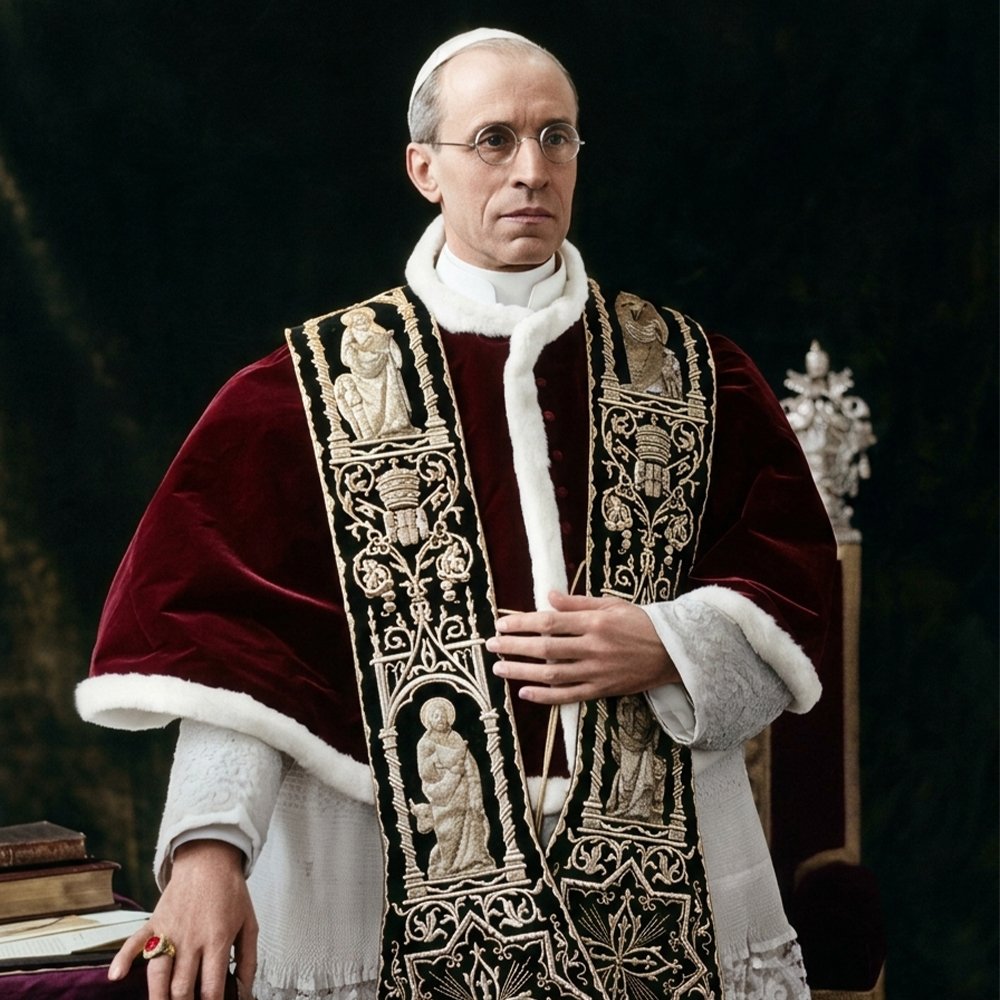
His doctrinal legacy is significant. He confirmed the condemnation of Jansenism, issued the formulary that required subscription, and condemned forty-five laxist propositions. He supported the Jesuits, readmitted them to Venice, and allowed the Chinese rites. He wrote on heliocentrism and the Immaculate Conception. He was a pope who engaged with the intellectual issues of his day.

His conversion of Queen Christina was a propaganda triumph. The daughter of Gustavus Adolphus, the great Protestant warrior, came to Rome, was confirmed by the pope, and became a fixture of Roman intellectual life. It was a moment of Catholic confidence in an age of political difficulty.

In the history of the papacy, Alexander VII occupies a middle place: not among the greatest popes, but far from the worst. He was a man of learning and piety, a patron of genius, a diplomat who failed, a reformer who compromised. He transformed Rome but could not transform the papacy. He gave the Church beauty but could not give it power.

Comparison with Innocent XII is instructive. Innocent XII abolished nepotism by law; Alexander VII promised to end it but reversed course. Innocent XII reformed the Curia; Alexander VII let his family run it. Innocent XII was austere; Alexander VII was a patron of luxury. Innocent XII built little but reformed much; Alexander VII built much but reformed little. Both loved the Church; they loved it in different ways.

Comparison with Clement IX, his successor, is also revealing. Clement IX, also a patron of arts, also a poet, also a man of learning. But Clement IX refused to enrich his family, heard confessions in St. Peter’s, and died of grief when Candia fell. Alexander VII enriched his family, preferred literature to business, and died in his bed. Two models of papacy—one amiable and anti-nepotist, one learned and nepotist—both contributed to the Church.

His tomb by Bernini captures him perfectly: in prayer, surrounded by art, commemorated by the genius he patronized. He kneels before eternity, offering to God the beauty he loved on earth. The truth he sought, the charity he practiced (however imperfectly), and the art he loved—these remain.

Epitaph (expanded):

“Here lies Fabio Chigi of Siena, Alexander VII, who promised to end nepotism and then embraced it; who was humiliated by France but honored by artists; who condemned Jansen but could not silence him; who welcomed a queen and built a colonnade. He gave Rome its shape and Bernini his greatest patron. His failures were of his age; his art transcends all ages. The mountains of his coat of arms still stand throughout Rome; the stars still shine above his tomb. Pray for him—the poet pope, the builder pope, the Chigi pope.”

Alexander VII: the pope who built the embrace of St. Peter’s, who welcomed a queen, who condemned Jansen, who failed with France, who enriched his family, and who left Rome more beautiful than he found it—a man of contradictions, a man of his time, a man whose art still speaks to eternity.

Clement IX

Clement IX (1667-1669)

BIOGRAPHICAL DATA

Birth name: Giulio Rospigliosi
Birth: January 28, 1600, Pistoia, Grand Duchy of Tuscany
Papal election: June 20, 1667
Coronation: June 26, 1667
Pontificate: June 20, 1667 – December 9, 1669 (2 years, 5 months, 19 days)
Death: December 9, 1669, Rome, Papal States (69 years old)
Burial: Basilica of Santa Maria Maggiore, Rome (pavement tomb; later monument erected by Clement X)
Religious order: Secular clergy (diocesan priest)
Papal motto: “Aliis non sibi Clemens” (“Clement to others, not to himself”) 
Cognome: “The Clementine Pope,” “The Poet Pope,” “The Amiable Pope,” “The Peacemaker,” “The Idol of the Romans” 

NOTE: His brief pontificate was marked by the temporary Peace of Clement IX (Pax Clementina) in the Jansenist controversy, his role as mediator in the War of Devolution leading to the Peace of Aachen, his patronage of the arts including collaboration with Bernini, and his profound personal charity which made him “the idol of the Romans” . He died of a broken heart upon learning of the fall of Candia to the Turks .

EARLY LIFE AND FORMATION

Aristocratic Origins – The Rospigliosi Family

The Rospigliosi of Pistoia:

  • Ancient noble family originally from Lombardy, later established in Pistoia, Tuscany 
  • The family derived its wealth from sheep-farming 
  • Giacomo Rospigliosi: father
  • Caterina Rospigliosi: mother
  • Giulio was born into the noble Rospigliosi family in Pistoia, part of the Grand Duchy of Tuscany 

Childhood in Pistoia (1600-1610s):

  • Born on January 28, 1600, in Pistoia 
  • Early education: humanistic, in the Tuscan tradition
  • Showed early talent for letters and arts

Formation Under the Jesuits

Seminario Romano (c. 1610s-1620):

  • Studied at the Roman Seminary, an institution of the Jesuits 
  • Studied liberal arts at Rome with the Jesuits 
  • Curriculum: humanities, rhetoric, philosophy
  • Brilliant student: distinguished himself in his studies

University of Pisa (1620-1623):

  • Transferred to the University of Pisa for higher studies
  • Pupil of the Jesuits 
  • Received doctorates in theology, philosophy, and both canon and civil law (in utroque iure) in 1623, at the age of twenty-three 
  • Theses: brilliant, orthodox, learned

Professor at Pisa (1623-1625):

  • After receiving his doctorate, taught theology as a professor from 1623 to 1625 
  • Beginning of a promising academic career

Entry into Curial Service

Patronage of the Barberini:

  • With the patronage of the Barberini family, who admired his artistic flair, and of Pope Urban VIII himself, he rose steadily in the Roman Curia from 1624 
  • Urban VIII (1623-1644): himself fond of literature and poetry, favored Rospigliosi 
  • Worked in the diplomatic corps

Referendary of the Apostolic Signatura (1632-1636): 

  • Judicial position in the curia
  • Initial administrative experience

Secretary of the Sacred Congregation of Rites (1632-1636): 

  • Responsibility: liturgical questions and canonizations
  • Close work with Church administration

Priestly Ordination:

  • Date not precisely recorded in sources
  • Probably occurred before his episcopal appointment

EPISCOPATE AND CARDINALATE (1644-1667)

Apostolic Nuncio to Spain (1644-1653)

Titular Archbishop of Tarsus (1644): 

  • Appointed Titular Archbishop of Tarsus in 1644
  • Episcopal consecration: March 29, 1644 
  • Consecrator: Antonio Marcello Barberini 
  • Location: Vatican

Nuncio to Spain (1644-1653): 

  • Most important diplomatic mission of his career
  • Served as papal ambassador to the Spanish court
  • Difficult context:
    • Spain under Philip IV, in decline
    • Complex relations between Holy See and Spanish crown
    • Questions of royal patronage and ecclesiastical jurisdiction
  • Left Madrid in January 1653 
  • Performance: competent, discreet, effective

Retirement During Innocent X’s Pontificate

Years of Retirement (1653-1655): 

  • Resigned from the post of nuncio in 1653
  • Lived in retirement throughout the pontificate of Pope Innocent X (1644-1655)
  • Innocent X disliked and distanced himself from those associated with his predecessor 
  • Also made vicar of Santa Maria Maggiore in Rome 

Cardinalate Under Alexander VII

Cardinal Secretary of State (1655-1667): 

  • Recalled to office by Pope Alexander VII
  • Appointed Cardinal Secretary of State in 1655, a position he held until 1667
  • In this capacity, despite the hostility to Alexander of the powerful minister Cardinal Mazarin (1602-1661) and Louis XIV, he managed to retain the esteem of the French court 

Created Cardinal (April 9, 1657): 

  • Elevated by Pope Alexander VII
  • Cardinal-Priest of San Sisto Vecchio
  • Age: 57 years old

Cardinal-Priest of San Sisto (1657-1667): 

  • Served in this capacity for ten years before his own election

Governor of Rome (1655): 

  • Made governor of Rome during the sede vacante after Innocent X’s death

Man of Letters

Accomplished Writer and Librettist:

  • Giulio Rospigliosi was an accomplished man of letters who wrote poetry, dramas, and libretti 
  • Before his election as Pope Clement, he wrote poetry but gained fame through his dramas with religious themes and several libretti 
  • Credited with creating comic opera as an individual form 
  • Wrote what may be the first comic opera: his 1637 libretto Chi soffre, speri (“He Who Suffers, Hopes”) 

Major Libretti: 

Title

Composer

Year

I Pastori di Betlemme

Giovanni Girolamo Kapsperger

1630

Il Sant’Alessio

Stefano Landi

1631-32, 1634

Erminia sul Giordano

Michele Angelo Rossi

1633

I Santi Didimo e Teodora

(composer unknown)

1635, 1636

Chi Soffre, Speri

Marco Marazzoli and Virgilio Mazzocchi

1637, 1639

La Sincerità Trionfante

Aurelio Aureli

1638, 1639

Il San Bonifazio

Virgilio Mazzocchi

1638, 1639

La Genoinda

Virgilio Mazzocchi

1641

Il Palazzo Incantato

Luigi Rossi

1642

Patron of Nicolas Poussin:

  • He was also a patron of the artist Nicolas Poussin, commissioning A Dance to the Music of Time from him and dictating its iconography 

CONCLAVE OF 1667 – ELECTION

Context: Death of Alexander VII

Death of Alexander VII (May 22, 1667):

  • Pontificate: 12 years (1655-1667)
  • College of Cardinals: approximately 70 electors
  • Need for pope capable of resolving tensions with France

Situation of the Church (1667):

  • France: Louis XIV at height of power, aggressive foreign policy
  • Spain: declining but still influential
  • Jansenism: ongoing controversy in France
  • Portugal: seeking independence from Spain, ecclesiastical reorganization needed
  • Turks: continuing threat to Venetian Crete

The Conclave

Dates: May 22 – June 20, 1667

Duration: Approximately one month

Political Alignments:

  • French faction: supporting candidates favorable to Louis XIV
  • Spanish faction: supporting candidates favorable to Charles II
  • Independent cardinals: seeking compromise candidate

Why Rospigliosi Won:

  1. French support: King Louis XIV of France instructed the French faction to turn their support to Rospigliosi 
  2. Spanish acceptability: Believed also that he would appease the Spanish faction of Charles II due to the fact that he had once been the Apostolic Nuncio to Spain 
  3. Curial experience: Fifteen years as nuncio and cardinal secretary of state
  4. Personal reputation: Known for learning, charity, and diplomatic skill
  5. Moderate temperament: Seen as capable of healing rift between Paris and Rome 

Election (June 20, 1667): 

  • Elected on the twentieth day of the conclave
  • Received all but two votes (voted for another; Cardinal Neri Corsini voted for Cardinal Flavio Chigi) 
  • Chose name: Clement IX
  • Indicative of a policy of appeasement 

Comment on Election:

When asked about Rospigliosi becoming pope, Cardinal Francesco Albizzi said: “Urban turned the Holy See into a bank; Innocent into a brothel; Alexander into a tavern; this one will make a playhouse of it.” Albizzi also alluded to Rospigliosi’s passion for music and said, “He will emasculate the Sacred College by giving the hat to all the castrated singers in Europe!” 

Coronation (June 26, 1667): 

  • Crowned by the protodeacon, Cardinal Rinaldo d’Este
  • Age at coronation: 67 years old

Possession of St. John Lateran (July 3, 1667): 

  • Traditional ceremony taking possession of the cathedral of Rome

PONTIFICATE (1667-1669) – THE AMIABLE POPE

Character and Governing Style

Personal Piety and Charity:

  • “He was the idol of the Romans, not so much for his erudition and application to business, as for his extreme charity and his affability towards great and small” 
  • Two days each week he occupied a confessional in St. Peter’s Basilica and heard anyone who wished to confess to him 
  • He frequently visited the hospitals 
  • He was lavish in his alms to the poor 

Anti-Nepotism:

  • In an age of nepotism, he did little or nothing to advance or enrich his family 
  • He almost wholly broke with the traditional nepotism, and assigned his relatives only modest and moderately profitable offices 
  • In his aversion to notoriety, he refused to permit his name to be placed on the buildings erected during his reign 

Economic Reforms:

  • He increased the goodwill of his subjects by buying off the monopolist who had secured the macinato, or privilege of selling grain 
  • As his predecessor had collected the money for the purpose, Clement IX had the decree published in the name of Alexander VII 
  • By strict economy he brought the papal finances into good order 

Work Habits:

  • Applied himself diligently to business
  • But remembered more for charity than administration

The Clementine Peace (Pax Clementina)

Background – Jansenist Controversy:

  • Jansenism: theological movement emphasizing grace, predestination, limited redemption
  • Cornelius Jansen’s Augustinus (1640) condemned by Urban VIII, Innocent X, Alexander VII
  • Formulary controversy: requirement that clergy sign condemnation of five propositions from Jansen
  • A minority of Jansenists, including four bishops and the nuns of Port-Royal, still refused subscription 

Negotiations:

  • Clement’s policy of appeasement materialized in an agreement called the Peace of Clement IX (January 1669) 
  • Through discussions between French Foreign Minister Hugues de Lionne and the papal nuncio, Clement was prevailed upon to accept (January 19, 1669) the recalcitrant bishops’ subscription 
  • This occurred despite it being hedged around with qualifications to which he had to turn a blind eye 
  • It was in fact a victory for Louis XIV, who considered the Jansenists a threat to the unity of his kingdom 

Outcome:

  • Procured a lull in the storm, which, unfortunately, owing to the insincerity of the sectaries, was but temporary 
  • It suspended persecution of the Jansenists 
  • The Peace lasted from 1669 to 1679 
  • “It soon became apparent at Rome that the ‘Peace’ was being interpreted as a sign of the church’s weakness in the face of French pressure” 

Assessment:

  • By a mild compromise, he procured temporary peace 
  • Demonstrated his commitment to reconciliation
  • But unresolved issues would resurface

Mediation in European Wars

War of Devolution (1667-1668):

  • Louis XIV invaded Spanish Netherlands, claiming they had “devolved” to his wife (Maria Theresa of Spain) through a local inheritance law
  • France vs. Spain
  • England, Dutch Republic, and Sweden formed Triple Alliance to check French expansion

Peace of Aachen (May 2, 1668): 

  • Clement IX brought about, as arbiter, the Peace of Aix-la-Chapelle between France and Spain 
  • He gravely admonished Louis XIV against the aggressive career upon which he was setting forth 
  • However, he was no match diplomatically for Hugues de Lionne, Mazarin’s brilliant successor as French foreign minister 
  • The peace left in France’s hands the fortified towns in Flanders it wanted 
  • While it flattered him to play a role in the negotiations, the diplomatic advantage was with France 

Admonition to Louis XIV:

  • Clement gravely admonished Louis XIV against the aggressive career upon which he was setting forth 
  • Though unable to stop French expansion, he registered papal concern

Reorganization of the Church in Portugal

Context:

  • Portugal had achieved independence from Spain (1640, recognized 1668)
  • Ecclesiastical situation confused during decades of war
  • Numerous vacant sees needed filling

Clement’s Action:

  • He reorganized the Church in Portugal, after that nation had achieved its independence from Spain 
  • When Spain recognized (February 1668) the independence of Portugal, he felt able to settle the confused ecclesiastical situation in that country by at last filling the numerous vacant sees 

Relations with France

Removal of Humiliating Inscription:

  • A humiliating inscription admitting the guilt of the papal soldiers which Louis XIV had forced Alexander VII to set up in Rome was removed 
  • But Clement in return had to allow the French crown a free hand in church appointments 
  • Demonstrated the continuing pressure of Gallicanism on the papacy

Defense of Crete Against the Turks

The Siege of Candia:

  • Venetian fortress of Candia (modern Heraklion) on the island of Crete
  • Had been under siege by the Ottoman Turks for twenty years (1648-1669)
  • Last major Christian outpost in the eastern Mediterranean

Clement’s Efforts:

  • He was able to furnish material aid to Venice for the defence of Crete, then besieged by the Turks 
  • He attempted to strengthen Venetian defenses against the Turks on the island of Crete 
  • However, he was unable to get wider support for this cause 
  • Had the European powers listened to his exhortations, that important island would not have been lost to Christendom 
  • Louis XIV refused Clement’s plea for aid to Crete 

The Fall:

  • The Cretan seaport city of Candia, after a siege of 20 years, fell on September 5, 1669 
  • Followed by the submission of the island to the Turks

Canonizations and Beatifications

Beatification (April 15, 1668): 

  • St. Rose of Lima (1586-1617): Peruvian Dominican tertiary
  • First saint of the Americas
  • “On 15 April, 1668, he declared blessed, Rose of Lima, the first American saint” 

Canonizations (April 28, 1669): 

  • St. Mary Magdalene de’ Pazzi (1566-1607): Carmelite mystic, Florentine saint
  • St. Peter of Alcántara (1499-1562): Franciscan reformer, Spanish mystic
  • “On 28 April, 1669, he solemnly canonized S. Maria Maddalena dei Pazzi and St. Peter of Alcantara” 

Confirmation of Cultus (October 9, 1669): 

  • Blessed Margaret of Savoy (1390-1464): Marchioness of Montferrat, Dominican tertiary

Creation of Cardinals

Three Consistories: 

  • Elevated 12 new cardinals in three consistories
  • This included Emilio Bonaventura Altieri, who would succeed him as Pope Clement X 
  • On November 29, just ten days before he died, he named seven new cardinals and announced one whom he had reserved “in pectore” 

PATRONAGE OF THE ARTS

Collaboration with Gian Lorenzo Bernini

Lifelong Collaboration:

  • Clement IX was a committed patron of the arts during his short term as pope 
  • He embellished the city of Rome through his engagement with the celebrated artist Gian Lorenzo Bernini, with whom he had collaborated before ascending to the papacy 
  • Bernini created stage designs for performances of operas and plays written by the young Rospigliosi 

Major Commissions:

  1. Angels of Ponte Sant’Angelo: 
    • Bernini designed the angels for the bridge leading to Castel Sant’Angelo
    • One of Rome’s most famous artistic landmarks
  2. Colonnade of St. Peter’s Basilica: 
    • Bernini continued work on the great piazza
    • The colonnade embracing the faithful was completed during Clement’s reign
  3. Santa Maria Maggiore Expansions:
    • A papal medal by Girolamo Lucenti, created in 1669, commemorated Clement’s expansion of the basilica of Santa Maria Maggiore, which the pontiff also entrusted to Bernini 

Modesty in Patronage:

  • Somewhat unusually for popes of the era, Clement IX did not have his name displayed on monuments he built 
  • Consistent with his aversion to notoriety 

Opera and Theater

Carnival Celebrations (1668):

  • For the Carnival celebrations of 1668, commissioned Antonio Maria Abbatini of the Sistine Chapel Choir to set to music his free Italian translation of a Spanish religious drama La Baltasara 
  • The production had sets designed by Bernini 

First Public Opera House:

  • He opened the first public opera house in Rome 
  • Despite Cardinal Albizzi’s prediction, he did not make the College of Cardinals a “playhouse”

Portrait Medals

Medallic Art:

  • A portrait medallion of Clement IX, attributed to Girolamo Lucenti (c. 1627-1698), survives in the Harvard Art Museums 
  • Gilt bronze in high relief, 30.8 cm diameter
  • Depicts the pope in profile: high forehead, slightly hooked nose, curly hair extending to collar, mustache, medium-length beard
  • The image bears a strong resemblance to a papal medal by Lucenti created in 1669 to commemorate Clement’s expansion of Santa Maria Maggiore 

LAST YEARS AND DEATH

Illness and Anxiety

Health Decline (Autumn 1669):

  • Clement IX was seriously ill throughout the autumn in 1669 with a hernia and kidney stones 
  • Despite his illness and his anxiety over the Turkish advances in Crete, he travelled on a pilgrimage to the seven Roman basilicas 
  • That night, he had a severe apoplexy (stroke) 

The News from Crete:

  • At the end of October 1669, Clement IX fell ill after receiving news that the Venetian fortress of Candia in Crete had surrendered to the Turks 
  • The news of its fall, after a gallant resistance of twenty years, hastened the pope’s death 
  • He died, allegedly of a broken heart 

Final Acts (November 29, 1669):

  • Just ten days before he died, he named seven new cardinals and announced one whom he had reserved “in pectore” 
  • The dying pope intended to create a “faction” for his nephew with which to use in the next conclave to defend his policies 

Death

December 9, 1669: 

  • Died at age 69
  • Location: Rome, Papal States
  • Cause: complications from hernia, kidney stones, stroke, possibly brought on by grief over the fall of Candia 
  • Clement IX died mourning the Christians slain at Candia 

Last Words:

  • Not recorded precisely
  • Likely prayers, commendation of soul

Posthumous Allegation:

  • Following his death, the Florentine agent in Rome, writing to Grand Duke Ferdinando II de’ Medici a few days later, accused the late Clement IX of having hidden the fact that he was epileptic, which would have, according to the canon law in place at the time, disqualified him from exercising any ecclesiastical functions 
  • However, this has never been proven 

Reaction to Death

Rome’s Mourning:

  • “The death of the beloved pontiff was long lamented by the Romans, who considered him, if not the greatest, at least the most amiable of the popes” 
  • He was universally mourned for his charity, affability, and personal holiness

Successor:

  • Conclave: December 1669 – April 1670
  • Elected: Pope Clement X (Emilio Bonaventura Altieri)
  • Altieri had been created cardinal by Clement IX

Burial and Monument

Clement’s Wishes:

  • He ordered his remains to be buried under the pavement of Santa Maria Maggiore 
  • With the simple inscription: Clementis IX, Cineres (“The ashes of Clement IX”) 
  • Consistent with his humility and aversion to self-promotion

Monument by Clement X:

  • His successor, Clement X, erected in his honour the sumptuous monument which stands at the right-hand side of the nave, near the door of Santa Maria Maggiore 
  • Ironically, the humble pope who refused to put his name on buildings received one of Rome’s more elaborate papal tombs

LEGACY AND HISTORICAL EVALUATION

Major Achievements

  1. The Clementine Peace (Pax Clementina – 1669):
  • Temporary resolution of Jansenist controversy
  • Suspended persecution for a decade
  • Demonstrated papal commitment to reconciliation
  1. Mediation of Peace of Aachen (1668):
  • Ended War of Devolution between France and Spain
  • Enhanced papal diplomatic prestige
  • Demonstrated continuing relevance of papacy in European affairs
  1. Support for Venice Against Turks:
  • Furnished material aid for defense of Crete
  • Called for European coalition that never materialized
  • Died of grief at Christian defeat
  1. Canonizations and Beatifications:
  • Rose of Lima (first American saint)
  • Mary Magdalene de’ Pazzi
  • Peter of Alcántara
  • Strengthened Counter-Reformation sanctity
  1. Patronage of Arts:
  • Collaboration with Bernini on Sant’Angelo angels and St. Peter’s colonnade
  • Opera librettist, patron of music
  • Opened first public opera house in Rome
  1. Anti-Nepotism:
  • Refused to enrich family
  • Assigned relatives only modest offices
  • Anticipated reforms of Innocent XII
  1. Financial Reform:
  • Brought papal finances into good order
  • Bought out grain monopoly for people of Rome
  • Strict economy without stinginess
  1. Reorganization of Portuguese Church:
  • Filled vacant sees after Portuguese independence
  • Regularized ecclesiastical situation

Personal Qualities

Virtues:

  • Charity: lavish alms to poor, frequent hospital visits
  • Humility: heard confessions in St. Peter’s weekly
  • Affability: approachable by great and small
  • Piety: daily Mass, devotion to sacraments
  • Anti-nepotism: rare for era
  • Aversion to notoriety: refused to put name on buildings

Talents:

  • Literary: poet, dramatist, librettist, creator of comic opera
  • Diplomatic: nuncio to Spain, cardinal secretary of state
  • Patron: discerning supporter of Bernini, Poussin
  • Administrator: reformed finances, governed effectively

Limitations:

  • Short pontificate: only 2.5 years
  • Diplomatically outmatched: by de Lionne at Aachen
  • Jansenist peace temporary: unresolved issues returned
  • Unable to save Crete: European powers refused aid
  • Physical health: plagued by hernia, kidney stones

Historical Assessment

Contemporary Views:

  • Catholic Encyclopedia (1908): “the idol of the Romans,” “if not the greatest, at least the most amiable of the popes” 
  • Remembered for charity more than politics
  • Universally mourned at death

Modern Scholarship:

  • Oxford Reference: notes his anti-nepotism, diplomatic limitations, role in Jansenist peace 
  • Britannica: emphasizes mediation, Jansenist peace, support for Venice, grief at Candia’s fall 
  • Wikipedia: comprehensive treatment of artistic patronage, libretti, papal actions 

Comparison with Contemporaries:

Clement IX (1667-69)

Alexander VII (1655-67)

Clement X (1670-76)

2.5-year pontificate

12-year pontificate

6-year pontificate

Anti-nepotist

Moderate nepotism

Altieri nepotism

Pax Clementina

Jansenist conflicts

Continued policies

Patron of Bernini

Patron of Bernini

Patron of arts

Died of grief

Political challenges

Longer reign

Comparison with Reformers:

Clement IX (1667-69)

Innocent XII (1691-1700)

Clement XI (1700-21)

Anti-nepotist

Abolished nepotism

Anti-nepotist

Temporary Jansenist peace

Romanum Decet Pontificem

Unigenitus (1713)

Died of grief

Died aged 85

20-year pontificate

Amiable

Austere

Scholar

The “Poet Pope”

Literary Legacy:

  • Giulio Rospigliosi was the last pope to make significant contributions to literature before his election
  • His libretti were performed throughout the 17th century
  • Credited with creating comic opera as an individual form 
  • Chi soffre, speri (1637) is considered the first comic opera 

Significance:

  • Unique among popes for direct artistic creation
  • Combined pastoral care with cultural patronage
  • Model of Renaissance ideal of the artist-cleric

Epitaph

Clement’s Request:

  • “Clementis IX, Cineres” (“The ashes of Clement IX”)

Implied Epitaph:

“Here lie the ashes of Clement IX, who asked for no monument but the memory of his charity. He heard confessions in St. Peter’s, fed the poor of Rome, and died of grief when Candia fell. He enriched the Church with saints and the city with beauty, but refused to enrich his own family. The amiable pope, the poet pope, the pope of broken heart—may he rest in the peace he sought for others.”

Actual Monument (by Clement X):

  • Sumptuous tomb in Santa Maria Maggiore
  • Right-hand side of nave, near door
  • Ironically magnificent for pope who sought simplicity

The Fall of Candia and Clement’s Death

Symbolic Significance:

  • Clement died of grief at Christian defeat
  • His last days consumed by anxiety for Crete
  • The news hastened his death 
  • A fitting end for a pope who cared deeply for Christendom

Historical Irony:

  • Had European powers listened to his exhortations, Crete might not have been lost 
  • Louis XIV’s refusal of aid contributed to defeat 
  • Clement’s death symbolized the end of an era of papal leadership in crusading

The Amiable Pope

Why Romans Loved Him:

  • Extreme charity
  • Affability towards great and small
  • Weekly confessions in St. Peter’s
  • Visits to hospitals
  • Buying off the grain monopolist
  • Refusal to put name on buildings
  • Anti-nepotism

Judgment:

  • “The idol of the Romans” 
  • “If not the greatest, at least the most amiable of the popes” 
  • Unanimously mourned

Final Judgment

Pope Clement IX, Giulio Rospigliosi, reigned for only two and a half years—one of the shorter pontificates of the 17th century. Yet in that brief time, he left an indelible mark on the Church, on Rome, and on the hearts of the Roman people. He stands as the amiable pope, a man whose charity, humility, and kindness made him beloved in an age of absolutism and ambition.

His greatest political achievement was the Peace of Aachen, mediating between France and Spain and ending the War of Devolution. Though diplomatically outmatched by the brilliant de Lionne, he at least brought the parties to the table and secured a temporary peace. He also reorganized the Church in Portugal after its independence from Spain, filling vacant sees and regularizing ecclesiastical life.

His most complex legacy is the Clementine Peace regarding Jansenism. By accepting a compromise that turned a blind eye to qualifications in the bishops’ subscription, he procured a temporary lull in the storm. It was a victory for Louis XIV and French policy, and it would soon become apparent that the peace was being interpreted as a sign of the Church’s weakness in the face of French pressure. Yet for a decade, the controversy subsided—a breathing space that might have led to permanent reconciliation had the parties been more sincere.

His greatest sorrow was the fall of Candia. He furnished material aid to Venice, called on European powers to help, and watched as they refused. Louis XIV, the Most Christian King, would not lift a finger to save the last Christian outpost in the eastern Mediterranean. When Candia fell, Clement’s health, already fragile, collapsed. He died of a broken heart—a martyr to the cause of Christendom.

His most enduring legacy may be his personal example. In an age of nepotism, he did little or nothing to advance his family. In an age of self-promotion, he refused to put his name on buildings. In an age of distance between pope and people, he heard confessions in St. Peter’s twice a week, visited hospitals, and was lavish in alms to the poor. He was the idol of the Romans not for his learning or his business acumen, but for his charity and his affability.

His artistic legacy is significant. He collaborated with Bernini on the angels of Ponte Sant’Angelo and the colonnade of St. Peter’s. He opened the first public opera house in Rome. He wrote libretti that are credited with creating comic opera as an individual form. He was a patron of Poussin. He was the last pope to be a significant creative artist in his own right.

His canonizations gave the Church Rose of Lima (the first American saint), Mary Magdalene de’ Pazzi, and Peter of Alcántara—a Peruvian, an Italian, and a Spaniard, reflecting the universality of the Church he served.

His simplicity was remarkable. He ordered his remains buried under the pavement of Santa Maria Maggiore with only the simple inscription “Ashes of Clement IX.” His successor gave him a magnificent monument instead—the irony of a humble pope receiving posthumous grandeur.

In the history of the papacy, Clement IX occupies a unique place: not among the great popes who changed the course of history, but among the beloved popes who changed hearts. He proved that a pope could be both holy and amiable, both principled and kind, both a diplomat and a pastor. He died mourned by all, and his memory remained long in Rome.

Comparison with Innocent XII is instructive. Innocent XII abolished nepotism by law; Clement IX practiced anti-nepotism by inclination. Innocent XII reformed the Curia; Clement IX reformed hearts. Innocent XII was austere; Clement IX was amiable. Both, in their different ways, prepared the Church for the reforms of the 18th century.

Comparison with Clement XI is also revealing. Clement XI reigned 20 years, faced the Chinese Rites controversy, issued Unigenitus, and died in political defeat. Clement IX reigned 2.5 years, faced Jansenism and Turkish invasion, and died of grief. Both were learned, both were pious, but Clement IX was beloved in a way few popes have been.

The story of his death is perhaps the most revealing. When Candia fell, he fell. His heart was so invested in the cause of Christendom, in the defense of the faith, in the suffering of Christians under Turkish rule, that their defeat was his death. It was a death worthy of a pastor—dying for his sheep, even sheep he had never seen.

His epitaph might be: “He loved the poor, heard confessions, enriched the Church with saints and the city with beauty, and died of grief when Christendom was wounded. The amiable pope, the poet pope, the pope of broken heart.”

Giulio Rospigliosi of Pistoia was a man of many gifts: scholar, poet, librettist, diplomat, cardinal, pope. But above all, he was a man of heart—a heart open to God in prayer, to the poor in charity, to the sick in compassion, to the whole Church in pastoral care, and finally to the suffering of Christians far away in Crete. That heart broke on December 9, 1669, and Rome mourned.

Clement IX: the pope who proved that holiness and amiability are not opposites, that charity is the greatest art, and that a broken heart can be the most eloquent witness to love.

Clement X

Pope Clement X (1670-1676)

BIOGRAPHICAL DATA

Birth name: Emilio Bonaventura Altieri
Birth: July 13, 1590, Rome, Papal States (Italy)
Papal election: April 29, 1670
Coronation: May 11, 1670
Pontificate: April 29, 1670 – July 22, 1676 (6 years, 2 months, 23 days)
Death: July 22, 1676, Rome (85 years old)
Burial: St. Peter’s Basilica, Vatican City
Religious order: Secular clergy (did not belong to a religious order)
Papal motto: None officially recorded
Cognomen: “The Aged Pope”, “Pope Altieri”, “The Weak Pope”

NOTE: Elected at 79 years old – one of the oldest popes ever elected. Dominated by cardinal-nephew Paluzzo Altieri, revived nepotism, but supported war against Ottoman Turks!

FORMATION AND RELIGIOUS LIFE

Aristocratic Origins – Altieri Family

Altieri Family:

  • Ancient noble Roman family (claimed descent from medieval Roman aristocracy)
  • Lorenzo Altieri: father, patrician, moderate wealth
  • Vittoria Delfini: mother, from another Roman noble family
  • Family: respectable but not among the wealthiest Roman dynasties
    • Palazzo Altieri: in Rome (near Gesù church, still exists)
    • Properties: some estates in Lazio
    • Status: upper nobility but not princely
  • Emilio Bonaventura: third son (elder brothers inherited properties)

Childhood and youth (1590-1608):

  • Rome: eternal city, center of Catholic world
  • Education: typical for Roman aristocrat
    • Private tutors: Latin, rhetoric, humanities
    • Religious instruction: deep (Rome = papal capital)
  • Emilio: intelligent, pious, studious child
  • Health: generally robust (would live 85 years!)
  • Family piety: genuine (not just social convention)
  • Vocation: clear from youth (ecclesiastical career intended)

Academic Formation

Roman College (Collegio Romano, 1608-1612):

  • Jesuit institution (most prestigious in Rome)
  • Curriculum: philosophy, rhetoric, scholastic theology
  • Student: diligent, pious (not brilliant like Lambertini, but solid)
  • Jesuit formation: shaped his spirituality (disciplined, methodical)

Sapienza University, Rome (1612-1616):

  • Canon Law and Civil Law
  • In utroque iure (doctorate in both laws)
  • Studies: focused on ecclesiastical jurisprudence
  • Doctorate: 1616 (26 years old)
  • Specialization: benefices, Church-State relations, papal administration

Priestly Ordination: 1624 (34 years old)

  • Relatively late ordination (studied law extensively first)
  • Preparation: thorough (spiritual exercises, retreats)
  • Ministry: initially focused on Curial service (not parish pastoral work)

Early Ecclesiastical Career (1624-1644)

Referendary of the Apostolic Signatura (1624-1627):

  • Supreme judicial tribunal of Church
  • Role: legal assessor, prepared cases
  • Demonstrated: juridical competence, attention to detail

Governor of Orvieto (1627-1632):

  • First significant administrative position
  • Orvieto: important city in Papal States (Umbria)
  • Government:
    • Competent administration (no major scandals)
    • Justice: fair, by-the-book
    • Relations with local nobility: correct
  • Reputation: reliable, honest, unspectacular

Governor of Camerino (1632-1635):

  • Another city in Papal States (Marche)
  • Similar performance: competent, honest, moderate
  • No innovations, no disasters (steady hand)

Auditor of the Rota (1635-1644):

  • Return to Rome
  • Rota Romana: supreme ecclesiastical court
  • Judge of canonical cases (complex jurisprudence)
  • Performance:
    • Solid jurist (not brilliant, but reliable)
    • Decisions: orthodox, careful
    • Respected by colleagues
  • Characteristics:
    • Methodical, thorough
    • Conservative (followed precedents)
    • Honest (incorruptible in era of corruption)

Personal life (1624-1644):

  • Lived modestly (by Roman aristocratic standards)
  • Palazzo Altieri: maintained, but without excessive luxury
  • Piety: sincere (daily Mass, prayer, devotions)
  • Charity: moderate (supported some poor, but not heroically like Odescalchi)
  • No scandals: moral life irreproachable
  • Health: good (no major illnesses)

NUNCIATURE AND CARDINALATE (1644-1670)

Diplomatic Career

Nuncio to Naples (1644-1654):

  • Crucial appointment (age 54)
  • Kingdom of Naples: Spanish dominion, large, important
    • Largest city in Italy (300,000+ inhabitants)
    • Spanish Viceroy: powerful, often hostile to papal rights
    • Church: wealthy but contested (royal control vs. papal authority)

Challenges faced:

  1. Jurisdictional conflicts:
  • Spanish crown: claimed rights over Church appointments, taxation, justice
  • Papal authority: contested constantly
  • Altieri: mediator
    • Negotiated compromises (pragmatic, not confrontational)
    • Defended essential papal rights
    • But: avoided ruptures (Spain too powerful)
  1. Masaniello Revolt (1647):
  • Popular uprising against Spanish taxation
  • Masaniello: fisherman leader, revolt exploded
  • Naples: chaos for months (Spanish viceroy fled!)
  • Altieri’s role:
    • Remained in city (danger!)
    • Mediated between rebels and authorities
    • Protected Church properties
    • Helped restore order (eventually)
  • Reputation: courageous, prudent
  1. Ecclesiastical administration:
  • Bishops: many absentee, corrupt
  • Altieri: pushed for reforms (moderate pressure)
  • Clergy: indisciplined
  • Some improvements achieved (limited)

Assessment of Naples mission:

  • Competent: handled difficult situation
  • Pragmatic: compromised when necessary
  • Not heroic: didn’t achieve dramatic reforms
  • Reliable: Rome trusted him

Nuncio to Poland (1654-1655):

  • Brief mission (1 year only)
  • Context:
    • Poland: vast kingdom, Catholic but politically chaotic
    • King John II Casimir: weak, facing rebellions
    • Sweden: invaded (1655 – “Deluge”)
  • Altieri’s mission:
    • Diplomatic support for Polish king
    • Coordination with papal policy
    • Cut short: Swedish invasion made position untenable
  • Returned to Rome (1655)

Cardinal (1660-1670)

Created Cardinal by Clement IX (November 29, 1660):

  • 70 years old (elderly for elevation, but not unprecedented)
  • Cardinal-Priest of San Lorenzo in Damaso
  • Reasons for promotion:
    • Long service (40+ years)
    • Competence demonstrated (Naples especially)
    • Family Altieri: pressure (modest but present)
    • No major enemies (universally respected, if not admired)

Activity in College of Cardinals (1660-1670):

Congregations:

  • Holy Office (Inquisition)
  • Bishops and Regulars
  • Council (interpretation of Trent)
  • Ceremonial
  • Good Government (Papal States administration)

Participation in Conclaves:

  • 1667: Election of Clement IX
    • Altieri: not candidate (too old, 77)
    • Voted moderately (no strong factional alignment)

Position in Curial politics:

  • Moderate: not zealot, not excessively accommodating
  • Pro-Spanish (mildly): natural from Naples experience
  • Respected: decades of service earned universal esteem
  • Not ambitious: genuinely content as cardinal
  • Old age: increasingly frail (70s advancing)

Personal characteristics (1660-1670):

  • Age: 70-79 years (elderly even by cardinal standards)
  • Health: declining gradually
    • Gout: painful episodes
    • Hearing: diminishing
    • Vision: weakening
    • Mobility: reduced (walked with difficulty)
  • Mind: still sharp (lucid, memory good)
  • Lifestyle:
    • Palazzo Altieri: lived quietly
    • Avoided social functions (fatigue)
    • Daily Mass, prayer (piety maintained)
    • Few close friends (reserved temperament)

CONCLAVE OF 1670 – ELECTION

Pre-Conclave Context

Death of Clement IX (December 9, 1669):

  • Short pontificate (2.5 years, 1667-1669)
  • Clement IX: good pope (charitable, pious)
  • But: left unresolved issues (war with Turks, conflicts with Louis XIV, nepotism)

Situation of Church/Europe (1670):

Ottoman Turks:

  • Expanding aggressively (Crete campaign ongoing – Venice fighting)
  • Threat to Christendom (Hungary already largely conquered)
  • Needed: pope who’d support anti-Turkish efforts

France – Louis XIV:

  • “Sun King” at height of power
  • Gallicanism: asserting control over French Church
  • Wanted: accommodating pope

Spain:

  • Declining power (but still major Catholic state)
  • King Charles II: weak, sickly (reign 1665-1700)
  • Wanted: pro-Spanish pope

Papal States:

  • Financial problems (chronic debt)
  • Administration: needed reform
  • Nepotism: still prevalent (Clement IX moderate, but didn’t abolish)

The Conclave – Four Months!

Start: December 20, 1669
Duration: 131 days! (one of the longest of 17th century)

Factions:

  1. “Squadrone Volante” (Flying Squadron):
  • Reform-minded cardinals
  • Anti-nepotism (moderate)
  • Wanted: capable, not too old pope
  • Did NOT favor Altieri initially (too old!)
  1. French faction:
  • Pro-Louis XIV
  • Wanted: accommodating pope
  • Candidates: cardinals friendly to France
  1. Spanish faction:
  • Pro-Spanish interests
  • Opposed French candidates
  • Eventually supported Altieri (crucial!)
  1. Zelanti (“Zealous”):
  • Pro-papal independence
  • Anti-French (opposed Louis XIV’s absolutism)
  • Various candidates

Initial candidates:

  • Cardinal Brancaccio: favorite of reformers (but vetoed by Spain!)
  • Cardinal Azzolino: brilliant (but too pro-French for zelanti, too independent for France – paradox!)
  • Cardinal Rospigliosi (nephew of Clement IX): nepotistic choice (rejected)
  • Cardinal Odescalchi: reform favorite (but vetoed by France! – too austere, independent)
    • This veto would be overridden in 1676, when Odescalchi finally became Innocent XI

Deadlock (December 1669 – April 1670):

  • No candidate: achieved 2/3 majority
  • Vetoes: blocked strong candidates
  • Factions: immovable
  • Heat: Roman spring arriving (uncomfortable in Vatican)
  • Cardinals: exhausted, frustrated, some dying during conclave!

Why Altieri emerged:

“Compromise of exhaustion”:

Arguments for Altieri:

  1. Age (79 years old!):
  • “Transitional pope” logic:
    • Won’t live long (natural assumption)
    • Factions: could wait for better candidate next time
    • Temporary solution to deadlock
  • “Safe choice”: wouldn’t make dramatic changes
  1. Universal acceptability:
  • No powerful enemies: decades of moderate service
  • Not factional: not identified strongly with any party
  • Spanish support: Naples experience (Spain liked him)
  • French acceptance: not hostile to Louis XIV
  • Reformers tolerant: not ideal, but acceptable temporarily
  1. Experience:
  • 50+ years Church service
  • Administrative competence proven
  • Diplomatic experience (Naples, Poland)
  1. Piety:
  • Personal life: irreproachable
  • Respected for integrity
  1. Health (paradoxically):
  • Obviously declining: wouldn’t pontificate long (thought cardinals)
  • Factions: preferred short interim to continued deadlock

The irony:

  • Cardinals: elected old man expecting short pontificate
  • Altieri: lived 6+ years as pope! (surprised everyone)

Election: April 29, 1670

  • Voting: finally achieved 2/3 majority
  • Altieri: SHOCKED (genuinely not expecting)
  • Initial response: “I am too old, too weak!”
  • Cardinals: insisted (no alternative, exhausted)
  • Acceptance: reluctant
    • “If this is God’s will, I submit”
    • “But I fear I am unequal to this burden”

Chose name: Clement X

  • Homage to Clement IX (immediate predecessor, friend)
  • Number X: continuity

Coronation: May 11, 1670

  • St. Peter’s Basilica
  • Ceremony: abbreviated (Altieri too weak for full ritual!)
  • Had to be carried part of way (couldn’t walk entire ceremony)
  • Symbolic: weak pope physically from day one
  • Rome: concerned (elderly, frail pope)

PONTIFICATE (1670-1676) – WEAKNESS AND NEPOTISM

Physical Incapacity from Beginning

Health conditions:

  • Age: 79-85 (during pontificate)
  • Gout: severe, frequent attacks (couldn’t walk during episodes)
  • Hearing: significantly impaired (had to shout at him)
  • Vision: deteriorating (cataracts developing)
  • Stamina: minimal (exhausted easily)
  • Memory: still good (mental faculties preserved)

Impact on government:

  • Could NOT govern directly (physically impossible)
  • Audiences: brief, infrequent
  • Ceremonies: abbreviated or delegated
  • Reading documents: difficult (vision problems)
  • Dependence on advisors: TOTAL (couldn’t supervise personally)

Daily routine (limited):

  • 8am: Rise (late for popes – couldn’t manage early)
  • 9am: Mass (attended, rarely celebrated personally)
  • 10am-12pm: Audiences (very few, very short)
  • 12pm: Lunch, rest (needed extended breaks)
  • 2pm-4pm: Documents read to him (couldn’t read much himself)
  • 4pm-6pm: Rest, prayer
  • 6pm: Vespers
  • 7pm: Dinner, retire early

Result:

  • Actual government: fell to others
  • Clement X: figurehead (not by choice – incapacity)
  • Cardinal-nephew: filled power vacuum (inevitably)

NEPOTISM – CARDINAL PALUZZO PALUZZI ALTIERI

The Altieri Family Problem:

  • Clement X: no direct nephews!
    • Elderly, his generation dying
    • Brothers: deceased
    • Nephews: already dead or unqualified
  • Solution: adopted grand-nephew!

Paluzzo Paluzzi degli Albertoni:

  • Original family: Paluzzi Albertoni (not Altieri!)
  • Connection: distant relative through marriage
  • Age: ~40 years old (1670)
  • Clement X’s action:
    • ADOPTED him legally!
    • Changed name to: Paluzzo Paluzzi Altieri
    • Made him Cardinal-Nephew (July 1670, 2 months after election!)
    • Created Cardinal: September 1670

Character of Paluzzo:

  • Ambitious, capable administrator
  • Intelligent, energetic
  • Greedy: determined to enrich family
  • Ruthless: eliminated rivals, controlled access to pope
  • But: not as corrupt as worst nepotes (Coscia under Benedict XIII)
    • Competent administrator
    • Didn’t collapse government
    • Just enriched family massively

How Paluzzo Dominated Pontificate

Control mechanisms:

  1. Access to pope:
  • Gatekeeper: Paluzzo controlled who saw Clement X
  • Appointments: required Paluzzo’s approval
  • Documents: filtered through Paluzzo (pope couldn’t read easily)
  • Decisions: Paluzzo “advised” (= directed)
  1. Official positions:
  • Cardinal-Nephew: traditional power (Secretary of State equivalent)
  • Multiple Curial appointments
  • Governor of key territories
  1. Pope’s incapacity:
  • Clement X: couldn’t supervise (too weak)
  • Relied totally on Paluzzo (trust + necessity)
  • Relationship: genuine affection (adopted nephew)
    • Clement X: loved Paluzzo (family feeling)
    • Blind to corruption (or couldn’t stop it)

Nepotistic Enrichment

How Altieri family enriched:

  1. Palazzo Altieri:
  • Massively expanded (still stands in Rome – magnificent!)
  • Papal funds: diverted to construction
  • Art collection: accumulated
  • Became one of grandest palaces in Rome
  1. Properties:
  • Estates: purchased throughout Papal States
  • Duchy of Soriano: acquired (made Paluzzo duke!)
  • Income: enormous from properties
  1. Benefices and offices:
  • Curial positions: sold or granted to Altieri allies
  • Church revenues: appropriated
  • Monopolies: granted (commercial privileges)
  1. Art and treasure:
  • Commissioned works from leading artists
  • Antiquities: purchased
  • Jewelry, precious objects: accumulated

Amounts:

  • Estimated: 100,000+ scudi transferred to Altieri family (6 years)
  • Significant but not as extreme as Alexander VIII later (200,000+ in 16 months)
  • Still scandalous (undid much of Clement IX’s moderation)

Reactions:

Cardinals:

  • Reformers: disgusted (but powerless while pope lived)
  • Others: tolerated (traditional nepotism, even if excessive)

Roman populace:

  • Pasquinades (satirical posters): brutal
    • “Clement sleeps, Altieri steals”
    • “Old man pope, young man robs”
  • Resentment: palpable but not violent

Europe:

  • Noted disapprovingly
  • But: traditional nepotism (not shocking by 17th century standards)
  • Protestant propaganda: exploited (“Roman corruption!”)

Clement X’s awareness:

  • Probably knew but:
    • Loved Paluzzo (adopted family)
    • Couldn’t control (too weak)
    • Traditional mentality (nepotism = normal)
    • Blind spot (family loyalty overwhelming)

Foreign Relations and Diplomacy

War Against Ottoman Turks – Main Achievement

Context:

  • Crete: Venice fighting Turks (1645-1669)
    • Last Venetian stronghold: Candia (Heraklion)
    • 1669: FELL (just before Clement X’s election)
    • Venetian morale: collapsed
  • Hungary: mostly conquered by Turks
  • Poland: southern territories raided
  • Threat: continuing Ottoman expansion

Clement X’s policy:

  1. Financial support:
  • Subsidies to Christian powers:
    • Venice: naval support funded
    • Austria: modest subsidies
    • Poland: some support
  • Despite nepotism: still allocated funds for anti-Turkish war
    • Papal treasury: strained (nepotism + war expensive)
    • But: priority maintained
  1. Diplomatic coordination:
  • Tried to organize coalition (limited success)
  • Austria (Emperor Leopold I): engaged but cautious
  • Poland (John II Casimir, then Michael Wiśniowiecki): internal problems
  • France (Louis XIV): REFUSED to help (fighting Spain instead)
    • Clement X: pleaded with Louis XIV (ignored)
    • Scandal: Catholic king ignoring crusade!
  1. Spiritual mobilization:
  • Prayers ordered: throughout Catholic world
  • Rosary devotion: promoted (Marian intercession)
  • Jubilee Year 1675: declared
    • Pilgrims to Rome: thousands
    • Indulgences, spiritual renewal
    • Raised morale (if not armies)

Results during Clement X’s pontificate:

  • Limited military success:
    • Crete: lost (before pontificate, but confirmed)
    • Hungary: stalemate (no major Christian victories)
    • But: Ottoman advance slowed (preparation for later victories)
  • Foundation laid:
    • Coalition building: begun (would culminate in Holy League 1684)
    • Papal commitment: demonstrated (financial support despite poverty)
    • Innocent XI (successor): built on this foundation
      • Vienna 1683: Clement X’s subsidies helped prepare Christian defense

Assessment:

  • Clement X: well-intentioned (supported anti-Turkish war)
  • But limited impact: incapacity prevented vigorous leadership
  • Credit: maintained papal commitment (didn’t abandon cause)

France – Louis XIV:

Gallicanism beginning:

  • Louis XIV: increasingly assertive (controlling French Church)
  • Clement X: WEAK response
    • Protested mildly
    • But: couldn’t resist effectively (too weak, politically and physically)
    • Contrast with Innocent XI (successor): would fight Louis XIV relentlessly

Relations:

  • Cordial superficially (Louis XIV respected aged pope)
  • But: Louis XIV ignored papal wishes (refused to fight Turks, advanced Gallicanism)
  • Clement X: frustrated but impotent

Spain:

  • King Charles II: weak, sickly (1665-1700)
  • Relations: correct (Spain friendly to Altieri family)
  • No major conflicts

Venice:

  • Loss of Crete: devastating
  • Clement X: sympathetic, supportive
  • But: couldn’t save Venetian empire

Holy Roman Empire:

  • Emperor Leopold I: focused on Turkish threat
  • Relations: cooperative (papal subsidies appreciated)

Ecclesiastical Administration

Appointments:

  • Bishops: Paluzzo controlled nominations
    • Some qualified (Paluzzo not entirely incompetent)
    • Some: patronage (allies, relatives)
    • Mixed quality

Cardinals created:

  • Total: 27 (6-year pontificate)
  • Included: future Innocent XI (Odescalchi) – promoted 1670!
    • Irony: Clement X/Paluzzo created man who’d abolish nepotism
  • Also: various Italians, some foreigners

Curial administration:

  • Paluzzo: ran efficiently (credit where due)
  • Corruption: present but government functioned
  • Finances: drained by nepotism but didn’t collapse

Papal States:

  • Governors: Paluzzo appointees
  • Administration: routine (no major reforms)
  • Justice: standard (no improvements)

Doctrinal and Spiritual Issues

Jansenism:

  • Rigorist heresy (persisting in France, Netherlands)
  • Clement X: renewed condemnations (continuity with predecessors)
  • But: ineffective enforcement (weak pontificate)
  • Problem: continued unchecked

Quietism:

  • Excessive mysticism controversy beginning
  • Miguel de Molinos: Spanish priest in Rome
  • Clement X: allowed his activity (didn’t condemn yet)
    • Later condemned by Innocent XI (1687)
    • Clement X: didn’t recognize danger (or too weak to act)

Moral theology:

  • Debates: probabilism, laxism
  • Clement X: no major pronouncements
  • Left for Innocent XI (who condemned laxism 1679)

Beatifications/Canonizations:

Canonizations during pontificate:

  • St. Rose of Lima (1671): FIRST saint of Americas!
    • Peruvian mystic (1586-1617)
    • Process: advanced under predecessors
    • Clement X: completed canonization
    • Historic: recognition of New World sanctity
  • St. Francis Borgia (1671): Jesuit saint
    • Spanish duke who became Jesuit
    • Third Superior General of Jesuits
  • St. Gaetano dei Thiene (1671): founder of Theatines
  • St. Philip Benizi (1671): Servite saint
  • St. Luis Beltrán (1671): Dominican missionary

Assessment:

  • Active canonization program: positive aspect of pontificate
  • Multiple saints: demonstrated Church’s vitality
  • But: processes prepared by predecessors (Clement X completed them)

Jubilee Year 1675:

  • Holy Year: declared (25-year cycle tradition)
  • Pilgrims: thousands came to Rome
  • Indulgences: granted
  • Clement X personally:
    • Appeared at ceremonies (when health permitted)
    • Opened Holy Door (St. Peter’s): dramatic moment
      • Had to be supported (couldn’t stand alone)
      • Symbolic: weak pope, but office endures
  • Financial: profitable (pilgrims spent, but nepotism consumed revenues)

Cultural Patronage

Limited (due to nepotism draining funds):

Architecture:

  • Palazzo Altieri: expanded (nepotistic, but culturally significant – still stands)
  • Churches: some restorations (minor)
  • No major papal construction projects

Art:

  • Altieri family: commissioned works
    • Portraits of Clement X
    • Religious paintings
  • But: papal patronage minimal (compared to Urban VIII, Alexander VII)

Music:

  • Continued support for Cappella Sistina (papal choir)
  • Some composers patronized (by Altieri family more than pope)

Scholarship:

  • Libraries: maintained (no expansion)
  • Vatican Archives: preserved
  • But: no major intellectual initiatives

Assessment:

  • Modest cultural legacy: nepotism prioritized over patronage
  • Altieri family: benefited culturally (art collection)
  • Church/Rome: minimal lasting artistic achievement

FINAL YEARS AND DEATH (1674-1676)

Accelerating Decline

1674-1675 (age 84-85):

  • Health: further deterioration
  • Gout: almost constant (couldn’t walk)
  • Hearing: nearly deaf (people shouted at him)
  • Vision: very poor (cataracts advanced)
  • But: mind still relatively sharp (memory, judgment intact)

Routine reduced:

  • Audiences: rare (only essential)
  • Ceremonies: appearances minimal
  • Government: entirely Paluzzo’s (Clement X = figurehead)

1676 (final year):

  • Spring-Summer: rapid decline
  • Fever: recurrent (infections – poor hygiene, medicine primitive)
  • Eating: difficulty (digestion problems)
  • Weakness: extreme (bedridden increasingly)

Last months (May-July 1676):

  • Confined to bed (June onwards)
  • Lucid intermittently
  • Received cardinals (farewells)
  • Concerned about:
    • War against Turks (urged continuation)
    • Paluzzo’s future (worried for “son”)
    • Soul (confession, communion frequent)

Death

Final weeks:

  • July: intense Roman heat (no air conditioning!)
  • Fever: high, persistent
  • Delirium: occasional
  • Physicians: helpless (old age, multiple organ failure)

Last days:

  • July 20-21: agony
  • Last Rites: administered (Extreme Unction)
  • Family Altieri: around him (Paluzzo especially)
  • Cardinals: vigil

July 22, 1676:

  • Morning: unconscious
  • ~11am: DEATH
  • Age: 85 years, 9 days (one of longest-lived popes)
  • Cause: old age, multiple organ failure

Last words (reported):

  • “Jesus, Mary” (devotional formula)
  • Or: “Paluzzo… Church… Turks…” (fragmented – unclear)

Immediate reaction:

Rome:

  • Mixed emotions:
    • Respect for aged pope (personal piety acknowledged)
    • But: relief (nepotism would end, stronger pope needed)
    • No mass mourning (unlike beloved popes)

Paluzzo Altieri:

  • Immediate action: secured family wealth!
    • Documents: gathered
    • Assets: transferred legally to Altieri family
    • Before conclave: fortune protected
  • Grief: probably genuine (loved adopted uncle)
  • But: practical (ensured family benefited)

Cardinals:

  • Urgency: needed strong pope (Turkish threat, French problems)
  • Respect for Clement X personally (piety, intentions good)
  • But: universal agreement – weak pontificate

Europe:

  • Noted passing (routine)
  • No major impact (Clement X not influential internationally)
  • Expectation: next pope must be stronger

FUNERAL AND IMMEDIATE LEGACY

Funeral

July 24-26, 1676:

  • St. Peter’s Basilica
  • Ceremony: solemn (protocol required)
  • Attendance: moderate (not massive crowds)
  • Veneration: respectful but not enthusiastic
  • No miracles claimed (unlike holy popes)

Burial:

  • St. Peter’s Basilica
  • Tomb: initially simple
  • Later: monument commissioned (by Altieri family)
    • Sculpture: shows Clement X blessing
    • Paid by Altieri fortune (nepotism funded memorial!)
    • Irony: wealth stolen from Church immortalized him

Immediate Successor

Conclave 1676:

  • Determined: elect STRONG pope (not another aged figurehead)
  • Result: Blessed Innocent XI (Odescalchi)
    • Age 65 (younger than Clement X at election)
    • Vigorous, austere, reforming
    • Complete opposite of weak, nepotistic Clement X
    • Abolished nepotism: direct reaction to Altieri scandal

Innocent XI’s reforms:

  • Nepotism: prohibited (personal example – no Odescalchi enriched)
  • Finances: restored (Altieri/Paluzzo had drained treasury)
  • Turks: defeated (Vienna 1683 – built on Clement X’s subsidies but with real leadership)
  • Louis XIV: resisted (Gallicanism fought)

Contrast:

  • Clement X: weak, nepotistic, good intentions but ineffective
  • Innocent XI: strong, austere, effective (beatified 1956!)

HISTORICAL LEGACY

Assessment by Historians

Negative aspects (consensus):

  1. Physical incapacity:
  • Elected too old (79!)
  • Couldn’t govern (physically impossible)
  • Should have declined election (but duty-bound to accept?)
  1. Nepotism:
  • Revived after Clement IX’s moderation
  • Altieri family: enriched massively
  • Paluzzo: dominated pontificate
  • Treasury: drained
  1. Weak leadership:
  • France: Louis XIV unopposed
  • Turks: supported but feebly
  • Reforms: none (couldn’t initiate)

Positive aspects (limited):

  1. Good intentions:
  • Personal piety: genuine
  • Supported anti-Turkish war (financially)
  • No personal moral scandals
  1. Canonizations:
  • St. Rose of Lima: historic (first American saint)
  • Multiple saints: promoted Church’s spiritual life
  1. Avoided disasters:
  • Didn’t cause major crises (unlike some bad popes)
  • Government: functioned (Paluzzo competent administrator)
  1. Jubilee 1675:
  • Successfully organized
  • Spiritual renewal (pilgrims, indulgences)

Overall verdict:

  • “Weak pope” consensus: one of least effective modern pontiffs
  • Not evil (unlike Alexander VI)
  • Not corrupt personally (unlike some nepotists)
  • But: ineffective, dominated by nephew, wasted opportunity

Comparisons

With predecessor (Clement IX, 1667-1669):

  • Clement IX: brief but good (charitable, moderate nepotism)
  • Clement X: longer but worse (extreme nepotism, weak)

With successor (Blessed Innocent XI, 1676-1689):

  • Polar opposites:
    • Clement X: weak, nepotistic
    • Innocent XI: strong, anti-nepotistic
  • Innocent XI: corrected Clement X’s weaknesses

With other aged popes:

  • Gregory XV (1621-1623): elected 67, nepotistic but competent
  • Clement X: elected 79, too old, incompetent
  • Lesson: age matters! (Cardinals learned – avoided extremely elderly candidates after)

With worst nepotistic popes:

  • Not as bad as:
    • Alexander VIII (1689-1691): 200,000 scudi to Ottoboni (16 months!)
    • Benedict XIII (1724-1730): Coscia’s corruption worse
  • But: bad enough (100,000+ scudi to Altieri)

CURIOSITIES AND PERSONAL DETAILS

Personality

Virtues:

  • Piety: sincere, lifelong
  • Honesty: personally incorruptible
  • Humility: aware of limitations
  • Kindness: gentle, not cruel
  • Patience: bore physical suffering stoically

Weaknesses:

  • Family loyalty: excessive (blind to Paluzzo’s greed)
  • Passivity: couldn’t resist nephew’s dominance
  • Old age: accepted papacy when too weak
  • Lack of vigor: never energetic reformer

Physical Appearance

Descriptions/portraits:

  • Face: deeply wrinkled, elderly
  • Eyes: watery, cataracts visible
  • Posture: bent (gout, age)
  • Voice: weak (had to strain to hear him)
  • Hands: gnarled (arthritis, gout)
  • Mobility: required assistance (cane, carried in chair)

Portraiture:

  • Multiple portraits survive
  • Show: dignified old man, but clearly frail
  • Famous portrait (by Gaulli): Clement X blessing
    • Captures: gentleness, weakness simultaneously

Daily Life (limited)

Residence:

  • Papal apartments (Vatican)
  • Simple furnishings (personal taste)
  • But: Paluzzo ensured comfort (cushions, heating)

Food:

  • Soft foods (digestion problems)
  • Wine: moderate (watered)
  • Ate little (appetite minimal)

Prayer life:

  • Daily Mass: attended (rarely celebrated – too weak)
  • Rosary: daily (Marian devotion strong)
  • Breviary: recited (when able – vision problems)
  • Confessions: frequent

Recreation:

  • Minimal (too weak)
  • Occasionally: walked in gardens (supported)
  • Enjoyed: music (couldn’t see, but could hear – initially)

Relationships

Paluzzo Altieri:

  • Deep affection: adopted “son” (legally, emotionally)
  • Dependence: total (couldn’t function without him)
  • Blind trust: didn’t see (or ignored) corruption
  • Tragic: love exploited by ambitious nephew

Cardinals:

  • Respect: universally (personal piety)
  • But frustration: weak leadership
  • Some: compassion (pitied his incapacity)
  • Others: impatience (wanted him to die – harsh but true)

Servants:

  • Treated kindly
  • Grateful for care (needed constant assistance)
  • No mistreatment (gentle temperament)

Anecdotes

  1. Coronation struggle:
  • May 11, 1670: coronation ceremony
  • Clement X: nearly collapsed
  • Had to sit repeatedly (couldn’t stand through ceremony)
  • Abbreviated ritual (unprecedented)
  • Cardinals: whispered nervously (“Will he survive his own coronation?”)
  1. Deaf pope:
  • Cardinal: audience with pope
  • Shouted: “SANTO PADRE, THE TURKS…”
  • Clement X: “What? Speak up!”
  • Cardinal (louder): “THE TURKS ARE ADVANCING!
  • Clement X: “Yes, yes, we must pray”
  • Cardinal left frustrated (pope barely heard, couldn’t respond effectively)
  1. Paluzzo’s control:
  • Ambassador: sought audience about urgent matter
  • Paluzzo: “His Holiness is indisposed”
  • Ambassador: waited days
  • Finally admitted: 10 minutes
  • Clement X: clearly hadn’t been briefed (Paluzzo controlled all information)
  • Ambassador: realized pope was figurehead
  1. Jubilee Year 1675:
  • Opening of Holy Door: traditional ceremony
  • Clement X: had to be held up by two cardinals
  • Hammer: placed in his hand (to strike door symbolically)
  • Too weak to swing: cardinal guided his hand
  • Crowd: silent (moved by aged pope’s struggle)
  • Symbolic: Office greater than man (weak pope, eternal Church)
  1. Last consistory:
  • Creating cardinals (1675): final time
  • Clement X: could barely speak (weak voice)
  • Read formula (haltingly): “We create…”
  • Paused frequently: exhausted
  • Cardinals: 30 minutes for ceremony that usually took 10
  • All knew: pope dying gradually before their eyes

DOCUMENTS AND WRITINGS

Official Documents

Bulls and Briefs:

  • Canonization bulls: St. Rose of Lima, others (1671)
  • Jubilee bull: “Apostolicum Pascendi” (1674 – announcing Holy Year 1675)
  • Various administrative documents (routine)

Diplomatic correspondence:

  • Letters to Louis XIV (pleading for anti-Turkish support – ignored)
  • Letters to Emperor Leopold I (encouraging war effort)
  • Letters to Polish kings (support)

Limited Personal Writings

No major theological works:

  • Clement X: administrator/diplomat, not theologian/writer
  • Some letters survive (routine, formal)
  • No spiritual writings (unlike mystical popes)

Style:

  • When he wrote: clear, juridical (legal training showed)
  • Later years: dictated (couldn’t write – vision)

CHRONOLOGY SUMMARY

  • 1590: Birth in Rome (Altieri family)
  • 1616: Doctorate in Canon and Civil Law (26 years)
  • 1624: Priestly ordination (34 years)
  • 1627-1635: Governor of Orvieto, then Camerino
  • 1635-1644: Auditor of Rota (Rome)
  • 1644-1654: Nuncio to Naples (10 years – including Masaniello Revolt)
  • 1654-1655: Nuncio to Poland (brief – Swedish invasion)
  • 1660: Created cardinal by Clement IX (70 years old)
  • 1670 (April 29): Papal election (79 years old! Oldest ever elected)
  • 1670 (May 11): Coronation (nearly collapsed)
  • 1670 (July-September): Adopted Paluzzo, created him cardinal-nephew (nepotism begins!)
  • 1671: Multiple canonizations (St. Rose of Lima – first American saint!)
  • 1674: Declared Jubilee Year 1675
  • 1675: Holy Year celebrated (opened Holy Door despite weakness)
  • 1676 (July 22): Death in Rome, 85 years old (one of longest-lived popes)

FINAL ASSESSMENT

Pope Clement X represents the dangers of electing the aged and infirm to the papal throne. A man of personal piety and good intentions, he was simply too old and too weak to govern effectively.

The Tragedy

Personal level:

  • Dutiful: accepted papacy when elected (obedience)
  • Pious: maintained prayer life despite suffering
  • Kind: no cruelty, no personal scandals
  • Victim: of his own incapacity (couldn’t control nephew)

Institutional level:

  • Weak government: 6 years of effective rule by nephew
  • Nepotism revived: Altieri family enriched (undid Clement IX’s moderation)
  • Opportunities lost: Turks could have been fought more vigorously, France resisted
  • Precedent set: showed dangers of electing incapable pope

The Lessons

For Church:

  1. Age matters: 79 too old for papacy (consensus after)
  2. Health screening needed: physical capacity essential
  3. Nepotism danger: weak pope = nephew dominance
  4. Conclave reform: “transitional pope” logic flawed (lived 6 years!)

Cardinals learned:

  • 1676 Conclave: elected Innocent XI (65, vigorous, austere)
  • Never again: elected someone as old as Clement X
  • Standard set: must be capable of governing

Positive Legacy (limited)

  1. Anti-Turkish support:
  • Financial subsidies: continued papal commitment
  • Foundation: for Innocent XI’s Holy League (1684) and Vienna victory (1683)
  1. Canonizations:
  • St. Rose of Lima: HISTORIC (first American saint – 1671)
  • Multiple saints: spiritual enrichment
  1. Jubilee 1675:
  • Successfully organized
  • Pilgrims: spiritual renewal
  1. No disasters:
  • Didn’t cause major crises
  • Church: functioned (even if weakly)
  1. Contrast:
  • Made Innocent XI look even better by comparison
  • Demonstrated: need for reform (Innocent XI provided)

Historical Position

Among popes:

  • Not among worst: (Alexander VI, John XII worse morally)
  • Not among best: (Leo I, Gregory VII, Innocent III incomparable)
  • Among weakest: definitely (few governed less effectively)

17th century popes ranking:

  • Best: Innocent XI (beatified 1956)
  • Good: Clement IX (charitable, moderate)
  • Mediocre: Alexander VII (nepotistic but cultured)
  • Weak: Clement X (ineffective, nepotistic)
  • Worst: Urban VIII (extreme nepotism, financial disasters)

Epitaph (honest assessment)

Historical: “Here lies Clement X Altieri, who ascended the papal throne at 79 years old and proved that age and infirmity are insurmountable obstacles to effective governance. A man of personal piety and good intentions, he was dominated by his adopted nephew Paluzzo, who enriched the Altieri family while the pope prayed and suffered. He supported the war against the Turks and canonized St. Rose of Lima, first saint of the Americas. He lived to 85, surprising those who elected him as ‘transitional.’ He taught the Church that duty and capacity are not the same, and that accepting office beyond one’s strength serves neither God nor the faithful.”

Sympathetic: “Clement X – a good man in an impossible situation. Too old, too weak, too kind to resist his nephew’s ambition. He prayed while others governed in his name. He meant well but could do little. May God judge his intentions more than his results.”

Harsh (but fair): “Elected as compromise of exhaustion, governed through nephew’s greed, died having enriched family and weakened papacy. Proof that good intentions without capacity equal failure.”

Pope Clement X – lesson in humility, warning about age, reminder that even the papacy requires strength, not just sanctity.

Requiescat in pace – but let his pontificate warn future conclaves: capability matters.

Innocent XI

Blessed Innocent XI (1676-1689)

BIOGRAPHICAL DATA

Birth name: Benedetto Odescalchi
Birth: May 16, 1611, Como, Duchy of Milan (Lombardy, Italy)
Papal election: September 21, 1676
Coronation: October 4, 1676
Pontificate: September 21, 1676 – August 12, 1689 (12 years, 10 months, 22 days)
Death: August 12, 1689, Rome (78 years old)
Burial: St. Peter’s Basilica, Vatican City
Religious order: Secular clergy (did not belong to a religious order)
Papal motto: None officially recorded
Cognomen: “The Blessed Pope”, “Savior of Christendom”, “The Austere Pope”, “Enemy of Louis XIV”

BEATIFICATION: October 7, 1956, by Pope Pius XII
Feast Day: August 12

NOTE: Only pope of the modern era beatified – defeated the Ottoman Turks at Vienna (1683), abolished nepotism, fought corruption, opposed absolutism of Louis XIV!

FORMATION AND RELIGIOUS LIFE

Aristocratic Origins – Odescalchi Family

Odescalchi Family:

  • Ancient noble family from Como (northern Italy, near Swiss border)
  • Livio Odescalchi: father, wealthy merchant, banker, nobleman
  • Paola Castelli Giovanelli: mother, from aristocratic family
  • Family: IMMENSELY WEALTHY (banking, commerce, real estate)
    • One of richest families in Lombardy
    • Banking operations: Milan, Como, Genoa, Rome
    • Properties: multiple palaces, estates
  • Benedetto: second son (elder brother Carlo would inherit title; Benedetto destined for Church)

Privileged childhood (1611-1626):

  • Palazzo Odescalchi in Como (magnificent residence)
  • Education: private tutors (humanistic, classical)
  • Languages: Italian, Latin, Spanish (Lombardy under Spanish rule)
  • Benedetto: serious child, pious, studious
  • Health: robust (would live 78 years)
  • Piety: exceptional from youth
    • Daily Mass attendance
    • Mortifications (fasting, prayer)
    • Charity to poor (personally distributed alms)
  • Early vocation: clear from childhood (genuinely religious, not just family strategy)

Academic Formation

Jesuit College, Como (1626-1630):

  • Secondary education with Jesuits
  • Curriculum: rhetoric, philosophy, mathematics
  • Student: excellent (intelligent, disciplined)
  • Developed Jesuit spirituality (rigorous, methodical)
  • Deepened devotion to Virgin Mary

University of Naples (1630-1632):

  • Civil and Canon Law
  • Why Naples? Family banking connections in Spanish-ruled kingdom
  • Studies: philosophy, jurisprudence
  • Doctorate in Canon Law (1632): 21 years old

Sapienza University, Rome (1632-1635):

  • Advanced theological and juridical studies
  • Specialized in Church law, benefices
  • Student: brilliant (photographic memory, logical mind)
  • Doctorate in Civil Law (1635): 24 years old
  • In utroque iure (both laws doctorate)

Priestly Ordination: 1638 (27 years old)

  • Delayed ordination (studied extensively first)
  • Prepared thoroughly (spiritual exercises, retreats)
  • Ordination: solemn commitment (took vows seriously)

Early Ecclesiastical Career (1638-1645)

Protonotary Apostolic (1638-1640):

  • Honorary position in papal court
  • Administrative work in Curia
  • Demonstrated competence, integrity

President of Apostolic Chamber (1644-1645):

  • Crucial position: supervised papal finances under Pope Innocent X
  • Age 33: remarkably young for such responsibility
  • Why appointed?
    • Family banking expertise (Odescalchi = financial experts)
    • Demonstrated administrative talent
    • Integrity unquestioned

Performance:

  • Reformed papal finances (first time!)
  • Combated corruption in tax collection
  • Systematized accounting
  • Reduced papal debt significantly
  • Reputation: incorruptible, efficient
  • Innocent X: impressed but also uncomfortable (Odescalchi too rigorous, threatened corrupt officials)

Characteristics (1638-1645):

  • Administrative genius: natural talent for finance, organization
  • Austere personally: lived simply despite family wealth
  • Charitable: donated extensively to poor
  • Incorruptible: refused bribes, favors (unprecedented in 17th-century Rome!)
  • Rigorous: demanded honesty, efficiency from subordinates
  • Unpopular with corrupt officials: made enemies (but respected)

BISHOP, CARDINAL, AND LEGATE (1645-1676)

Episcopal Ministry

Bishop of Fermo (1645-1650):

  • First diocese (Marche region, Papal States)
  • Age 34 (young for bishop)
  • Episcopal government – EXEMPLARY: Pastoral visitations:
    • Visited EVERY parish (mountainous diocese, difficult terrain)
    • Traveled on foot or horseback (refused luxurious carriages)
    • Met with clergy, faithful personally
    • Inspected churches, schools, hospitals

Diocesan reforms:

    • Seminary: completely reorganized
      • Curriculum: theology, Latin, pastoral care
      • Discipline: strict (expelled lazy students)
      • Produced well-trained priests
    • Clergy: reformed rigorously
      • Synods: held regularly
      • Lazy/corrupt priests: dismissed
      • Concubinage: eliminated (priests with mistresses expelled)
      • Required residency (no absenteeism)

Charity:

    • Personal fortune: spent massively on poor
    • Hospitals: founded, expanded
    • Orphanages: established
    • Food distribution during famine (1648-1649)
    • Sold episcopal plate (silver, gold) to feed hungry!

Personal austerity:

    • Refused episcopal palace: lived in simple rooms
    • Food: bread, vegetables, water (occasional wine)
    • Bed: wooden plank (no mattress – mortification)
    • Clothing: simple cassock (no luxurious vestments except for liturgy)
    • Gave away episcopal revenues (kept only subsistence minimum)

Reputation in Fermo:

    • Beloved by poor (“Father of the poor”)
    • Respected by clergy (feared his rigor)
    • Venerated as living saint (people sought his blessing, touched his cassock)

Created Cardinal by Innocent X (March 6, 1645):

  • 34 years old (unusually young)
  • Cardinal-Deacon of Santi Cosma e Damiano
  • Reasons:
    • Outstanding performance as President of Apostolic Chamber
    • Family Odescalchi influence (wealth, connections)
    • Episcopal excellence in Fermo
  • But: Odescalchi reluctant (preferred pastoral work to Curial politics)

Papal Legate and Administrator

Legate to Ferrara (1648):

  • Mission: administer Ferrara (important papal city)
  • Plague outbreak (1648-1649): devastating
  • Odescalchi’s response:
    • Stayed in city (many officials fled!)
    • Organized medical care
    • Distributed food, medicine
    • Visited plague victims personally (risking life!)
    • Spent personal fortune (Odescalchi family wealth) on relief
  • Result: plague contained, mortality reduced
  • Reputation: heroic charity, administrative competence

Cardinal-Bishop of Novara (1650-1656):

  • Promoted to larger diocese (Lombardy, near family homeland)
  • Similar pattern:
    • Pastoral visitations (exhaustive)
    • Seminary reform
    • Clerical discipline
    • Massive charity
    • Personal austerity

Return to Rome (1656-1676):

  • Resided permanently in Rome
  • Refused episcopal palace: lived in modest apartments
  • Participated in Curial Congregations:
    • Holy Office (Inquisition)
    • Bishops and Regulars
    • Propaganda Fide (Missions)
    • Financial Congregations: (expertise utilized)

Participated in Conclaves:

  • 1655: Election of Alexander VII
  • 1667: Election of Clement IX
  • 1670: Election of Clement X
  • Reputation in Conclaves:
    • Respected universally for sanctity
    • Seen as papabile (potential pope)
    • But: too austere (cardinals feared his rigor!)
    • Vetoed multiple times by Catholic monarchs (Spain, France – feared he’d be too independent)

Life in Rome (1656-1676):

Residence:

  • Modest palace (compared to other cardinals)
  • Simple furnishings
  • No luxury, ostentation

Daily routine:

  • 4am: Rise for Matins
  • 5am: Meditation (1 hour)
  • 6am: Mass (celebrated daily, devoutly – sometimes took 2 hours!)
  • 7am-12pm: Curial work, audiences
  • 12pm: Lunch (frugal – bread, vegetables)
  • 1pm-3pm: Rest, spiritual reading
  • 3pm-6pm: More work
  • 6pm: Vespers
  • 7pm: Dinner (minimal)
  • 8pm-10pm: Prayer, study
  • 10pm: Retire (slept on wooden plank with thin blanket)

Personal practices:

  • Mortifications:
    • Cilice (spiked chain worn around waist – constant discomfort)
    • Flagellation (disciplina – weekly)
    • Fasting (bread and water, multiple times weekly)
    • Cold water only (no heating even in winter)
  • Charity:
    • Gave away 90%+ of income!
    • Anonymous donations to poor
    • Dowries for poor girls (so they could marry or enter convent)
    • Hospitals, orphanages: supported massively
    • Odescalchi fortune: steadily depleted by charity

Reputation in Rome (1656-1676):

  • “Santo” (Saint): universally acknowledged
  • Miraculous interventions attributed (healing sick, multiplication of bread – unverified)
  • People sought his blessing
  • But: cardinals nervous (too austere for papal throne – would demand reforms!)

CONCLAVE OF 1676 – ELECTION

Pre-Conclave Context

Death of Clement X (July 22, 1676):

  • Long pontificate (6 years), elderly pope (80s at election)
  • Weak government (dominated by Cardinal Altieri – nephew)
  • Nepotism rampant
  • Papal finances: deteriorating
  • Church needed: REFORMER

Situation of Church/Europe (1676):

External threats:

  • Ottoman Turks: expanding aggressively
    • Hungary: largely conquered
    • Poland: threatened
    • Austria: next target
    • Christendom in danger
  • Protestantism: strong in Northern Europe
  • Catholic monarchies: asserting independence from Rome

Internal problems:

  • Nepotism: endemic (popes enriching families)
  • Corruption: Curia, clergy
  • Jansenism: rigorist heresy (France, Netherlands)
  • Quietism: excessive mysticism
  • Finances: papal debt enormous
  • Moral laxity: clergy, religious orders

Need: Pope who would:

  • Reform Church internally
  • Oppose Ottoman expansion
  • Stand firm against royal encroachments
  • Restore papal finances
  • Combat heresy
  • Live holy life (example to faithful)

The Conclave – Two Months

Start: August 2, 1676
Duration: 51 days (long, contentious)

Factions:

  1. “Squadrone Volante” (Flying Squadron):
    • Reformers, anti-nepotism
    • Wanted: Odescalchi (ideal candidate!)
    • Led by: Cardinal Brancaccio, Cardinal Azzolino
  2. Zelanti (“Zealous”):
    • Pro-papal independence
    • Anti-French (opposed Louis XIV)
    • Also favored Odescalchi
  3. French faction:
    • Pro-Louis XIV
    • OPPOSED Odescalchi (feared he’d resist French absolutism)
    • Preferred: weak, accommodating pope
  4. Spanish faction:
    • Pro-Spanish interests
    • Also opposed Odescalchi (too independent)
  5. “Nepotist” cardinals:
    • Feared Odescalchi would end nepotism (correct!)
    • Preferred: traditional pope who’d enrich family

Candidates:

  • Cardinal Odescalchi: reformers’ choice (but opposed by powerful factions)
  • Cardinal Altieri: moderate (former Secretary of State)
  • Cardinal Cibo: French favorite
  • Several compromise candidates

Vetoes (Exclusions):

  • France (Louis XIV): repeatedly vetoed Odescalchi!
    • Louis XIV: “Odescalchi is too rigid, will oppose French interests”
    • French ambassador: pressured cardinals
    • But: veto not absolute (advisorial, not canonical)

Odescalchi’s stance:

  • Humble, reluctant:
    • “I am unworthy”
    • “I do not seek this burden”
    • Genuinely preferred to remain cardinal
  • But: did not refuse if elected (obedience to God’s will)

Turning point:

  • Weeks of deadlock
  • Reform faction: INSISTED on Odescalchi
  • Arguments:
    • Church desperately needs reform
    • Odescalchi only one with credibility
    • Sanctity undeniable
    • Administrative competence proven
    • Must defy French veto (papal independence at stake!)
  • Zelanti: agreed
  • Moderate cardinals: convinced
  • French/Spanish factions: isolated

Election: September 21, 1676

  • Dramatic vote:
    • Achieved 2/3 majority despite French opposition!
    • First time in decades: major power veto overridden
    • Statement: Papacy independent of monarchs
  • Odescalchi: ACCEPTED (reluctantly)
    • “God’s will be done, though I am unworthy”
    • Chose name: Innocent XI
      • Homage to Innocent X (1644-1655, who made him cardinal)
      • “Innocent” = “harmless, blameless” (fitting his character)

Coronation: October 4, 1676

  • St. Peter’s Basilica
  • Ceremony: SIMPLIFIED (Odescalchi insisted!)
    • Reduced traditional pomp
    • Shorter than usual
    • Innocent XI: visibly uncomfortable with grandeur
  • Symbolic: beginning of austere pontificate

PONTIFICATE (1676-1689) – REFORM AND RESISTANCE

Abolition of Nepotism – REVOLUTIONARY

Immediate actions (October 1676):

Family Odescalchi:

  • Brother Carlo Odescalchi: expected cardinal-nephew position (tradition!)
  • Other relatives: anticipated benefices, offices, wealth
  • Innocent XI: REFUSED ALL
    • “I am pope of the Church, not the Odescalchi family”
    • NO Odescalchi made cardinal
    • NO Odescalchi given Curial positions
    • NO papal properties transferred to family
    • UNPRECEDENTED in modern papacy!

Family reaction:

  • Carlo Odescalchi: disappointed but accepted
  • Extended family: shocked, some resentful
  • But: Odescalchi already wealthy (didn’t need papal nepotism)

Edict against nepotism (1677):

  • Prohibited future popes from enriching families
  • Regulations:
    • Maximum 1 relative as cardinal (only if genuinely qualified)
    • No transfer of properties
    • No lucrative offices for relatives
    • Limited financial support (subsistence only)
  • Enforcement: Innocent XI set example personally

Impact:

  • Shocked Rome (nepotism was NORMAL for 400+ years!)
  • Curial cardinals: uncomfortable (their own nepotism questioned)
  • But: couldn’t oppose (Innocent XI’s sanctity = moral authority)
  • Precedent set: successors pressured to follow (though some violated – Alexander VIII)
  • Ultimate result: Innocent XII (1691-1700) made it PERMANENT (“Romanum Decet Pontificem” 1692)

Financial Reform – Restoring Papal Treasury

Situation inherited:

  • Papal debt: 50 MILLION scudi! (astronomical)
  • Annual deficit: massive
  • Corruption: tax collectors embezzling
  • Wasteful spending: courts, nepotism, wars

Innocent XI’s reforms:

  1. Austerity in papal court:
  • Reduced staff drastically
    • Eliminated unnecessary positions
    • Cut salaries of overpaid officials
    • No new appointments (nepotism banned)
  • Simplified ceremonies
    • Papal functions: less elaborate
    • Reduced banquets, entertainments
    • Saved enormous amounts
  • Personal example:
    • Papal apartments: lived simply (refused luxurious quarters)
    • Food: frugal (bread, vegetables – same as cardinal days)
    • Clothing: simple (no expensive fabrics)
    • Gave away papal income (kept minimum for necessities)
  1. Taxation reform:
  • Systematized collection (States Pontifical)
  • Eliminated corruption:
    • Tax collectors: audited rigorously
    • Embezzlers: prosecuted, dismissed
    • New oversight mechanisms
  • Made taxation fairer (reduced burden on poor, increased on wealthy)
  1. Expense reduction:
  • Construction projects: halted (except essential repairs)
    • No new palaces, monuments
    • Contrast with predecessors (Urban VIII, etc. – built lavishly)
  • Military spending: only essentials (defense, not aggression)
  • Curial spending: slashed
  1. Debt management:
  • Renegotiated loans (better terms)
  • Paid down principal systematically
  • Avoided new borrowing

Results (1676-1689):

  • Papal debt: REDUCED from 50 million to 25 million scudi!
  • Annual budget: SURPLUS (first time in century!)
  • Treasury: REPLENISHED
  • Credit rating: RESTORED (lenders trusted papal finances again)
  • Freed resources for:
    • Charity (massive poor relief)
    • War against Turks (subsidies to Holy League)
    • Missions (supported Propaganda Fide)

Contemporary reactions:

  • Romans: grateful (reduced taxation)
  • Poor: blessed Innocent XI (charity increased despite austerity)
  • Curial officials: resentful (lost lucrative corruption opportunities)
  • Europe: impressed (financial miracle)

Moral and Disciplinary Reform of Church

Clergy:

  1. Residency requirement:
  • Bishops MUST reside in dioceses (no absenteeism!)
    • Many bishops: lived in Rome, ignored flocks
    • Innocent XI: FORCED them to dioceses
    • Refusal: removal threatened
    • Compliance: dramatically improved
  1. Episcopal appointments:
  • Merit-based (not family connections, bribes)
  • Investigated candidates rigorously
  • Required:
    • Theological competence
    • Pastoral experience
    • Moral integrity
    • No simony (buying/selling offices – prohibited!)
  1. Clerical discipline:
  • Concubinage: combated relentlessly
    • Priests with mistresses: suspended, removed
    • Illegitimate children: scandal addressed
    • Celibacy: enforced strictly
  • Pluralism: prohibited
    • Holding multiple benefices: forbidden
    • One priest, one position (no accumulation of income)
  • Simony: prosecuted
    • Selling sacraments, offices: severe penalties

Religious Orders:

  1. Reform of lax communities:
  • Visitations: conducted (or ordered bishops to conduct)
  • Corrupt monasteries/convents: reformed or closed
  • Jesuit controversy:
    • Some Jesuits: too worldly (business, politics)
    • Innocent XI: admired Jesuit spirituality
    • But: warned against excessive accommodation (Chinese Rites issue)
  1. New foundations:
  • Supported reform movements:
    • Discalced Carmelites (Teresa of Ávila reform)
    • Capuchins (Franciscan reform)
    • Oratorians (Philip Neri spirituality)

Seminary education:

  • Tridentine seminary system: enforced rigorously
  • Curriculum: theology, Latin, pastoral care
  • Discipline: strict (moral formation emphasized)
  • Goal: well-trained, holy priests

Results:

  • Clerical morality: IMPROVED (measurably)
  • Scandals: REDUCED
  • But: resistance from corrupt clergy (some defied reforms)
  • Process: ongoing (not completed in 13 years, but significant progress)

Doctrinal Issues

Jansenism:

Context:

  • Rigorist heresy (grace, predestination – similar to Calvinism in some ways)
  • Strong in France, Netherlands
  • Condemned by predecessors but persisting

Innocent XI’s approach:

  • Condemned Jansenist doctrines (continuity with predecessors)
  • But: nuanced:
    • Distinguished: genuine Jansenists vs. those falsely accused
    • Some rigorist practices: acceptable if not heretical (moral strictness not bad per se)
    • Opposed laxism (opposite extreme – moral permissiveness)
  • Controversy: some accused Innocent XI of Jansenist sympathies (FALSE)
    • He was rigorous morally (like Jansenists)
    • But: doctrinally orthodox (unlike Jansenists)
    • Confusion: rigor ≠ heresy

Quietism:

Context:

  • Excessive mysticism (passivity, inaction, claimed direct union with God)
  • Miguel de Molinos: Spanish priest in Rome, main proponent
  • Controversial teachings: “pure love” requires abandoning all activity (even virtue!)

Innocent XI’s response:

  • Initially tolerant: allowed investigation
  • 1687: CONDEMNED Molinos
    • 68 propositions from Molinos’ writings: condemned
    • Molinos: arrested, imprisoned (died in prison 1696)
  • Reasoning: Quietism led to moral laxity (false mysticism justified sin)
  • Balance: Innocent XI supported genuine mysticism (Teresa of Ávila, John of the Cross) but opposed false

Laxism (Moral Laxity):

Probabilism debate:

  • Moral theology: when action doubtful, follow probable opinion (even if less safe)?
  • Laxists: used probabilism to justify almost anything
  • Rigorists: condemned all probabilism

Innocent XI:

  • Condemned 65 laxist propositions (1679)
    • Included justifications for:
      • Lying, mental reservation (deception)
      • Dueling
      • Usury (excessive interest)
      • Sexual immorality
      • Simony
    • ict moral standards reasserted
  • But: not rigorist (allowed legitimate probabilism)
  • Middle way: orthodox, balanced

Chinese Rites Controversy:

Issue: Could Chinese Christians practice ancestral rites, honor Confucius?

  • Jesuits: YES (civil customs, not worship)
  • Dominicans, Franciscans: NO (idolatry!)

Innocent XI:

  • Did NOT definitively resolve (too complex)
  • Allowed debate to continue
  • Consulted theologians
  • Leaned toward restriction (suspicious of accommodation)
  • But: left decision to successor (Clement XI decided against – disastrously)

Relations with France – EPIC CONFLICT

Louis XIV (“Sun King”):

  • Absolute monarch (divine right)
  • Controlled French Church (Gallicanism)
  • Aggressive foreign policy
  • Persecuted Huguenots (French Protestants)

Gallicanism:

“Four Gallican Articles” (1682):

  • Declared by French clergy (under Louis XIV’s pressure):
  1. Popes have NO authority over temporal matters (kings independent)
  2. Church Councils SUPERIOR to Pope
  3. Papal authority limited by French customs (“Gallican liberties”)
  4. Papal decrees not infallible unless accepted by whole Church

Innocent XI’s response:

  • ABSOLUTELY REJECTED Gallican Articles
  • Refused to appoint bishops approved by Louis XIV (if they signed Articles)
  • Result: 40+ French dioceses WITHOUT bishops! (1682-1689)
    • Sees vacant (no canonical bishop)
    • Louis XIV: furious (Church paralyzed)
    • Innocent XI: UNMOVED (would not compromise papal authority)

Conflict escalation:

  1. Regale dispute:
  • Regale: royal right to revenues of vacant dioceses
  • Louis XIV: extended regale to ALL France (previously limited)
  • Innocent XI: PROTESTED (violated Church rights)
  • Louis XIV: ignored
  1. Innocent XI’s countermeasures:
  • Refused papal bulls for Louis XIV’s episcopal candidates
  • Threatened excommunication (never implemented – would cause schism)
  • Diplomatic protests: constant
  1. Louis XIV’s retaliation:
  • Occupied Avignon (papal territory in France)
  • Threatened papal ambassador (physically intimidated)
  • Propaganda campaign: attacked Innocent XI’s legitimacy
  • Supported Gallican clergy against Rome
  1. Revocation of Edict of Nantes (1685):
  • Louis XIV: BANNED Protestantism in France
  • Huguenots: persecuted, expelled (200,000+ fled)
  • Forced conversions: dragonnades (military persecution)

Innocent XI’s reaction:

  • CONDEMNED method (not goal):
    • Agreed: Protestantism erroneous
    • But: OPPOSED forced conversions (“Violence cannot produce true faith”)
    • Criticized Louis XIV publicly (rare for pope to criticize Catholic king!)
  • Supported Huguenot refugees (those who fled to Catholic territories)
  • Paradox: Pope defended Protestants’ right to not be coerced (principle vs. expediency)

Stalemate (1682-1689):

  • Innocent XI: NEVER yielded (no compromise on Gallican Articles)
  • Louis XIV: NEVER fully submitted
  • French Church: PARALYZED (dozens of sees vacant)
  • Resolution: only after Innocent XI’s death
    • Alexander VIII (1689-1691): accommodated France partially
    • Innocent XII (1691-1700): formal reconciliation (Louis XIV abandoned Articles formally)

Assessment:

  • Innocent XI: MORAL VICTORY
    • Preserved papal authority principle
    • Showed papacy could resist absolute monarchy
    • Inspired later resistance to royal encroachment
  • But: practical stalemate (French Church suffered)

War Against the Ottoman Turks – SALVATION OF CHRISTENDOM

Context (1676-1689):

  • Ottoman Empire: powerful, expansionist
  • Hungary: largely conquered (1540s-1670s)
  • Poland: threatened (southern territories raided)
  • Austria: next major target
  • European powers: divided, weak response

Innocent XI’s strategy:

  1. HOLY LEAGUE (1684):
  • Organized coalition of Catholic powers:
    • Austria (Holy Roman Empire) – Emperor Leopold I
    • Poland – King John III Sobieski
    • Venice – Republic (maritime power)
    • Papal States (symbolic, limited military)
    • Later: Russia (Orthodox, but allied against Turks)

Formation:

  • Innocent XI: personal diplomacy (letters, ambassadors)
  • Overcame rivalries (Austria-Poland tensions, Venice-Austria disputes)
  • Papal authority: used to unite Christendom
  1. Financial support – MASSIVE:
  • Despite papal poverty (debt reduction ongoing):
    • Subsidies to Austria: hundreds of thousands of scudi
    • Subsidies to Poland: significant amounts
    • Venice: naval support funded
  • How financed?
    • Innocent XI’s personal austerity freed funds
    • Borrowed (for this holy cause)
    • Appeals to Catholic faithful (donations)
  • Estimates: 2+ MILLION scudi contributed (1683-1689)
    • Enormous sum (papal budget ~1 million scudi/year)
  1. Spiritual mobilization:
  • Declared CRUSADE (spiritual indulgences)
  • Prayers: ordered throughout Catholic world
    • Rosary, Masses, processions
    • Fasting, penance
  • Propaganda: sermons, publications (rallied Christian morale)

BATTLE OF VIENNA (September 11-12, 1683):

Crisis:

  • July 1683: Ottoman army (150,000+) besieged Vienna
  • Grand Vizier Kara Mustafa: commanded
  • Emperor Leopold I: fled (safety)
  • Vienna: desperate (outnumbered defenders, supplies running low)
  • Christendom in peril: If Vienna fell, Turks would sweep into Germany, Italy

Relief force:

  • King John III Sobieski (Poland): arrived with 20,000 Polish troops
    • Famous winged hussars (heavy cavalry)
  • Charles V of Lorraine (Imperial general): Austrian/German forces
  • Total Christian army: ~70,000 (still outnumbered)

Battle (September 12, 1683):

  • Polish charge: Sobieski led largest cavalry charge in history
    • 20,000 horsemen down Kahlenberg heights
    • DECISIVE: shattered Ottoman lines
  • Ottoman rout: Turks fled, abandoned camp
  • Vienna saved!

Innocent XI’s reaction:

  • News reached Rome: September 15
  • Rejoicing: Te Deum in St. Peter’s
  • Innocent XI: tears of joy (reports)
  • Attributed victory to Virgin Mary
  • Instituted feast: Holy Name of Mary (September 12 – anniversary of victory)

Sobieski to Innocent XI (letter):

  • “Venimus, vidimus, Deus vicit” (“We came, we saw, God conquered”)
  • Paraphrase of Caesar, attributing victory to God
  • Sent captured Turkish standard to pope

Continued war (1683-1689):

  • Momentum: Christian counteroffensive
  • 1686: Buda liberated (Hungarian capital, Ottoman-held since 1541)
  • 1687: Battle of Mohács II (decisive Christian victory)
  • 1688: Belgrade captured (later lost, recaptured 1690s)
  • Hungary: largely reconquered

Innocent XI’s continued role:

  • Financial support: continued (despite poverty)
  • Diplomatic coordination: maintained League unity
  • Spiritual encouragement: letters, blessings

Ultimate result (after Innocent XI’s death):

  • Treaty of Karlowitz (1699): Turks ceded Hungary, Transylvania
  • Ottoman expansion in Europe: ENDED PERMANENTLY
  • Innocent XI: “Savior of Christendom” (historical consensus)

Administration of Papal States

Government:

  • Governors: appointed for competence (not nepotism)
  • Corruption: combated (audits, dismissals)
  • Justice: reformed
    • Criminal code: updated
    • Courts: more efficient
    • Bandits: pursued (southern Italy, Papal States plagued by brigands)

Economy:

  • Taxation: fairer (reduced burden on poor)
  • Agriculture: modest improvements (drainage projects)
  • Commerce: facilitated (reduced tolls, bureaucracy)
  • But: Papal States still backward (compared to Venice, Tuscany)

Public works:

  • Minimal (austerity policy)
  • Essential only:
    • Hospital repairs
    • Aqueduct maintenance
    • Fortifications (defense against Turks)
  • No palaces, monuments (contrast with Urban VIII, Alexander VII)

Charity:

  • Massive despite austerity:
    • Hospitals: expanded (Santo Spirito, others)
    • Orphanages: founded
    • Poor relief: systematic distribution
    • Dowries: for poor girls (marriage or convent)
    • Famine relief: 1678-1679 (distributed grain)
  • Funded by:
    • Innocent XI’s personal income (given away)
    • Savings from austerity
    • Appeals to wealthy (Innocent XI’s moral authority induced donations)

Beatifications and Canonizations

Canonizations (formal):

  • Few (process expensive, Innocent XI economizing)
  • But: advanced many causes (completed by successors)

Veneration promoted:

  • Teresa of Ávila, John of the Cross: Carmelite mystics
  • Francis de Sales: gentle spirituality
  • Philip Neri: joyful holiness
  • Ignatius Loyola, Francis Xavier: Jesuit founders

Approach:

  • Rigor: investigations thorough (avoid fraud)
  • Holiness emphasized: not just miracles
  • Universal call to sanctity: promoted

FINAL YEARS AND DEATH (1687-1689)

Health Decline

1687-1688:

  • Age 76-77: still vigorous
  • Maintained brutal schedule (4am-10pm daily)
  • Austerities continued (wooden plank bed, fasting, cilice)

Winter 1688-1689:

  • Illness began: fever, weakness
  • Urinary problems (probable prostate issues)
  • Pain: severe (but bore stoically)
  • Continued working: refused to rest

Spring-Summer 1689:

  • Deterioration: rapid
  • Fever: persistent
  • Edema: swelling (fluid retention)
  • Difficulty eating (lost weight dramatically)
  • But: lucid, alert (mind sharp)

Last months:

  • Confined to bed (July-August 1689)
  • Received cardinals, gave instructions
  • Concerned about:
    • War against Turks (continue support!)
    • Reform of Church (must persist!)
    • Papal finances (don’t waste restored treasury!)

Spiritual preparation:

  • Daily Communion (when able)
  • Confession: frequent
  • Devotions: Rosary, prayers to Virgin Mary
  • Serenity: accepted approaching death peacefully

Death

August 12, 1689:

  • Morning: agony began
  • Received Last Rites (Extreme Unction)
  • Surrounded by:
    • Cardinals (close collaborators)
    • Physician
    • Servants (few – lived simply even dying)
    • NO Odescalchi family members enriched! (contrast with nepotistic popes)

Last words (reported):

  • “Jesus, Mary” (devotion until end)
  • Or: “Lord, into Your hands I commend my spirit” (Luke 23:46)

Time of death: ~2pm Age: 78 years Cause: Multiple organ failure (kidney/heart failure probable)

Immediate reaction:

Rome:

  • Mourning: PROFOUND
  • Bells tolled throughout city
  • People wept in streets
  • “The saint has died!” (common cry)
  • Crowds: tried to touch body (seek relics)

Cardinals:

  • Genuine grief (even those who resented his rigor)
  • Recognized: giant has fallen

Europe:

  • Catholic world: mourned deeply
    • Vienna: special Masses (savior of city!)
    • Poland: Sobieski wept (reports)
    • Even France: respectful (despite Louis XIV’s conflicts)
  • Protestant world: respectful tributes (even enemies admired his integrity)

FUNERAL AND IMMEDIATE AFTERMATH

Funeral

August 14-16, 1689:

  • St. Peter’s Basilica
  • Unprecedented scenes:
    • Multitudes: overwhelmed Vatican (200,000+ estimated)
    • Veneration: people kissed body, touched with rosaries
    • Miracles claimed: healings, conversions (unverified immediately)
    • Guards: struggled to control crowds

Burial:

  • St. Peter’s Basilica
  • Tomb: initially simple (his wish)
  • Later: monument erected (successors honored him)
    • Sculpture: shows Innocent XI in prayer
    • Inscription: praises sanctity, defense of Christendom

Immediate Legacy

Successor: Alexander VIII (1689-1691):

  • Complete opposite: nepotistic, luxurious
  • Undid some reforms: enriched family Ottoboni
  • But: couldn’t reverse main achievements (Holy League victory, papal authority vs. France)
  • Contrast: highlighted Innocent XI’s sanctity

Reforms:

  • Financial: treasury remained healthy (Alexander VIII damaged it, but not destroyed)
  • Anti-nepotism: principle established (Innocent XII made permanent 1692)
  • Moral reform: continued (momentum Innocent XI created)

International:

  • War against Turks: continued successfully (Treaty of Karlowitz 1699)
  • Papal prestige: restored (Innocent XI showed papacy could lead Christendom)

BEATIFICATION PROCESS

Popular Veneration (1689-1700s)

Immediately after death:

  • “Santo subito!” (“Saint immediately!”) – popular cry
  • Tomb: pilgrimage site
  • Miracles attributed:
    • Healings (sick touching tomb)
    • Conversions
    • Intercessions

18th Century:

  • Devotion continued
  • Biography published (hagiographic)
  • Process initiated: Rome (informally)

Political Obstacles

Why delayed 250+ years?

  1. French opposition (Louis XIV, successors):
  • Louis XIV: opposed beatification (Innocent XI resisted him)
  • French government: blocked process (influence in Rome)
  • Even after Louis XIV’s death (1715): French Bourbons opposed
  1. Jansenist controversy:
  • Jansenists: claimed Innocent XI sympathized with them (FALSE)
  • Some rigorist statements: misinterpreted
  • Opponents: used this to block process
  1. Anti-Jesuit elements:
  • Innocent XI: supported Jesuits generally
  • But: warned about Chinese Rites (eventual condemnation)
  • Jesuits: ambivalent about beatification (some feared association with Rites condemnation)
  1. Political instability:
  • French Revolution (1789): chaos
  • Napoleonic era: persecution of Church
  • Italian unification (1860s-1870): Papal States seized
  • Process stalled repeatedly

Modern Revival

20th Century:

  • World Wars: devastation made Innocent XI’s defense of Christendom resonate
  • Anti-communist struggle: Innocent XI’s resistance to absolutism (Louis XIV) paralleled
  • Pope Pius XII: revived cause (1940s-1950s)

Investigation:

  • Historical research: life, writings, miracles examined
  • Theological examination: orthodoxy confirmed
    • Jansenist accusations: REFUTED
    • Rigor: legitimate, not heretical
  • Miracles: several verified (healings attributed to intercession)

Beatification: October 7, 1956

  • Pope Pius XII presided
  • St. Peter’s Basilica
  • Declared “Blessed” (first step to sainthood)
  • Feast day: August 12 (anniversary of death)

Why Not Yet Canonized?

Requirements for sainthood:

  • Beatification: requires 1 miracle (verified)
  • Canonization: requires additional miracle (after beatification)

Status:

  • Cause open (additional miracles being investigated)
  • But: slow process (bureaucratic, expensive)
  • Devotion: continues (especially in Como, Rome, Poland, Austria)

Likelihood:

  • Strong case:
    • Heroic virtue: undeniable
    • Historical importance: savior of Christendom
    • Continued veneration
  • Obstacles:
    • Political sensitivities (France – diminished but lingering)
    • Process expense/complexity
  • Prediction: likely eventual canonization (but may take decades more)

HISTORICAL LEGACY

Assessment by Historians

Catholic historians:

  • Consensus: one of greatest popes of modern era
  • Comparisons:
    • St. Pius V (1566-1572): reform, defense of Christendom (Lepanto)
    • St. Gregory VII (1073-1085): papal independence vs. monarchs
    • Innocent XI: worthy peer

Secular historians:

  • Respected: even non-Catholic scholars admire
  • Financial genius: transformed papal finances
  • Diplomatic skill: created Holy League
  • Moral integrity: rare in 17th-century politics

Military historians:

  • Vienna 1683: pivotal battle of European history
  • Innocent XI’s role: essential (without him, no Holy League, no Sobieski relief, Vienna falls)
  • “Savior of Western Civilization”: justified (Turkish conquest would have altered European history fundamentally)

Comparisons with Contemporaries

Louis XIV (“Sun King”):

  • Polar opposites:
    • Louis: absolute monarch, luxury, glory
    • Innocent XI: humble pope, austerity, service
  • Conflict: epic (Gallicanism vs. Papal authority)
  • Long-term: Innocent XI’s principles outlasted Louis XIV’s absolutism

Emperor Leopold I:

  • Ally: Innocent XI’s key partner
  • Leopold: grateful (Innocent XI saved Austria)
  • Cooperation: model Church-State collaboration

King John III Sobieski:

  • Hero of Vienna: military genius
  • But: acknowledged Innocent XI’s crucial role
    • “God conquered” (letter to pope)
    • Without papal subsidies, Polish army couldn’t have marched

Impact on Papacy

Financial:

  • Model: showed papal finances could be managed responsibly
  • Precedent: austerity possible (even if successors violated)

Anti-nepotism:

  • Trailblazer: Innocent XI proved pope could resist nepotism
  • Culmination: Innocent XII’s permanent ban (1692) built on Innocent XI’s example

Moral authority:

  • Restored: papal prestige after scandals of earlier century
  • Demonstrated: holiness matters (people followed holy pope even when weak politically)

Independence:

  • Vs. France: showed papacy wouldn’t submit to absolutism
  • Inspiration: future popes resisting royal encroachment (Pius VII vs. Napoleon)

Cultural Legacy

Feast of Holy Name of Mary:

  • September 12 (anniversary of Vienna victory)
  • Universal feast: celebrated throughout Catholic Church
  • Commemoration: Innocent XI’s gratitude to Virgin Mary

Devotions:

  • Rosary: promoted (Marian devotion)
  • Eucharistic piety: encouraged

Architecture:

  • Minimal: Innocent XI built almost nothing (austerity)
  • But: repaired/maintained (responsible stewardship)
  • Legacy: showed grandeur not necessary for great pontificate

Art:

  • Limited patronage (austerity)
  • But: commissioned works emphasizing sanctity, charity (not glorifying papacy)

PERSONAL CHARACTERISTICS

Virtues (Heroic Level)

Charity:

  • Gave away 90%+ of income (entire life)
  • Sold possessions to feed hungry (episcopal plate, even papal treasures)
  • Personal service: visited sick, poor (even as pope)
  • Institutional: hospitals, orphanages, dowries

Humility:

  • Lived like monk (wooden plank bed, simple food, plain clothing)
  • Refused honors (simplified papal ceremonies)
  • No nepotism: rejected family enrichment
  • Self-knowledge: “I am unworthy” (genuine, not false modesty)

Austerity:

  • Mortifications: cilice, flagellation, fasting (until death)
  • Sleep: minimal (4-5 hours nightly)
  • Comfort: rejected (cold rooms, hard bed, plain food)
  • Purpose: not sadism, but union with Christ’s suffering

Justice:

  • Incorruptible: never took bribes, favors
  • Merit-based appointments
  • Fair taxation (burden on wealthy, relief for poor)
  • Legal reform: improved courts, reduced arbitrariness

Fortitude:

  • Opposed Louis XIV: never yielded (despite pressure, threats)
  • Organized Holy League: diplomatic courage
  • Maintained reforms: despite resistance
  • Bore illness stoically: final months (pain, but no complaints)

Prudence:

  • Financial genius: transformed papal finances
  • Strategic: Holy League (diplomatic masterpiece)
  • Balanced: rigor without cruelty, justice without vindictiveness

Temperance:

  • Food, drink: minimal (bread, vegetables, water)
  • Sleep, comfort: rejected
  • Pleasures: virtually none (entire life devoted to prayer, work)

Weaknesses/Criticisms

Severity:

  • Some found him too rigid
  • Clergy: resented strictness
  • But: not cruelty (justice, not vengeance)

Inflexibility:

  • France: perhaps could have compromised more (avoided 40+ vacant sees)
  • But: principle at stake (papal authority)

Workaholic:

  • Brutal schedule (18-hour days)
  • Perhaps neglected health
  • But: sense of duty overwhelming

Chinese Rites:

  • Leaned toward restriction (though didn’t decide)
  • But: left open for successor (not his fault Clement XI decided poorly)

Miracles Attributed

During lifetime (unverified):

  • Multiplication of food (feeding poor – always had enough despite giving away all)
  • Healings (sick who touched him, prayed for)
  • Prophecies (predicted Vienna victory – claimed)

After death (some verified for beatification):

  • Healings at tomb
  • Intercessions (answered prayers)
  • Miracle for beatification: verified healing (1950s)

Character of miracles:

  • Modest (not spectacular)
  • Consistent with sanctity (charity, healing)
  • Carefully investigated (Church rigorous)

WRITINGS AND DOCUMENTS

Official Documents

Bulls and Briefs:

  • Against Laxism (1679): 65 condemned propositions
  • Against Gallican Articles (1682): doctrinal condemnation
  • Against Quietism (1687): Molinos condemned
  • Financial edicts: numerous (tax reform, anti-corruption)
  • Appointment bulls: bishops, cardinals (merit-based)

Personal Writings

Letters:

  • Thousands: to bishops, rulers, cardinals
  • Diplomatic: Holy League formation (Leopold I, Sobieski)
  • Pastoral: exhortations to reform
  • Personal: spiritual direction (some preserved)
  • Style: clear, direct, unadorned (no rhetoric – substance)

Spiritual writings:

  • Meditations: private notes (discovered posthumously)
  • Resolutions: personal commitments (holiness, charity)
  • Not intended for publication (private spirituality)

Sermons:

  • Few preserved (preached rarely as pope – too busy)
  • But: as cardinal/bishop – many
  • Themes: conversion, charity, judgment, sanctity

CHRONOLOGY SUMMARY

  • 1611: Birth in Como (Odescalchi family)
  • 1638: Priestly ordination
  • 1644-1645: President of Apostolic Chamber (financial reform begins!)
  • 1645: Created cardinal, Bishop of Fermo
  • 1645-1650: Exemplary episcopal ministry (Fermo)
  • 1648: Heroic charity during plague (Ferrara)
  • 1650-1656: Bishop of Novara
  • 1656-1676: Cardinal in Rome (20 years preparing)
  • 1676 (September): Papal election (defeated French veto!)
  • 1677: Abolished nepotism (revolutionary!)
  • 1679: Condemned laxism (moral rigor)
  • 1682: Gallican Articles crisis (40+ French sees vacant – refused compromise)
  • 1683 (September 12): Battle of Vienna (saved Christendom!)
  • 1684: Holy League formed (Austria, Poland, Venice, Papal States)
  • 1685: Revocation of Edict of Nantes (condemned Louis XIV’s methods)
  • 1686-1689: Continued war against Turks (Buda liberated, Hungary reconquered)
  • 1687: Condemned Quietism (Molinos)
  • 1689 (August 12): Death in Rome, 78 years old
  • 1956 (October 7): Beatification by Pius XII

ASSESSMENT FINAL

Blessed Innocent XI stands as the last great reforming pope before Vatican II and the savior of Christian Europe from Ottoman conquest.

The Reformer

Internal transformation:

  • Abolished nepotism (revolutionary – broke 400-year tradition)
  • Restored papal finances (50 million to 25 million scudi debt reduction)
  • Reformed clergy (residency, celibacy, education)
  • Exemplified sanctity (lived like monk despite papal throne)

These reforms:

  • Restored Church’s moral authority
  • Prepared ground for permanent anti-nepotism ban (Innocent XII 1692)
  • Set standard: holiness matters more than politics

The Defender

Vienna 1683:

  • Without Innocent XI: no Holy League, no Sobieski, Vienna falls
  • Turks conquer Vienna: march into Germany, Italy inevitable
  • Western civilization: fundamentally altered (Ottoman Europe)
  • Innocent XI’s achievement: organized, financed, inspired coalition that saved Christendom

Historical consensus:

  • Military historians: Vienna = pivotal battle
  • Innocent XI’s role: ESSENTIAL (not merely symbolic)
  • “Savior of Christendom” – justified title

The Saint

Heroic virtue:

  • Charity: gave away fortune (personal + papal)
  • Humility: lived as monk (wooden plank, fasting, cilice)
  • Justice: incorruptible, merit-based
  • Fortitude: opposed Louis XIV (never yielded)
  • Consistency: from youth to death (78 years) – no hypocrisy

Miracles:

  • Some verified (beatification requirement met)
  • But: sanctity self-evident even without miracles

Beatification (1956):

  • 267 years after death (French opposition delayed)
  • First modern pope beatified (only one of modern era)
  • Feast: August 12

The Paradox

Politically:

  • Weak militarily (Papal States small, poor army)
  • Opposed by France (most powerful Catholic state)
  • 40+ French sees vacant (Gallican crisis unresolved at death)

But spiritually/morally:

  • Immense authority (sanctity commanded respect)
  • Saved Europe (organized Holy League)
  • Reformed Church (corruption reduced)
  • Inspired millions (holiness contagious)

Lesson: Sanctity > Military Power

  • Urban VIII (1623-1644): nepotistic, built fortresses, enriched Barberini – forgotten except for scandals
  • Innocent XI: poor, austere, gave away all – beatified, revered

Comparisons

St. Pius V (1566-1572):

  • Both: austere Dominicans/ascetics
  • Both: reformed Church (Trent implementation / anti-nepotism)
  • Both: defeated Muslim expansion (Lepanto 1571 / Vienna 1683)
  • Both: opposed monarchs (Elizabeth I / Louis XIV)
  • Both: SAINTS (Pius canonized 1712, Innocent beatified 1956)

Innocent XI = Pius V of Baroque era

St. Gregory VII (1073-1085):

  • Both: defended papal independence vs. secular rulers
  • Both: suffered for principles (Gregory died in exile, Innocent had 40+ French sees vacant)
  • Both: moral giants (holiness = authority)

Legacy Summary

Ecclesiastical:

  • Anti-nepotism: permanent (Innocent XII’s 1692 ban built on his example)
  • Papal finances: reformed model (even if successors violated)
  • Moral reform: momentum continued
  • Sanctity standard: showed pope should be holy (not just political)

Political:

  • Ottoman expansion: STOPPED (Vienna 1683 = turning point)
  • Hungary: liberated (remained Christian, not Muslim)
  • Papal independence: asserted (vs. Louis XIV)
  • Treaty of Karlowitz (1699): ultimate fruit of his Holy League

Spiritual:

  • Beatification: model of sanctity
  • Feast day: celebrated August 12
  • Devotion: continued (Como, Rome, Vienna, Kraków)
  • Intercession: invoked (especially vs. Islamic expansion)

Modern Relevance

Anti-corruption:

  • Model for Church reform (financial integrity, merit-based appointments)

Defense of civilization:

  • Vienna 1683: reminder that civilizations must be defended
  • Poland especially: venerates Innocent XI (enabled Sobieski’s victory)

Sanctity in office:

  • Proof: political office compatible with holiness
  • Not “saint despite being pope” but “saint THROUGH being pope”

Resistance to absolutism:

  • Stood against Louis XIV (divine right monarchy)
  • Principle: even kings subject to moral law
  • Inspiration: 20th-century resistance to totalitarianism

EPITAPH (Honest and Merited)

Historical: “Here lies Innocent XI Odescalchi, who proved sanctity and statecraft compatible. He lived like Francis of Assisi on the throne of Peter. He gave away millions to the poor while restoring papal finances. He defeated the Ottoman Empire with prayer and subsidies. He opposed the Sun King with wooden plank and cilice. He died poor, having enriched only the Church and the poor. Christendom owes him its survival. The Church owes him example of holiness. Blessed forever.”

Theological: “Blessed Innocent XI – pray for us, especially in defense of Christian civilization, reform of clergy, and victory over corruption. You who resisted earthly kings, intercede that we resist sin. You who saved Vienna, save souls. You who gave all to Christ, obtain for us generosity. Saint-in-waiting, pray for your canonization, that the Church may officially proclaim what all know: you are saint indeed.”

Personal (if he could speak): “I am unworthy. All glory to God. I did only my duty. Pray for my soul. Reform the Church. Defend the Faith. Feed the poor. Resist corruption. Love Christ above all. Ave Maria!”

Blessed Innocent XI Odescalchi – SAVIOR OF CHRISTENDOM, REFORMER OF THE CHURCH, MODEL OF SANCTITY

Alexander VIII

Alexander VIII (1689-1691)

BIOGRAPHICAL DATA

Birth name: Pietro Vito Ottoboni
Birth: April 22, 1610, Venice, Republic of Venice
Papal election: October 6, 1689
Coronation: October 16, 1689
Pontificate: October 6, 1689 – February 1, 1691 (1 year, 3 months, 26 days)
Death: February 1, 1691, Rome, Papal States (age 80)
Burial: St. Peter’s Basilica, Vatican City (tomb designed by Count Arrigo di San Martino, sculpted by Angelo de’ Rossi and Giuseppe Bertosi, 1691-1725)
Religious order: Secular clergy (diocesan priest)
Papal motto: None officially recorded
Cognome: “The Venetian Pope,” “The Nepotist Pope,” “The Peacemaker with France,” “The Octogenarian Pope”

NOTE: His brief pontificate (16 months) was marked by the reversal of his predecessor Innocent XI’s austere policies, blatant nepotism that exhausted the papal treasury, the condemnation of the Four Gallican Articles (1682), the return of Avignon to papal control by Louis XIV, the purchase of Queen Christina of Sweden’s library for the Vatican, and the condemnation of “philosophical sin” taught in Jesuit schools. He is the most recent pope to take the pontifical name “Alexander” .

EARLY LIFE AND FORMATION

Noble Venetian Origins – The Ottoboni Family

The Ottoboni of Venice:

  • Pietro Vito Ottoboni was born of a noble Venetian family 

  • His father, Marco Ottoboni (1554-1646), was grand chancellor of the Republic of Venice 

  • His mother was Vittoria Tornielli (d. 1635), whom Marco married in 1594 

  • He was the youngest of nine children 

  • The family had been invited into the nobility of Venice as a result of the Battle of Zonchio (1499) and later met the financial qualifications for nobility in the 17th century after amassing a fortune in diplomatic service 

Siblings and Family Connections:

  • Agostino Ottoboni (1608-1673): brother, whose children included Marco (future Duke of Fiano), Antonio (future general of the church), and grandparents of Cardinal Pietro Ottoboni 

  • Cristina Ottoboni: sister, married Giambattista Rubini (their son would become Cardinal Secretary of State) 

  • Andriana Ottoboni: sister, married Marcantonio Padavino 

Education – Brilliance at Padua

University of Padua (1620s):

  • His early studies were made with marked brilliancy at the University of Padua 

  • In 1627, at age 17, he earned a doctorate in canon and civil law (in utroque iure

  • Distinguished himself as an outstanding student 

  • Subsequently became an expert on canon law 

Early Curial Career in Rome

Move to Rome (c. 1630):

  • Went to Rome during the pontificate of Pope Urban VIII (1623-1644) 

  • Ordained to the priesthood around 1630 

Referendary of the Apostolic Signatura:

  • Served as Referendary of the Apostolic Signatura (papal judge) 

  • Early judicial experience in the Roman Curia

Governor of Provincial Cities:

  • Appointed governor of Terni, Rieti, and Spoleto 

  • Also served as governor of Citta di Castello 

  • Gained administrative experience in the Papal States

Auditor of the Sacred Roman Rota:

  • For fourteen years served as auditor of the Sacred Roman Rota 

  • The Rota was the highest ecclesiastical court in Christendom

  • This long service established his reputation as a canon lawyer

EPISCOPATE AND CARDINALATE (1652-1689)

Cardinalate

Created Cardinal (February 19, 1652): 

  • Elevated by Pope Innocent X

  • At the request of the Venetian Republic, this favored son was made cardinal 

  • Age: 41 years old

  • Titular church: Cardinal-Priest of San Salvatore in Lauro (installed March 11, 1652) 

Bishop of Brescia

Appointment (December 7, 1654): 

  • Named Bishop of Brescia (in Venetian territory)

  • Consecrated bishop: December 27, 1654, in the Church of San Marco in Rome 

  • Principal consecrator: Cardinal Marcantonio Bragadin, Bishop of Vicenza 

  • Co-consecrators: Cardinal Antonio Barberini and others 

Quiet Decade in Brescia (1654-1664):

  • Spent the best years of middle life quietly in his diocese 

  • Devoted himself to pastoral care rather than curial politics

  • Resigned the see on June 9, 1664 

Transfers Among Titular Churches

Over his long cardinalate, Ottoboni opted for several titular churches, as was customary for senior cardinals:

Date

Title

Notes

November 15, 1660

Cardinal-Priest of San Marco


September 13, 1677

Cardinal-Priest of Santa Maria in Trastevere


January 8, 1680

Cardinal-Priest of Santa Prassede


December 1, 1681

Cardinal-Bishop of Sabina

Elevated to suburbicarian see 

February 15, 1683

Cardinal-Bishop of Frascati


November 10, 1687

Cardinal-Bishop of Porto e Santa Rufina


Roles Under Later Popes

Cardinal-Datary under Clement IX (1667-1669):

  • Clement IX made him Cardinal-Datary 

  • Important curial position handling papal benefices

Grand Inquisitor and Secretary of the Holy Office:

  • Under Innocent XI (1676-1689), he became Grand Inquisitor of Rome and secretary of the Holy Office 

  • This position gave him oversight of doctrinal orthodoxy

Vice-Dean of the College of Cardinals (1687-1689):

  • Served as Vice-Dean from 1687 until his papal election 

  • Participated in multiple conclaves: 1655, 1667, 1669-1670, 1676 

CONCLAVE OF 1689 – ELECTION

Context: Death of Innocent XI

Death of Innocent XI (August 12, 1689):

  • Pontificate: 13 years (1676-1689)

  • Innocent XI had been a reforming pope, austere, anti-nepotist

  • He had clashed sharply with Louis XIV of France over Gallicanism and the regale (right to administer vacant dioceses)

  • The treasury was well-filled due to his careful economy

Political Situation (1689):

  • France: Louis XIV, at the height of his power, seeking reconciliation with the papacy after years of tension

  • Holy Roman Empire: Emperor Leopold I, traditional ally of the papacy against France and Turkey

  • Venice: Seeking papal support against the Ottoman Turks in the Morean War

  • Spain: In decline but still influential

Factions in the College of Cardinals:

  • French Faction: Supported by Louis XIV’s ambassador, seeking a pope favorable to French interests

  • Imperial Faction: Pro-Habsburg cardinals supporting Austrian interests

  • Spanish Faction: Pro-Spanish cardinals

  • Zelanti: Cardinals wanting continuity with Innocent XI’s reform policies

The Conclave (August-October 1689)

Dates: August 23 – October 6, 1689

Duration: 44 days

Location: Apostolic Palace, Rome

The Misdirection Strategy:

  • Cardinal Flavio Chigi (nephew of Alexander VII) and his allies initially proposed Gregorio Barbarigo, a Venetian, as a test candidate 

  • Barbarigo garnered an exceptional number of votes, demonstrating that a Venetian pontiff was indeed a tantalizing opportunity 

  • However, Barbarigo could not gain additional votes beyond what he already had accrued 

  • Many in the camp wanting continuity with Innocent XI’s policies caught on to the deception, creating indignation 

  • Since Chigi’s faction had not directly voted for Barbarigo to maintain the deception, the Ottoboni candidacy could proceed unmarred 

Building Support for Ottoboni:

  • The Venetians indicated their support for Ottoboni 

  • The Republic secured the support of Madrid and Vienna through their ambassadors 

  • Cardinal Medici ensured that the Imperial and Spanish factions would also support Ottoboni’s candidacy 

  • The determination to elect Ottoboni became conclusive when he indicated he was strongly in favor of reconciliation with the French 

  • This greatly appeased Louis XIV, who had been in a more conciliatory mood of late 

Why Ottoboni Won:

  1. French support: The ambassador of King Louis XIV succeeded in procuring his election 

  2. Venetian backing: His native republic worked tirelessly for him

  3. Diplomatic skill: Known as an able diplomat despite his age 

  4. Reconciliation platform: He promised to heal the breach with France

  5. Experience: Decades of curial and episcopal service

  6. Age (79): Seen as a transitional pope (he famously told a cardinal: “I have no time to lose; for me the day is almost done!”) 

  7. Strong constitution: Old but of strong constitution 

Election (October 6, 1689): 

  • Elected on the 44th day of the conclave

  • Age at election: 79 years, 5 months, 14 days

Choice of Name:

  • Took name: Alexander VIII

  • In gratitude to Cardinal Flavio Chigi, the nephew of Pope Alexander VII, who had helped support his candidacy 

Coronation and Possession

Coronation (October 16, 1689): 

  • Crowned in St. Peter’s Basilica

  • Protodeacon: Cardinal Francesco Maidalchini

  • Age at coronation: 79 years old

Possession of St. John Lateran (October 28, 1689): 

  • Traditional ceremony taking possession of the cathedral of Rome

PONTIFICATE (1689-1691) – THE SIXTEEN-MONTH REIGN

Character and Governing Style

Personality and Disposition:

  • An upright man, generous, peace-loving, and indulgent 

  • Possessed a peaceful disposition 

  • Known for his compassion and attentiveness for the poor 

  • An able diplomat despite his advanced age 

  • His motto could have been: “I have no time to lose” 

Age and Health:

  • Already an octogenarian when elected 

  • Old but of a strong constitution 

  • Lived only sixteen months 

Philosophy of Governance:

  • Reversed many of his predecessor Innocent XI’s policies 

  • Spent the money Innocent XI had carefully saved 

  • All the money saved by Innocent XI was spent on enriching the Ottoboni family 

  • To a cardinal he said: “I have no time to lose; for me the day is almost done!” 

  • This sense of urgency colored his entire pontificate

The Nepotism Controversy

Reversal of Innocent XI’s Policies:

  • Innocent XI had been a stern opponent of nepotism

  • He had suppressed sinecure offices and saved money

  • Alexander VIII “managed to destroy most of his predecessor’s good work” 

The Famous Quip:

When a cardinal expressed surprise at his lavish gifts to relatives, Alexander VIII replied: “I have no time to lose; for me the day is almost done!” 

Family Appointments:

Relative

Position

Notes

Pietro Ottoboni (grandnephew, age 22)

Cardinal and Vice-Chancellor of the Church

Later a famous patron of arts 

Giambattista Rubini (nephew)

Cardinal Secretary of State; Bishop of Vicenza

Son of sister Cristina 

Marco Ottoboni (nephew)

Inspector of naval fortifications; Duke of Fiano

Son of brother Agostino 

Antonio Ottoboni (nephew)

General of the Church

Another son of Agostino 

Revival of Sinecure Offices:

  • On behalf of his relations, he revived sinecure offices which had been suppressed by Innocent XI 

  • These were positions with salary but little work

  • This was “to the discredit of his pontificate” 

Financial Consequences:

  • Charities on a large scale and unbounded nepotism exhausted the papal treasury 

  • Reversed the careful economy of his predecessor 

  • The treasury was quickly depleted 

  • This later forced his successor, Innocent XII, to implement austere measures to restore the papal coffers 

Relations with France – The Gallican Crisis

Background – The Four Gallican Articles (1682):

  • In 1682, a council of French bishops issued the Four Gallican Articles 

  • These declared restrictions on the authority of the pope in both secular and spiritual affairs 

  • They affirmed the pope’s supreme spiritual power but made him subject to the decisions of ecumenical councils in spiritual matters 

  • They declared that the pope must accept as inviolable the historical customs of the French church 

  • This included recognition of the right of secular rulers to appoint bishops 

Alexander’s Condemnation:

  • After months of negotiation, Alexander VIII finally condemned the declaration made in 1682 by the French clergy 

  • On August 4, 1690, he declared that the Declaration of Gallican Liberties was null and invalid 

  • He insisted that the articles could not be taught 

  • This was a firm assertion of papal authority against Gallican claims

Louis XIV’s Concession:

  • Louis XIV, whose political situation was now critical, profited by the peaceful dispositions of the new pope 

  • The king restored Avignon and the Comtat Venaissin to the Holy See (territories seized during the conflict with Innocent XI) 

  • He renounced the long-abused right of asylum for the French Embassy in Rome 

Aftermath:

  • Louis XIV eventually revoked the Gallican Articles in 1693, two years after Alexander’s death 

  • This was in exchange for papal recognition of the French crown’s right to administer vacant bishoprics 

  • Alexander had initiated measures that led eventually (after his death) to a solution of long-standing disputes 

Condemnation of “Philosophical Sin” (1690)

The Doctrine:

  • The so-called “philosophical sin” was a doctrine taught in schools run by the Society of Jesus 

  • It held that an act could be morally wrong in a philosophical sense (contrary to reason) without being a sin against God

  • This seemed to separate morality from theology

Condemnation (August 24, 1690): 

  • Alexander VIII condemned the doctrines of the so-called philosophical sin 

  • The condemnation included a number of variously erroneous propositions 

  • This was an important clarification of Catholic moral theology

Relations with Venice and the Turkish War

Support for Native Venice:

  • Assisted his native Venice by generous subsidies in the war against the Turks 

  • Sent seven galleys and 2,000 infantry for the campaign in Albania 

  • This was part of the Morean War (1684-1699) in which Venice sought to expand in Greece

Motivation:

  • As a Venetian, he maintained strong ties to his homeland 

  • The Ottoman threat to Christian Europe remained serious

  • His support continued the papal policy of defending Christendom

Purchase of Queen Christina’s Library

Queen Christina of Sweden (1626-1689):

  • The former queen of Sweden, who had abdicated and converted to Catholicism

  • Lived in Rome as a patron of arts and learning

  • Died in April 1689, shortly before Alexander’s election

The Acquisition:

  • Alexander VIII purchased the books and manuscripts owned by Queen Christina of Sweden 

  • Added them to the Vatican Library 

  • This was a significant enrichment of the Vatican’s collections

Significance:

  • The collection included many rare manuscripts and printed books

  • It remains one of the treasures of the Vatican Library

  • One of Alexander’s most lasting positive achievements

Condemnation of Jansenism

Background:

  • Jansenism: theological movement emphasizing grace and predestination, originating from Cornelius Jansen’s Augustinus (1640)

  • Had been condemned by several popes (Urban VIII, Innocent X, Alexander VII)

  • Continued to have followers in France and the Low Countries

Alexander’s Action:

  • Alexander VIII opposed Jansenism 

  • In 1690, he condemned thirty-one Jansenist propositions 

  • This continued the papal policy of suppressing Jansenist teachings

Minor Reforms and Regulations

Funeral Expenses (November 29, 1690): 

  • Established that no more than ten thousand ducats could be spent on the funeral of a pope

  • A measure of fiscal restraint in an otherwise spendthrift pontificate

Conclave Furnishings:

  • Forbade that any furnishings of the conclave could be stripped to be sold for profit 

  • Protected the property of the Church during papal elections

Rights of Neophytes in Asia (March 30, 1690): 

  • In the papal brief Animarum salutes, he established and confirmed the rights of the neophytes (new converts) in Southeast Asia

  • Protected converts from discrimination by colonial authorities

Economic Policies

Tax Reduction:

  • Out of compassion for the poor of the impoverished Papal States, he sought to help them by reducing taxes 

  • This was a reversal of Innocent XI’s fiscal policies

Backfiring of Policy:

  • However, this backfired due to the pope’s focus on large-scale charity initiatives 

  • His focus on the Great Turkish War against the Ottoman Empire also depleted funds 

  • The combination of tax reduction, charity, war subsidies, and nepotism exhausted the treasury 

Creation of Cardinals

Three Consistories:

  • Held three consistories that saw 14 new cardinals elevated 

  • Notable creations included:

    • His grandnephew Pietro Ottoboni (age 22) – cardinal-nephew

    • His nephew Giambattista Rubini – Cardinal Secretary of State

Beatifications and Canonizations

Beatification (June 11, 1690): 

  • Confirmed the cultus of Kinga of Poland (Blessed Kinga), which served as beatification

Canonizations (October 16, 1690): 

  • Canonized several saints on the same day:

    • St. Pascal Baylon (1540-1592) – Spanish Franciscan, patron of Eucharistic congresses

    • St. Lorenzo Giustiniani (1381-1456) – First Patriarch of Venice

    • St. John of Sahagun (1430-1479) – Spanish Augustinian

    • St. John of God (1495-1550) – Portuguese founder of the Brothers Hospitallers 

    • St. John of Capistrano (1386-1456) – Italian Franciscan, preacher, crusader

LAST MONTHS AND DEATH

Final Months (January 1691)

Continuing Work:

  • Despite his age (80), remained active

  • Continued to receive diplomats and cardinals

  • Oversaw final consistories and appointments

Final Illness:

  • Details of his final illness are not recorded in available sources

  • Age 80, he succumbed to the infirmities of advanced years

Death

February 1, 1691: 

  • Died at age 80 years, 9 months, 10 days

  • Location: Rome, Papal States

  • Cause: natural causes, advanced age

  • Pontificate: 1 year, 3 months, 26 days

Last Words:

  • Not recorded precisely

  • Likely prayers and commendation of soul

Reaction:

  • Rome: mixed feelings – gratitude for peace with France, resentment at nepotism

  • The poor he had tried to help mourned

  • Cardinals immediately began preparing for the conclave that would elect his successor

  • Louis XIV of France had lost a cooperative pope

  • The Ottoboni family lost their patron

Successor:

  • Conclave: February 12 – July 12, 1691 (151 days, one of the longest of the century)

  • Elected: Pope Innocent XII (Antonio Pignatelli)

  • Innocent XII would abolish nepotism permanently with the bull Romanum Decet Pontificem (1692)

Funeral and Burial

Funeral:

  • St. Peter’s Basilica

  • Ceremony: standard papal funeral

  • Presided by Cardinal Dean

Tomb:

  • His tomb in St. Peter’s was designed by Count Arrigo di San Martino 

  • Sculpted (1691-1725) by Angelo de’ Rossi and Giuseppe Bertosi 

  • Located in St. Peter’s Basilica

LEGACY AND HISTORICAL EVALUATION

Major Achievements

1. Reconciliation with France:

  • Condemned the Four Gallican Articles (1682) while maintaining peace with Louis XIV 

  • Regained Avignon and the Comtat Venaissin for the Papal States 

  • Louis XIV renounced the right of asylum for the French embassy 

  • Initiated measures that led to the eventual resolution of the Gallican crisis (1693) 

2. Condemnation of Philosophical Sin (1690):

  • Condemned the doctrine of “philosophical sin” taught in Jesuit schools 

  • Clarified Catholic moral theology

  • Reaffirmed that all sin is ultimately against God

3. Condemnation of Jansenism:

  • Condemned thirty-one Jansenist propositions 

  • Continued the papal policy against this theological movement 

4. Purchase of Queen Christina’s Library:

  • Enriched the Vatican Library with the books and manuscripts of Queen Christina of Sweden 

  • One of his most lasting positive achievements

5. Support for Venice Against the Turks:

  • Provided generous subsidies, seven galleys, and 2,000 infantry 

  • Supported Christian defense against Ottoman expansion

6. Canonizations:

  • Canonized five saints, including St. John of God and St. John of Capistrano 

  • Promoted Counter-Reformation sanctity

7. Beatification of Blessed Kinga:

  • Confirmed her cultus, beatifying a significant Polish saint 

8. Minor Reforms:

  • Limited papal funeral expenses (10,000 ducats) 

  • Protected conclave furnishings from being stripped and sold 

  • Confirmed rights of neophytes in Southeast Asia 

Failures and Criticisms

1. Blatant Nepotism:

  • “His blatant nepotism in appointing his nephews to high church and civil positions” 

  • “Unbounded nepotism exhausted the papal treasury” 

  • Revived sinecure offices suppressed by Innocent XI 

  • Appointed 22-year-old grandnephew Pietro cardinal and vice-chancellor 

2. Exhaustion of Papal Treasury:

  • “Charities on a large scale and unbounded nepotism exhausted the papal treasury” 

  • Reversed the careful economy of Innocent XI 

  • Spent the money saved by his predecessor 

  • Left financial chaos for his successor, Innocent XII, to clean up 

3. Reversal of Innocent XI’s Reforms:

  • “During his brief pontificate he managed to destroy most of his predecessor’s good work” 

  • All the money saved by Innocent XI was spent on enriching the Ottoboni family 

  • Undid the anti-nepotism stance that Innocent XI had championed

4. Economic Policy Backfire:

  • Attempted to reduce taxes to help the poor 

  • Combined with large-scale charity and war subsidies, this depleted funds 

  • Well-intentioned but poorly executed

5. Short Pontificate:

  • Only sixteen months 

  • “Little of importance was done” 

  • Incomplete agenda; Gallican settlement finalized after his death 

Personal Assessment

Virtues:

  • Upright man, generous, peace-loving, indulgent 

  • Compassion and attentiveness for the poor 

  • Peaceful disposition 

  • Able diplomat 

  • Strong constitution despite age 

  • Loyal to his native Venice

  • Patron of learning (purchase of Queen Christina’s library)

Weaknesses:

  • Excessive generosity to relatives 

  • Lacked fiscal prudence 

  • Sense of urgency (“I have no time to lose”) led to hasty decisions 

  • His good intentions toward the poor were “often squandered and abused by his nepotistic relatives” 

Personality:

  • Generous to a fault

  • Indulgent toward family

  • Peace-loving, sought reconciliation with France

  • Pious and devout

  • Canon lawyer by training, diplomat by experience

Historiographical Assessment

Catholic Encyclopedia (1913):

  • Balanced assessment: acknowledges nepotism but also virtues

  • “Alexander was an upright man, generous, peace-loving, and indulgent” 

  • Notes his compassion for the poor 

  • Regrets that his generosity led him to enrich relatives 

  • Praises his condemnation of Gallicanism and philosophical sin 

Encyclopedia Britannica:

  • Focuses on condemnation of Gallicanism, nepotism, charity initiatives 

  • Notes he was best known for condemning Gallicanism 

  • Documents his nepotism and exhaustion of treasury 

Wikipedia:

  • Comprehensive treatment of his life and pontificate 

  • Documents nepotism, reversal of Innocent XI’s policies, purchase of Queen Christina’s library 

  • Quotes his famous remark: “I have no time to lose” 

Nordic and Academic Sources:

  • Biblical Training: notes his roles as Grand Inquisitor, interest in English affairs 

  • Catholic-Hierarchy: provides precise dates and episcopal lineage 

Comparison with Predecessor and Successor:

Alexander VIII (1689-91)

Innocent XI (1676-89)

Innocent XII (1691-1700)

16-month pontificate

13-year pontificate

9-year pontificate

Blatant nepotist

Anti-nepotist

Abolished nepotism

Exhausted treasury

Saved money

Reformed finances

Condemned Gallicanism

Clashed with France

Resolved Gallicanism

Purchased library

Reformer

Austere

“I have no time to lose”

“Father of the poor”

“Pope of the poor”

Epitaph

Implied Epitaph:

“Here lies Pietro Vito Ottoboni of Venice, Alexander VIII, who in sixteen months tried to do the work of years. He made peace with France and regained Avignon, condemned the errors of the Gallicans and the Jansenists, enriched the Vatican with a queen’s library, and sent ships against the Turk. But he loved his family too well, spent his predecessor’s savings, and left the treasury empty. ‘I have no time to lose,’ he said, and he proved it. Generous, peace-loving, indulgent—he rests in St. Peter’s, his tomb a monument to a brief and contradictory reign.”

The “I Have No Time to Lose” Pope

Significance of the Quip:

Alexander VIII’s remark to a cardinal—”I have no time to lose; for me the day is almost done!”—captures the essence of his pontificate . Elected at 79, knowing he had little time, he acted with urgency:

  • Made peace with France quickly

  • Enriched his family lavishly

  • Spent money freely on charity and war

  • Condemned errors decisively

  • Bought Queen Christina’s library

He lived as if there were no tomorrow—and for him, there were only sixteen months of tomorrows.

The Nepotism That Backfired

Alexander’s Dilemma:

He was an upright man, generous and peace-loving . He had compassion for the poor . But this same generous nature led him to bestow on his relations the riches they were eager to accumulate . The result:

  • His nepotistic relatives squandered the wealth for their own personal ends 

  • The treasury was exhausted 

  • His successor, Innocent XII, had to impose austerity and abolish nepotism permanently 

His generosity to family undid his good intentions for the poor.

The Peacemaker with France

His Most Positive Political Legacy:

Despite his brief reign, Alexander VIII achieved what his predecessor could not: reconciliation with France . By condemning the Gallican Articles while maintaining peaceful relations, he:

  • Regained Avignon and the Comtat Venaissin 

  • Secured Louis XIV’s renunciation of the right of asylum 

  • Initiated the process that led to the final resolution of the Gallican crisis in 1693 

This was his greatest diplomatic achievement.

Final Judgment

Pope Alexander VIII, Pietro Vito Ottoboni, reigned for only sixteen months—one of the shorter pontificates of the 17th century. He stands as the transitional pope between the austerity of Innocent XI and the reform of Innocent XII, a man whose brief reign was marked by sharp contrasts: peace with France but nepotism at home; compassion for the poor but enrichment of relatives; condemnation of errors but fiscal imprudence.

His greatest positive legacy was diplomatic and cultural. He reconciled with France after decades of tension, regained Avignon, and set the stage for the final resolution of the Gallican crisis. He enriched the Vatican Library with Queen Christina’s manuscripts—a treasure that remains to this day. He condemned the doctrine of philosophical sin, clarifying Catholic moral theology. He supported Venice against the Turks, sending ships and men to defend Christendom.

His greatest failure was nepotism. Elected at 79, feeling the urgency of his age, he lavished wealth and offices on his family with abandon. The treasury that Innocent XI had carefully filled was quickly emptied. Sinecure offices suppressed by his predecessor were revived for relatives. His 22-year-old grandnephew became cardinal and vice-chancellor. His nephews became duke, general, and cardinal secretary of state. The good will he earned by peace with France was squandered at home.

His personal character was genuinely admirable: upright, generous, peace-loving, indulgent, compassionate toward the poor . He was not corrupt in intent; he was weak in execution. His generosity, which should have been a virtue, became a vice when directed toward unworthy relatives who squandered what he gave .

In the history of the papacy, Alexander VIII occupies a minor but instructive place. He proves that good intentions are not enough; that a pope must govern with prudence as well as generosity; that the love of family must be balanced by the good of the Church. His pontificate is a cautionary tale—a reminder that the road to financial ruin is paved with good intentions.

Comparison with Innocent XII, his successor, is inevitable. Innocent XII, elected after Alexander’s death, would abolish nepotism permanently with the bull Romanum Decet Pontificem (1692). He would reform the Curia, stabilize finances, and live austerely. Alexander VIII’s excesses made Innocent XII’s reforms necessary. The one created the problem; the other solved it. Both served the Church—Alexander by showing what not to do, Innocent by showing what to do.

His tomb in St. Peter’s, designed after his death and completed in 1725, is a monument to a brief and contradictory reign. It stands in the greatest church of Christendom, a silent witness to a pope who tried to do too much in too little time, who loved his family too well, and who died leaving a legacy as mixed as any in papal history.

Epitaph (expanded):

“He made peace with France and bought a queen’s library. He condemned errors and sent ships against the Turk. But he loved his family too much, spent money too freely, and left the treasury empty. His successor would clean up the mess he made. Pray for him—the Venetian pope, the nepotist pope, the pope who had no time to lose.”

Alexander VIII: generous to a fault, peace-loving to the end, a man whose virtues became vices in the crucible of the papacy, and whose brief reign serves as a warning to all who follow.

Innocent XII

Innocent XII (1691-1700)

BIOGRAPHICAL DATA

Birth name: Antonio Pignatelli
Birth: March 13, 1615, Spinazzola, Kingdom of Naples (Apulia, Italy)
Papal election: July 12, 1691
Coronation: July 15, 1691
Pontificate: July 12, 1691 – September 27, 1700 (9 years, 2 months, 15 days)
Death: September 27, 1700, Rome (85 years old)
Burial: St. Peter’s Basilica, Vatican City
Religious order: Secular clergy (did not belong to a religious order)
Papal motto: None officially recorded
Nicknames: “The Reform Pope”, “The Anti-Nepotism Pope”, “The Austere Pope”, “Destroyer of Nepotism”

NOTE: Permanently abolished papal nepotism – the last major administrative reform before the modern era!

FORMATION AND RELIGIOUS LIFE

Aristocratic Origins – The Pignatelli Family

The Pignatelli Family:

  • Ancient and most noble Neapolitan family

  • Filippo Pignatelli: father, Duke of Monteleone, Grandee of Spain

  • Porzia Carafa: mother, from another aristocratic Neapolitan family (Carafa)

  • Family: one of the most powerful in the Kingdom of Naples (Spanish dominion)

  • Multiple palaces in Naples, immense properties in southern Italy

  • Antonio: youngest son (older brothers: military/political careers)

Privileged childhood (1615-1630):

  • Pignatelli Palace in Spinazzola (hometown)

  • Palace in Naples (main residence)

  • Refined aristocratic education

  • Tutors: humanities, Latin, Spanish (Kingdom of Naples = Spanish)

  • Antonio: serious, pious, studious child

  • Health: robust (would live 85 years – record for the era!)

  • Family: deeply Catholic, tradition of service to the Church

Academic Formation

Jesuit College, Naples (1630-1635):

  • Jesuit secondary education

  • Rhetoric, scholastic philosophy

  • Student: diligent, pious

  • Developed profound Marian devotion

University of Naples (1635-1640):

  • Legal studies

  • Doctorate in Canon Law (1638)

  • Doctorate in Civil Law (1640)

  • In utroque iure (both laws)

  • Specialization: ecclesiastical law, Church-State relations

  • Theses: solid, orthodox

Roman College, Rome (1640-1642):

  • Theological improvement

  • Advanced canon law

  • Preparation for curial career

Priestly Ordination: 1642 (27 years old)

Early Ecclesiastical Career (1642-1652)

Inquisitor in Malta (1646-1649):

  • Context: Malta = Order of St. John (Knights Hospitaller)

  • Inquisition Tribunal: special jurisdiction

  • Pignatelli: first important position

  • Reputation:

    • Fair but rigorous

    • Fought magic, witchcraft (period standards)

    • But: not fanatical (avoided excessive torture)

    • Processed cases with correct procedure

Auditor of the Nunciature of Naples (1649-1652):

  • Returned to the Kingdom of Naples

  • Legal advisor to the Apostolic Nuncio

  • Cases: disputes between Church and Spanish Crown

  • Diplomatic skill: noticed

  • Knowledge of Naples-Spain-Rome dynamics: valuable

APOSTOLIC NUNCIO AND ARCHBISHOP (1652-1687)

Brilliant Diplomatic Career

Nuncio in Tuscany (Florence, 1652-1654):

  • First major diplomatic mission

  • Grand Duchy of Tuscany (Medici): important but small

  • Pignatelli: mediated local disputes

  • Cordial relations with Grand Duke Ferdinand II

Nuncio in Poland (1660-1668):

  • Most important and challenging mission

  • Difficult context:

    • Poland: vast kingdom, Catholic but politically chaotic

    • King John II Casimir: weak, surrounded by intrigue

    • Nobility: rebellious, constant divisions

    • External threats: Sweden, Russia, Turks

    • Polish Church: rich but undisciplined

  • Challenges faced:

    • Swedish “Deluge” (1655-1660):

      • Swedish (Protestant) invasion of Poland

      • Pignatelli: organized Catholic resistance

      • Mediated between noble factions

      • Negotiated with Sweden (without immediate success)

    • Conflict with Russia:

      • Dispute over eastern territories

      • Pignatelli: tried to mediate peace

      • Partially successful (Treaty of Andrusovo, 1667)

    • Clerical reform:

      • Polish clergy: corrupt, negligent

      • Pignatelli: pressured bishops for reforms

      • Synods: convened, presided

      • Resistance: enormous (but he persisted)

  • Result:

    • Mission: partially successful

    • Did not resolve Polish political chaos (impossible)

    • But: strengthened Church, mediated conflicts

    • Reputation: skilled, resilient diplomat

    • 8 years in Poland: shaped his character (learned realism, firmness)

Return to Rome (1668):

  • Pignatelli: exhausted but recognized

  • Pope Clement IX: praised performance

  • Reputation: solid in the Curia

Archbishop and Cardinal

Archbishop of Lecce (1671-1682):

  • First diocese (southern Italy, Kingdom of Naples)

  • Small but poor diocese

  • Exemplary governance:

    • Pastoral visits: visited ALL parishes (multiple times)

    • Diocesan synods: regular (clerical discipline)

    • Seminary: completely reformed

      • Curriculum: theology, Latin, pastoral care

      • Priests: better prepared

    • Charity:

      • Founded hospitals, orphanages

      • Food distribution (southern Italy = frequent famines)

      • Spent personal fortune (Pignatelli family wealthy)

    • Personal austerity:

      • Rejected luxurious episcopal palace

      • Lived simply

      • Food: frugal

      • Vestments: modest

Created Cardinal by Innocent XI (September 1, 1681):

  • 66 years old (relatively late)

  • Cardinal-Priest of San Pancrazio

  • Reason: pastoral merit + diplomatic experience

Archbishop of Naples (1687-1691):

  • Enormous, most important archdiocese

  • Kingdom of Naples: Spanish dominion

  • Population: hundreds of thousands

  • Immense challenges:

    1. Extreme poverty: Naples = most densely populated city in Europe, misery

    2. Clerical corruption: numerous, undisciplined clergy

    3. Tensions with Spanish Crown: regalism (royal control over Church)

    4. Organized crime: primitive camorra, banditry

  • Actions:

    1. Visitations: toured archdiocese (immense size!)

    2. Clerical reform:

      • Severe synods

      • Dismissed corrupt priests

      • Promoted formation

    3. Massive charity:

      • Hospitals: expanded

      • Daily bread distribution

      • Monte di Pietà: bank for the poor (interest-free loans)

      • Sold episcopal silverware to feed the hungry!

    4. Relations with Spain:

      • Spanish Viceroy: tense but respectful relations

      • Defended ecclesiastical rights (firmly)

      • But: avoided rupture

    5. Fight against crime:

      • Coordinated with civil authorities

      • Offered sanctuary to penitents

  • Reputation in Naples:

    1. People: ADORED him (“father of the poor”)

    2. Clergy: respected (feared severity)

    3. Nobility: appreciated (Pignatelli descendant, but austere)

    4. Spanish: correct relations

Participated in Conclave of 1689: election of Alexander VIII

CONCLAVE OF 1691 – PAPAL ELECTION

Pre-Conclave Context

Death of Alexander VIII (February 1, 1691):

  • Very short pontificate (16 months)

  • Elderly pope, scandalous nepotist

  • Church needed: REFORMER (urgently!)

Situation of the Church (1691):

  • Nepotism: institutional cancer

    • Popes obscenely enriched families

    • Nephews: incompetent cardinals

    • Relatives: positions, properties, fortunes

    • Papal treasury: drained

    • Scandal: universal

  • Finances: disastrous

  • Gallicanism (France): Louis XIV challenging Rome

  • Turks: military threat (besieged Vienna 1683)

  • Jansenism: persistent heresy

Urgent need:

  • Reformist pope

  • Personally austere

  • Who would abolish nepotism

  • Strong diplomatically

The Conclave – Five Months!

Start: February 12, 1691
Duration: 151 days! (one of the longest of the century)

Factions:

  1. “Squadrone Volante” (Flying Squadron):

    • Anti-nepotism reformers

    • Led by: Cardinal Odescalchi (nephew of Innocent XI)

    • Wanted: austere, reformist pope

    • Pignatelli: IDEAL candidate

  2. Zelanti:

    • Intransigent, pro-papal independence

    • Suspected Pignatelli (Neapolitan = Spanish influence?)

  3. “Crown” (French/Spanish/Imperial):

    • Monarchical factions

    • Spain: favored Pignatelli (Neapolitan, Spanish subject)

    • France: neutral/suspicious

    • Austria: acceptable

Prolonged deadlock (February-June 1691):

  • Vetoes blocked candidates:

    • France: vetoed several (reprisal for conflicts with Alexander VIII)

    • Spain: pushed for Pignatelli

    • Zelanti: resisted (fear of Spanish influence)

  • Roman heat (summer):

    • Conclave at the Quirinal: unbearable

    • Cardinals: sick, exhausted

    • Pressure: intense to resolve

Why Pignatelli finally won:

Advantages:

  1. Reputation for holiness:

    • Naples: venerated as living saint

    • Austerity: proven (decades)

    • Charity: legendary

    • No scandals: irreproachable life

  2. Administrative competence:

    • Lecce, Naples: reformed effectively

    • Poland: difficult diplomacy (survived)

  3. Credible anti-nepotism:

    • Pignatelli family: RICH (didn’t need to enrich relatives)

    • During career: NEVER favored nephews

    • Reputation: incorruptible

  4. Age (76 years):

    • “Transitional pope” (wouldn’t live long – they thought wrong!)

    • Paradoxically: reassured factions (expected brief pontificate)

  5. Spanish support:

    • Decisive (large faction)

    • Neapolitan: loyal subject

    • But: Pignatelli demonstrated independence (convinced zelanti)

Election: July 12, 1691

  • Voting: finally 2/3 majority

  • Cardinals: exhausted but relieved

  • Pignatelli: RELUCTANT

    • 76 years old, felt old

    • “Let me die in Naples!”

    • But: accepted (duty)

  • Chose name: Innocent XII

    • Homage to Innocent XI (1676-1689): reformist pope, austere, anti-nepotist

    • Clear message: I WILL CONTINUE REFORMS

Coronation: July 15, 1691

  • St. Peter’s Basilica

  • Ceremony: solemn but simple (contrast with predecessors)

  • Innocent XII: austere, fragile appearance

  • Rome: hopeful (finally a reformer!)

PONTIFICATE (1691-1700) – REFORM AND AUSTERITY

Abolition of Nepotism – INSTITUTIONAL REVOLUTION

Bull “Romanum Decet Pontificem” (June 22, 1692):

  • MOST IMPORTANT DOCUMENT OF THE PONTIFICATE

  • Permanently PROHIBITED papal nepotism

Content:

  1. Prohibition of enriching relatives:

    • Popes: FORBIDDEN to donate properties, money, benefits to relatives

    • Exception: modest support (if relative genuinely poor)

    • But: NO fortunes, NO properties, NO lucrative positions

  2. Limitation of nephew cardinals:

    • Pope: MAXIMUM 1 relative as cardinal

    • And ONLY if:

      • Genuinely qualified (proven virtue, competence)

      • Real need of the Church

    • NOT simply for being a relative!

  3. Financial supervision:

    • Special Congregation: would monitor compliance

    • Violations: automatically null

    • Future pope: OATH to comply upon election

  4. Penalties:

    • Nepotistic acts: NULL (no legal effect)

    • Violation: GRAVE SIN

Rigorous implementation:

  • Innocent XII: PRACTICED WHAT HE PREACHED

  • Did NOT appoint ANY Pignatelli cardinal!

  • Did NOT donate properties to family!

  • Did NOT create positions for relatives!

  • Pignatelli family: DID NOT enrich (remained rich, but not through papal nepotism)

Historical impact:

  • END of 400+ years of systematic nepotism!

  • Renaissance-Baroque: nepotism was NORM

    • Popes obscenely enriched families

    • Della Rovere, Medici, Borghese, Barberini, Pamphili: colossal fortunes

  • Innocent XII: CUT this tradition

  • Successors: obliged to follow (swore oath)

  • Some tried to circumvent (Clement XII/Corsini), but scale drastically reduced

  • Permanent legacy: nepotism never again institutional

Contemporary reaction:

  • Reformist cardinals: celebrated

  • Roman aristocracy: shocked (lost source of wealth)

  • Europe: respected (serious pope!)

  • Pignatelli family: accepted (already rich, didn’t expect nepotism)

Administrative and Financial Reform

Reorganization of the Curia:

  1. Complete audit:

    • Investigated ALL departments

    • Discovered: massive corruption (Alexander VIII/nepotism)

    • Dismissed corrupt officials

  2. Meritocracy:

    • Appointments: by competence (not birth)

    • Promoted humble but talented clergy

    • Example: Giovanni Francesco Albani (future Clement XI)

      • Brilliant deacon

      • Innocent XII: promoted him (recognized talent)

      • Became pope’s right-hand man

  3. Reduction of offices:

    • Eliminated unnecessary positions (created for nephews)

    • Savings: significant

Papal finances:

  1. Expense containment:

    • Papal court: drastically reduced

    • Ceremonies: simplified

    • Sumptuous constructions: cancelled

    • Innocent XII: “Church doesn’t need luxury, needs efficiency”

  2. Revenue increase (modest):

    • Taxation: fairer, more efficient

    • Combat against evasion

    • Papal States: improved administration

  3. Result:

    • Deficit: significantly reduced

    • Treasury: partially recovered

    • Didn’t eliminate debt (accumulated over centuries)

    • But: stabilized finances

Institutional charity:

  • Hospitals: restored, expanded

  • Santo Spirito Hospital (Rome): complete reform

  • Orphanages: expanded

  • Food distribution: systematized

  • Monte di Pietà: supported (loans for the poor)

  • Innocent XII: spent ON the poor what he saved from nepotism

International Relations – Pragmatic Diplomacy

France – Gallicanism:

Context:

  • Louis XIV: absolutist, controlled French Church

  • “Four Gallican Articles” (1682): affirmed French Church’s independence from Rome

  • Alexander VIII: had condemned (tension)

Innocent XII’s actions:

  • Pragmatism: avoided total rupture

  • Negotiated with Louis XIV (years of correspondence)

  • Mutual concessions (1693):

    • Louis XIV: abandoned Four Articles (formally)

    • Innocent XII: appointed French bishops (accepted by king)

    • TEMPORARY PEACE

  • But: Gallicanism persisted (structurally)

  • Result: avoided schism (diplomatic success)

Spain:

  • Charles II: sick king, without heirs (problematic succession)

  • Innocent XII: cordial relations

    • Neapolitan: knew Spain well

    • But: maintained independence (not a puppet)

  • Episcopal appointments: negotiated

  • Kingdom of Naples: administrative improvements (with Spanish agreement)

Holy Roman Empire (Austria):

  • Emperor Leopold I: ally in war against Turks

  • Innocent XII: financial, diplomatic support

  • Relations: excellent

Ottoman Turks – Great War (1683-1699):

Context:

  • Turks: besieged Vienna (1683) – repelled

  • Holy League (Austria, Poland, Venice, Russia): counter-offensive

  • Innocent XII: CRUCIAL SUPPORT

Innocent XII’s contributions:

  1. Financial:

    • Massive donations (despite difficult treasury!)

    • Subsidies to Holy League

  2. Diplomatic:

    • Mediated between Christian allies (maintained unity)

    • Constant correspondence with emperors, kings

  3. Spiritual:

    • Public prayer (Rome)

    • Declared crusade (spiritual mobilization)

Treaty of Karlowitz (1699):

  • CHRISTIAN VICTORY:

    • Turks: lost Hungary, Transylvania, Podolia

    • Ottoman retreat from Central Europe definitive

  • Innocent XII’s role:

    • Not main mediator (secular powers)

    • But: consistent support crucial

    • Te Deum in Rome: solemn celebration

England (Protestant):

  • William III: Protestant, hostile

  • But: Innocent XII tried dialogue (unsuccessful)

  • English Catholics: persecuted (Innocent protested)

Poland:

  • Knew well (had been nuncio for 8 years)

  • King John III Sobieski (hero of Vienna 1683): friendly correspondence

  • After Sobieski’s death (1696): election of successor (Augustus II)

    • Innocent XII: neutral (didn’t interfere excessively)

Ecclesiastical and Doctrinal Issues

Jansenism:

  • Persistent rigorist heresy (France, Low Countries)

  • Innocent XII: condemned (continued predecessors)

  • Bull “Cum Alias” (1691): renewed condemnations

  • But: pragmatic (avoided extreme persecutions)

  • Dialogue: tried to convert (not always successful)

Quietism:

  • Excessive mysticism (total passivity, inaction)

  • Miguel de Molinos: main exponent (Spanish)

  • Innocent XII: condemned (Bull 1699)

  • Molinos: imprisoned (died in prison 1696)

  • Fénelon-Bossuet controversy (France):

    • Fénelon: semi-quietist

    • Bossuet: orthodox, attacked Fénelon

    • Innocent XII: condemned Fénelon (1699)

    • Fénelon: submitted (avoided schism)

Chinese Rites Controversy:

  • Inherited problem (Jesuits vs. other orders)

  • Innocent XII: DID NOT RESOLVE

  • Tried to study (commissions, consultations)

  • But: overly complex issue

  • Left to successor (Clement XI will resolve – disastrously)

Missions:

  • Support for Propaganda Fide

  • Jesuit missions: continued

  • Latin America, Asia: expansion

  • But: limited resources (difficult finances)

Beatifications/Canonizations:

  • Very few (rigorous criteria)

  • St. John of the Cross: canonized (1726, process accelerated under Innocent XII)

  • St. Pascal Baylon: canonized (1690, completed by Innocent XII)

Administration of the Papal States

Local government:

  • Governors: appointed by merit (not nepotism!)

  • Corruption: combated

  • Justice: partially reformed

    • Codes: updated

    • Courts: more efficient

    • But: still ancient system

Economy:

  • Agriculture: modest improvements

  • Swamp drainage (Agro Pontino): attempted (limited success)

  • Commerce: facilitated (less oppressive taxes)

  • But: Papal States still backward (compared to Western Europe)

Public works:

  • Minimal (austerity!)

  • Prioritized: necessities (hospitals, aqueducts)

  • Not: palaces, sumptuous monuments

  • Brutal contrast with previous Baroque popes

Banditry:

  • Endemic problem (southern Italy, mountains)

  • Innocent XII: military campaigns

  • Partially effective (never eliminated)

Public charity:

  • During famines (1693-1694): massive grain distribution

  • Innocent XII: sold papal silverware (to feed Romans!)

  • People: venerated him (pope who sacrificed luxury for the poor)

Personal Life and Austerity

Residence:

  • Refused luxurious papal apartments

  • Lived in simple rooms

  • Furniture: minimal (bed, table, chair, crucifix)

  • No sumptuous decoration

Diet:

  • Food: most frugal

  • Bread, vegetables, occasionally fish

  • Wine: watered

  • Fasts: rigorous (Lent, vigils)

  • Spent on the poor what he saved

Vestments:

  • White papal cassock: simple (without excessive embroidery)

  • Tiara: used only for obligatory ceremonies

  • Preferred simplicity

Daily routine:

  • 5am: Rise

  • 5:30am: Private prayer (1 hour)

  • 6:30am: Mass (celebrated daily)

  • 7am-12pm: Audiences, dispatches

  • 12pm: Frugal lunch (while eating, read reports!)

  • 1pm-3pm: Brief rest

  • 3pm-6pm: More work

  • 6pm: Vespers

  • 7pm: Light dinner

  • 8pm-10pm: Reading (theology, reports)

  • 10pm: Retire (slept 7 hours)

Piety:

  • Daily Mass

  • Rosary: always

  • Confession: weekly

  • Marian devotion: profound

  • Visited Roman churches (incognito when possible)

Health:

  • Surprisingly robust (76-85 years!)

  • Very few serious illnesses

  • Longevity: exceptional (era: life expectancy ~40 years)

  • Vitality: worked 12-14 hours daily (at 80+!)

LAST YEARS AND DEATH (1698-1700)

Final Decline

1698-1699:

  • Health: still good (83-84 years!)

  • Continued working intensely

  • Concluded main reforms

  • Treaty of Karlowitz: celebrated (1699)

1700:

  • Spring-Summer: growing fatigue

  • At 85 years: finally weakening

  • But: lucid until the end

  • Continued dispatches (sitting, then lying down)

August-September 1700:

  • Persistent fever

  • Extreme weakness

  • Doctors: impotent (old age, not specific illness)

  • Prepared consciously for death

Last weeks:

  • Received Last Rites (September 20)

  • Said goodbye to cardinals

  • Gave final instructions

  • Asked for: simple tomb, without luxury

Death

September 27, 1700:

  • Morning: peaceful agony

  • Noon: death

  • 85 years (exceptional longevity!)

  • Cause: old age, multiple organ failure

Last words (reported):

  • “Lord, into Your hands I commend my spirit”

  • Or: “I reformed what I could… God judge the rest”

  • (Accounts vary, but serene)

Immediate reaction:

  • Rome: DEEP MOURNING

    • Crowds: wept

    • Poor especially: “Our father has died!”

    • Popular veneration: holiness

  • Cardinals:

    • Universal respect

    • Recognition: historic reforms

  • Europe:

    • Monarchies: tributes

    • Even Protestants: respected austerity

FUNERAL AND LEGACY

Funeral

September 29 – October 2, 1700:

  • St. Peter’s Basilica

  • SIMPLE ceremony (explicit wish of the pope)

  • Without excessive pomp

  • Crowds: venerated body

    • Touched vestments (relics)

    • Asked for miracles (reported cures – unverified)

Burial:

  • St. Peter’s

  • MODEST tomb (according to wish)

  • Simple inscription: name, dates, “Reformer”

  • Contrast: sumptuous tombs of predecessors (Urban VIII, etc.)

Legacy – Permanent Transformation

Abolition of Nepotism:

  • GREATEST ACHIEVEMENT

  • Cut 400+ year tradition

  • Bull “Romanum Decet Pontificem”: permanent

  • Successors: obliged to follow

  • Enduring impact: nepotism never again systematic

Financial reform:

  • Stabilized papal finances

  • Reduced curial corruption

  • Model: administrative efficiency

Personal austerity:

  • Moral example

  • Contrasted with Baroque excess

  • Inspired future popes (Benedict XIV, Pius V)

Pragmatic diplomacy:

  • Avoided schism with France (Gallicanism)

  • Supported victory against Turks (Karlowitz)

  • Maintained papal prestige (despite military weakness)

Institutional charity:

  • Hospitals, orphanages: expanded

  • Poor: massively benefited

  • “Pope of the poor” (deserved)

Historiographical Evaluation

Contemporaries:

  • Rare unanimity: all respected him

  • Catholics: venerated

  • Protestants: admired austerity

  • Poor: genuinely mourned

18th Century:

  • Enlightenment thinkers: respected (administrative reform)

  • Catholics: model of reform pope

19th-20th Centuries:

  • Consensus: one of the great post-Trent popes

  • Comparison: St. Pius V (post-Council of Trent reform)

  • Innocent XII: reformed INSTITUTION (not doctrine)

21st Century:

  • Growing positive reassessment

  • Abolition of nepotism: recognized as revolution

  • Model: reform without violence

Beatification/Canonization

Cause proposed:

  • 18th Century: initiated

  • Obstacles:

    • Condemnation of Molinos, Fénelon: controversial (some defended them)

    • Lack of proven miracles

    • Expensive, lengthy processes

Result:

  • Never beatified

  • But: reputation for holiness persisted

  • “Unofficial saint”

Popular veneration:

  • 18th-19th Centuries: people venerated

  • Tomb: visited, prayers

  • Cures attributed (not officially verified)

CURIOSITIES AND PERSONAL DETAILS

Personality

Virtues:

  • Extreme austerity: rivaled medieval monks

  • Heroic charity: spent everything on the poor

  • Firmness: fought corruption relentlessly

  • Profound piety: not performative

  • Humility: rejected papal luxury

  • Justice: impartial, rigorous

Characteristics:

  • Severe: did not tolerate corruption, laziness

  • Obsessive worker: 12-16 hours daily (at 80 years!)

  • Reserved: few close friends

  • Inflexible: when moral convictions were at stake

  • Pragmatic: in diplomacy (but not principles)

Appearance

Descriptions/Portraits:

  • Face: thin, ascetic

  • Eyes: penetrating, severe but kind

  • Beard: white, long (period custom)

  • Figure: tall, erect (even at 80+)

  • Posture: dignified but not arrogant

Personal Relationships

Pignatelli Family:

  • Maintained contact (Naples)

  • But: ZERO nepotism

  • Relatives: did not enrich

  • Some visited Rome: received like anyone else

  • Historical example: aristocratic pope who did not favor his family!

Giovanni Francesco Albani (future Clement XI):

  • Main protégé

  • Recognized exceptional talent

  • Promoted him (deacon → cardinal)

  • Prepared him for papacy

  • Indirect succession: Albani elected after Innocent XIII

Cardinals:

  • Mutual respect

  • Reformers: adored him

  • Conservatives: respected (firmness)

Servants:

  • Very few (simplicity)

  • Treated them respectfully

  • Paid fairly

Anecdotes

1. Silverware sold:

  • 1693: severe famine in Rome

  • Treasury: empty (reforms)

  • Innocent XII: SOLD papal silverware!

    • Chalices, candlesticks (some Renaissance!)

    • Scandal: Roman aristocracy

    • “Silverware doesn’t feed the hungry, bread does”

  • Bought grain: distributed

2. Tomb refused:

  • Sculptor: proposed grand monument

  • Innocent XII: REFUSED

  • “Spend on the poor, not on my tomb”

  • Insisted: simplicity

3. Frustrated nephew:

  • Pignatelli relative: came to Rome (expecting position)

  • Innocent XII: received him

  • Nephew: “Your Holiness, I am your relative…”

  • Innocent: “I know my family. And I know my duty. There is no position for you. But there is my blessing”

  • Nephew: returned to Naples (without fortune)

4. Incognito hospital visit:

  • Regularly visited Santo Spirito Hospital

  • Sometimes: INCOGNITO (simple clothes)

  • Talked with the sick (who didn’t know who he was)

  • Later revelation: shock, emotion

  • “Christ visited the sick disguised, I do the same”

5. Death of Alexander VIII:

  • Predecessor: scandalous nepotist

  • Died leaving family enriched

  • Innocent XII (then cardinal): commented

  • “He left fortune to his family. I will leave reforms to the Church”

  • (Prophetic!)

IMPORTANT DOCUMENTS

Principal Bulls

  1. “Romanum Decet Pontificem” (1692):

    • DEFINITIVE ABOLITION OF NEPOTISM

    • Transformative historical document

  2. “Cum Alias” (1691):

    • Against Jansenism

  3. Condemnation of Quietism (1699):

    • Miguel de Molinos, Fénelon

  4. Multiple administrative bulls:

    • Curial Reform

    • Papal States finances

Briefs and Letters

  • Diplomatic correspondence: Louis XIV (Gallicanism)

  • Letters to emperors: war against Turks

  • Pastoral instructions: to bishops

  • Thousands of administrative documents (reforms)

SUMMARY CHRONOLOGY

  • 1615: Birth in Spinazzola (Kingdom of Naples)

  • 1642: Priestly ordination

  • 1646-1649: Inquisitor in Malta

  • 1652-1654: Nuncio in Tuscany

  • 1660-1668: Nuncio in Poland (8 crucial years)

  • 1671-1682: Archbishop of Lecce

  • 1681: Created cardinal by Innocent XI

  • 1687-1691: Archbishop of Naples

  • 1691 (July): Papal election (5-month conclave, 76 years old)

  • 1692: Bull “Romanum Decet Pontificem” – ABOLITION OF NEPOTISM

  • 1691-1700: Reformist pontificate (9 years)

  • 1693: Agreement with Louis XIV (Gallicanism)

  • 1699: Treaty of Karlowitz (victory against Turks)

  • 1700 (September): Death in Rome, 85 years old

FINAL EVALUATION

Pope Innocent XII remains the great institutional reformer between Trent and Vatican II. Where predecessors failed for centuries, he triumphed: PERMANENTLY ABOLISHED PAPAL NEPOTISM.

His Bull “Romanum Decet Pontificem” (1692) is a landmark in Church history – it divided eras. BEFORE: popes obscenely enriched families (Della Rovere, Medici, Barberini, Borghese, Pamphili – colossal fortunes). AFTER: systemic nepotism ended (occasional attempts, but never again institutional).

He was not merely a legislator: HE PRACTICED HEROIC AUSTERITY. An aristocratic pope (noblest Pignatelli) who:

  • Lived in simple rooms

  • Ate bread and vegetables

  • Sold papal silverware to feed the hungry

  • NEVER favored his family (zero nepotism)

  • Worked 14 hours daily (at 80 years!)

Diplomatically: pragmatic and effective. Avoided schism with France (Gallicanism), supported victory against Turks (Karlowitz 1699), maintained papal prestige despite military weakness.

Administratively: revolutionized the Curia. Meritocracy over birth. Dismissed the corrupt. Stabilized finances. Massively expanded institutional charity.

But: he was not perfect:

  • Condemnations (Molinos, Fénelon): controversial

  • Chinese Rites: did not resolve (left time bomb for Clement XI)

  • Quietism: excessive severity? (debatable)

He lived 85 years (exceptional!), governed until death. Lucid, hardworking, austere at 85. Died peacefully, venerated by the poor he fed, respected by the cardinals he reformed.

Permanent legacy:

  • Nepotism: DEAD

  • Curia: REFORMED

  • Finances: STABILIZED

  • Charity: SYSTEMATIZED

  • Model: papal austerity

Fair comparison: St. Pius V (1566-1572) – both post-conciliar reformers (Trent), austere, effective. Pius V: doctrinal/liturgical reform. Innocent XII: INSTITUTIONAL/ADMINISTRATIVE reform.

Never canonized (process initiated, not concluded). But popular veneration persisted for centuries. “Unofficial saint” – and deservedly so.

His modest tomb in St. Peter’s (as he wished) contrasts brutally with the sumptuous tombs of predecessors. Perfect metaphor: he reformed excess, restored evangelical simplicity.

True epitaph: “Here lies he who abolished 400 years of institutional corruption, lived as a Franciscan monk while being pope, and died leaving the Church poorer in gold but infinitely richer in dignity.”

Modern Rome, rushing through St. Peter’s, rarely stops at his simple tomb. But every pope since 1700 who does NOT obscenely enrich his family owes him gratitude. He cut the cancer that had metastasized for centuries.

“Anti-Nepotism Pope” – definitive historical title. But also: “Pope of the Poor”“Austere Reformer”“Last Great Baroque Pope Who Destroyed the Baroque Itself”.

He died September 27, 1700 – the last year of the 17th century. Perfect symbolism: he closed an ERA of papal excess, inaugurated an ERA of modern austerity.

Innocent XII: the pope who transformed the papacy by selling papal silverware to buy bread for the hungry. Is there a more Christian image? I doubt it.

“I came not to be served, but to serve.” (Matthew 20:28) – Innocent XII LIVED this literally. Few popes can say the same.

Peace to the soul of this moral giant who proved: profound institutional reform is possible without violence, only with iron will and personal example.

Clement XI

Clement XI (1700-1721)

BIOGRAPHICAL DATA

Birth name: Giovanni Francesco Albani
Birth: July 23, 1649, Urbino, Papal States
Papal election: November 23, 1700
Coronation: December 8, 1700
Pontificate: November 23, 1700 – March 19, 1721 (20 years, 3 months, 24 days)
Death: March 19, 1721, Rome, Papal States (71 years old)
Burial: St. Peter’s Basilica, Vatican City (pavement tomb)
Religious order: Secular clergy (diocesan priest)
Papal motto: None officially recorded
Cognome: “Pope of the Jansenist Controversy,” “Pope of the Chinese Rites,” “Patron of Learning,” “The Albanian Pope”

NOTE: His pontificate, one of the longest of the 18th century, was dominated by the War of the Spanish Succession, the Jansenist controversy (culminating in the bull Unigenitus), and the Chinese Rites controversy, which led to the collapse of the Catholic mission in China. He was a patron of scholarship who greatly enriched the Vatican Library.

EARLY LIFE AND FORMATION

Albani Family – Albanian Origins

The Albani of Urbino:

  • Distinguished noble family of Albanian origin in central Italy 

  • Original surname: Lazzi (Laçi) , changed to Albani in memory of their Albanian heritage 

  • Family had migrated from Albania to Italy, settling in Urbino

  • Tradition of scholarship and ecclesiastical service

Parents:

  • Carlo Albani (1623–1684): father, a patrician of Urbino

  • Elena Mosca (1630–1698): mother, from the noble Mosca family of Pesaro 

  • Maternal descent: partly from the Staccoli family (patricians of Urbino) and the Giordani (nobles of Pesaro) 

Family Connections:

  • Annibale Albani: uncle, distinguished scholar, Prefect of the Vatican Library 

  • Grandfather: held for thirteen years the honorable office of Senator of Rome under Pope Urban VIII 

  • Family deeply embedded in papal administration and Roman intellectual circles

Connection to Homeland:

  • Francesco Albani funded an expedition to Albania to locate the exact settlement of his family’s origins

  • Final report presented two most probable locations: Laç near Lezhë and Laç near Kukës, both in northern Albania 

  • Retained lifelong interest in Albanian affairs

Childhood and Education

Early Years (1649-1660):

  • Born in Urbino, a cultural center of the Papal States

  • Early education: humanistic formation in classical languages and literature

  • Showed precocious intellectual gifts

Roman College (1660-1668):

  • Sent to Rome at age eleven (1660) to study at the Collegio Romano, the premier Jesuit institution 

  • Curriculum: humanities, rhetoric, philosophy, theology

  • Made rapid progress in classical studies

  • Known as an author at age eighteen, translating from Greek into elegant Latin 

  • Became a very proficient Latinist 

Patronage of Queen Christina of Sweden:

  • Attracted notice of Queen Christina of Sweden (1626-1689), patroness of Roman literati

  • Before coming of age, enrolled in her exclusive Accademia 

  • Frequented the academy, engaging with leading intellectuals of Rome 

  • Connections: opened doors to Roman intellectual and ecclesiastical circles

Higher Studies:

  • Applied himself with equal ardor and success to theology and canon law

  • Created doctor of canon and civil law (in utroque iure

  • Brilliant intellect combined with “stainless morals and piety” 

Early Curial Career

Papal Prelate (age 28, c. 1677):

  • At age twenty-eight, made a papal prelate 

  • Rapid advancement due to reputation and connections

Governor of Provincial Cities:

  • Rieti: governed as prelate

  • Sabina: governed

  • Orvieto: governed 

  • Reputation: everywhere acceptable “on account of his reputation for justice and prudence” 

  • Administrative experience in Papal States governance

Recalled to Rome:

  • Appointed Vicar of St. Peter’s Basilica

  • Important pastoral position at the heart of Christendom

Secretary of Papal Briefs (1687-1700):

  • Succeeded Cardinal Slusio in this crucial position

  • Held for thirteen years (1687-1700) 

  • Responsibilities: drafting papal briefs (less formal but important papal documents)

  • Command of classical Latinity singularly fitted him for this role 

  • Wrote the severe condemnation of nepotism issued by Pope Innocent XII 

Cardinalate

Created Cardinal (February 13, 1690): 

  • Elevated by Pope Alexander VIII (1689-1691)

  • Age: 40 years old

  • Accepted despite his protests 

  • Reason: merit, intellectual reputation, curial service

Titular Churches:

  • Initially: Cardinal-Deacon of Santa Maria in Aquiro 

  • Later: opted for Diaconia of Sant’Adriano al Foro 

  • Later: Cardinal-Priest with titulus of San Silvestro in Capite 

Role under Innocent XII:

  • Continued as Secretary of Papal Briefs

  • One of three cardinals entrusted by Pope Innocent XII with advising on the Spanish succession question 

  • Advised the pope to pronounce secretly in favor of the will of Charles II of Spain (this would later prove significant) 

Ordination to Priesthood (September 1700):

  • Ordained in September 1700, shortly before his election 

  • Celebrated his first Mass in Rome on October 6, 1700 

  • Had been a cardinal for ten years before ordination (not unusual for curial cardinals)

Character and Reputation Before Election

Intellectual Qualities:

  • Brilliant classical scholar

  • Proficient Latinist and translator

  • Doctor of both laws

  • Experienced administrator (governor of three cities)

  • Thirteen years as Secretary of Briefs

Moral Qualities:

  • “Stainless morals and piety” 

  • Reputation for justice and prudence

  • Known to oppose nepotism (had drafted Innocent XII’s bull)

Age and Health at Election (1700):

  • Age: 51 years old

  • Health: “powerful frame” capable of prodigious work 

  • Experienced but still young enough for active pontificate

CONCLAVE OF 1700 – ELECTION

Context: Death of Innocent XII

Death of Innocent XII (September 27, 1700):

  • Pontificate: 9 years (1691-1700)

  • Died at age 85

  • Had abolished nepotism with bull Romanum Decet Pontificem (1692)

  • College of Cardinals: approximately 60 electors

Critical Moment in European Politics:

  • Charles II of Spain (last Spanish Habsburg) had died on November 1, 1700, during the sede vacante

  • Left vast Spanish Empire (Spain, Naples, Sicily, Milan, Netherlands, Americas) to Philip of Anjou, grandson of Louis XIV

  • Emperor Leopold I contested the will, claiming Spain for his second son, Archduke Charles

  • European war imminent (War of the Spanish Succession would begin 1701)

  • Papacy needed pope capable of navigating crisis

Situation of the Church (1700):

  • Innocent XII’s reforms: nepotism abolished, curia reformed

  • France: Louis XIV at height of power, Gallicanism still problematic

  • Austria: Emperor Leopold I, pious but asserting imperial claims

  • Jansenism: still simmering in France and Low Countries

  • Chinese Rites: controversy unresolved

  • Missions: expanding globally but facing challenges

The Conclave

Dates: October 9 – November 23, 1700

Duration: 46 days 

Location: Apostolic Palace, Rome

Opening: October 9, 1700, twelve days after Innocent XII’s death

Major Candidates:

  1. Cardinal Bandino Panciatici: early favorite but lacked sufficient support

  2. Cardinal Galeazzo Marescotti: able cardinal, but vetoed by France 

    • France objected, making his election impossible

    • Demonstrates continued royal influence over conclaves

  3. Cardinal Giovanni Francesco Albani (51):

    • Youngest serious candidate

    • Reputation: virtuous, learned, experienced

    • Had advised Innocent XII on Spanish succession (unknown to Austria at the time)

    • Objection: his youth (51 considered young for pope)

    • But: virtues and ability overbalanced this objection 

The Struggle:

  • First forty days: various candidates considered and rejected

  • French veto of Marescotti eliminated strongest candidate

  • Cardinals sought compromise figure acceptable to all factions

  • Albani’s neutrality and reputation made him increasingly attractive

Why Albani Won:

  1. Reputation for virtue: “stainless morals and piety” universally recognized 

  2. Curial experience: thirteen years as Secretary of Briefs, governor of three cities

  3. Intellectual distinction: renowned scholar, Latinist

  4. Neutrality: not aligned with French or Austrian extremes

  5. Connection to Innocent XII: had drafted anti-nepotism bull, seen as reformer

  6. Age paradox: young enough to govern, old enough to have experience

  7. Virtues and ability overbalanced objection of youth 

Election (November 23, 1700):

  • Elected unanimously 

  • Albani: reluctant, spent three days in effort to overcome his reluctance to accept 

  • “Experienced curialist” knew better than anyone the heavy burden of the dignity 

  • Finally persuaded it was his duty to obey the call from Heaven 

  • Chose name: Clement XI

    • Honoring Pope Clement VIII? Clement I? (likely general tribute)

Significance of Election Timing:

  • Election occurred after Charles II’s death but before news had reached all parties

  • Austria: would have vetoed Albani had they known he advised Innocent XII to favor Philip of Anjou 

  • “This was at the time unknown to the emperor, else Austria would have vetoed the election of Albani” 

  • Providential timing: allowed election of most qualified candidate

Episcopate and Coronation

Ordination as Bishop (November 30, 1700):

  • Consecrated bishop at age 51

  • Principal consecrator: Emmanuel-Theódose de la Tour d’Auvergne de Bouillon 

  • Unusual: elevation to papacy within three months of priestly ordination 

Coronation (December 8, 1700):

  • St. Peter’s Basilica

  • Crowned by Cardinal Protodeacon Benedetto Pamphili 

  • Feast of the Immaculate Conception

Possession of St. John Lateran (April 10, 1701): 

  • Traditional ceremony taking possession of the cathedral of Rome

  • Delayed due to winter and early pontificate business

International Reaction

Catholic World:

  • Enthusiasm greeted his elevation throughout the world 

  • “Best evidence of his worth” 

  • Sincere Catholic reformers greeted his accession as “the death-knell of nepotism” 

Protestant Reaction:

  • Even Protestants received the intelligence with joy 

  • City of Nuremberg struck a medal in his honor 

  • Remarkable: Protestant city honoring Catholic pope

  • Testimony to his reputation for virtue and learning

PONTIFICATE (1700-1721) – CRISIS AND CONTROVERSY

Character and Governing Style

Personal Piety:

  • Daily confession and celebration of Mass 

  • Frequently seen in the confessional 

  • Preached beautiful homilies 

  • Kept rigorously the fasts of the Church despite demanding work 

  • Special devotion to St. Joseph, composed the Office for his feast 

Work Habits:

  • “His capacity for work was prodigious” 

  • Slept but little 

  • Ate so sparingly that “a few pence per day sufficed for his table” 

  • Entered minutely into details of every measure 

  • Prepared with his own hand numerous allocutions, briefs, and constitutions 

  • Though his powerful frame more than once sank under the weight of his labors, he continued 

Governing Principles:

  • Anti-nepotism: “As pontiff, he did not belie his principles” 

  • Ordered his brother to keep at a distance, refrain from adopting any new title, and not interfere in matters of state 

  • Bestowed offices of his court upon the most worthy subjects 

  • Competent administrator of the Papal States 

  • Extremely charitable to the poor 

  • Bettered condition of prisons 

  • Secured food for populace in times of scarcity 

Patronage of Arts and Sciences:

  • Won good will of artists by prohibiting exportation of ancient masterpieces 

  • Commissioned Francesco Bianchini to lay down on the pavement of Santa Maria degli Angeli the meridian of Rome, known as the Clementina 

  • Enriched Vatican Library with manuscript treasures 

  • Patron of archaeology and scholarship

The War of the Spanish Succession (1701-1714)

Background:

  • Charles II of Spain died November 1, 1700, willing crown to Philip of Anjou (grandson of Louis XIV)

  • Emperor Leopold I contested, claiming for his son Archduke Charles

  • Grand Alliance (1701): Austria, England, Dutch Republic, later Portugal and Savoy vs. France, Spain, Bavaria

Clement’s Policy: Neutrality Attempt

  • Resolved to maintain a neutral attitude 

  • Aim: preserve peace, protect Italy from calamity, maintain papal independence

  • But: “found to be impossible” 

  • When Philip V was crowned in Madrid amid universal acclamation of Spaniards, Clement acquiesced and acknowledged the validity of his title 

Consequences of Acknowledging Philip V:

  • Embittered Emperor Leopold I 

  • Relations between Austria and Holy See became strained

  • Clement did not conceal his satisfaction when French and Bavarian troops began march on Vienna (ended disastrously at Blenheim, 1704) 

  • Marlborough’s victory, followed by Prince Eugene’s successful campaign in Piedmont, placed Italy at mercy of Austrians 

Emperor Joseph I (1705-1711):

  • Leopold died 1705, succeeded by oldest son Joseph I

  • “Worthy precursor of Joseph II” (i.e., hostile to papal claims) 

  • Contest began over Jus primarum precum (crown’s right to appoint to vacant benefices) 

  • Victorious Austrians, masters of Northern Italy, invaded Papal States 

  • Took possession of Piacenza and Parma 

  • Annexed Comacchio 

  • Besieged Ferrara 

Clement’s Resistance and Surrender:

  • Clement at first offered spirited resistance 

  • Abandoned by all, could not hope for success 

  • Strong detachment of Protestant troops under Prince of Hesse-Cassel reached Bologna 

  • Fearing repetition of Sack of Rome (1527), Clement gave way 

  • January 15, 1709: acknowledged Archduke Charles as King of Spain “without detriment to the rights of another” 

  • Promised him investiture of Naples 

Reaction of Bourbon Monarchs:

  • Louis XIV and Philip V had done nothing to aid pope in unequal struggle 

  • Both became very indignant at Clement’s surrender 

  • Retaliated by every means in their power 

Peace of Utrecht (1713) and Rastatt (1714):

  • Rights of pope “studiously neglected” 

  • Papal nuncio not accorded a hearing 

  • Papal dominions parceled out to suit convenience of parties 

  • Papal suzerainty ignored in Kingdom of Naples (including Sicily) and duchies of Parma and Piacenza 

  • “Heavy defeat for Clement” 

The Sicilian Question (1713-1718)

Monarchia Sicula:

  • Ancient but much-disputed privilege of pontifical origin

  • Allegedly excluded pope from any authority over Church in Sicily

  • Victor Amadeus II of Savoy (given Sicily by Utrecht) undertook to revive it 

Clement’s Response:

  • Answered with ban and interdict 

  • All clergy (about 3000) who remained loyal to Holy See banished from island 

  • Pope forced to give them food and shelter 

Outcome:

  • Interdict not raised till 1718, when Spain regained possession 

  • Old controversy repeatedly resumed under Bourbons 

  • Through machinations of Cardinal Alberoni, Parma and Piacenza granted to Spanish Infante without regard to papal overlordship 

Turkish War and Christian Victory

Ottoman Threat (1715-1718):

  • Turks took advantage of Christian dissensions to invade Europe by land and sea 

  • Attacked Venetian possessions in Greece (Morea) and threatened Hungary

Clement’s Response:

  • Proclaimed a jubilee 

  • Sent money and ships to assistance of Venetians 

  • Granted a tithe on all benefices to Emperor Charles VI 

  • Promoted devotion to Holy Rosary for victory

Battle of Petrovaradin (August 5, 1716):

  • Prince Eugene of Savoy defeated Ottoman army

  • Lifted Turkish threat to Hungary

Battle of Belgrade (August 16, 1717):

  • Prince Eugene captured Belgrade from Ottomans

  • Decisive victory ending Turkish danger 

Clement’s Recognition:

  • “No slight share of the credit was given by the Christian world to the pope and the Holy Rosary” 

  • Clement sent Prince Eugene a blessed hat and sword 

Treaty of Passarowitz (July 21, 1718):

  • Austria gained Banat, Belgrade, northern Serbia

  • Venice lost Morea but gained Dalmatian footholds

  • Ottoman threat to Central Europe ended for centuries

Jansenism and the Bull Unigenitus

Background – Jansenism:

  • Theological movement emphasizing grace, predestination, human depravity

  • Originated from Augustinus by Cornelius Jansen (d. 1638)

  • Condemned by Urban VIII (1642), Innocent X (1653), Alexander VII (1656), Clement IX (1668)

  • Centered in France and Low Countries

  • Associated with Gallican resistance to papal authority

Pasquier Quesnel (1634-1719):

  • Oratorian, later Jansenist leader

  • Published Réflexions morales (1671, expanded 1693-1694)

  • Presented Jansenist ideas in accessible form

  • Widely read, especially in France

  • Condemned by Clement XI in 1708 (not fully effective)

Constitution “Vineam Domini” (July 16, 1705): 

  • First major Jansenist condemnation of Clement’s pontificate

  • Addressed issues of “respectful silence” (whether Jansenists could remain silent on condemned propositions)

  • Reaffirmed previous condemnations

  • Limited effect in France due to Gallican resistance

Background to Unigenitus:

  • French bishops requested papal condemnation of Quesnel’s work

  • Clement XI appointed commission to examine Quesnel’s propositions

  • Gregorio Selleri, lector at the College of St. Thomas (future Pontifical University of St. Thomas Aquinas), contributed significantly 

  • Commission identified 101 propositions as heretical or erroneous

Constitution “Unigenitus” (September 8, 1713): 

  • Most important document of Clement’s pontificate

  • Issued: September 8, 1713 (Feast of the Nativity of the Virgin)

  • Condemned 101 propositions from Quesnel’s Réflexions morales

  • Declared them identical in substance to propositions already condemned in Jansenius 

  • Condemned propositions on:

    • Nature of grace and free will

    • Relationship of nature and grace

    • Church authority

    • Scripture reading

    • Penance and contrition

Content of Condemned Propositions (Examples):

  • “Outside the Church no grace is granted” (condemned as heretical)

  • “The reading of Scripture is for all” (condemned)

  • “It is useful and necessary at all times, in all places, and for every kind of person, to study and to know the spirit, the piety, and the mysteries of Sacred Scripture” (condemned)

  • “Faith is the first grace and the source of all others” (condemned)

Reaction in France:

  • “Great upheaval in France” 

  • Apart from theological issues, strong Gallican tendency persisted 

  • Resistance of many French ecclesiastics 

  • Refusal of French parlements to register the bull 

  • Controversies extending through greater part of 18th century 

  • Because local governments did not officially receive bull, it was not technically in force in those areas 

Appeal and Resistance (1717-1720):

  • March 5, 1717: four Gallican bishops appealed against Unigenitus to a future general council 

  • Supported by 12 other bishops and more than 3,000 priests 

  • August 1718: Clement excommunicated the four bishops 

  • Action proved ineffectual amid fervid Gallicans 

  • Appeal renewed in September 1720 

  • Controversy continued long after Clement’s death

Significance of Unigenitus:

  • Defined Catholic teaching on grace and Church authority

  • Became symbol of papal authority versus Gallican independence

  • Divided French Church for decades

  • Remained in force until 20th century

  • Clement’s last major act before death

Chinese Rites Controversy

Background of the Controversy:

  • Jesuit missionaries in China (16th-17th centuries): Matteo Ricci, others

  • Adopted policy of accommodation:

    • Allowed Chinese converts to continue certain traditional practices

    • Honoring Confucius (civil ceremony? religious cult?)

    • Ancestor veneration (filial piety? idolatry?)

    • Used Chinese terms for God (Tian, Shangdi)

  • Dominican and Franciscan missionaries opposed these accommodations

  • Argued practices were superstitious, incompatible with Christianity

  • Debate submitted to Rome repeatedly

Previous Papal Decisions:

  • 1645: Congregation for Propagation of Faith condemned rites (based on Dominican report)

  • 1656: Same congregation, after hearing Jesuits, permitted rites 

  • 1669: Clement IX permitted both decrees to stand pending further investigation

  • Controversy continued, involving leading European universities and eight popes 

Clement XI’s Intervention:

  • Determined to settle question definitively

  • Appointed commission to study issue thoroughly

  • Consulted theologians, missionaries, experts on China

  • Decision: rites were incompatible with Christian faith

Decree of 1704: 

  • Banned the Chinese rites

  • Prohibited use of terms “Tian” (Heaven) and “Shangdi” (Lord on High) for God

  • Required use of “Tianzhu” (Lord of Heaven)

  • Forbade Catholics from participating in ceremonies honoring Confucius

  • Forbade ancestor worship in familial temples or homes

  • Even passive presence at such ceremonies prohibited as “heathen in nature” 

Papal Legate to China (1705-1710):

  • Clement sent Charles-Thomas Maillard de Tournon as legate to China

  • Mission: present papal decree to Kangxi Emperor

  • Tournon arrived 1705, received initially with respect

  • When decree presented, Kangxi rejected it

Kangxi Emperor’s Response:

  • Initially favorable to Jesuits (1692 edict of toleration)

  • Considered Confucian rites civil, philosophical, not religious

  • Rejected papal interference in Chinese customs

  • Ordered that missionaries must accept Chinese rites to remain in China

  • Those who refused expelled

Papal Bull “Ex Illa Die” (March 19, 1715): 

  • Reinforced and definitively promulgated 1704 decree

  • Required all missionaries to take oath accepting prohibition

  • Demanded absolute obedience under pain of excommunication

  • No discussion or debate permitted

  • “Climax of the Rites Controversy” 

Kangxi’s Reaction to Bull (1721):

  • Read the proclamation

  • Responded with famous edict:

    • “Reading this proclamation, I have concluded that the Westerners are petty indeed. It is impossible to reason with them because they do not understand larger issues as we understand them in China. There is not a single Westerner versed in Chinese works, and their remarks are often incredible and ridiculous. To judge from this proclamation, their religion is no different from other small, bigoted sects of Buddhism or Taoism. I have never seen a document which contains so much nonsense. From now on, Westerners should not be allowed to preach in China, to avoid further trouble.” 

Consequences:

  • Christianity banned in China (1721)

  • Missionaries expelled

  • Churches closed

  • Flourishing missions ruined 

  • Persecution of Chinese Christians began

  • “Ban led to a persecution of the Chinese Christians and to the ruin of many flourishing missions” 

  • Prohibition not permanently lifted until Pius XII (1939) 

Assessment:

  • Clement XI acted from conviction that rites were superstitious

  • Decision based on theological principles, not politics

  • But practical consequences disastrous for Chinese Christianity

  • “Much less wise was Clement’s condemnation of the Chinese and Malabar rites” 

  • Remained controversial for centuries

Relations with the Stuart Pretenders

Support for Jacobites:

  • Clement XI supported James Francis Edward Stuart (1688-1766), the exiled Stuart claimant to British throne 

  • Recognized him as James III and VIII (King of England and Scotland) 

  • Provided residence: Palazzo Muti in Rome 

  • Donated summerhouse near shores of Lake Albano 

Marriage to Clementina Sobieska (1719):

  • Arranged marriage between James Stuart and Princess Maria Clementina Sobieska

  • Clementina: granddaughter of John III Sobieski, King of Poland (hero of Vienna 1683)

  • Marriage celebrated in Rome with papal blessing

Baptism of Charles Edward Stuart (1720):

  • Clement XI performed baptism of James’ son, Charles Edward Stuart (Bonnie Prince Charlie) 

  • Born December 31, 1720, baptized early 1721

  • Last Catholic claimant to British throne

  • Clement’s personal involvement: sign of deep commitment to Stuart cause

Political Significance:

  • Maintained papal claim to dispose of crowns (theoretically)

  • Irritated Protestant British government

  • Provided moral and material support to Jacobite cause

  • Clementina Sobieska: added Polish royal prestige to Stuart claim

Missions and Church Organization

Propaganda Fide:

  • Continued support for Congregation for Propagation of Faith (founded 1622 by Gregory XV)

  • Organized missions globally

  • Sent missionaries to every distant spot 

Philippine Islands:

  • Organized the Church in the Philippine Islands 

  • Established hierarchy, regularized ecclesiastical structure

  • Spanish colonial patronage balanced with papal authority

Lisbon Patriarchate (December 7, 1716): 

  • Erected Lisbon into a patriarchate 

  • Elevated status of Portuguese capital

  • Recognized importance of Portuguese patronage in missions

Albanian Synod (1703):

  • Ordered synod of Catholic bishops in northern Albania 

  • Discussed promotion of Council of Trent decrees in Albanian dioceses

  • Stemming conversions among locals to Islam 

  • Securing agreement to deny communion to crypto-Catholics who outwardly professed Muslim faith 

  • Personal interest due to Albanian family origins

Eastern Churches:

  • Maintained contact with Eastern Catholic communities

  • Supported missionary work among Orthodox

Scholarly and Cultural Patronage

Vatican Library:

  • “Great benefactor of the Vatican Library” 

  • Enriched with manuscript treasures 

  • Commissioned Joseph Simeon Assemani (Maronite scholar) to research throughout Egypt and Syria 

  • Assemani gathered Syriac, Arabic, Coptic, and other Oriental manuscripts 

  • “Concerted effort to acquire Christian manuscripts in Syriac from Egypt and other places in the Middle East” 

  • Collection of Syriac works greatly expanded 

Illyricum Sacrum:

  • Commissioned the famous Illyricum Sacrum 

  • Written by Jesuit Daniele Farlati and Dom Jacopo Coleti

  • Multi-volume work on ecclesiastical history of Balkan region

  • Over 5,000 pages 

  • Today one of the main sources for Balkan medieval history 

Archaeology:

  • Interest in archaeology “credited with saving much of Rome’s antiquity” 

  • Authorized expeditions which succeeded in rediscovering various ancient Christian writings 

  • Authorized excavations of the Roman catacombs 

  • Prohibited exportation of ancient masterpieces 

Science:

  • Commissioned Francesco Bianchini to construct meridian line in Santa Maria degli Angeli 

  • Known as the Clementina 

  • Used for astronomical measurements, calendar verification

  • Combined scientific precision with papal patronage

Numismatics:

  • Continued papal tradition of issuing medals

  • Many beautiful medals from his pontificate survive

  • Commemorated events, buildings, jubilees

Internal Church Affairs

Canonizations (May 22, 1712): 

  • St. Pius V (1504-1572): Dominican pope, saint of Lepanto victory

  • St. Andrew Avellino (1521-1608): Theatine reformer

  • St. Felix of Cantalice (1515-1587): Capuchin friar, first Capuchin saint

  • St. Catherine of Bologna (1413-1463): Poor Clare abbess, mystic, artist

Later Canonizations:

  • St. Humility (1226-1310): Vallombrosan abbess, canonized January 27, 1720 

  • St. Stephen of Obazine (1085-1154): Cistercian abbot, canonized 1701 

  • St. Boniface of Lausanne (1181-1260): Bishop of Lausanne, canonized 1702 

Beatifications:

  • Ceslas Odrowaz (Dominican): cultus confirmed August 27, 1712 

  • Jakov Varingez (Franciscan): cultus confirmed December 29, 1700 

  • Peregrine Laziosi (Servite): cultus confirmed September 11, 1702 

  • John of Perugia and Peter of Sassoferrato (Franciscan martyrs): September 11, 1704 

  • Buonfiglio Monaldi (Servite founder): December 1, 1717 

  • Pope Gregory X (1271-1276): cultus confirmed July 8, 1713 

  • Humbeline of Jully (Benedictine, sister of St. Bernard): 1703 

  • Alexis Falconieri, Bartholomew degli Amidei, Benedict Dellantella (Servite founders): December 1, 1717 

  • John Francis Régis (Jesuit): May 24, 1716 

  • Theresa (Queen of Portugal) and Sancha (her sister): May 20, 1705 and May 10, 1705 

Doctor of the Church:

  • February 8, 1720: named St. Anselm of Canterbury (1033-1109) Doctor of the Church 

  • Supplementary titles: “Doctor magnificus” (Magnificent Doctor) and “Doctor Marianus” (Marian Doctor) 

Feasts Extended:

  • 1716: extended feast of Our Lady of the Rosary to the Universal Church of the Roman Rite 

  • Made feast of the Conception of the Blessed Virgin Mary a Holy Day of obligation 

Consistories and Cardinals:

  • Created a total of 70 cardinals in 15 consistories 

  • Two cardinals of his own creation later became popes:

    • Michelangelo dei Conti: his immediate successor, Pope Innocent XIII 

    • Lorenzo Corsini: later Pope Clement XII 

  • Nominated eight cardinals “in pectore” (secretly), later published 

  • Accepted resignation of Cardinal Gabriele Filippucci (June 7, 1706) 

  • Accepted resignation of Cardinal Francesco Maria de’ Medici (June 19, 1709) 

Liturgical Contributions:

  • Composed the special Office for feast of St. Joseph 

  • Promoted devotion to St. Joseph

  • Encouraged liturgical piety throughout Church

Indulgences and Devotions

Indulgence of 1702:

  • May 2, 1702: granted indulgence to followers of Christ in district of St. Silvester in city of Nevers, France 

  • Valid for seven years 

  • Confirmed by Edward Vallot, Bishop of Nevers, December 29, 1702 

  • Typical of many indulgences granted during pontificate

Devotional Promotion:

  • Encouraged Rosary devotion (linked to Turkish victories)

  • Promoted Forty Hours devotion

  • Supported confraternities and pious unions

LAST YEARS AND DEATH

Final Years (1718-1721)

Health Decline:

  • Powerful frame sank repeatedly under weight of labors and cares 

  • But continued rigorous fasting and work schedule

  • Remained active despite growing weakness

Continuing Controversies:

  • Unigenitus resistance continued in France

  • Chinese mission destroyed

  • Political defeats not reversed

  • But: scholarly patronage continued, canonizations proceeded

Premonition of Death:

  • March 10, 1721 (about 11:00 am): meeting with Pierre François Lafitau, Bishop of Sisteron

  • Clement told bishop his time was drawing to a close, he would soon die 

  • Lafitau protested to contrary 

March 14, 1721:

  • Clement XI took ill 

  • Lafitau was trying to get pope’s nephew to persuade pope to name French Chief Minister Guillaume Dubois to cardinalate 

  • But: Clement was in state of delirium, not responsive to pleas 

March 16, 1721 (Quadragesima Sunday):

  • Pope did not participate in public services 

  • However: celebrated Mass in his private chapel at the Quirinal Palace 

  • Last Mass of his life

Death

March 19, 1721 (Feast of St. Joseph):

  • Died at 12:45 pm 

  • Age: 71 years, 7 months, 24 days

  • Cause: complications from illness, exhaustion

  • Feast of St. Joseph: appropriate, as he had particular devotion to St. Joseph and composed the Office for his feast 

Last Words:

  • Not recorded precisely

  • Likely: prayers, commendation of soul

  • Possibly: expressed hope for Church he loved

Reaction:

  • Rome: mourning for pope of 20 years

  • Cardinals: immediate preparations for conclave

  • France: mixed reactions (controversy over Unigenitus)

  • China: mission already destroyed

  • Scholars: loss of great patron

Significance of Death Date:

  • Died on feast of St. Joseph, for whom he had “particular devotion” 

  • Appropriateness noted by contemporaries

  • Seen as sign of divine favor

Funeral and Burial

Funeral:

  • St. Peter’s Basilica

  • Ceremony: standard papal funeral

  • Presider: Cardinal Dean or senior cardinal

Burial:

  • Buried in the pavement of St. Peter’s Basilica rather than in an ornate tomb like those of his predecessors 

  • Deliberate simplicity: consistent with anti-nepotism principles

  • “His remains rest in St. Peter’s” 

  • Location: floor tomb, simple inscription

Monument:

  • No elaborate monument (unlike predecessors)

  • Consistent with Innocent XII’s reform of papal simplicity

  • Contrast with Baroque tombs of 17th-century popes

  • Fitting end for pope who opposed nepotism and lived simply

LEGACY AND HISTORICAL EVALUATION

Major Achievements

1. The Bull Unigenitus (1713):

  • Most significant doctrinal document of 18th-century papacy

  • Defined Catholic teaching on grace, Church authority

  • Remained in force for centuries

  • Divided French Church but ultimately prevailed

2. Chinese Rites Decision:

  • Definitive (if disastrous) settlement of long controversy

  • Based on theological conviction, not politics

  • Demonstrated papal authority in mission territories

  • Consequences: negative for Chinese Christianity until 1939

3. Patronage of Learning:

  • Enriched Vatican Library with Oriental manuscripts

  • Commissioned Assemani expeditions

  • Sponsored Illyricum Sacrum

  • Excavated catacombs, preserved antiquities

  • Supported science (Clementina meridian)

4. Turkish Victory Support:

  • Financial and naval support crucial for Austrian-Venetian victory

  • Shared credit for Battle of Petrovaradin and Belgrade

  • Demonstrated papal relevance in defense of Christendom

5. Canonizations:

  • Pius V, Andrew Avellino, Felix of Cantalice, Catherine of Bologna

  • Named Anselm Doctor of the Church

  • Beatified numerous saints of Counter-Reformation

6. Anti-Nepotism:

  • Refused to enrich family

  • Ordered brother to stay away from court

  • Bestowed offices on worthy subjects

  • Continued Innocent XII’s reform

7. Administrative Competence:

  • Capable governor of Papal States

  • Charitable to poor, improved prisons

  • Secured food supply in times of scarcity

8. Stuart Support:

  • Palazzo Muti for Jacobite exiles

  • Baptized Charles Edward Stuart

  • Maintained Catholic solidarity with persecuted English Catholics

Failures and Criticisms

1. Political Failures:

  • Unable to maintain neutrality in War of Spanish Succession

  • Humiliated by Austria (1709 surrender)

  • Utrecht and Rastatt treaties: papal rights ignored

  • Lost suzerainty over Parma, Piacenza, Naples

  • “Diplomatic efforts relatively ineffectual” 

2. Chinese Rites Decision:

  • “Much less wise” condemnation 

  • Led to persecution, ruin of missions 

  • Ban not lifted until 1939 

  • Practical consequences disastrous

3. Jansenist Controversy Unresolved:

  • Unigenitus provoked 30 years of discord in France 

  • Gallican resistance continued

  • Clement died with controversy still raging

4. Monarchia Sicula Interdict:

  • Ineffective: 3000 clergy banished, pope forced to support them

  • Interdict not raised till 1718

  • Controversy continued under Bourbons

5. Limited International Influence:

  • “Political role of the papacy was shrinking” 

  • Great powers ignored papal interests at Utrecht

  • Papal nuncio not even heard at peace conference

Historiographical Assessment

Catholic Encyclopedia (1913):

  • Strongly positive: “great and saintly pontiff” 

  • Emphasizes piety, learning, administrative ability

  • Defends Unigenitus and Chinese Rites decision

  • Notes political failures but blames circumstances

  • Presents as model pope of early 18th century

Encyclopedia Britannica:

  • Balanced: notes shrinking political role, diplomatic failures 

  • Criticizes Chinese Rites decision as “much less wise” 

  • Acknowledges Jansenist controversy, political defeats

  • But recognizes learning, patronage

Modern Scholarship:

  • Clement XI: transitional figure between Counter-Reformation and Enlightenment

  • His pontificate: last great struggle of post-Tridentine theology (Unigenitus)

  • Chinese Rites decision: viewed critically as cultural misunderstanding

  • Patronage: recognized as significant for scholarship

  • Personal piety: universally acknowledged

Comparison with Predecessors:

Clement XI (1700-1721)

Innocent XII (1691-1700)

Alexander VIII (1689-1691)

20-year pontificate

9-year pontificate

16-month pontificate

Unigenitus (1713)

Romanum Decet Pontificem (1692)

Nepotist

Chinese Rites condemned

Abolished nepotism

Brief reign

Political defeats

Diplomatic successes

Nephew cardinal

Patron of learning

Pope of the poor

Venetian controversy

Comparison with Successors:

Clement XI (1700-1721)

Innocent XIII (1721-1724)

Benedict XIII (1724-1730)

Clement XII (1730-1740)

20-year pontificate

3-year pontificate

6-year pontificate

10-year pontificate

Unigenitus

Accepted Unigenitus

Dominican pope

Corsini family

Chinese Rites

Continued policy

Reformer

Art patron

Albanian origin

Conti family

Austere

First Clement XII

Stuart supporter

Less political

Canonized

Medici connections?

Personal Assessment

Strengths:

  • Prodigious worker, slept little, ate sparingly 

  • Daily Mass, confession, preaching 

  • Anti-nepotism: rare for era 

  • Charitable to poor, improved prisons 

  • Great patron of learning and arts 

  • Personally devout, St. Joseph devotion 

Weaknesses:

  • Political naivete? (neutrality impossible from start)

  • Theological rigidity? (Chinese Rites decision)

  • Sometimes overwhelmed by circumstances

  • “Powerful frame more than once sank under weight of labors” 

Personality:

  • Pious, learned, principled

  • Hardworking, meticulous

  • Devoted to duty even when ill

  • Kind to poor, severe on principle

  • Renaissance man in age of absolutism

Epitaph

Implied:

“He gave the Church its teaching on grace, its Bible from the East, its saints of reform. He sheltered kings in exile and sent fleets against the Turk. But the dragon of Jansenism survived his blow, and the dragon of politics devoured his states. He lies in simple pavement—the scholar pope who served God with prodigious labor and died on St. Joseph’s feast.”

Actual Inscription:

  • Simple, in pavement of St. Peter’s

  • Name, dates, perhaps “Clemens XI”

  • Deliberate humility

The “Albanian Pope”

Significance of Albanian Origin:

  • Clement XI: only pope of Albanian descent

  • Proud of heritage: funded expedition to find family origins 

  • Ordered Albanian synod (1703) to strengthen Catholicism in ancestral homeland 

  • Concerned about conversions to Islam under Ottoman rule

  • Personal link to Balkan Christianity

Albanian Memory:

  • Remembered in Albanian Catholic tradition

  • Symbol of Albanian contribution to universal Church

  • Connection to later Albanian figures (Mother Teresa’s heritage)

  • Unique in papal history

The Scholar Pope

Intellectual Legacy:

  • Great benefactor of Vatican Library 

  • Saved much of Rome’s antiquity 

  • Excavated catacombs 

  • Commissioned Illyricum Sacrum 

  • Acquired Syriac manuscripts 

  • Supported Assemani expeditions 

Scientific Patronage:

  • Clementina meridian 

  • Encouraged astronomical research

  • Connected scientific precision with papal authority

Literary Work:

  • Composed Office of St. Joseph 

  • Prepared with own hand numerous allocutions, briefs, constitutions 

  • Command of classical Latinity 

  • Preached beautiful homilies 

Final Judgment

Pope Clement XI, Giovanni Francesco Albani, reigned for twenty years—one of the longest pontificates of the 18th century, and one of the most consequential. He stands at the crossroads of eras: the last Counter-Reformation pope, the first pope of the Enlightenment age; a man of medieval piety facing modern political realities; a scholar in an age of power; a saintly man in a cynical century.

His greatest positive legacy is cultural and intellectual. The Vatican Library’s Oriental collections owe much to his patronage. The catacombs were excavated under his sponsorship. The meridian line in Santa Maria degli Angeli still bears his name. He preserved Rome’s antiquities for future generations. In an age of war and controversy, he built for eternity.

His greatest doctrinal legacy is Unigenitus. Whatever one thinks of its contents, it defined Catholic teaching on grace and Church authority for centuries. It provoked controversy but ultimately prevailed. It demonstrated that the papacy, even in political decline, could still speak with authority on faith and morals.

His greatest failure is the Chinese Rites decision. Acting from theological conviction, he destroyed one of the most promising missions in Church history. The ban led to persecution, expulsion, and the ruin of flourishing Christian communities. It would take over two centuries to repair the damage. Good intentions, disastrous consequences.

His political legacy is one of defeat. The War of the Spanish Succession demonstrated that the papacy was no longer a major power. Utrecht and Rastatt parceled out papal fiefs without papal consent. The great powers ignored his nuncio. The shrinking of papal political influence, already underway, became unmistakable.

His personal example is one of holiness. Daily Mass and confession. Fasting and prayer. Prodigious work for the Church. Charity to the poor. Simplicity of life. Refusal to enrich his family. He lived what he believed, and he believed deeply.

He died on St. Joseph’s feast—the saint for whom he had “particular devotion,” whose Office he composed. It was a fitting end for a pope who had labored in the shadow of the foster father of Jesus—hidden, faithful, productive, humble.

His simple tomb in St. Peter’s pavement speaks volumes. After the Baroque splendor of Urban VIII, Alexander VII, and even his predecessor Innocent XII (whose tomb is modest but visible), Clement XI chose obscurity. The scholar pope lies beneath the feet of pilgrims, anonymous, humble, at peace.

In the history of the papacy, Clement XI occupies a middle place: not among the greatest, but far from the worst. He was a good man in difficult times, a learned man in an age of power, a pious man in a cynical century. He did what he thought right, and accepted the consequences.

Epitaph (expanded):

“Giovanni Francesco Albani of Urbino, of Albanian blood, Roman by vocation, pope by reluctant consent. He served God with prodigious labor, enriched the Vatican with treasures of the East, gave the Church its teaching on grace, and sheltered exiled kings. He failed in politics but succeeded in holiness. He died on St. Joseph’s feast and lies in simple pavement—the scholar pope who asked nothing for himself and gave everything to the Church.”

Clement XI: the Albanian pope, the scholar pope, the pope of Unigenitus and of the Chinese Rites—a man whose light still shines, whose shadows still linger, whose memory still teaches.

Innocent XIII

Innocent XIII (1721-1724)

BIOGRAPHICAL DATA

Birth name: Michelangelo dei Conti
Birth: May 13, 1655, Poli, Papal States (Lazio, Italy)
Papal election: May 8, 1721
Coronation: May 18, 1721
Pontificate: May 8, 1721 – March 7, 1724 (2 years, 9 months, 29 days)
Death: March 7, 1724, Rome (age 68)
Burial: St. Peter’s Basilica, Vatican City
Religious order: Secular clergy (did not belong to a religious order)
Papal motto: None officially recorded
Nicknames: “Ephemeral Pope”“Sick Pope”“Forgotten Pope”

NOTE: One of the shortest and most obscure pontificates of the 18th century – ill from the time of his election, he accomplished very little!

‎ ‎ ‎ 

FORMATION AND RELIGIOUS LIFE

Aristocratic Origins – The Conti Family

Conti Family:

  • Ancient Roman/Italian aristocratic family

  • Carlo II dei Conti: father, Duke of Poli, noble of the Papal States

  • Isabella Muti: mother, from a Roman noble family

  • Family: produced 4 previous popes!

    • Innocent III (1198-1216): one of the most powerful popes in history

    • Gregory IX (1227-1241): reformer, founded the Inquisition

    • Alexander IV (1254-1261)

    • Boniface IX (1389-1404, disputed origin)

  • Palazzo Conti: in Poli (small mountain town, near Rome)

  • Michelangelo: second son (firstborn would inherit the title)

Privileged childhood (1655-1670):

  • Aristocratic education

  • Family castle in Poli

  • Private tutors

  • Family: past glory (ancestral popes), but moderate wealth

  • Michelangelo: studious child, fragile health

  • Destiny: Church (tradition for second sons)

Academic Formation

Roman College, Rome (1670-1676):

  • Elite Jesuit school

  • Curriculum: humanities, rhetoric, philosophy

  • Competent student (not as brilliant as Lambertini)

  • Developed solid piety

Sapienza University, Rome (1676-1680):

  • Canon Law (main)

  • Civil Law

  • In utroque iure (doctorate in both laws)

  • Thesis: on ecclesiastical jurisdiction

  • Defense: respectable but not exceptional

Priestly Ordination: 1681 (age 26)

Early Ecclesiastical Career (1681-1695)

Papal Domestic Prelate (1681-1686):

  • Service in the papal court

  • Ceremonies, secretariat

  • Learning the Roman Curia

  • Aristocratic networking

Governor of Ascoli (1686-1689):

  • City in the Papal States

  • Local administration

  • Reputation: competent, just, moderate

  • No scandals (always positive!)

Governor of Viterbo (1689-1692):

  • Larger, more important city

  • Proximity to Rome: strategic

  • Demonstrated administrative skill

  • Cordial relations with local nobility

Governor of Fermo (1692-1695):

  • Third governorship

  • Experience: growing

  • But: health began to fail

  • Illness outbreaks (gout? fever?)

Characteristics (1681-1695):

  • Competent: solid administrator

  • Prudent: avoided conflicts

  • Pious: correct personal life (no scandals)

  • Moderate: neither an extreme zealot nor excessively political

  • Fragile health: recurring problem already in his 30s

‎ ‎ 

APOSTOLIC NUNCIO AND CARDINAL (1695-1721)

Diplomatic Career

Nuncio in Switzerland (1695-1698):

  • First important diplomatic mission

  • Difficult context:

    • Switzerland: Catholic vs. Protestant cantons

    • Persistent religious tensions after the Reformation

    • Holy See: protect Catholics, avoid conflicts

  • Performance:

    • Discreet, effective diplomacy

    • Mediated local disputes

    • Strengthened Catholic position without provoking Protestants

    • Reputation: skilled diplomat

  • Health: suffered from Alpine cold, isolation

Nuncio in Portugal (1698-1709):

  • Most important and longest mission (11 years!)

  • Context:

    • King Peter II (1683-1706): devout but regalist

    • King John V (1706-1750): absolutist, controlled the Portuguese Church

    • Portugal: immense colonial empire (Brazil, Africa, Asia)

    • Portuguese Inquisition: powerful, semi-independent

  • Challenges:

    • Royal Regalism:

      • Portuguese Crown: appointed bishops without full consultation with Rome

      • Padroado: system giving the Crown control over missions

      • Conti: negotiated compromises

    • Inquisition:

      • Inquisitor-General: practically independent

      • Conti: attempted Roman supervision (resistance)

    • Colonial questions:

      • Bishops in Brazil, Africa: disputed appointments

      • Conti: defended papal prerogatives (partially successful)

    • Relations with John V:

      • Initially cordial

      • John V: young, ambitious, wanted more power over the Church

      • Conti: resisted (diplomatically)

      • Growing tension (but without rupture)

  • Result:

    • Mission: partially successful

    • Avoided open conflict

    • But: did not recover Roman control over the Portuguese Church

  • Health deteriorated severely (climate, stress, years)

Return to Rome (1709):

  • Mission concluded

  • Conti: exhausted, ill

  • Reputation: competent but not exceptional diplomat

Cardinal (1706-1721)

Created Cardinal by Clement XI (June 7, 1706):

  • Age 51

  • In pectore (initially secret – for diplomatic reasons, still in Portugal)

  • Published: 1709 (after return to Rome)

  • Cardinal-Priest of Santi Quirico e Giulitta

Activity in the College of Cardinals (1709-1721):

  • Congregations:

    • Holy Office (Inquisition)

    • Council (interpretation of the Council of Trent)

    • Propaganda Fide (missions)

    • Ecclesiastical Immunity

  • Political position:

    • Moderate

    • Did not lead factions

    • Respected for diplomatic experience

  • But: increasingly ill

    • Severe gout (swollen joints, pain)

    • Stomach problems

    • Recurring fever

    • Years 1715-1720: frequently bedridden

Conclave of 1721:

  • Participated (despite illness)

  • Was not an obvious candidate (poor health was known)

  • But: name emerged as a compromise

‎ ‎ ‎ 

CONCLAVE OF 1721 – PAPAL ELECTION

Pre-Conclave Context

Death of Clement XI (March 19, 1721):

  • Long pontificate (21 years, 1700-1721)

  • Erudite pope, reformer

  • But: last years: conflicts with monarchies

  • Left the Church in tension with European powers

Situation of the Church (1721):

  • War of Spanish Succession (1701-1714): ended, but with consequences

  • Regalism: monarchies controlling national churches

  • Jansenism: strong in France, Low Countries

  • Chinese Rites controversy: unresolved

  • Papal finances: exhausted by war

  • Papal States: administration needed reforms

The Conclave – Very Brief!

Start: March 31, 1721
Duration: 38 days (fast for the standards of the time)

Factions:

  1. Zelanti (“Zealous”):

    • Intransigent, pro-papal independence

    • Wanted a strong pope against monarchies

    • Candidates: combative cardinals

  2. “Crown” (Imperials/Bourbons):

    • Pro-Catholic monarchies

    • Wanted a conciliatory pope

    • Candidates: diplomatically flexible

  3. Moderates:

    • Silent majority

    • Wanted peace, stability

    • Conti: perceived as ideal moderate

Main candidates (initially):

  • Cardinal Paolucci: Zelanti favorite (but vetoed by Spain)

  • Cardinal Altieri: pro-imperial (but vetoed by France)

  • Cardinal Piazza: respected but too old

  • Cardinal Conti: not an initial favorite

Impasse and resolution:

  • First ballots: impasse (vetoes blocked favorites)

  • “Transition pope” strategy:

    • Conti: 66 years old, ill (everyone knew)

    • Logic: “He won’t live long, gives time to reorganize”

    • Zelanti: accepted (Conti not offensive)

    • “Crown”: accepted (Conti experienced diplomat)

Conti’s advantages:

  • Diplomatic experience: Switzerland, Portugal (11 years)

  • Illustrious family: Conti (4 ancestral popes – continuity)

  • Moderate: not an extremist

  • Ill: paradoxically an advantage (short pontificate expected)

  • No enemies: discreet career, without major controversies

Election: May 8, 1721

  • Vote: comfortable majority (not unanimous, but solid)

  • Conti: hesitated (aware of his health)

  • But: accepted (pressure, duty)

  • Chose name: Innocent XIII

    • Homage to Innocent III (Conti ancestor, most famous pope of the family)

    • Number XIII: continuity

Coronation: May 18, 1721

  • St. Peter’s Basilica

  • Ceremony: solemn

  • But: Innocent XIII visibly fragile

  • Needed to be supported

  • Ceremony: abbreviated (could not endure full protocol)

  • Romans: apprehensive (pope already seemed moribund)

‎ ‎ 

PONTIFICATE (1721-1724) – “GHOST POPE”

Catastrophic Health From the Beginning

Medical conditions:

  1. Severe gout:

    • Joints: swollen, painful (especially feet, hands)

    • Attacks: frequent, incapacitating

    • Immobilized him for days/weeks

  2. Dropsy (edema):

    • Fluid retention (probably heart/kidney failure)

    • Abdominal swelling, legs

    • Difficulty breathing

  3. Recurring fevers:

    • Infections? Malaria? (common in Rome)

    • Severely debilitated him

  4. Digestive problems:

    • Constant stomach pains

    • Ate little

    • Progressive weight loss

Impact on governance:

  • Entire months bedridden

  • Audiences: extremely rare, very short

  • Dispatches: delayed

  • Decisions: necessarily delegated

  • Pontificate: practically inoperative

Governance by Delegation – Cardinal Paolucci

Fabrizio Paolucci – Secretary of State:

  • Experienced, had already served under Clement XI

  • De facto: governed

  • Innocent XIII: too ill to supervise

  • Paolucci: made routine decisions

  • Important matters: awaited the pope’s improvement (frequently postponed)

Other influential cardinals:

  • Cardinal Albani (nephew of Clement XI)

  • Cardinal Sacripante

  • Informal collective governance (Innocent XIII absent)

International Relations – Minimal

Spain:

  • King Philip V: questions about episcopal appointments

  • Innocent XIII: attempted to negotiate (correspondence)

  • But: illness prevented active diplomacy

  • Results: minimal

Portugal:

  • King John V: continued regalism

  • Innocent XIII: knew Portugal well (had been nuncio for 11 years)

  • But: unable to pressure effectively

  • Relations: stagnant

France:

  • Louis XV (minor, regency): Jansenist questions

  • Innocent XIII: renewed condemnations (letters)

  • But: without strength to impose

  • Jansenism: persisted

Holy Roman Empire (Austria):

  • Emperor Charles VI: cordial relations

  • Innocent XIII: did not cause friction

  • But: did not advance papal interests

Republic of Venice:

  • Partial reconciliation (conflicts under Clement XI)

  • Innocent XIII: sent conciliatory letter

  • Venice: responded positively

  • Only modest diplomatic “success”

Ecclesiastical Questions

Chinese Rites Controversy:

  • Inherited problem: Jesuits vs. other orders

  • Innocent XIII: did not resolve (had no time/energy)

  • Left for successor

Jansenism:

  • Condemned (pastoral letters)

  • But: no impact (France ignored)

Beatifications/Canonizations:

  • None during the pontificate!

  • Processes: paralyzed (ill pope could not preside over ceremonies)

Missions:

  • Continued formal support

  • But: no new initiatives

Jubilee 1725:

  • Planned (it was obligatory – every 25 years)

  • But: died before (successor carried it out)

Administration of the Papal States

Government:

  • Local governors: maintained (appointments of Clement XI)

  • Reforms: none (pope incapable)

  • Justice: routine

  • Finances: stagnant

Rome:

  • Public works: minimal

  • Charity: continued (institutional, not personal papal)

  • Cultural life: without significant patronage

Nepotism:

  • Minimal (Innocent XIII had no energy to favor relatives)

  • Conti family: did not enrich scandalously

  • Positive aspect of the inactive pontificate!

Papal Activities (Rare)

Audiences:

  • Public: frequently canceled

  • Private: only emergencies

  • Ambassadors: frustrated (could not gain access)

Ceremonies:

  • Papal Masses: rarely celebrated personally

  • Christmas, Easter: sometimes appeared (supported)

  • Urbi et Orbi blessing: irregular

Documents:

  • Bulls, briefs: few

  • Most: administrative, routine

  • No major theological/political pronouncement

Final Months – Prolonged Agony (1723-1724)

1723:

  • Health: dramatic worsening

  • Practically confined to bed

  • Rumors in Rome: the pope would die soon

  • Cardinals: prepared for conclave

Winter 1723-1724:

  • Roman cold: aggravated conditions

  • Dropsy: severe (abdomen enormously swollen)

  • Difficulty breathing (suffocation)

  • Constant pain

February-March 1724:

  • Final agony

  • Lucid intermittently

  • Received Extreme Unction (several times – they thought he would die, he briefly recovered)

Death

March 7, 1724:

  • Morning: coma

  • Noon: death

  • Age 68

  • Cause: multiple organ failure (gout, dropsy, infections)

Last words (reported):

  • “Forgive… I could not serve…” (?)

  • Or simply prayers (vague reports)

Reaction:

  • Rome: discreet relief (pope practically absent for years)

  • Cardinals: expected (prepared for conclave)

  • Europe: little repercussion (obscure pontificate)

‎ ‎ 

FUNERAL AND LEGACY

Funeral

March 9-11, 1724:

  • St. Peter’s Basilica

  • Ceremony: solemn but without great crowds

  • Romans: respect but not emotion (the pope was little known)

Burial:

  • St. Peter’s

  • Tomb: modest

  • Inscription: brief, formal

  • No great monument (contrast with important popes)

Legacy – Practically Nonexistent

Achievements:

  • None significant

  • Avoided conflicts (by inaction)

  • Did not cause scandals (incapable of any action)

  • Minimal nepotism (had no energy)

Contemporaries:

  • Common view: wasted pontificate

  • “Transition pope” as predicted

  • But: 3 years of paralysis (harmful)

Historiography:

  • 18th century: largely ignored

  • 19th-20th centuries: footnote

  • 21st century: almost completely forgotten

  • Mentioned only in chronological lists

Comparisons:

  • Other ill popes:

    • Clement XII (1730-1740): blind but lived 10 years

    • Pius IX (1846-1878): ill in last years but long pontificate

    • John Paul II (1978-2005): Parkinson’s but governed

  • Innocent XIII: only modern pope practically incapable from his election

Questions Raised

Should he have resigned?

  • Precedent: Celestine V (1294) abdicated

  • But: tradition: pope until death

  • Innocent XIII: did not consider it (or could not decide this?)

Why was he elected?

  • Cardinals: wanted a transition pope

  • Calculation: worked (3 years), but harmed the Church

  • Lesson: do not elect a moribund pope

Impact:

  • Negative: 3 years of governmental paralysis

  • Urgent questions: unresolved

  • Reforms: postponed

  • But: did not cause catastrophes (merit of inaction?)

‎ ‎ ‎ 

CURIOSITIES AND PERSONAL DETAILS

Personality (Pre-Illness)

Virtues:

  • Prudent: avoided conflicts

  • Competent: good administrator, diplomat

  • Pious: correct personal life

  • Moderate: neither extremist nor excessively flexible

Limitations:

  • Fragile health: always

  • Limited ambition: did not seek power

  • Low charisma: discreet personality

  • Shyness: preferred the backstage to the stage

Life as a Sick Pope

Routine (when able):

  • 7:00 AM: Rose (with help)

  • 8:00 AM: Mass (assisted, rarely celebrated)

  • 9:00-11:00 AM: Dispatches (very brief)

  • 11:00 AM: Rest (exhausted)

  • 12:00 PM: Light lunch (ate little)

  • 1:00-5:00 PM: Rest, sleep

  • 5:00-6:00 PM: Audience (if able)

  • 6:00 PM: Private prayer

  • 7:00 PM: Minimal dinner

  • 8:00 PM: Retired (pain prevented sleep)

Medical treatments:

  • Bloodletting (standard of the era – useless, harmful)

  • Purgatives (more suffering)

  • Ointments, poultices (ineffective)

  • Doctors: impotent (18th-century medicine primitive)

Appearance

Descriptions:

  • Face: pale, prematurely aged

  • Body: swollen (dropsy)

  • Eyes: sunken, painful

  • Hands: deformed (gout)

  • Posture: bent (constant pain)

  • Papal vestments: too heavy (wore them rarely)

Personal Relationships

Conti Family:

  • Visited him occasionally

  • But: the sick pope did not favor them

  • Did not get rich (contrast with the Corsinis under Clement XII)

Cardinal Paolucci:

  • Relationship: necessary trust

  • Innocent XIII: delegated everything (had no choice)

  • Paolucci: loyal, competent (did not abuse like Coscia under Benedict XIII)

Servants:

  • Doctors, nurses: constant attention

  • Pope: difficult patient (pain made him irritable)

Anecdotes (Few)

1. Reluctant election:

  • When elected, Conti: “But I am too ill!”

  • Cardinals: “Precisely for that reason” (they wanted a short pontificate)

  • Conti: accepted (duty)

2. Abbreviated ceremony:

  • Coronation: protocol required hours

  • Innocent XIII: nearly fainted

  • Masters of ceremonies: improvised a quick ending

3. Frustrated ambassador:

  • Spanish ambassador: waited weeks for an audience

  • Finally: 10 minutes with the pope lying down

  • Pope: barely able to speak

  • Ambassador: returned to Madrid without resolving anything

4. Christmas 1723:

  • Last Christmas as pope

  • Attempted to celebrate Mass in the Basilica

  • Mid-ceremony: needed to be carried

  • Ended in the papal bedroom

  • Romans: moved but worried

‎ ‎ ‎ 

IMPORTANT DOCUMENTS (Very Few)

Bulls and Briefs

  1. “Apostolici Ministerii” (1723):

    • Renewal of condemnations of Jansenism

    • Without practical impact

  2. Letters to monarchs:

    • Portugal, Spain, France

    • Mostly: routine diplomacy

    • No important resolution

  3. Episcopal appointments:

    • Some (necessary)

    • But: many vacant sees (pope could not process requests)

Consistories

  • Created 29 cardinals (1721-1723)

  • Necessary (College reduced)

  • But: without great criteria (delegated to Paolucci)

‎ ‎ 

SUMMARY CHRONOLOGY

  • 1655: Birth in Poli (Conti family)

  • 1681: Priestly ordination

  • 1686-1695: Governor of papal cities (Ascoli, Viterbo, Fermo)

  • 1695-1698: Nuncio in Switzerland

  • 1698-1709: Nuncio in Portugal (11 years)

  • 1706: Created cardinal in pectore by Clement XI

  • 1709: Publication of the cardinalate, return to Rome

  • 1709-1721: Ill but respected cardinal

  • 1721 (May): Papal election (age 66, already very ill)

  • 1721-1724: Practically inoperative pontificate (constant illness)

  • 1724 (March): Death in Rome, age 68

‎ ‎ ‎ 

Pope Innocent XIII is the ghost of the 18th-century papacy – elected, crowned, but never truly governed. Victim of a political calculation that elected him precisely because he was dying, he personifies the cynicism of conclaves that prioritized convenience over capacity.

His election was a self-fulfilling prophecy: cardinals wanted a “transition pope” (brief, inoffensive), elected a sick man, and obtained a paralyzed pontificate. Three wasted years while urgent questions – Jansenism, regalism, Chinese Rites, administrative reforms – awaited a capable pope.

It was not his fault. Conti accepted out of duty, aware of his incapacity. He suffered heroically – torturous gout, suffocating dropsy, recurring fevers – while trying (rarely succeeding) to dispatch minimally. Cardinal Paolucci governed honorably, without abuses (contrast with Coscia under the future Benedict XIII).

But the pontificate was institutional waste. The Church, already weakened by conflicts with monarchies, remained for three years without effective leadership. Innocent XIII did not cause disasters (merit of inaction), but also resolved nothing.

Legacy? Practically none. Historians mention him only chronologically. Contemporary Romans barely knew him – a confined, invisible, silent pope. His death was more relief than mourning: finally a conclave could elect a pope capable of governing.

Cruel irony: he chose the name Innocent XIII honoring Innocent III – a Conti ancestor who was the most powerful pope of the Middle Ages (1198-1216), who humiliated kings, organized crusades, reformed the Church. The contrast could not be more brutal: from the pope who made emperors tremble to the pope who could barely get out of bed.

If Innocent XIII has a historical lesson, it is a warning: Conclaves should not elect the dying, no matter how politically convenient it may seem. The Church needs a pastor, not a symbol; a governor, not a placeholder.

Rest in St. Peter’s, a modest tomb among monuments of popes who mattered. Unspoken but true epitaph: “Here lies one who was elected pope, but could never be one.”

Rome, hurrying past his forgotten tomb, rarely asks who he was. The honest answer would be: no one knows, because he never had a chance to show it.

“Ephemeral Pope” – not only for brevity (3 years is not extremely short), but for absence. He governed so little that it is as if he had not governed at all. A pontificate that was a hiatus, an interval, a vacuum.

Peace to his suffering soul. But may the Church never repeat the error: the immediate need for a conclave does not justify electing an incapable candidate. Better a long conclave than a nonexistent pope.

Benedict XIII

Pope Benedict XIII (1724-1730)

BIOGRAPHICAL DETAILS

Birth Name: Pietro Francesco Orsini
Birth: 2 February 1649, Gravina in Puglia, Kingdom of Naples (Apulia, Italy)
Papal Election: 29 May 1724
Coronation: 4 June 1724
Pontificate: 29 May 1724 – 21 February 1730 (5 years, 8 months, 23 days)
Death: 21 February 1730, Rome (81 years old)
Burial: Basilica of Santa Maria sopra Minerva, Rome
Religious Order: Dominicans (Order of Preachers)
Papal Motto: None officially recorded
Sobriquets: “The Holy Pope”, “The Dominican Pope”, “The Naive Pope”, “Pope of Coscia”

NOTE: Personally holy, but disastrous government – dominated by the most corrupt cardinal of the 18th century!

‎ ‎ 

FORMATION AND RELIGIOUS LIFE

Aristocratic Origins – Orsini Family

Orsini Family:

  • One of the most ancient and powerful noble families of Rome/Italy

  • Ferdinando III Orsini: father, 8th Duke of Gravina, Grandee of Spain

  • Giovanna Frangipane della Tolfa: mother, Roman noblewoman

  • Family: produced 5 previous popes! (Celestine III, Nicholas III, Benedict XI, others)

  • Palazzo Orsini: multiple palaces in Rome and southern Italy

  • Pietro Francesco: firstborn, destined to inherit the duchy

  • Siblings: several, raised for military/political careers

Aristocratic Childhood (1649-1665):

  • Ducal palace in Gravina

  • Princely education: tutors, weapons, riding, dance

  • Family: deeply Catholic (despite wealth)

  • Pietro Francesco: pious, serious child

  • Early interest: religion (not war or politics)

  • Health: robust (unlike many popes of the time)

Dominican Vocation – Dramatic Rupture

Radical Decision (1665-1668):

  • 16 years old: Pietro Francesco announced his religious vocation

  • Family: HORRIFIED

    • Firstborn: was to inherit the duchy!

    • Aristocratic tradition: second sons to the Church, not heirs

  • Father: furious, forbade it

  • Pietro Francesco: insisted (years of family conflict)

  • 1667: Ran away from home (!), took refuge in a Dominican convent

  • Father: tried to retrieve him (soldiers to the convent)

  • Dominican Provincial: protected him

Papal Intervention:

  • 1668: The case reached Pope Clement IX

  • Clement IX: decided in favor of the young man (!)

    • True vocations: sacred

    • Even a firstborn: free to choose

  • Orsini family: yielded (reluctantly)

  • Duchy: passed to the younger brother

Entry into the Dominican Order (1668):

  • 19 years old – Convent of Santa Sabina, Rome

  • Religious name: Fra Vincenzo Maria Orsini

  • Abandoned “Pietro Francesco”

  • “Vincenzo” (Vincent): homage to St. Vincent Ferrer (Dominican)

  • Novitiate: rigorous

  • Accepted austere life (brutal contrast with the ducal palace)

Dominican Formation (1668-1675)

Philosophical and Theological Studies:

  • Dominican convent of Naples

  • Curriculum: Thomas Aquinas (scholastic theology)

  • Student: diligent but not brilliant (contrast with Lambertini/Benedict XIV)

  • Strong in: prayer, discipline, humility

  • Weak in: abstract speculation

Priestly Ordination: 1671 (22 years old)

Specialization:

  • Moral theology

  • Preaching (Dominican charism)

  • Pastoral care (care of souls)

Characteristics (1668-1675):

  • Extreme austerity:

    • Severe fasts

    • Hairshirt (belt with thorns – mortification)

    • Minimal sleep (4-5 hours)

    • Cell: bare (only crucifix, books)

  • Ostentatious humility:

    • Rejected privileges (family tried to favor him)

    • Manual labor (cleaned latrines – scandalizing confreres!)

    • Mendicancy (begged alms like an ordinary friar)

  • Deep piety:

    • Hours in prayer

    • Devotion to Our Lady of the Rosary (Dominican)

    • Daily Mass celebrated with tears

Reputation:

  • Within the Order: venerated (a living saint)

  • Family: ashamed (the duke had become a mendicant friar!)

  • People: loved him (simple preaching, charity)

‎ ‎ 

ARCHBISHOP AND CARDINAL (1675-1724)

Early Episcopal Appointments

Archbishop of Manfredonia (1675):

  • 26 years old! (absurdly young for an archbishop)

  • Reason: Pope Clement X yielded to pressure from the Orsini family

  • Family: “If he must be religious, at least let him be a bishop”

  • Pietro Francesco: RELUCTANT, accepted out of obedience

  • Diocese: small, southern Italy, poor

Revolutionary Episcopal Style (1675-1680):

  • Refused the episcopal palace: lived in a Dominican convent

  • Pastoral visits: walked the entire diocese on foot

    • Visited ALL parishes (including remote villages)

    • Slept in peasants’ houses

  • Regular synods: reformed the local clergy

  • Preaching: personally in parishes (unusual for an aristocratic bishop)

  • Extreme charity:

    • Sold episcopal furniture (distributed to the poor)

    • Simple food (bread, vegetables)

    • Clothes: Dominican habit (not luxurious episcopal vestments)

  • Aristocratic scandal:

    • Family: mortified (Archbishop Orsini lived like a beggar!)

    • Other bishops: criticized (a bad example, they said)

    • People: adored him

Archbishop of Cesena (1680-1686):

  • Transferred (Innocent XI thought Manfredonia was too small)

  • Larger diocese, Papal States

  • Same style: austerity, intense pastoral activity

  • Reformed the seminary

  • Fought simony (sale of ecclesiastical offices)

Archbishop of Benevento (1686-1724):

  • Large, important archdiocese

  • Benevento: papal enclave within the Kingdom of Naples

  • 38 years as archbishop! (almost a record)

  • Exemplary governance:

    • 13 diocesan synods (a record!)

    • Visited the entire diocese 60+ times (!)

    • Restored clerical discipline

    • Opened schools, hospitals, orphanages

    • Founded the Monte di Pietà (bank for the poor – interest-free loans)

  • Austerity maintained:

    • Dominican habit always

    • Episcopal palace: given to the seminary, lived in 2 rooms

    • Food: black bread, water (occasionally watered wine)

    • Slept on a board (not a mattress)

  • Reputation for holiness:

    • Miracles attributed (healings, multiplication of food – not proven)

    • People: venerated him as a living saint

    • Clergy: respected him (though some envied him)

Cardinal (1672-1724)

Created Cardinal by Clement X (22 February 1672):

  • 23 years old! (one of the youngest cardinals in history!)

  • Reason: pressure from the extremely powerful Orsini family

  • Cardinal-Priest of San Sisto (Dominican church)

  • Peculiarity: continued living as a friar!

    • Did not accept the cardinal’s palace

    • Resided in a Dominican convent (when in Rome)

    • Cardinal’s vestments: only for mandatory ceremonies

    • Rest of the time: white Dominican habit

Activity in the College of Cardinals (1672-1724):

  • Participated in Conclaves:

    • 1676 (Innocent XI)

    • 1689 (Alexander VIII)

    • 1691 (Innocent XII)

    • 1700 (Clement XI)

    • 1721 (Innocent XIII)

    • 1724 (his own election)

  • Positions:

    • Always voted for reforming candidates

    • Avoided politics

    • Focused on pastoral issues

  • Congregations:

    • Holy Office (Inquisition)

    • Rites

    • Bishops

    • But: attended irregularly (preferred Benevento to Rome)

Characteristics as Cardinal:

  • Lack of interest in power:

    • Did no lobbying

    • Led no factions

    • Did not aspire to the papacy

  • Political naivety:

    • Trusted everyone

    • Did not see intrigues

    • Easily manipulable (future problem!)

  • Recognized holiness:

    • Universally respected for his personal virtue

    • But: not seen as papal material (too naive)

‎ ‎ 

CONCLAVE OF 1724 – PAPAL ELECTION

Pre-Conclave Context

Death of Innocent XIII (7 March 1724):

  • Very short pontificate (3 years)

  • Sick, ineffective pope

  • Church needed: strong government, reforms

Situation of the Church (1724):

  • Jansenism: strong in France

  • Regalism: monarchies controlling national churches

  • Enlightenment: growing intellectual threat

  • Papal States: poorly administered

  • Finances: problematic

The Conclave – Two Months

Start: 20 March 1724
Duration: 70 days

Factions:

  1. Zelanti: wanted a reforming, holy pope

  2. “Crown”: favorable to concessions to monarchies

  3. “Imperials”: pro-Austria

  4. Orsini: small family faction

Main Candidates:

  • Cardinal Paolucci: initial favorite (political)

  • Cardinal Piazza: zelante

  • Cardinal Albani: experienced

  • Cardinal Orsini: was NOT a serious candidate!

Impasse:

  • No candidate: 2/3 majority

  • Vetoes blocked favorites

  • Weeks: no progress

Surprising Rise of Orsini:

  • How did it happen?

    • Zelanti faction: desperate for a saint

    • Orsini: universal reputation for holiness

    • Argument: “The Church needs a saint, not a politician”

    • But: majority doubted (good bishop = good pope?)

Dramatic Turn (May 1724):

  • Cardinal Albani: proposed Orsini as a compromise

  • Zelanti: enthusiastic

  • “Crown”: accepted (Orsini: naive, manipulable – they thought)

  • Orsini was in Benevento! (not attending the conclave – ill)

Election: 29 May 1724

  • Vote: almost unanimous (surprising!)

  • Orsini absent: notified by messenger

Orsini’s Reaction – Dramatic Refusal:

  • Messengers arrived in Benevento

  • Orsini: REFUSED!

    • “I am unworthy”

    • “I do not have the skills”

    • “Let me die as archbishop”

  • Cardinals: horrified (refusal was canonical but rare)

  • They sent a delegation:

    • Cardinals traveled to Benevento

    • Argued: obedience, will of God

    • Dominican Provincial: ordered obedience

Reluctant Acceptance:

  • 4 June 1724: Orsini yielded

  • Tears: abundant

  • Phrase: “Forgive me, I do not know how to govern”

  • Chose name: Benedict XIII

    • Homage to Benedict XI (Dominican pope, 1303-1304)

    • And to the antipope Benedict XIII (curiously – historical error?)

Coronation: 4 June 1724

  • St. Peter’s Basilica

  • Orsini: visibly uncomfortable

  • Tried to wear the Dominican habit under the papal vestments

  • Ceremony: solemn, but the pope seemed terrified

‎ ‎ 

PONTIFICATE (1724-1730)

Personal Style – “The Holy Pope”

Austerity Maintained:

  • Residence: refused the luxurious papal apartments

    • Simple rooms

    • Minimal furniture (hard bed, table, chair, crucifix)

  • Food:

    • Black bread, vegetables, water

    • Rigorous fasts (Lent: almost starvation)

    • Never ate meat (vow)

  • Vestments:

    • Dominican habit whenever possible

    • Papal vestments: only for mandatory ceremonies

  • Schedule:

    • 3 AM: Rose for Matins (Dominican night prayer)

    • 5 AM: Meditation

    • 6 AM: Mass (celebrated personally, daily)

    • 7 AM – 12 PM: Audiences, dispatches

    • 12 PM: Frugal lunch

    • 1 PM – 3 PM: Pastoral visits in Rome (!)

    • 3 PM – 6 PM: More work

    • 6 PM: Vespers, Rosary

    • 7 PM: Minimal dinner

    • 8 PM – 10 PM: Private prayer

    • 10 PM: Sleep (4-5 hours)

Pastoral Activities:

  • Visited ALL churches in Rome (more than 400!)

  • Preached personally in parishes

    • Sundays: different parishes (rotation)

    • Sermons: simple, emotional (not erudite)

  • Visited hospitals, prisons weekly

    • Washed the feet of the sick

    • Heard prisoners’ confessions

    • Distributed alms personally

  • Taught catechism to children (!)

    • The pope teaching catechism in poor parishes

    • Aristocratic scandal: “The pope doing the work of an ordinary priest!”

Personal Holiness:

  • Miracles attributed (not proven):

    • Healings by touch

    • Multiplication of bread

    • Prophecy

  • Stigmata (unconfirmed rumor)

  • Mystical ecstasies during Mass

  • Roman people: venerated him as a living saint

Disastrous Government – Cardinal Coscia

Niccolò Coscia – The Fatal Favorite:

  • Who was he?

    • Neapolitan, from a modest family

    • Orsini’s secretary in Benevento (since 1718)

    • Intelligent, ambitious, totally corrupt

  • Meteoric rise:

    • Benedict XIII: brought him to Rome

    • 1725: Made him cardinal (!)

    • 1726: Appointed him de facto Secretary of State (not officially, but in practice)

How Coscia Dominated the Pope:

  • Absolute trust:

    • Benedict XIII: naive, trusted blindly

    • Coscia: controlled access to the pope

    • Documents: Coscia read, explained (manipulated)

    • Decisions: Coscia “advised” (dictated)

  • Isolation of the pope:

    • Benedict XIII: focused on prayer, pastoral work

    • Politics, administration: totally delegated to Coscia

    • Cardinals: complained, Benedict XIII did not listen

    • “Coscia serves me faithfully” (tragic illusion)

Coscia’s Corruption – Monumental Scandal:

  1. Sale of offices (blatant Simony):

    • Bishoprics: sold to the highest bidder

    • Curial offices: auctioned off

    • Benefices: commercialized

    • Prices: publicly listed (!)

    • Scandal: even Protestants denounced it

  2. Embezzlement of funds:

    • Papal treasury: drained

    • Alms destined for the poor: stolen

    • Taxes from the Papal States: diverted

    • Coscia’s personal fortune: grew obscenely

  3. Extreme nepotism:

    • Coscia family: enriched

    • Relatives: appointed to offices (incompetent)

    • Friends: favored in contracts

  4. Corrupted justice:

    • Sentences: bought

    • Criminals: freed (bribery)

    • Innocents: condemned (enemies of Coscia)

Reaction:

  • Cardinals: furious, powerless

    • Complained to Benedict XIII

    • Pope: “Coscia is honest, you are envious”

    • Some: tried to expose Coscia

    • Coscia: blocked access to the pope

  • Rome: revolted

    • Brutal pasquinades (anonymous satires)

    • “Benedict holy, Coscia devil”

    • Threats against Coscia (armed protection needed)

  • Europe: scandalized

    • Monarchies: despised Benedict XIII

    • Diplomats: negotiated with Coscia (they knew who was in charge)

    • Papal reputation: destroyed

Why Didn’t Benedict XIII See It?

  • Naivety: believed in universal human goodness

  • Mystical focus: absorbed in prayer (not administration)

  • Trust: Coscia had served for years in Benevento (seemed loyal)

  • Isolation: Coscia filtered information

  • Holiness ≠ discernment: virtue does not guarantee political prudence

Church Administration

Doctrinal Issues:

  1. Jansenism:

    • Condemned (Bull, 1727)

    • But: ineffective (France ignored it)

    • Coscia: uninterested (not profitable)

  2. Beatifications/Canonizations:

    • Benedict XIII: great personal interest

    • Processes: rigorous (inherited standards from predecessors)

    • Canonizations:

      • St. Aloysius Gonzaga (1726)

      • St. Stanislaus Kostka (1726)

      • Other Jesuit, Dominican saints

  3. Holy Year 1725:

    • Universal Jubilee

    • Pilgrims: thousands

    • Problem: Coscia charged exorbitant fees

    • Scandal: pilgrims robbed

International Relations:

  • Terrible (due to Coscia)

    • Spain: hostile

    • France: disdainful

    • Austria: tolerated (controlled Italy)

    • Portugal: minimal relations

Papal States:

  • Administration: chaotic

    • Governors: appointed by Coscia (corrupt or incompetent)

    • Finances: collapsed

    • Justice: sold

    • Banditry: flourished

    • People: suffered

Public Works:

  • Minimal (Coscia diverted funds)

  • Exception: some church restorations (Benedict XIII insisted)

Last Years – Late Awareness?

1728-1729:

  • Benedict XIII: health deteriorated

    • 79-80 years old

    • Extreme fatigue (fasts, vigils took their toll)

  • Rumors: began to distrust Coscia?

    • Ambiguous evidence

    • Some reports: the pope questioned expenses

    • Coscia: reassured him (lies)

1729-1730:

  • Accelerated illness

  • Recurring fever

  • Extreme weakness

  • Continued pastoral activities (stubbornly)

  • Preached until weeks before his death

Death

Last Weeks (January-February 1730):

  • Confined to bed

  • High fever, occasional delirium

  • Lucidity preserved at times

  • Received Last Rites

21 February 1730:

  • Morning: agony

  • Noon: peaceful death

  • 81 years old

  • Cause: probably pneumonia + extreme physical exhaustion (fasts, austerity)

Last Words (reported):

  • “Forgive… I did not know how to govern…”

  • Or: “God will judge my innocence…” (?)

  • Final awareness of the corruption? Historical debate

Immediate Reaction:

  • Roman people: genuine mourning (loved the holy pope, hated Coscia)

  • Cardinals: relief (they could finally act against Coscia)

  • Coscia: terror (had lost his protection)

‎ ‎ 

POST-MORTEM – VENGEANCE AGAINST COSCIA

Funeral

23-25 February 1730:

  • Basilica of Santa Maria sopra Minerva (Dominican church – Benedict XIII’s wish)

  • Crowds: venerated the body (touched his habit, asked for miracles)

  • Cardinals: solemn ceremony but without excess

  • Dominicans: pride (a holy pope from the order)

Burial:

  • Simple tomb (Benedict XIII had asked for it)

  • But: successors built a more dignified monument

  • Inscription: praises personal holiness (silences disastrous government)

Trial of Coscia – Late Justice

Conclave of 1730:

  • Before electing a successor: cardinals discussed Coscia

  • Consensus: HE MUST BE PUNISHED

After the election of Clement XII:

  • 1731: Coscia arrested

  • Charges:

    • Simony (sale of offices)

    • Embezzlement (diversion of funds)

    • Corruption

    • Illicit enrichment

  • Trial:

    • Evidence: abundant, overwhelming

    • Defense: impossible

  • Sentence (1733):

    • Guilty of all crimes

    • Fine: 1 million scudi (a fortune!)

    • Imprisonment: Castel Sant’Angelo (10 years)

    • Degradation: lost his cardinalate (technically, suspended)

    • Confiscation: all assets

Coscia’s Imprisonment:

  • 1733-1743: Castel Sant’Angelo

  • Conditions: harsh (not luxurious)

  • 1743: Freed by Benedict XIV (clemency)

    • Old, broken

    • Died shortly after (1755), forgotten

Recovery of Funds:

  • Part: recovered from Coscia’s fortune

  • But: most already dissipated

  • Damage: irreparable

‎ ‎ ‎ 

LEGACY AND HISTORICAL EVALUATION

The Paradox of Benedict XIII

Saint vs. Ruler:

  • Personal life: exemplary, possibly heroic

  • Government: disastrous, one of the worst

Comparison:

  • Celestine V (1294): also a saint, also incapable of governing, ABDICATED

  • Benedict XIII: did not abdicate (should he have?)

Contemporaries

Roman People:

  • Loved Benedict XIII personally

  • Venerated him as a saint

  • But: suffered under the corrupt government

Cardinals:

  • Respected his holiness

  • But: furious at his incompetence

  • Regretted his election (a collective error)

Successor (Clement XII):

  • Reformed the excesses

  • Punished Coscia

  • But: did not publicly denounce Benedict XIII (respect for his memory)

Historiography

18th-19th Centuries:

  • Hagiographers: emphasized his holiness

  • Critical historians: emphasized his governmental failure

  • Debate: naive saint or negligent saint?

20th Century:

  • More balanced reassessment:

    • Recognition: genuine personal holiness

    • But: responsibility for allowing Coscia

    • “Good intentions are not enough”

21st Century:

  • Renewed interest:

    • Studies on Coscia (systemic corruption)

    • Debate on papal abdication (Benedict XVI, 2013 – precedents)

    • Lessons: discernment necessary even in saints

Beatification/Canonization

Proposed Cause:

  • Dominicans: initiated the process (18th century)

  • Obstacles:

    • Disastrous government

    • Responsibility for Coscia

    • Public scandal

  • Result: process never advanced

    • Personal virtues: recognized

    • But: political prudence: questioned

  • Still not beatified (unlikely in the future)

Historical Lessons

For the Church:

  1. Holiness ≠ governing ability

  2. Popes need political discernment (not just virtue)

  3. Delegation requires supervision

  4. Naivety can cause immense damage

Comparisons:

  • Pius V (1566-1572): also austere, but GOVERNED effectively

  • Pius X (1903-1914): saint AND competent reformer

  • Benedict XIII: saint but incapable ruler

‎ ‎ ‎ 

CURIOSITIES AND PERSONAL DETAILS

Personality

Extreme Virtues:

  • Humility: genuine, not false modesty

  • Charity: gave everything to the poor

  • Piety: constant prayer

  • Austerity: severe self-mortification

  • Simplicity: despised pomp

Fatal Deficiencies:

  • Naivety: trusted blindly

  • Isolation: absorbed in prayer, blind to politics

  • Stubbornness: did not listen to advice

  • Excess: austerity harmed health, judgment

Appearance

Contemporary Descriptions:

  • Thin (skeletal – from fasts)

  • Pale

  • Eyes: deep, intense (mystical)

  • Beard: white, long (Dominican custom)

  • Posture: stooped (age + mortifications)

  • White Dominican habit: always (even as pope)

Attributed Miracles (unproven)

During Life:

  • Healings of the sick by touch

  • Multiplication of bread (distributed to the poor – was there always more?)

  • Bilocation (seen in two places simultaneously – dubious reports)

  • Prophecy (predicted deaths, events – anecdotal)

Post-Mortem:

  • Body: temporarily incorrupt (?)

  • Healings at his tomb

  • But: never officially verified

Personal Relationships

Dominicans:

  • Immense pride (a pope from the order)

  • But: concern (weak government stained the reputation)

Orsini Family:

  • Late reconciliation

  • Visited him as pope

  • But: uncomfortable (aristocratic life vs. religious life)

Cardinal Coscia:

  • Tragedy: Benedict XIII genuinely loved him (as a spiritual son)

  • Coscia’s betrayal: he did not realize until death (or realized too late?)

Anecdotes

1. Refusal of the Papacy:

  • When elected, he locked himself in his room

  • Cardinals: knocked on the door for hours

  • Finally: the Dominican Provincial ORDERED acceptance (vow of obedience)

  • Benedict XIII: obeyed, weeping

2. Dominican Habit:

  • Tried to wear the white habit under the papal tiara (!)

  • Masters of ceremonies: horrified

  • Compromise: papal vestments in public, habit in private

3. Visits to Prisons:

  • Weekly visited prisoners

  • Washed their feet (imitating Christ)

  • Distributed food personally

  • Prisoners: shocked (the pope doing this!)

4. Preaching in Poor Parishes:

  • Sunday: the pope preaching in a suburban parish

  • Simple people: astonished

  • Sermon: simple, emotional (not erudite)

  • Wept during the sermon (genuine emotion)

5. Coscia and the Pope:

  • Anonymous cardinal to Benedict XIII: “Coscia robs Your Holiness”

  • Benedict XIII: “Impossible, he is devout, honest”

  • Cardinal: “But the evidence…”

  • Benedict XIII: “You are envious of his efficiency”

  • (Reconstructed dialogue, but represents the dynamic)

‎ ‎ ‎ 

IMPORTANT DOCUMENTS

Main Bulls

  1. “Pretiosus” (1727):

    • Against Jansenism

    • Ineffective but doctrinally necessary

  2. “Apostolici Ministerii” (1723):

    • Regulation of missions

    • Continued policies of predecessors

  3. Canonization Decrees:

    • Several saints (Aloysius Gonzaga, Stanislaus Kostka, others)

Holy Year 1725

Jubilee:

  • Proclamation bull (1724)

  • Plenary indulgences

  • Problem: Coscia charged excessive fees (scandal)

‎ ‎ ‎ 

SUMMARY CHRONOLOGY

  • 1649: Birth in Gravina (Orsini family)

  • 1668: Entry into the Dominican Order (ran away from home!)

  • 1671: Priestly ordination

  • 1672: Created cardinal (23 years old!)

  • 1675: Archbishop of Manfredonia (26 years old)

  • 1686: Archbishop of Benevento

  • 1686-1724: 38 years as exemplary archbishop

  • 1724 (May): Papal election (75 years old, reluctant)

  • 1724 (June): Forced acceptance, coronation

  • 1725: Holy Year (Jubilee)

  • 1725: Coscia created cardinal – beginning of the disaster

  • 1726-1730: Government dominated by Coscia (extreme corruption)

  • 1730 (February): Death in Rome, 81 years old

  • 1731-1733: Trial and conviction of Coscia

‎ ‎ 

Pope Benedict XIII personifies the tragedy of holiness without prudence. A man of heroic virtues – austerity that rivaled medieval saints, charity that moved people, humility that scandalized aristocrats – he ascended to the papal throne not by ambition (which he had none), but by the veneration of others.

Elected as a symbol of purity in a corrupt age, he became a victim of his own naivety. Absorbed in prayer, pastoral visits, and mortifications, he delegated government to the most corrupt man of the 18th century: Cardinal Niccolò Coscia, who turned the Vatican into a market of simony.

The paradox is brutal:

  • A pope who lived like a beggar → a government that sold offices

  • A pope who washed prisoners’ feet → an administration that sold justice

  • A pope venerated as a saint → a pontificate that stained the Church

Should he have abdicated? Celestine V did (1294), recognizing his incapacity. Benedict XIII did not – whether from a sense of duty, or from not perceiving the disaster around him.

His reported last words – “Forgive… I did not know how to govern…” – summarize the pathos: a saint who recognized (too late?) that he was not a ruler.

After his death, Coscia was tried, convicted, imprisoned – justice that Benedict XIII, alive, never allowed because he could not see evil (the tragedy of pure souls in a corrupted world).

The Church never beatified him. Personal virtues: undeniable. But prudence – a cardinal virtue that Paul required of bishops – he catastrophically lacked.

Dominicans venerated him. Romans mourned him. Historians lamented him. His legacy is not that of a saint-pope (like Pius V or Pius X), but of a saint who was pope – a cruel but necessary distinction.

Modern Rome, passing by the modest tomb in Santa Maria sopra Minerva, rarely thinks of the Dominican pope who walked barefoot visiting the poor while his favorite cardinal plundered the papal treasury.

Perhaps his epitaph should be not the hagiographic praise inscribed, but the biblical warning: “The serpent was more cunning…” (Genesis 3:1) – for even in the Eden of Benedict XIII’s personal holiness, the Coscia-serpent corrupted the garden.

“Holy Pope, Accursed Government” – a historical oxymoron that defies simple categorizations and reminds us that in the papacy, as Christ taught, one must be not only innocent as doves, but also prudent as serpents (Matthew 10:16).

Clement XII

Pope Clement XII (1730-1740)

BIOGRAPHICAL DETAILS

Birth Name: Lorenzo Corsini
Birth: 7 April 1652, Florence, Grand Duchy of Tuscany (Italy)
Papal Election: 12 July 1730
Coronation: 16 July 1730
Pontificate: 12 July 1730 – 6 February 1740 (9 years, 6 months, 25 days)
Death: 6 February 1740, Rome (87 years old)
Burial: Basilica of St. John Lateran, Rome
Religious Order: Secular clergy (did not belong to a religious order)
Papal Motto: None officially recorded
Sobriquets: “The Blind Pope”, “Pope of Nepotism”, “Pope of the Trevi Fountain”

NOTE: Elected at 78 years old, blind at 79 – a pontificate marked by illness, nepotism, but also great public works!

‎ ‎ ‎ 

FORMATION AND RELIGIOUS LIFE

Aristocratic Origins – Corsini Family

Corsini Family:

  • One of the oldest and noblest families of Florence

  • Bartolomeo Corsini: father, marquis, Florentine senator

  • Elisabetta Strozzi: mother, from another great Florentine family (Strozzi – historical rivals of the Medici!)

  • Family: immensely rich (banking, commerce, properties)

  • Palazzo Corsini: magnificent Florentine palace (still exists)

  • Lorenzo: fourth child (firstborn would inherit the title, Lorenzo destined for the Church – aristocratic tradition)

Privileged Childhood (1652-1670):

  • Refined aristocratic education

  • Private tutors

  • Renaissance Florence: art, culture, sophistication

  • Family close to the Grand Dukes of Tuscany (Medici)

  • Lorenzo: intelligent child but not a prodigy

  • Health: delicate since childhood (predisposition to illness)

Academic Formation

Roman College, Rome (1670-1675):

  • Elite Jesuit school

  • Curriculum: Latin, Greek, rhetoric, philosophy

  • Diligent student (not brilliant like Lambertini)

  • Developed solid piety

University of Pisa (1675-1679):

  • Doctorate in Civil and Canon Law

  • In utroque iure

  • Thesis defense: competent but not exceptional

  • Networking: met Tuscan aristocrats

Priestly Ordination: 1680 (28 years old)

Initial Ecclesiastical Career (1680-1706)

Apostolic Referendary (1681-1685):

  • Papal tribunal

  • Minor canonical cases

  • Demonstrated administrative competence

  • But: did not particularly stand out

Governor of Città di Castello (1685-1690):

  • Small town in the Papal States

  • Local administration

  • Reputation: just, moderate

  • Fought banditry (endemic problem)

  • Modest public works

Treasurer of the Apostolic Camera (1690-1696):

  • Papal finances

  • Crucial: demonstrated financial skill

  • Reorganized accounting

  • Reduced fraud

  • Pope Innocent XII noticed his talent

De Facto Cardinal-Nephew:

  • Was not a nephew of any pope

  • But: served under several popes

  • Florentine connections: valuable in Rome

  • Mediator between Tuscany and the Holy See

Nuncio to Vienna (never served):

  • Appointed but did not go

  • Health: pretext (or genuine concern)

  • Preferred to remain in Rome

‎ ‎ 

CARDINAL (1706-1730)

Created Cardinal by Clement XI (17 May 1706):

  • 54 years old (relatively young for a cardinal at the time)

  • Cardinal-Deacon of Santa Susanna

  • Promoted: for administrative merit + Florentine connections

  • Corsini family: contributed generously to the Church

Bishop of Frascati (1725-1730):

  • Roman suburb, small but prestigious diocese

  • Often resided there (unusual – many cardinals neglected dioceses)

  • Modest reforms:

    • Pastoral visits

    • Seminary: improvements

    • Charity to the poor

  • Reputation: conscientious bishop

Activity in the College of Cardinals:

  • Participated in Conclaves:

    • 1721 (election of Innocent XIII – very brief conclave)

    • 1724 (election of Benedict XIII)

  • Congregations:

    • Propaganda Fide (missions)

    • Council (interpretation of the Council of Trent)

    • Ecclesiastical Immunity

  • Position: moderate, not factious

  • Did not lead a faction but was respected by all

Characteristics (1706-1730):

  • Advanced age: 54-78 years as cardinal

  • Deteriorating health: gout, rheumatism, eye problems (already serious in his 70s)

  • Wealth: Corsini family supported him generously

  • Piety: sincere, not ostentatious

  • Politics: pragmatic, avoided extremes

  • Networking: excellent relations with Italian aristocracy

‎ ‎ ‎ 

CONCLAVE OF 1730 – PAPAL ELECTION

Pre-Conclave Context

Death of Benedict XIII (21 February 1730):

  • Personally austere Dominican pope

  • But: disastrous government

  • Cardinal Coscia (favorite): scandalously corrupt

    • Sold offices

    • Appropriated funds

    • Universally despised

  • Church: needed to restore dignity, reform finances

Situation of the Church (1730):

  • Finances: chaotic (Coscia had plundered the treasury)

  • Reputation: stained (nepotism scandals)

  • International relations: tense

    • Spain: hostile (disputes over episcopal appointments)

    • Austria: dominant in Italy

    • France: distant (strong Jansenism)

  • Papal States: poorly administered, impoverished

The Conclave – Four Months

Start: 5 March 1730
Location: Quirinal Palace, Rome
Duration: 129 days (more than 4 months)

Main Factions:

  1. “Zelanti” (Zealous):

    • Intransigent, pro-papal independence

    • Wanted: a strong pope, without compromises with crowns

    • Led by: Cardinal Piazza

    • Candidate: Cardinal Imperiali (but vetoed by Spain!)

  2. “Crown” (imperial faction):

    • Pro-Austria (Holy Roman Empire)

    • Emperor Charles VI: enormous influence in Italy

    • Wanted: a docile, cooperative pope

    • Candidates: several pro-imperial cardinals

  3. Moderates/Florentines:

    • Not extremists

    • Wanted: peace, administrative reform

    • Corsini: member of this faction

Prolonged Impasse:

  • Multiple vetoes:

    • Spain: vetoed Imperiali (zelante)

    • Austria: vetoed pro-French candidates

    • France: vetoed pro-imperial candidates

  • Roman heat (summer 1730):

    • Cardinals: exhausted, some fell ill

    • Pressure: intense for a resolution

  • Age of the cardinals:

    • Many elderly (at the time: old cardinals were common)

    • Fear: deaths during the conclave

Corsini’s Rise:

  • Initially: not the favorite (very few votes)

  • Unexpected advantages:

    • Age (78 years old): seen as a “transition pope” (would live little – everyone thought)

    • Florentine: Tuscany neutral (Grand Duchy independent, not subject to great powers)

    • Financial experience: crucial after Coscia’s disaster

    • Moderate: didn’t gravely offend any faction

    • Rich: Corsini family (wouldn’t depend on favors)

    • Sick: severe gout (paradoxically an advantage – wouldn’t last long, wouldn’t do much damage!)

Decisive Moment (July 1730):

  • Factions: exhausted, no main candidate viable

  • Cardinal Albani: proposed Corsini as a compromise

  • Argument: “We need someone who restores finances, doesn’t cause conflicts, and won’t live long”

  • Corsini: reluctant (terrible health, already almost blind)

Election: 12 July 1730

  • Vote: majority (but not enthusiastic)

  • Corsini hesitated: “I am old, sick, blind…”

  • Cardinals: insisted

  • He accepted: “May God forgive and help me”

  • Chose name: Clement XII

    • Homage to Clement XI (predecessor who made him cardinal)

Coronation: 16 July 1730

  • St. Peter’s Basilica

  • Ceremony: Corsini needed to be supported (could barely walk)

  • Vision: already severely compromised

  • Symbolism: fragile pope, weakened Church

‎ ‎ 

PONTIFICATE (1730-1740)

Catastrophic Health – “The Blind Pope”

Medical Conditions:

  1. Progressive Blindness:

    • 1730 (election): already very poor vision

    • 1731: almost total blindness

    • 1732: complete and permanent blindness

    • Cause: probably glaucoma + cataracts

    • Treatments (bloodletting, unguents): useless

  2. Severe Gout:

    • Swollen, painful joints

    • Difficulty walking (carried in a chair)

    • Frequent attacks

  3. Rheumatism:

    • Constant pain

    • Mobility: severely limited

  4. Age:

    • 78 years old at election

    • 87 at death

    • A whole decade governing while practically incapacitated

Impact on Government:

  • Total dependence on advisors

  • Documents: read to him

  • Decisions: influenced by those who had access

  • Openness to nepotism: could not supervise personally

Extreme Nepotism – Cardinal Neri Corsini

Omnipotent Nephew:

  • Neri Maria Corsini: nephew of Clement XII

  • Created cardinal immediately: July 1730

  • De facto Cardinal Secretary of State (not officially, but in practice)

  • Absolute Power:

    • Controlled access to the pope

    • Read/wrote all correspondence

    • Made decisions in the pope’s name

    • Appointments: his prerogative

    • Finances: under his control

Character of Neri Corsini:

  • Intelligent, administratively competent

  • But: ambitious, nepotistic

  • Scandalously enriched the Corsini family

  • Built Palazzo Corsini (Rome) – sumptuous

  • Bought lands, titles

  • Criticisms: universal (even among cardinals who tolerated him)

Other Favored Corsinis:

  • Cousins, grandnephews: appointed to offices

  • Family: brutally enriched

  • Criticism: echoed nepotism of the past (16th-17th centuries)

  • But: Clement XII (blind) could not control

(Partial) Defense:

  • Neri: at least competent (unlike Coscia under Benedict XIII)

  • Administration: functioned (did not collapse)

  • But: ethically indefensible

Financial Reform – Paradox

Disastrous Inheritance:

  • Benedict XIII/Coscia: drained the treasury

  • Debt: enormous

  • Papal States: impoverished

Neri Corsini’s Measures (in Clement XII’s name):

  1. Trial of Coscia:

    • Cardinal Coscia: arrested, tried

    • Convicted: embezzlement, corruption

    • Fine: 1 million scudi (a fortune!)

    • Prison: Castel Sant’Angelo

    • Part of the stolen funds was recovered

    • Popular: Romans celebrated (they hated Coscia)

  2. Tax Reform:

    • New taxes (unpopular but necessary)

    • Taxes on luxury

    • More efficient collection

  3. Spending Cuts:

    • Curia: reduction of unnecessary personnel

    • Ceremonies: less extravagant

    • But: Corsinis enriched themselves (contradiction!)

  4. Loans:

    • Florentine banks (Corsini connections)

    • Temporarily stabilized finances

Result:

  • Finances: improved (compared to Benedict XIII)

  • But: never healthy

  • Nepotism: drained resources

International Relations – Passive Diplomacy

Spain:

  • King Philip V: initially hostile

  • Disputes over episcopal appointments in Naples, Sicily

  • Clement XII: partially yielded

  • 1737: Partial Concordat (mutual concessions)

Austria (Holy Empire):

  • Emperor Charles VI: dominant

  • Clement XII: cordial relations (had no choice)

  • Austria: controlled northern Italy

  • Pope: avoided conflicts

France:

  • Louis XV: distant

  • Jansenism: persistent problem

  • Clement XII: moderate condemnations (ineffective)

  • Relations: cold but not hostile

Poland:

  • War of the Polish Succession (1733-1735)

  • Clement XII: tried to mediate (failure)

  • Papal power: limited in dynastic matters

Portugal:

  • King John V: devout

  • Excellent relations

  • Portugal: sent Brazilian gold to Rome (!)

  • Clement XII: favored Portuguese missions

Doctrinal and Ecclesiastical Issues

Condemnation of Freemasonry (1738) – Most Famous Act:

  • Bull “In Eminenti Apostolatus” (28 April 1738):

    • First papal condemnation of Freemasonry

    • Reasons:

      • Secret society (incompatible with Catholicism)

      • Suspect ritualism (pseudo-religious)

      • Members of various religions (relativism)

      • Secret oaths (usurped ecclesiastical authority)

    • Excommunication: for Catholics who joined

    • Prohibition: strict, without exceptions

  • Context:

    • Freemasonry: growing in Europe (England, France, Italy)

    • Enlightenment: associated (although not all Masons were Enlightenment thinkers)

    • Clement XII: saw a threat to orthodoxy

  • Impact:

    • Some countries: applied the prohibition

    • Others: ignored it (England, Prussia)

    • Debates: to this day about the motives (political vs. theological)

    • Condemnation: maintained by successors (until 1983 – new formulation)

Jansenism:

  • Persistent rigorist heresy

  • Clement XII: renewed condemnations

  • But: ineffective (Jansenism strong in France)

Beatifications/Canonizations:

  • Few (health prevented active participation)

  • St. Vincent de Paul: beatified (1729, before the pontificate, but process completed)

  • St. John of God: canonized (1690, but festivities under Clement XII)

Missions:

  • Support for Jesuit missions (Latin America, Asia)

  • But: Chinese Rites controversy: did not resolve (left for successor)

  • Portuguese missions: favored (John V generous)

Public Works – Visual Legacy of Rome

Trevi Fountain (1732-1762):

  • Project: Nicola Salvi (architect)

  • Commission: Clement XII (1732)

  • Most famous fountain in Rome!

  • Completion: under successors (Benedict XIV, Clement XIII)

  • But: initiative of Clement XII

  • Cost: enormous (criticized during famine)

  • Justification: employment, beauty, glory of Rome

Palazzo Corsini (Rome):

  • Family residence

  • Clement XII: allowed Neri to build with questionable funds

  • Sumptuous (today a museum)

  • Symbol: nepotism

Façade of the Basilica of St. John Lateran:

  • Architect: Alessandro Galilei

  • Commissioned: 1732

  • Completed: 1735

  • Style: late Baroque, imposing

  • One of the most important architectural works of the pontificate

Corsini Chapel (St. John Lateran):

  • Funerary chapel of the Corsini family

  • Splendid decoration

  • Clement XII: planned his own tomb there

  • Artists: various Baroque masters

Capitoline Museums:

  • Reorganized ancient collections

  • Acquired the Albani Collection (ancient sculptures)

  • Opened to the public (1734) – first public museum in the world!

  • Enormous cultural legacy

Charitable Works:

  • Hospitals: improvements

  • Bread distribution (during scarcity)

  • Orphanages

  • But: spending on Corsinis overshadowed them

Administration of the Papal States

Government:

  • Neri Corsini: controlled it

  • Local governors: appointed for loyalty (not merit)

  • Corruption: persistent (although less than under Benedict XIII)

Economy:

  • Agriculture: stagnant

  • Industry: minimal

  • Commerce: limited

  • Papal States: among the most backward in Italy

Justice:

  • Penal code: not reformed

  • Death penalty: frequent

  • Prisons: terrible conditions

Banditry:

  • Endemic problem

  • Military campaigns: partially effective

  • Security: slightly improved

‎ ‎ 

LAST YEARS – PROLONGED AGONY (1735-1740)

Total Deterioration

1735-1737:

  • Blindness: total, permanent

  • Mobility: almost nil (always in a chair)

  • Pain: constant (gout, rheumatism)

  • Mental lucidity: preserved (surprisingly!)

  • But: totally dependent

1738-1739:

  • Confined to quarters

  • Rarely appeared publicly

  • Audiences: very brief (exhausted)

  • Government: Neri Corsini completely in control

1739-1740:

  • Practically moribund

  • Eats little, sleeps poorly

  • Sacraments: received several times (preparing himself)

  • Rome: expected imminent death (for years!)

Awareness of His Own Situation

Reports:

  • Clement XII: aware of his dependence

  • Lamented (privately) Neri’s nepotism

  • But: unable to control (blind, immobile)

  • Phrases (reported): “God will judge what I could not prevent”

Preparation for Death:

  • Will: left personal fortune to charity (!)

  • But: Corsini family already enriched

  • Asked forgiveness for the scandals of his pontificate

  • Piety: genuine until the end

Death

Last Weeks (January-February 1740):

  • Practically unconscious

  • Occasional delirium

  • Received Last Rites: 3 February

6 February 1740:

  • Morning: coma

  • Afternoon: peaceful death

  • 87 years old

  • Cause: extreme old age, multiple organ failure

Last Words (reported):

  • “Forgiveness… I could not see…” (reference to blindness? or metaphor?)

Funeral

8-10 February 1740:

  • Basilica of St. John Lateran (not St. Peter’s – unusual choice)

  • Reason: Corsini Chapel (family tomb)

  • Ceremony: solemn but not enthusiastic

  • Romans: respect (personal piety) but criticism (nepotism)

Burial:

  • Corsini Chapel, St. John Lateran

  • Monumental tomb (planned by him)

  • Sculpture: Giovanni Battista Maini

  • Inscription: praises piety, charity (ignores nepotism)

‎ ‎ ‎ 

LEGACY AND HISTORICAL EVALUATION

Contemporaries

Critics (majority):

  • Scandalous nepotism: Neri Corsini enriched himself obscenely

  • Weak government: an incapacitated pope should not have governed

  • Should have abdicated: precedent (Celestine V, 1294) existed

  • Pontificate: a waste (blind pope for a decade)

Defenders (few):

  • Personal piety: genuine

  • Not to blame for illnesses (God allowed it)

  • Public works: beautified Rome

  • Condemnation of Freemasonry: prophetic

Successor (Benedict XIV):

  • Reformed excesses

  • But: respected the memory of Clement XII (did not denounce him publicly)

Historiography

18th-19th Centuries:

  • Consensus: failed pontificate

  • Nepotism: compared to the worst Renaissance popes

  • But: personal piety recognized

20th Century:

  • Partial reassessment:

    • Victim of circumstances (incapacitating illness)

    • Neri Corsini: competent (though corrupt)

    • Public works: lasting legacy

    • But: never fully rehabilitated

21st Century:

  • Renewed interest:

    • Condemnation of Freemasonry: studied historically

    • Capitoline Museums: cultural legacy

    • Trevi Fountain: popular association

  • Evaluation: problematic but not catastrophic pontificate

Comparisons

Worst Aspects:

  • Nepotism: comparable to Alexander VI, Paul III (Renaissance)

  • Physical incapacity: worse than any recent predecessor

  • Dependence: parallel with future sick popes (late Pius IX, late John Paul II)

Best Aspects:

  • Public works: comparable to Sixtus V, Urban VIII

  • Culture: less than Leo X, but significant

  • Personal piety: genuine (unlike Alexander VI!)

Enduring Impact

Condemnation of Freemasonry:

  • Defined the Catholic position for centuries

  • Debates: continue (theological vs. political reasons)

  • Successors: confirmed until 1983 (reformulation)

Artistic Works:

  • Trevi Fountain: icon of Rome

  • Capitoline Museums: first public museum

  • Lateran Façade: architectural landmark

Negative:

  • Example of nepotism that later reformers cited

  • Argument for limiting papal age (not implemented)

  • Case for debate on papal abdication (Celestine V vs. duty to remain)

‎ ‎ ‎ 

CURIOSITIES AND PERSONAL DETAILS

Personality (before blindness)

Virtues:

  • Piety: daily Mass, constant prayer

  • Generosity: genuine personal charity

  • Moderation: avoided conflicts when possible

  • Culture: lover of arts, literature

Limitations:

  • Vain: concerned with appearance (ironic, given future blindness)

  • Indecisive: depended on advice

  • Weak with family: did not control Corsinis

Life During Blindness

Routine (1732-1740):

  • 7 AM: Got up, dressed by servants

  • 8 AM: Mass (celebrated for him, not by him – blind, couldn’t)

  • 9 AM – 12 PM: Audiences (very brief, exhausted)

  • 12 PM: Lunch (ate little)

  • 2 PM – 4 PM: Rest

  • 4 PM – 6 PM: Correspondence (read/written by secretaries)

  • 6 PM: Rosary (daily)

  • 7 PM: Dinner

  • 8 PM – 10 PM: Private prayer

  • 10 PM: Retire

Habits:

  • Music: loved it (only joy)

  • Private concerts: frequent

  • Voice: weakened (but spoke clearly)

  • Humor: lost it (understandable depression)

Appearance

Before blindness (young portraits):

  • Noble, aristocratic face

  • Light eyes (cruel irony of blindness)

  • Figure: erect, dignified

During pontificate (descriptions):

  • Aged, wrinkled face

  • Eyes: closed or opaque (visible cataracts)

  • Figure: stooped, always in a chair

  • Vestments: impeccable (Neri ensured a dignified appearance)

Personal Relationships

Corsini Family:

  • Kept in close contact

  • Florentines: frequently visited Rome

  • But: their enrichment: scandal

Neri Corsini:

  • Relationship: total dependence

  • Clement XII: loved his nephew (genuinely)

  • But: unable to control him

  • Tragedy: family love caused papal scandal

Cardinals:

  • Some: genuinely compassionate (Benedict XIV/Lambertini)

  • Others: frustrated (pope unable to govern)

  • Relations: respectful but tense

Anecdotes

1. Reluctant Election:

  • When elected, Corsini: “But I am almost blind!”

  • Cardinal: “Better a blind pope than a blind Church” (unintentional irony)

2. Trevi Fountain:

  • Clement XII: never SAW the fountain (blind when it began)

  • They described it to him

  • He replied: “I hear the water in my dreams”

3. Neri and the Pope:

  • Visiting cardinal (anonymous): “Your Holiness, do you know that Neri steals?”

  • Clement XII: “I know. But he is my nephew. God will judge him, not me.”

  • (Demonstrates: awareness of the problem, but impotence or familial weakness)

4. Capitoline Museums:

  • Opening (1734): Clement XII could not see the collections

  • But: insisted on a symbolic “inauguration”

  • Taken in a chair, he touched the sculptures

  • “Beauty can be felt, not only seen”

‎ ‎ 

IMPORTANT DOCUMENTS

Bulls and Briefs

  1. “In Eminenti Apostolatus” (1738):

    • Condemnation of Freemasonry

    • Most important document of the pontificate

  2. “Apostolica Sedes” (1731):

    • Against Jansenism

    • Ineffective but orthodoxically necessary

  3. “Ex Omnibus” (1735):

    • Regulation of beatifications

    • Continued the work of predecessors

Concordats

  • Spain (1737): Partial, on episcopal appointments

  • Portugal (1732): Favorable to Portuguese missions

SUMMARY CHRONOLOGY

  • 1652: Birth in Florence

  • 1680: Priestly ordination

  • 1690-1706: Administrative career in Rome

  • 1706: Created cardinal by Clement XI

  • 1725: Bishop of Frascati

  • 1730 (July): Papal election (4-month conclave, 78 years old)

  • 1731: Almost total blindness

  • 1732: Complete blindness; begins Trevi Fountain

  • 1734: Opens Capitoline Museums to the public

  • 1735: Façade of St. John Lateran completed

  • 1738: Condemnation of Freemasonry

  • 1740 (February): Death in Rome, 87 years old

‎ ‎ ‎ 

Pope Clement XII personifies the tragic spectacle of a holy man governing under impossible conditions. Elected at 78 by cardinals who expected a brief and harmless pontificate, he surprised everyone by living an entire decade – but practically blind from the start.

His personal piety was genuine. His intentions, good. But his literal blindness became a cruel metaphor: he could not SEE the nepotism of his nephew Neri Corsini plundering papal resources. He could not supervise the government. He could not read documents. He depended totally on intermediaries who manipulated him or enriched themselves.

Paradoxically, he bequeathed to Rome some of its glories:

  • The Trevi Fountain (which he never saw)

  • The Capitoline Museums (whose sculptures he only touched)

  • The Condemnation of Freemasonry (prophecy or paranoia? – debated to this day)

But he also left scandal: nepotism that rivaled the worst Renaissance excesses, in an 18th century that expected Enlightenment and reform.

Should he have abdicated? Canonists debated (and debate). A precedent existed (Celestine V, 1294). But tradition said: pope until death, even if incapacitated – a cross to bear, not a position to abandon.

He died peacefully, at 87, after a decade of physical darkness. His unintended epitaph lies in the (possibly apocryphal) phrase he supposedly said: “Forgiveness… I could not see…”

Did he refer to physical blindness? Or to the moral blindness that allowed corruption to flourish around him? We will never know.

“The Blind Pope” saw less than any pontiff – literally and, tragically, figuratively. But his blindness illuminates a perennial dilemma: What to do when the Vicar of Christ can no longer keep vigil?

Modern Rome, bathing in the Trevi Fountain, rarely thinks of the blind pope who commissioned it but never contemplated it. Perhaps that is his most fitting epitaph: beauty that remains, creator forgotten.

Benedict XIV

Pope Benedict XIV (1740-1758)

BIOGRAPHICAL DETAILS

Birth Name: Prospero Lorenzo Lambertini
Birth: 31 March 1675, Bologna, Papal States (Emilia-Romagna, Italy)
Papal Election: 17 August 1740
Coronation: 21 August 1740
Pontificate: 17 August 1740 – 3 May 1758 (17 years, 8 months, 16 days)
Death: 3 May 1758, Rome (83 years old)
Burial: St. Peter’s Basilica, Vatican City
Religious Order: Secular clergy (did not belong to a religious order)
Papal Motto: None officially recorded
Sobriquets: “The Erudite Pope”, “Pope of the Enlightenment”, “The Wise Pope”, “Pope of the Intellectuals”

NOTE: Considered the most erudite and intellectually brilliant pope of the 18th century – he corresponded with Voltaire!

FORMATION AND RELIGIOUS LIFE

Aristocratic Origins

Lambertini Family:

  • Ancient aristocratic Bolognese family

  • Marcello Lambertini: father, count, senator of Bologna

  • Lucrezia Bulgarini: mother, Bolognese noblewoman

  • Family: cultured, prosperous, deeply Catholic

  • Bologna: university city, papal, intellectually vibrant

  • Prospero Lorenzo: second child (firstborn destined for a secular career)

Privileged Childhood:

  • Aristocratic palace in Bologna

  • Extensive family library

  • Private tutors

  • Child prodigy: prodigious memory, insatiable curiosity

  • Health: robust (unlike many contemporary popes)

Exceptional Academic Formation

Clementine College, Rome (1689-1694):

  • Elite school for young aristocrats

  • Rigorous Jesuit education

  • Curriculum:

    • Latin, Greek, Hebrew (fluent in all three!)

    • Rhetoric, scholastic philosophy

    • Mathematics, natural sciences

    • Theology

Sapienza University, Rome (1694-1698):

  • Doctorate in Theology (1694) – 19 years old!

  • Doctorate in Canon and Civil Law (1696) – 21 years old!

  • In utroque iure (both laws)

  • Exceptionally brilliant student

  • Defended theses: acclaimed for erudition

  • Professors: recognized his genius

Academic Characteristics:

  • Photographic memory: could recite entire texts from memory

  • Polyglot: Latin, Italian, French, Spanish, Greek, Hebrew

  • Universal curiosity: theology, law, history, science, literature

  • Method: rigorous, based on primary sources

Priestly Ordination: 1700 (25 years old)

Pre-Cardinalate Ecclesiastical Career (1700-1728)

Consistorial Advocate (1701-1708):

  • Supreme ecclesiastical tribunal

  • Defended complex canonical causes

  • Specialty: beatifications, canonizations

  • Reputation: brilliant argumentation, intimidating erudition

“Promoter of the Faith” – The Devil’s Advocate (1708-1728):

  • Crucial role: examined causes of saints

  • Function: to QUESTION miracles, heroic virtues

  • Had to find DEFECTS, DOUBTS

  • Lambertini: revolutionized the office

  • Scientific method avant la lettre

  • Rigorous investigations of “miracles”

  • Discarded hundreds of fraudulent cases

  • But: when convinced, defended ardently

Monumental Work: “De Servorum Dei Beatificatione et Beatorum Canonizatione” (1734-1738):

  • 4 massive volumes (over 3,000 pages!)

  • Masterpiece: still an authority in the 21st century

  • Systematized ALL canonization procedures

  • Rigorous criteria for:

    • Verification of miracles

    • Proof of heroic virtues

    • Reliable witnesses

    • Exclusion of fraud

  • Influence: scientific method applied to the sacred

  • Voltaire (atheist!) praised it: “Work of genius, even if I disagree”

Consultor of the Holy Office:

  • Roman Inquisition

  • But: Lambertini was moderate

  • Favored dialogue over condemnation (when possible)

  • Famous case: defended an astronomer against accusations of heresy

Archbishop of Ancona (1727-1731):

  • First diocese

  • Personally visited all parishes

  • Reformed the seminary (more rigorous curriculum)

  • Fought popular superstitions (but with tact)

  • Generous with the poor

  • Popular among clergy and faithful

Archbishop of Bologna (1731-1740):

  • Prestigious archdiocese, his hometown!

  • Exemplary Governance:

    • Systematic pastoral visits

    • Regular diocesan synods

    • Reformed local liturgy (restored Roman purity)

    • Promoted clerical education

    • Diocesan library: open to lay scholars (!)

    • Cordial relations with the university (even non-clerical professors)

  • Prolific Writer:

    • Erudite pastoral letters

    • Theological treatises

    • Correspondence with European intellectuals

  • Patron:

    • Supported artists, musicians

    • Promoted sciences (scientific academies)

    • Bologna: culturally flourished

CARDINAL (1728-1740)

Created Cardinal by Clement XII (9 December 1726, but published in 1728):

  • 51 years old (already mature)

  • Cardinal-Priest of Santa Croce in Gerusalemme

  • Continued as Archbishop of Bologna

Activity in the College of Cardinals:

  • Participated in the 1730 Conclave (re-election of Clement XII – did not happen, the pope lived)

  • Congregations:

    • Holy Office (moderator)

    • Rites (specialist in liturgy)

    • Index (book censor – surprisingly moderate)

    • Consistorial

  • Reputation: incomparable erudition, but jovial, approachable

  • Correspondence: with Catholic and non-Catholic intellectuals

Theological Positions:

  • Firm orthodoxy BUT intellectual openness

  • Fought Jansenism (rigorist heresy)

  • But: dialogued with Jansenists (tried to persuade, not just condemn)

  • Relationship with the Enlightenment: complex

    • Condemned excesses (atheism, materialism)

    • But: admired scientific method, reason

    • Believed: faith and reason compatible

CONCLAVE OF 1740 – PAPAL ELECTION

Pre-Conclave Context

Death of Clement XII (6 February 1740):

  • Elderly, sick pope, practically blind in his last years

  • Government: dominated by Cardinal Corsini (nephew)

  • Excessive nepotism

  • Church needed: reform, renewal

Situation of the Church (1740):

  • Doctrinal Conflicts:

    • Jansenism strong in France, Low Countries

    • Quietism (excessive mysticism) condemned but persistent

    • Emergent Febronianism (Germany – episcopalism)

  • Missionary Issues:

    • Chinese Rites controversy (still not completely resolved)

    • Tension between Jesuits vs. other orders

  • Relations with Monarchies:

    • Growing royal absolutism

    • Regalism (state control over the Church)

    • Enlightenment threatening ecclesiastical influence

  • Papal States:

    • Stagnant economy

    • Corrupt administration

    • Need for reforms

The Conclave – Six Months!

Start: 18 February 1740
Location: Quirinal Palace, Rome
Duration: 182 days! (one of the longest in history)

Factions:

  • Zelanti: intransigent orthodox, pro-Jesuit

  • “Crown”: aligned with Catholic monarchies

  • “Imperials”: pro-Austria (Holy Empire)

  • “Spanish”: Bourbon faction

  • Moderates: wanted a balanced pope

Main Candidates (initially):

  • Cardinal Aldrovandi: zelante, but old

  • Cardinal Ruffo: political, supported by Spain

  • Cardinal Petra: Austrian favorite

  • Cardinal Lambertini: was not the initial favorite!

Prolonged Impasse:

  • No candidate: 2/3 majority

  • Vetoes (exclusivae) blocked favorites

  • Roman summer: unbearable heat in the Quirinal

  • Cardinals: exhausted, sick (some died during the conclave!)

  • External pressure: monarchies demanded a resolution

Lambertini’s Rise:

  • Initially: few votes (5-10)

  • But: NO ONE VETOED HIM

  • He didn’t offend any faction

  • Reputation: erudition, moderation, personal holiness

  • Had no powerful enemies

  • Decisive Moment (August):

    • French Cardinal Tencin: proposed Lambertini as a compromise

    • “Gentlemen, if you want a saint, choose Gotti; if you want a politician, choose Aldrovandi; if you want an honest and wise man, choose Lambertini”

    • Argument: Lambertini uniquely qualified (erudition + pastoral + diplomacy)

Lambertini’s Strategy:

  • During the conclave: humble, discreet

  • Did not campaign

  • But: demonstrated erudition in theological debates

  • Famous phrase (when votes increased): “If you want me as pope, remember I am 65 and will not live long” (he lived another 18 years!)

  • Self-awareness: “I am not handsome, but I am intelligent”

Election: 17 August 1740

  • Final vote: almost unanimous

  • Acceptance: immediate, joyful

  • Chose name: Benedict XIV

    • Homage to Benedict XIII (predecessor, also erudite)

    • Number XIV: continuity

Iconic Moment:

  • After the election, Lambertini: “May God forgive you for what you have done!”

  • Then: “I did not expect this at 65!”

  • Cardinals: laughed (Lambertini was known for his humor)

Coronation: 21 August 1740

  • St. Peter’s Basilica

  • Joyful ceremony (contrast with previous somber conclaves)

  • Rome: hopeful (new jovial, intelligent pope)

PONTIFICATE (1740-1758)

Style of Government – Revolutionary

Secretaries of State:

  • Cardinal Valenti Gonzaga (1740-1756): highly competent, ideal partner

  • Cardinal Archinto (1756-1758): continued policies

Innovative Administrative Methods:

  • Weekly Public Audiences: ANYONE could request an audience!

    • Previous popes: inaccessible

    • Benedict XIV: received artisans, peasants, repentant prostitutes

  • Personal Correspondence:

    • Personally answered letters (did not delegate everything)

    • Hundreds of letters per year

    • Recipients: kings, cardinals, but also professors, scientists, writers

  • Humor and Accessibility:

    • Joked with visitors

    • Told jokes (some spicy ones!)

    • Abolished excessive etiquette (maintained dignity but without suffocating pomp)

  • Simplicity:

    • Reduced oppressive ceremonies

    • Dressed simply (for a pope)

    • Food: modest (loved simple Bolognese cuisine)

Reform of the Roman Curia

Fight Against Corruption:

  • Investigated Congregations

  • Dismissed corrupt officials

  • Systematized procedures (less arbitrariness)

  • Published clear regulations

Meritocracy:

  • Appointments: by competence (not just birth)

  • Promoted humble but talented clergy

  • Drastically reduced nepotism

  • Had nephews, but did NOT favor them excessively

  • Striking contrast with previous popes

Finances:

  • Reorganized papal economy

  • Reduced superfluous spending

  • But: maintained patronage (art, science, charity)

  • Fiscal balance: improved (didn’t eliminate deficit, but reduced it)

Relations with Monarchies – Pragmatic Diplomacy

Fundamental Principle:

  • “Peace with all, dignity always”

  • Benedict XIV: FIRST pope to negotiate modern concordats

  • Objective: preserve essential rights of the Church, yield on peripheral issues

Main Concordats:

  1. Spain (1753):

    • King Ferdinand VI demanded control over episcopal appointments

    • Benedict XIV: partially yielded

    • King: nominated bishops, pope approved (theoretical veto)

    • In exchange: Spain protected ecclesiastical property

    • Criticisms: zelanti furious (pope had “sold out” the Church)

    • Benedict XIV’s defense: “The alternative was schism”

  2. Naples (1741):

    • Jurisdictional issues

    • Benedict XIV: flexible, pragmatic

    • Avoided conflict with Charles VII (Bourbon)

  3. Piedmont-Sardinia (1741, 1750):

    • King Charles Emmanuel III (ambitious)

    • Benedict XIV: granted control over ecclesiastical benefices

    • Criticism: excessive generosity

    • Defense: preserved Catholic missions

  4. Portugal:

    • Initially cordial relations

    • But: growing tension (Marquis of Pombal, Jansenist, anti-Jesuit)

    • Benedict XIV: tried to mediate

    • Did not resolve (problem exploded under Clement XIII)

Austria (Holy Empire):

  • Empress Maria Theresa: devout but regalist

  • Benedict XIV: excellent relations (personally)

  • They exchanged friendly correspondence

  • But: concessions in episcopal appointments

France:

  • Louis XV: absolutist, influenced by Jansenists

  • French Parliaments: hostile to Rome

  • Benedict XIV: patient diplomacy

  • Condemned the Encyclopédie (1759) but moderately

  • Avoided total rupture

Prussia (Protestant!):

  • Frederick II, the Great: declared atheist, cynical

  • But: Benedict XIV corresponded with him!

  • Frederick: respected the pope’s intelligence

  • Benedict XIV: diplomatically defended Prussian Catholics

  • Relationship: surprisingly cordial

Doctrinal and Theological Issues

Chinese Rites Controversy – Final Resolution:

  • Context: Jesuits allowed Chinese Christians to practice ancestral rites (honoring Confucius, ancestors)

    • Jesuits: “civil rites, not religious”

    • Dominicans, Franciscans: “idolatry!”

  • Predecessors: condemned (Clement XI, Benedict XIII)

  • Benedict XIV (1742, 1744):

    • Bulls “Ex quo singulari” (1742), “Omnium sollicitudinum” (1744)

    • Definitively prohibited the rites

    • Jesuits: obeyed (reluctantly)

  • Consequence: Chinese mission collapsed

    • Chinese Emperor: expelled missionaries (1747)

  • Today: recognized as a mistake (Vatican II reversed it)

  • But: Benedict XIV acted according to his conscience (feared syncretism)

Jansenism:

  • Rigorist heresy: denied sufficient grace, rigid predestination

  • Strong in France, Low Countries (Utrecht)

  • Benedict XIV:

    • Condemned the doctrine (renewed the Bull “Unigenitus”)

    • But: dialogued with moderate Jansenists

    • Tried persuasion, not just anathema

    • Failure: Jansenism persisted

Febronianism:

  • German doctrine (Bishop Hontheim/”Febronius”)

  • Episcopalism: bishops superior to the pope in local matters

  • Benedict XIV: condemned it (1764, at the end of his pontificate)

  • But: without excessive severity

Liturgy and Discipline:

  • Reformed the Roman Missal (minor corrections)

  • Regulated religious feasts (reduced excesses)

  • Promoted healthy devotions, fought superstitions

  • Beatifications/Canonizations: rigorous (his own method!)

Relationship with the Enlightenment – Fascinating Ambivalence

The Paradox of Benedict XIV:

  • Pope: defender of orthodoxy

  • But: admired reason, science, dialogue

Correspondence with Voltaire (!):

  • Voltaire: militant atheist, fierce critic of the Church

  • 1745: Voltaire dedicated the play “Mahomet” to Benedict XIV

    • (Play: anti-clerical, satirized religious fanaticism)

  • Benedict XIV: ACCEPTED the dedication!

  • Sent a letter praising Voltaire’s literary talent

  • BUT: admonished him about impiety

  • Voltaire: published the papal letter (propaganda: “even the pope admires me!”)

  • Critics: accused Benedict XIV of naivety

  • Defense: “I can admire talent without approving errors”

Relationship with the Encyclopedists:

  • Diderot, D’Alembert: edited the Encyclopédie

  • Benedict XIV: condemned the work (1759)

  • Reason: theological errors, implicit atheism

  • But: moderate condemnation (did not excommunicate the authors by name)

  • Some scientific articles: he admired

Scientific Academies:

  • Supported the Academy of Bologna (natural sciences)

  • Allowed scientific experiments in papal territories

  • Protected astronomers, mathematicians

  • Reviewed the Galileo case (informally, without reopening)

  • Did not reverse the condemnation (politically impossible)

  • But: privately admitted Galileo was right

Index of Prohibited Books:

  • Maintained the Index (doctrinal obligation)

  • But: more lenient application

  • Allowed licenses for scholars to read prohibited books

  • Criterion: the reader’s intention (study vs. corruption)

Reform of Ecclesiastical Education

Seminaries:

  • Published regulations for diocesan seminaries

  • Curriculum: theology, Latin, Greek, history, sciences

  • Priests: should be EDUCATED (not just pious)

Universities:

  • Reformed the Sapienza (University of Rome)

  • Hired professors of merit (not just clerics)

  • Vatican Library: partially opened to lay scholars

Roman College (Jesuit):

  • Supported it (despite tensions over the Chinese Rites)

  • Jesuits: best educators

  • Benedict XIV: pragmatic (did not allow disagreements to destroy collaboration)

Patron of the Arts and Sciences

Architecture:

  • Completed works at St. Peter’s

  • Restored ancient Roman churches

  • Façade of St. Mary Major (Fuga)

  • Trevi Fountain: inaugurated (project started earlier)

Painting and Sculpture:

  • Commissioned works by:

    • Pietro Bracci

    • Giovanni Paolo Pannini

  • Portraits of Benedict XIV: numerous (jovial, intelligent face)

Music:

  • Reformed sacred music

  • Promoted Renaissance polyphony (Palestrina)

  • But: allowed moderate Baroque music

Archaeology:

  • Personal passion!

  • Promoted Roman excavations

  • Protected ancient monuments

  • Founded the Christian Museum (Vatican)

  • Collections: coins, manuscripts, artifacts

Sciences:

  • Supported astronomical studies

  • Protected Catholic scientists

  • Corresponded with naturalists

  • Interest: medicine (studied medical treatises!)

Administration of the Papal States

Economic Reforms:

  • Reduced oppressive taxes

  • Encouraged agriculture (drainage of marshes)

  • Commerce: facilitated (less bureaucracy)

  • But: resistance from local aristocracy

Justice:

  • Partial reform of the penal code

  • Reduced death sentences (did not eliminate)

  • Courts: more predictable

Public Works:

  • Roads, aqueducts

  • Hospitals (expanded Santo Spirito, Rome)

  • Orphanages

Charity:

  • Personally generous

  • Funds for the poor

  • During famines: grain distribution

Limits:

  • Papal States: still backward compared to Western Europe

  • Feudal structure: persisted

  • Benedict XIV: aware, but change difficult (entrenched resistance)

Canonizations and Beatifications

Applied his own rigorous method:

  • Canonizations during his pontificate: only 5 (!)

    • St. Fidelis of Sigmaringen (martyr)

    • St. Catherine of Bologna

    • Other minor saints

  • Beatifications: more numerous but still selective

Process of Canonization:

  • Medical investigations of “miracles”

  • Witnesses: rigorously interrogated

  • Heroic virtues: extensive documentation

  • Many processes: rejected (fraud, insufficient evidence)

LAST YEARS AND DEATH (1755-1758)

Deteriorating Health

1755-1757:

  • Benedict XIV: until then surprisingly healthy

  • At 80 years old: still active, lucid

  • 1756: First symptoms

    • Fatigue

    • Difficulty breathing

    • Pains in legs (probably gout)

1757-1758:

  • Accelerated deterioration

  • Continued working (dictated letters from bed)

  • Humor: intact until the end

Final Concerns

Emergent Jesuit Question:

  • Portugal (Marquis of Pombal): began anti-Jesuit campaign

  • Benedict XIV: tried to mediate

  • Wrote to Joseph I (Portuguese king): moderately defended the Jesuits

  • But: died before the crisis exploded (successor Clement XIII faced the storm)

Relations with France:

  • Growing tension

  • French Parliaments: hostile

  • Benedict XIV: worried about the future

Succession:

  • Aware of approaching death

  • Private conversations with trusted cardinals

  • Hoped for: moderate, intelligent successor

  • (Successor was Clement XIII: zelante, less flexible – would Benedict XIV have lamented?)

Death

Last Days:

  • April 1758: confined to bed

  • Lucid until the end

  • Received sacraments

  • Said goodbye to close cardinals

3 May 1758:

  • Morning: coma

  • Afternoon: peaceful death

  • 83 years old

  • Cause: probably heart/kidney failure

Last Words (reported):

  • “God, in Your time, not mine”

  • Or (another version): “I have prepared all my life for this”

Funeral

5-7 May 1758:

  • St. Peter’s Basilica

  • Immense crowds

  • Rome: genuine mourning (beloved pope)

  • Cardinals: recognized his greatness

  • Even non-Catholics: paid homage

    • Voltaire: wrote a eulogy (surprising!)

    • Frederick II: expressed regret

Burial:

  • St. Peter’s

  • Simple tomb (Benedict XIV’s wish)

  • Inscription: “Benedict XIV, Erudite Pope, Pastor, Friend of Humanity”

LEGACY AND HISTORICAL EVALUATION

Contemporaries

Catholics:

  • Orthodox: respect (defended doctrine)

  • Zelanti: distrust (excessive concessions to monarchies)

  • Moderates: adoration (model of balance)

  • Ordinary Faithful: love (accessible, charitable)

Enlightenment Thinkers:

  • Voltaire: “The least pope-like pope of all” (ambiguous praise!)

  • Montesquieu: admired his wisdom

  • Encyclopedists: respected his erudition (even when disagreeing)

Monarchies:

  • Satisfied (obtained concessions)

  • But: respected him (did not despise him as weak)

Historiography

19th Century:

  • Ultramontanes: critical (Benedict XIV yielded too much)

  • Liberal Catholics: hero (dialogue with modernity)

20th Century:

  • Academic Historians: consensus

    • Most intellectually distinguished pope of the 18th century

    • Skilled diplomat (avoided schisms)

    • But: concessions had a cost (weakened papal authority in the long term)

21st Century:

  • Growing positive reassessment

  • Seen as a precursor of:

    • Vatican II (dialogue with the modern world)

    • Ecumenism (correspondence with non-Catholics)

    • Science and faith (compatibility)

Comparison with Other Popes

Gregory the Great (590-604): erudition, reform, pastoral – parallels
Innocent III (1198-1216): authority (but Benedict XIV less imperialistic)
Pius II (1458-1464): humanist, writer – similar spirit
Leo XIII (1878-1903): intellectual, diplomat – 19th-century spiritual successor
John XXIII (1958-1963): accessibility, reform – parallels with Vatican II

Enduring Contributions

Canonizations:

  • Method: STILL used (with adaptations)

  • Scientific rigor: revolutionary

Canon Law:

  • Treatises: authoritative for centuries

  • Systematization: influenced the 1917 Code

Papal Diplomacy:

  • Concordats: model for modern Church-State relations

  • Pragmatism: necessary (but limits debated)

Catholic Intellectualism:

  • Demonstrated: faith compatible with erudition

  • Inspired generations of Catholic intellectuals

Persistent Criticisms

Excessive Concessions:

  • Concordats: weakened the Church in Spain, Portugal?

    • Eventually: total regalism (19th century)

    • But: would the alternative have been immediate schism?

Chinese Rites:

  • Tragic mistake (admitted today)

  • Chinese mission: did not recover until the 20th century

  • Benedict XIV: victim of misinformed advisors?

Relationship with the Enlightenment:

  • Naive? Voltaire used him for propaganda

  • Or: wise? Dialogue better than blind confrontation?

WRITINGS AND WORKS

Major Works

  1. “De Servorum Dei Beatificatione et Beatorum Canonizatione” (1734-1738):

    • 4 volumes, 3,000+ pages

    • Definitive masterpiece on canonizations

    • Still consulted

  2. “De Synodo Dioecesana” (1748):

    • Manual for diocesan synods

    • Guide for bishops

    • 13 volumes

    • Prodigious canonical erudition

  3. “De Sacrificio Missae” (1748):

    • Treatise on the Holy Mass

    • Theology, history, liturgy

    • 3 volumes

  4. “Institutiones Ecclesiasticae” (1721-1727):

    • Manual of ecclesiastical law

    • Used in seminaries for a century

Letters and Correspondence

Estimated: 10,000+ letters!

  • Recipients:

    • Kings, emperors

    • Cardinals, bishops

    • Scientists, philosophers (Voltaire, etc.)

    • Ordinary people

  • Topics: theology, politics, science, art, jokes

  • Style: clear, erudite, often amusing

  • Partially published: “Opera Omnia” (16 volumes, 19th century)

Bulls and Official Documents

Main Ones:

  • “Ex quo singulari” (1742): Chinese Rites

  • “Omnium sollicitudinum” (1744): confirmation of the above

  • “Immensa pastorum” (1741): against Jansenism

  • Concordats: Spain, Naples, etc.

  • “Apostolica constitutio” (1749): reform of the liturgical calendar

CURIOSITIES AND PERSONAL DETAILS

Personality

Virtues:

  • Incomparable Erudition: prodigious memory

  • Humor: loved to laugh, tell jokes

  • Accessibility: anyone could speak with him

  • Charity: generous with the poor

  • Humility: never arrogant (despite his genius)

Peculiarities:

  • Talkative: long conversations (cardinals sometimes exhausted!)

  • Curious: asked visitors EVERYTHING

  • Gourmet: loved good Bolognese food (but in moderation)

  • Insomniac: worked until the early morning (read, wrote)

Appearance

Portraits:

  • Round, jovial face

  • Lively, intelligent eyes

  • Frequent smile (rare in papal portraits!)

  • Figure: corpulent (enjoyed eating)

  • Vestments: simple (for a pope)

Daily Life

Routine:

  • 6 AM: Wake up, prayer

  • 7 AM: Private Mass

  • 8 AM – 1 PM: Audiences, dispatches

  • 1 PM: Lunch (conversed with guests)

  • 2 PM – 4 PM: Siesta (rarely – preferred to read)

  • 4 PM – 8 PM: More work, correspondence

  • 8 PM: Light dinner

  • 9 PM – 12 AM: Reading, writing

  • 12 AM: Rarely slept before

Habits:

  • Strong Bolognese coffee (loved it!)

  • Wine: moderate (Lambrusco from his native region)

  • Tobacco: didn’t smoke (uncommon at the time)

  • Exercise: walks in the gardens (conversing with gardeners!)

Personal Relationships

Family:

  • Maintained contact with the Lambertinis

  • Minimal nepotism (nephew made cardinal, but deserving)

  • Visited Bologna as pope (1740) – triumphal reception

Friends:

  • Erudite cardinals: Querini, Passionei

  • Scientists: Muratori (historian), Maffei

  • Correspondents: throughout Europe

Enemies:

  • Few true ones

  • Extreme zelanti: distrusted him

  • Jansenists: hated him (but he tried to dialogue)

Famous Anecdotes

1. Voltaire and “Mahomet”:

  • When he accepted the dedication: scandal

  • Response: “I can admire poetry without approving heresy”

2. Audience with a Prostitute:

  • Woman: asked for forgiveness, help

  • Benedict XIV: listened to her, offered financial support for a new life

  • Zelanti: scandalized

  • Benedict XIV: “Christ dined with sinners”

3. Joke about the Conclave:

  • When elected after 6 months: “If they wanted a saint, they would have chosen Gotti; if a statesman, Aldrovandi. They chose me, so they don’t know what they want!”

4. Response to Frederick II:

  • Frederick (atheist): “Your Holiness, do you believe in miracles?”

  • Benedict XIV: “Yes, Majesty. For example, that you, being so cynical, still correspond with a pope!”

SUMMARY CHRONOLOGY

  • 1675: Birth in Bologna

  • 1694: Doctorate in Theology (19 years old!)

  • 1696: Doctorate in Law (21 years old)

  • 1700: Priestly ordination

  • 1708-1728: “Promoter of the Faith” (Devil’s Advocate)

  • 1727: Archbishop of Ancona

  • 1728: Created cardinal

  • 1731: Archbishop of Bologna

  • 1734-1738: Publishes masterpiece on canonizations

  • 1740 (August): Papal election (6-month conclave)

  • 1741-1753: Concordats with monarchies

  • 1742: Final resolution of Chinese Rites (condemnation)

  • 1745: Correspondence with Voltaire

  • 1740-1758: Pontificate of reforms, dialogue, erudition

  • 1758 (May): Death in Rome, 83 years old

FINAL EVALUATION

Pope Benedict XIV remains the most intellectually brilliant pontiff of the 18th century – and possibly of the entire modern era. An erudite of European stature, he corresponded with Enlightenment minds while defending Catholic orthodoxy. A pragmatic diplomat, he negotiated concordats that preserved the Church at a time of growing royal absolutism, albeit at the cost of concessions that historians debate to this day.

His greatest contribution was demonstrating that Catholicism and erudition, faith and reason, papal authority and intellectual dialogue were not mutually exclusive. In an era of fanaticism on both sides – intransigent ultramontanes vs. anti-clerical Enlightenment thinkers – Benedict XIV occupied a courageous third way: orthodoxy with openness, firmness with flexibility, holiness with humor.

His works on canonizations revolutionized processes that endure to this day. His administrative reforms (partially) modernized the Curia. His accessibility humanized the papacy. His correspondence with Voltaire – scandalizing the zelanti, intriguing historians – symbolizes a fascinating paradox: the pope whom atheists respected.

He erred on the Chinese Rites (admitted today). Did he yield too much to the crowns? Perhaps. But he avoided schisms that would have fragmented Catholicism decades before the French Revolution.

“The Erudite Pope” was not merely that title – he was a pastor, reformer, diplomat, amateur scientist, patron, humorist. He died peacefully at 83, having worked until his last day, leaving the Church intellectually (if not politically) better prepared for the coming storms.

Voltaire, the atheist, wrote his unintended epitaph: “Benedict XIV was a pope who had only one defect: he was pope.” Greater praise, from such a source, is impossible to imagine.

Clement XIII

Clement XIII (1758-1769)

BIOGRAPHICAL DATA

First name: Carlo della Torre di Rezzonico
Birth: March 7, 1693, Venice, Republic of Venice (Italy)
Papal election: July 6, 1758
Coronation: July 16, 1758
Pontificate: July 6, 1758 – February 2, 1769 (10 years, 6 months, 27 days)
Death: February 2, 1769, Rome (75 years old)
Burial: St. Peter’s Basilica, Vatican City
Religious order: Secular clergy (did not belong to a religious order)
Papal motto: None officially registered
Last name: “Pope of the Jesuits”, “Defender of the Society”, “Uncompromising Pope”

NOTICE: The last pope to unconditionally defend the Jesuits – he died fighting against the Bourbon monarchies!

‎ ‎ ‎ 

RELIGIOUS FORMATION AND LIFE

Aristocratic Origins

Rezzonico Family:

  • One of the wealthiest patrician families in Venice.

  • Giambattista Rezzonico: Father, Venetian senator, banker.

  • Vittoria Barbarigo: mother, Venetian noblewoman

  • A recently ennobled (17th century) but extremely wealthy family.

  • Rezzonico Palace: a sumptuous palace on the Grand Canal (now a museum)

  • Carlo: firstborn son, destined for an ecclesiastical career (aristocratic tradition)

Privileged childhood:

  • Refined aristocratic education

  • Private tutors

  • opulent Venetian palace

  • Travels through Italy

  • Contact with Venetian art, music, and culture.

Academic Background

University studies:

  • University of Padua(controlled by Venice)

    • Canon law

    • Civil law

    • Philosophy

    • Theology

  • Distinguished student

  • Doctorate:in utroque iure(both canon and civil law)

Studies in Bologna:

  • Theological deepening

  • Clementino College (Jesuit!)

    • CRUCIAL: educated by Jesuits – it marked his life.

    • He developed a deep admiration for the Company.

    • Friendships with Jesuits lasted a lifetime.

Priestly Ordination:1716 (23 years)

Pre-Cardinal Ecclesiastical Career (1716-1737)

Governor of Rieti (1721-1723):

  • Papal States, mountainous region

  • Local administration

  • He demonstrated administrative competence.

  • Kindness to the poor (generously distributed alms)

Governor of Fano (1725-1728):

  • Important Adriatic port

  • He fought local corruption.

  • Port infrastructure improved.

  • Reputation: fair but firm

Auditor of the Roman Rota (1728-1737):

  • supreme ecclesiastical court

  • He judged complex canonical cases.

  • Specialty: matrimonial law, ecclesiastical benefices

  • He demonstrated legal erudition.

  • Positions: Orthodox, favorable to papal authority

Features:

  • Pious, devout

  • Generous to the poor (spent family fortune on charity)

  • Lover of the arts (patron)

  • Diplomatic but firm in principles.

‎ ‎ ‎ 

CARDINAL (1737-1758)

Created Cardinal by Clement XII(December 20, 1737):

  • 44 years old

  • Cardinal-Priest of San Marco

  • Appointment: partly due to merit, partly due to family wealth (contributed generously)

Bishop of Padua (1743-1758):

  • Important diocese, university

  • Diocesan reform:

    • He visited all the parishes personally.

    • He reformed the seminary (he entrusted education to the Jesuits!)

    • He fought against Jansenism (a heresy that denied divine grace).

    • He promoted traditional devotions.

  • Legendary generosity:

    • He used his personal fortune to:

      • Building hospitals

      • Orphanages

      • Schools

      • Aid to the poor during famines

    • “Father of the poor of Padua”

  • Episcopal style:

    • Accessible, pastoral

    • He visited the sick personally.

    • He celebrated Mass in remote parishes.

    • But: absolute doctrinal firmness

Activity at the Cardinal’s College:

  • He participated in the 1740 Conclave (election of Benedict XIV).

  • Congregation of the Holy Office

  • Congregation of Rites

  • Reputation:

    • Orthodox, conservative

    • Defender of the Jesuits

    • Distrustful of the Enlightenment

    • Loyal to the Holy See

Relationship with Pope Benedict XIV (1740-1758):

  • Benedict XIV: erudite, conciliatory pope, open to dialogue with the Enlightenment.

  • Rezzonico: I respected him but considered him excessively flexible.

  • (Private) disagreement over concessions to monarchies

  • But: he never disobeyed

‎ ‎ ‎ 

CONCLAVE OF 1758 – PAPLICAL ELECTION

Pre-Conclave Context

Death of Benedict XIV(May 3, 1758):

  • A learned, diplomatic Pope

  • A policy of conciliation with enlightened monarchies.

  • But: growing tension with Jesuits (pressure from Portugal, France)

Emerging Jesuit Question:

  • Portugal (1755-1758): The Marquis of Pombal accused the Jesuits of:

    • Attempted assassination of the king

    • Excessive independence in missions

    • Illegal trade

  • Portuguese pressure: demanded papal condemnation of the Jesuits.

  • Benedict XIV: He tried to mediate, he did not condemn.

Factions in the Conclave:

  • Zelanti (“Zealous”): pro-Jesuits, uncompromising with monarchies

  • “Politicians”: favorable to concessions, dialogue with crowns

  • Moderate: They wanted peace but without sacrificing principles.

The Conclave

Start:May 15, 1758
Duration:Relatively fast (52 days)

Leading candidates:

  • Cardinal Cavalchini: zealous, but too old.

  • Cardinal Archinto: a politician, but distrusted by the zelanti.

  • Cardinal Rezzonico: unlikely compromise

Rezzonico’s rise:

  • Initially: not a favorite

  • Advantages:

    • Venetian: independent republic (not a subject of a monarch)

    • Rich: He did not depend on royal favors.

    • Pastoral: reputation for personal holiness

    • Firm: proven orthodoxy

    • Moderately young: 65 years old (healthy)

Influence of the Jesuit Question:

  • Zelanti: They wanted a pope who would defend the Society.

  • Rezzonico: educated by Jesuits, publicly loyal

  • But: not a fanatic (he had a reputation for being reasonable)

Election:July 6, 1758

  • Chose a name:Clement XIII(in homage to Clement XII, who had made him a cardinal)

  • Acceptance: reluctant (feared responsibility)

  • Famous quote: “Forgive me, I am not worthy”

Coronation:July 16, 1758

  • St. Peter’s Basilica

  • Splendid ceremony

  • Initial optimism: holy, generous pope

‎ ‎ ‎ 

PONTIFICATE (1758-1769)

Church Government – Early Years (1758-1760)

Secretary of State:

  • Cardinal Archinto(1758-1759): experienced, moderate

  • Sudden Death (1759)

  • Cardinal Torrigiani(1759-1769): conscientious, uncompromising

    • CRUCIAL: influenced Clement XIII towards confrontation

Style of government:

  • Pious, devout (daily hours in prayer)

  • Generous: he continued personal charity on a papal scale.

  • Administratively: it depended on advisors.

  • Diplomatically: inflexible (unlike Benedict XIV)

Nominations:

  • Favored zelanti

  • He promoted Jesuits to key positions.

  • He avoided “political” cardinals.

  • He created 52 cardinals during his pontificate.

Relations with the Papal States:

  • Administration: conservative

  • Reforms: minimal (lack of interest due to temporary issues)

  • Economy: stagnation

  • But: public works, charity

The Jesuit Question – Beginning of the Crisis (1758-1764)

Portugal – Climbing:

  • 1758: Attempted assassination of King Joseph I

    • Jesuits accused (without convincing evidence)

    • Marquis of Pombal: initiated the persecution

  • 1759: Expulsion of all Jesuits from Portugal and its colonies.

    • Approximately 1,800 Jesuits deported

    • Confiscated properties

    • Some prisoners, tortured

Clement XIII’s reply:

  • He refused to condemn the Jesuits.

  • Letter to Joseph I: defended the innocence of the Company.

  • He welcomed Jesuit refugees in Rome.

  • Pombal: furious, broke off relations with the Holy See.

France – Growing pressure:

  • 1761: The Paris Parliament has launched an investigation into the Jesuits.

    • Charges: fraudulent bankruptcy, corrupt morals

    • Jansenists (theological enemies) dominated Parliament.

  • 1762: Parliament abolished the Company in France.

  • 1764: King Louis XV confirmed the suppression (reluctantly, but eventually yielded).

Clement XIII’s reply:

  • Brief “Apostolicum pascendi munus” (1765):

    • He passionately defended the Jesuits.

    • He condemned national suppressions.

    • He stated: The company was orthodox, useful, and holy.

    • “To destroy them would be a grave sin”

  • France: completely ignored

Spain – Devastating blow:

  • 1766: Esquilache Riot (popular uprising in Madrid)

    • Jesuits accused of inciting (without evidence)

    • King Charles III (Bourbon): seized the opportunity.

  • 1767 (April 2-3): “Pragmatic Sanction”

    • Expulsion of ALL Jesuits from Spain and its colonies.

    • Approximately 5,000 Jesuits deported

    • Confiscated properties

    • Military operation: sudden, nocturnal, brutal

    • Jesuits: taken aboard ships, deported to the Papal States.

Clement XIII:

  • Horrified

  • It received thousands of Jesuit refugees in Civitavecchia (papal port).

    • Huge logistical problem (where to house, where to feed?)

    • He used papal funds to support them.

  • He protested formally.

  • Charles III: ignored

Bourbon Coalition – Siege of the Pope (1767-1769)

Bourbon family coordinated:

  • Spain(Charles III)

  • France(Louis XV)

  • Naples(Fernando IV – son of Carlos III)

  • Parma(Fernando I – Bourbon)

  • Portugal(Joseph I – ally)

Family Pact (1761):

  • Original Bourbon Alliance: against England

  • Now: used against the Pope!

  • Ambassadors coordinated anti-Jesuit strategy

Demands made to Clement XIII:

  1. To suppress the Society of Jesus universally.

  2. Condemn Jesuit doctrine (especially regicide – Jesuits falsely accused)

  3. Dissolve the order completely.

Threats:

  • Invasion of the Papal States

  • Confiscation of papal property in their territories.

  • Schism (creation of national churches)

  • Non-recognition of papal authority

Parma Case (1768) – Acute crisis:

  • Duchy of Parma (Bourbon): enacted laws limiting ecclesiastical immunities.

  • Clement XIII: condemned and excommunicated ministers.

  • Bourbon’s response:

    • France: occupied Avignon and Venaissin (papal territories in France)

    • Naples: occupied Benevento and Pontecorvo (papal enclaves)

    • Spain threatened invasion.

Clement XIII:

  • He refused to give in.

  • He strengthened garrisons in Rome.

  • He appealed to other Catholic monarchies (Austria: neutral, did not help).

  • He prepared a military defense (ridiculous compared to Bourbon armies).

Unwavering Defense of the Jesuits

Key papal documents:

  1. “Apostolicum pascendi munus” (1765):

    • Apostolic Brief

    • Passionate praise of the Jesuits

    • “Holy, useful, orthodox order”

    • Condemnation of national suppressions

  2. “Gravissimum” (1769 – not promulgated):

    • Prepared weeks before death

    • Convocation of a Consistory

    • Intention: to solemnly condemn the persecution of the Jesuits.

    • Never published (Clement XIII died before).

Arguments of Clement XIII:

  • Theological: The company was orthodox Catholic.

  • Historical: Immense service to the Church (missions, education, theology)

  • Canonical: National suppressions violated canon law (only the Pope could suppress universal order).

  • Morais: Jesuits were persecuted for being loyal to the Pope.

Support for the Jesuits:

  • Financial: supported thousands of refugees

  • Diplomatic: constant protests

  • Spiritual: masses, public prayers

  • Personal: received Superior General Lorenzo Ricci regularly

Last Months – Tragedy Foretold (1768-1769)

Deteriorating health:

  • 1768: Clement XIII aged rapidly.

  • Immense stress

  • Insomnia

  • Heart problems (likely)

Diplomatic isolation:

  • All Bourbon monarchies: hostile

  • Austria (Maria Theresa): neutral (did not want conflict with the Bourbons)

  • Prussia, Russia: Protestants/Orthodox (indifferent)

  • Venice (homeland of Clement XIII): could not provide military assistance.

Consistory of January 1769:

  • Clement XIII: planned a solemn defense of the Jesuits.

  • He summoned cardinals.

  • Prepared documents

  • But…

Sudden death:

  • Night of February 2nd to 3rd, 1769

  • Clement XIII: praying in his room

  • Sudden collapse

  • Doctors called: too late

  • He died around midnight.

  • Cause:probable heart attack or stroke

Mysterious circumstances:

  • Death: eve of the anti-Bourbon Consistory

  • Rumors of poisoning:immediate

    • Bourbons accused

    • Never proven

    • Probably false (autopsy: signs of natural death)

    • But: convenient for the Bourbons (it avoided a final confrontation).

Last words (reported):

  • “Lord, why have you abandoned your Church?”

  • Or (another version): “Society of Jesus, for you I die”

‎ ‎ 

OTHER ASPECTS OF THE PONTIFICATE

Ecclesiastical Administration

Consistories:

  • He created 52 cardinals.

  • He preferred zelanti

  • It included: scholars, pastors

  • He avoided: politicians subservient to crowns.

Congregations:

  • It maintained its traditional structure.

  • Holy Office: active against Jansenism, Enlightenment

  • Index: strict censorship of dangerous books

Bishops:

  • He appointed Orthodox bishops.

  • He resisted royal interference in appointments.

  • Conflicts with monarchies over control of sees

Relationships with Other Issues

Jansenism:

  • Rigorist heresy (denied sufficient grace for all)

  • Strong in France, Netherlands

  • Clement XIII: repeatedly condemned

  • Jesuits: the main theological adversaries of the Jansenists.

    • (Ironically, Jansenists allied themselves with Bourbons against Jesuits!)

Enlightenment:

  • Increasing secularization in Europe

  • Voltaire, Diderot, Rousseau: they attacked the Church.

  • Clement XIII condemned the Encyclopedia.

  • But: largely ineffective (it was an era of unstoppable secularization)

Febronianism:

  • German doctrine: bishops should have more power than the pope.

  • Clement XIII: condemned (1764)

  • Defense of absolute papal primacy

Patron of the Arts

Continuing the papal tradition:

  • He commissioned works in São Pedro.

  • Patrons of artists

  • But: less than Benedict XIV (who spent more on Jesuit refugees).

Canonizations:

  • Very few (it wasn’t the right time)

  • The trial of João de Brito (Jesuit martyr!): advanced.

Archeology:

  • He supported Roman excavations.

  • Protection of ancient monuments

‎ ‎ 

LEGACY AND HISTORICAL ASSESSMENT

Contemporaries

Defenders (zelanti, Jesuits):

  • “Martyr Pope” (died defending the truth)

  • Saint for his intransigence.

  • Model of papal fidelity

  • Hero of Orthodoxy

Critics (Bourbons, Jansenists, Enlightenment thinkers):

  • Stubborn, inflexible

  • It caused an unnecessary crisis.

  • He sacrificed the peace of the Church for pride.

  • I should have negotiated.

Catholic Historiography

19th century (post-Jesuit restoration, 1814):

  • Rehabilitation of Clement XIII

  • Seen as: prophet (predicted the evils of suppression)

  • Compared to: Gregory VII, Innocent III (uncompromising popes)

20th Century:

  • A more nuanced debate

  • Recognition: an impossible situation.

  • But: criticisms regarding the lack of tactical flexibility.

  • Comparison with his successor Clement XIV (who yielded) – which one did it right?

Evaluation of the Defense of the Jesuits

Arguments in favor of Clement XIII:

  • Principle: It had theological merit (Jesuits were orthodox).

  • Courage: He did not give in to the blackmail.

  • Prophetic: Suppression harmed missions and Catholic education.

  • Loyalty: defended loyal subjects

Arguments against:

  • Pragmatism: intransigence worsened the situation.

  • Result: Jesuits were suppressed anyway (successor yielded)

  • Cost: It isolated the papacy and weakened the Holy See.

  • Alternative: could have negotiated reforms within the Company (instead of total suppression)

Historical Impact

Immediate:

  • Death: paved the way for Clement XIV (pro-suppression)

  • 1773: Jesuits suppressed (4 years later)

  • Pyrrhic victory of the Bourbons (The French Revolution would soon destroy monarchies)

Long term:

  • Jesuit Restoration (1814): partial vindication of Clement XIII

  • Ultramontanism (19th century): A trend that glorified intransigent popes like Clement XIII.

  • Vatican I (1870): Papal infallibility – an echo of Clement XIII’s defenses of supreme authority.

Jesuit memory:

  • Revered by the Jesuits

  • “The last pope who defended us to the death”

  • Annual Masses for his soul (19th-century Jesuit tradition)

‎ ‎ 

Interesting facts and personal details

Personality

Virtues:

  • Deep piety: Daily hours in prayer, daily Mass

  • Generosity: spent a personal fortune on charity.

  • Humility: He lived simply (for an aristocratic pope)

  • Courage: not intimidated by threats

Limitations:

  • Inflexibility: incapable of diplomatic compromise

  • Dependence: He relied excessively on advisors (Torrigiani)

  • Political naiveté: underestimated Bourbon determination

  • Fragile health: recent years marked by illness

Daily Life

Routine:

  • 5 a.m.: Wake up, private prayer.

  • 6 a.m.: Personal Mass

  • 7am-12pm: Hearings, rulings

  • 12:00 PM: Simple lunch

  • 2 PM – 6 PM: More work

  • 6 PM: Rosary

  • 8 PM: Light dinner

  • 9pm-11pm: Spiritual reading, correspondence

  • 11 PM: Curfew

Habits:

  • Food: frugal (vegetables, fish, little wine)

  • Clothing: simple white cassock (avoiding luxury)

  • Exercise: walks in the Vatican gardens

  • Hobbies: reading (theology, history), sacred music

Personal Relationships

Family:

  • He maintained contact with Venetian Rezzonicos.

  • Moderate nepotism (appointed nephew cardinal – Cardinal Rezzonico)

  • But: less excessive than previous popes.

Jesuits:

  • Deep friendship with Superior General Lorenzo Ricci

  • Confessor: Jesuit

  • Advisors: several Jesuits

  • “Spiritual family”

Cardinals:

  • Difficult relationship with “politicians”

  • Complete trust in zelanti (especially Torrigiani)

  • Disappointed with cardinals who advised concessions.

Appearance

Portraits (famous: by Mengs):

  • Thin, ascetic face

  • Piercing eyes

  • White beard (maintained Venetian custom)

  • Posture: dignified but not arrogant

Health:

  • Fragile constitution from a young age.

  • Recent years: worsening heart condition

  • Death: sudden but not entirely unexpected (doctors had been concerned for months)

‎ ‎ 

IMPORTANT DOCUMENTS

Briefs and Encyclicals

  1. “A quo die” (1758): First document – continuity with Benedict XIV

  2. “Apostolicum pascendi munus” (1765): Passionate defense of the Jesuits

  3. “Christianae reipublicae” (1766): Against Febronianism

  4. Index convictions: Encyclopedia, Jansenist works

Consistories

  • 15 consistories during the pontificate

  • 52 cardinals created

  • Last one (planned, February 1769): cancelled due to death.

‎ ‎ 

SUMMARY CHRONOLOGY

  • 1693: Born in Venice (Rezzonico family)

  • 1716: Priestly ordination

  • 1721-1728: Governor of Rieti, later Fano

  • 1728-1737: Auditor of the Roman Rota

  • 1737: Created cardinal by Clement XII

  • 1743: Bishop of Padua

  • 1758 (July): Papal election

  • 1759: Expulsion of the Jesuits from Portugal – beginning of the crisis

  • 1764: Suppression of the Jesuits in France

  • 1767: Expulsion of Jesuits from Spain – a dramatic escalation

  • 1768: Parma Crisis – occupation of papal territories

  • 1769 (February 2): Sudden death in Rome, on the eve of the anti-Bourbon Consistory.

‎ ‎ 

BURIAL AND MEMORY

Funeral

Ceremony:

  • February 5, 1769

  • St. Peter’s Basilica

  • Assistance: crowds (Romans loved his generosity)

  • Jesuits: deep mourning

  • Bourbons: poorly disguised relief

Tomb:

  • St. Peter’s Basilica

  • Monument by Antonio Canova (commissioned later)

  • Famous sculpture: Clement XIII in prayer

  • Considered one of Canova’s masterpieces.

  • Inscription: Praise to piety, steadfastness

Beatification?

It never progressed:

  • Cause proposed by Jesuits (19th century)

  • Objections:

    • Politics (still a controversial memory)

    • Lack of documented miracles

    • Moderate (but existing) nepotism

  • Popular veneration: significant but not universal

In Jesuit Memory

Perpetual gratitude:

  • The last pope who defended them unconditionally.

  • Annual masses for his soul (until suppression in 1773)

  • After restoration (1814): renewed veneration

  • 19th century: seen as an indirect martyr of the Jesuit cause.

‎ ‎ ‎ 

Pope Clement XIII represents the last effort of the Baroque papacy to resist the rising tide of monarchical absolutism and the Enlightenment. A man of profound piety and admirable courage, he confronted an unprecedented coalition of Catholic monarchies demanding the destruction of the Jesuits.

His intransigence – seen by admirers as heroism, by critics as stubbornness – did not save the Society (his successor suppressed it), but it preserved a crucial principle: the pope should not yield to political blackmail even when the cause seems lost.

He died defending loyal subjects against unjust accusations, in circumstances that seemed almost providential (or sinister, depending on the perspective): on the eve of finally challenging the Bourbons in a solemn consistory.

“Pope of the Jesuits”He couldn’t save them, but he never betrayed them. In the history of the Church, this counts as a moral victory, even in the face of political defeat.

His monument in St. Peter’s – sculpted by Canova decades later – shows him in eternal prayer, knees bent, hands clasped: a perfect image of a pope who preferred to pray and resist rather than negotiate and survive.

Clement XIV

Pope Clement XIV (1769-1774)

BIOGRAPHICAL DETAILS

Birth Name: Giovanni Vincenzo Antonio Ganganelli
Birth: 31 October 1705, Santarcangelo di Romagna, Papal States (Emilia-Romagna, Italy)
Papal Election: 19 May 1769
Coronation: 4 June 1769
Pontificate: 19 May 1769 – 22 September 1774 (5 years, 4 months, 3 days)
Death: 22 September 1774, Rome (68 years old)
Burial: Basilica of the Holy Apostles, Rome
Religious Order: Conventual Franciscans (Order of Friars Minor Conventual)
Papal Motto: None officially recorded
Sobriquets: “Pope of the Suppression” (of the Jesuits), “The Tragic Pope”

NOTE: Short but historically crucial pontificate – he suppressed the Society of Jesus!

‎ ‎ 

FORMATION AND RELIGIOUS LIFE

Humble Origins

Ganganelli Family:

  • Lorenzo Ganganelli: father, modest doctor

  • Angela Serafina Maria Mazza: mother

  • Lower middle-class family (non-aristocratic – rare for a pope!)

  • Santarcangelo di Romagna: small papal town

  • Pious, numerous family

  • Giovanni Vincenzo: one of several children

Childhood:

  • Primary education: local school

  • Intelligence noted early

  • Delicate health since childhood (would mark his entire life)

Franciscan Vocation

Entry into the Order (1723):

  • 18 years old – Order of Friars Minor Conventual

  • Less rigorous Franciscan branch than Observants or Capuchins

  • Community life, studies

  • Convent of Mondaino (near Rimini)

Religious Name: Fra Lorenzo (in honor of St. Lawrence)

  • Abandoned “Giovanni Vincenzo Antonio”

  • Became Fra Lorenzo Ganganelli

Intellectual Formation:

  • Philosophy: studies in the convent

  • Theology: Urbino, then Rome

  • Brilliant student

  • Specialization: scholastic theology, moral theology

Priestly Ordination: 1731 (26 years old)

Career as a Franciscan (1731-1758)

Professor of Theology:

  • Taught in Franciscan convents:

    • Ascoli Piceno

    • Bologna

    • Milan

    • Ravenna

  • Reputation: erudite but moderate

  • Not an extremist (unlike many theologians of the time)

Specialties:

  • Moral theology (casuistry)

  • Religious controversies (Jesuits vs. Jansenists, etc.)

  • Prolific writer (treatises, articles)

Characteristics:

  • Prudent: avoided unnecessary polemics

  • Conciliatory: sought the middle ground

  • Humble: austere Franciscan life

  • Studious: extensive personal library

Consultor of the Holy Office (Inquisition):

  • 1740s-1750s

  • Cases of heresy, prohibited books

  • Demonstrated moderation (by Inquisition standards!)

  • Reputation: fair, not fanatical

‎ ‎ 

CARDINAL (1759-1769)

Created Cardinal by Clement XIII (24 September 1759):

  • 54 years old

  • Cardinal-Priest of San Lorenzo in Panisperna

  • The only Franciscan in the College of Cardinals (at the time)

  • Surprise: not an aristocrat, not a diplomat, only a Franciscan theologian

Why did Clement XIII promote him?:

  • Reputation for erudition

  • Moderation (Clement XIII wanted to balance extreme zelanti)

  • Franciscan humility (contrast with aristocratic cardinals)

Activity as Cardinal (1759-1769):

  • Participated in Congregations (commissions)

    • Congregation of the Index (prohibited books)

    • Holy Office

  • Consulted on the growing Jesuit Question

Position on the Jesuits:

  • Ambiguous (strategically?)

  • Publicly: defended the Jesuits (theologically orthodox)

  • But: not fanatical in defense

  • Wrote: the Society is useful but not indispensable (!)

  • Signs: could suppress if necessary (the Bourbons noticed)

Personal Life:

  • Maintained Franciscan austerity

  • Residence: simple (not a palace)

  • Franciscan habit under cardinal’s vestments

  • Health: always fragile

‎ ‎ 

CONCLAVE OF 1769 – PAPAL ELECTION

Pre-Conclave Context

Death of Clement XIII (2 February 1769):

  • Pontificate marked by conflict with the Bourbon monarchies

  • Intransigent defender of the Jesuits

  • Left the Church in a deep diplomatic crisis

The Jesuit Question Dominated Everything:

  • Portugal (1759): Jesuits expelled, property confiscated

  • France (1764): Society suppressed

  • Spain (1767): dramatic expulsion of 5,000 Jesuits

  • Naples, Parma: same measures

  • Pressure: The Bourbons demanded the universal suppression of the Order

Threats from the Bourbon Crowns:

  • Spain (Charles III), France (Louis XV), Naples, Parma: coordinated Bourbon family

  • Demand: the new pope MUST suppress the Jesuits

  • Or: schism, invasion of the Papal States, confiscation of ecclesiastical property

  • Ambassadors in Rome: open pressure on the cardinals

Factions in the Conclave

Zelanti (“Zealous”):

  • Defenders of papal independence

  • Pro-Jesuit

  • Led by: Cardinal Torrigiani (Clement XIII’s Secretary of State)

  • Wanted: a firm pope, without concessions to the monarchies

  • Candidates: intransigent cardinals

“Crown” (Coronisti):

  • Aligned with the Bourbons

  • Anti-Jesuit (or pragmatic)

  • Led by: Cardinal de Bernis (French ambassador, cardinal!)

  • Wanted: a pope who would suppress the Society

  • Candidates: flexible towards the crowns

Moderates:

  • Wanted: to avoid schism, but preserve papal dignity

  • Ganganelli: perceived as the ideal moderate

The Conclave – 134 Days!

Start: 15 February 1769
Location: Quirinal Palace, Rome

Duration: More than 4 months! (one of the longest of the 18th century)

Impasse:

  • Zelanti: blocked pro-Bourbon candidates (veto)

  • Coronisti: blocked pro-Jesuit candidates (Bourbon veto – “exclusive”)

  • No faction: had the necessary 2/3 majority

Ganganelli’s Rise:

  • Initially: few votes

  • Advantages:

    • Non-aristocrat: no dynastic alliances

    • Franciscan: not a Jesuit, but a respected religious

    • Moderate: had written that the Society is “not indispensable”

    • Theologian: respected by the zelanti

    • Pragmatic: acceptable to the coronisti

Secret Negotiations:

  • Bourbon emissaries: pressured Ganganelli

  • Question: “Will you suppress the Jesuits if elected?”

  • Ganganelli’s response (oral, ambiguous): “I will do what is best for the Church”

  • Bourbons interpreted: YES

  • Zelanti interpreted: perhaps, but with dignity

  • No written promise (Ganganelli denied it later)

Election: 19 May 1769

  • 3rd vote of the day

  • Ganganelli: reached the necessary majority (but difficult, not unanimous)

  • Accepted the name: Clement XIV (homage to his predecessor Clement XIII)

Coronation: 4 June 1769

  • St. Peter’s Basilica

  • Solemn but tense ceremony

  • Jesuits: present, apprehensive

  • Bourbons: waiting for results

‎ ‎ 

PONTIFICATE (1769-1774)

First Years – Biding Time (1769-1773)

Style of Government:

  • Moderate, cautious

  • Tried to appease BOTH sides

  • But: incessant Bourbon pressure

Initial Measures:

  • Secretary of State: Kept Cardinal Pallavicini (later Cardinal Caraffa)

    • Not radical, but not submissive

  • Appointments: balanced zelanti and coronisti

  • Diplomatic relations: cautious rapprochement with the Bourbons

Delaying the Jesuit Question:

  • Clement XIV: tried to postpone the decision

  • Arguments:

    • He needed to study the matter further

    • He wanted peace, not precipitation

    • He hoped the pressure would diminish (it didn’t!)

Growing Pressure (1770-1773):

  • Spain: threats to invade Benevento and Pontecorvo (papal enclaves)

  • France: suspension of payments to the Holy See

  • Naples: confiscation of ecclesiastical property

  • Portugal: Pombal demanded suppression as a condition for relations

  • Ambassadors: weekly intimidating audiences

Clement XIV’s Health:

  • Deterioration since the election

  • Insomnia, anxiety, depression

  • Fear: of poisoning (rumors)

  • Isolation: increasingly reclusive

The Suppression of the Society of Jesus (1773)

Inevitable Decision:

  • 1773: Clement XIV became convinced (or yielded)

  • Alternatives: schism, invasion, total loss of authority

  • Consultation: theologians, canonists (few supported it, but they didn’t prevent it)

Apostolic Brief “Dominus ac Redemptor”:

  • Date: 21 July 1773

  • Nature: Brief (technically less solemn than a Bull, but valid)

  • Content:

    • Suppression of the Society of Jesus throughout the world

    • Allegations: the order caused “controversies, dissensions” in the Church

    • Did NOT condemn Jesuit doctrine (it remained orthodox)

    • Jesuits: released from vows, could become secular priests or join other orders

    • Goods: confiscated by states or the local Church

Motivation (according to Clement XIV):

  • “Peace of the Church” (main official argument)

  • Political pressure (not mentioned explicitly, but obvious)

Execution:

  • 14 August 1773: official promulgation

  • Jesuits: obeyed without resistance (vow of obedience to the pope)

  • Superior General Lorenzo Ricci: imprisoned in Castel Sant’Angelo (died there in 1775)

  • Approximately 23,000 Jesuits: dispersed globally

    • Many: became diocesan priests

    • Some: abandoned the priesthood

    • Missions: collapsed (Paraguay, China, etc.)

Exceptions (involuntary):

  • Russia (Catherine II): refused to promulgate the brief (Jesuits survived!)

  • Prussia (Frederick II): same (needed Jesuit educators)

  • These Jesuits: became the seed of the restoration (1814)

Reaction:

  • Bourbons: satisfied, pressure decreased

  • Zelanti: horrified, some never forgave Clement XIV

  • Jesuits: obedient but devastated

  • Ordinary Catholics: confused (why did the pope suppress an orthodox order?)

  • Protestants/Enlightenment figures: celebrated (saw Jesuits as obscurantists)

Last Months – Remorse and Death (1773-1774)

Mental and Physical Health:

  • After the suppression: accelerated decline

  • Deep depression

  • Paranoia: fear of assassination (vengeful Jesuits?)

  • Chronic insomnia

  • Severe stomach pains

Isolation:

  • Avoided audiences

  • Trusted few

  • Prayed obsessively

Last Words (reported):

  • “Compulsus feci” (“I was forced to do it”)

  • Remorse? Or justification?

Death:

  • 22 September 1774 (68 years old)

  • Official cause: fever, stomach problems

  • Rumors of poisoning: never proven

    • Jesuits accused (unlikely – they obeyed the pope)

    • Perhaps an ulcer, stomach cancer

    • Or simply stress, depression

Funeral:

  • Discreet

  • Without great honors (unlike predecessors)

  • Buried: Basilica of the Holy Apostles, Rome

‎ ‎ 

LEGACY AND HISTORICAL EVALUATION

Positive Achievements (often forgotten)

Administration of the Papal States:

  • Moderate economic reforms

  • Reduction of oppressive taxes

  • Infrastructure improvement (roads, aqueducts)

Patron of the Arts:

  • Supported Roman archaeological excavations

  • Expanded the Vatican Museums

  • Commissioned works of art

International Relations:

  • Re-established relations with Portugal (1770)

  • Peace with the Bourbons (temporary)

  • Avoided war/schism (at what cost?)

Controversies and Criticisms

The Suppression of the Jesuits:

  • Main criticism: sacrificed a faithful order due to political pressure

  • Defense: avoided worse schism, invasions

  • Problem: dangerous precedent (pope yielding to monarchs)

Perceived Weakness:

  • Unlike combative predecessors (Boniface VIII, Pius V)

  • Seen as: too conciliatory, lacking a backbone

Unintended Consequences:

  • Catholic missions: collapsed without the Jesuits

  • Catholic education: weakened (Jesuits were the best educators)

  • Enlightenment: strengthened (less intellectual opposition)

Partial Rehabilitations

Modern View (some historians):

  • Clement XIV: in an impossible situation

  • Choice: suppress the Jesuits OR see the Church fragmented

  • Suppression: painful but perhaps necessary for institutional survival

Comparison:

  • Pius VII: also yielded to Napoleon (Concordat 1801), but later resisted heroically

  • Clement XIV: had no time for “redemption” (died 1 year after the suppression)

Memory in the Church

Beatification/Canonization:

  • NEVER proposed

  • Suppression of the Jesuits: insurmountable obstacle

  • Even after the restoration of the Society (1814), memory of Clement XIV: controversial

Among Jesuits:

  • Historically: resentment

  • Currently: more nuanced understanding (he was a victim of circumstances)

  • But: never celebrated

Among Historians:

  • Ongoing debate: coward or pragmatist?

  • Tragic pope: modest ambitions, impossible burden

‎ ‎ 

CURIOSITIES AND PERSONAL DETAILS

Personality:

  • Humble, simple (maintained Franciscan habits)

  • Studious: vast personal library

  • Shy, introverted

  • Fragile health: throughout his life

Habits:

  • Rose early for prayer

  • Simple food (Franciscan)

  • Avoided excessive pomp

  • Walked on foot through the Vatican (when health permitted)

Appearance:

  • Thin, pale

  • Deep eyes (portraits: melancholic)

  • Kept a Franciscan beard

Relationship with the Jesuits:

  • Personally: respected them

  • Politically: sacrificed them

  • Painful contradiction

Fear of Poisoning:

  • Last years: an obsession

  • Tested his food

  • Avoided certain visitors

  • Probably paranoia (but it was an era of intrigue!)

Last Great Irony:

  • The pope who suppressed the Jesuits: succeeded by Pius VI

  • Pius VI: initially continued anti-Jesuit policy

  • But: the French Revolution would soon devastate EVERYONE (Jesuits, Franciscans, papacy)

  • Clement XIV: did not live to see vindication or greater catastrophe

‎ ‎ 

SUMMARY CHRONOLOGY

  • 1705: Birth in Santarcangelo di Romagna

  • 1723: Enters the Conventual Franciscan Order

  • 1731: Priestly ordination

  • 1731-1758: Professor of theology

  • 1759: Created cardinal by Clement XIII

  • 1769 (May): Papal election (134-day Conclave)

  • 1769 (June): Coronation as Clement XIV

  • 1769-1773: Pontificate under growing Bourbon pressure

  • 1773 (July): Promulgation of “Dominus ac Redemptor” – suppression of the Jesuits

  • 1774 (September): Death in Rome, 68 years old

‎ ‎ 

Pope Clement XIV remains one of the most tragic and controversial figures in papal history. A humble and erudite man, elevated to the papacy at a time of unprecedented crisis, he faced an impossible choice: preserve the Society of Jesus (a faithful and orthodox order) or avoid schism and invasion.

He chose political peace at the cost of institutional justice. His decision to suppress the Jesuits – still defended by some as necessary pragmatism, condemned by others as betrayal – defined his pontificate and legacy.

He died, possibly tormented by remorse, his health destroyed by the stress of a decision that neither partisans nor adversaries ever fully forgave.

“Pope of the Suppression” he did not wish for this title, but history rarely allows popes to choose their crosses.

Pius VI

Pope Pius VI (1775-1799)

BIOGRAPHICAL DETAILS

Birth Name: Giovanni Angelo Braschi (or Gian Angelo, variant Gianangelo)
Birth: 25 December 1717 (Christmas Day), Cesena, Papal States (Italy)
Papal Election: 15 February 1775
Coronation: 22 February 1775
Pontificate: 15 February 1775 – 29 August 1799 (24 years, 6 months, 14 days)
Death: 29 August 1799, Valence, France (81 years old) – PRISONER
Burial: Initially Valence; transferred (1802) to Rome – St. Peter’s Basilica
Papal Motto: None officially recorded
Sobriquets“The Martyr Pope”“Last Pope of the Ancien Régime

NOTEThe only modern pope who DIED IN EXILE AS A PRISONER

‎ ‎ ‎ 

FORMATION AND ECCLESIASTICAL CAREER

Aristocratic Origins

Braschi Family:

  • Count Marco Aurelio Tommaso Braschi: father, aristocrat from Cesena

  • Countess Anna Teresa Bandi: mother

  • Noble family but not extremely wealthy

  • Cesena: papal city (Romagna, Emilia-Romagna)

  • First child (of several)

  • Traditional aristocratic education

Christmas Birth: Considered auspicious by the family (providential)

Humanistic and Legal Formation

Jesuit College (Cesena):

  • Classical education

  • Latin, Greek, rhetoric

  • Philosophy

University of Ferrara:

  • Canon Law and Civil Law

  • Doctorate in both (utroque iure)

  • Brilliant student

  • Legal specialization (would mark his career)

Formation in Rome:

  • Completed theological studies

  • Preparation for a curial career

Priestly Ordination1758 (41 years old – late!)

  • Secular career first (lawyer)

  • Then: priesthood

Career in the Roman Curia

Beginning (1740s-1750s):

  • Secretary to important cardinals

  • Cardinal Ruffo: private secretary

  • Diplomatic and administrative apprenticeship

Apostolic Treasurer (1766):

  • Important financial position

  • Administration of papal finances

  • Under Clement XIII (1758-1769)

  • Demonstrated administrative competence

Cardinal (1773):

  • Created cardinal by Clement XIV (26 April 1773)

  • Cardinal-Priest of Sant’Onofrio

  • 56 years old – relatively old for the cardinalate

Pre-papal Characteristics:

  • Competent administrator

  • Not a brilliant theologian (unlike many predecessors)

  • Not an experienced diplomat (had not been a nuncio)

  • Appearance: tall, handsome, aristocratic bearing

  • Known nepotist (favored his nephew Luigi Braschi-Onesti)

CONCLAVE OF 1775 – PAPAL ELECTION

Death of Clement XIV

22 September 1774:

  • Death of Pope Clement XIV (Lorenzo Ganganelli)

  • Controversial pontificate (1769-1774)

  • Suppressed the Society of Jesus (1773) – traumatic act

  • Pressure from the Bourbons (France, Spain, Portugal)

  • Jesuits: dispersed, orders confiscated

  • “Dominus ac Redemptor” – brief of suppression

  • Church in tension with absolutist monarchies

Conclave (5 October 1774 – 15 February 1775)

Duration134 days (4 and a half months!)

  • One of the longest conclaves of the 18th century

  • Harsh winter (1774-1775)

  • Cardinals: cold, illness, death of one cardinal during the conclave

46 cardinal electors

Complex factions:

1. “Zelanti” (Spanish/Bourbon Party):

  • Continuity with Clement XIV

  • Maintain the suppression of the Jesuits

  • Appease the Catholic Crowns (France, Spain, Portugal)

  • Candidates: several, not unified

2. Austrian/Imperial Party:

  • Less hostile to the Jesuits

  • Candidate: Cardinal Braschi (initial support)

3. Pro-Jesuit “Zelanti” (minority):

  • Wanted to restore the Society

  • Knew it was impossible immediately

  • Candidate: none viable

Central Issues:

  • Jesuits: maintain suppression or reverse?

  • Relations with the Bourbons: submission or resistance?

  • Reform of the Church: what kind?

Total Impasse:

  • More than 100 votes (!)

  • No candidate: needed 2/3

  • Spanish vetoed several candidates (informal ius exclusivae)

  • Growing exhaustion

Final Compromise:

  • Cardinal Braschicompromise candidate

    • Not an extremist

    • Not strongly identified with any faction

    • Competent administrator (not a controversial theologian)

    • Dignified appearance (important at the time!)

    • Good health (crucial – they wanted a long pontificate after the short one of Clement XIV)

15 February 1775:

  • Giovanni Angelo Braschi elected

  • Finally a 2/3 majority

  • 57 years old – neither young nor old

  • Accepted immediately

Choice of namePius VI

  • Homage to Pius V (1566-1572):

    • Reforming Pope (Council of Trent)

    • Saint (canonized 1712)

    • Victor at Lepanto (1571) against the Ottomans

    • Symbol: firmness, orthodoxy

  • Other Pius: tradition of firmness

  • Avoided “Clement” (did not want to seem like a continuation)

Coronation22 February 1775

  • Pompous ceremony

  • St. Peter’s Basilica

  • Demonstration of papal splendor

‎ ‎ ‎ ‎ ‎ ‎ 

THE PONTIFICATE (1775-1799) – 24 TRAGIC YEARS

PHASE I: SPLENDOR AND REFORMS (1775-1789)

Initial Characteristics

Style of Government:

  • Personally centralized

  • Papal magnificence restored

  • Contrast with Clement XIV (austere)

  • Pompous ceremonies

  • Grandiose constructions

  • Open nepotism

Declared Priorities:

  1. Administration of the Papal States

  2. Jesuit question (postpone, not resolve)

  3. Relations with Catholic monarchies

  4. Public works and art

  5. Combating the Enlightenment (theoretically)

Scandalous Nepotism

Nephew Luigi Braschi-Onesti:

  • Elevated to Duke of Nemi

  • Enormously enriched

  • Lands, titles, income

  • Married a Spanish noblewoman

  • Scandal: nepotism at a time when the practice was condemned

  • Pius VI: did not care about criticism

Braschi Family:

  • Other relatives benefited

  • Fortunes accumulated

  • Palaces built

  • Last great example of systematic papal nepotism

Public and Artistic Works in Rome

Constructions and Renovations:

1. Sacristy of St. Peter’s:

  • New sacristy (begun 1776)

  • Neoclassical architecture

  • Enormous, sumptuous

  • Cost: immense (criticized)

2. Vatican Museums:

  • Museo Pio-Clementino (expanded and reorganized)

  • Started by Clement XIV

  • Pius VI: completed and massively expanded it

  • Collection of Greco-Roman sculptures

  • Magnificent architecture (Michelangelo Simonetti)

  • Round RoomRoom of the Muses, etc.

  • One of the world’s greatest museums of classical art

3. Obelisk on the Quirinal:

  • Transport and erection of an Egyptian obelisk

  • Piazza del Quirinale (Quirinal Palace)

  • Feat of engineering

4. Drainage of the Pontine Marshes:

  • Largest engineering project

  • Pontine Marshes (Lazio): unhealthy, malaria-ridden

  • Attempt to drain and make arable

  • Enormous investment

  • Partial failure: marshes returned

  • But demonstrated ambition

5. Church Restorations:

  • Multiple Roman churches restored

  • St. Mary Major, etc.

Artistic Patronage:

  • Antonio Canova (Neoclassical sculptor): commissions

  • Painters, architects

  • Rome: cultural flourishing

Criticisms:

  • Exorbitant cost (papal finances deteriorated)

  • Priorities: construction vs. pastoral care

  • But lasting artistic legacy

Journey to Vienna (1782) – Diplomatic Failure

Context:

  • Joseph II (Holy Roman Emperor, Austria):

    • “Josephinism” (extreme regalism)

    • Total interference in ecclesiastical affairs

    • Closure of “unproductive” monasteries

    • Civil marriage

    • Secularized education

    • Appointment of bishops without consulting the pope

Pius VI’s Decision: Personal journey to Vienna

  • To convince Joseph II to moderate his policies

  • First long papal journey since the Middle Ages (!)

  • March-April 1782

Journey:

  • Crossed Italy and the Alps

  • Crowds acclaimed him (Catholics)

  • Vienna: courteous but cold reception

Meetings with Joseph II:

  • Discussions

  • Pius VI: asked for reversal of decrees

  • Joseph II: refused to change anything

  • Courteous but inflexible

ResultTotal failure

  • No concessions obtained

  • Pius VI: publicly humiliated

  • Josephinism: continued and intensified

  • Loss of prestige for the pope demonstrated

  • Lesson: absolute monarchies ignored the pope

Other governments (Tuscany, Naples, etc.): Imitated Josephinism

  • Febronianism (Germany)

  • Regalism (Spain, Portugal)

  • Pope: progressively marginalized

The Jesuit Question – Non-Resolution

Dilemma:

  • Pressure to restore the Society (many Catholics)

  • Political impossibility: Bourbons would not allow it

  • Pius VI: procrastinated

Survival of the Jesuits:

  • Russia: Catherine the Great refused to promulgate the brief of suppression

  • Jesuits legally continued in Russia

  • Pius VI: tacitly tolerated

  • Prussia (Frederick II): similar

  • Seed of future restoration (1814, Pius VII)

PHASE II: FRENCH REVOLUTION (1789-1793)

Beginning of the Revolution (1789)

14 July 1789: Fall of the Bastille

  • News: shock in Rome

  • Pius VI: initially did not understand the magnitude

August-September 1789:

  • Declaration of the Rights of Man:

    • Liberty, equality, popular sovereignty

  • Pius VI: initial silence (did not condemn yet)

4 August 1789: Abolition of feudal privileges

  • Including ecclesiastical tithes

  • Church property in sight

Civil Constitution of the Clergy (1790) – First Condemnation

12 July 1790: National Assembly (France) approved the Civil Constitution of the Clergy

Main Provisions:

  1. Ecclesiastical property nationalized (confiscated)

    • Sold to pay the national debt

    • French Church: totally impoverished

  2. Bishops and parish priests elected by citizens (including non-Catholics!)

    • No longer appointed by the pope/king

  3. Number of dioceses drastically reduced

  4. State salary for the clergy (replaces their own income)

  5. Oath of allegiance to the Civil Constitution mandatory

    • All clerics must swear

    • Refusal: dismissal, persecution

Pope not consulted!

Pius VITerrified

  • Initially did not know how to react

  • Pressure from French émigrés (exile): condemn!

  • Pressure from moderate French clergy: tolerate (to save the French Church)

10 March 1791Brief Quod Aliquantum

  • Condemnation of the Civil Constitution of the Clergy

  • Declared it null, invalid, impious, heretical

  • Forbade the clergy from swearing the oath

  • Those who had sworn: suspended a divinis (or excommunicated if persistent)

29 March 1791Brief Caritas

  • More severe reiteration

  • Suspension/excommunication of “juring” clergy

Catastrophic Consequences:

Schism in the French Church:

  • “Refractory” clergy (non-juring): 55% of priests

    • Faithful to Rome

    • Persecuted, imprisoned, exiled

  • “Constitutional” clergy (juring): 45%

    • Schismatics (in the Roman view)

    • Supported by the revolutionary State

    • Deep division among French Catholics

Religious Persecution:

  • Refractory priests: hunted

  • Churches closed

  • Massacres (September 1792): hundreds of priests killed

  • Deportations

Radicalization:

  • French monarchy (Louis XVI): compromised (had accepted the Civil Constitution)

  • Republic proclaimed (1792)

  • Terror (1793-1794)

Execution of Louis XVI (21 January 1793)

Context:

  • Louis XVI: imprisoned (1792)

  • Tried for treason

  • Sentenced to death

Pius VI:

  • Horrified

  • Diplomatic protest (useless)

  • Considered the martyrdom of a Catholic monarch

21 January 1793Guillotine

  • Shock throughout monarchical Europe

  • Pius VI: mourning vestments

  • Consistorial allocation condemning regicide

Consequences:

  • War: France vs. Coalition (Austria, Prussia, England, etc.)

  • Revolution: radicalized

  • Church: enemy of the Republic

Dechristianization (1793-1794)

The Terror:

  • Cult of Reason (November 1793): Notre-Dame = Temple of Reason

  • Revolutionary Calendar: abolished Sunday, Christian holidays

  • Priests: mass executions

    • Guillotine

    • Drownings (Nantes)

    • Thousands killed

  • Churches: profaned, looted, destroyed

  • Nuns: raped, killed

  • Attempt to exterminate Catholicism in France

Pius VIPowerless

  • Protests ignored

  • No influence

  • Could only pray and lament

PHASE III: NAPOLEONIC WARS IN ITALY (1796-1798)

Bonaparte’s Italian Campaign (1796-1797)

Context:

  • Napoleon Bonaparte (French general, 27 years old)

  • Command of the Army of Italy (March 1796)

  • Objective: conquer northern Italy, pressure Austria

Spring-Summer 1796:

  • Successive victories:

    • Defeat of Piedmont (Sardinia)

    • Defeat of the Austrians (Lombardy)

    • Occupation of Milan

  • Cisalpine Republic (French satellite)

Papal States threatened:

  • North: French troops nearby

  • Pius VI: panic

Armistice of Bologna (23 June 1796)

Napoleon: Demanded an armistice

Humiliating Terms:

  1. Cessation of hostilities (the Papal States weren’t even at war!)

  2. 21 million lire in indemnity

  3. Bologna, Ferrara, Romagna: occupied by the French

  4. 100 works of art ceded (paintings, sculptures, manuscripts)

    • Cultural looting

    • French museums enriched

  5. Free passage for French troops

Pius VI: Accepted (no choice)

  • Forced to sign

  • Public humiliation

Treaty of Tolentino (19 February 1797) – Catastrophe

Context:

  • French victories continued

  • Austria: nearly defeated

  • Napoleon: more demands

Negotiations in Tolentino (Marche):

  • Napoleon: dictated terms

  • Papal envoys: powerless

Terms:

  1. Indemnity: an additional 30 million lire (!)

    • Astronomical sum

    • Papal treasury: exhausted

  2. Territories ceded:

    • Avignon and Venaissin (France) – already lost de facto

    • Bologna, Ferrara, Romagna – formally ceded

    • 1/3 of the Papal States lost!

  3. Another 300 works of art, manuscripts:

    • “Apollo Belvedere”“Laocoön”, etc.

    • Vatican Museums: looted

  4. Renunciation of anti-French alliances

  5. French troops: free movement

Signing19 February 1797

Pius VI:

  • Devastated

  • Wept publicly

  • But powerless

  • Papal States: mutilated

Works of art:

  • Transported to Paris

  • Louvre enriched

  • Some returned (1815, Congress of Vienna)

  • Others: never came back

Assassination of General Duphot (28 December 1797)

Context:

  • Rome: tense, de facto occupation

  • French embassy: refuge for revolutionaries

  • General Mathurin-Léonard Duphot: military chief of the embassy

28 December 1797:

  • Riot in Rome (Jacobins vs. royalists)

  • Duphot: left the embassy armed

  • Confrontation with papal guards

  • Duphot killed (bullet or saber, unclear)

Consequences:

  • France: furious

  • Pretext for action

PHASE IV: ROMAN REPUBLIC AND IMPRISONMENT (1798-1799)

Invasion of Rome (10 February 1798)

General Louis-Alexandre Berthier (under orders from Napoleon):

  • French army invaded Rome

  • Virtually no resistance (papal troops: useless)

15 February 1798Roman Republic proclaimed

  • Tree of Liberty planted on the Campidoglio

  • End of the Papal States (temporary)

  • Republican government installed (Italian Jacobins)

  • Separation of Church and State

  • Ecclesiastical property confiscated

Pius VI:

  • Forced to renounce temporal power

  • But refused to renounce the papacy (spiritual)

  • Initially remained in the Vatican

  • De facto prisoner

Deportation to France (20 February 1798)

French order: Remove Pius VI from Rome

20 February 1798 (early morning):

  • French soldiers invaded the Vatican

  • Pius VI (80 years old, ill): torn from his bed

  • Allowed to take:

    • 1-2 secretaries

    • Minimal clothing

    • No wealth

  • Carriage northward

Journey of Martyrdom (1798-1799):

February-April 1798: Italy

  • Siena (Tuscany): temporary imprisonment (months)

  • Health deteriorated

  • Treatment: humiliating

  • Constant guards

May-July 1798: Across the Apennines

  • Certosa di Firenze (Florence): brief stay

  • Bologna: passed through

  • Health: worse and worse

July 1798: Entry into France

  • Grenoble: imprisonment (weeks)

Final destinationValence (southeastern France)

  • Arrived: late July 1798

  • Citadel (fortress/prison)

  • Small, damp room

  • Hostile guards

  • Almost total isolation

Imprisonment in Valence (July 1798 – August 1799)

Conditions:

  • Health: deteriorating rapidly

    • 81 years old

    • Exhausting journey (months by carriage)

    • Strangulated hernia (extremely painful)

    • Partial paralysis (stroke?)

    • Infections

    • Malnutrition

Treatment:

  • Guards: some cruel, others compassionate (variable)

  • Doctors: limited access

  • Secretaries: few, watched

  • Often unable to celebrate Mass (not allowed/no conditions)

  • Visitors: almost none

Attempts at liberation:

  • Austria, Naples: diplomatic protests

  • Royalist revolts in France (Vendée): did not get close

  • But France: inflexible

Final illness (August 1799):

  • Strangulated hernia worsened

  • Gangrene (pre-antibiotics = certain death)

  • Atrocious pain

  • High fever

  • Periods of delirium alternating with lucidity

Last days:

  • 24-28 August: agony

  • Received last sacraments (local priest, exceptionally authorized)

    • Viaticum

    • Anointing of the Sick

    • Absolution

  • Moments of lucidity: prayed

  • Forgave his captors (reported)

29 August 1799:

  • Passed away at 5:00 AM

  • 81 years old (almost 82)

  • 24 years, 6 months, 14 days of pontificate

  • Cause: septicemia (generalized infection from gangrene)

  • Location: Citadel of Valence, France

  • PRISONER OF WAR – the only modern pope to die this way

Last words (reported, possibly legendary): “Seigneur, pardonne-leur” (“Lord, forgive them”) – echo of Christ on the cross

Funeral and Burial in Valence

Local reaction:

  • French authorities: allowed a religious funeral (surprisingly)

  • Some local Catholics: mourning

  • Revolutionaries: celebrated

Funeral (30-31 August 1799):

  • Valence Cathedral (ancient cathedral, secularized)

  • Simple ceremony

  • Very few present

  • Local priest officiated

Burial:

  • Valence Cathedral

  • Simple coffin

  • Temporary tomb

  • Minimal inscription

“Last pope”: Revolutionaries proclaimed

  • “Pius VI was the last pope”

  • “The papacy is finished”

  • The Catholic Church would be extinct

But:

  • Conclave of 1799-1800 (Venice): elected Pius VII

  • Revolutionary prophecy: refuted

  • Church: survived

Transfer to Rome (1802)

After the fall of Napoleon (temporary, 1801-1802):

  • Pius VII: negotiated the return of the body

  • Concordat of 1801: facilitated

February 1802:

  • Body exhumed from Valence

  • Solemn transport to Italy

  • Reverse journey (1798-1799)

24 February 1802: Arrival in Rome

  • Crowds

  • Solemn funeral procession

  • St. Peter’s Basilica

Final burial:

  • St. Peter’s Basilica

  • Vatican Grottoes

  • Dignified tomb (built later)

  • Monument: Reclining Pius VI (Neoclassical sculpture)

  • Inscription: martyrdom in France

‎ ‎ ‎ ‎ ‎ ‎ 

GOVERNMENT OF THE PAPAL STATES (1775-1798)

Administration

Structure:

  • Pius VI: absolute temporal monarch

  • Cardinal Secretary of State: prime minister

    • Several during the pontificate (frequent changes)

  • Cardinal-Legates: provincial governors

  • Bureaucracy: totally clerical

Chronic Problems:

  • Widespread corruption

  • Administrative inefficiency

  • Slow and expensive justice

  • Heavy taxes but inefficient collection

  • Endemic brigandage (rural crime)

  • Economic backwardness (no industry, limited trade)

Attempts at reform (few and weak):

  • Some edicts against corruption

  • Minimal administrative reorganization

  • Public works (Pontine Marshes)

  • But resistance from conservative nobility and clergy

  • Pius VI: not a systematic reformer

Finances:

  • Chronic deficit

  • Spending: constructions, nepotism, sumptuous papal court

  • Revenue: insufficient

  • Loans: increasing

  • Pre-bankruptcy situation by 1796

  • Napoleonic wars: completely exhausted the treasury

Population

Discontent:

  • Taxes

  • Arbitrary justice

  • Clerical privileges

  • Italian Jacobins: active (secret societies)

  • Prepared for the French occupation (1798): little popular resistance

‎ ‎ ‎ 

ECCLESIASTICAL ISSUES

Jesuits – The Postponed Question

Already mentioned: Pius VI did not restore the Society

  • Politically impossible

  • Tolerated survival in Russia

  • Left to his successor (Pius VII would restore it, 1814)

Febronianism and Regalism

Febronianism (Germany):

  • Bishop of Trier (Hontheim, pseudonym “Febronius”): book (1763)

  • Thesis: the episcopacy has authority independent of the pope

  • Councils > Pope

  • Pius VI: condemned (briefs)

  • But influence persisted

Josephinism (Austria):

  • Joseph II: already mentioned

  • Pius VI’s journey to Vienna (1782): failure

  • Josephinism continued

Tuscany (Synod of Pistoia, 1786):

  • Bishop Scipione de’ Ricci: radical reformer

  • Synod: almost heretical theses (Gallicanism, Jansenism)

  • Pius VI: Bull Auctorem Fidei (28 August 1794)

    • Condemnation of 85 propositions from the Synod

    • Reaffirmed papal authority

    • Roman primacy

    • Against episcopalism

Freemasonry

Reiteration of condemnations:

  • Predecessors had already condemned

  • Pius VI: maintained

  • Catholics: forbidden to participate

  • Excommunication

Liturgy and Discipline

Total conservatism:

  • Roman Rite: untouchable

  • Latin mandatory

  • No liturgical reforms

Sacramental discipline:

  • Traditional

  • Marriage: indissolubility

  • Confession, communion: normal practice of the time

‎ ‎ ‎ ‎ ‎ ‎ 

ENCYCLICALS AND PAPAL DOCUMENTS

Pius VI published relatively few formal encyclicals (a less prolific era), but numerous briefs and bulls on specific issues.

MAIN DOCUMENTS

1. Inscrutabile Divinae Sapientiae (25 December 1775)
“First encyclical” – Programmatic

Context: Shortly after coronation (10 months)

Content:

  • Diagnosis: evils of the time

    • Enlightenment

    • Religious indifference

    • Disrespect for authority

  • Pastoral program:

    • Restore ecclesiastical discipline

    • Combat errors

    • Promote piety

Tone: Conservative but not hysterical (still pre-Revolution)

2. Quod Aliquantum (10 March 1791)
Against the Civil Constitution of the Clergy (France)

Already described above

  • Formal condemnation

  • Declared nullity

  • Suspension of juring clergy

Importance: The most important document of the pontificate

  • Catastrophic consequences (French schism)

  • But defense of principles

3. Caritas (13 April 1791)
Reiteration against the Civil Constitution

More severe than Quod Aliquantum

  • Explicit excommunication of the persistent

4. Auctorem Fidei (28 August 1794)
Bull against the Synod of Pistoia

Context: Synod of Pistoia (Tuscany, 1786)

  • Bishop Ricci: Jansenist reformer

  • 85 problematic propositions

Condemnation:

  • Each proposition analyzed and condemned

  • Gallicanism rejected

  • Febronianism rejected

  • Jansenism condemned (again)

  • Papal primacy reaffirmed

  • Infallibility insinuated (not formally defined, but defended)

Theological Importance:

  • Doctrine on papal authority

  • Prepared the ground for Vatican I (1870, infallibility)

Other briefs and bulls (dozens):

  • On episcopal appointments

  • Religious orders

  • Matrimonial issues

  • Indulgences

  • Ecclesiastical jurisdiction

  • Responses to governments

No Dogma formally defined

‎ ‎ ‎ ‎ ‎ ‎ 

CANONIZATIONS

Very few (slow processes):

Beatifications:

  • Some processes advanced

  • Most concluded by successors

Canonizations: None solemn during the pontificate (or very few)

Reason: Wars, crisis, not a priority

‎ ‎ ‎ ‎ ‎ ‎ 

PERSONAL CHARACTERISTICS

Personality

Appearance:

  • Tall (approx. 1.85m – rare at the time)

  • Handsome (contemporaries noted)

  • Magnificent aristocratic bearing

  • Clear and strong voice

  • Imposing presence

Character:

  • Vain (critics said)

  • Blatant nepotist

  • Indecisive in political crises

  • Not a profound intellectual

  • Personally pious (Marian devotion, prayer)

  • Courageous at the end (resisted despite imprisonment)

Habits:

  • Liked pompous ceremonies

  • Sumptuous papal life (until 1796)

  • Afterwards: forced into austerity (prison)

Health

Until 1796: Relatively healthy

  • Vigorous despite being 60+

  • Journey to Vienna (1782): endured well

1796-1799: Deterioration

  • Stress of wars

  • Forced journey (1798): devastating

  • Hernia, infections, paralysis

  • Death: gangrene + septicemia

‎ ‎ ‎ ‎ ‎ ‎ 

LEGACY AND HISTORICAL EVALUATION

Achievements

1. Arts and Culture:

  • Museo Pio-Clementino: lasting legacy

  • Public works in Rome (some)

  • Artistic patronage

2. Defense of the Faith (in impossible circumstances):

  • Resisted the French Revolution (doctrinally)

  • Condemned the Civil Constitution (principles)

  • Auctorem Fidei: doctrine on papal primacy

3. Martyrdom (in a way):

  • Died a prisoner defending the Church

  • Refused to capitulate completely

  • Symbol of resistance (even if ineffective)

Failures and Limitations

1. Catastrophic Diplomacy:

  • Journey to Vienna (1782): humiliation

  • Inability to deal with the Revolution

  • Treaty of Tolentino (1797): disaster

  • No effective allies

2. Flawed Temporal Government:

  • Papal States: poorly administered

  • Scandalous nepotism

  • Financial deficit

  • Sumptuous works while finances collapsed

  • Pontine Marshes: failure (despite effort)

3. The French Question:

  • Civil Constitution: correct condemnation (doctrinally)

  • But timing and tactics: questionable

  • French schism: pastorally catastrophic

  • Alternative: difficult to say if there was a better option

4. Indecision:

  • Not a strong leader in crisis

  • Counselors: often incompetent

  • Vacillated when firmness was needed

5. Lack of Vision:

  • Did not understand modernity

  • Ancien Régime mentality

  • Did not prepare the Church for the post-revolutionary world

Historical Judgment

Conservative/Traditionalist Catholics:

  • Martyr of the Revolution

  • Victim of diabolical forces

  • Hero for resisting unto death

  • Nepotism and sumptuousness: minimized or ignored

Moderate/Critical Historians:

  • Victim of impossible circumstances (partially)

  • But also contributed to the disaster:

    • Bad administration

    • Inept diplomacy

    • Scandalous nepotism

    • Irresponsible spending

  • Final courage: recognized (died a prisoner defending the Church)

  • But not a great pope: consensus

Revolutionaries/Anti-clericals:

  • Symbol of the corrupt Ancien Régime

  • Enemy of liberty

  • Deserved his fate (hostile view)

Place in History

Among Popes:

  • Not great (consensus)

  • Last true pope of the Ancien Régime

  • Tragic transition: medieval world → modern

  • Victim of History (partially)

Symbolism:

  • End of an era: death in prison = end of papal temporal power (temporary but symbolic)

  • Useless but courageous resistance

  • Martyrdom (in a way)

‎ ‎ ‎ ‎ ‎ ‎ 

CURIOSITIES

1. Born on Christmas Day

  • 25 December 1717

  • Family: a providential sign

  • Pius VI: always celebrated it

2. Tallest Modern Pope

  • Approximately 1.85m (sources vary)

  • At the time: exceptional height

  • Imposing physical presence

3. Last Pope with Blatant Nepotism

  • Nephew Luigi Braschi: absurdly enriched

  • Medieval/Renaissance tradition

  • After Pius VI: nepotism drastically diminished

4. First Long Papal Journey (Modern)

  • Vienna (1782): first long journey since the Middle Ages

  • Diplomatic failure

  • But precedent for future papal journeys (20th century)

5. Only Modern Pope to Die a Prisoner

  • Only pope in recent centuries to die in exile as a prisoner

  • Parallel: medieval popes (Boniface VIII in Anagni, etc.)

  • But modern era: unique

6. Body Transferred (1802)

  • Died in Valence (France)

  • Buried there (1799-1802)

  • Returned and reinterred in Rome (1802)

  • Final journey (dead): back

7. Canova (Sculptor)

  • Antonio Canova: protégé of Pius VI

  • Works for the Vatican

  • Later: sculpted Pius VI’s tomb (later commission)

8. “Last Pope”

  • French revolutionaries: proclaimed it

  • Prophecy: false (Pius VII elected 1800)

  • But real fear at the time

9. Long Pontificate Despite Everything

  • 24 years, 6 months (one of the longest until then)

  • Despite:

    • Wars

    • Revolution

    • Loss of territories

    • Imprisonment

    • Death in exile

  • Testament of endurance

10. Museo Pio-Clementino

  • Name: Pio (VI) + Clementino (XIV, predecessor)

  • Exists to this day

  • Tourists: millions visit annually

  • Lasting artistic legacy (ironically, the only unquestionably positive legacy)

‎ ‎ ‎ ‎ ‎ ‎ 

ENCYCLICALS, BULLS AND BRIEFS – COMPLETE LIST

Main Encyclicals

  1. Inscrutabile Divinae Sapientiae (25 December 1775) – Programmatic

  2. Quod Aliquantum (10 March 1791) – Civil Constitution of the Clergy

  3. Caritas (13 April 1791) – Reiteration

Important Bulls

  1. Auctorem Fidei (28 August 1794) – Synod of Pistoia

Briefs (selection)

  • On Febronianism (several)

  • On Josephinism (protests)

  • On Freemasonry (reiterated condemnations)

  • On episcopal appointments (dozens)

  • On religious orders (post-Josephinist suppression restorations, partial)

  • On indulgences (Jubilees – 1775, 1800 planned but not held)

Total: Dozens of documents, but not a prolific pope in encyclicals

‎ ‎ ‎ ‎ ‎ ‎ 

CONSTRUCTIONS AND PUBLIC WORKS – DETAILS

Rome

1. Sacristy of St. Peter’s:

  • Architect: Carlo Marchionni

  • Begun: 1776

  • Neoclassical

  • Enormous dimensions

  • Cost: colossal (criticized)

  • Completed after Pius VI’s death

2. Museo Pio-Clementino:

  • Massive expansion of the Vatican Museums

  • Architects: Michelangelo Simonetti, Giuseppe Camporese

  • Round Room: inspired by the Pantheon

  • Room of the Muses: Greek statues

  • Gallery of Statues

  • Cabinet of Masks

  • Collection: Greco-Roman sculptures

    • Apollo Belvedere (until 1797, stolen by Napoleon)

    • Laocoön (ibid.)

    • Hundreds of others

  • Architectural and museological masterpiece

3. Piazza del Quirinale:

  • Obelisk erected (1786)

  • Fountain of the Dioscuri restored

  • Beautification

4. Pontine Marshes:

  • Agro Pontino (south of Rome)

  • Marshes: malaria, uninhabitable

  • Project: drain, make arable

  • Engineers: several

  • Canals excavated

  • Planned villages

  • Investment: 1780s-1790s, millions of scudi

  • ResultPartial failure

    • Canals: worked temporarily

    • Marshes: returned (insufficient maintenance)

    • Malaria: persisted

    • Only resolved in the 20th century (Mussolini)

  • But notable effort for the time

5. Church Restorations:

  • St. Mary Major

  • St. John Lateran

  • Several others

Other Papal Cities

  • Roads improved (some)

  • Aqueducts repaired

  • Minor works in Ancona, Ravenna, etc.

‎ ‎ ‎ ‎ ‎ ‎ 

RELATIONS WITH CATHOLIC MONARCHIES

France (until 1789)

Tense but functional relations:

  • French Gallicanism: limited papal authority

  • Appointment of bishops: king decided, pope confirmed

  • Pius VI: accepted (no power to change)

Louis XVI (1774-1792):

  • Initially: devout Catholic

  • Cordial relations

  • But: accepted the Civil Constitution (1790) – betrayal in Pius VI’s eyes

Spain

Charles III (1759-1788):

  • Extreme regalist

  • Expelled the Jesuits (1767)

  • Controlled episcopal appointments

  • Pius VI: protested uselessly

  • Relations: formally cordial, actually tense

Charles IV (1788-1808):

  • Continued regalism

  • Did not support Pius VI against France (later allied with France)

Portugal

Pombal (minister, until 1777):

  • Expelled the Jesuits (1759)

  • Extreme regalism

  • Pius VI: inherited the situation

Maria I (1777-1816):

  • More pious

  • Relations improved slightly

  • But regalism continued

Austria – Josephinism

Joseph II (1780-1790):

  • Worst relationship

  • Extreme Josephinism (already described)

  • Pius VI’s journey (1782): failure

  • Joseph II: died 1790 (no reconciliation)

Leopold II (1790-1792):

  • Brother of Joseph II

  • Slightly less radical

  • But continued essential policies

Naples/Two Sicilies

Ferdinand IV (1759-1825):

  • Moderate regalism

  • Relations: ups and downs

  • Initially supported Pius VI against France

  • But later: made a separate peace with France

Prussia

Frederick II, the Great (1740-1786):

  • Protestant (Calvinist)

  • But governed Catholics (Silesia)

  • Relations: correct, cold

  • Did not suppress Jesuits in his territories (curiously)

Frederick William II (1786-1797):

  • Similar

Russia

Catherine II, the Great (1762-1796):

  • Orthodox (officially)

  • But pragmatic

  • Refused to suppress Jesuits in Russian territories

  • Pius VI: tacitly tolerated (only Jesuit survival)

  • Relations: surprisingly cordial

Paul I (1796-1801):

  • Short reign

  • Relations: minimal (Pius VI already a prisoner)

‎ ‎ ‎ ‎ ‎ ‎ 

FINAL JOURNEY – DETAILS OF THE MARTYRDOM (1798-1799)

Deportation Itinerary

20 February 1798: Rome → North

Stages:

1. Siena (Tuscany):

  • February-May 1798

  • Augustinian convent (prison)

  • 3 months

  • Health: began to deteriorate

  • Allowed: to pray, read

  • Guards: some compassionate

2. Certosa di Firenze (near Florence):

  • May-June 1798

  • Carthusian monastery (empty, suppressed)

  • Weeks

  • Conditions: temporarily better

3. Across the Apennines:

  • June-July 1798

  • Difficult mountain passage

  • Pius VI: 80 years old, uncomfortable carriage

  • Heat, dust

  • Exhausting journey

4. Bologna:

  • Just passed through

  • Not allowed to stop long

5. Parma, Piacenza:

  • Route to France

  • Crossing of the Po River

6. Turin:

  • Brief stop

7. Crossing the Alps (July 1798):

  • Mont-Cenis or similar route

  • Pius VI: debilitated, mountain cold

  • Arrival in France

8. Grenoble:

  • July 1798

  • Temporary imprisonment (weeks)

  • Fortress

9. VALENCE (late July 1798):

  • Final destination

  • Citadel (fortification)

  • 13 months of imprisonment (July 1798 – August 1799)

Valence – The Last Months

Accommodation:

  • Room in the citadel

  • Small, damp

  • Minimal furniture

  • Barred window

Routine (when health permitted):

  • Wake early

  • Private prayer (often without Mass)

  • Reading (Bible, breviary when available)

  • Occasionally: received secretaries (watched)

  • Walks in the courtyard (rarely permitted)

Health:

  • Progressively worse

  • Inguinal hernia: strangulated (medical emergency)

  • No surgery (anesthesia didn’t exist, operation = probable death anyway)

  • Gangrene: developed

  • Extreme and constant pain

  • Fever

  • Increasing weakness

Assistance:

  • Local doctors: some visited

  • But limited (primitive medicine)

  • Opium: for pain (only analgesic)

  • Secretaries: 1-2 present

Last month (August 1799):

  • Prolonged agony

  • Gangrene spread

  • Febrile delirium alternating with lucidity

  • 24 August: received sacraments

    • Local priest (exceptionally authorized)

    • Confession

    • Viaticum

    • Anointing of the Sick

  • 25-28 August: final agony

  • 29 August, 5:00 AM: death

Death – Circumstances

Present:

  • Secretaries (2)

  • Local doctor

  • Guards (at the door)

  • Priest who administered the sacraments

Medical causeSepticemia (generalized blood infection) secondary to gangrene

Spiritual disposition (reported):

  • Lucid in final moments

  • Prayed

  • Forgave his enemies

  • Commended his soul to God

Death certificate (French):

  • Name: “Jean-Ange Braschi, ci-devant Pape” (formerly pope)

  • They did not recognize him as pope even on the death certificate!

‎ ‎ ‎ ‎ ‎ ‎ 

REACTION TO DEATH

France

Revolutionary government (Directory):

  • Relief

  • No public celebration (cautious)

  • Allowed a Catholic funeral (surprisingly)

French Catholics:

  • Mourning (hidden – persecution continued)

  • Prayed in secret

  • Considered him a martyr

Europe

Austria, Naples, Spain, Portugal:

  • Official mourning (pro-forma)

  • But no action (did not rescue him when alive, did not avenge him after)

England:

  • News received with interest

  • Some Protestants: compassionate (died a prisoner, elderly)

  • Others: indifferent

Rome and the Papal States (occupied)

Roman Republic (Jacobin government):

  • News: received with no official reaction

Roman Catholics:

  • Deep mourning

  • Secret Masses (requiem)

  • Hope: for a new pope

Conclave – Expectation

Cardinals scattered across Europe:

  • Majority: exiled or in hiding

  • Need: to elect a successor urgently

  • “Last pope”: revolutionary prophecy

  • Cardinals: determined to refute it

ResultConclave of Venice (1799-1800)

  • 4 months later

  • Elected Pius VII

  • Church: survived

‎ ‎ ‎ ‎ ‎ ‎ 

THEOLOGICAL AND DOCTRINAL EVALUATION

Doctrinal Contributions

Limited but important:

1. Auctorem Fidei (1794):

  • Papal primacy defended against Gallicanism/Febronianism

  • 85 propositions from the Synod of Pistoia condemned

  • Prepared the ground for:

    • Pastor Aeternus (Pius IX, Vatican I, 1870 – papal infallibility)

  • Doctrine on:

    • Papal authority vs. conciliar

    • Ordinary magisterium

    • Tradition vs. innovation

2. Documents against the French Revolution:

  • Defense of traditional doctrine on:

    • Church and State: union, not separation

    • Authority: comes from God, not the people (against Rousseau)

    • Natural rights: exist but limited by divine law (against Enlightenment absolutization)

  • But: did not develop positive social doctrine

    • Did not respond to the Revolution’s legitimate questions (social injustice, etc.)

    • Only condemned, did not propose an alternative

3. Defense of Orthodoxy:

  • Against Jansenism (Pistoia)

  • Against Febronianism

  • Against excessive regalism (in theory, in practice he yielded)

Doctrinal Limitations

Not a creative theologian:

  • Did not produce a theological synthesis

  • Did not intellectually confront the Enlightenment (only condemned)

  • Did not develop a modern ecclesiology

Prisoner of the past:

  • Mentality: medieval/Renaissance

  • Did not understand modernity

  • Did not adapt doctrine to new times (vs. Leo XIII later)

‎ ‎ ‎ ‎ ‎ ‎ 

PERSONALITY – PSYCHOLOGICAL ANALYSIS

Virtues

1. Personal Piety:

  • Prayed daily (for hours)

  • Devout Mass

  • Genuine Marian devotion

  • In his final moments: unshakeable faith

2. Final Courage:

  • Imprisonment: did not totally capitulate

  • Refused to renounce the papacy

  • Died defending the Church (even if ineffectively)

  • Martyrdom (a form of)

3. Generosity (selective):

  • Personal charity to the poor (occasional)

  • Artistic patronage (cultural legacy)

Vices and Defects

1. Vanity:

  • Appearance: obsessed

  • Pompous ceremonies: loved them

  • Flattery: appreciated it

  • Papal narcissism

2. Scandalous Nepotism:

  • Nephew Luigi: absurdly enriched

  • No shame or discretion

  • Last great papal nepotist

3. Indecision:

  • Crises: vacillated

  • Counselors: frequently changed (seeking those who agreed)

  • Joseph II (Vienna): didn’t know how to handle it

  • French Revolution: initial paralysis

4. Administrative Incompetence:

  • Papal States: poorly governed

  • Finances: disastrous

  • Wrong priorities: sumptuous constructions vs. necessary reforms

5. Lack of Vision:

  • Did not understand modernity

  • Enlightenment: only condemned, did not intellectually respond

  • Revolution: did not understand its deep causes

Contradictions

Paradox of Pius VI:

  • Sumptuous but pious

  • Vain but courageous in the end

  • Indecisive but stubborn (when he decided)

  • Incompetent but well-intentioned

  • Victim but also responsible for his fate

‎ ‎ ‎ ‎ ‎ ‎ 

DEATH AS A SYMBOL

Historical Significance

End of an Era:

  • Pius VI: last true pope of the Ancien Régime

  • Death in prison: symbol of the collapse of the old world

  • Papal temporal power: mortally wounded (later temporarily restored, but never the same)

Martyrdom:

  • Not a martyr in the technical sense (not killed for hatred of the faith directly)

  • But died defending the Church against the Revolution

  • Suffering: 18 months of imprisonment, forced journey, humiliations

  • Refusal: did not totally capitulate (refused to renounce the papacy)

Revolutionary Prophecy Refuted:

  • “Pius VI = last pope”

  • False: Pius VII elected 7 months later (March 1800)

  • Church: survived despite everything

  • Gates of hell: did not prevail (Mt 16:18)

Spiritual Legacy

Popular veneration:

  • Catholics: considered him a martyr

  • Not canonized (no process even initiated)

  • But respect for his suffering

Historical lesson:

  • Resistance (even if ineffective) has value

  • Fidelity unto death

  • But also: political incompetence has terrible consequences

‎ ‎ ‎ ‎ ‎ ‎ 

PIUS VI IN ART AND CULTURE

Portraits and Sculptures

During life:

  • Numerous paintings:

    • Pompeo Batoni (official portrait)

    • Other artists

    • Show: tall, handsome, majestic pope

  • Sculptures:

    • Marble busts

    • Idealized appearance

Posthumous:

  • Funeral monument (St. Peter’s Basilica):

    • Neoclassical sculpture

    • Reclining Pius VI, dying

    • Inscription: martyrdom

  • Canova: possible author or influence

Literature

Contemporary memoirs:

  • Cardinals who knew him

  • Secretaries of the deportation

  • Testimonies of the martyrdom

Later histories:

  • Biographies (19th century): generally hagiographic

  • Histories of the French Revolution: mention his death

  • Not a central figure in literature (vs. Napoleon, Robespierre)

Cinema and Modern Media

Rarely portrayed:

  • Not a popular figure

  • Napoleon: dominates the narratives of the era

  • Pius VI: marginal in popular culture

‎ ‎ ‎ ‎ ‎ ‎ 

RELICS AND VENERATION

Personal Objects

Lost or dispersed:

  • Majority: confiscated (1798)

  • Some: preserved by secretaries

  • Papal ring, vestments: whereabouts variable

Relics (in a broad sense):

  • Objects touched by him

  • No formal cult (not a canonized saint)

  • Private veneration: minimal

Tomb

St. Peter’s Basilica:

  • Vatican Grottoes

  • Artistic monument

  • Visitation: tourists (not devotional pilgrimage)

‎ ‎ ‎ ‎ ‎ ‎ 

ENCYCLICALS AND DOCUMENTS – FINAL ANALYSIS

Documentary Output

Compared to predecessors and successors:

  • Less prolific than later popes (Gregory XVI, Pius IX, Leo XIII)

  • Era: fewer formal encyclicals

  • More: briefs and bulls on specific cases

Theological Importance

Enduring documents:

  1. Auctorem Fidei (1794): Most important

    • Doctrine on papal primacy

    • Influenced Vatican I (1870)

  2. Quod Aliquantum (1791): Civil Constitution

    • Historically crucial (caused the French schism)

    • Theologically: reaffirmed traditional ecclesiology

Minor documents:

  • Useful for historians

  • But did not fundamentally change doctrine

Global Doctrinal Legacy

Limited:

  • Not an innovative theologian

  • Did not intellectually confront the Enlightenment

  • Defensive: condemned errors, did not propose syntheses

  • Prepared (involuntarily) successors who would have to rethink the Church’s relationship with the modern world

‎ ‎ ‎ ‎ ‎ ‎ 

FINAL REFLECTIONS

Pius VI as a Historical Tragedy

Tragic elements:

  1. Incomprehension: Did not understand the era he lived in

  2. Incompetence: Governed poorly when government was crucial

  3. Sumptuousness: Spent fortunes when austerity was needed

  4. Nepotism: Last great demonstration (anachronistic)

  5. Humiliation: Journey to Vienna (1782), Treaty of Tolentino (1797)

  6. Imprisonment and death: Tragic end to a sumptuous life

But also:
7. 
Final courage: Resisted in prison
8. 
Faith: Unshakeable until death
9. 
Cultural legacy: Museo Pio-Clementino (lasting)
10. 
Symbol: Last pope of the ancient world

Historical Lessons

For the Church:

  • Adaptation is necessary (Pius VI: did not adapt)

  • Internal reform prevents external collapse (did not reform the Papal States)

  • Temporal power can be an obstacle (Pius VI: attached to temporal power)

  • Personal holiness ≠ governmental competence

For General History:

  • Revolutions destroy incompetent regimes

  • Ancien Régime (Pius VI personified it): fell inevitably

  • Individuals: simultaneously victims and agents of History

Final Evaluation

Pius VI (1775-1799):

WAS NOT:

  • A great theologian pope

  • A great reforming pope

  • A great diplomatic pope

  • A great administrator pope

WAS:

  • tragic pope – victim of an impossible era

  • courageous pope – died a prisoner defending the Church

  • sumptuous pope – the last of his kind

  • transitional pope – between worlds (ancient/modern)

  • martyr (in a way) – suffered for the Church

Place in History:

  • Minor among popes

  • But memorable for the circumstances of his death

  • Symbol: end of an era

  • Warning: incompetence has a price

Appropriate epitaph“Here lies Pius VI, last pope of the Ancien Régime, who governed sumptuously but died miserably, defending the Church he loved but could not preserve. Requiescat in pace.”

‎ ‎ ‎ ‎ ‎ ‎ 

Pope Pius VI (Giovanni Angelo Braschi, 1775-1799) was a contradictory and tragic figure: a man of magnificent appearance and sincere faith, but an incompetent ruler in an era that demanded political genius. His 24-year pontificate witnessed the collapse of the Ancien Régime and the French Revolution, which destroyed the world he knew.

Sumptuous in Rome (1775-1796), he created the Museo Pio-Clementino (a lasting legacy) but also practiced scandalous nepotism and governed the Papal States incompetently. The journey to Vienna (1782) was a humiliation; the Treaty of Tolentino (1797) was a catastrophe.

The Napoleonic Wars (1796-1799) destroyed everything: territories lost, treasures looted, imprisonment (1798) and deportation to France. He died a prisoner in Valence (29 August 1799) after 18 months of suffering, the only modern pope with such a fate.

He was not a great pope, but he died courageously defending the Church. Revolutionaries proclaimed him the “last pope”, but Pius VII (1800) proved them wrong. A symbol of the end of an era, Pius VI remains a historical warning about the costs of incompetence and lack of vision, but also a testament of fidelity unto death.

Requiescat in pace – Rest in peace, Pius VI, last pope of the ancient world, who lived sumptuously but died miserably, martyr of the Revolution and victim of an era he did not understand.

Pius VII

Pope Pius VII (1800-1823) – Complete Biography

BIOGRAPHICAL DATA

Birth name: Barnaba Niccolò Maria Luigi Chiaramonti
Birth: August 14, 1742, Cesena, Papal States (Emilia-Romagna, Italy)
Papal election: March 14, 1800
Coronation: March 21, 1800
Pontificate: March 14, 1800 – August 20, 1823 (23 years, 5 months, 6 days)
Death: August 20, 1823, Rome (age 81)
Burial: St. Peter’s Basilica, Vatican City
Religious orderBenedictines (Order of St. Benedict)
Papal motto: None officially recorded
Nicknames“Pope of Napoleon”“Prisoner Pope”“Pope of the Restoration”

NOTE: One of the most dramatic and heroic pontificates in history – prisoner of Napoleon for 5 years!

‎ ‎ ‎ ‎ 

FORMATION AND RELIGIOUS LIFE

Aristocratic Origins

Chiaramonti Family:

  • Count Scipione Chiaramonti: father, aristocrat of Cesena

  • Giovanna Coronata Ghini: mother, countess of Fabriano

  • Very noble family but not extremely wealthy

  • Ancient roots in Romagna (papal region)

  • Second of six children

  • Refined aristocratic education

Full baptismal name:

  • Barnaba: biblical prophet, companion of St. Paul

  • Niccolò: St. Nicholas

  • Maria: Virgin Mary

  • Luigi: St. Louis

  • Total: 4 names (common in aristocracy)

Benedictine Vocation and Formation

Entry into the Benedictine Order (1756):

  • Age 14 – Abbey of Santa Maria del Monte (Cesena)

  • Benedictines: “Ora et Labora” (pray and work)

  • Monastic intellectual tradition

  • Contemplative life and study

Religious nameGregorio (in honor of St. Gregory the Great, Benedictine pope, 590-604)

Intellectual formation:

  • Monastery of Santa Giustina (Padua) – studies

  • St. Anselm College (Rome) – theology

  • Doctorate in Theology

  • Specialization: patristic theology, scholastic philosophy

  • Brilliant professor: taught theology in various abbeys

Priestly Ordination1765 (age 23)

Monastic Ecclesiastical Career

Professor and Abbot (1765-1782):

  • Taught Theology at:

    • Benedictine College of Parma

    • St. Anselm College (Rome)

  • Reputation for erudition

  • Published theological treatises

Abbot of San Callisto (Rome):

  • Superior of monastic community

  • Competent administration

  • Contemplative life balanced with responsibilities

Bishop of Tivoli (1782-1785)

Surprising appointment:

  • Pius VI appointed him Bishop of Tivoli (1782)

  • Age 40 – relatively young

  • Reluctance: preferred monastic life

  • Obedience: accepted

Pastoral work in Tivoli:

  • Diocese in the outskirts of Rome

  • Parish visitations

  • Charity to the poor

  • Reformed seminary

  • Only 3 years

Bishop of Imola (1785-1800) – 15 CRUCIAL YEARS

Promotion (1785):

  • Imola: important diocese (Emilia-Romagna)

  • 15 years as bishop (1785-1800)

  • Period that shaped his worldview

Cardinal (1785):

  • Created cardinal by Pius VI (February 14, 1785)

  • Cardinal-Bishop of Imola

  • Prince of the Church

Experience of the French Revolution and Napoleon:

1789-1796: French Revolution

  • Shocking news reached Italy

  • Execution of Louis XVI (1793)

  • Persecution of the Church in France

  • Civil Constitution of the Clergy (1790)

  • Chiaramonti: concerned but moderate

1796-1797Napoleonic Invasion of Italy

  • Napoleon Bonaparte (French general): Italian Campaign

  • Conquered northern Italy (1796-1797)

  • Cisalpine Republic (Milan) – French satellite

  • Imola occupied by French troops

Christmas Homily of 1797 – DECISIVE MOMENT:

Context: French troops in Imola

  • Cisalpine Republic established

  • Democracy (!) imposed

  • Italian clergy: mostly hostile

  • People confused

Chiaramonti: Revolutionary homily (by Catholic standards)

Content (summarized): “The democratic form of government is not in contradiction with the Gospel… The equality that Jesus Christ brought us is not contrary to democracy… Be good Christians and you will be excellent democrats.”

Arguments:

  • Democracy is not inherently anti-Christian

  • Different forms of government are legitimate (monarchy, republic, democracy)

  • Criterion: common good and justice

  • Catholics can be loyal citizens of republics

  • Do not defend absolutism as the only legitimate system

Reaction:

  • Scandal among reactionary cardinals

  • Acclaim from moderates

  • Napoleon: impressed (he would remember later!)

  • Pius VI (pope): did not condemn but discreetly disapproved

Historical importance:

  • First papal opening to democracy (!)

  • Precursor of Leo XIII (Rerum Novarum, 1891)

  • But at the time: very advanced

Pastoral work in Imola (1785-1800):

  • Visited all 144 parishes personally

  • Heroic charity during Napoleonic wars

  • Distributed personal fortune to the poor

  • Mediated between French occupiers and the population

  • Reputation for holiness and prudence

‎ ‎ ‎ ‎ 

CONCLAVE OF 1799-1800 – THE LONGEST AND MOST DRAMATIC

Death of Pius VI and Total Crisis

August 29, 1799:

  • Death of Pius VI (Giovanni Angelo Braschi)

  • Location: Valence (France) – prisoner of Napoleon!

  • Captured in 1798, deported

  • Died in exile, humiliated

  • Apparent end of the Papal States (occupied by France)

Situation of the Church – worst in modern history:

  • Papal States: occupied by the French

  • Rome: Roman Republic (French satellite)

  • Pope dead in exile

  • Cardinals: scattered across Europe

  • Curia: nonexistent

  • Prophecy“Pius VI will be the last pope” (revolutionaries)

Conclave in Venice (November 1799 – March 1800)

Impossibility of conclave in Rome:

  • Rome occupied

  • Unsafe

  • Need for neutral territory

Venice chosen:

  • Republic of Venice: neutral (but under Austrian influence)

  • Benedictine Monastery of San Giorgio Maggiore (island)

  • Emperor Francis II (Austria): permitted and protected

  • First time since 1431-1447 that a pope was elected outside Rome!

StartDecember 1, 1799

  • 35 cardinals present (of 46 living)

  • Many could not arrive (war, occupation)

  • Difficult conditions: cold, lack of resources

  • Longest conclave since the Middle Ages

Duration3 and a half months (105 days)

Deeply divided factions:

1. “Zelanti” (Intransigents):

  • Wanted an inflexible pope

  • Against any compromise with France/Napoleon

  • Restore total absolutism

  • Candidate: Cardinal Mattei (dean)

  • Supported by: Austria (Francis II), Kingdom of the Two Sicilies

2. “Politicians” (Moderates):

  • Necessary pragmatism

  • Negotiation with France inevitable

  • Candidate: Cardinal Chiaramonti (Imola)

  • Supported by: some French, moderates

  • Remembered the 1797 homily

Additional problemAustrian veto

  • Austria (as Catholic power) had ius exclusivae (right of veto)

  • Francis II: against a pro-French candidate

  • Threat to block Chiaramonti

Total impasse:

  • More than 250 ballots (!)

  • No 2/3 majority

  • Harsh winter (1799-1800)

  • Elderly cardinals ill

  • Scarce resources

  • Growing desperation

Turning point (early March 1800):

  • Cardinal Consalvi (secretary of the conclave):

    • Brilliant diplomat

    • Convinced the Austrians: Chiaramonti is not a Jacobin, merely moderate

    • Argued: firmness without fanaticism needed

    • Zelanti exhausted

    • Moderates united

March 14, 1800:

  • Cardinal Chiaramonti elected

  • Majority finally reached

  • Age 57 – neither old nor young

  • Partial surprise: “compromise” candidate

Choice of namePius VII

  • Homage to Pius VI (predecessor, martyr of Napoleon)

  • Continuity

  • Symbol: resistance but also moderation

Coronation (March 21, 1800):

  • Basilica of San Giorgio Maggiore (Venice)

  • Not in St. Peter’s (Rome occupied!)

  • Simple ceremony (no resources)

  • Cardboard tiara covered with gold (!)

  • They had no real tiara

  • Improvised

  • Symbolism: Church humiliated but alive

First decision: Appointed Cardinal Ercole Consalvi Secretary of State

  • Historic partnership (1800-1823, with interruption)

  • Consalvi: brilliant diplomat

  • Pius VII: prudent pastor

  • Perfect complementary duo

‎ ‎ ‎ ‎ 

THE PONTIFICATE (1800-1823) – 23 DRAMATIC YEARS

PHASE I: RETURN TO ROME AND CONCORDAT (1800-1804)

Return to Rome (July 3, 1800):

  • 4 months after election

  • Triumphal journey through Italy

  • Crowds acclaimed him

  • Rome: partially liberated (Austrians temporarily expelled the French)

  • Solemn entrance into St. Peter’s

  • Papal States: partially restored

Situation:

  • Papal States reduced

  • Finances: zero

  • Administration: chaotic

  • But the pope had returned!

  • “Last pope” was not Pius VI!

Napoleon (First Consul since 1799):

  • Controlled France

  • Needed internal stability

  • Religious question: French majority Catholic, but Church disorganized

  • Political calculation: reconciliation with pope would strengthen the regime

CONCORDAT OF 1801 (JULY 15) – HISTORIC AGREEMENT

Negotiations (1800-1801):

  • Napoleon: sent emissaries

  • Pius VII (via Consalvi): negotiated

  • Difficult discussions (10 months)

Main terms:

Church accepted (painful concessions):

  1. Renunciation of ecclesiastical property confiscated during the Revolution

    • Immense properties (1/3 of France!)

    • Never returned

    • Church: impoverished

  2. Renunciation of the Civil Constitution of the Clergy (1790)

  3. Resignation of all French bishops (titular and constitutional)

    • Total fresh start

    • Napoleon would appoint new ones (with papal approval)

  4. Catholicism = “religion of the majority of the French” (not official religion!)

Church gained:

  1. End of persecution

  2. Public freedom of worship

  3. State salary for clergy (State would pay priests!)

  4. Bishops’ appointments: Napoleon nominates, Pope grants canonical institution

  5. Seminaries reopened

  6. Religious orders: some permitted

SigningJuly 15, 1801 (Paris)

  • Cardinal Consalvi (for the pope)

  • Joseph Bonaparte (Napoleon’s brother)

Reaction:

Intransigent CatholicsScandal!

  • “Capitulation”!

  • “Betrayal of principles”!

  • Emigré cardinals (in exile): furious

  • Some: near schism

Napoleon: Satisfied

  • Control over the French Church

  • Religious legitimation

  • Consolidated power

Pius VIIHeroic prudence

  • Saved the French Church from total destruction

  • Pragmatism without compromising faith

  • Sacrificed temporal power for spiritual mission

April 18, 1802Solemn promulgation (Notre-Dame de Paris)

  • Te Deum of thanksgiving

  • Public reconciliation

  • Napoleon present

“Organic Articles” (problem):

  • Napoleon unilaterally added (without consulting the pope)

  • State regulations on the Church (Gallicanism)

  • Pius VII: protested but did not break

  • Permanent tension

Restoration of the Society of Jesus (1814)

Context:

  • Jesuits: suppressed by Clement XIV (1773)

  • Pressure from Bourbons (France, Spain, Portugal)

  • “Definitively and forever”

  • Survived only in Russia (Catherine the Great refused to promulgate the suppression)

Pius VIIRestored the Society (August 7, 1814)

  • Bull Sollicitudo Omnium Ecclesiarum

  • “Definitively and forever” reversed!

  • Jesuits: officially returned

  • Resumed colleges, missions

Importance:

  • Strengthened Ultramontane Catholicism

  • Catholic education reinforced

  • But also: fueled liberal anti-Jesuitism

PHASE II: NAPOLEONIC EMPIRE AND CONFLICT (1804-1814)

Coronation of Napoleon (December 2, 1804)

Napoleon: Proclaimed himself Emperor of the French

  • Demanded papal presence at the coronation

  • Religious prestige necessary

Pius VII’s dilemma:

  • Go: legitimize usurper?

  • Not go: break relations?

DecisionWent to Paris

  • Humiliating journey (treated as a subject)

  • Notre-Dame: ceremony

  • Napoleoncrowned himself (!)

  • Took the crown from the pope’s hands

  • Gesture of independence/disrespect

  • Pius VII: only blessed

  • Public embarrassment

Significance:

  • Pius VII: sacrificed dignity for the good of the French Church

  • Napoleon: demonstrated superiority over the pope

  • But the relationship began to deteriorate

Deterioration of Relations (1804-1808)

Growing conflicts:

1. Papal States: Napoleon demanded closing ports to England

  • Pius VII: refused (neutrality)

  • Napoleonic Continental Blockade

2. Marriage annulments: Napoleon requested several (for relatives)

  • Pius VII: refused many

  • Tension

3. Episcopal appointments: conflicts over candidates

4. Papal universalism vs. Napoleonic imperialism:

  • Napoleon: pope = chaplain of the empire

  • Pius VII: independent universal pastor

Invasion of the Papal States (1808)

February 2, 1808:

  • French troops (General Miollis) occupied Rome

  • Papal States annexed to the Empire

  • Pius VII: refused to recognize

  • Remained in the Quirinal Palace (Rome)

  • De facto prisoner

June 10, 1809Excommunication of Napoleon

  • Pius VII published the bull of excommunication

  • Did not name Napoleon (generic formula: “all invaders”)

  • But everyone knew: it was Napoleon

  • Affixed to the doors of Roman basilicas

Napoleon’s reactionTotal fury

PHASE III: IMPRISONMENT (1809-1814) – 5 YEARS OF MARTYRDOM

Kidnapping (July 6, 1809)

Night of July 5-6, 1809:

  • General Radet (French): invaded the Quirinal Palace

  • Broke down the doors (!) of the papal apartment

  • Armed soldiers

  • Pius VII (age 67): refused to leave voluntarily

  • Physically dragged to a carriage

  • Cardinal Pacca (secretary): also kidnapped

Deportation:

  • Forced journey through Italy and France

  • Grenoble (France): temporary imprisonment (1809-1812)

  • Conditions: total isolation

    • No communication with the Curia

    • No external correspondence

    • Constant guards

    • Only 1-2 cardinals as company

1812-1814: Transferred to Fontainebleau (palace near Paris)

  • Isolation continued

  • Health deteriorated

  • Napoleon: pressured for concessions

Concordat of Fontainebleau (1813) – Temporary Weakness

Context:

  • Napoleon in difficulties (Russian Campaign, 1812 = disaster)

  • Needed religious legitimation

  • Pressured exhausted, ill, isolated Pius VII

January 25, 1813:

  • Pius VII: signed “Concordat of Fontainebleau”

  • Enormous concessions:

    • Formal renunciation of the Papal States

    • Papal residence: Paris (!)

    • Napoleon would appoint bishops (pope would only ratify)

    • Church completely subordinated

ButRetracted (March 24, 1813)

  • After regaining strength

  • Cardinals (Consalvi, Pacca) persuaded him

  • Declared the Concordat null (signed under duress)

  • Restored courage

Napoleon: Furious but impotent (militarily defeated)

Liberation (1814)

April 1814:

  • Defeat of Napoleon

  • Allied invasion of France (Russia, Austria, Prussia, England)

  • Napoleon’s abdication (April 11, 1814)

  • Exile to Elba

Pius VII liberated:

  • Triumphal journey back to Italy

  • May 24, 1814: Entry into Rome

  • Delirious acclamation

  • Population: “Viva il Papa Re!” (Long live the Pope King!)

  • Hero of resistance to tyranny

Significance:

  • Moral victory over Napoleon

  • Papal prestige: enormously increased

  • Living martyr

  • Symbol of Christian resistance to despotism

PHASE IV: RESTORATION (1814-1823)

Congress of Vienna (1814-1815)

Context: Reorganization of post-Napoleonic Europe

Cardinal Consalvi (represented Pius VII):

  • Brilliant diplomat

  • Negotiated with powers (Austria, Russia, Prussia, England, France)

Papal objectives:

  1. Restoration of the Papal States (total)

  2. Return of works of art (Napoleon had stolen them)

  3. Restoration of religious orders

  4. Combat against secret societies

Results:

  1. Papal States restored (almost totally)

    • Exception: Avignon (remained with France)

    • Territory: as before 1796

  2. Works of art: many returned (not all)

  3. Papal influence: restored

But:

  • Europe: dominated by the Holy Alliance (Austria-Russia-Prussia)

  • Absolutism restored

  • Liberalism repressed

  • Pius VII: part of the reactionary system (reluctantly)

Hundred Days of Napoleon (1815)

March-June 1815:

  • Napoleon escaped from Elba

  • Retook power in France

  • Hundred Days

  • Pius VII: fled Rome (fear of another kidnapping)

  • Waterloo (June 18, 1815): final defeat

  • Napoleon: exiled to Saint Helena (until death, 1821)

Pius VII:

  • Interceded for Napoleon after Waterloo

  • Asked for clemency (not execution)

  • But powerless (England decided)

  • Remarkable generosity (forgave his enemy)

Government of the Restored Papal States (1814-1823)

Cardinal Consalvi (Secretary of State):

  • Competent administrator

  • Attempted moderate reforms:

    • Modern civil code

    • Reduction of clerical privileges

    • Limited lay participation

    • Improved justice

But:

  • Resistance from reactionary cardinals (zelanti)

  • Opposition from Pius VII himself (sometimes)

  • Reforms: limited

  • Papal States: remained anachronistic

Repression:

  • Carbonari (revolutionary secret society): active

  • Liberal conspiracies

  • Political prisons

  • But less brutal than under Leo XII (successor)

Restoration of Institutions:

  • Society of Jesus (1814) – already mentioned

  • Holy Inquisition: restored (as “Holy Office”)

  • Index Librorum Prohibitorum: restored

  • Censorship reimposed

Jewish Ghetto (Rome):

  • Maintained (!)

  • Jews: confined again

  • Forced conversions (baptisms)

  • Only abolished in 1870 (end of papal temporal power)

  • Stain on the pontificate

International Questions (1815-1823)

Latin America – Independence:

  • 1810-1825: Independence revolutions (Bolívar, San Martín, etc.)

  • Pius VII: dilemma

    • Spain (Ferdinand VII): ally, wanted to restore the empire

    • But independence = accomplished fact

  • Policy: ambiguous

    • Did not formally recognize the republics

    • But appointed bishops (pastoral necessity)

    • Successors would resolve

Prussia and Germany:

  • Post-Napoleonic reorganization

  • Questions: mixed marriages, education

  • Latent tensions (would explode in Kulturkampf, 1871)

Russia:

  • Tsar Alexander I: mystical, ambiguous

  • Catholic Poland under Russian rule

  • Forced conversions of Catholics (Uniates)

  • Pius VII: protested (unsuccessfully)

England:

  • Catholic emancipation: not yet (would come in 1829)

  • Ireland: oppression of Catholics

  • Pius VII: sympathy but powerless

ENCYCLICALS, DOCUMENTS, REFORMS

MAIN ENCYCLICALS

Pius VII published relatively few long encyclicals (the era was less prolific), but important documents.

1. Diu Satis (May 15, 1800)
“For Quite Long Enough”
First encyclical – shortly after election

Context: Church emerging from persecution

Content:

  • Gratitude for election

  • Recognition of Pius VI’s martyrdom

  • Appeal for unity

  • Peace among nations

  • Restoration of the Church

  • Tone: moderate, conciliatory

2. Ecclesiam a Jesu Christo (September 13, 1821)
“The Church of Jesus Christ”
On the situation in Colombia

Context: Latin American independence (Bolívar)

Content:

  • Lamented ecclesiastical confusion

  • Asked for obedience to legitimate bishops

  • But did not explicitly condemn independence

  • Diplomatic ambiguity

3. Post Tam Diuturnas (April 29, 1814)
After liberation from prison

Content:

  • Gratitude to God for liberation

  • Forgiveness of enemies

  • Restoration of the Church

  • Appeal for peace

ToneMagnanimous, not vengeful

Other encyclicals/briefs on specific questions (dioceses, religious orders, etc.)

IMPORTANT BULLS AND DOCUMENTS

1. Sollicitudo Omnium Ecclesiarum (August 7, 1814)
Bull restoring the Society of Jesus

Reversed Clement XIV’s suppression (1773)

  • Jesuits: restored globally

  • “What was dissolved is now restored”

  • Immense importance for Catholicism

2. Quum Memoranda (September 28, 1814)
On secret societies

Condemned:

  • Carbonari

  • Freemasonry (reiteration)

  • Secret societies in general

  • Excommunication for members

3. Briefs on Concordats:

  • With various German states

  • With Sardinia (1817)

  • With the Two Sicilies

  • Post-Napoleonic reorganization

LITURGICAL AND ECCLESIASTICAL REFORMS

Liturgy:

  • Restored traditional celebrations

  • Roman Breviary: small reforms

  • Sacred music: encouraged

Clerical education:

  • Seminaries: reorganized after Napoleon

  • Curriculum: scholastic theology

  • Discipline restored

Religious orders:

  • Massive restoration:

    • Jesuits (1814)

    • Benedictines

    • Franciscans

    • Dominicans

    • Carmelites

    • Many others

  • Properties: partially returned

Universities:

  • Sapienza (Rome): restored

  • Other pontifical universities

ART AND CULTURE

Vatican Museums:

  • Expanded collections

  • Chiaramonti Museum: founded (his family name!)

  • Works stolen by Napoleon: many recovered

Restorations:

  • Damaged Roman churches

  • Monuments

  • Archives

Patron of artists:

  • Antonio Canova (neoclassical sculptor): protected

  • Artistic commissions

  • Fine arts encouraged

‎ ‎ ‎ ‎ 

PERSONAL CHARACTERISTICS

Personality

Benedictine to the end:

  • Genuine humility

  • Simplicity of life

  • Constant prayer (3+ hours/day)

  • Daily Mass

  • Divine Office (Liturgy of the Hours)

Moderation and Prudence:

  • Avoided extremes

  • Diplomacy without compromising principles

  • Firmness with flexibility

  • Listened to advisors

Charity:

  • Generous with the poor

  • Forgave enemies (Napoleon!)

  • Genuine pastoral concern

Courage:

  • Resisted Napoleon (5 years in prison!)

  • Excommunication of the emperor

  • Did not yield under extreme pressure

But also:

  • Dependence on Consalvi (political decisions)

  • Occasionally indecisive

  • Fragile health (especially after imprisonment)

Appearance and Health

Physical:

  • Average height

  • Thin (austere monastic life)

  • Ascetic face

  • Penetrating eyes

Health:

  • Relatively healthy until imprisonment (1809)

  • After imprisonment: deteriorated

  • Digestive problems

  • Weakness

  • Accelerated aging

  • Last years: fragile but lucid

Routine

When free (not imprisoned):

Typical day:

  • 4:30-5:00 AM: Wake up

  • 5:00-7:00 AM: Private prayer, meditation (Benedictine habit)

  • 7:00 AM: Mass (private chapel)

  • 8:00 AM: Frugal breakfast

  • 8:30 AM-12:00 PM: Audiences

    • Cardinals

    • Ambassadors

    • Bishops

    • Pilgrims

  • 12:00 PM: Simple lunch (monastic diet)

  • 12:30-2:00 PM: Rest

  • 2:00-6:00 PM: Work

    • Reading documents

    • Decisions

    • Correspondence

  • 6:00 PM: Light dinner

  • 6:30-8:00 PM: Vespers, Compline (Liturgy of the Hours)

  • 8:00-9:00 PM: Spiritual reading

  • 9:00 PM: Sleep

Simplicity:

  • Papal apartments: without excessive luxury

  • Clothing: simple (white cassock, no ostentation)

  • Food: frugal

  • Personal life: monastic

‎ ‎ ‎ ‎ 

CANONIZATIONS AND BEATIFICATIONS

Few during pontificate (slow processes):

Canonizations:

  • St. Frances of Rome (process concluded)

  • Some others

Beatifications:

  • Various processes advanced

  • Many concluded by successors

Note: The era produced fewer canonizations than the 20th century

‎ ‎ ‎ ‎ 

LAST YEARS AND DEATH

Decline (1821-1823)

After 1820:

  • Health progressively deteriorated

  • 78-80 years old (elderly for the time)

  • Aftermath of imprisonment

  • Accumulated fatigue

1821-1822:

  • Growing weakness

  • Severe digestive problems

  • Difficulty walking

  • But mind lucid

  • Continued working

Spring-Summer 1823:

  • Sudden worsening

  • Intermittent fever

  • Loss of appetite

  • Confined to bed (July)

Death

Last Weeks (July-August 1823):

  • Quirinal Palace (Rome)

  • Doctors: pessimistic

  • August 5: Received last sacraments

    • Viaticum (final communion)

    • Anointing of the Sick

    • General absolution

  • Lucid almost to the end

  • Blessed cardinals, Rome, the Church

August 20, 1823:

  • Died at 5:00 AM

  • Age 81

  • 23 years, 5 months, 6 days of pontificate

  • Surrounded by cardinals (Consalvi, Pacca, etc.)

  • Cause: old age, multiple complications

Last words (reported): “Salvator mundi, salva nos” (“Savior of the world, save us”)

Mourning and Funeral

Reaction in Rome:

  • Genuine deep mourning

  • Population loved him (had suffered with him)

  • Acclaimed “Holy Pope”

Europe:

  • Universal recognition

  • Even Protestants/liberals: respected his courage

  • Napoleon had died 2 years earlier (1821); Pius VII outlived him!

Funeral:

  • August 23-25, 1823

  • St. Peter’s Basilica

  • Solemn exequies

  • Immense crowds

  • Cardinals, diplomats, kings (representatives)

Funeral eulogies:

  • Emphasized:

    • Courage (imprisonment)

    • Prudence (Concordat)

    • Personal holiness

    • Restoration of the Church

Burial:

  • St. Peter’s Basilica

  • Vatican Grottoes

  • Initially simple tomb

Later monument:

  • Bertel Thorvaldsen (Danish sculptor, Protestant!):

    • Commissioned later

    • Magnificent neoclassical monument

    • Pius VII seated, serene

    • Virtues (Wisdom, Strength) personified

    • One of the most beautiful papal tombs

    • Irony: Protestant sculptor honored the pope!

Successor Conclave

September 2 – September 28, 1823:

  • Lasted almost 1 month

  • Division: zelanti vs. moderates (as always!)

  • Elected: Cardinal Annibale della Genga = Leo XII

  • Reactionary (reversal of Pius VII’s line!)

  • Consalvi: dismissed immediately (humiliation)

  • End of the moderate era

‎ ‎ ‎ ‎ 

LEGACY AND HISTORICAL EVALUATION

Monumental Achievements

1. Survival of the Church:

  • Church did not disappear despite Napoleon

  • Prophecy of “last pope” refuted

  • Heroic resistance saved the institution

2. Concordat of 1801:

  • Saved French Catholicism from extinction

  • Model for future concordats

  • Pragmatism without apostasy

  • Influenced Church-State relations for a century

3. Moral Courage – Imprisonment:

  • 5 years a prisoner (1809-1814)

  • Resisted Napoleon

  • Excommunication maintained

  • Living martyr

  • Papal prestige: restored

4. Post-Napoleonic Restoration:

  • Papal States: recovered

  • Religious orders: restored (Jesuits!)

  • Church reorganized globally

  • Crucial role at the Congress of Vienna

5. Political Moderation (for the time):

  • 1797 Homily: openness to democracy (!)

  • Concordat: pragmatism

  • Less reactionary than successors

6. Personal Holiness:

  • Exemplary monastic life

  • Forgiveness of enemies

  • Charity

  • Model of humility

Limitations and Negative Aspects

1. Papal States – Temporal Government:

  • Did not substantially reform (despite Consalvi’s attempts)

  • Remained anachronistic

  • Repression of Carbonari

  • Prepared future problems (1870)

2. Jewish Ghetto:

  • Maintained segregation (!)

  • Forced conversions

  • Retrogade policy

  • Serious stain on the pontificate

3. Dependence on Consalvi:

  • Foreign policy: entirely Consalvi

  • Pius VII: more pastor than statesman

  • When Consalvi was removed (brief period): less effective

4. Reactionary Restoration (partial):

  • Alliance with Holy Alliance (Metternich)

  • Part of the absolutist system

  • Inquisition restored

  • Index restored

  • Prepared extreme reaction (Leo XII, Gregory XVI)

5. Latin America:

  • Did not resolve the question of independences

  • Harmful ambiguity

  • Successors inherited the problem

Historical Comparisons

Versus Pius VI (predecessor):

  • Pius VI: rigid, defeated by Napoleon

  • Pius VII: flexible, survived and won morally

  • Pius VI: died humiliated prisoner

  • Pius VII: liberated triumphant

Versus Leo XII (successor):

  • Pius VII: moderate (for the time)

  • Leo XII: extreme reactionary

  • Total reversal

  • Consalvi dismissed

  • Hardline returns

Versus Gregory XVI (1831-1846):

  • Both resisted modernity

  • But Pius VII: pragmatic

  • Gregory XVI: fanatical

  • Pius VII superior

Versus Pius IX (1846-1878):

  • Both: very long pontificates

  • Both: prisoners (Pius VII of Napoleon, Pius IX of the Vatican)

  • Both: symbols of resistance

  • Pius VII: more prudent

Versus Leo XIII (1878-1903):

  • Leo XIII: continued Pius VII’s moderate line

  • Rerum Novarum (1891): echo of the 1797 homily

  • Both: diplomats

  • Leo XIII: developed openness

Versus John Paul II (1978-2005):

  • Both: resisted empires (Napoleon vs. Communism)

  • Both: geopolitical roles

  • Both: travels (Pius VII: involuntary!)

  • Both: personal charisma

Historians’ Evaluation

Catholics:

  • Positive consensus:

    • Hero of the faith

    • Heroic prudence

    • Saved the Church

    • Uncrowned saint

  • Some conservatives: criticize the Concordat (excessively conciliatory)

Secular historians:

  • General respect:

    • Admirable courage

    • Political skill (with Consalvi)

    • Napoleon met his match

  • Criticisms: temporal government, Jewish question

Beatification Process

StatusNOT formally initiated

Why?:

  • Virtues universally recognized

  • But no organized popular movement

  • Complex political questions (Papal States, etc.)

  • Jewish ghetto: obstacle

But:

  • De facto “Venerable” (not officially)

  • Considered a saint by many

  • Tomb: visited, venerated

‎ ‎ ‎ ‎ 

CURIOSITIES AND NOTABLE FACTS

1. Benedictine on the Throne of Peter

  • Last Benedictine pope to date

  • Maintained monastic spirituality

  • Sometimes wore black habit (under white cassock)

2. Cardboard Tiara

  • Coronation in Venice (1800): no real tiara

  • Improvised with cardboard + gold leaf

  • Profound symbolism: poverty of the Church

3. Outlived Napoleon

  • Napoleon: died 1821 (Saint Helena)

  • Pius VII: died 1823

  • Outlived his tormentor!

  • Complete moral victory

4. Generosity to the Bonaparte Family

  • After Napoleon’s fall:

    • Welcomed Letizia Bonaparte (Napoleon’s mother) in Rome

    • Gave her a pension

    • Welcomed several exiled Bonaparte relatives

  • Extraordinary magnanimity

5. Correspondence with Napoleon

  • During imprisonment: Napoleon visited him several times (Fontainebleau)

  • Long conversations

  • Napoleon tried to persuade him

  • Pius VII: firm but courteous

  • Complex relationship: enemies but mutual respect

6. Only Pope Crowned Outside Italy (modern era)

  • Venice technically Italian

  • But Venice = independent republic (then)

  • First time since Avignon that a pope was crowned outside the Papal States

7. Chiaramonti Museum

  • Vatican Museum with his family name

  • Collection of Greco-Roman sculptures

  • Exists to this day

  • Cultural legacy

8. Thorvaldsen (Protestant) Sculpted His Tomb

  • Bertel Thorvaldsen: Danish, Lutheran

  • Commissioned by Leo XII (successor)

  • Irony: Protestant honored the pope

  • But neoclassical art transcended religious divisions

9. “Barnaba” – Prophetic Name

  • Barnabas = “son of consolation”

  • Pius VII: consoled the Church after persecution

  • Appropriate baptismal name

10. Longevity of Pontificate

  • 23 years, 5 months = one of the longest

  • Surpassed only by: Pius IX (31 years), John Paul II (26 years), Leo XIII (25 years)

  • Despite imprisonment, precarious health

‎ ‎ ‎ ‎ 

DOCUMENTS AND WRITINGS

Encyclicals and Bulls (summary)

Main encyclicals:

  1. Diu Satis (1800) – programmatic

  2. Post Tam Diuturnas (1814) – post-liberation

  3. Ecclesiam a Jesu Christo (1821) – Latin America

Important bulls:

  1. Sollicitudo Omnium Ecclesiarum (1814) – Jesuits

  2. Quum Memoranda (1814) – secret societies

Concordats:

  • France (1801) – most important

  • Bavaria (1817)

  • Sardinia (1817)

  • Two Sicilies (1818)

  • Prussia (negotiations)

  • Various others

Briefs:

  • Hundreds on episcopal appointments

  • Religious orders

  • Disciplinary questions

‎ ‎ ‎ ‎ 

FAMOUS PHRASES

“Non possumus” (“We cannot”) – response to Napoleon on unacceptable concessions

“Salvator mundi, salva nos” – last words

1797 Homily (Imola): “Be good Christians and you will be excellent democrats”

During imprisonment to Napoleon: “Your Majesty can imprison me, deport me, kill me. But you cannot make me betray my duty.”

‎ ‎ ‎ ‎ 

Pius VII (Barnaba Chiaramonti, 1800-1823) was one of the most heroic and significant popes of modern history. A Benedictine monk elevated to the papacy at a moment of existential crisis (Pius VI’s death in exile, Church persecuted), he governed with extraordinary prudence and courage.

His Concordat of 1801 with Napoleon, though painful, saved French Catholicism from extinction. His resistance to Napoleon during 5 years of imprisonment (1809-1814) – refusing to capitulate even under duress – made him a living martyr and a symbol of moral integrity.

He restored the Society of Jesus (1814), reorganized the post-Napoleonic Church, and recovered the Papal States.

Limitations: he maintained the Jewish ghetto, did not substantively reform the Papal States, and was part of the post-1815 reactionary system. But context is crucial: he was emerging from total persecution and had to rebuild.

ParadoxModerate in an extremist era, pragmatic without being opportunistic, firm without being fanatical. He outlived Napoleon, proving that spirit overcomes force. His tomb (by Thorvaldsen, a Protestant!) = universal recognition of greatness.

Among modern popes, Pius VII stands out for his rare balanceholiness with political skillfirmness with flexibilitytradition with openness. If he is not formally a saint, he is venerated as such – and deserves to be.

Requiescat in pace – Rest in peace, Pius VII, prudent pastorcourageous prisonerwise restorer, monk who saved the Church from the empire that sought to destroy it.

“Ecclesia non morietur” – The Church will not die. Pius VII proved it.

Leo XII

Pope Leo XII (1823-1829)

BIOGRAPHICAL DATA

Birth name: Annibale Francesco Clemente Melchiorre Girolamo Nicola della Genga
Birth: August 2, 1760, Castello della Genga (near Spoleto), Papal States 
Papal election: September 28, 1823
Coronation: October 5, 1823 
Pontificate: September 28, 1823 – February 10, 1829 (5 years, 4 months, 13 days)
Death: February 10, 1829, Rome, Papal States (age 68) 
Burial: St. Peter’s Basilica, Vatican City (simple earthen tomb before the altar of St. Leo the Great) 
Religious order: Secular clergy (diocesan priest)
Papal motto: None officially recorded
Cognome: “The Austere Pope,” “The Reactionary Pope,” “The Jubilee Pope,” “The Zelanti Pope”

NOTE: His pontificate was marked by a sharp conservative reaction against the policies of his predecessor, the celebration of the only Jubilee of the 19th century (1825), the condemnation of Freemasonry and Bible societies, and a deeply controversial domestic policy that sought to “resacralize” Rome by reversing Enlightenment-era reforms . Despite his reputation for harshness, he was personally austere, simple in lifestyle, and cared deeply for the poor .

EARLY LIFE AND FORMATION

Noble Origins – The Della Genga Family

The Della Genga of the Marche:

  • Ancient noble family from Genga, a small town in the March of Ancona, part of the Papal States 

  • The family had been ennobled by Pope Leo XI in 1605 

  • The family castle (Castello della Genga) stood in the territory of Fabriano 

  • Annibale was the sixth of ten children born to Count Ilario della Genga and Maria Luisa Periberti of Fabriano 

  • The family had seven sons and three daughters 

  • He was the uncle of Gabriele della Genga Sermattei, who in the 19th century was the only nephew of a pope to be elevated to cardinal 

Childhood (1760-1773):

  • Born into the nobility of the Papal States

  • Early education: humanistic formation befitting his noble status

  • Destined for ecclesiastical career from an early age 

Education

Collegio Campana, Osimo (1773-1778):

  • At age thirteen, placed in the Collegio Campana of Osimo 

  • Studied theology and humanities

  • Foundation for later ecclesiastical studies

Collegio Piceno, Rome (1778-1783):

  • Transferred to the Collegio Piceno in Rome 

  • Continued philosophical and theological studies

Pontifical Academy of Ecclesiastical Nobles:

  • Shortly after arrival in Rome, entered the prestigious Accademia dei Nobili Ecclesiastici 

  • Training ground for future diplomats and curial officials

  • Studied canon law, diplomacy, and classical languages

Ordination and Dispensation:

  • Received subdiaconate in 1782 

  • Ordained deacon in 1783 

  • Ordained priest: June 4, 1783 (or June 14, sources vary) 

  • Received dispensation for defect of age, being only 23 (canonical minimum age was 24) 

  • Ordained by Cardinal Marcantonio Colonna 

Early Curial Career

Papal Chamberlain:

  • Soon after ordination, attracted notice of Pope Pius VI during a papal visit to the Academy 

  • Pius VI raised him to the prelature as cameriere segreto (private chamberlain) 

Funeral Oration for Joseph II (1790):

  • Chosen to deliver the funeral oration in the Sistine Chapel for the Emperor Joseph II of Austria 

  • Accomplished this difficult task to the admiration of all hearers 

  • Navigated carefully: did not offend Austrian susceptibilities nor compromise papal authority 

  • His eloquence and tact brought him to wider attention

Canon of St. Peter’s (1792):

  • Appointed a canon of St. Peter’s Basilica 

  • Position of honor and responsibility at the heart of Christendom

EPISCOPATE AND DIPLOMATIC CAREER (1793-1816)

Titular Archbishop of Tyre

Appointment (1793):

  • Created Titular Archbishop of Tyre (in partibus infidelium) 

  • Consecrated bishop: February 24, 1794 

  • Principal consecrator: Henry Benedict Stuart, Duke of York (Cardinal-Bishop of Ostia and Velletri, last of the Stuart claimants) 

  • Age at consecration: 34 years old

Nuncio to Switzerland (1794)

Mission to Lucerne:

  • Despatched to Lucerne as Apostolic Nuncio to Switzerland 

  • Brief assignment before transfer to more important post

Nuncio to Germany (1794-1805)

Appointment to Cologne (1794):

  • Transferred to the Apostolic Nunciature at Cologne 

  • Due to French Revolutionary Wars and French occupation of the Rhineland, forced to reside in Augsburg, Bavaria 

  • Served effectively for eleven years (1794-1805) 

Diplomatic Missions:

  • Entrusted with several honorable and difficult missions 

  • Brought into contact with the courts of Dresden, Vienna, Munich, and Stuttgart 

  • Also dealt with Napoleon during this period 

Controversies:

  • During his dozen years in Germany, it was charged that his finances were disordered and his private life not above suspicion 

  • These allegations would follow him, though never proven definitively

Nuncio Extraordinary to the Diet of Regensburg (1805):

  • Accredited by Pope Pius VII as nuncio extraordinary to the Diet of Ratisbon (Regensburg) 

  • Mission: deal with difficulties between the German Church and Prussian rulers

  • Returned to Rome to confer with Cardinal Consalvi

  • Learned that Napoleon desired his replacement by another nuncio more devoted to French interests 

  • Pius VII remained firm in his support; Della Genga returned to Munich

Mission to Paris (1808):

  • Went with Cardinal Caprara to Paris to negotiate with Napoleon I 

  • Received coldly; negotiations came to nothing 

  • Witnessed the indignities offered to Pius VII by the French 

Retirement at Monticelli (1808-1814)

Abbey of Monticelli:

  • Returned to Rome in dismay after Napoleon’s treatment of the Pope

  • Retired to the Abbey of Monticelli (near Florence, also near Piacenza according to some sources) 

  • The abbey had been granted to him in commendam for life by Pope Pius VI 

  • Expected to end his days there

Life in Retirement:

  • During the Napoleonic abolition of the States of the Church (1798), he had already lived there 

  • Solaced himself with music and bird-shooting 

  • Taught his choir of peasants to play the organ and sing plainchant 

  • Built tombs in the abbey church for his mother and himself, expecting to be buried there 

  • Effectively a state prisoner during Pius VII’s captivity in France 

Return to Diplomacy (1814)

Mission to Paris:

  • With the fall of Napoleon (1814), Pius VII returned to Rome

  • Della Genga sent to Paris as envoy extraordinary to convey the pope’s congratulations to King Louis XVIII upon his restoration 

Conflict with Consalvi:

  • Cardinal Ercole Consalvi, Pius VII’s powerful Secretary of State, was also in Paris accredited to all the sovereigns 

  • Consalvi strongly resented Della Genga’s mission as a slight to himself 

  • Louis XVIII attempted to smooth matters, but Consalvi prevailed 

  • Della Genga returned to Rome, then retired again to Monticelli 

CARDINALATE (1816-1823)

Creation as Cardinal

Created Cardinal (March 8, 1816): 

  • Elevated by Pope Pius VII

  • Cardinal-Priest of Santa Maria in Trastevere 

  • Received red zucchetto on March 11, titular church on April 29, 1816 

Bishop of Senigallia (1816):

  • Appointed Bishop of Senigallia (Sinigaglia) with personal title of archbishop 

  • Never entered his diocese due to ill health 

  • Resigned the see in 1818 

  • Retired to his residence near Spoleto for health reasons 

Roman Curia Positions

Vicar-General of Rome (May 9, 1820): 

  • Appointed by Pius VII to this distinguished post 

  • Position: deputy to the pope for the Diocese of Rome

  • Oversight of clergy, parishes, religious life in the city

Other Appointments:

  • Archpriest of the Basilica of Santa Maria Maggiore (1821-1823) 

  • Prefect of several congregations 

  • Prefect of the Roman Curia (1820-1823) 

  • Prefect of the Congregation of Ecclesiastical Immunity (1820-1823) 

Health at This Period:

  • His health had improved sufficiently to take up these positions 

  • But remained frail, suffering from various ailments

CONCLAVE OF 1823 – ELECTION

Context: Death of Pius VII

Death of Pius VII (August 20, 1823): 

  • Pontificate: 23 years (1800-1823)

  • One of the longest and most tumultuous pontificates in history

  • Pius VII had endured Napoleon’s captivity and seen the Restoration

  • His Secretary of State, Cardinal Ercole Consalvi, had pursued moderate, conciliatory policies

Political Situation (1823):

  • Europe in the Restoration era after Napoleon’s fall

  • Congress of Vienna (1815) had reshaped Europe

  • Conservative reaction against revolutionary ideas

  • Papal States recovering from French occupation

  • Liberal movements (Carbonari, Freemasons) spreading in Italy

Factions in the College of Cardinals:

  • Zelanti (Conservatives): Wanted a break with Consalvi’s “liberal” policies, a return to more reactionary governance, primarily religious interest 

  • Moderates/Politicanti: Supported Consalvi’s approach, favored cooperation with the great powers

  • French and Austrian factions: Representing the interests of Catholic monarchies

The Conclave

Dates: September 2 – September 28, 1823 

Duration: 26 days

Location: Quirinal Palace, Rome

Major Candidates:

Candidate

Faction

Position

Cardinal Antonio Gabriele Severoli

Zelanti

Leading conservative; favored by Zelanti

Cardinal Francesco Saverio Castiglione

Moderate

Later Pius VIII; favored by powers

Cardinal Annibale della Genga

Conservative

Seen as pious, austere, compromised

The Struggle:

  • First phase (September 2-20): Various candidates considered; Severoli gained strength daily 

  • September 21, morning: Severoli had received 26 votes, just below the required two-thirds; next scrutiny would likely elect him 

The Austrian Veto:

  • Cardinal Giuseppe Albani, representing Austria at the conclave, informed the cardinals that the election of Cardinal Severoli would not be acceptable to the Emperor 

  • Formal veto pronounced against Severoli 

  • The Zelanti were furious but had to accept 

The Turning Point:

  • At Severoli’s own suggestion, the Zelanti bloc transferred their support to Della Genga 

  • Before the great powers realized what was happening, Della Genga was elected 

  • September 28, 1823: Received 34 votes, elected pope 

Della Genga’s Reluctance:

  • Initially unwilling to accept

  • With tears, reminded cardinals of his ill health: “You are electing a dead man” 

  • They insisted it was his duty

  • Finally accepted gracefully

  • Assured Cardinal Castiglione that he would someday be pope (prophesying his successor Pius VIII) 

  • Announced intention to take name: Leo XII 

Significance of Election:

  • Victory for the Zelanti conservatives

  • Rejection of Consalvi’s moderate policies

  • Despite French and initial Austrian opposition, Della Genga prevailed

  • His poor health was actually a factor in his favor (expected short pontificate)

Coronation and Possession

Coronation (October 5, 1823): 

  • Crowned in St. Peter’s Basilica

  • Age at coronation: 63 years old

Possession of St. John Lateran:

  • Traditional ceremony taking possession of the cathedral of Rome

  • Date not specified in sources

First Act:

  • Appointed Cardinal Giulio Maria della Somaglia (an octogenarian) as Secretary of State 

  • Significant: signaled immediate break with Consalvi’s policies 

  • Consalvi himself was dismissed 

PONTIFICATE (1823-1829) – THE CONSERVATIVE RESTORATION

Character and Governing Style

Personal Piety and Austerity:

  • Simple, devout man, morally strong 

  • Left the gilded Quirinal Palace to live at the more austere Vatican, abandoned for two centuries 

  • According to French ambassador Chateaubriand: “Leo XII, a prince of great stature and with a serene yet sad air, is dressed in a simple white cassock. He has no pomp and stands in a poor room, almost without furniture.” 

  • Devoted himself to work

  • Simple in mode of life 

  • Endured pain well 

Hobbies:

  • Passion for shooting birds 

  • Continued this pastime from his Monticelli days

  • Rumored to have killed a peasant with whom he argued about sporting rights (unverified) 

Health:

  • Frail from before his election

  • Fell ill after coronation but rallied surprisingly

  • Endured despite constant infirmities

The Miracle of Strambi:

  • December 1823: Leo XII fell suddenly ill, seemed likely to die 

  • Bishop Vincenzo Strambi of Marittima (former advisor to Pius VII) offered his own life to God so that the pope could live 

  • Leo XII rallied to great surprise

  • Strambi died of a stroke within the week 

  • Leo showed surprising endurance in work thereafter 

Governing Philosophy:

  • Shared the wish of the Zelanti that his pontificate should have a less political, more religious orientation 

  • “He was determined to change the condition of society, bringing it back to the utmost of his power to the old usages and ordinances, which he deemed to be admirable; and he pursued that object with never flagging zeal.” 

  • Little insight into the hopes and visions of those pioneering greater liberty 

  • Sought to “resacralize” Rome after French occupation 

Domestic Policy – The Reactionary Program

Appointments and Administration:

  • Replaced Consalvi with conservative della Somaglia 

  • Appointed a Congregation of State to advise on political and religious matters 

  • Purified the Curia of inefficient and venal officials 

Restoration of Ecclesiastical Control:

  • Collegio Romano restored to Jesuits (1824): 

    • Returned to the efficient hands of the Society of Jesus

    • Symbol of educational reclamation

  • Educational Reorganization:

    • Education placed entirely under priestly control 

    • New chairs founded at universities but teaching supervised to stifle criticism 

    • Required secondary instruction in Latin 

    • Bull Quod divina sapientia reorganized educational system 

  • Legal System:

    • Ecclesiastical courts of pre-1800 pattern returned 

    • Laicization of administration halted 

    • Court proceedings required to be in Latin 

    • Made justice less costly 

  • Charitable Institutions:

    • All placed under direct ecclesiastical supervision 

Fiscal Policy:

  • Reduced taxes 

  • Reduced superfluous offices 

  • Strict economy 

  • Yet left Church’s finances more confused than he found them 

  • Even the Jubilee of 1825 did not mend financial matters 

Treatment of Jews:

  • Property Restrictions: Forbade Jews to own property 

  • Forced Sale: Allowed only the shortest possible time to sell what they owned 

  • Ghettoization: Confined Jews again to ghettos 

  • Revived Medieval Regulations: Required segregation and identification marks 

  • Result: Many of Rome’s Jews emigrated to Trieste, Lombardy, and Tuscany 

Social and Moral Regulations:

  • Dress Code: Decreed that dressmakers who sold low or transparent dresses incurred ipso facto excommunication 

  • Catechism: Required all Roman residents to listen to Catholic catechism commentary 

  • Surveillance: Petty clerical surveillance of private life 

Suppression of Dissent:

  • Carbonari and Freemasons: Hunted down 

  • Secret Societies: Condemned (1825) 

  • Repression in the Provinces: Particularly severe in Umbria, Marche, and Romagna 

  • Methods: System of espionage, secret denunciation, wholesale application of gibbet and galleys 

  • Cardinal Rivarola: Charged with suppression in Romagna; his severities met popular discontent 

  • Result: Insurrections, conspiracies, assassinations, rebellion 

Assessment of Domestic Policy:

  • “The results of his method of governing his states soon showed themselves in insurrections, conspiracies, assassinations and rebellion” 

  • Left “a very terrible, rankling and long-enduring debt of party hatreds, political and social demoralisation, and contempt for and enmity to the law” 

  • The modern state that Consalvi had been tentatively fostering reverted to a police regime 

  • Economic stagnation, alienation of middle classes, hatred for the personally mild pontiff 

  • Papal state became one of the most backward in Europe 

Religious Policy and Doctrinal Condemnations

First Encyclical (May 5, 1824):

  • Condemned indifferentism, toleration, and religious liberty 

  • Condemned Bible societies 

  • Reinforced the Index of Forbidden Books 

  • Strengthened the Holy Office (Inquisition) 

Condemnation of Freemasonry (1825):

  • Declared “perpetual” ban on Masonic lodges 

  • Condemned their derivatives such as the Carbonari 

  • Bull Quo Graviora issued 

Support for Jesuits:

  • Favored them consistently 

  • Returned Collegio Romano to them

  • Supported their educational work

  • Encouraged their spiritual exercises

Jubilee of 1825:

  • Only Jubilee of the 19th century: 

    • Those of 1800, 1850, and 1875 prevented by historical circumstances

  • Announced despite opposition of timid and reactionary prelates and sovereigns 

  • Sought to make it a time of spiritual and authoritarian reform for Rome 

  • Attendance: Brought tens of thousands to Rome, but very few from outside Italy 

  • Effect: Did not mend finances as hoped 

  • Significance: Demonstrated Catholic renewal after Napoleonic devastation

Foreign Policy

Rejection of Consalvi’s Policies:

  • Immediate dismissal of Consalvi 

  • Rejection of Pius VII’s moderate approach 

  • Return to more traditional papal diplomacy

Secretaries of State:

Secretary

Tenure

Notes

Cardinal Giulio Maria della Somaglia

1823-1828

Octogenarian; conservative

Cardinal Tommaso Bernetti

1828-1829

More able; negotiated concordats

Concordats:

  • Negotiated certain concordats very advantageous to the papacy 

  • Hanover (1824): Agreement with the Kingdom of Hanover 

  • Netherlands (1827): Agreement with the United Kingdom of the Netherlands 

  • These aimed to regularize Church-state relations in predominantly Protestant lands

Latin America:

  • Wars of Independence (1810s-1820s): Spanish colonies fighting for independence

  • Initially displayed cautious neutrality 

  • Allowed ordination of clergy sympathetic to independence movements 

  • Sought to avoid anti-clerical policies by the Liberadores 

  • Encyclical Etsi longissimo terrarum: Exhorted Hispanic American clergy to urge obedience and submission to legitimate sovereign (Spain) 

  • Encyclical Etsi iam diu (September 24, 1824): 

    • Called for prayers for the Church in Latin America

    • Maintained pro-royalist stance

    • Due to logistical problems, delivered after the Battle of Ayacucho (December 1824), which ended the wars

    • Concerned about liberal ideologies and Enlightenment errors spreading

Netherlands:

  • Met and overcame persecution of Catholics in the Netherlands 

  • Encouraged Catholic resistance

  • Concordat of 1827 regularized situation

British Isles:

  • Managed and encouraged the movement for Catholic Emancipation 

  • Success assured by the end of his pontificate (Catholic Emancipation Act passed 1829, shortly after his death)

France and Spain:

  • Supported legitimist cause in both countries 

  • In France, this meant support for the ultra-royalist policies of Charles X

  • In Spain, support for Ferdinand VII against liberals

  • Noted that in both countries, religion was misused as instrument of political reaction 

  • Even when legitimist representatives showed themselves indifferent or opposed to the interests of the Faith, Leo supported them 

German States:

  • Continued engagement with German ecclesiastical affairs

  • Built on his long experience as nuncio in Germany

Relations with Religious Orders

Jesuits:

  • Restored Collegio Romano to them (1824)

  • Favored them in all their ventures

  • Supported their educational and missionary work

Oblates of Mary Immaculate:

  • Crucial Role in Approbation (1825-1826): 

  • Eugène de Mazenod (1782-1861): Founder of the Missionary Oblates of Mary Immaculate

  • Arrived in Rome November 26, 1825, seeking approbation of his Rule 

  • Learned that Congregation for Bishops and Religious initially granted only decree of praise

Audience with Leo XII (December 20, 1825): 

  • De Mazenod spent half an hour with the pope

  • Convinced Leo XII to approve rather than merely praise the Rule

  • Leo expressed to Bishop Adinolfi: “This society pleases me, I wish to favour it. Choose a Cardinal, one of the mildest of the Congregation… go to him on my behalf and tell him my intention is not merely that these Rules be praised but that they be approved.” 

Approbation (February 17, 1826): 

  • Leo XII confirmed the decision of the congregation of Cardinals

  • Specifically approved the Institute, Rules, and Constitutions

  • Signed the brief on March 21, 1826

  • De Mazenod wrote: “Te Deum laudamus… yesterday evening, the Sovereign Pontiff Leo XII confirmed the decision… and accompanied this solemn act of his pontifical power, with most admiring words for those who happily form this society from which the head of the Church indeed expects the greatest good.” 

Second Audience (April 15, 1826): 

  • De Mazenod received another half-hour audience

  • Leo spoke with “goodness” and “grace”

  • De Mazenod learned that the pope had a plan to gather a Roman council, calling theologians from outside Italy, elevating them to cardinalate and placing them in curia

  • In France, Leo’s choice had settled on Lamennais and on de Mazenod 

Significance:

  • Leo XII’s personal intervention crucial for Oblate approval

  • De Mazenod mentioned him about 150 times in his writings 

  • The pope’s name appears in almost every issue of Missions O.M.I. for a century 

Patronage of Arts and Learning

Vatican Printing Press:

  • Restored the Vatican printing press 

  • Improved production of liturgical and scholarly books

Vatican Library:

  • Enriched with new acquisitions 

  • Supported scholars and librarians

Scholars Encouraged:

  • Cardinal Giuseppe Maria Velzi (later Prefect of Index)

  • Mauro Cappellari (future Pope Gregory XVI)

  • Angelo Mai (prefect of Vatican Library)

  • Jean-François Champollion: Egyptian scholar who deciphered hieroglyphics 

Archaeology:

  • Supported excavation and preservation

  • Encouraged study of Christian antiquities

Restoration of St. Paul’s Outside the Walls:

  • Much done toward rebuilding 

  • Continued work on major Roman basilicas

Music and Liturgy:

  • Restored seemliness of worship 

  • Encouraged sacred music

  • Continued his personal love of music from Monticelli days

Creation of Cardinals

Number of Cardinals Created:

  • Created cardinals in several consistories during his pontificate

  • Among them future Pope Gregory XVI (Mauro Cappellari, created in pectore 1825, published 1826)

  • Also Cardinal Tommaso Bernetti, later Secretary of State

Notable Appointments:

Cardinal

Date

Notes

Mauro Cappellari (future Gregory XVI)

1825 (in pectore)

Camaldolese monk; scholar

Tommaso Bernetti

1826

Later Secretary of State

Giacomo Giustiniani

1826

Diplomat, nuncio

Carlo Odescalchi

1823

Jesuit (later)

Writings and Documents

Major Encyclicals:

Document

Date

Subject

Ubi Primum

May 5, 1824

Condemnation of indifferentism, Bible societies

Quod Hoc Ineunte

May 24, 1824

On the Jubilee

Quo Graviora

1825

Condemnation of Freemasonry and Carbonari

Etsi Iam Diu

September 24, 1824

On the Church in Latin America

Ad Plurimas

1825

On the Jubilee indulgences

Charitate Christi

1825

On the Jubilee

Other Documents:

  • Numerous briefs and constitutions

  • Approbation of religious orders (including Oblates)

  • Concordats with Hanover and Netherlands

LAST YEARS AND DEATH

Final Years (1828-1829)

Continuing Work:

  • Despite constant ill health, continued to govern

  • Replaced della Somaglia with Bernetti as Secretary of State (1828)

  • Continued diplomatic efforts

  • Followed Catholic Emancipation movement in Britain

February 5, 1829:

  • After a private audience with Cardinal Bernetti, suddenly taken ill 

  • Seemed himself to know that his end was near 

Last Days:

  • February 8: Asked for and received Viaticum; was anointed 

  • February 9, evening: Lapsed into unconsciousness 

Death

February 10, 1829:

  • Died at age 68

  • Location: Vatican Palace, Rome

  • Cause: complications from illness; exact cause unspecified

  • Surrounded by cardinals and attendants

  • Had reigned 5 years, 4 months, 13 days

Last Words:

  • Not recorded precisely

  • Likely prayers, commendation of soul

Reaction:

  • Rome: unpopular pope, but personally respected

  • The poor he had cared for mourned

  • Cardinals prepared for new conclave

  • Liberals relieved at end of repressive regime

Successor:

  • Conclave: February – March 1829

  • Elected: Pope Pius VIII (Francesco Saverio Castiglione)

  • The man Leo XII had prophesied would succeed him 

  • Pius VIII reigned 1829-1830

Funeral and Burial

Funeral:

  • St. Peter’s Basilica

  • Ceremony: standard papal funeral

  • Eulogies: mixed; praised personal piety but not temporal governance

Burial:

  • According to his wishes: simple earthen tomb in St. Peter’s Basilica 

  • Location: before the altar of St. Leo the Great (Pope Leo I) 

  • Epitaph: describes him as “a humble devotee, the smallest of the heirs of such a great name” 

  • Consistent with his personal austerity: no grand monument

LEGACY AND HISTORICAL EVALUATION

Major Achievements

1. Jubilee of 1825:

  • Only Jubilee of 19th century 

  • Demonstrated Catholic renewal after Napoleonic devastation

  • Brought thousands of pilgrims to Rome

  • Spiritual high point of pontificate

2. Condemnation of Secret Societies:

  • Bull Quo Graviora (1825) condemned Freemasonry and Carbonari

  • Reinforced Church’s opposition to anti-clerical movements

  • Clarified Catholic position on secret societies

3. Concordats:

  • Hanover (1824) and Netherlands (1827) regularized Church-state relations

  • Advantageous terms for the Church

  • Built on diplomatic experience from nunciature years

4. Support for Religious Orders:

  • Crucial role in approbation of Oblates of Mary Immaculate (1826) 

  • Restoration of Collegio Romano to Jesuits (1824)

  • Encouraged traditional religious life

5. Personal Austerity:

  • Lived simply despite noble origins 

  • Moved to Vatican to show less political, more religious orientation 

  • Cared for the poor 

  • Buried in simple earth tomb

6. Patronage of Learning:

  • Restored Vatican printing press

  • Enriched Vatican Library

  • Encouraged scholars like Champollion 

  • Supported archaeology and restoration

7. Catholic Emancipation Support:

  • Encouraged movement in Britain 

  • Success achieved shortly after his death

  • Major victory for English Catholics

8. Defense of Church in Netherlands:

  • Met and overcame persecution 

  • Concordat of 1827 secured rights

Failures and Criticisms

1. Reactionary Domestic Policy:

  • Reversed Consalvi’s moderate reforms 

  • Restored ecclesiastical courts and clerical control 

  • Created police state with spies and informers 

  • Provoked insurrections and rebellion 

2. Anti-Jewish Measures:

  • Forbade property ownership 

  • Confined to ghettos 

  • Revoked Enlightenment-era improvements

  • Caused emigration of many Roman Jews 

  • Moral stain on pontificate

3. Economic Failure:

  • Despite tax reduction and economy, finances remained confused 

  • Jubilee did not mend matters 

  • Papal States economically backward 

4. Harsh Repression:

  • Wholesale application of gibbet and galleys 

  • System of espionage and secret denunciation 

  • Created lasting hatreds 

5. Support for Legitimist Reaction:

  • Supported regimes that misused religion for political ends 

  • Even when legitimists opposed Church interests 

  • Alienated liberals who might have been allies

6. Lack of Political Insight:

  • “He lacked insight into, and sympathy with, the temporal developments of his period” 

  • “Little insight into the hopes and visions of those who were then pioneers of the greater liberty that had become inevitable” 

  • Diminished chances for successors to solve new problems 

Personal Assessment

Virtues:

  • Personally pious and devout 

  • Morally strong 

  • Simple in lifestyle, austere 

  • Endured pain well 

  • Cared for the poor 

  • Devoted to work 

  • Faithful to what he believed right

Weaknesses:

  • Lacked flair for leadership 

  • No insight into modern developments 

  • Reactionary rather than creative

  • Harsh where gentleness might have served better

  • Surrounded by relatives? (sources note he was uncle of future cardinal, but personal nepotism not emphasized)

Personality:

  • Tall and thin, ascetic look, melancholic countenance 

  • Serene yet sad air 

  • Loved music (taught peasants to sing plainchant) 

  • Loved bird-shooting 

  • Simple, devout, morally strong 

Historiographical Assessment

Catholic Encyclopedia (1913):

  • Balanced assessment: acknowledges failures in temporal policy but praises spiritual governance

  • “There is something pathetic in the contrast between the intelligence and masterly energy displayed by him as ruler of the Church and the inefficiency of his policy as ruler of the Papal States” 

  • Praises his noble character, passion for order and efficiency 

  • Regrets his lack of insight into modern developments 

Encyclopedia Britannica (historical):

  • Focuses on reactionary policies, anti-Jewish measures

  • Notes personal austerity and piety

  • Emphasizes Jubilee of 1825

Oxford Reference:

  • “A simple, devout man, morally strong but lacking the flair of leadership” 

  • Documents reactionary policies and their consequences 

  • Notes Papal States became “one of the most backward in Europe” 

Aleteia (Catholic popular source):

  • Positive: “strict but humble,” “cared about the poor” 

  • Emphasizes Jubilee and move to Vatican

  • Quotes Chateaubriand’s description 

Swedish Nordisk familjebok (1912):

  • Documents ultramontane policies, persecution of radicals, harassment of Jews 

  • But acknowledges some administrative merits: superfluous offices reduced, controls tightened, attention to economic flourishing 

OMI World:

  • Entirely positive: crucial role in approving Oblate rule 

  • De Mazenod’s gratitude 

Comparison with Predecessors and Successors

Leo XII (1823-29)

Pius VII (1800-23)

Pius VIII (1829-30)

Gregory XVI (1831-46)

5.5-year pontificate

23-year pontificate

1.5-year pontificate

15-year pontificate

Reactionary

Moderate/Conciliatory

Moderate

Conservative

Anti-Jewish measures

Concordat with Napoleon

Continued moderation

More repression

Jubilee 1825

Endured Napoleon

Brief reign

Missionary expansion

Personal austerity

Diplomatic skill

Compromised

Traditionalist

Comparison with Innocent XII (1691-1700):

  • Innocent XII: abolished nepotism, reformed Curia, austere, beloved by poor

  • Leo XII: also austere, also cared for poor , but reactionary rather than reformer

  • Innocent XII built little but reformed much; Leo XII built little and reformed unwisely

  • Both personally pious; Leo XII’s temporal policies far more controversial

Comparison with Clement XI (1700-1721):

  • Both long diplomatic experience before election

  • Both faced major controversies (Clement: Chinese Rites; Leo: Restoration politics)

  • Both patrons of learning

  • Clement’s decisions more lasting (Unigenitus); Leo’s policies largely reversed

Epitaph

Actual Inscription:

  • Describes him as “a humble devotee, the smallest of the heirs of such a great name” 

  • Reference to St. Leo the Great, before whose altar he is buried

Chateaubriand’s Description:

  • “Leo XII, a prince of great stature and with a serene yet sad air, is dressed in a simple white cassock. He has no pomp and stands in a poor room, almost without furniture.” 

Implied Epitaph:

“Here lies Annibale della Genga, Leo XII, who in five years tried to turn back the clock of history. He condemned the errors of his age with firm voice, celebrated the only Jubilee of a troubled century, and lived in a poor room though he ruled a state. He loved the poor, feared God, and distrusted the future. The Jews he confined to ghettos; the liberals he sent to galleys; the revolutionaries he hunted down. Yet he was personally kind, morally strong, and simple as a monk. He rests before the altar of the Great Leo—the smallest heir of such a great name, as he wished.”

The Jubilee of 1825

Significance:

  • Only Holy Year in the 19th century 

  • Napoleonic wars and political turmoil prevented others

  • Leo XII determined to make it a time of spiritual and authoritarian reform 

  • Intended to “resacralize” Rome after French occupation 

Celebration:

  • Pilgrims came from throughout Italy and Europe

  • But fewer from outside Italy than hoped 

  • Indulgences granted, devotions encouraged

  • Elaborate ceremonies in Roman basilicas

Outcome:

  • Did not mend finances 

  • But demonstrated Church’s survival after Napoleonic trauma

  • Leo’s great spiritual achievement

The Oblate Connection

Importance for Oblates of Mary Immaculate:

  • Leo XII personally intervened to approve their Rule 

  • De Mazenod’s gratitude: mentioned him 150 times in writings 

  • The pope’s name appears in almost every issue of Missions O.M.I. for a century 

  • Leo saw de Mazenod as potential cardinal and theologian for a Roman council 

  • De Mazenod ever attributed the credit to Leo XII’s express will 

De Mazenod’s Words:

  • “The Pope knew everything and weighed everything in his profound wisdom…” 

  • “With what goodness he spoke to me, with what grace he smiled at the things I said, with what abandon he granted me all that I asked” 

Final Judgment

Pope Leo XII, Annibale della Genga, reigned for five and a half years—a brief but consequential pontificate at the dawn of the Restoration era. He stands as the reactionary pope, a man who tried to turn back the clock of history, to undo the work of the French Revolution and Napoleon, and to restore the old order in Church and state. He failed—but his failure was instructive.

His greatest spiritual achievement was the Jubilee of 1825, the only Holy Year of the 19th century. In an age of revolution and doubt, he called the faithful to Rome, to prayer, to penance. Thousands came. The Church, battered by decades of persecution, showed that it still lived.

His most lasting institutional legacy may be his support for new religious orders, especially the Oblates of Mary Immaculate. His personal intervention ensured their approbation, and they spread throughout the world. Eugene de Mazenod never forgot his kindness.

His personal example was admirable. He lived simply in a poor room, dressed in a plain white cassock, had no pomp . He cared for the poor, endured pain without complaint, worked tirelessly despite constant illness. He was, in private, the kind of man anyone would respect.

His temporal governance was a disaster. The Papal States under Leo XII became a police state, with spies and informers, gibbet and galleys . The Jews were confined to ghettos, stripped of property, driven to emigrate . The middle classes were alienated, the economy stagnated, hatreds accumulated that would explode after his death . He left his successors a poisoned inheritance.

His political judgment was flawed. He supported legitimist regimes that misused religion for reactionary ends . He had no insight into the “hopes and visions of those who were then pioneers of the greater liberty that had become inevitable” . He saw the modern world only as error to be condemned, not as challenge to be met.

In the history of the papacy, Leo XII occupies a paradoxical place: a good man who governed badly, a pious pope whose policies provoked impiety, an austere ruler whose rule created resentment. He is remembered as the Jubilee Pope, the Reactionary Pope, the last pope to celebrate a Holy Year until the 20th century.

Comparison with Innocent XII (1691-1700) is instructive. Innocent XII also lived simply, also cared for the poor, also tried to reform the Church. But Innocent XII looked forward; Leo XII looked backward. Innocent XII abolished nepotism, streamlined the Curia, and prepared the Church for the modern world. Leo XII revived old oppressions, alienated the middle classes, and stored up troubles for the future. Personal holiness is not enough; a pope must also govern wisely.

His burial before the altar of St. Leo the Great is fitting. He chose to be called Leo XII, and he lies in the shadow of the greatest Leo. The epitaph he wanted—”a humble devotee, the smallest of the heirs of such a great name” —captures his self-understanding. He did not aspire to greatness; he aspired to fidelity. But fidelity to the past, without openness to the future, is not enough.

Chateaubriand’s portrait lingers: the tall, sad-faced pope in the poor room, with serene yet melancholy air . A man who tried, who failed, who loved God and loved the poor, who governed harshly and was personally kind, who died mourned by few but respected by all who knew him.

His epitaph might be: “He condemned the errors of his age and loved the poor of his city. He celebrated the Jubilee and restored the Jesuits. He governed harshly and left a bitter legacy. But in his poor room, in his simple white cassock, he knelt before God and asked only to be the smallest heir of a great name. May God, who sees the heart and not the policy, have mercy on him.”

Leo XII: the pope who tried to restore the past and failed—but whose personal holiness, even in failure, commands a certain respect.

Pius VIII

Pope Pius VIII (1829-1830)

BIOGRAPHICAL DATA

Birth name: Francesco Saverio Maria Felice Castiglioni
Birth: November 20, 1761, Cingoli, Marche, Papal States (Italy)
Papal election: March 31, 1829
Coronation: April 5, 1829
Pontificate: March 31, 1829 – November 30, 1830 (1 year, 8 months)
Death: November 30, 1830, Quirinal Palace, Rome (age 69)
Burial: St. Peter’s Basilica, Vatican City
Cognome: “Pope of the Mixed Marriages”“Transition Pope”

NOTE: His pontificate was the shortest of the 19th century. Despite his frail health and brief reign, Pius VIII addressed significant issues including Catholic Emancipation in Britain, the July Revolution in France, and the vexing problem of mixed marriages between Catholics and Protestants .

‎ ‎ 

EARLY LIFE AND EDUCATION

Birth and Family

Francesco Saverio Castiglioni was born on November 20, 1761, in Cingoli, a town in the Marche region of central Italy, then part of the Papal States . He was the third of eight children born to Count Ottavio Castiglioni (1714-1804) and his wife Sanzia Teresa Ghislieri . The Castiglioni family was noble, and Francesco could claim an ancestor who was Pope Celestine IV (1241) .

His full baptismal name was recorded as Francesco Saverio Maria Felice .

Education

Castiglioni received his early education at the Collegio Campana, run by the Society of Jesus (Jesuits) . He then proceeded to the University of Bologna, one of the oldest and most prestigious universities in Europe. There, he distinguished himself as a student of law, earning a doctorate in canon law and civil law (in utroque iure) in 1785 .

Priestly Ordination

He was ordained to the priesthood in Rome on December 17, 1785, by Cardinal Giuseppe Maria Doria Pamphilj .

‎ ‎ 

EARLY ECCLESIASTICAL CAREER

Vicar General and Prelate

In the years following his ordination, Castiglioni served in a series of pastoral and administrative roles within the Papal States, gaining valuable experience:

  • Vicar General of Anagni (1788-1790) 

  • Vicar General of Fano (1790-1797) 

  • Vicar General of Ascoli Piceno (1797-1800) 

Bishop of Montalto (1800-1816)

On August 11, 1800, he was appointed Bishop of Montalto by Pope Pius VII . He received his episcopal consecration on August 17, 1800, in the Roman church of Santi Domenico e Sisto, with Cardinal Giuseppe Maria Doria Pamphilj serving as the principal consecrator .

Resistance to Napoleon and Exile

The Napoleonic era tested the loyalty of many churchmen. Bishop Castiglioni distinguished himself by his steadfast refusal to swear allegiance to Napoleon Bonaparte or to his puppet state, the Kingdom of Italy .

This act of defiance led to his arrest on July 29, 1808. He was taken first to Milan, then moved to Pavia, Mantua, and finally Turin, where he arrived on November 10, 1813. He was brought back to Milan on November 18. Throughout this period, he was effectively a prisoner, enduring hardship for his loyalty to the Pope . It was only after Napoleon’s final fall that he was able to return to his diocese on June 16, 1814 .

Cardinal and High Curial Office

Pope Pius VII, who greatly valued Castiglioni for his fidelity and expertise in canon law, rewarded him with promotion to the College of Cardinals. He was created Cardinal-Priest of Santa Maria in Traspontina on March 8, 1816 . In the same year, he was also appointed Bishop of Cesena .

In 1821, Pius VII called him to Rome to assume two of the most important positions in the Roman Curia: he became Cardinal-Bishop of the suburbicarian see of Frascati and was appointed Major Penitentiary (Grande Penitenziere), one of the highest offices in the Church, dealing with matters of conscience and the internal forum .

It was during this time that Pope Pius VII, who held him in the highest esteem, was known to refer to him as “Pius VIII,” indicating his wish that Castiglioni would one day succeed him .

‎ ‎ 

THE CONCLAVE OF 1823

Following the death of Pius VII in 1823, Castiglioni entered the conclave as a leading candidate. He was known to be close to the late pope and to favor the more moderate and conciliatory policies associated with Pius VII’s great Secretary of State, Cardinal Ercole Consalvi . However, this alliance with Consalvi proved controversial. The more conservative and intransigent faction of cardinals, the zelanti, opposed Consalvi’s policies. As a result, Castiglioni failed to gain the necessary votes. Cardinal Annibale della Genga, a leader of the zelanti, was elected instead, taking the name Pope Leo XII .

‎ ‎ 

CONCLAVE OF 1829 – ELECTION AS POPE

Death of Leo XII

Pope Leo XII died on February 10, 1829, after a pontificate of nearly six years .

The Conclave

The conclave to elect his successor opened on February 23, 1829, and was one of the most complex of the century .

Key Factions:

  • French Party: King Charles X of France favored a moderate candidate and had a very positive opinion of Cardinal Castiglioni. He was among several candidates supported by the French court .

  • Austrian Party: The Habsburg Emperor Francis I and the powerful Austrian chancellor Prince Metternich preferred a candidate who would maintain the conservative, pro-Austrian status quo.

  • Moderates: This group, including supporters of the late Pius VII’s policies, saw Castiglioni as their ideal candidate.

  • Zelanti (Intransigents): The conservative faction that had elected Leo XII was now divided.

The Political Deal:

A crucial behind-the-scenes agreement propelled Castiglioni to the papacy. The powerful and ambitious Cardinal Giuseppe Albani desired to be the next Cardinal Secretary of State, wielding the real political power. He approached the frail and ailing Castiglioni with a proposal: if elected, Castiglioni would appoint Albani as his Secretary of State. Castiglioni, recognizing his own physical limitations, signed the agreement without demur .

The Balloting:

The voting was protracted and complex. Castiglioni consistently received strong support. Other candidates, including Cardinals Emmanuele De Gregorio and the future Pope Gregory XVI (Bartolomeo Cappellari), were also in contention at various points . Finally, on March 31, 1829, Castiglioni was elected Pope. He received 47 votes out of 50 in the decisive ballot .

Choice of Name

In honor of his mentor and patron, the late Pope Pius VII, he chose the pontifical name Pius VIII .

Coronation

He was solemnly crowned on April 5, 1829, on the steps of the Vatican Basilica by Cardinal Giuseppe Albani, who, as agreed, was immediately appointed Cardinal Secretary of State .

‎ ‎ 

THE PONTIFICATE (1829-1830)

Character and Style

Pius VIII was known for his personal piety, his expertise in canon law, and his generally broad-minded and conciliatory approach, which stood in marked contrast to the more rigid and police-oriented governance of his predecessor, Leo XII . A disciple of Pius VII, he aimed to revive that pope’s tradition of moderation. He was not greatly interested in the minutiae of politics, preferring to delegate foreign affairs to his Secretary of State, Cardinal Albani, while focusing his own attention on pastoral and doctrinal issues .

Governance of the Papal States

One of his first acts was to alleviate some of the more unpopular measures of Leo XII’s reign. He significantly mitigated the harsh police regime that had been imposed, abolishing the requirement for taverns to have grilles (cancelletti) that prevented the consumption of wine without a meal—a regulation deeply resented by the Roman populace. This small act of liberalization earned him a lasting place in Roman popular memory and was even commemorated in a lighthearted poem .

Key Doctrinal and Pastoral Documents

Despite his short reign, Pius VIII issued important documents addressing the major challenges of his time.

1. Encyclical Traditi Humilitati (May 24, 1829)

This was his only encyclical, setting forth the program for his pontificate . In it, he traced the breakdown of religion and the social order to several key modern errors :

  • Indifferentism: He condemned the “foul contrivance of the sophists of this age” that would place Catholicism on an equal footing with any other religion .

  • Bible Societies: He warned against the activities of Protestant Bible societies, which were distributing vernacular translations of the Bible without Catholic commentary. He wrote: “They print the Bibles in the vernacular and, absorbing an incredible expense, offer them free even to the uneducated. Furthermore, the Bibles are rarely without perverse little inserts to ensure that the reader imbibes their lethal poison instead of the saving water of salvation” .

  • Attacks on Marriage and Church Dogma: He defended the sacredness of marriage and Church teachings against modern assaults.

  • Secret Societies: He condemned the influence of Freemasonry and other secret societies .

2. Apostolic Brief Litteris Altero Abhinc (March 25, 1830)

This brief is perhaps the most significant document of his pontificate and the one for which he is best remembered . It addressed the vexed question of mixed marriages between Catholics and Protestants.

Context: The problem was particularly acute in Prussia, which after the Congress of Vienna (1815) had acquired the predominantly Catholic Rhineland and Westphalia. The Prussian government supported the rule that the father’s wishes should prevail in the religious upbringing of children, which often meant they were raised as Protestants .

Provisions:

  • Conditional Blessing: A mixed marriage could only receive the Church’s blessing (be considered a sacrament) if proper promises were made to ensure that all children of the marriage would be brought up in the Catholic faith .

  • “Passive Assistance”: If the non-Catholic party refused to make these promises, the priest could not bless the marriage. However, he was permitted to offer “passive assistance”—that is, to be present at the ceremony as an official witness to its legality, but without performing the sacred rites or treating it as a sacrament . This nuanced position aimed to prevent totally secular marriages while upholding the Church’s discipline.

The brief also reiterated the condemnation of masonic secret societies .

Response to Major Political Events

Pius VIII’s brief pontificate coincided with two watershed political events in Europe.

1. Catholic Emancipation in the United Kingdom (1829)

The Roman Catholic Relief Act 1829, also known as Catholic Emancipation, was passed by the British Parliament just weeks before Pius VIII’s election. It removed many of the legal restrictions on Catholics in the United Kingdom, allowing them to sit in Parliament and hold most public offices. Pope Pius VIII welcomed this development .

2. The July Revolution in France (1830)

In July 1830, a popular uprising in Paris overthrew the ultra-conservative King Charles X and replaced him with the more liberal King Louis-Philippe I, the “Citizen King.” This posed a diplomatic dilemma for the papacy, which had traditionally supported legitimate monarchs. Against the advice of Cardinal Albani and his own nuncio, Pius VIII demonstrated remarkable political realism. He accepted the new regime and recognized Louis-Philippe as the legitimate king of the French. He went a step further, granting the new king the traditional title of the French monarchy, “Roi Très Chrétien” (His Most Christian Majesty) . When some legitimist bishops and priests fled France in protest, he showed his disapproval by refusing them admission to the Papal States and urged them to stay at their posts .

Relations with Other Countries

  • United States: He approved the decrees of the First Provincial Council of Baltimore (October 1829), the first formal meeting of American bishops, which helped organize the rapidly growing Catholic Church in the United States .

  • Ireland and Poland: While pragmatic about Germany and France, he opposed what he saw as liberalizing movements in Ireland and Poland, likely viewing them through the lens of Austria’s and Cardinal Albani’s conservative influence .

  • Latin America: Under the pro-Austrian influence of Cardinal Albani, his policy toward the newly independent Latin American republics was less progressive than that of Leo XII and considered reactionary by some .

Other Activities

  • Cardinals Created: He held three consistories (July 27, 1829; March 15, 1830; July 5, 1830) and elevated a total of six men to the College of Cardinals .

  • Beatifications: He beatified two individuals: Benincasa da Montepulciano (December 23, 1829) and Chiara Gambacorti (March 4, 1830) .

  • Doctor of the Church: In 1830, he proclaimed Saint Bernard of Clairvaux a Doctor of the Church .

  • Usury: In a letter to a French bishop, he allowed the taking of moderate interest on loans, a significant step in the Church’s evolving teaching on usury .

‎ ‎ 

ILLNESS, DEATH, AND RUMORS OF FOUL PLAY

Poor Health

Pius VIII was in very poor health from the moment of his election. He suffered from painful, suppurating sores on his neck and body, which left him so feeble that he could often do little more than sign documents prepared for him by Cardinal Albani, who ruled the Papal States in his stead .

Final Illness

In early November 1830, his condition worsened. He developed fistulas on his neck and knee, and his entire body became covered with pustules. He was critically ill by November 23, suffering from breathing difficulties. He received Viaticum on November 28 and the Anointing of the Sick (Extreme Unction) shortly thereafter .

Death

Pope Pius VIII died on November 30, 1830, at the age of 69, in the Quirinal Palace in Rome . His death marked the end of the shortest pontificate of the 19th century, lasting just 1 year and 8 months.

Conspiracy Theories

The circumstances of his death gave rise to rumors of poisoning. A diary entry by Prince Don Agostino Chigi, a contemporary member of the papal nobility, recorded that an autopsy revealed the Pope’s internal organs to be healthy, with only some weakness found in the lungs or heart, leaving the cause of death uncertain . Proponents of conspiracy theories have seized on this ambiguity as evidence of foul play, though no proof has ever been found to substantiate such claims .

He was succeeded by Pope Gregory XVI.

‎ ‎ 

LEGACY AND HISTORICAL EVALUATION

Historical Assessment

Pope Pius VIII is one of the least remembered popes of the 19th century, his brief pontificate sandwiched between the longer and more impactful reigns of Leo XII and Gregory XVI . Historians generally regard him as a well-meaning, moderately liberal, but physically incapable figure whose rule was largely managed by others.

Oxford Reference notes that he “aimed at reviving the tradition of Pius VII” and was “not greatly interested in politics” but had a “keen concern for pastoral and doctrinal issues” .

Britannica characterizes him as “in strictly ecclesiastical matters… generally broad-minded and conciliatory,” noting his pragmatic acceptance of the July Revolution in France .

The Catholic Encyclopedia (via New Advent) describes his personal life as “irreproachable” and notes his lack of censoriousness toward others .

Key Contributions

  • Mixed Marriages: His brief Litteris altero abhinc provided a nuanced and influential framework for handling mixed marriages that would guide the Church for decades.

  • Political Pragmatism: His swift recognition of Louis-Philippe after the July Revolution demonstrated a realist approach to international relations, prioritizing the Church’s pastoral presence over ideological attachment to a fallen monarchy.

  • Moderate Governance: His relaxation of Leo XII’s more oppressive police measures in the Papal States, though minor, endeared him to the Roman people and signaled a less intransigent style of temporal rule.

  • Doctrinal Vigilance: His encyclical Traditi humilitati and other documents reaffirmed core Catholic teachings against indifferentism, secret societies, and unapproved Bible translations, showing continuity with the Church’s defensive posture against 19th-century liberalism.

Limitations

  • Brevity: His pontificate was simply too short to achieve any major, lasting reforms.

  • Ill Health: His physical frailty rendered him largely incapable of governing independently, leaving effective rule in the hands of Cardinal Albani, whose pro-Austrian policies were more reactionary than the pope’s own inclinations .

‎ ‎ ‎ 

Pius VIII was a transitional figure in every sense. He was a transitional pope, elected for his presumed brevity. He governed in a transitional period, witnessing the end of the post-Napoleonic Restoration era with the July Revolution in France and the rise of a more aggressive liberalism. He sought to be a bridge between the conciliatory policies of Pius VII and the intransigent conservatism that would come to define the papacy under his successors, Gregory XVI and Pius IX.

His personal holiness, legal mind, and occasional flashes of political pragmatism were overshadowed by his debilitating illness and the overbearing influence of his Secretary of State. Yet, his decisions on mixed marriage and his acceptance of the new French regime showed a capacity for prudent and moderate leadership that, had he been healthier, might have made his pontificate more consequential.

As one source put it, a contemporary poem celebrated his abolition of the unpopular cancelletti in Rome’s taverns. While not a monumental achievement, it captured the gentle, moderate spirit of the man who, in his brief moment on the world stage, tried to “cancel the cancelletter” .

Requiescat in pace – Rest in peace, Pius VIII, the learned canonist who accepted a crown he was too ill to wear, and who navigated a revolutionary age with quiet pragmatism.

Gregory XVI

Pope Gregory XVI (1831-1846)

BIOGRAPHICAL DATA

Birth name: Bartolomeo Alberto Cappellari
Birth: September 18, 1765, Belluno, Republic of Venice (Italy)
Papal election: February 2, 1831
Coronation: February 6, 1831
Pontificate: February 2, 1831 – June 1, 1846 (15 years, 3 months)
Death: June 1, 1846, Quirinal Palace, Rome (age 80)
Burial: St. Peter’s Basilica, Vatican City
Religious orderCamaldolese (Order of St. Romuald)
Papal motto: None officially recorded
Nicknames“Pope of Reaction”“Last Pope of the Ancien Régime”

‎ ‎ 

FORMATION AND RELIGIOUS LIFE

Modest Origins

Family:

  • Father: Giovanni Battista Cappellari – modest lawyer in Belluno (Veneto)

  • Mother: Giulia Cesa-Paulon

  • Lower-middle-class family – not aristocratic

  • Second of three children

  • Solid religious education

Childhood:

  • Belluno: small alpine town north of Venice

  • Republic of Venice (then independent)

  • Context: Enlightenment, eve of the French Revolution

  • Pious and conservative family

Religious Vocation and Formation

Entry into the Camaldolese Order (1783):

  • Age 18 – Monastery of San Michele di Murano (Venice)

  • Camaldolese Order:

    • Eremitical Benedictine branch

    • Founded by St. Romuald (11th century)

    • Rigorous contemplative life

    • Study and prayer

    • Intellectual tradition

Religious nameMauro (in honor of St. Maurus, disciple of St. Benedict)

Intellectual formation:

  • Philosophy and Theology in the monastery

  • Exceptional student

  • Specialization in Canon Law

  • Voracious reading of the Church Fathers

  • Mastery of Latin, Italian, knowledge of French

Priestly Ordination1787 (age 22)

Monastic and Intellectual Career

Professor and scholar (1787-1799):

  • Taught Philosophy and Theology in Camaldolese colleges

  • Reputation for erudition

  • Specialist in ecclesiology (nature of the Church)

Napoleonic Period (1797-1814):

  • 1797: Napoleon conquered the Republic of Venice

  • Monasteries suppressed (1810)

  • Cappellari took refuge in Rome (1807)

  • Traumatic experience:

    • Saw destruction of religious orders

    • Confiscation of ecclesiastical property

    • Persecution of the Church

    • Shaped profound conservative vision

Main WorkIl Trionfo della Santa Sede (1799)

  • “The Triumph of the Holy See and the Church against the Attacks of the Innovators”

  • Polemical book defending:

    • Absolute papal authority

    • Papal infallibility (before it was a dogma!)

    • Roman primacy

    • Against Gallicanism, Febronianism, Josephinism

    • Against the French Revolution and “modern” ideas

    • Radical Ultramontanism

  • Attracted attention of the Roman Curia

  • Catholic reactionary best-seller

  • Translated into several languages

Career in the Roman Curia

Consultor of the Holy Office (1814):

  • After the fall of Napoleon

  • Papal restoration (Pius VII returned to Rome)

  • Cappellari called to the Curia

  • Expertise in theology and canon law

Abbot General of the Camaldolese (1823):

  • Elected superior of the entire Order

  • Reformed monasteries

  • Restored post-Napoleonic discipline

Cardinal (1825):

  • Created cardinal by Leo XII (March 21, 1825)

  • Cardinal-Prefect of the Congregation for the Propagation of the Faith (Missions)

  • Crucial office: supervision of all worldwide Catholic missions

  • 1826-1831 (5 years)

  • Expertise in missionary questions

  • Global vision of the Church

Other curial functions:

  • Member of various congregations

  • Reputation:

    • Extreme Ultramontane

    • Political reactionary

    • Respected scholar

    • Competent administrator

‎ ‎ 

CONCLAVE OF 1830-1831 – PAPAL ELECTION

Death of Pius VIII

November 30, 1830:

  • Death of Pius VIII (Francesco Saverio Castiglioni)

  • Very short pontificate: 1 year, 7 months (1829-1830)

  • Died suddenly (rumors of poisoning, unconfirmed)

Revolutionary Context – Europe in Flames

July Revolution of 1830 (France):

  • July 27-29, 1830: “Three Glorious Days”

  • Charles X (absolutist Bourbon) deposed

  • Louis Philippe (Orléans, “citizen king”) enthroned

  • Liberal constitutional monarchy

  • Revolutionary wave spread

Belgian Revolution (August 1830):

  • Independence from Holland

  • Liberal Catholic state (advanced constitution)

Revolts in Italy:

  • Duchy of Modena (February 1831)

  • Papal States: insurrection in Bologna, Romagna, Marche (February 1831)

  • Carbonari (revolutionary secret society) active

  • Demands: constitution, reforms, popular participation

Dramatic situation:

  • Conclave met in context of open revolution

  • Papal States partially occupied by revolutionaries

  • Austrian troops intervened to restore order

Conclave (December 14, 1830 – February 2, 1831)

50 cardinal electors

Duration50 days (one of the longest of the 19th century)

Factions:

  1. “Zelanti” (Intransigent Ultramontanes):

    • Wanted a reactionary pope

    • Against any concession to liberalism

    • Main candidate: Cardinal Cappellari

    • Support: conservative cardinals, some foreigners

  2. “Politicians” (Moderates, French/Austrian influence):

    • Wanted a less intransigent pope

    • Open to minimal reforms in the Papal States

    • Avoid permanent conflict with powers

    • Candidate: Cardinal Giustiniani

Deep division:

  • No candidate reached 2/3

  • Repeated ballots (more than 50!)

  • Diplomatic pressures:

    • Austria (Metternich): preferred a moderate but would accept Cappellari

    • France (Louis Philippe, liberal): against Cappellari

Impossible compromise:

  • Intransigent Zelanti

  • Would not accept a moderate

  • Cappellari = most brilliant but most reactionary mind

Solution: Mutual exhaustion

February 2, 1831:

  • Cardinal Cappellari elected

  • Narrow majority finally reached

  • Age 65 – relatively old

  • Victory of the extreme conservatives

Choice of nameGregory XVI

  • Homage to Gregory I the Great (590-604):

    • Reforming pope

    • Defender of orthodoxy

    • Resisted barbarians

    • Symbol: doctrinal firmness

  • Also medieval Gregorys (VII, IX) = combative popes

CoronationFebruary 6, 1831

  • Amid disturbances

  • Austrian troops in Rome

First Crisis: Revolution in the Papal States

Immediately after election:

  • Bologna and Romagna: total rebellion

  • Revolutionary provisional government

  • Papal troops defeated

Austrian intervention (March 1831):

  • Gregory XVI asked Austria for help

  • Austrian army (Metternich) crushed the revolution

  • Brutal repression

  • Restoration of papal government

Memorandum of the Powers (May 1831):

  • France, Austria, Prussia, Russia, Great Britain

  • Demanded reforms in the Papal States:

    • Civil administration (fewer clerics)

    • Improved justice

    • Limited popular consultations

    • Administrative modernization

Response of Gregory XVI:

  • Vague promises

  • Minimal reforms (cosmetic)

  • In practice: no real reforms

  • Restored absolutism

  • Repression of revolutionaries

Pattern established:

  • Periodic revolts (1831, 1832, 1843-1844)

  • Austrian/French intervention

  • Repression

  • Vicious cycle: no reforms → discontent → revolt → repression

‎ ‎ 

THE PONTIFICATE (1831-1846) – 15 YEARS

GENERAL CHARACTERISTICS

“Pope of Total Reaction”:

  • Most reactionary pope of the 19th century (including post-1850 Pius IX)

  • Total absolutism

  • Refusal of any modernization

  • Alliance with the most conservative regimes (Austria, Russia)

Priorities:

  1. Preserve traditional order

  2. Combat liberalism, nationalism, socialism

  3. Maintain absolutist temporal government

  4. Defend Catholic orthodoxy

  5. Expand missions

Governing style:

  • Extreme centralization

  • Absolute theocracy in the Papal States

  • Total clericalization of administration

  • Omnipresent secret police

  • Total censorship

‎ ‎ 

GOVERNMENT OF THE PAPAL STATES (1831-1846)

Absolutist Structure

Absolute papal power:

  • Gregory XVI = absolute monarch temporal and spiritual

  • No constitution

  • No parliament or popular representation

  • Laws = papal decrees

Secretariat of State:

  • Cardinal Tommaso Bernetti (1831-1836): hardline

  • Cardinal Luigi Lambruschini (1836-1846): even more reactionary

  • Extremist even by the standards of the time

  • Brutal repression

  • Pius IX would remove him (1846)

Clerical administration:

  • Cardinal-Legates: provincial governors (all clerics)

  • Bureaucracy: 90%+ clerics

  • Justice: ecclesiastical tribunals

  • Police: directed by prelates

  • Laity systematically excluded

Political Repression

Secret Police:

  • Espionage network

  • Informants throughout the population

  • Anonymous denunciations encouraged

  • Climate of fear

Political prisons:

  • Castel Sant’Angelo (Rome): political prison

  • Fortresses: Civitavecchia, etc.

  • Thousands of political prisoners

  • Torture (officially abolished, but…)

  • Executions of revolutionaries

Total censorship:

  • Index Librorum Prohibitorum (Index of Forbidden Books):

    • Massively expanded

    • Enlightenment, liberal, scientific works

  • Press: only approved publications

  • Universities: rigid ideological control

  • Theater, opera: censored

Secret societies persecuted:

  • Carbonari: relentlessly hunted

  • Freemasonry: total persecution

  • Executions of captured Carbonari

Deliberate Economic and Social Backwardness

Refusal of modernization:

Railways:

  • Gregory XVI refused to authorize railways in the Papal States

  • Phrase (apocryphal but representative): “Chemins de fer? Chemins d’enfer!” (“Railways? Roads to hell!”)

  • Vision: railways bring revolutionary ideas, dangerous mobility

  • Papal States: last Italian state without railways

  • Only built under Pius IX (1846+)

Gas lighting:

  • Refused public gas lighting in Rome

  • “Dangerous invention”

  • Rome remained with medieval lighting (candles, oil)

Industry:

  • Practically nonexistent

  • Backward agrarian economy

  • No investment

Education:

  • Totally controlled by the Church

  • No secular education

  • University of Bologna: watched, liberal professors expelled

  • Illiteracy rate: extremely high

Social situation:

  • Massive poverty

  • Endemic brigandage (crime)

  • Administrative corruption

  • Increasingly resentful population

Jewish Ghetto

Segregation maintained:

  • Rome Ghetto: maintained and reinforced

  • Jews confined to a specific neighborhood

  • Doors locked at night

  • Professional restrictions

  • Occasional forced conversions

  • Last ghetto in Western Europe (only abolished in 1870, after fall of papal power)

Discriminatory policies:

  • Prohibition from owning property

  • Limitation of professions

  • Special taxes

  • Public humiliations

Administration of Justice

Archaic judicial system:

  • Ecclesiastical tribunals

  • Canon law mixed with civil law

  • No unified code

  • Judicial corruption

  • Severe penalties (including death penalty)

Public executions:

  • Guillotine (introduced during Napoleonic French occupation, kept!)

  • Piazza del Popolo (Rome): execution site

  • Public spectacle (intimidation)

‎ ‎ 

ENCYCLICALS AND PONTIFICAL DOCUMENTS

Gregory XVI published fewer encyclicals than predecessors and successors, but some extremely important.

MAIN ENCYCLICALS

1. Mirari Vos (August 15, 1832)
“On Modern Errors”
THE MOST IMPORTANT AND NOTORIOUS ENCYCLICAL

Context:

  • Response to Lamennais and liberal Catholics

  • Félicité de Lamennais: priest, French philosopher

    • Initially ultramontane

    • Later: liberal Catholic

    • Newspaper L’Avenir (“The Future”): defended:

      • Freedom of conscience

      • Freedom of the press

      • Separation of Church and State (to free the Church!)

      • Democracy

      • Human rights

      • “God and Liberty!”

    • Visited Rome (1832), sought papal approval

Total condemnation by Gregory XVI:

Against freedom of conscience“From this poisoned source of indifferentism flows that absurd and erroneous sentence, or rather delirium, that freedom of conscience must be claimed and guaranteed for all.”

  • Freedom of conscience = religious indifferentism

  • Truth is one (Catholicism)

  • Error has no rights

  • State must protect truth, repress error

Against freedom of the press“To this is joined the freedom of the press, the most fatal liberty, an execrable liberty, for which one can never have enough horror.”

  • Free press = diffusion of errors

  • It must be censored

  • Dangerous books must be forbidden

Against separation of Church and State“Nor can we hope for anything happy for religion and for civil government from the will of those who desire that the Church be separated from the State.”

  • Union of throne-altar necessary

  • State must support the Church

  • Separation = hostility

Against religious freedom:

  • Religious tolerance = evil

  • States must be Catholic confessional

  • Other religions: tolerated at most, not promoted

Against insurrection and revolution“No one can doubt that it belongs to religion to require peoples to obey religiously legitimate sovereigns.”

  • Rebellion against legitimate monarchs = sin

  • Established order comes from God

  • Peoples must give passive obedience

Specifically condemned:

  • Lamennais and L’Avenir

  • Liberal Catholicism

  • “Reconciliation” with modernity

Consequences:

Lamennais:

  • Initially submitted (1832)

  • Later: broke with the Church (1834)

  • Paroles d’un Croyant (1834): anticlerical work

  • Excommunicated

  • Died outside the Church (1854)

  • Personal tragedy

Liberal Catholicism:

  • Crushed for decades

  • Only reborn in the 20th century

  • Mirari Vos = sword over liberal Catholics

Historical importance:

  • Declaration of war between Church and modernity

  • Pius IX (successor) would reiterate everything in Syllabus (1864)

2. Singulari Nos (June 25, 1834)
“Condemning Lamennais”

Reiteration:

  • After Lamennais’s Paroles d’un Croyant

  • Even severer condemnation

  • Work “small in volume, immense in perversity”

  • Lamented Lamennais’s apostasy

3. Commissum Divinitus (May 17, 1835)
“On the Church in Switzerland”

Context:

  • Canton of Aargau (Switzerland): liberal government

  • Suppressed monasteries (1841)

  • Conflict with the Church

Condemnation:

  • Usurpation of ecclesiastical property

  • Defense of religious orders

  • Support for Swiss Catholics

4. In Supremo Apostolatus (December 3, 1839)
“On the Slave Trade”

IMPORTANT – ANTI-SLAVERY POSITION:

Condemnation of the trade:

  • Forbade traffic in black slaves

  • “Inhuman commerce”

  • Catholics cannot participate

Context:

  • Atlantic traffic of African slaves

  • Great Britain had abolished (1807)

  • But continued in Catholic colonies (Brazil, Cuba, etc.)

Ambiguity:

  • Clearly condemned traffic

  • But existing slavery?

  • Did not explicitly condemn

  • Ambiguous text

  • Divergent interpretations

Historical debate:

  • Some see as total condemnation

  • Others: only traffic, not the institution

  • Brazil (Catholic): slavery until 1888

  • Leo XIII (1888) would be clearer

Importance:

  • Important moral position

  • But weak implementation

  • Did not prevent slavery in Catholic countries

5. Probe Nostis (September 18, 1840)
“On the Propagation of the Faith”

Missions:

  • Promoted missionary activity

  • Financial support

  • Organization

6. Inter Praecipuas (May 8, 1844)
“Against Bible Societies”

Condemnation:

  • Protestant Bible Societies

  • Distributed Bibles in vernacular languages

  • Without Catholic notes

  • “Danger of erroneous interpretation”

Position:

  • Bible in vernacular: dangerous without guide

  • Latin Vulgate: preferable

  • Catholic notes and commentaries: necessary

  • Protestant societies: disguised proselytism

Consequence:

  • Catholics forbidden to receive Protestant Bibles

  • Block to biblical diffusion

  • Only reversed in the 20th century

7. Summo Iugiter Studio (May 27, 1832)
On the situation in Poland

8. Cum Primum (June 9, 1832)
On schism in Poland

9-10. Other encyclicals on specific national situations

Total: Approximately 10-12 encyclicals (sources vary slightly)

‎ ‎ 

DOCTRINAL CONDEMNATIONS

Against Rationalism and Modern Philosophies

Holy Office (Roman Inquisition):

  • Active under Gregory XVI

  • Books on the Index multiplied

  • Condemned:

    • Rationalism

    • Pantheism

    • Materialism

    • German idealist philosophies (Hegel, etc.)

Against Gallicanism and Febronianism

Gallicanism (France):

  • Autonomy of the French Church

  • Limitation of papal power

  • Conciliarism

Febronianism (Germany):

  • Similar to Gallicanism

  • Episcopal vs. papal power

Gregory XVI:

  • Militant Ultramontanism

  • Absolute papal authority

  • Centralized power in Rome

  • Resistance from some episcopates (France, Germany)

Condemnations of National Catholic Movements

Poland (1830-1831):

  • Insurrection against Russia

  • Gregory XVI condemned the Polish rebellion

  • Supported Tsar Nicholas I (Orthodox!)

  • Against Polish Catholics

  • Scandal: Pope supporting Orthodox oppressor!

  • Motivation: established order > national liberation

  • Poles bitter (to this day)

Ireland:

  • Catholic emancipation movement

  • Daniel O’Connell: leader

  • Gregory XVI: ambiguous

  • Supported religious rights

  • But against political “agitation”

‎ ‎ 

FOREIGN POLICY AND DIPLOMATIC RELATIONS

Alliance with Reactionary Regimes

Holy Alliance (Austria, Russia, Prussia):

  • Gregory XVI natural ally

  • Metternich (Austria): close partner

  • Tsar Nicholas I (Russia): mutual support

  • Against liberal and national revolutions

Dependence on Austria:

  • Austrian troops in Italy

  • Protected the Papal States from revolutions

  • Gregory XVI: ally of Metternich

  • Criticism: subservience to foreign power

Conflicts with Liberal Governments

France (July Monarchy, 1830-1848):

  • Louis Philippe: liberal

  • Tense relations

  • Lamennais

  • But France also intervened militarily (Ancona, 1832) to balance Austria

Spain:

  • Carlist Wars (1833-1840)

  • Gregory XVI supported Carlists (absolutists, Don Carlos)

  • Against Queen Isabella II (liberal)

  • Lost

Portugal:

  • Civil war (1832-1834)

  • Supported Miguelists (absolutists, D. Miguel)

  • Against Liberals (D. Pedro, D. Maria II)

  • Lost

  • Persistent conflict

Switzerland:

  • Conservative Catholic cantons vs. liberals

  • Supported conservatives

  • Sonderbund War (1847, after Gregory’s death)

Latin America:

  • Independent republics (anti-Spanish)

  • Gregory XVI reluctant to recognize

  • Monarchical preference

  • Only gradually recognized (pressure)

Missions and Expansion

Propaganda Fide (Congregation for the Missions):

  • Gregory XVI had been Prefect (1826-1831)

  • As Pope: missionary expansion

  • 70 new apostolic vicariates created

  • Asia, Africa, Oceania, America

Areas of expansion:

Africa:

  • West Coast (Senegal, Guinea)

  • Central Africa (precursors)

  • Madagascar

  • Ethiopia (attempts)

Asia:

  • China: significant expansion

  • Despite periodic persecutions

  • Jesuits, Franciscans, Lazarists

  • India: consolidation of communities

  • Indochina: Vietnam, Cambodia, Laos

  • Philippines: already Catholic, but reinforcement

Oceania:

  • Australia: first vicariates (1834)

  • New Zealand: Marist missions (1838)

  • Pacific Islands

America:

  • Consolidation in Latin America

  • United States: expansion

  • Catholic immigration (Irish, Germans)

  • New dioceses

Characteristics of the missions:

  • European colonial model

  • Missionaries: almost all European

  • No native clergy yet (that would come later)

  • Massive conversions (especially Africa)

Missionary orders supported:

  • Jesuits (restored in 1814 by Pius VII)

  • Franciscans

  • Lazarists (Vincentians)

  • Marists (founded 1816)

  • Oblates of Mary Immaculate (1816)

Results:

  • Catholicism expanded globally

  • Foundations for the 20th-century world Church

  • But Eurocentric and colonial model

‎ ‎ ‎ 

LITURGICAL AND ECCLESIASTICAL QUESTIONS

Liturgy

Absolute liturgical conservatism:

  • Tridentine Roman Rite: immutable

  • Resistance to any adaptation

  • Latin mandatory

  • Total uniformity

Eastern Catholic Rites:

  • Allowed preservation

  • But Latinization encouraged (unfortunately)

  • Tensions with Eastern Catholics

Clerical Discipline

Celibacy:

  • Rigorously reinforced

  • Seminaries reformed

  • Vigilance over clergy

Religious life:

  • Support for traditional orders

  • Post-Napoleonic restoration

  • New congregations approved:

    • Marist Brothers (education)

    • Sisters of Charity (expansion)

    • Missionary congregations

Canon Law

Rigorous application:

  • Ecclesiastical tribunals

  • Canonical marriage

  • Matrimonial impediments

Index of Forbidden Books:

  • Massively expanded

  • Works condemned:

    • Enlightenment thinkers (Voltaire, Rousseau, etc.)

    • Liberal Catholics (Lamennais)

    • Scientists (some works)

    • Novelists (Victor Hugo, etc.)

    • Critical historians

‎ ‎ 

ART, CULTURE, AND SCIENCE

Artistic Patronage

Restorations:

  • Basilica of St. Paul Outside the Walls:

    • Destroyed by fire (1823)

    • Gregory XVI: massive reconstruction

    • International contributions

    • Mosaics, marble columns

    • Work continued after his death

  • Other Roman churches restored

Vatican Museums:

  • Gregorian Etruscan Museum (1837)

    • Etruscan collection

    • Pre-Roman archaeology

  • Gregorian Egyptian Museum (1839)

    • Egyptian antiquities

    • Hieroglyphs, mummies, statues

  • Expansion of collections

Obelisks:

  • Erected obelisks in Rome

  • Restored ancient monuments

Artistic commissions:

  • Paintings, sculptures for churches

  • Predominant neoclassical style

  • Traditional sacred art

Attitude Toward Science

Ambivalence:

Astronomy:

  • Vatican Observatory: maintained

  • Jesuit astronomers: supported

  • “Pure” science: acceptable

Geology and Paleontology:

  • Beginning to challenge biblical chronology

  • Growing tension

  • But no open condemnation (yet)

Medicine:

  • Hospitals supported

  • But vaccines: initial distrust (later accepted)

Technology:

  • Railways: refused (already mentioned)

  • Telegraph: distrust

  • Photography (invented 1839): eventually accepted

  • Modernization seen as moral/social threat

Education

Universities in the Papal States:

  • Sapienza (Rome): rigidly controlled

  • Bologna: liberal professors expelled

  • Curriculum: theology, canon law, medicine (limited)

  • Modern philosophy: forbidden

Jesuit colleges:

  • Total support

  • Classical humanistic education

  • Formation of Catholic elite

Popular education:

  • Minimal

  • Low literacy

  • Priority: catechism, not reading

‎ ‎ ‎ 

CANONIZATIONS AND BEATIFICATIONS

Few processes concluded:

  • Slow pace (characteristic of the time)

Canonized saints:

  • St. Francis de Geronimo (Neapolitan Jesuit) – 1839

  • St. Veronica Giuliani (Capuchin mystic) – 1839

  • Some others

Blesseds:

  • Various processes initiated or advanced

  • Many only concluded by successors

Characteristics:

  • Preference for: mystics, martyrs, founders of orders

  • Not politicians or intellectuals

‎ ‎ ‎ 

PERSONAL CHARACTERISTICS

Personality

As religious:

  • Rigorous monastic life (before the papacy)

  • Profound piety

  • Personal discipline

  • Studious

As Pope:

  • Personally austere

  • Authoritarian in government

  • Doctrinally inflexible

  • Tireless worker

Personal relationships:

  • Distant (unlike his successor Pius IX initially)

  • Formal

  • Surrounded by extreme conservatives

  • Little popular charisma

Spirituality

Devotion:

  • Eucharist: profound piety

  • Virgin Mary: intense devotion

  • Liturgy of the Hours: prayed daily

  • Prayer life

Asceticism:

  • Simple personal life

  • Little ostentation (despite papal pomp)

  • Mortification

Health

Constitution:

  • Relatively healthy most of life

  • Worked intensely until old age

Last years:

  • Gradual decline after age 75

  • Arthritis, gout

  • Digestive problems

  • But mind lucid

‎ ‎ 

LAST YEARS AND DEATH

Final Context (1845-1846)

Pre-1848 Europe:

  • Growing tensions

  • National movements

  • Liberalism advancing

  • “Spring of Nations” approaching

Papal States:

  • Maximum popular discontent

  • Corrupt and oppressive administration

  • Backwardness compared to the rest of Italy

  • Bandits (briganti) on the roads

  • Heavy taxes

Growing opposition:

  • Carbonari active

  • Giuseppe Mazzini (revolutionary) planning

  • Young Italy: nationalist movement

  • Anti-papal propaganda

Decline and Death

Spring 1846:

  • Health deteriorated rapidly

  • Erysipelas (bacterial skin infection – serious before antibiotics)

  • Spreading over face and body

  • High fever

  • Swelling

May 1846:

  • Confined to bed

  • Quirinal Palace (papal summer residence in Rome)

  • Received last sacraments

  • Viaticum (final communion)

  • Anointing of the Sick

June 1, 1846:

  • Died at 8:00 AM

  • Age 80, 8 months

  • 15 years of pontificate

  • Surrounded by cardinals

Last words (reported):

  • Prayer

  • Recommended doctrinal firmness

  • Apparently no dramatic words recorded

Funeral

Popular reaction:

  • Rome: relief more than mourning

  • Population resentful of the government

  • No massive demonstrations of grief

  • Contrast with successor (Pius IX initially adored)

Official funeral:

  • Pompous

  • St. Peter’s Basilica

  • Cardinals, diplomats

  • But popular coldness

Burial:

  • St. Peter’s Basilica

  • Vatican Grottoes

  • Relatively simple tomb

  • No great monument

Successor Conclave

June 14-16, 1846:

  • Very fast: 2 days, few ballots

  • Cardinals wanted change

  • Elected: Cardinal Mastai-Ferretti = Pius IX

  • Seen as moderate (great illusion!)

  • Expectation of reforms

  • Total reversal of Gregory XVI’s spirit (temporarily)

‎ ‎ ‎ 

LEGACY AND HISTORICAL EVALUATION

The Most Reactionary Pope

Record of intransigence:

  • Probably most reactionary pope of recent centuries

  • More than Pius IX (post-1850)

  • More than any modern pope

Symbol:

  • Ancien Régime (Old Regime)

  • Absolute monarchy

  • Theocracy

  • Total refusal of modernity

Negative Aspects (Historiographical Consensus)

1. Disastrous Temporal Government:

  • Papal States: worst administration in Italy

  • Deliberate economic backwardness

  • Brutal repression

  • Corruption

  • Prepared its own fall (1870)

2. Mirari Vos – Historical Error:

  • Declaration of war on modernity

  • Freedom of conscience condemned

  • Freedom of the press execrated

  • Intellectually isolated the Church

3. Destruction of Liberal Catholicism:

  • Lamennais: tragedy

  • Liberal Catholicism crushed for a century

  • Catholic intellectuals discouraged

  • “Catholic ghetto” created

4. Support for Tyrants:

  • Tsar Nicholas I (against Polish Catholics!)

  • Metternich (oppressor)

  • Absolutists against oppressed peoples

  • Priority: order > justice

5. Refusal of Reforms:

  • Railways rejected (ridiculous)

  • Modernization seen as evil

  • Papal States: anachronism

  • Alienated population

Positive Aspects (Recognized)

1. Missionary Expansion:

  • 70 new apostolic vicariates

  • Asia, Africa, Oceania

  • Foundation for the 20th-century global Church

  • Best achievement of the pontificate

2. Anti-Slavery (partial):

  • In Supremo (1839): condemned the trade

  • Important moral position

  • Although limited and poorly implemented

3. Defense of Orthodoxy:

  • Against rationalism, materialism

  • Preserved traditional Catholic doctrine

  • Even if methods questionable

4. Artistic Heritage:

  • Vatican Museums expanded

  • St. Paul Outside the Walls rebuilt

  • Preservation of treasures

5. Exemplary Personal Life:

  • Profound piety

  • Asceticism

  • Dedication to work

  • Personally not corrupt (unlike the administration)

Long-Term Consequences

Prepared 1848:

  • Intransigence → Revolts of 1848

  • Papal States: among the first to explode

  • Pius IX (successor) fled Rome (1848)

Prepared 1870:

  • Unustainable temporal government

  • Hostile population

  • Italian invasion (1870): little resistance

  • End of the Papal States

Syllabus of Pius IX (1864):

  • Continuation of Mirari Vos

  • Same spirit

  • Gregory XVI = precursor

Isolation until Leo XIII:

  • Church intellectually and politically isolated

  • Leo XIII (1878-1903) began reopening

  • But decades of damage

Historical Comparisons

Versus Pius VII (distant predecessor, 1800-1823):

  • Pius VII: heroically resisted Napoleon but also signed Concordat (pragmatism)

  • Gregory XVI: intransigence without pragmatism

Versus Leo XII (1823-1829) and Pius VIII (1829-1830):

  • Also conservative

  • But less extreme than Gregory XVI

  • Short pontificates, less impact

Versus Pius IX (successor):

  • “Liberal” Pius IX (1846-1848) = reaction against Gregory XVI

  • “Reactionary” Pius IX (1850-1878) = disciple of Gregory XVI

  • But Pius IX more charismatic, complex

Versus Leo XIII (1878-1903):

  • Opposites:

    • Gregory XVI: total intransigence

    • Leo XIII: diplomacy, cautious openness

  • Rerum Novarum (1891) = partial acceptance of modernity

  • Leo XIII began correcting errors of Gregory XVI and Pius IX

Contemporary View

Traditionalist Catholics:

  • Some venerate Gregory XVI

  • Hero of orthodoxy

  • Resisted corrupt modernity

  • Mirari Vos = prophetic truth

Academic historians:

  • Consensus: political and intellectual disaster

  • Well-intentioned but disastrously misguided

  • Delayed necessary adaptation of the Church

  • Temporal government: terrible

‎ ‎ 

CURIOSITIES

Last Pope Not a Bishop When Elected:

  • Gregory XVI was priest (Camaldolese monk)

  • Was not a bishop when elected

  • Had to be consecrated bishop after election (February 6, 1831)

  • Tradition: popes came from the College of Cardinals (who were bishops)

  • But Gregory XVI: cardinal-deacon (not episcopal)

  • Last case in history (since then, all popes were bishops when elected)

Never Left Rome:

  • After becoming pope (1831)

  • Never left Rome (nor its surroundings)

  • Not even pastoral visits to the Papal States

  • Government: from a distance, through delegates

Monk Who Never Ceased to Be a Monk:

  • Maintained Camaldolese spirituality

  • Austere personal life

  • But government: opposite of monastic humility

Photography:

  • Daguerreotype invented (1839) during his pontificate

  • There is no confirmed photograph of Gregory XVI

  • Only paintings and engravings

  • First photographed pope: Pius IX (successor)

‎ ‎ ‎ 

DOCUMENTS AND WRITINGS

Besides encyclicals:

Apostolic Briefs (minor documents):

  • Dozens on administrative questions

  • Episcopal appointments

  • Privileges of religious orders

Apostolic Constitutions:

  • On ecclesiastical discipline

  • Curial organization

Consistorial Allocutions:

  • Speeches to cardinals

  • On the situation of the Church

Il Trionfo della Santa Sede (1799):

  • Pre-papal work

  • Still cited by Ultramontanes

‎ ‎ ‎ 

COMPLETE LIST OF ENCYCLICALS

  1. Mirari Vos (August 15, 1832) – Modern errors

  2. Singulari Nos (June 25, 1834) – Lamennais

  3. Commissum Divinitus (May 17, 1835) – Switzerland

  4. Probe Nostis (September 18, 1840) – Propagation of the Faith

  5. Inter Praecipuas (May 8, 1844) – Bible Societies

  6. In Supremo Apostolatus (December 3, 1839) – Slavery

  7. Summo Iugiter Studio (May 27, 1832) – Poland

  8. Cum Primum (June 9, 1832) – Poland

  9. Others on specific national situations

Total: Approximately 10-12 encyclicals (sources vary)

‎ ‎ 

PHRASES (ATTRIBUTED OR AUTHENTIC)

“Chemins de fer, chemins d’enfer” (“Railways, roads to hell”) – APOCRYPHAL, but sums up the attitude

“Freedom of the press is an execrable liberty” – Mirari Vos (authentic)

“Freedom of conscience is a delirium” – Mirari Vos (authentic, paraphrase)

“The separation of Church and State can bring nothing good” – Mirari Vos (authentic, paraphrase)

‎ ‎ ‎ 

Gregory XVI (1831-1846) was the last pope of the Ancien Régime, the ultimate symbol of Catholic resistance to modernity. An erudite Camaldolese monk, he became an intransigent defender of the traditional order in all aspects: political, intellectual, social.

His pontificate was marked by political repression in the Papal States, refusal of modernization, and total condemnation of modern liberties in Mirari Vos (1832).

He destroyed nascent liberal Catholicism (Lamennais), established a pattern of intransigence that Pius IX would deepen (Syllabus, 1864).

His only durably positive achievement was the massive missionary expansion (70 new vicariates), which globalized Catholicism.

Sic transit gloria mundi – Thus passes the glory of the world.

Pius IX

Pope Pius IX (1846-1878)

BIOGRAPHICAL DATA

Birth name: Giovanni Maria Mastai-Ferretti
Birth: May 13, 1792, Senigallia, Papal States (Italy)
Papal election: June 16, 1846
Coronation: June 21, 1846
Pontificate: June 16, 1846 – February 7, 1878 (31 years, 7 months, 23 days)
Death: February 7, 1878, Apostolic Palace, Vatican (age 85)
Beatification: September 3, 2000 by John Paul II
Burial: Basilica of San Lorenzo fuori le Mura, Rome
Papal motto: None officially recorded
Nicknames“Pio Nono” (Italian), “Pope of the Immaculate”“Prisoner of the Vatican”

RECORDLongest pontificate in history (31 years, 7 months, 23 days) – surpassing St. Peter (traditionally 25 years)

‎ ‎ 

FORMATION AND ECCLESIASTICAL CAREER

Aristocratic Origins

Family:

  • Father: Count Girolamo Mastai-Ferretti – noble of Senigallia (Marche)

  • Mother: Countess Caterina Sollazzi

  • Ancient aristocratic family but not extremely wealthy

  • Ninth (last) child of a large family

  • Traditional aristocratic education

Childhood and Health:

  • Sickly child

  • Suffered from epilepsy (at the time seen as an impediment to the priesthood)

  • Epileptic seizures in youth

  • Miraculously ceased after visit to Marian shrine (Loreto, 1815)

  • Attributed healing to the Virgin Mary (profound Marian devotion ever since)

Priestly Formation

Seminary of Volterra (Tuscany):

  • Initial studies

  • Interrupted by epilepsy

Roman College (Gregorian University) in Rome:

  • Resumed studies after healing

  • Theology and Canon Law

  • Diligent but not exceptional student

Pontifical Ecclesiastical Academy:

  • Diplomatic formation

  • Preparation for Curial career

Priestly Ordination:

  • April 10, 1819 (age 27)

  • Cathedral of Rome

Early Years of Priesthood

Tata Giovanni Orphanage (Rome, 1819-1823):

  • Director of orphanage

  • Pastoral zeal with abandoned children

  • Reputation for kindness and charity

Mission to Chile (1823-1825):

  • Auditor (secretary) to Mons. Giovanni Muzi, Apostolic Visitor

  • First diplomatic mission in South America

  • Recently independent Chile (1818)

  • Formative experience:

    • Saw extreme poverty

    • Contact with missionary reality

    • Witnessed struggle between Church and liberal anticlerical governments

    • Traumatic experience: hostility of liberal governments toward the Church

    • Profoundly marked: negative view of liberalism

Return to Italy (1825):

  • Chilean mission failed (government refused to recognize papal representative)

  • Returned to Rome

Ascending Ecclesiastical Career

Apostolic Delegate in Benevento (1827-1832):

  • Civil and ecclesiastical governor

  • Efficient administration

  • Charity to the poor

  • Firmness with crime

Apostolic Delegate in Spoleto (1827) and Imola (1832-1827):

  • Administrative posts in the Papal States

  • Gained reputation as just and charitable administrator

  • Moderate in politics (by the standards of the time)

Archbishop of Spoleto (1827-1832):

  • First episcopal diocese

  • Dedicated pastor

Archbishop of Imola (1832-1846):

  • 14 years as archbishop

  • Important diocese (Emilia-Romagna)

  • Active pastoral work:

    • Parish visitations

    • Reformed seminary

    • Promoted Catholic education

    • Charity to the poor

    • Mediated social conflicts

Cardinal (1840):

  • Created cardinal by Gregory XVI (December 23, 1839, published 1840)

  • Cardinal-Archbishop of Imola

Reputation in 1846:

  • Considered moderate and reformist (for the time)

  • Charitable and pastoral

  • Not extremist (unlike many reactionary prelates)

  • Sympathetic to some reforms in the Papal States (not revolution!)

‎ ‎ 

CONCLAVE OF 1846 – PAPAL ELECTION

Death of Gregory XVI

June 1, 1846:

  • Death of Pope Gregory XVI (1831-1846)

  • Extremely conservative and reactionary pontificate:

    • Condemned railways as “invention of the devil”

    • Opposed reforms

    • Papal States: corrupt and oppressive temporal government

    • Total alliance with Metternich (Austria) and absolutist regimes

    • Mirari Vos (1832): condemned freedom of conscience, press, separation of Church and State

Situation of the Papal States:

  • Extreme economic backwardness

  • Corrupt administration

  • Secret police (Gestapo-like)

  • Total censorship

  • No railways, industry, modernization

  • Resentful population

  • Italian nationalism (Risorgimento) growing

  • Revolutions of 1848 approaching

Conclave (June 14-16, 1846)

50 cardinal electors

Factions:

  1. “Zelanti” (absolute reactionaries):

    • Total continuity with Gregory XVI

    • Candidate: Cardinal Lambruschini (Gregory XVI’s Secretary of State)

    • Supported by Austria (Metternich)

  2. “Moderates” (cautious reformists):

    • Wanted moderate reforms

    • Candidate: Cardinal Mastai-Ferretti (Imola)

    • Seen as “liberals” (they weren’t, but less reactionary)

Crucial Question:

  • Maintain Gregory XVI’s absolutism?

  • Or allow moderate reforms?

Voting:

  • Fast conclave: 2 days (very quick for the time)

  • June 16, 1846, 4th ballotCardinal Mastai-Ferretti elected

  • Necessary majority reached

  • 54 years old – relatively young

  • Victory of the moderates

Choice of namePius IX

  • Homage to Pius VII (1800-1823):

    • Resisted Napoleon

    • Prisoner (1809-1814)

    • Symbol of firmness but also flexibility

    • Signed Concordat with Napoleonic France (pragmatism)

  • “Pius” = pious

Expectations:

  • Enormous liberal hopes!

  • “Liberal pope” who would reform the Papal States

  • Italian nationalists hoped for support for unification

  • Complete illusion (would soon be revealed)

‎ ‎ 

THE PONTIFICATE (1846-1878) – 31 YEARS

PHASE I: “LIBERAL PIUS IX” (1846-1848) – THE ILLUSION

First Months – Surprising Reforms:

General Amnesty (July 17, 1846):

  • Freed political prisoners in the Papal States

  • Approximately 1,000 prisoners (Carbonari, nationalists, revolutionaries)

  • Delirious enthusiasm in Rome and Italy

  • “Viva Pio IX!” shouted in the streets

  • Liberals ecstatic

  • Metternich horrified: “Calamity!”

Other Reforms (1846-1847):

  • Freedom of the press (relative – abolished prior censorship)

  • Consulta (lay consultative assembly) – limited popular participation

  • Civic Guard (citizen militia) – not just papal soldiers

  • Public gas lighting in Rome

  • Railways permitted! (Gregory XVI had forbidden them)

  • Administrative reforms

  • Reduction of corruption

Pius IX as “liberal hero” (1846-1848):

  • Acclaimed throughout Italy

  • Seen as “Pope of liberty”

  • Nationalists hoped he would lead Italian unification

  • Giuseppe Mazzini (revolutionary!) wrote enthusiastic letters to him

  • Giuseppe Verdi composed a hymn in his honor

  • Total illusion: Pius IX was NEVER a liberal – only made minimal administrative reforms

The Revolution of 1848 – TURNING POINT

Context – Spring of Nations:

  • 1848: Liberal revolutions throughout Europe

    • Paris (February) – Louis Philippe deposed

    • Vienna (March) – Metternich fled

    • Berlin, Budapest, Prague – insurrections

  • Italy: revolutions in Milan, Venice, Sicily, Naples

First Italian War of Independence (1848-1849):

  • Kingdom of Sardinia (Piedmont) vs. Austrian Empire

  • Objective: expel Austrians from Italy (Lombardy-Venetia)

  • Pressure on Pius IX: join the “national” war

  • Papal States should send troops against Austria

Pius IX’s Dilemma:

  • As Pope: spiritual father of ALL Catholics (including Austrians!)

  • As temporal king: sovereign of the Papal States (pressured by subjects)

  • Could not wage war against Austrian Catholics

Allocution of April 29, 1848 – RADICAL TURNING POINT:

  • Pius IX refused to declare war on Austria

  • “We, as Vicar of Christ, cannot declare war on a Catholic nation”

  • Blessed Italy but did not support the war

  • END of the “liberal” illusion

  • Italian nationalists: betrayal!

  • Overnight: from hero to villain

Assassination of Pellegrino Rossi (November 15, 1848):

  • Count Pellegrino Rossi: Pius IX’s Prime Minister (liberal moderate)

  • Assassinated by radical revolutionaries on the Parliament steps

  • Stabbed in the neck

  • Pius IX watched from the window, horrified

Revolution in Rome (November 16, 1848):

  • Armed mob invaded the Quirinal Palace (papal residence)

  • Shots fired

  • Mons. Palma (Pius IX’s secretary) killed beside the Pope

  • Blood spattered on Pius IX

  • They demanded a revolutionary government

  • Pius IX de facto prisoner

Flight of Pius IX (November 24, 1848):

  • Disguised as a simple priest

  • Fled secretly from Rome at night

  • Carriage through Roman gates

  • Refuge: Gaeta (Kingdom of the Two Sicilies, southern Italy)

  • Under protection of King Ferdinand II (Bourbon, absolutist)

  • Forced exile: November 1848 – April 1850 (16 months)

Roman Republic (1849) – Definitive Trauma

February 9, 1849:

  • Rome proclaimed the Roman Republic

  • Revolutionary government

  • Democratic constitution

  • Giuseppe Mazzini (revolutionary leader) as triumvir

  • Giuseppe Garibaldi (military hero) defended the Republic

  • Separation of Church and State

  • Confiscation of ecclesiastical property

  • Anticlericalism

Pius IX in Gaeta:

  • Appealed to Catholic powers (France, Austria, Spain, Naples)

  • Asked for restoration of papal government

  • Denounced Republic as illegitimate and anti-Christian

French Intervention (April-July 1849):

  • Louis Napoleon Bonaparte (President of the Second French Republic, future Napoleon III)

  • Motivation: gain French Catholic support

  • French army besieged Rome

  • April 30 – July 3, 1849: Siege of Rome

  • Garibaldi resisted heroically

  • July 3: Republic surrendered

  • Garibaldi fled (pursued by Austrians, later captured)

  • Mazzini exiled

Return of Pius IX (April 12, 1850):

  • Returned to Rome

  • Permanent French garrison (until 1870!) protected him

  • Never forgave the revolutionaries

  • Deep trauma that shaped the rest of his pontificate

PHASE II: REACTIONARY PIUS IX (1850-1878) – 28 YEARS

Total transformation:

  • “Liberal Pope” (1846-1848) → Ultra-conservative Pope (1850-1878)

  • All reforms revoked

  • Absolutism restored

  • Political repression

  • Papal States: extreme reactionism

Government of the Papal States (1850-1870):

Cardinal Giacomo Antonelli – Secretary of State (1850-1876):

  • Strongman of the regime

  • Skilled but cynical

  • Police repression

  • No reforms

  • Alliance with reactionary regimes

  • Corrupt (personally enriched himself)

Characteristics of the restored papal regime:

  • Secret police reactivated

  • Total censorship

  • Massive political prisons

  • Executions of revolutionaries

  • Jewish ghetto maintained (Rome = last ghetto in Western Europe!)

  • Economic backwardness continued

  • Administrative corruption

  • Increasingly resentful population

Resistance:

  • Secret societies (Carbonari)

  • Popular support for the Risorgimento

  • Brigandage (anti-papal guerrilla warfare)

‎ ‎ 

DOGMAS – THE TWO GREAT MARIAN DOGMAS

DOGMA OF THE IMMACULATE CONCEPTION (1854)

Bull Ineffabilis Deus (December 8, 1854)

Context:

  • Ancient devotion to the Immaculate Conception (especially Franciscans)

  • But it was not a dogma (defined truth of faith)

  • Centuries-old theological debate:

    • Franciscans/Scotists: defended the Immaculate Conception

    • Dominicans/Thomists: doubted (St. Thomas had rejected it)

  • Apparitions of Our Lady of Lourdes (1858) would confirm: “I am the Immaculate Conception”

Consultation of the Episcopate (1849-1854):

  • Pius IX consulted bishops worldwide

  • 603 bishops of 603 consulted responded YES

  • Almost total unanimity

Preparation:

  • Theological commission

  • Patristic studies

  • Biblical foundation

Dogmatic Definition (December 8, 1854):

Solemn formula (ex cathedra – infallible):

“We declare, pronounce, and define that the doctrine which holds that the Most Blessed Virgin Mary, in the first instant of her conception, by a singular grace and privilege of Almighty God, in view of the merits of Jesus Christ, the Savior of the human race, was preserved immune from all stain of original sin, is a doctrine revealed by God and therefore must be firmly and constantly believed by all the faithful.”

Theological Significance:

  1. Mary was conceived without original sin:

    • From the first instant of her existence

    • In her mother’s womb (St. Anne)

    • Before being born

  2. By singular privilege:

    • Not by her own merit

    • But by Christ’s prevenient grace

    • In view of divine motherhood

  3. Unique exception (with Christ):

    • All humanity is born with original sin

    • Mary: absolute exception

    • Preparation to be Mother of God

Consequences:

  • Defined unilaterally by the Pope (without a council!)

  • First clear use of papal infallibility (before it was defined as dogma in 1870)

  • Protestants scandalized: “Mariolatry!”

  • Orthodox: divided (some accept, others reject)

  • Catholics: Marian devotion intensified

Miraculous Confirmation – Lourdes (1858):

  • February 11 – July 16, 1858: 18 apparitions

  • Bernadette Soubirous (14 years old, poor, illiterate)

  • March 25, 1858 (9th apparition): The Lady identified herself:

    • Bernadette: “My Lady, would you tell me who you are?”

    • Response: “Que soy era Immaculada Councepciou” (local dialect: “I am the Immaculate Conception”)

    • Bernadette did not know what it meant (miraculous confirmation!)

    • Pius IX saw it as divine confirmation

DOGMA OF PAPAL INFALLIBILITY (1870)

First Vatican Council (1869-1870)

Convocation:

  • Bull Aeterni Patris (June 29, 1868): convoked the council

  • First ecumenical council since Trent (1545-1563) – 306 years!

  • Objectives:

    1. Combat modern errors (rationalism, materialism, liberalism, socialism)

    2. Define the relationship between faith and reason

    3. Define papal infallibility

OpeningDecember 8, 1869 (15th anniversary of the Immaculate Conception)

Participation:

  • Approximately 700 bishops from around the world

  • Largest council in history until then

Dogmatic Constitution Dei Filius (April 24, 1870):

  • On faith and reason

  • Condemned:

    • Rationalism (reason alone suffices)

    • Fideism (faith without reason)

    • Materialism

    • Pantheism

    • Atheism

  • Affirmed:

    • Reason can know God (rational proofs of God’s existence)

    • But revelation is necessary

    • Faith and reason do not contradict

    • Possible harmonization (Neo-Thomism)

Dogmatic Constitution Pastor Aeternus (July 18, 1870): ON PAPAL INFALLIBILITY

Context:

  • Ultramontanes (majority): wanted clear definition

  • Gallicans/Conciliarists (minority): resisted

    • Feared papal absolutism

    • Preferred collegial authority (councils)

    • Ecumenical problems (Orthodox, Anglicans)

Heated Debate (months):

  • Minority (150-200 bishops): against definition

    • German bishops (fear of Kulturkampf)

    • Gallican French bishops

    • Some Americans

    • Arguments:

      • Inopportune (political problems)

      • Unnecessary (already implicitly believed)

      • Will harm ecumenism

  • Majority (500+ bishops): for definition

    • Modernity demands clarity

    • Pope needs authority to combat errors

    • Clear tradition (Petrine primacy)

Final Vote (July 18, 1870):

  • 533 votes YES

  • 2 votes NO (Bishops of Little Rock, USA, and Cajazzo, Italy)

  • Overwhelming majority

  • Minority absent (withdrew beforehand to avoid negative vote)

  • Defined as DOGMA

Definition of Papal Infallibility:

“The Roman Pontiff, when he speaks ex cathedra — that is, when, in the exercise of his office as pastor and teacher of all Christians, he defines, by virtue of his supreme apostolic authority, a doctrine concerning faith or morals to be held by the whole Church — possesses, by the divine assistance promised to him in blessed Peter, that infallibility with which the divine Redeemer willed his Church to be endowed in defining doctrine concerning faith or morals; and that, therefore, such definitions of the Roman Pontiff are irreformable of themselves, and not in virtue of the consent of the Church (ex sese, non autem ex consensu Ecclesiae).”

Conditions of Infallibility:

  1. Ex cathedra (“from the chair” – solemnly):

    • Not private opinions

    • Not informal conversations

    • Not ordinary homilies

  2. As Universal Pastor:

    • Speaking to the whole Church

    • Not as a private theologian

  3. Defining doctrine:

    • Formal act of definition

    • Not mere exhortation

  4. On faith or morals:

    • NOT on politics, science, history (in themselves)

    • Only religious/moral truths

  5. With intention to bind:

    • Requiring assent of all the faithful

Consequences:

Immediate:

  • Old Catholic Schism (Germany, Switzerland):

    • Rejected the dogma

    • Separated from Rome

    • Small group (still exists)

  • Kulturkampf in Germany:

    • Bismarck used it as pretext

    • Persecution of the Catholic Church (1871-1887)

  • Orthodox: scandalized (confirmed division)

  • Anglicans: Oxford Movement weakened

  • Protestants: “Papism!”

Long-term:

  • Roman centralization increased

  • Papal authority strengthened

  • Episcopate more dependent

  • Collegiality diminished

Interruption of the Council:

  • Day after the definition (July 19, 1870):

    • France declared war on Prussia (Franco-Prussian War)

    • French and German bishops had to leave

  • September 1870: French troops (who protected Rome) withdrew

  • September 20, 1870: Italian army invaded Rome

  • Council suspended (never formally closed – “interrupted”)

‎ ‎ 

THE ROMAN QUESTION – LOSS OF THE PAPAL STATES

Italian Unification (Risorgimento) 1859-1870

Context:

  • Italy divided into multiple states:

    • Kingdom of Sardinia (Piedmont) – liberal

    • Kingdom of the Two Sicilies (Bourbon) – absolutist

    • Papal States (Pope)

    • Duchies (Modena, Parma, Tuscany)

    • Lombardy-Venetia (Austria)

  • Italian nationalism (Risorgimento) wanted unification

Unification Process:

1859Second War of Independence:

  • Piedmont + France vs. Austria

  • Victory: Lombardy annexed to Piedmont

1860Expedition of the Thousand (Garibaldi):

  • Sicily and South conquered

  • Kingdom of the Two Sicilies destroyed

  • Marche and Umbria (Papal States) invaded by Piedmont

  • Pius IX lost 2/3 of the Papal States!

  • Remained only: Rome + Latium (protected by French garrison)

1861Kingdom of Italy proclaimed:

  • Vittorio Emanuele II king

  • Camillo Cavour prime minister

  • Capital: Florence (later Turin)

  • Objective: Rome as capital

1864-1870: Pius IX maintained Rome with French troops

Fall of Rome (1870)

September 1870:

  • September 2: Napoleon III captured at Sedan (Franco-Prussian War)

  • September 4: Third French Republic proclaimed

  • French troops withdrew from Rome (needed in France)

  • Rome defenseless

September 20, 1870 – FATAL DAY:

  • Italian army (General Cadorna) invaded Rome

  • Porta Pia: breach opened with artillery (at 5:20 AM)

  • Pontifical Zouaves (papal army) resisted symbolically

  • Pius IX ordered only symbolic resistance (to avoid massacre)

  • Surrender after a few hours

  • 49 dead (19 papal, 30 Italian)

Plebiscite (October 2, 1870):

  • Roman population voted for annexation to Italy

  • 133,681 YES vs. 1,507 NO

  • Pius IX: fraudulent (excommunicated voted)

  • But real majority favorable to annexation

February 3, 1871:

  • Rome proclaimed capital of Italy

  • Italian parliament moved to Rome

  • END of the Papal States (existed since 756 – 1,114 years!)

“Prisoner of the Vatican” (1870-1878)

Pius IX’s Refusal:

  • Never recognized the Kingdom of Italy

  • Never left the Vatican after September 20, 1870

  • Considered himself “Prisoner of the Vatican”

  • Symbol: injustice suffered by the Church

Law of Guarantees (May 13, 1871):

  • Italian government offered:

    • Sovereignty over Vatican, Lateran, Castel Gandolfo

    • Personal inviolability of the Pope

    • Annual income (3.25 million lire)

    • Freedom of international communication

    • Diplomatic immunity

Pius IX rejected it:

  • “Non possumus” (“We cannot”)

  • Demanded complete restoration of the Papal States

  • Refused financial compensation

  • Did not accept unilateral “guarantees” (wanted international treaty)

Non Expedit (1868, reinforced 1871):

  • Italian Catholics forbidden from:

    • Voting in national elections

    • Being elected to parliament

  • “It is not expedient” (non expedit) to participate in the usurper state

  • Objective: delegitimize the Kingdom of Italy

  • Effect: Catholics kept out of Italian politics (until Pius X’s flexibilization, 1905)

Excommunications:

  • Vittorio Emanuele II (king): excommunicated

  • Cavour (already dead, 1861)

  • All invaders of Rome: excommunication

  • Italian government: illegitimate

“Situation remained until 1929”:

  • Lateran Treaties (Pius XI and Mussolini)

  • Creation of the Vatican City State

  • Reconciliation

‎ ‎ 

SYLLABUS ERRORUM (1864) – CONDEMNATION OF MODERNITY

Context:

  • Modernity = threat (Pius IX’s view)

  • Liberalism, nationalism, rationalism, socialism, scientism

  • Church intellectually besieged

PublicationDecember 8, 1864 (10th anniversary of the Immaculate Conception)

DocumentSyllabus Errorum (“Syllabus of Errors”)

  • Appendix to the encyclical Quanta Cura

  • List of 80 condemned propositions

  • Compilation of errors already condemned in previous documents

  • Not new doctrine, but systematization

Structure (10 sections):

I. Pantheism, Naturalism, Absolute Rationalism (propositions 1-7):

  • Denial of personal God

  • World = only reality

  • Human reason = sole criterion of truth

II. Moderate Rationalism (8-14):

  • Revelation is unnecessary

  • Prophecy and miracles are impossible

  • Faith must submit to reason

III. Indifferentism, Latitudinarianism (15-18):

  • All religions are equally good

  • Protestantism = form of true Christianity

  • Salvation possible in any religion

IV. Socialism, Communism, Secret Societies, Bible Societies, Clerico-Liberal Societies (propositions condemned by their gravity):

  • Socialism and communism

  • Freemasonry

  • Protestant Bible societies

V. Errors on the Church and Her Rights (19-38):

  • Church is not a perfect and free society

  • State has authority over the Church

  • Civil marriage valid without the Church

  • Education should be secular

VI. Errors on Civil Society (39-55):

  • State is the origin of all rights

  • State should not recognize God

  • Church must submit to the State

VII. Errors on Natural and Christian Morality (56-64):

  • Moral laws have no divine sanction

  • Sciences should ignore divine authority

  • Philosophy and morality independent of revelation

VIII. Errors on Christian Marriage (65-74):

  • Church has no jurisdiction over marriage

  • Divorce is legitimate

  • Marriage is merely a civil contract

IX. Errors on the Civil Principate of the Roman Pontiff (75-76):

  • Church should renounce temporal power

  • Papal States must end

X. Errors Related to Modern Liberalism (77-80):

Proposition 80 – THE MOST FAMOUS AND SCANDALOUS:

“The Roman Pontiff can and should reconcile and harmonize himself with progress, with liberalism, and with modern civilization.”

CONDEMNED!

Interpretation:

  • Pius IX rejected liberalism as an ideology (secularism, relativism)

  • Did NOT reject technical/scientific progress per se

  • But the phrase seemed to reject everything modern!

Reactions:

Traditionalist Catholics:

  • Enthusiasm

  • Finally clarity against modernity!

Liberal Catholics (Lamennais, Montalembert, etc.):

  • Shock

  • Discouragement

  • Some left the Church

Liberal/Secular World:

  • International scandal

  • “Church declares war on civilization!”

  • “Medieval obscurantism”

  • Pius IX seen as enemy of progress

  • Anticlericalism intensified

Liberal Governments:

  • Italy, France, Germany, etc.

  • Saw it as a declaration of war

  • Anticlerical policies justified

Consequences:

  • Isolation of the Church

  • Kulturkampf (Germany, 1871-1887)

  • Separation of Church and State (France, eventually 1905)

  • Catholic ghetto mental and social

  • Church vs. Modern World

‎ ‎ ‎ 

ENCYCLICALS (38 ENCYCLICALS)

Main Encyclicals

1. Qui Pluribus (November 9, 1846)
“First encyclical” – Programmatic:

  • Against rationalism, religious indifferentism

  • Defense of the Catholic faith

  • Warning against secret societies (Freemasonry)

  • Moderate tone (still “liberal” phase)

2. Ubi Primum (June 17, 1847)
On the Immaculate Conception (preparation of the dogma):

  • Consulted bishops worldwide

  • Opinion on dogmatic definition

3. Praedecessores Nostros (March 25, 1847)
Against socialism and communism:

  • First explicit papal condemnation

  • “Mortal plague”

4. Qui Pluribus and Nostis et Nobiscum (December 8, 1849)
After flight from Rome – hardened tone:

  • Against revolutionaries

  • Liberalism condemned

  • Demanded restoration of order

5. Quanta Cura (December 8, 1864)
MOST IMPORTANT
Accompanied 
Syllabus:

  • Condemned principal modern errors:

    • Rationalism

    • Naturalism

    • Religious indifferentism

    • Separation of Church and State

    • Absolute freedom of conscience

    • Liberalism

    • Socialism

Condemned propositions:

  • “Church has no right to use force”

  • “State is the origin of all rights”

  • “Education should be purely secular”

  • “All religions are equally good”

6. Quanto Conficiamur Moerore (August 10, 1863)
On the situation in Italy:

  • Lamented usurpation of papal territories

  • Condemned Italian nationalism

7. Graves Ac Diuturnae (March 23, 1875)
On 
Kulturkampf in Prussia/Germany:

  • Condemned Bismarck’s anticlerical laws

  • Support for persecuted German Catholics

  • Resistance to oppression

8. Etsi Multa (November 21, 1873)
On the situation in Italy and Switzerland:

  • Protested against anticlerical laws

9. Respicientes Ea (November 1, 1870)
On the invasion of Rome:

  • Protested against Italian occupation

  • Reaffirmed necessity of temporal power

10. Quartus Supra (January 6, 1873)
On the 
Old Catholic schism (Germany):

  • Rejected papal infallibility

  • Condemned and excommunicated

Other encyclicals (28 remaining):

  • Specific national questions (Poland, Ireland, etc.)

  • Devotions (Rosary, Joseph, etc.)

  • Ecclesiastical discipline

  • Missions

Total: 38 encyclicals (fewer than Leo XIII and successors)

‎ ‎ ‎ 

OTHER ACHIEVEMENTS AND EVENTS

Devotions and Spirituality

Sacred Heart of Jesus:

  • Promoted devotion intensely

  • Consecration of families

  • Prepared world consecration (Leo XIII, 1899)

Rosary:

  • Several encyclicals promoting it

  • October = Month of the Rosary

St. Joseph:

  • Quemadmodum Deus (December 8, 1870):

    • Proclaimed St. Joseph Patron of the Universal Church

    • During Vatican Council I

Marian Devotion:

  • Immaculate Conception (dogma 1854)

  • Approved apparitions:

    • Lourdes (1858) – approved 1862

    • La Salette (1846) – approved 1851

Missions

Restoration of Hierarchy:

  • England (1850):

    • Restored Catholic hierarchy

    • First time since the Reformation (1534)

    • Cardinal Nicholas Wiseman = Archbishop of Westminster

    • “Papal Aggression” – violent protests in England

  • Netherlands (1853)

  • Scotland (1878)

Missionary Expansion:

  • Africa, Asia, Oceania

  • Created dioceses

  • But still colonial model

Concordats:

  • Austria (1855) – very favorable

  • Various Latin American countries

  • Spain

Plenary Council of Latin America (1899)

  • Rome

  • All bishops of Latin America

  • Organization of the Latin American Church

Art and Culture

Vatican Museums:

  • Expanded collections

  • Pio-Christian Museum (paleo-Christian art)

Restorations:

  • Roman Catacombs

  • Early Christian archaeology

Basilica of St. Paul Outside the Walls:

  • Reconstruction after fire (1823)

  • Pius IX completed the work

Canonizations and Beatifications

Canonized Saints:

  • Japanese Martyrs (1862) – 205 martyrs

  • Numerous others

Blesseds:

  • Hundreds of beatifications

Episcopal Jubilee (1877)

50th anniversary of episcopate:

  • Worldwide celebrations

  • Millions of pilgrims to Rome

  • “Peter’s Pence” (donations from Catholics):

    • Financially essential (without Papal States)

    • Worldwide Catholic solidarity

Catholic Press

Promoted Catholic newspapers:

  • L’Osservatore Romano (official Vatican newspaper, since 1861)

  • Worldwide Catholic press

‎ ‎ 

PERSONAL CHARACTERISTICS

Personality

Before 1848:

  • Affable, sympathetic

  • Charitable – personally visited the poor

  • Accessible

  • Sense of humor

  • Politically moderate

After 1848-1850 (Revolution/exile):

  • Deeply traumatized

  • Distrust of liberals

  • Political intransigence

  • But personal charity maintained

  • Firm in principles

Charisma:

  • Very loved by faithful Catholics

  • Venerated as a saint during his lifetime

  • Crowds acclaimed him

  • “Viva il Papa Re!” (Long live the Pope King!)

Piety:

  • Profound Marian devotion

  • Eucharist – frequent communion

  • Daily Rosary

  • Long hours of prayer

Appearance and Health

Physical:

  • Tall, thin

  • Ascetic face

  • Penetrating eyes

  • Epilepsy in youth (ceased)

Exceptional longevity:

  • 93 years was extraordinary for the time

  • Most contemporaries: 50-60 years

  • Lucidity almost to the end

  • Worked until last weeks

Habits

Routine:

  • Woke early (5 AM)

  • Private Mass

  • Audiences

  • Administrative work

  • Recited Breviary (Liturgy of the Hours)

  • Rosary in the afternoon

Personal simplicity:

  • Austere life

  • Simple room

  • Frugal meals

Accessibility (with faithful):

  • Weekly public audiences

  • Received pilgrims

  • Papal blessing

  • Talked with visitors

‎ ‎ ‎ 

LAST YEARS AND DEATH

Decline (1877-1878)

Winter 1877-1878:

  • Health deteriorated

  • Chronic bronchitis

  • Growing weakness

  • But mind lucid

January-February 1878:

  • Confined to bed

  • Fever

  • Respiratory difficulty

Last Weeks:

  • Received last sacraments

  • Viaticum (final communion)

  • Anointing of the Sick

  • Blessed the Church

  • Forgave personal enemies (not political ones!)

Last Words (reported):

  • “Guardate l’unità!” (“Guard the unity!”)

  • Reference to the unity of the Church

Death

February 7, 1878:

  • 5:40 PM

  • Surrounded by cardinals

  • Apostolic Palace of the Vatican

  • 85 years, 8 months, 25 days

  • Cause: heart failure with pneumonia

Mourning:

  • Catholics worldwide

  • No official mourning in Italy (conflict with government)

  • But Roman population wept (even many anticlericals)

Funeral

Problem: How to take the body from the Vatican for burial?

Chosen locationBasilica of San Lorenzo fuori le Mura

  • His testamentary will

  • Not St. Peter’s (protest: still “prisoner”)

February 13, 1878 – TUMULTUOUS FUNERAL:

  • Night procession (to avoid problems)

  • Body transported from the Vatican

  • Catholic crowd (thousands)

  • Radical anticlericals attacked:

    • Tried to throw the coffin into the Tiber River!

    • Shouts: “Death to the Pope!”

    • Physical violence

    • Italian police intervened (belatedly)

  • International scandal

  • Italian government embarrassed

Burial:

  • Finally in San Lorenzo

  • Initially modest tomb

  • Later monument built

Successor Conclave

February 20 – February 20, 1878 (same date!):

  • Very fast conclave: 1 day, 3 ballots!

  • Cardinal Gioacchino Pecci elected

  • Became Leo XIII

  • Radical change of style:

    • Pius IX: intransigent, isolated

    • Leo XIII: diplomat, open (cautiously)

‎ ‎ ‎ 

LEGACY AND HISTORICAL EVALUATION

Paradoxical Pontificate

Record Longevity:

  • 31 years, 7 months, 23 days

  • Longest in history (surpassed St. Peter)

  • Only theoretically surpassed if John Paul II had lived longer (he had 26 years)

Two Popes in One:

  1. “Liberal Pius IX” (1846-1848): reformist, liberal hope

  2. “Reactionary Pius IX” (1850-1878): intransigent, anti-modern

Positive Achievements

1. Marian Dogmas:

  • Immaculate Conception (1854) – fundamental for Mariology

  • Prepared Assumption (Pius XII, 1950)

2. Papal Infallibility (1870):

  • Clarified magisterium

  • Strengthened papal authority

  • Basis for future magisterium

3. Restoration of Hierarchies:

  • England, Netherlands, Scotland

  • Missionary expansion

4. Marian Devotion:

  • Lourdes approved

  • Popular piety intensified

5. Worldwide Catholic Solidarity:

  • “Peter’s Pence”

  • Ultramontanism (loyalty to Rome)

Negative Aspects

1. Loss of the Papal States:

  • End of 1,114 years of temporal rule

  • But disguised blessing:

    • Church more spiritually free

    • No territorial political commitments

    • “Roman Question” forced spiritualization

2. Syllabus and Isolation:

  • Church vs. Modern World

  • Catholic ghetto

  • Lost intellectual influence

  • Anti-intellectualism

3. Political Intransigence:

  • Non Expedit (Catholics out of Italian politics)

  • Refusal to negotiate with Italy

  • Missed opportunities

4. Repression in the Papal States (1850-1870):

  • Reactionary government

  • Lost popular support

  • Legitimized Italian invasion

5. Provoked Kulturkampf (partially):

  • Papal infallibility gave pretext to Bismarck

  • German Catholics persecuted

Balanced Evaluation

Crucial Context:

  • Revolutionary era: 1848, national unifications, secularization

  • Church objectively besieged

  • Revolutions were violent and anticlerical (not just liberal!)

  • Pius IX’s response: excessive but understandable

Personal Holiness vs. Political Governance:

  • Personal life: holy, charitable, pious

  • Political decisions: often misguided

  • Canonization (2000) recognizes personal virtues, does not approve all acts

Prepared Evolution:

  • Loss of temporal power = liberation (paradoxically)

  • Isolation forced spiritualization

Enduring Influence

Papal Infallibility:

  • Used rarely but decisively

  • 2-3 times only (Immaculate Conception, Assumption)

  • Defined modern magisterium

Mariology:

  • Immaculate Conception = pillar

  • 20th century = “Marian century”

Ultramontanism:

  • Roman centralization

  • Loyalty to Pope above nationalisms

Anti-modernism:

  • Inspired Pius X (1903-1914)

  • Intellectual repression (until 1960s)

Canonization (2000)

BeatificationSeptember 3, 2000

  • Pope John Paul II

  • Together with John XXIII

  • Strategy: balance “conservative” (Pius IX) and “progressive” (John XXIII)

Controversies:

  • Jews protested:

    • Jewish ghetto maintained in Rome until 1870 (last in Europe!)

    • Edgardo Mortara case (1858):

      • Jewish boy secretly baptized by a servant

      • Pius IX refused to return him to his parents

      • Raised him personally in the Vatican

      • International scandal

      • Mortara became a priest (his own adult choice, but…)

  • Liberal Catholics: Syllabus, intransigence

  • Historians: reactionary temporal rule

Defense:

  • Heroic personal virtues

  • Charity

  • Profound faith

  • Suffering (“Prisoner”)

  • Holiness ≠ infallibility in practical decisions

Canonization has not occurred (still only blessed):

  • Lacks additional miracle

  • Or do controversies persist?

‎ ‎ 

FAMOUS PHRASES

“La tradizione sono io” (“I am Tradition”) – apocryphal but captures the spirit

“Non possumus” (“We cannot”) – refusal of the Law of Guarantees

“Sono Sacerdote e Re” (“I am Priest and King”) – on temporal power

“Dopo di me, il diluvio” (“After me, the flood”) – attributed (possibly apocryphal)

‎ ‎ 

MONUMENTS AND MEMORY

Tomb in San Lorenzo

Monument:

  • Basilica of San Lorenzo fuori le Mura

  • Artistic tomb

  • Pilgrim visitation

Statues and Memorials

Rome:

  • Various statues removed after 1870 (Italian government)

  • Later restored

Worldwide:

  • “Pius IX” parishes

  • Educational institutions

Popular Devotion

“Santo Subito” (already during life):

  • Venerated by faithful Catholics

  • “Holy Pope”

  • Attributed miracles

‎ ‎ 

CURIOSITIES

Photography:

  • First pope extensively photographed

  • Preserved images

  • Visual documentation of the pontificate

Longevity in Office:

  • 68 years old when elected (not so old)

  • 85 when died

  • 31+ years of pontificate

Witnessed Radical Transformation:

  • Born (1792): French Revolution recent

  • Died (1878): Industrial age, telegraphs, railways, Darwin, Marx

Epilepsy Miraculously Healed:

  • Canonical impediment to priesthood

  • Healing in Loreto (Marian shrine)

  • Resulting profound Marian devotion

‎ ‎ ‎ 

Pius IX (1846-1878) was the pope of the longest pontificate (31 years) and the most dramatic of the 19th century. He witnessed and resisted the destruction of the traditional Catholic world: loss of the Papal States, secularization, national unifications, rise of liberalism and socialism.

He began as the “liberal Pope” (illusion, 1846-1848), became the “intransigent Pope” (reality, 1850-1878) after the trauma of the 1848 Revolution and exile. He defined two dogmas (Immaculate Conception, Papal Infallibility) that shaped modern Catholicism.

His Syllabus Errorum (1864) declared “war” on modernity, isolated the Church intellectually, but preserved Catholic identity in a time of crisis. He lost temporal power (1870), becoming “Prisoner of the Vatican”, but paradoxically freed the Church from territorial political commitments.

Personal holiness indisputable (charity, piety, suffering), but political decisions often disastrous. Government in the Papal States (1850-1870) was reactionary and lost popular support. Intransigence prevented compromises that might have been better.

Beatified (2000) for heroic personal virtues, he remains a controversial but gigantic figure – symbol of a besieged Church, resisting (sometimes blindly) modernity, preserving orthodox faith at the cost of cultural isolation.

“Prisoner of the Vatican” for 8 years (1870-1878), his imprisonment freed the papacy from the temporal burden. Pio Nono: last King-Pope, first modern Pope (paradoxically).

Requiescat in pace – Rest in peace, Pius IX, witness of a revolutionary era, intransigent defender of the faith, martyr of temporal power, involuntary preparer of the modern Church.

Soli Deo Gloria

Leo XIII

Pope Leo XIII (1878-1903)

BIOGRAPHICAL DATA

Birth name: Vincenzo Gioacchino Raffaele Luigi Pecci
Birth: March 2, 1810, Carpineto Romano, Papal States (Italy)
Papal election: February 20, 1878
Coronation: March 3, 1878
Pontificate: February 20, 1878 – July 20, 1903 (25 years, 5 months)
Death: July 20, 1903, Vatican City (age 93)
Burial: Basilica of St. John Lateran, Rome
Papal motto: “Lumen in Coelo” (Light in Heaven)
Cognome: “Pope of the Workers”“Social Pope”“Pope of Rerum Novarum”

NOTE: His 25-year pontificate was the third longest in history (after St. Peter and Pius IX). He was the first pope to be born in the 19th century and the first to die in the 20th century.

‎ ‎ 

CHILDHOOD AND EDUCATION

Birth and Family

Birthplace: Carpineto Romano, a small town in the Lepini Mountains, about 50 miles southeast of Rome. At the time of his birth, this territory was part of the Papal States.

Family Background:

  • Father: Count Ludovico Pecci (1767-1832) – a colonel in the papal army who served as a civil official in the Napoleonic era

  • Mother: Countess Anna Prosperi-Buzi (1776-1824) – from a noble family of Carpineto

  • Siblings: Seventh of eight children (five sons, three daughters)

  • The Pecci family was of minor nobility, possessing a small estate at Carpineto but not wealthy

Family History:

  • The Pecci family had ancient roots in Siena (Tuscany), tracing their nobility back centuries

  • They relocated to the Papal States in the 16th century

  • Several family members served in the papal administration

  • His older brother Giuseppe Pecci (1807-1890) would also become a cardinal and collaborated closely with Leo’s intellectual projects

Early Childhood (1810-1818)

Napoleonic Context:

  • Born during the height of Napoleon’s power

  • The Papal States were occupied by French troops

  • Pope Pius VII was a prisoner of Napoleon at Fontainebleau (1809-1814)

  • The Pecci family remained loyal to the papacy throughout this period

Memories of the French Occupation:

  • Later in life, Leo XIII recalled his mother hiding him in a basket when French soldiers came searching for his father

  • The family endured hardship during the Napoleonic period

  • These early experiences shaped his lifelong suspicion of revolutionary movements

Education at Viterbo (1818-1824)

Jesuit College in Viterbo:

  • At age 8, Vincenzo and his brother Giuseppe were sent to the prestigious Jesuit college in Viterbo

  • The college was known for its rigorous classical curriculum

  • Students lived at the college, returning home only for vacations

Curriculum:

  • Latin and Greek classics (Horace, Virgil, Cicero, Homer)

  • Rhetoric and composition

  • History and geography

  • Italian literature

  • Mathematics

  • Religious instruction

Early Signs of Brilliance:

  • Both Pecci brothers excelled in their studies

  • Vincenzo was particularly noted for his Latin compositions

  • He developed a lifelong love of poetry and classical literature

  • He would later write Latin poetry throughout his life (publishing a collection as pope)

Personal Development:

  • The Jesuit education instilled discipline, intellectual rigor, and deep faith

  • He developed a special devotion to St. Thomas Aquinas (though he studied little Thomist philosophy at this stage)

  • Made his First Communion and Confirmation during these years

Roman College (1824-1832)

Transfer to Rome:

  • In 1824, at age 14, Vincenzo entered the Roman College (now the Pontifical Gregorian University)

  • The college was directed by the Jesuits and was the most prestigious institution of higher learning in the Papal States

Studies:

  • Philosophy (1824-1828): Studied logic, metaphysics, ethics, and natural philosophy (science)

  • Theology (1828-1832): Four-year program in dogmatic and moral theology

  • Languages: Perfected his Latin and Greek; studied Hebrew

  • Law: Also pursued studies in civil and canon law (though his doctorate in law would come later)

Academic Excellence:

  • Vincenzo was consistently at the top of his class

  • His professors recognized his exceptional intellectual gifts

  • He won numerous academic prizes and competitions

  • His dissertation in theology was praised for its clarity and depth

Ordination Delayed:

  • Despite completing his theological studies, he was not immediately ordained

  • He had not yet reached the canonical age for priesthood (24 at the time)

  • He also needed to complete additional studies in canon law

Doctoral Degrees:

  • Received doctorate in theology (1832)

  • Received doctorate in civil and canon law (in utroque iure) from the Sapienza University (1832)

Pontifical Academy of Noble Ecclesiastics (1832-1837)

Entry into the Academy:

  • After completing his doctorates, Vincenzo entered the Pontifical Academy of Noble Ecclesiastics

  • This institution trained young aristocrats for diplomatic service in the Vatican

  • Students were prepared for careers as nuncios, papal diplomats, and curial officials

Training:

  • Diplomatic protocol and practice

  • Advanced canon law

  • European languages (French, German, Spanish)

  • Political theory and international relations

Friendships:

  • Formed lasting friendships with fellow students who would later become influential cardinals and bishops

  • His network of contacts throughout Europe began here

Priestly Ordination (1837)

Ordination:

  • December 31, 1837 – Ordained a priest at the age of 27

  • The ordination took place in Rome

  • He celebrated his first Mass in the church of St. Andrea al Quirinale

Reason for Late Ordination:

  • He had pursued advanced studies before ordination (common for those destined for high office)

  • His diplomatic training delayed immediate entry into pastoral ministry

  • He was being groomed for a career in papal diplomacy

‎ ‎ 

DIPLOMATIC AND PASTORAL CAREER

First Assignments in the Papal States

Delegate in Benevento (1838-1841):

  • At age 28, Monsignor Pecci was appointed Apostolic Delegate in Benevento, a papal enclave within the Kingdom of the Two Sicilies

  • Challenges: The province was plagued by banditry, corruption, and administrative chaos

  • Achievements: He reorganized the police, suppressed banditry, reformed the administration, and built roads and aqueducts

  • He gained a reputation as a capable and just administrator

Delegate in Perugia (1841-1843):

  • Transferred to Perugia, a larger and more important city in the Papal States

  • Continued his administrative reforms

  • Promoted education and public works

  • Gained popularity among the people

Nuncio to Belgium (1843-1846)

Appointment:

  • In 1843, at age 33, he was appointed Apostolic Nuncio to Belgium

  • He was consecrated Titular Archbishop of Damietta (an ancient see in Egypt) on February 19, 1843

  • This was a remarkable promotion for such a young cleric

Belgian Context:

  • Belgium had become independent from the Netherlands in 1830

  • It had a liberal constitution that guaranteed religious freedom

  • The Catholic Church flourished under this system

  • The Catholic University of Louvain was a center of intellectual life

Formative Experience:

  • Pecci saw firsthand that the Church could prosper without state protection

  • This experience would later influence his more conciliatory approach to modern states

  • He developed respect for constitutional government and religious liberty (within limits)

  • He was impressed by the intellectual vitality of Louvain

Relations with King Leopold I:

  • He established good relations with the Belgian monarchy

  • King Leopold I (a Lutheran married to a Catholic princess) respected the young nuncio

  • These diplomatic skills would serve him well as pope

End of Nunciature and “Exile” to Perugia

Return to Rome (1846):

  • Pope Gregory XVI died in 1846

  • The new pope, Pius IX, and his Secretary of State, Cardinal Antonelli, did not favor Pecci

  • Pecci had hoped for a curial appointment but was instead sent to a provincial diocese

Archbishop of Perugia (1846-1878):

  • Appointed Archbishop of Perugia on January 27, 1846

  • He would remain there for 32 years – a long “exile” from Rome

  • Initially disappointed, he threw himself into pastoral work

Archbishop of Perugia (1846-1878)

Pastoral Ministry:

  • Visited all 197 parishes of his diocese personally (multiple times)

  • Knew his clergy intimately

  • Was accessible to the people, especially the poor

  • Earned a reputation as a devoted shepherd

Seminary Reform:

  • Completely reformed the seminary of Perugia

  • Raised academic standards

  • Emphasized study of St. Thomas Aquinas (Thomism)

  • Insisted on rigorous intellectual formation combined with spiritual discipline

  • Many of his seminarians became exemplary priests and bishops

Social Concern:

  • Perugia was experiencing the social upheavals of industrialization

  • Pecci organized Catholic workers’ circles

  • Promoted cooperatives and credit unions

  • Mediated strikes and labor disputes

  • Defended workers’ rights while opposing socialism

  • These experiences prepared him for Rerum Novarum

Intellectual Activity:

  • Founded the Academy of St. Thomas Aquinas (1859)

  • Published scholarly pastoral letters on:

    • Education

    • Marriage

    • Liberalism

    • Socialism

    • Church-State relations

  • His writings circulated internationally, earning him a reputation as one of the most learned bishops in Europe

Political Turmoil (1859-1870):

  • The Risorgimento (Italian unification) swept through Italy

  • In 1860, Perugia was annexed to the Kingdom of Italy

  • Pecci lost temporal power but maintained spiritual authority

  • He navigated relations with the new Italian authorities with prudence and pragmatism

  • Unlike many bishops who adopted intransigent positions, he sought practical accommodations

Cardinal (1853)

Creation as Cardinal:

  • On December 19, 1853, Pope Pius IX created him Cardinal-Priest with the title of San Crisogono

  • The announcement was made public on December 22, 1853

  • He remained in Perugia, however, and was not called to Rome

Continued Pastoral Work:

  • Despite being a cardinal, he continued his pastoral work in Perugia

  • He refused to be drawn into curial politics

  • He maintained respectful but distant relations with Pius IX and Cardinal Antonelli

Camerlengo (1877)

Appointment:

  • On September 21, 1877, Pope Pius IX appointed him Camerlengo of the Holy Roman Church

  • This office made him responsible for administering the Church during the vacancy of the Holy See

  • The appointment required him to move to Rome

  • It was a clear signal that he might be considered for the papacy

Final Months of Pius IX’s Pontificate:

  • He witnessed the last months of Pius IX’s long reign

  • He was present at Pius IX’s death (February 7, 1878)

  • As Camerlengo, he formally verified the pope’s death and began preparations for the conclave

‎ ‎ 

CONCLAVE OF 1878 AND ELECTION

Death of Pius IX

February 7, 1878:

  • Pope Pius IX died after the longest pontificate in history (31 years, 7 months)

  • He was buried temporarily in St. Peter’s (later moved to San Lorenzo fuori le Mura)

Situation of the Church:

  • The pope was the “Prisoner of the Vatican” – refusing to leave the Vatican in protest against the seizure of the Papal States

  • Diplomatic isolation: relations with Italy were broken, and conflicts existed with Germany (Kulturkampf), France, and other powers

  • The Church seemed besieged by modernity – liberalism, socialism, rationalism, and secularism were advancing

  • Many Catholics felt the Church was in a defensive, even desperate, position

The Conclave (February 18-20, 1878)

Participants:

  • 64 cardinals entered the conclave

  • The conclave was held in the Vatican (the first to be held there since the loss of the Papal States)

Factions:

  • Zelanti (Intransigents): Wanted to continue Pius IX’s combative policies; opposed any reconciliation with modernity or liberal states

  • Moderates (Politicians): Recognized the need for a change in tone; wanted diplomatic openings and a less confrontational approach

Candidates:

  • The Zelanti favored Cardinal Luigi Bilio or Cardinal Camillo Di Pietro

  • The moderates coalesced around Cardinal Pecci

Pecci’s Advantages:

  • Age 68 – old enough to be a “transition” pope, but healthy enough to govern effectively

  • Experience: 32 years as a pastor, plus diplomatic experience

  • Reputation for learning and prudence

  • Not associated with the most controversial policies of Pius IX

  • Had maintained good relations with the Italian government (pragmatic but not compromising)

Election:

  • February 20, 1878, 3rd ballot: Cardinal Pecci received 44 votes (the necessary two-thirds)

  • He accepted with tears, saying he would take the name Leo XIII in honor of Leo XII, a pope he admired

  • The conclave lasted only three days – remarkably short

Choice of Name:

  • He chose Leo to honor Pope Leo XII (1823-1829), who had promoted culture and science

  • He deliberately avoided “Pius” to signal a change in tone, not just continuity

  • “Leo” also evoked strength (lion) and wisdom

Coronation and First Acts

Coronation (March 3, 1878):

  • The coronation took place in the Sistine Chapel

  • He received the triple tiara (though it would be the last formal coronation; Paul VI would abandon the ceremony in 1963)

First Public Act (March 3, 1878):

  • In a dramatic break with Pius IX’s practice, Leo XIII gave his Urbi et Orbi blessing from the external balcony of St. Peter’s

  • Pius IX had always blessed from the internal balcony, refusing to acknowledge the Italian occupation of Rome

  • This gesture signaled a new, more conciliatory approach

Inaugural Encyclical (April 21, 1878):

  • Inscrutabili Dei Consilio (On the Evils Affecting Modern Society)

  • Called for dialogue and engagement with the modern world

  • But firmly condemned errors of rationalism, materialism, and socialism

  • Set the tone for his pontificate: firm in doctrine, open in approach

‎ ‎ ‎ 

THE PONTIFICATE (1878-1903) – 25 YEARS

General Characteristics

“Pope Diplomat”:

  • His diplomatic formation shaped his approach

  • He sought reconciliation with European powers without compromising principles

  • He was pragmatic and strategic

“Pope Intellectual”:

  • He was one of the most learned popes in history

  • He wrote 86 encyclicals (a record until Pius XII)

  • He was a philosopher, theologian, poet, and Latinist

  • He promoted science, culture, and biblical studies

“Pope Social”:

  • His greatest legacy is Rerum Novarum (1891), founding Catholic Social Doctrine

  • He addressed the condition of workers, the rights of labor, and the duties of capital

  • He offered a “third way” between capitalism and socialism

“Pope of Reconciliation”:

  • He ended the German Kulturkampf

  • He attempted rapprochement with France (the Ralliement)

  • He expanded the Church’s diplomatic network worldwide

‎ ‎ 

ENCYCLICALS (86 ENCYCLICALS – RECORD!)

Classification

Leo XIII’s 86 encyclicals can be grouped into several categories:

  1. Philosophical and Doctrinal: Laying the intellectual foundations for Catholic engagement with modernity

  2. Social: Addressing the condition of workers and economic justice

  3. Political: Church-State relations and Christian citizenship

  4. Marian and Devotional: Promoting the Rosary and Marian piety

  5. Biblical and Theological: Scripture study and ecclesiology

  6. Historical and Hagiographical: Saints and Church history

  7. National Situations: Addressing specific countries

I. PHILOSOPHICAL AND DOCTRINAL ENCYCLICALS

1. Aeterni Patris (August 4, 1879)

“On the Restoration of Christian Philosophy According to the Mind of St. Thomas Aquinas”

Context:

  • 19th-century philosophy was dominated by rationalism, idealism, materialism, and positivism

  • Catholic theology lacked a unified philosophical foundation

  • Many Catholic thinkers were influenced by modern philosophies incompatible with faith

Content:

  • Proposes St. Thomas Aquinas as the model for Catholic philosophy

  • Argues that reason and faith are harmonious, not contradictory

  • Calls for the restoration of Scholastic philosophy, especially Thomism

  • Mandates the study of Aquinas in seminaries and Catholic universities

Key Quotes:

  • “The capital theses in the philosophy of St. Thomas are not to be placed in the category of opinions that can be debated pro and con, but are to be considered as the foundations upon which the whole science of natural and divine things rests.”

  • “Let carefully selected teachers endeavor to implant the doctrine of Thomas Aquinas in the minds of students, and let them clearly point out its solidity and excellence above all others.”

Significance:

  • Launched the Neo-Thomist revival that would dominate Catholic philosophy for 80+ years

  • Influenced thinkers like Jacques Maritain, Étienne Gilson, and Reginald Garrigou-Lagrange

  • Provided intellectual foundation for resistance to modernism

  • Unified Catholic philosophical education worldwide

Criticisms:

  • Some argue it rigidified Catholic thought and discouraged dialogue with modern philosophy

  • Others contend it was intended as a starting point for engagement, not an end in itself

2. Arcanum (February 10, 1880)

“On Christian Marriage”

Content:

  • Defends the sacramental nature of marriage

  • Affirms the indissolubility of marriage

  • Condemns civil divorce

  • Teaches that marriage is a holy contract, not merely a civil arrangement

  • Emphasizes the authority of the husband and father (in language reflecting its era)

Significance:

  • Reaffirmed traditional Catholic teaching against rising divorce rates in Europe

  • Influenced Church law on marriage until Vatican II

3. Diuturnum (June 29, 1881)

“On the Origin of Civil Power”

Content:

  • All political authority comes from God, not from the people or social contract

  • But the form of government (monarchy, republic, democracy) is a matter of human choice

  • Citizens are bound to obey legitimate authority, but may resist unjust laws

  • Condemns the idea of popular sovereignty as the sole source of authority

Significance:

  • Offered a moderate position between divine-right absolutism and revolutionary democracy

  • Allowed Catholics to accept republican governments while maintaining ultimate authority from God

4. Immortale Dei (November 1, 1885)

“On the Christian Constitution of States”

The Most Important Political Encyclical

Content:

  • Thesis (Ideal): Ideally, the State should recognize the Catholic Church as the true religion and cooperate with it

  • Hypothesis (Reality): Where Catholics are a minority, religious toleration may be permitted

  • The State has its own sphere of authority (temporal), distinct from the Church’s spiritual authority

  • But the two powers should cooperate harmoniously

  • Condemns separation of Church and State as an ideal (though accepts it as a practical necessity in some circumstances)

  • Rejects the notion that the State should be neutral toward religion

Key Quotes:

  • “God has divided the governance of the human race between two powers: the ecclesiastical and the civil. The one presides over divine interests, the other over human interests.”

  • “The Church does not condemn any form of government, provided it is just and directed to the common good.”

Significance:

  • Became the standard Catholic teaching on Church-State relations until Vatican II

  • Influenced Catholic political thought for generations

  • Its distinction between “thesis” and “hypothesis” allowed flexibility while maintaining principles

Later Development:

  • Vatican II’s Dignitatis Humanae (1965) would develop a more nuanced approach to religious freedom

  • But Leo XIII’s encyclical remains important for understanding Catholic political thought

5. Libertas (June 20, 1888)

“On Human Liberty”

Content:

  • Distinguishes between true liberty (freedom to do good) and false liberty (freedom to do evil)

  • Condemns liberalism that denies moral law and divine authority

  • Defends freedom of conscience in the sense of freedom to follow truth, not freedom to choose error

  • Affirms that true freedom is ordered by natural and divine law

Significance:

  • Clarified Catholic teaching on liberty in response to liberal ideologies

  • Influenced Catholic social and political thought

6. Sapientiae Christianae (January 10, 1890)

“On the Duties of Christian Citizens”

Content:

  • Christians have duties both to God and to civil society

  • When civil law contradicts divine law, Christians must obey God rather than men

  • Catholics should participate in political life to influence society for good

  • The Church has the right to guide the faithful in matters touching faith and morals

Significance:

  • Encouraged Catholic political engagement

  • Influenced the development of Catholic Action movements

7. Satis Cognitum (June 29, 1896)

“On the Unity of the Church”

Content:

  • The Church is a visible society, not just an invisible spiritual reality

  • Unity requires unity of faith, worship, and governance under the successor of Peter

  • The Catholic Church is the one true Church of Christ

  • Other Christian communities lack the fullness of ecclesial reality

Significance:

  • Clarified Catholic ecclesiology

  • Prepared the ground for later ecumenical discussions (though its tone is pre-ecumenical)

II. THE GREAT SOCIAL ENCYCLICAL: RERUM NOVARUM

8. Rerum Novarum (May 15, 1891)

“On the Condition of Workers”
The Most Important Encyclical of the Pontificate

Historical Context:

Industrial Revolution:

  • Massive urbanization and factory system

  • Proletarian working class: 14-16 hour workdays, starvation wages, child labor, unsafe conditions

  • No social safety net, no labor protections

  • Workers’ slums were breeding grounds for disease, crime, and despair

Socialist Response:

  • Karl Marx and Friedrich Engels: Communist Manifesto (1848), Das Kapital (1867)

  • Class struggle, revolution, abolition of private property

  • International Workers’ Association (First International, 1864)

  • Socialism was spreading rapidly among workers

Liberal Capitalism:

  • Laissez-faire ideology: markets should operate without regulation

  • Social Darwinism: the strong survive, the weak perish

  • Minimal state intervention, no protection for workers

  • Exploitation justified as economic freedom

Catholic Precursors:

  • Bishop Wilhelm Emmanuel von Ketteler of Mainz (Germany): sermons and writings on labor rights (1860s)

  • Cardinal Henry Edward Manning of Westminster (England): mediated London dock strike (1889)

  • Catholic workers’ circles in Germany, Belgium, France, Italy

  • Leo XIII’s own pastoral letters as Archbishop of Perugia

Content of Rerum Novarum:

1. Diagnosis:

  • “Some opportune remedy must be found quickly for the misery and wretchedness pressing so unjustly on the majority of the working class.”

  • The concentration of wealth in the hands of a few has imposed “a yoke little better than slavery” on the masses

2. Refutation of Socialism:

  • Private property is a natural right, not a concession from the state

  • The family has a right to property as the foundation of its independence

  • Socialism would destroy the family and reduce workers to state dependence

  • Class struggle is not inevitable; capital and labor should cooperate

3. Critique of Unbridled Capitalism:

  • Condemns exploitation of workers

  • Wages must be sufficient to support a worker and his family in reasonable comfort

  • Work should not be treated as a mere commodity

  • The state must protect workers from exploitation

4. Just Wage Doctrine:

  • A just wage is not merely what the market will bear

  • It must be sufficient to support a frugal and well-behaved worker

  • Ideally, it should allow the worker to save and acquire modest property

  • Wages are a matter of justice, not mere charity

5. Role of the State:

  • The state must intervene to protect workers’ rights

  • It should enact laws regulating hours, conditions, and child labor

  • It should enforce just wages and protect the weak

  • But it should respect the principle of subsidiarity: not doing what smaller organizations can do

6. Role of the Church:

  • The Church teaches both workers and employers their duties

  • It promotes charity, justice, and harmony

  • It provides spiritual resources to address social problems

7. Workers’ Associations (Unions):

  • Workers have the right to form associations (unions)

  • These associations are natural and necessary

  • They should be free from state interference

  • Catholic associations are preferred, but mixed associations may be acceptable

Key Quotes:

  • “Religion alone can remove the evil, root and branch.”

  • “The first and most fundamental principle, therefore, if one would undertake to alleviate the condition of the masses, must be the inviolability of private property.”

  • “Wages ought not to be insufficient to support a frugal and well-behaved wage-earner.”

  • “If through necessity or fear of a worse evil the workman accepts harder conditions because an employer or contractor will give him no better, he is the victim of force and injustice.”

Impact and Legacy:

Immediate Impact (1891-1900):

  • Explosion of Catholic workers’ organizations throughout Europe

  • Formation of Christian trade unions

  • Inspired Catholic social action and study groups

  • Influenced labor legislation in several countries

20th Century Development:

  • Quadragesimo Anno (Pius XI, 1931) – 40th anniversary, developed concept of subsidiarity

  • Mater et Magistra (John XXIII, 1961) – 70th anniversary, addressed new social questions

  • Laborem Exercens (John Paul II, 1981) – 90th anniversary, focused on human work

  • Centesimus Annus (John Paul II, 1991) – 100th anniversary, addressed post-Cold War world

Political Influence:

  • Inspired Christian Democratic parties in Europe (De Gasperi in Italy, Adenauer in Germany, Schuman in France)

  • Influenced labor movements in North America

  • Shaped Catholic social teaching in Latin America

Doctrinal Significance:

  • Founded modern Catholic Social Doctrine

  • Established a “third way” between capitalism and socialism

  • Provided a moral framework for economic life

  • Influenced international labor standards

III. ENCYCLICALS ON CONTEMPORARY ISSUES

9. Humanum Genus (April 20, 1884)

“On Freemasonry”

Content:

  • Condemns Freemasonry as a “mortal plague”

  • Describes its naturalistic philosophy as opposed to Christian revelation

  • Warns Catholics against joining Masonic lodges

  • Reiterates previous papal condemnations

Significance:

  • Reaffirmed the Church’s opposition to Freemasonry

  • Influenced Catholic policy well into the 20th century

10. In Plurimis (May 5, 1888)

“On the Abolition of Slavery”

Content:

  • Condemns the institution of slavery

  • Addresses specifically to the bishops of Brazil (the last Christian country with slavery)

  • Calls for the abolition of slavery

  • Praises those working for emancipation

Timing:

  • Issued just days before Brazil’s Lei Áurea (Golden Law) of May 13, 1888, which abolished slavery

  • Leo XIII congratulated Princess Isabel of Brazil for her role in abolition

Significance:

  • Important milestone in Catholic teaching on human dignity

  • Clarified that slavery is incompatible with Christian faith

11. Graves de Communi Re (January 18, 1901)

“On Christian Democracy”

Content:

  • Clarifies the meaning of “Christian democracy”

  • It is not a political system but social action on behalf of the people

  • Must be distinguished from socialism and revolutionary movements

  • Must remain under ecclesiastical authority

  • Does not imply approval of any particular form of government

Significance:

  • Allowed Catholic social action while preventing confusion with political democracy

  • Encouraged lay participation in social reform

IV. MARIAN AND DEVOTIONAL ENCYCLICALS

The “Rosary Pope”

Leo XIII was extraordinarily devoted to the Rosary and wrote 11 encyclicals on the subject:

Major Rosary Encyclicals:

Encyclical

Date

Focus

Supremi Apostolatus Officio

September 1, 1883

First Rosary encyclical, promoted October as Rosary month

Superiore Anno

August 30, 1884

Encouraged continued Rosary devotion

Quamquam Pluries

August 15, 1889

Added prayers to St. Joseph to Rosary devotions

Octobri Mense

September 22, 1891

On the Rosary as a spiritual weapon

Magnae Dei Matris

September 8, 1892

On the Rosary and Christian life

Laetitiae Sanctae

September 8, 1893

On the Rosary and social questions

Iucunda Semper

September 8, 1894

On the Rosary and the Church

Adiutricem

September 5, 1895

On the Rosary and Christian unity

Fidentem Piumque

September 20, 1896

On the Rosary and penance

Augustissimae Virginis

September 12, 1897

On the Rosary and the confraternities

Diuturni Temporis

September 5, 1898

Summary of Rosary teaching

Key Themes:

  • The Rosary is a powerful spiritual weapon against modern evils

  • October is dedicated to the Rosary

  • Family Rosary strengthens Christian homes

  • Mary is the Mediatrix of graces

12. Quamquam Pluries (August 15, 1889)

“On Devotion to St. Joseph”

Content:

  • Recommends devotion to St. Joseph as patron of the universal Church

  • Adds prayers to St. Joseph to the Rosary during October

  • Presents St. Joseph as model of workers and protector of families

Significance:

  • Strengthened devotion to St. Joseph

  • Influenced later encyclicals on St. Joseph

V. BIBLICAL AND THEOLOGICAL ENCYCLICALS

13. Providentissimus Deus (November 18, 1893)

“On the Study of Holy Scripture”
Landmark Biblical Encyclical

Context:

  • Rationalist biblical criticism was challenging traditional understandings of Scripture

  • Some scholars denied the historicity of biblical events

  • Questions of inspiration, inerrancy, and interpretation were acute

Content:

On Inspiration and Inerrancy:

  • The books of Scripture are inspired by God; God is their principal author

  • Therefore, they are free from error in matters of faith and morals

  • The sacred writers “taught without error those truths which God wished to be set down in sacred writings for the sake of salvation”

On Interpretation:

  • Scripture must be interpreted according to the analogy of faith and the teaching of the Church

  • The literal sense is primary, but spiritual senses are also valid

  • Study of original languages (Hebrew, Greek) is encouraged

  • Textual criticism is permitted within limits

  • Archaeology and other sciences can help illuminate Scripture

On Apparent Conflicts with Science:

  • When Scripture seems to conflict with science, we should reexamine our interpretation

  • The sacred writers “did not intend to teach men the inner nature of visible things” but wrote in popular language

  • Truth cannot contradict truth

On Reading Scripture:

  • Encourages all Catholics, especially clergy, to read Scripture devoutly

  • Warns against private interpretation contrary to Church teaching

Establishment of Biblical Commission:

  • In 1902, Leo XIII established the Pontifical Biblical Commission

  • Its purpose: to promote and guide Catholic biblical studies

  • It was to ensure that scholarship remained faithful to Church teaching

Significance:

  • Balanced openness to scientific study with fidelity to tradition

  • Encouraged Catholic biblical scholarship

  • Paved the way for Pius XII’s Divino Afflante Spiritu (1943)

  • Influenced Vatican II’s Dei Verbum (1965)

VI. OTHER IMPORTANT ENCYCLICALS

14. Annum Sacrum (May 25, 1899)

“On the Consecration of the Human Race to the Sacred Heart”

Content:

  • Consecrates the entire human race to the Sacred Heart of Jesus

  • Sees this consecration as a response to the evils of the age

  • Invites all Catholics to join in this act of devotion

Significance:

  • Culmination of Leo XIII’s devotion to the Sacred Heart

  • Influenced Pius XI’s establishment of the feast of Christ the King (1925)

15. Testem Benevolentiae (January 22, 1899)

“On Americanism”

Context:

  • Some European Catholics were concerned about developments in the American Church

  • They feared “Americanism” – an adaptation of Catholic doctrine to American culture that might compromise traditional teachings

  • The controversy involved questions of religious liberty, separation of Church and State, and the role of the laity

Content:

  • Condemns certain errors associated with “Americanism”:

    • That the Church should adapt her doctrines to modern culture

    • That external spiritual guidance is less necessary for souls

    • That natural virtues are to be preferred to supernatural virtues

    • That religious vows are incompatible with Christian liberty

  • But praises the energy and zeal of the American Church

  • Does not condemn American institutions or the American way of life as such

Significance:

  • Addressed concerns about excessive accommodation to modernity

  • American bishops responded that the condemned errors were not taught in the United States

  • The controversy subsided but reflected ongoing tensions

‎ ‎ ‎ 

REFORMS AND ACHIEVEMENTS

1. Opening of the Vatican Archives (1881)

Revolutionary Decision:

  • Leo XIII opened the Vatican Secret Archives to qualified scholars – Catholic and non-Catholic alike

  • This was unprecedented in papal history

  • Scholars gained access to documents dating back centuries

Motivation:

  • “The Church has nothing to fear from the truth”

  • Wanted to counter anti-Catholic historical narratives (e.g., about the Inquisition, Galileo)

  • Believed that honest scholarship would vindicate the Church

Impact:

  • Revolutionized medieval and early modern historical studies

  • Attracted scholars from around the world

  • Enhanced the Church’s intellectual credibility

  • Demonstrated confidence in historical truth

2. Vatican Observatory (1891)

Foundation/Refoundation:

  • Leo XIII re-established the Vatican Observatory (Specola Vaticana)

  • Located initially near St. Peter’s, later moved to Castel Gandolfo

  • Staffed by Jesuit astronomers

Purpose:

  • Demonstrate that the Church supports genuine science

  • Contribute to astronomical research

  • Counter the myth that the Church is hostile to science

Legacy:

  • The Observatory continues to this day, producing respected research

  • Symbolizes the compatibility of faith and science

3. Pontifical Academy of Sciences

Reorganization:

  • Leo XIII reorganized the Pontifical Academy of Sciences (originally founded 1603)

  • Opened it to leading scientists regardless of religious affiliation

  • Promoted dialogue between faith and science

4. Catholic Universities

Encouragement Worldwide:

  • Supported the foundation of Catholic universities:

    • Catholic University of America (Washington, D.C.) – 1887

    • Catholic universities in Latin America

    • Strengthened the Catholic University of Louvain (Belgium)

    • Supported the Institut Catholique in Paris

Purpose:

  • Provide higher education faithful to Catholic teaching

  • Form intellectual elite capable of engaging modern culture

  • Demonstrate that Catholicism is intellectually respectable

5. Reform of the Roman Curia

Reorganization (1899):

  • Leo XIII reorganized the Roman Curia for greater efficiency

  • Clarified the competencies of various congregations

  • Streamlined procedures

6. Relations with Eastern Churches

Orientalium Dignitas (1894):

  • Affirmed the dignity of Eastern Catholic rites

  • Forbade Latinization of Eastern Catholics

  • Promoted respect for Eastern traditions

Unity Efforts:

  • Engaged in dialogue with Orthodox churches (though without concrete results)

  • Encouraged study of Eastern Christianity

7. Missions

Expansion:

  • Created new dioceses in missionary territories

  • Supported missionary orders

  • Encouraged development of native clergy

‎ ‎ ‎ 

DIPLOMATIC ACHIEVEMENTS

Germany: End of the Kulturkampf

Context:

  • The Kulturkampf (“Culture Struggle”) was Bismarck’s campaign against the Catholic Church in Germany (1871-1887)

  • Anticlerical laws expelled religious orders, restricted bishops, and imprisoned clergy

  • The Catholic Center Party resisted, but the Church was under severe pressure

Leo XIII’s Diplomacy:

  • Engaged in direct negotiations with Bismarck

  • Showed flexibility and pragmatism

  • Gradually, most anti-Catholic laws were repealed

  • By 1887, the Kulturkampf was effectively over

Significance:

  • Major diplomatic victory

  • Restored Church’s freedom in Germany

  • Enhanced papal prestige

France: The Ralliement

Context:

  • France was deeply divided between monarchists and republicans

  • Most French Catholics were monarchist, refusing to accept the Republic

  • Anticlerical laws were multiplying

  • The Church was politically isolated

Leo XIII’s Policy (1892):

  • Encyclical Au Milieu des Sollicitudes (February 16, 1892)

  • Called on French Catholics to accept the Republic (ralliement)

  • Distinguished between form of government (accidental) and just governance (essential)

  • Encouraged Catholics to work within republican institutions

Results:

  • Mixed success: many Catholics accepted; others remained intransigent

  • Did not prevent the 1905 French Law of Separation (after Leo’s death)

  • But laid groundwork for future Catholic participation in French democracy

Italy: The Roman Question

Context:

  • Since 1870, the pope was the “Prisoner of the Vatican”

  • The Non Expedit (1868) forbade Italian Catholics from participating in national politics

  • Relations with the Kingdom of Italy were broken

Leo XIII’s Policy:

  • Formally maintained Non Expedit

  • But allowed exceptions for local elections

  • Engaged in secret negotiations with Italian government (unsuccessful)

  • Did not resolve the Roman Question (left to Pius XI, 1929)

Expansion of Diplomatic Relations

New Nunciatures:

  • Established or restored diplomatic relations with numerous countries:

    • Latin American republics

    • Japan

    • Russia (limited)

    • United States (apostolic delegation)

‎ ‎ 

PERSONAL CHARACTERISTICS AND DAILY LIFE

Physical Appearance

Descriptions:

  • Tall, thin, elegant

  • Ascetic face with penetrating eyes

  • Refined, aristocratic bearing

  • Dressed simply but with impeccable taste

Health:

  • Always considered frail, but lived to 93

  • Maintained rigorous schedule into his 90s

  • Suffered from various ailments but worked through them

Daily Routine

Schedule (as pope):

  • 5:00 AM: Rose, prayed, prepared for Mass

  • 6:00 AM: Celebrated Mass in private chapel

  • 7:00 AM: Breakfast (simple)

  • 8:00-12:00 AM: Audiences, meetings, work

  • 12:00 PM: Lunch with household

  • 1:00-3:00 PM: Rest, prayer

  • 3:00-7:00 PM: Work, correspondence, study

  • 7:00 PM: Dinner

  • 8:00-9:00 PM: Rosary, evening prayer

  • 9:00 PM: Retired

Personal Qualities

Intellectual:

  • Vast erudition in philosophy, theology, history, literature

  • Read Latin and Greek fluently

  • Wrote Latin poetry throughout his life (published as Carmina)

  • Kept abreast of scientific developments

Diplomatic:

  • Patient, strategic, pragmatic

  • Knew when to be firm and when to be flexible

  • Built relationships with leaders across Europe

Spiritual:

  • Deeply devoted to the Rosary (11 encyclicals)

  • Pious, prayerful, ascetic

  • Trusted in divine providence

Aristocratic:

  • Refined tastes

  • Appreciated art, music, literature

  • Comfortable with royalty and nobility

  • But also accessible to ordinary people

Relationship with His Brother

Cardinal Giuseppe Pecci (1807-1890):

  • Leo’s older brother was also a scholar and Thomist

  • Leo made him a cardinal in 1879

  • Giuseppe helped implement the Thomist revival

  • The brothers were intellectually close

  • Giuseppe’s death (1890) was a severe blow

‎ ‎ 

LAST YEARS AND DEATH

The Long Pontificate

1893: Golden Episcopal Jubilee

  • Celebrated 50 years as a bishop

  • Pilgrimages from around the world

  • Demonstrations of affection and respect

1900: Holy Year

  • The first Holy Year of the 20th century

  • Millions of pilgrims came to Rome

  • Leo, at age 90, received them with remarkable energy

  • Presided at numerous ceremonies

Final Months

Spring 1903:

  • Health began to decline seriously

  • Suffered from pleurisy and weakness

  • Continued working as much as possible

  • Received visitors and diplomats

July 1903:

  • Confined to bed

  • Received last sacraments

  • Surrounded by cardinals and faithful aides

Death (July 20, 1903):

  • Died at 4:00 PM, age 93

  • Surrounded by cardinals

  • Last words: “Ite, Missa est” (“Go, the Mass is ended”) – appropriate for one whose life was a continuous offering

Funeral and Burial

Funeral:

  • Solemn funeral in St. Peter’s Basilica

  • Crowds lined the streets of Rome

  • International mourning

Burial:

  • Buried in St. Peter’s Basilica (temporarily)

  • Later transferred to Basilica of St. John Lateran (his own request)

  • His tomb is one of the most beautiful in Rome, sculpted in neoclassical style

Successor Conclave (1903)

Conclave:

  • 62 cardinals gathered

  • Initially favored Cardinal Mariano Rampolla del Tindaro

  • Austrian Emperor Franz Joseph vetoed Rampolla (last use of veto)

  • Elected: Cardinal Giuseppe Sarto (Patriarch of Venice)

New Pope:

  • Took name Pius X

  • Marked a change in style: pastoral and intransigent rather than diplomatic and open

  • Leo XIII’s more conciliatory approach gave way to Pius X’s anti-modernist campaign

‎ ‎ ‎ 

LEGACY AND HISTORICAL EVALUATION

Major Contributions

1. Catholic Social Doctrine:

  • Rerum Novarum (1891) founded modern Catholic social teaching

  • Influenced labor movements, political parties, and social legislation worldwide

  • Established principles that continue to guide the Church: dignity of work, just wage, right to organize, subsidiarity, common good

2. Thomist Revival:

  • Aeterni Patris (1879) launched Neo-Thomism

  • Shaped Catholic philosophy and theology for 80+ years

  • Produced thinkers like Maritain, Gilson, Garrigou-Lagrange

  • Provided intellectual foundation for resistance to modernism

3. Diplomatic Reconciliation:

  • Ended German Kulturkampf

  • Attempted French Ralliement

  • Expanded diplomatic network

  • Restored papal prestige after the isolation of Pius IX

4. Intellectual Openness:

  • Opened Vatican Archives

  • Founded Vatican Observatory

  • Promoted biblical studies

  • Encouraged dialogue with science

5. Prolific Teaching:

  • 86 encyclicals covering all aspects of faith and life

  • Developed Catholic teaching on marriage, politics, liberty, Scripture, and devotion

  • One of the most intellectually productive pontificates

Limitations and Criticisms

1. Unresolved Roman Question:

  • Did not resolve the conflict with Italy

  • Left the “Prisoner of the Vatican” situation for his successors

  • Only resolved by Pius XI in 1929

2. Limited Success in France:

  • Ralliement only partially succeeded

  • Did not prevent the 1905 French Law of Separation

  • French anticlericalism continued

3. Outdated Political Doctrine:

  • Immortale Dei (1885) taught the ideal of the confessional State

  • This position was later nuanced by Vatican II

  • His teaching on religious liberty was less developed than later doctrine

4. Not a Pastor:

  • His background was diplomatic and intellectual, not pastoral

  • Some criticized him for being distant from ordinary people

  • Contrast with his successor Pius X (pastor of the poor)

5. Condemnation of Americanism:

  • Testem Benevolentiae (1899) chilled some initiatives in the American Church

  • Some historians argue it was based on misunderstandings

Historical Assessment

Contemporary View:

  • Widely respected as a great pope

  • Seen as a diplomat who restored papal prestige

  • Revered for his learning and wisdom

20th Century View:

  • Praised as founder of Catholic social teaching

  • Recognized as intellectual giant

  • His diplomatic achievements were acknowledged

21st Century View:

  • Appreciated for his forward-looking vision

  • Recognized as a bridge between 19th-century intransigence and 20th-century engagement

  • His social teaching remains foundational

Comparisons with Other Popes

Versus Pius IX (predecessor):

  • Pius IX: intransigent, isolated, “Prisoner of the Vatican”

  • Leo XIII: diplomatic, open, engaged with the world

  • Leo softened Pius’s confrontational approach

Versus Pius X (successor):

  • Leo XIII: intellectual, diplomatic, cautiously open

  • Pius X: pastoral, simple, intransigent against modernism

  • Pius X reversed some of Leo’s openness

Versus John XXIII (1958-1963):

  • Both opened windows to the modern world

  • John XXIII’s Pacem in Terris (1963) continued Leo’s social teaching

  • Leo prepared the ground for Vatican II

Versus John Paul II (1978-2005):

  • Both were intellectuals and social teachers

  • John Paul’s Centesimus Annus (1991) celebrated Rerum Novarum’s centenary

  • Both engaged with global politics and economics

Beatification Status

No Formal Cause:

  • Unlike Pius IX (beatified 2000) and Pius X (canonized 1954), Leo XIII has no formal beatification cause

  • Reasons:

    • His pontificate is seen as political and intellectual, not pastoral and spiritual

    • No popular cult has developed

    • The Galileo case and other controversies may complicate things

But:

  • His personal holiness is widely recognized

  • He lived an exemplary Christian life

  • His writings continue to inspire

‎ ‎ ‎ 

CURIOSITIES AND PERSONAL DETAILS

1. Latin Poet Pope

  • Leo XIII wrote elegant Latin poetry throughout his life

  • His collection Carmina was published in multiple editions

  • Poems addressed religious and philosophical themes

  • He was recognized as one of the finest Latinists of his age

2. Longevity

  • Third longest pontificate in history (after St. Peter and Pius IX)

  • Lived to age 93 – remarkable for the 19th century

  • Outlived all but one of the cardinals who elected him

  • Saw five decades pass (born 1810, died 1903)

3. First Pope of the 20th Century

  • Born in 1810 (Napoleonic era)

  • Died in 1903 (dawn of the 20th century)

  • He spanned two centuries literally and symbolically

  • His pontificate bridged the 19th and 20th centuries

4. The Pecci Brothers

  • Leo and his brother Giuseppe were both cardinals

  • They worked closely together on Thomist revival

  • Their intellectual partnership was unique in papal history

  • Giuseppe’s death (1890) deeply affected Leo

5. The Vatican Observatory

  • Leo established the Observatory in response to criticism about Galileo

  • It continues to do serious scientific research

  • Jesuit astronomers have contributed to astrophysics

  • Symbolizes the Church’s commitment to science

6. The Rosary Pope

  • 11 encyclicals on the Rosary

  • Promoted family Rosary devotion

  • October became the month of the Rosary

  • His personal devotion was legendary

7. Diplomatic Victories

  • Ended the Kulturkampf in Germany

  • Established relations with numerous countries

  • Mediated international disputes (Caroline Islands)

  • Restored papal prestige

8. Intellectual Legacy

  • 86 encyclicals (record until Pius XII)

  • Founded the Pontifical Biblical Commission

  • Opened the Vatican Archives

  • Promoted Thomist philosophy

9. The “Worker Pope”

  • Despite aristocratic background, he championed workers’ rights

  • Rerum Novarum made him the “Pope of the Workers”

  • He was hailed by labor movements (though not socialist ones)

  • His concern for the poor was genuine

10. Tomb in St. John Lateran

  • He chose to be buried in St. John Lateran, not St. Peter’s

  • The Lateran is his cathedral as Bishop of Rome

  • His magnificent tomb is a pilgrimage site

  • Inscription praises his wisdom, learning, and social teaching

‎ ‎ ‎ 

WRITINGS AND DOCUMENTS

Encyclicals (86)

Complete List (Selected):

Year

Encyclical

Subject

1878

Inscrutabili Dei Consilio

Evils of society

1879

Aeterni Patris

Thomist philosophy

1880

Arcanum

Christian marriage

1881

Diuturnum

Origin of civil power

1884

Humanum Genus

Freemasonry

1885

Immortale Dei

Christian constitution of states

1888

Libertas

Human liberty

1888

In Plurimis

Abolition of slavery

1889

Quamquam Pluries

St. Joseph

1890

Sapientiae Christianae

Duties of Christian citizens

1891

Rerum Novarum

Condition of workers

1892

Au Milieu des Sollicitudes

Church and State in France

1893

Providentissimus Deus

Study of Scripture

1894

Praeclara Gratulationis

Reunion of Christendom

1895

Longinqua

Catholicism in the United States

1896

Satis Cognitum

Unity of the Church

1896

Apostolicae Curae

Anglican orders

1899

Annum Sacrum

Consecration to Sacred Heart

1899

Testem Benevolentiae

Americanism

1901

Graves de Communi Re

Christian democracy

Other Writings

  • Poetry: Carmina (Latin poems)

  • Letters: Thousands of letters to bishops, rulers, and others

  • Speeches: Numerous allocutions and addresses

  • Apostolic Letters: Various documents on particular subjects

‎ ‎ 

FAMOUS QUOTES

“The Church has nothing to fear from the truth.” – On opening the Vatican Archives

“The worker is not a commodity.” – Rerum Novarum

“Private property is a natural right, but it has a social function.” – Rerum Novarum

“All forms of government are legitimate if they serve the common good.” – Au Milieu des Sollicitudes

“St. Thomas Aquinas is the Common Doctor of the Church.” – Aeterni Patris

“Go, the Mass is ended.” – Last words

“We who have been placed by God over the universal Church, and who by His grace have grown old in her service, have thought it Our duty to address you in this encyclical letter on the condition of the working classes.” – Opening of Rerum Novarum

‎ ‎ 

Pope Leo XIII (Vincenzo Gioacchino Pecci, 1878-1903) was one of the most significant and influential popes in modern history. His 25-year pontificate transformed the papacy from an isolated, embattled institution into a respected moral voice on the world stage.

The Diplomat: He ended the German Kulturkampf, attempted reconciliation with France, expanded diplomatic relations worldwide, and restored papal prestige after the isolation of Pius IX.

The Intellectual: With 86 encyclicals, he taught on every aspect of faith and life. His Aeterni Patris launched the Thomist revival that shaped Catholic philosophy for generations. His Providentissimus Deus opened new horizons for biblical studies. He opened the Vatican Archives to scholars and founded the Vatican Observatory.

The Social Pope: His Rerum Novarum (1891) founded modern Catholic social teaching, defending workers’ rights, affirming private property with a social function, and proposing a “third way” between capitalism and socialism. It influenced labor movements, political parties, and social legislation worldwide.

The Reformer: He reorganized the Roman Curia, promoted Catholic education, supported missionary expansion, and encouraged dialogue with science and culture.

The Man: Aristocratic by birth, intellectual by formation, diplomatic by training, he was also a man of deep piety – devoted to the Rosary, the Sacred Heart, and St. Joseph. His personal holiness, though less celebrated than that of some popes, was genuine and profound.

Limitations: He did not resolve the Roman Question. His Ralliement policy in France had limited success. His teaching on Church-State relations would later be nuanced by Vatican II. He was criticized by some for being too intellectual, too diplomatic, too aristocratic.

Legacy: Yet these limitations do not diminish his achievements. Leo XIII gave the Church the intellectual and social tools to engage the modern world without compromising essential truths. He opened windows that Pius IX had sealed. He prepared the ground for Vatican II, for Catholic social teaching, for the Church’s global mission.

When he died in 1903 at age 93, the world mourned a giant. His successor, Pius X, would take the Church in a different direction, but Leo’s work endured. His encyclicals continue to be studied. His social teaching continues to inspire. His vision of a Church engaged with the world, faithful to tradition yet open to development, remains the model for Catholic engagement with modernity.

Final Assessment: Leo XIII was not just a great pope; he was a great man – one of the most learned, most prudent, most far-sighted leaders in Church history. His pontificate marked the transition from the embattled, defensive Catholicism of the 19th century to the engaged, missionary Catholicism of the 20th. He deserves his place among the giants of the papacy.


Requiescat in pace – Rest in peace, Leo XIII, Pope of the Workers, Pope of Rerum Novarum, light of the Church in a dark age.

“Instaurare omnia in Christo” – To restore all things in Christ. This motto of his successor Pius X might also serve as the epitaph of Leo XIII, who sought to restore all things – social order, intellectual life, political relations – in Christ.

Pius X

Pope Saint Pius X (1903-1914)

BIOGRAPHICAL DATA

Birth name: Giuseppe Melchiorre Sarto
Birth: June 2, 1835, Riese, Lombardy-Venetia Kingdom (Austria, now Italy)
Papal election: August 4, 1903
Coronation: August 9, 1903
Pontificate: August 4, 1903 – August 20, 1914 (11 years)
Death: August 20, 1914, Vatican City (age 79)
Canonization: May 29, 1954 by Pius XII
Liturgical feast: August 21
Burial: St. Peter’s Basilica (incorrupt body)
Papal motto“Instaurare Omnia in Christo” (To restore all things in Christ – Eph 1:10)

‎ ‎ 

FORMATION AND ECCLESIASTICAL CAREER

Humble Origins – The Poor Pope

Family:

  • Father: Giovanni Battista Sarto – municipal mailman of Riese

  • Mother: Margherita Sanson – seamstress

  • 10 children (Giuseppe was the second)

  • Extremely poor family

  • Lived in two small rooms

  • Giuseppe slept in the barn

Political context:

  • Born a subject of the Austrian Empire (Veneto under Austrian rule until 1866)

  • Rural, poor, deeply Catholic region

  • Venetian peasant culture

Priestly Formation

Primary education:

  • Parish school of Riese

  • Exceptional intelligence recognized early

  • Local priest (Don Tito Fusaroni) perceived vocation

Minor Seminary of Castelfranco (1850-1854):

  • Walked 6km daily (family had no money for boarding)

  • Wore wooden clogs (had no shoes)

  • Scholarship from the Diocese of Treviso

Major Seminary of Padua (1854-1858):

  • Theology and philosophy

  • Brilliant student

  • Solid Neo-Thomist formation

  • Extraordinary piety

Priestly Ordination:

  • September 18, 1858 (age 23)

  • Cathedral of Castelfranco Veneto

  • First Mass in Riese

Priestly Ministry (1858-1884)

Assistant in Tombolo (1858-1867):

  • Small rural parish

  • 9 years as parochial vicar

  • Dedicated pastor

  • Personal catechesis of children

  • Visited the sick and poor

  • Organized agricultural cooperative (social innovation)

  • Taught sacred music

Pastor of Salzano (1867-1875):

  • First parish of his own

  • 8 years

  • Renovated parish church

  • Expanded parish school

  • Developed reputation as exceptional preacher

  • Simplicity and clarity in preaching

  • Loved by simple parishioners

Pastoral characteristics:

  • Evangelical simplicity

  • Total accessibility

  • Special love for children

  • Promoted frequent communion (revolutionary for the time)

  • Personal teaching of catechism

  • Intense prayer life

Canon of Treviso Cathedral (1875-1884)

Promotion:

  • Appointed Canon (chapter dignity)

  • Episcopal Chancellor (diocesan administration)

  • Spiritual Director of the Seminary of Treviso

  • First contact with formation of future priests

Activities:

  • Reformed seminary

  • Raised intellectual and spiritual level

  • Emphasized Thomas Aquinas

  • Eucharistic piety

  • Discipline without rigidity

Growing reputation:

  • Known for personal holiness

  • Administrative competence

  • Doctrinal orthodoxy

  • Pastoral zeal

Bishop of Mantua (1884-1893)

Episcopal appointment:

  • November 10, 1884: appointed by Leo XIII

  • Consecration: November 16, 1884

  • Large and complex diocese (Lombardy)

  • 9 years as bishop

Challenges:

  • Diocese neglected by predecessor

  • Undisciplined clergy

  • Seminary in ruins

  • Widespread poverty

  • Masonic and anticlerical influence

Reforms:

  • Diocesan Synod (1888) – total reorganization

  • Completely reformed seminary:

    • New study regime

    • Emphasis on Thomas Aquinas

    • Rigorous spiritual formation

    • Restored discipline

  • Exhaustive pastoral visitations (all parishes)

  • Raised quality of clergy

  • Promoted systematic catechesis

  • Fought clerical concubinage

  • Reformed liturgy and sacred music

Social works:

  • Founded diocesan bank for poor farmers

  • Organized cooperatives

  • Promoted popular education

  • Systematized assistance to the poor

Episcopal style:

  • Extreme personal austerity

  • Lived as a poor man

  • Donated episcopal salary to the needy

  • Accessible to the humblest

  • Doctrinal firmness with pastoral charity

Cardinal Patriarch of Venice (1893-1903)

Promotion:

  • June 12, 1893: appointed Patriarch of Venice

  • CardinalJune 12, 1893 (created in pectore)

  • Publication: June 19, 1893

  • One of the most prestigious dioceses in Italy

Political obstacle:

  • Italian government (anticlerical) blocked entry into Venice initially

  • Unresolved “Roman Question”

  • Exequatur (government authorization) denied

  • Sarto waited 15 months in Mantua

  • Finally permitted: November 24, 1894

Pastoral work in Venice (1894-1903):

  • Constant visitations of parishes (boat through canals)

  • Reformed patriarchal seminary

  • Promoted Catechetical Congresses

  • Encouraged frequent communion (still rare)

  • Reformed sacred music (against opera in churches)

  • Combated emerging modernism

Social action:

  • Opera dei Congressi (Catholic lay movement) – supported

  • Social question: supported Catholic workers’ organizations

  • Arbitrated strikes and social conflicts

  • Defense of the poor

Characteristics:

  • “Patriarch of the poor”

  • Maintained personal poverty

  • Refused luxuries of the patriarchal palace

  • Walked through streets (unusual for a cardinal)

  • Conversation with gondoliers and fishermen

  • Extreme evangelical simplicity

Doctrinal firmness:

  • Vigilant against doctrinal errors

  • Intransigent orthodoxy

  • But with pastoral charity

Famous phrase (as Patriarch): “I was born poor, I lived poor, I wish to die poor”

‎ ‎ 

PAPAL ELECTION (1903)

Dramatic Conclave

Context:

  • July 20, 1903: Death of Leo XIII (after 25-year pontificate)

  • Tense international situation

  • Modernism growing

  • Acute social question

  • Unresolved “Roman Question”

ConclaveJuly 31 – August 4, 1903

  • 62 cardinal electors

Main candidates:

  1. Cardinal Mariano Rampolla del Tindaro (Leo XIII’s Secretary of State):

    • Absolute favorite

    • Brilliant diplomat

    • Moderate liberal

    • Conciliatory policy with governments

  2. Cardinal Giuseppe Sarto (Patriarch of Venice):

    • Pastoral, not diplomatic

    • Conservative

    • Reputed saint

    • Wanted to remain in Venice

  3. Cardinal Serafino Vannutelli:

    • Conservative

    • Less known

The Imperial Veto – Decisive Moment

First ballot (August 1):

  • Rampolla: 24 votes

  • Sarto: 5 votes

  • Others: scattered

  • Rampolla leading

Second ballot (August 2):

  • Rampolla: 29 votes (growing)

  • Election seemed certain

THE VETO (August 2, afternoon):

  • Cardinal Jan Puzyna (Archbishop of Krakow, Poland)

  • Rose solemnly

  • In the name of Emperor Franz Joseph I of Austria-Hungary

  • Pronounced IMPERIAL VETO (ius exclusivae) against Rampolla

Reasons for Austrian veto:

  • Rampolla considered pro-French

  • Leo XIII’s foreign policy had favored France

  • Austria feared continuity

  • Geopolitical rivalry (Triple Alliance vs. France-Russia)

Reaction:

  • Scandal in the conclave

  • Many cardinals indignant (secular interference)

  • Rampolla behaved with dignity

  • But veto was technically legal (ancient secular right)

  • Voting continued

Election of Sarto

Subsequent ballots (August 3-4):

  • Votes migrated from Rampolla to Sarto

  • Sarto resisted initially

  • Wept, begged not to be elected

  • “I am not capable, I am unworthy”

August 4, 1903, 7th ballot:

  • Giuseppe Sarto elected with necessary majority (more than 2/3)

  • Accepted trembling, weeping

  • “Accepto… as a cross”

Choice of namePius X

  • Homage to the “Pius” popes who suffered persecution (especially Pius VI and Pius VII – Napoleon)

  • Prophetic premonition of suffering?

  • Last “Pius” would be Pius XII (1958)

CoronationAugust 9, 1903

First Measure: Abolition of the Imperial Veto

Apostolic Constitution Commissum Nobis (January 20, 1904):

  • DEFINITELY ABOLISHED the ius exclusivae (imperial veto)

  • No secular power can veto papal election

  • Under pain of automatic excommunication

  • END of centuries of monarchical interference

  • The last veto in history was the one that elected him

‎ ‎ 

MOTTO AND PONTIFICAL PROGRAM

“Instaurare Omnia in Christo”

“To restore all things in Christ” (Ephesians 1:10)

Meaning:

  • Restoration of Christian society

  • Against modern secularization

  • Re-Christianize Western civilization

  • Christ center of everything: individual, family, society, State

Program:

  1. Internal reform of the Church (liturgy, clergy, discipline)

  2. Combat against doctrinal errors (modernism)

  3. Formation of the Christian people (catechesis)

  4. Sanctification through the Eucharist (frequent communion)

  5. Catholic social action

Militant conservatism:

  • Against liberalism

  • Against modernism

  • Against secularism

  • Doctrinal intransigence

  • But with pastoral charity

‎ ‎ 

ENCYCLICALS (16 ENCYCLICALS)

1903

1. E Supremi (October 4, 1903)
“On the Restoration of All Things in Christ”
First encyclical – programmatic:

Diagnosis:

  • Apostasy of nations from God

  • Secularization of society

  • Separation of Church and State

  • Materialism, relativism

  • “Humanity has renounced Christ”

Identified evils:

  • Contempt for authority (rationalism)

  • Class hatred (socialism)

  • Disordered love of pleasures (hedonism)

  • Disrespect for the Church

Program “Instaurare Omnia in Christo”:

  • Restoration in all spheres:

    • Individual: personal holiness

    • Family: restore paternal authority

    • Society: reject secularism

    • States: recognize Christ as King

  • Catholic Action: laity under direction of hierarchy

  • Solid formation: catechesis, Thomist theology

  • Eucharist: center of Christian life

Tone:

  • Combative

  • Intransigent

  • Apocalyptic (world in rebellion against God)

  • Call to spiritual arms

1904

2. Ad Diem Illum Laetissimum (February 2, 1904)
“On the Immaculate Conception”
50th anniversary of the dogmatic definition (Pius IX, 1854):

  • Marian theology

  • Mary as mediatrix of all graces

  • Marian devotion essential

  • “To God through Mary”

  • Prepared 20th-century Mariology

3. Iucunda Sane (March 12, 1904)
13th centenary of St. Gregory the Great; historical liturgical reform.

1905

4. Il Fermo Proposito (June 11, 1905)
“On Catholic Action in Italy”
Encyclical on Catholic Social Action:

Italian context:

  • Non expedit (1868): Catholics prohibited from participating in Italian politics (Roman Question)

  • Socialism growing

  • Need for Catholic presence

Doctrine:

  • Catholic Action: “participation of the laity in the hierarchical apostolate”

  • Subordinate to bishops

  • Not an autonomous movement

  • Instrument of the hierarchy

Three fields of action:

  1. Religious formation (catechesis, piety)

  2. Economic-social action (Catholic unions, cooperatives, assistance)

  3. Civic action (politics when permitted)

Flexibilization of Non Expedit:

  • In particular cases, with episcopal permission

  • Catholics may vote to avoid socialist victory

  • Cautious opening to political participation

Organization model:

  • Hierarchical

  • Centralized

  • Lay movement but controlled by clergy

  • Radically different from modern autonomous movements

1906

5. Vehementer Nos (February 11, 1906)
“On the Separation of Church and State in France”
Condemnation of the French Law of Separation (1905):

Context:

  • Separation Law (December 9, 1905) of the French government:

    • Total separation of Church and State

    • End of the 1801 Concordat (Napoleon)

    • Confiscation of ecclesiastical goods

    • Prohibition of religious symbols in public spaces

    • Creation of “Cultural Associations” to administer Church property (lay control)

Papal condemnation:

  • Law is “deeply injurious to God”

  • Violates natural and divine right

  • Thesis of separation of Church and State is condemned:

    • “It is an absolutely false and pernicious thesis”

    • State must recognize God

    • Society cannot be religiously neutral

    • Secularism = practical atheism

  • Doctrine of the Catholic confessional State

Consequences:

  • Rupture of France-Vatican relations (until 1921)

  • Pius X forbade Catholics from forming “Cultural Associations”

  • Preferred to lose all property rather than accept lay control

  • Heroic intransigence

  • French Church remained without resources but free

Impact:

  • Material impoverishment of the French Church

  • But spiritual strengthening

  • Witness of independence

  • Model of resistance to secularism

6. Gravissimo Officii Munere (August 10, 1906)
Continuation on the French situation; instructions to bishops.

7. Une Fois Encore (January 6, 1907)
Third encyclical on France (in French!):

  • Reiterated prohibition of “Cultural Associations”

  • Absolute firmness

  • Prefers poverty to compromise with secularism

1907 – ANTI-MODERNIST YEAR

8. Pascendi Dominici Gregis (September 8, 1907)
“On the Doctrines of the Modernists”
MONUMENTAL ENCYCLICAL – THE MOST IMPORTANT OF THE PONTIFICATE:

Context: Modernism

What was Modernism?

Intellectual movement within the Catholic Church (late 19th – early 20th century) that attempted to adapt Catholic doctrine to modernity:

Main representatives:

  • Alfred Loisy (France) – biblical exegete

  • George Tyrrell (England) – Jesuit

  • Ernesto Buonaiuti (Italy) – historian

  • Baron Friedrich von Hügel (Austria-England) – philosopher

Modernist ideas:

Biblical exegesis:

  • Bible is a human document, not divine verbal revelation

  • Radical historical-critical methods

  • Denies miracles as historical

  • Pentateuch not written by Moses

  • Gospels not eyewitness accounts

  • Many late “interpolations”

Dogma:

  • Dogmas are not eternal truths but evolve

  • Dogmatic formulas change over time

  • No immutable content

  • Truth is relative to the age

Revelation:

  • Revelation is not communication of truths by God

  • It is immanent religious experience

  • Arises from human “religious consciousness”

  • No objective supernatural intervention

Christ:

  • Historical Jesus vs. Christ of faith (separation)

  • Jesus did not know He was God

  • Church “created” Christ’s divinity

  • Resurrection is “subjective experience” of the apostles

Church:

  • Church arose through sociological evolution

  • Not directly founded by Christ

  • Hierarchy developed naturally

  • Papacy is late human institution

Philosophy:

  • Immanentism: religion springs from within man

  • Agnosticism: reason cannot know God

  • Pragmatism: truth = what works

CONDEMNATION BY PIUS X in Pascendi:

Structure of the encyclical:

  1. Systematic description of modernism:

    • Pius X synthesized modernism (which was diffuse)

    • Created coherent system from scattered ideas

    • “The modernist as: philosopher, believer, theologian, historian, critic, apologist, reformer”

  2. Refutation:

    • Philosophically: against agnosticism and immanentism

    • Theologically: against evolution of dogma

    • Exegetically: against denial of inspiration

  3. Severe judgment:

    • Modernism = “synthesis of all heresies”

    • “Collector of all heresies” (famous phrase)

    • More dangerous than Protestantism

    • Destroys faith from within

  4. Causes of modernism:

    • Intellectual curiosity without humility

    • Pride (wanting to be original)

    • Ignorance (deficient philosophical/theological formation)

    • Religious sentimentalism (instead of solid doctrine)

  5. Remedies:

    • Scholastic philosophy (Thomas Aquinas) mandatory in seminaries

    • Vigilance over professors and publications

    • Prior censorship of Catholic books

    • Removal of suspect professors

    • Diocesan vigilance committees

Concrete disciplinary measures:

  • Prohibition of modernist books

  • Removal of suspect professors

  • Censorship of publications

  • Creation of informant network (Sodalitium Pianum)

Tone:

  • Extremely harsh

  • Without nuances

  • Total identification: modernist = heretic

  • Unrelenting combat

Consequences:

Positive (traditional perspective):

  • Preserved Catholic orthodoxy

  • Avoided liberal Protestant dissolution (Harnack, etc.)

  • Maintained faith in biblical inspiration

  • Defended supernaturalness of revelation

Negative (criticisms):

  • Severe intellectual repression

  • Climate of fear and denunciation

  • Innocent theologians persecuted

  • Delayed Catholic biblical studies (until Pius XII, Divino Afflante Spiritu, 1943)

  • “Intellectual terror”

  • Suspicion of any innovation

Exiled/Excommunicated:

  • Alfred Loisy: excommunicated

  • George Tyrrell: expelled from Jesuits, died without sacraments

  • Ernesto Buonaiuti: excommunicated

  • Romolo Murri: excommunicated

  • Dozens of professors removed

Later reassessment:

  • Modernists had legitimate questions (historical method, etc.)

  • Pius X systematized excessively (created a “system” that didn’t exist so coherently)

  • But some modernists truly denied Catholic faith

  • Complex issue

1909

9. Communium Rerum (April 21, 1909)
3rd centenary of St. Anselm of Aosta; theology and reason.

1910

10. Editae Saepe (May 26, 1910)
3rd centenary of St. Charles Borromeo; model of reforming bishop.

1911

11. Iamdudum (May 24, 1911)
On separation of Church and State in Portugal (Republican Revolution of 1910).

1912

12. Lacrimabili Statu (June 7, 1912)
On indigenous peoples of Latin America; protection and evangelization.

1914

13. Singulari Quadam (September 24, 1912 – promulgated 1914)
On Catholic unions in Germany; social question.

14. Fin Dalla Prima Nostra (December 18, 1912 – promulgated 1914)
On colonization in Italian Libya.

‎ ‎ 

MOTU PROPRIO “SACRORUM ANTISTITUM” (1910) – THE ANTI-MODERNIST OATH

Complement to Pascendi

September 1, 1910:

Crucial document in the anti-modernist campaign.

ContentAnti-Modernist Oath

All clergy (priests, bishops, professors, religious superiors) had to swear:

Anti-modernist profession of faith (main points):

  1. “I firmly believe that God… can be known with certainty by the natural light of reason”

    • Against agnosticism

  2. “I sincerely accept the doctrine of faith handed down to us from the Apostles… in the same sense and always in the same interpretation”

    • Against evolution of dogma

  3. “I firmly believe… that the Church was instituted immediately and directly by Christ”

    • Against sociologism

  4. “Faith is not a blind religious feeling… but true assent of the intellect to truth received externally”

    • Against immanentism

  5. “Christ worked true miracles… which clearly prove the divine origin of the Christian religion”

    • Against exegetical rationalism

  6. “The Church… has always taught and continues to teach the same truths… nor has it added nor can it add anything to the deposit of faith”

    • Substantial immutability of faith

Obligation:

  • Every cleric before ordination

  • Professors of theology/philosophy annually

  • Confessors and preachers

  • Religious superiors

Penalty: Suspension a divinis (prohibition from exercising orders)

Impact:

  • Massive ideological control

  • Orthodoxy test

  • Caused crises of conscience

  • Some withdrew from ministry

  • Guaranteed orthodoxy but at human cost

‎ ‎ 

LITURGICAL AND SACRAMENTAL REFORM

Frequent and Early Communion – PASTORAL REVOLUTION

Pre-Pius X context:

Rare communion was the norm:

  • Jansenism (17th-18th centuries) emphasized human unworthiness

  • Communion seen as “reward” for the perfect

  • Majority communicated 1-4 times/year (Easter, Christmas, great feasts)

  • Extremely rigorous preparation required

  • Confession before each communion

  • Atmosphere of fear

Late First Communion:

  • At 12-14 years (age of full reason)

  • After years of catechesis

  • Rare and solemn event

DECREE “SACRA TRIDENTINA SYNODUS” (December 20, 1905)

On Daily Communion

Complete revolution:

  1. Frequent (even daily) communion is DESIRABLE for all:

    • Not a privilege of saints

    • It is spiritual food for all

    • “Our Lord instituted the Eucharist as DAILY food”

  2. Minimum conditions:

    • State of grace (no mortal sin)

    • Right intention (not out of routine)

    • THAT’S IT! Not necessary:

      • Heroic holiness

      • Absence of imperfections

      • Long preparation

      • Prior confession (if no mortal sin)

  3. Confessors should ENCOURAGE, not discourage

Impact:

  • Unprecedented pastoral revolution

  • Multitudes began to communicate frequently

  • Eucharistic piety flourished

  • Prepared 20th-century “Eucharistic Movement”

  • Foundation for devotion to the Blessed Sacrament

DECREE “QUAM SINGULARI” (August 8, 1910)

On Children’s First Communion

Another revolution:

  1. Age of discretion = 7 years (approximately)

    • Not 12-14 years

    • When child distinguishes ordinary bread from Eucharistic bread

    • Rudimentary knowledge sufficient

  2. Obligation to give communion as soon as child reaches use of reason

  3. Confession before (if necessary):

    • But child can confess and communicate at same age

  4. Catechesis adapted to age:

    • Not requiring complex theology

    • Simple teaching: “Jesus present, food of the soul”

Initial resistance:

  • Some reluctant bishops

  • Fear of sacrilege (small children)

  • Pius X was inflexible

Consequences:

  • Millions of children communicating at age 7 ever since

  • Transformed children’s pastoral care

  • Eucharistic devotion from childhood

  • “Pope of Children”

Famous phrase of Pius X“Let the little children come to me”

REFORM OF THE BREVIARY (1911-1913)

Problem: Divine Office (Liturgy of the Hours) was overloaded

  • Multiplied saints’ offices

  • Psalter (150 psalms) not recited integrally

  • Extremely complicated rubrics

Reform:

  • Redistribution of the 150 psalms throughout the week

  • Simplification of saints’ feasts

  • Priority to Sundays and liturgical season

  • More prayable Office

Motu Proprio Abhinc Duos Annos (October 23, 1913):

  • Promulgated new Breviary

  • Mandatory from January 1, 1914

Significance:

  • First profound liturgical reform since Trent

  • Paved way for greater reforms of the 20th century

REFORM OF SACRED MUSIC

Motu Proprio “Tra le Sollecitudini” (November 22, 1903)

One of the FIRST actions of the pontificate (4 months after election!)

Context:

  • Operatic music in churches (especially Italy)

  • Theatrical arias during Mass

  • Female singers and castrati

  • Profane virtuosity

  • Loss of sacred character

Established principles:

  1. Gregorian Chant = supreme music of the Church:

    • Model of sacred music

    • Must be restored

    • Latinity preserved

  2. Classical polyphony (Palestrina) – second position

  3. Modern music permitted IF:

    • Truly sacred

    • Without theatricality

    • Sacred text (Latin)

  4. Prohibitions:

    • Women in choir (literal interpretation of St. Paul!)

      • Only men and boys

      • Controversial even then

    • Profane instruments (piano, drums, etc.)

    • Operatic arias

    • Music reminiscent of theater

  5. People’s singing: encouraged (simple Gregorian chant)

Implementation:

  • Pontifical School of Sacred Music (1911)

  • Reformed Schola Cantorum

  • Editio Vaticana of Gregorian chant (official edition)

  • Diocesan commissions for sacred music

Impact:

  • Worldwide Gregorian restoration (Solesmes, etc.)

  • Purification of sacred music

  • Prohibition of female singers

‎ ‎ 

CODE OF CANON LAW

Monumental Project

Motu Proprio “Arduum Sane Munus” (March 19, 1904):

  • Pius X initiated project to codify all Canon Law

  • Dispersed in thousands of documents (centuries I-XX)

  • Need for systematization

Commission:

  • Presided by Cardinal Pietro Gasparri

  • Dozens of canonists

  • 13 years of work

Pius X did not see completion:

  • Published by Benedict XV in 1917

  • But it was Pius X’s work (initiative and direction)

1917 Code:

  • 2,414 canons

  • Systematic and clear

  • In force until 1983

  • Legal monument

‎ ‎ 

REFORM OF THE ROMAN CURIA

Constitution “Sapienti Consilio” (June 29, 1908):

Complete reorganization of Vatican administration:

Congregations reduced and reorganized:

  • From 37 to 11 Congregations

  • Clarified competencies

  • Avoided overlaps

  • Administrative efficiency

Clear separation:

  • Congregations (legislation)

  • Tribunals (justice)

  • Offices (administration)

Modernization:

  • Streamlined procedures

  • Organized archives

  • Improved communication

Centralization:

  • Greater papal control over Curia

  • Against cardinalatial fiefdoms

  • Pope as true CEO

‎ ‎ 

FIGHT AGAINST MODERNISM – PRACTICAL MEASURES

Beyond the Encyclicals

1. Decree “Lamentabili Sane Exitu” (July 3, 1907)

“Syllabus” of modernist errors:

  • 65 condemned propositions

  • Style of Pius IX’s Syllabus (1864)

  • Errors on:

    • Biblical exegesis

    • Dogma

    • Revelation

    • Christology

    • Ecclesiology

    • Sacraments

Examples of condemned propositions:

  • “The Resurrection of the Savior is not properly a fact of historical order”

  • “The dogmas which the Church presents as revealed are not truths that have come down from heaven”

  • “Christ did not teach a determined body of doctrine applicable to all times”

  • “The Church shows herself hostile to the progress of natural and theological sciences”

Holy Office (Inquisition) issued the decree.

2. Anti-Modernist Oath (1910)

Already described above.

3. Sodalitium Pianum (Pian Society)

Secret anti-modernist vigilance network:

FounderMons. Umberto Benigni

  • Curial prelate

  • Ultra-conservative

  • Created informant network

Activities:

  • Espionage on clergy and theologians

  • Anonymous denunciations

  • Blacklists of suspects

  • Secret bulletins (Correspondance de Rome)

  • Infiltration in seminaries

Questionable methods:

  • Unfounded denunciations

  • Persecution of innocents

  • Climate of paranoia

  • “Catholic McCarthyism” avant la lettre

Pius X:

  • Knew of its existence

  • Supported indirectly

  • Did not directly control

  • Permitted it as necessary evil

Innocent victims:

  • Orthodox priests but intellectually curious

  • Some future cardinals (!)

  • Competent professors removed

Dissolution:

  • Benedict XV (successor) dissolved immediately (1914)

  • Considered methods unacceptable

  • Restored reputations

Stain on the pontificate:

  • Most negative aspect

  • Disproportionality

  • Injustices committed

  • Intellectual terror

4. Censorship of Books

Index Librorum Prohibitorum (Index of Prohibited Books):

  • Dozens of books added

  • Modernist works

  • Catholics forbidden to read under pain of sin

Rigorous Imprimatur:

  • Mandatory prior censorship

  • Nihil obstat (nothing hinders)

  • Tight control

Examination of seminaries:

  • Apostolic visitations

  • Professors removed

  • Books confiscated

‎ ‎ ‎ 

SOCIAL AND POLITICAL QUESTIONS

Flexibilization of Non Expedit (Italy)

Context:

  • Non expedit (1868, Pius IX): Italian Catholics forbidden to vote/be elected

  • Unresolved “Roman Question”

  • But socialism growing

Il Fermo Proposito (1905):

  • Case-by-case flexibilization:

    • Bishops may permit Catholic vote

    • When necessary to avoid socialists

  • No formal revocation of Non expedit

  • But pragmatic opening

Result:

  • Italian Catholics gradually returned to politics

  • Formation of Catholic deputies

  • Prepared future Italian Popular Party (Don Sturzo, 1919)

  • Italo-Vatican reconciliation facilitated (Lateran Treaties, 1929)

French Separatism (already described)

Vehementer Nos (1906), etc.

Portuguese Question

Republican Revolution (October 5, 1910):

  • Monarchy overthrown

  • Anticlerical Republic

  • Separation of Church and State (French model)

  • Persecution of the Church

Pius X:

  • Condemned Portuguese republic

  • Supported Catholic monarchists

  • Iamdudum (1911)

  • No practical success

Mexican Question

Preparation for Mexican Revolution (1910):

  • Growing anticlericalism

  • Pius X warned of dangers

  • Persecution would come later (1920s, Cristero War under Pius XI)

Social Doctrine

Continuity with Leo XIII:

  • Rerum Novarum (1891) maintained

  • Support for Catholic unions

  • Against socialism

  • Against savage capitalism

Emphasis:

  • Social action through Catholic Action

  • Organization under hierarchy

  • Less lay autonomy than Leo XIII

‎ ‎ 

INTERNATIONAL RELATIONS AND DIPLOMACY

Relative Isolation

Characteristic: Pius X was less diplomatic than predecessor (Leo XIII) and successor (Benedict XV)

Reasons:

  • Pastoral, not diplomatic formation

  • Priority: internal reform

  • Doctrinal intransigence hindered negotiations

Ruptures:

  • France (1904-1905): total rupture for 17 years

  • Portugal (1910): after republican revolution

  • Tense relations with Italy (Roman Question)

Concordats: Few (compared to Leo XIII and Pius XI)

First World War – Final Tragedy

Context:

  • July 28, 1914: Austria-Hungary declares war on Serbia

  • Beginning of the Great War

  • Pius X with already debilitated health

Peace attempts:

  • Appeals for peace (July-August 1914)

  • Not heeded by any power

  • Painful diplomatic impotence

Death amid war:

  • August 20, 1914 (3 weeks after beginning of war)

  • They say he “died of grief” from the war

  • Last breath: prayer for peace

Attributed phrase“I cannot bless weapons destined to kill Christians”

‎ ‎ 

BEATIFICATIONS AND CANONIZATIONS

Modest statistics (compared to successors):

  • Some canonizations

  • Various beatifications

  • Emphasis on pious and pastoral saints

Notable canonized saints:

  • St. Joseph Oriol (1909)

  • St. Joan of Arc – beatified (1909), canonized by Benedict XV (1920)

‎ ‎ 

PERSONAL CHARACTERISTICS AND SPIRITUALITY

Personal Holiness

Evangelical simplicity:

  • Maintained personal poverty in the Vatican

  • Refused luxuries

  • Lived austerely

  • Donated papal salary to the poor

Accessibility:

  • Received the poor and humble

  • Talked with everyone

  • Without excessive protocol

  • “Pope of the poor”

Profound piety:

  • Long hours of prayer

  • Intense Eucharistic devotion

  • Love for the Virgin Mary

  • Daily Mass celebrated devoutly

Humility:

  • Never considered himself worthy

  • Tears at election (resisted)

  • “I was born poor, I lived poor, I wish to die poor”

Miracles During Life

Numerous testimonies:

  • Instantaneous healings through blessing

  • Supernatural knowledge (reading souls)

  • Prophecies (foretold his own death, WWI)

  • Bilocation (unconfirmed reports)

Reputation for holiness:

  • Already considered a saint during life

  • Crowds sought his blessing

  • “Living saint”

Character Traits

Doctrinal firmness:

  • Intransigent with error

  • No middle ground

  • Combative when necessary

Pastoral charity:

  • Severe with errors, charitable with persons

  • Distinction between sin and sinner

  • Welcomed the repentant

Simplicity:

  • Direct language

  • Without excessive sophistication

  • Pastoral, not academic

Prudence (limited):

  • Occasionally imprudent (Sodalitium Pianum)

  • Excessive zeal against modernism

  • But always well-intentioned

‎ ‎ 

DEATH AND FUNERAL

Last Days

July-August 1914:

  • War began

  • Pius X emotionally devastated

  • Health deteriorated rapidly

  • Chronic bronchitis aggravated

August 15-19:

  • High fever

  • Pleurisy

  • Serious condition

August 20, 1914:

  • 1:15 AM: death

  • 79 years

  • 11-year pontificate

  • Cause: bronchopneumonia with cardiac complications

Last words“It is God’s punishment… The war is the punishment for sin” (Referring to WWI as divine punishment for the apostasy of nations)

Funeral

August 24, 1914:

  • Immense crowds

  • Popular clamor for immediate canonization

  • “Santo Subito!” (Saint immediately!)

  • Buried in the Vatican Grottoes

Successor Conclave

  • August 31 – September 3, 1914

  • Elected: Cardinal Giacomo della Chiesa = Benedict XV

  • Radical change of style (diplomat vs. pastor)

  • Benedict XV dismantled the repressive anti-modernist apparatus

  • But maintained doctrinal core

‎ ‎ 

CANONIZATION (1954)

Process

Initiated1923 (9 years after death – very rapid!)

Cause:

  • Notorious personal holiness

  • Abundant post-mortem miracles

  • Pastoral reforms

  • Eucharistic piety

BeatificationJune 3, 1951 by Pius XII

CanonizationMay 29, 1954 by Pius XII

  • Pentecost Day

  • St. Peter’s Square packed

  • First pope canonized since Pius V (16th century)

Incorrupt Body

Exhumation (1944, 1951, 1959):

  • Partially incorrupt body

  • Recognizable face

  • Sign of holiness (Catholic tradition)

  • Currently in own altar in St. Peter’s Basilica

Liturgical Feast

August 21:

  • Day after death

  • Obligatory memorial

  • Celebrated especially in Venice and Treviso

‎ ‎ 

LEGACY AND HISTORICAL EVALUATION

Enduring Impact

1. Liturgical and Sacramental Renewal:

  • Frequent communion – revolutionized Catholic piety

  • First Communion at age 7 – transformed generations

  • Gregorian chant – restoration

  • Breviary reform – prepared modern liturgy

  • Active participation (still limited, but encouraged)

2. Combat against Modernism:

  • Preserved Catholic orthodoxy

  • Avoided liberal Protestantism

  • But high human cost (persecutions, intellectual terror)

3. Code of Canon Law:

  • Legal systematization

  • Legal basis for 66 years (1917-1983)

  • Unification of ecclesiastical discipline

4. Curia Reform:

  • Administrative modernization

  • Improved efficiency

  • Model for later reforms

5. Catholic Action:

  • Mobilization of laity

  • Hierarchical model (later surpassed, but important at the time)

  • Prepared 20th-century Catholic militancy

6. Roman Centralization:

  • Strengthened papal authority

  • Uniformized practices

  • Prepared 20th-century Church

Controversial Aspects

1. Anti-Modernist Repression:

Criticisms:

  • Excessive zeal caused injustices

  • Intellectual terror paralyzed Catholic theology

  • Sodalitium Pianum – unacceptable methods

  • Excessive censorship – books, professors

  • Anti-Modernist Oath – ideological control

  • Delayed development of Catholic biblical exegesis until Pius XII (1943)

Defenses:

  • Modernism truly denied fundamental dogmas

  • Without intervention, Church might have followed liberal Protestant path (dissolution)

  • Preserved core of faith

  • Context: real crisis, not imaginary

  • Excessive means, but right intention

Contemporary reassessment:

  • Personal holiness indisputable

  • But anti-modernist methods were disproportionate

  • Distinction between:

    • Doctrine preserved (positive)

    • Repressive methods (negative)

2. Political Inflexibility:

  • France-Vatican separation (1904-1921)

  • Preferred rupture to compromise

  • Heroism or stubbornness?

    • Defenders: principles above pragmatism

    • Critics: diplomacy would have been better

3. Excessive Centralization:

  • Catholic Action too hierarchical

  • Little lay autonomy

  • Clericalized lay apostolate

Historical Comparison

Versus Leo XIII (predecessor):

  • Leo XIII: diplomat, intellectual, cautious openness

  • Pius X: pastor, simple, doctrinal intransigence

  • Leo XIII: Rerum NovarumAeterni Patris – dialogue with modernity

  • Pius X: Pascendi – confrontation with modernity

Versus Benedict XV (successor):

  • Benedict XV: diplomat, moderator

  • Dismantled repressive apparatus (maintained doctrine)

  • Allowed “breathing” after asphyxiation

Versus Pius XII (admirer):

  • Pius XII venerated Pius X

  • Canonized him (1954)

  • Continued anti-modernist line (but more sophisticated)

  • Humani Generis (1950) = new anti-modernism

  • But opened biblical exegesis (Divino Afflante Spiritu, 1943)

Influence on the 20th Century

Inspired movements:

  • Catholic Traditionalism: venerates Pius X as model

  • Tridentine Liturgy: defends his reforms

  • Integrism: inspired by his intransigence

  • FSSPX (Society of St. Pius X – Lefebvre): name honors him

Eucharistic piety:

  • Frequent communion became universal norm

  • First Communion at age 7 = worldwide standard

  • Eucharistic adoration flourished

  • International Eucharistic Congresses

Liturgical reform:

  • Prepared Liturgical Movement (Dom Guéranger, Dom Beauduin)

  • Gregorian chant restored (Solesmes)

  • Active participation encouraged (even if limited)

‎ ‎ 

FAMOUS PHRASES

“Instaurare Omnia in Christo” – To restore all things in Christ

“I was born poor, I lived poor, I wish to die poor”

“Modern society repels Christ. We must restore Him.”

“I came not to bring peace, but the sword” (quoting Christ when assuming papacy)

“The little ones must come to Jesus” (on First Communion)

“Modernism is the synthesis of all heresies”

“Give me Catholic children, and I will make a Catholic world”

“Prayer is the first condition for the success of Catholic action”

‎ ‎ 

WRITINGS AND THOUGHT

Theology of Restoration

Worldview:

  • Medieval Christendom as model (idealized)

  • Modern society in apostasy

  • Need for Christian reconquest

  • Spiritual militancy

Diagnosis of modernity:

  • Secularization = principal evil

  • Philosophical rationalism

  • Political liberalism

  • Economic socialism

  • All derive from rejection of Christ

Solution:

  • Re-Christianization at all levels:

    • Individual: holiness, Eucharist

    • Family: Catholic education

    • Society: Catholic Action

    • State: Catholic confessionality

Ecclesiology

Hierarchical Church:

  • Strict pyramidal structure

  • Pope → Bishops → Priests → Laity

  • Descending authority

  • Essential obedience

Emphasized infallibility:

  • Ordinary and extraordinary Magisterium

  • Total intellectual submission

  • Suspicion of dissent

Laity:

  • Apostolate under hierarchical direction

  • Not autonomous movement

  • “Long arm” of the hierarchy

Spirituality

Centered on the Eucharist:

  • Eucharistic Christ = absolute center

  • Communion = daily food

  • Perpetual adoration

  • Reparation for sacrileges

Marian:

  • Profound Marian devotion

  • Mary Mediatrix

  • Daily Rosary

Rigorous asceticism:

  • Combat against sin

  • Mortification

  • Renunciation of the world

  • Intense interior life

‎ ‎ 

MONUMENTS AND MEMORY

St. Peter’s Basilica

Own altar:

  • Body of St. Pius X in side altar

  • Crystal reliquary

  • Constant visitation

  • Popular veneration

Priestly Fraternity of St. Pius X (FSSPX)

Founded by Mons. Marcel Lefebvre (1970):

  • Name honors Pius X

  • Traditionalist

  • Irregular canonical situation (de facto schism)

  • Defends Pius X’s intransigent line

  • Controversial use of legacy

Parishes and Institutions

Thousands of “St. Pius X” parishes worldwide

  • Especially Italy, France, Brazil

  • Catholic schools

  • Seminaries

  • Movements

Iconography

Typical representation:

  • White papal vestments

  • Pectoral cross

  • Hands in prayer or blessing

  • Often with host/chalice (eucharistic piety)

  • Serene, pastoral expression

‎ ‎ 

ATTRIBUTED MIRACLES

For Beatification

Healing of Marie-Françoise Deperras (France, 1921):

  • Incurable bone tuberculosis

  • Given up by doctors

  • Prayer to Pius X

  • Instantaneous and complete healing

  • Investigated and approved

For Canonization

Healing of Sister Maria-Nazarena of the Holy Cross (1946):

  • Incurable cancer

  • Novena to Pius X

  • Sudden healing

  • Medically documented

  • Approved as miraculous

Post-Canonization

Countless reported miracles:

  • Physical healings

  • Conversions

  • Protection from dangers

  • Intense popular devotion

‎ ‎ 

FINAL EVALUATION

The Paradox of Pius X

Indisputable saint:

  • Most holy personal life

  • Heroic charity

  • Extraordinary pastoral zeal

  • Enduring liturgical reforms

  • Transformative love for the Eucharist

Controversial ruler:

  • Excessive repressive methods

  • Unjustifiable intellectual terror

  • Sodalitium Pianum = stain

  • Injustices committed against innocents

Necessary distinction:

  • Personal holiness ≠ Perfect governance

  • Can be a saint and err in practical judgments

  • Canonization confirms heroic virtues, does not approve all acts of governance

Complex Legacy

Positive:

  • Liturgical and sacramental renewal – permanent impact

  • Frequent communion – revolutionized piety

  • Early First Communion – transformed generations

  • Preservation of orthodoxy – avoided liberal Protestant dissolution

  • Code of Canon Law – legal systematization

  • Curia reform – administrative efficiency

  • Gregorian chant – restoration of sacred music

Negative:

  • Anti-modernist repression – disproportionate methods

  • Intellectual terror – paralyzed theology

  • Injustices – persecutions of innocents

  • Excessive centralization – suffocated legitimate autonomy

  • Diplomatic isolation – harmful ruptures

Contemporary Relevance

For traditionalists:

  • Absolute model of pope

  • Doctrinal intransigence admired

  • Defense of Tridentine Mass

  • Opposition to modernism

For progressives:

  • Negative example of authoritarianism

  • Unacceptable repression

  • Outmoded model

  • Need to overcome

Balanced evaluation:

  • Holy pastor with excessive zeal

  • Visionary liturgical reformer

  • Guardian of orthodoxy with problematic methods

  • Man of profound faith but limited prudence

  • Real saint, but not perfect governance

Is Canonization Justified?

Favorable arguments:

  • Evident personal holiness

  • Heroic virtues (poverty, charity, zeal)

  • Proven miracles

  • Beneficial pastoral reforms

  • Always right intention

  • Abundant spiritual fruits

Questions raised:

  • Anti-modernist methods

  • Injustices committed

  • Sodalitium Pianum

Theological response:

  • Canonization does not canonize all acts of governance

  • Confirms life of heroic virtue

  • Saints can err in prudential judgments

  • Personal holiness ≠ practical infallibility

  • Church distinguishes between person (saint) and specific acts (some problematic)

‎ ‎ 

Saint Pius X (1903-1914) was one of the most contradictory and influential popes of the 20th century. A pastor of simple soul elevated to the supreme dignity, he brought revolutionary liturgical renewal (frequent communion, early First Communion, Gregorian chant) that permanently transformed Catholic piety.

His personal holiness was indubitable: evangelical poverty, heroic charity, ardent pastoral zeal, profound Eucharistic devotion. As liturgical and sacramental reformer, his legacy is immensely positive and enduring.

However, as ruler, his excessive zeal against modernism resulted in disproportionate repressionintellectual terror, and injustices against innocent theologians. The Sodalitium Pianum (espionage network) was a stain on his pontificate.

His doctrinal intransigence preserved Catholic orthodoxy at a critical moment, avoiding liberal Protestant dissolution. But the human cost was high, and Catholic theology remained paralyzed for decades.

“Instaurare Omnia in Christo” – his program of Christian restoration of society was noble but utopian, based on an idealization of medieval Christendom incompatible with pluralistic modernity.

He remains a canonized saint, model of Eucharistic life and pastoral zeal, but also a warning about the dangers of zeal without prudence and intransigence without charity.

His memory is venerated by traditionalists, criticized by progressives, but respected by all as a spiritual giant who indelibly marked the 20th-century Church.

Requiescat in pace – Rest in peace, Saint Pius X, Pope of the Eucharistrestorer of sacred musiccombatant for orthodoxy, saint of God with heroic virtues and human limitations.

Saint Pius X, pray for us!

Benedict XV

Pope Benedict XV (1914-1922)

BIOGRAPHICAL DATA

Birth name: Giacomo Paolo Giovanni Battista della Chiesa
Birth: November 21, 1854, Genoa, Italy
Papal election: September 3, 1914
Coronation: September 6, 1914
Pontificate: September 3, 1914 – January 22, 1922 (7 years, 4 months)
Death: January 22, 1922, Vatican City (67 years old)
Burial: Vatican Grottoes, St. Peter’s Basilica
Papal motto: None officially adopted

‎ ‎ 

FORMATION AND ECCLESIASTICAL CAREER

Family Origins

Born into the Genoese aristocracy. The della Chiesa family (literally “of the Church”) was noble, ancient, and influential. Marquis by birth. Fourth of five children. Deeply Catholic family.

Priestly and Academic Formation

  • 1865-1870: Jesuit College in Genoa

  • 1870-1875: University of Genoa – Doctorate in Civil Law (unusual formation for a cleric)

  • 1875: Decision to become a priest (after completing civil law)

  • 1875-1878: Capranica College, Rome

  • Gregorian University: Theology

  • December 21, 1878: Priestly ordination (24 years old)

Physical Challenges

  • Short stature (approximately 1.52m – one of the shortest popes in history)

  • Slight build, slightly deformed shoulder

  • Delicate health since childhood

  • Physical appearance often commented upon (cruelty of the era)

  • Compensated with brilliant intellect and spiritual energy

Diplomatic Career (1878-1907)

Pontifical Ecclesiastical Academy (1878-1882):

  • Vatican diplomatic school

  • Formation of Holy See diplomats

  • Graduated with distinction

Vatican Secretariat of State (1882-1907):

  • 25 years working in papal diplomacy

  • Under Cardinal Mariano Rampolla (Secretary of State of Leo XIII)

  • Rampolla became his mentor and model

Ascending positions:

  • Minutante (drafter of documents)

  • Secretary of the Nunciature in Spain (1883-1887) – Madrid

  • Return to Secretariat of State (1887)

  • Substitute (undersecretary) of the Secretariat of State (1901-1907)

  • Rampolla’s right-hand man

  • Expertise: canon law, diplomacy, international relations

Specialization:

  • Spanish affairs

  • Latin American affairs

  • Concordats

  • International arbitration

Change of Fortune (1903-1907)

Conclave of 1903:

  • Death of Leo XIII

  • Cardinal Rampolla (della Chiesa’s mentor) was the favorite

  • Imperial veto from Emperor Franz Joseph I of Austria-Hungary

    • Cardinal of Kraków pronounced the veto

    • Blocked Rampolla’s election

    • Last imperial veto in history (later abolished by Pius X)

  • Elected: Cardinal Giuseppe Sarto = Pius X

Consequences for della Chiesa:

  • Pius X conservative reformer, distrusted liberal diplomats like Rampolla/della Chiesa

  • Della Chiesa removed from the Secretariat of State (1907)

  • Gilded exile: Archbishop of Bologna (1907)

  • NOT created cardinal immediately (humiliation)

    • Tradition: Archbishops of Bologna automatically became cardinals

    • Pius X broke tradition, ignored della Chiesa

  • Only in May 1914 (3 months before Pius X’s death): created cardinal

    • Extremely late

    • Practically on the eve of papal election

Archbishop of Bologna (1907-1914)

Pastoral activity (first time as true pastor):

  • Visited all parishes

  • Reformed the seminary

  • Promoted Catholic social action

  • Mediated social conflicts (Bologna was “red,” socialist)

  • Organized Eucharistic congresses

  • Reputation for moderation, prudence, diplomatic skill

Contrast with Pius X:

  • Pius X: hardline against modernism, Opera dei Congressi dissolved

  • Della Chiesa: more conciliatory, favorable to moderate Catholic participation in politics

‎ ‎ 

PAPAL ELECTION (1914)

Turbulent Conclave

Historical context:

  • August 20, 1914: Death of Pius X

  • July 28, 1914: Beginning of World War I (1 month earlier!)

  • Europe in flames

  • Conclave during world war for the first time in modern history

Situation:

  • Cardinals from belligerent nations gathered

  • France vs. Germany/Austria

  • Extreme tensions

  • Some cardinals unable to arrive (due to war)

Main candidates:

  1. Cardinal Merry del Val (Spanish, Secretary of State of Pius X):

    • Continuity with Pius X’s hardline

    • Intransigent conservative

    • Favorite of the “zelanti”

  2. Cardinal della Chiesa:

    • New cardinal (3 months!)

    • Experienced diplomat

    • Moderate

    • “Peace candidate”

  3. Cardinal Ferrata:

    • Older, experienced

    • Initial favorite

Voting:

  • August 31 – September 3, 1914

  • 57 cardinal electors

  • 10 ballots

  • September 3, 10th ballotDella Chiesa elected

  • Narrow majority initially, then widened

  • Victory of the moderate and diplomatic line

Choice of nameBenedict XV

  • Homage to Benedict XIV (1740-1758):

    • Bolognese pope (like della Chiesa)

    • Brilliant diplomat

    • Moderate, erudite

    • Balanced reformer

  • Signaled: moderation, diplomacy, culture, openness

First Action: Cancellation of Traditional Coronation

Planned a simple coronation due to the war. But the crowd expected it.

‎ ‎ 

THE PONTIFICATE OF WAR AND PEACE (1914-1922)

Context: The Great War (1914-1918)

Benedict XV governed during ALL of World War I.

  • Elected: 1 month after its start

  • War ended: November 1918

  • Half of the pontificate during the conflict

Dimensions of the catastrophe:

  • 15-20 million dead

  • Empires destroyed (Austro-Hungarian, Ottoman, Russian, German)

  • Russian Revolution (1917) – communism

  • Devastated Europe

  • European Christian civilization in collapse

Challenge for the Pope:

  • Catholics on both sides

  • France, Italy, Belgium (Allies) vs. Austria-Hungary, Germany (Central Powers)

  • How to be a universal pastor?

‎ ‎ 

ENCYCLICALS AND PRINCIPAL DOCUMENTS

1914

1. Ad Beatissimi Apostolorum (November 1, 1914)
“Appeal for Peace and Reconciliation among Christian Peoples”
First encyclical – programmatic:

Analysis of the war:

  • Horrible spectacle” of war

  • “Europe, the flourishing garden of Christian civilization, transformed into a field of death”

  • Four causes of war (prophetic diagnosis):

    1. Contempt for authority (moral relativism)

    2. Class hatred (Marxist class struggle)

    3. Greed for material goods (materialism)

    4. Contempt for eternal goods (secularism)

Absolute neutrality:

  • Pope will not take sides

  • We cannot love one group of children more than another

  • Church above nations

  • Total impartiality

Program of pacification:

  • Prayer for peace

  • Christian charity

  • Reconciliation among peoples

  • Overcoming nationalisms

Internal reform of the Church:

  • Appease internal tensions (modernism vs. integralism)

  • Suspended anti-modernist persecutions (different from Pius X)

  • Moderation, charity, dialogue

  • “War against war within the Church as well”

Impact:

  • Set the tone for the entire pontificate

  • Rejected by both belligerent sides:

    • Allies: wanted support against “Germanic barbarians”

    • Central Powers: expected support against “French Freemasonry”

    • Benedict XV refused both

1917

2. Humani Generis Redemptionem (June 15, 1917)
“On Preaching the Word of God”
Not about war, but on the formation of preachers:

  • Dignity of preaching

  • Biblical and theological formation

  • Simple, clear, pastoral preaching

  • Against empty rhetoric

  • Model: holy preachers (Bernardine, Francis de Sales)

1918

3. Quod Iam Diu (December 1, 1918)
“On Prayers for Peace”
After the armistice (November 11, 1918):

  • Gratitude for peace

  • Prayer for a just and lasting peace

  • Warning: armistice is not definitive peace

  • Need for true reconciliation

  • Prophetic: The Treaty of Versailles would fail

1919

4. In Hac Tanta (May 14, 1919)
12th centenary of St. Boniface; unity of the Church.

5. Paterno Iam Diu (November 24, 1919)
On starving children in Central Europe; humanitarian appeal.

6. Maximum Illud (November 30, 1919)
“On the Propagation of the Faith Throughout the World”
Revolutionary missionary encyclical:

Reform of missions:

  • Against nationalism in missions:

    • “The missionary is not an agent of his country”

    • “They expand the Kingdom of Christ, not European empires”

    • Prophetic: decolonization would come

  • Promote native clergy:

    • Ordain local priests

    • Prepare native hierarchy

    • Church must be truly Catholic (universal), not European

  • Respect for local cultures:

    • Evangelization is not Europeanization

    • Cultural adaptation (within the limits of doctrine)

Impact:

  • Foundation of ecclesiastical decolonization

  • Inspired Pius XI (first Chinese bishops, 1926)

  • Precursor of inculturation

1920

7. Pacem Dei Munus Pulcherrimum (May 23, 1920)
“On Peace and Christian Reconciliation”
Encyclical on peace – masterpiece:

Analysis of the post-war period:

  • Armistice did not bring true peace

  • Peace of Versailles (1919) is flawed:

    • Humiliating for the defeated (Germany)

    • Vindictive

    • Will create new conflict (prophecy of World War II!)

  • Peace without charity is not true peace

Elements of true peace:

  1. Justice: fair reparations, not vengeance

  2. Charity: Christian forgiveness

  3. Reconciliation: overcoming national hatreds

  4. International law: arbitration, League of Nations (with reservations)

Critique of the Treaty of Versailles:

  • Too harsh on Germany

  • Will create resentment

  • Will sow the next war

  • Prophecy fulfilled: Hitler rose exploiting the humiliation of Versailles

Constructive proposals:

  • Mutual forgiveness

  • International arbitration

  • Disarmament

  • Economic cooperation

  • Overcoming nationalisms

Reception:

  • Ignored by the victorious powers

  • Dismissed as “naive”

  • Vindicated by History (World War II proved he was right)

8. Spiritus Paraclitus (September 15, 1920)
“On St. Jerome and Biblical Studies”
15th centenary of the death of St. Jerome:

  • Defense of the total divine inspiration of Scripture

  • Against exegetical rationalism

  • Promoted translation and scientific study of the Bible

  • Balance: textual criticism yes, but faith in inspiration

  • Prepared the way for Pius XII’s Divino Afflante Spiritu

1921

9. In Praeclara Summorum (April 30, 1921)
6th centenary of the death of Dante Alighieri:

  • Praise of Dante as a Catholic poet

  • Divine Comedy as a theological work

  • Catholic culture

  • Reconciliation with modern Italian culture

10. Sacra Propediem (January 6, 1921)
7th centenary of the death of St. Dominic; Dominican Order.

11. Fausto Appetente Die (June 29, 1921)
7th centenary of the Franciscan Order; St. Francis of Assisi and the Third Order.

12. Annus Iam Plenus (December 1, 1921)
On starving children in Russia; humanitarian appeal.

‎ ‎ 

THE DIPLOMATIC NOTE OF AUGUST 1917 – THE PEACE PLAN

Although not an encyclical, this was the most important act of the pontificate.

Context (Summer 1917)

Military situation:

  • Trench warfare, bloody stalemate

  • Millions dead

  • Stagnant fronts

  • Exhaustion on all sides

Political situation:

  • Russia: February Revolution (March 1917), Tsar deposed

  • USA: Entry into the war (April 1917)

  • Italy: Defeat at Caporetto imminent

  • Germany: British naval blockade causing famine

  • All sides seeking a way out

The Note of August 1, 1917

“Dès le début” (note in French)

Addressed to the “heads of the belligerent peoples”.

Analysis:

  • War is “useless carnage” (famous phrase)

  • Useless massacre” must cease

  • No objective is worth so many lives

  • European civilization is committing suicide

Peace Plan in 7 Points:

  1. Mutual simultaneous disarmament:

    • Reduction of armaments

    • Compulsory arbitration

    • Sanctions against violators

  2. Freedom of the seas:

    • End of naval blockade

    • Free trade

    • Against unrestricted submarine warfare

  3. Mutual renunciation of war indemnities:

    • No financial reparations

    • Mutual forgiveness of war debts

    • Radical: contrary to Versailles later

  4. Restoration of occupied territories:

    • Evacuation of France, Belgium, colonial territories

    • Return to territorial status quo ante bellum

  5. Negotiated solution for controversial territorial issues:

    • Alsace-Lorraine (France-Germany): plebiscite or autonomy

    • Trentino, Trieste (Italy-Austria): negotiation

    • Poland: reconstitution with access to the sea

    • Armenia: protection

  6. Protection of minorities:

    • Rights of national and religious minorities

    • Universal religious freedom

  7. Conciliation according to “justice and equity”:

    • Consideration of all parties

    • Neither victors nor vanquished

    • Peace without victory

Reception of the Plan

Rejected by ALL belligerents:

Allies (France, GB, Italy):

  • “Pope is pro-German”

  • “Betrayed the cause of justice”

  • Clemenceau (France): “The Pope is on the side of the Boches”

  • Italy: especially hostile (territorial issue)

  • They wanted total victory, not negotiated peace

Central Powers (Germany, Austria):

  • “Weak pope”

  • “Harms our negotiating position”

  • Militarists wanted victory

  • Accepted rhetorically but not in practice

Consequences:

  • Total isolation of the Vatican

  • Excluded from the Paris Peace Conference (1919)

    • Italy vetoed papal participation

    • “Roman Question” unresolved

    • Humiliation for the Holy See

  • Called the “Pope of useless peace” (insult at the time)

Historical vindication:

  • Wilson’s 14 Points (January 1918): very similar to the papal plan

  • Treaty of Versailles: exactly the errors Benedict XV warned about (punitive reparations, no forgiveness)

  • World War II: proved Benedict XV was right

  • Modern historians: “Benedict XV’s plan could have avoided Hitler”

‎ ‎ ‎ 

HUMANITARIAN ACTIVITIES DURING THE WAR

Organization of Charity on an Industrial Scale

Numbers:

  • 600,000 requests for information about prisoners of war processed

  • 40,000 prisoners repatriated through papal mediation

  • Millions of lire distributed in humanitarian aid

Structure Created

Ufficio Informazioni (Information Office):

  • Location of missing soldiers

  • Connection between prisoners and families

  • Exchange of correspondence through the Vatican (neutral)

  • Compiled prisoner lists

Opera dei Prigionieri (Prisoners’ Work):

  • Visitation of prisoner camps

  • Sending of packages

  • Spiritual assistance

  • Negotiation for better conditions

Exchange of Seriously Wounded:

  • Mediated between Germany and France/England

  • Internment of seriously wounded in Switzerland (neutral)

  • Thousands of wounded soldiers transferred for neutral treatment

  • Repatriation of terminally ill

Aid to Civilian Populations

Occupied Belgium:

  • Food shipments

  • American Relief Commission (Hoover): collaboration

  • Vatican contributed massive funds

Armenia:

  • Armenian Genocide (1915-1917): 1.5 million dead

  • Benedict XV protested to the Ottoman Empire

  • Sent aid (limited, but significant)

  • Denounced the massacre (diplomatically)

Syria and Lebanon:

  • Famine during war (blockade)

  • Food aid through missionaries

Children of Central Europe (post-war):

  • Naval blockade continued after armistice (1919)

  • Germany, Austria: children dying of starvation

  • Benedict XV organized fundraising campaigns

  • Sent tons of food

Recognition

Benedict Kitchens:

  • Popular soup kitchens funded by the Pope

  • In multiple European cities

  • Fed millions

General statistics (estimates):

  • Vatican spent 82 million gold lire (immense fortune) on charity

  • Benedict XV emptied the papal coffers

  • Died with practically no financial reserves in the Vatican

  • Sold valuable papal objects to finance charity

‎ ‎ 

DIPLOMATIC AND ECCLESIASTICAL ISSUES

Exclusion from the Paris Peace Conference (1919)

Historical humiliation:

  • All belligerent nations present

  • Holy See excluded

  • Italian veto (Roman Question unresolved)

  • Even Catholic countries did not insist on papal presence

Consequence:

  • Treaty of Versailles without Catholic moral input

  • Punitive, not reconciliatory peace

  • Confirmed Benedict XV’s analysis: it would be a disaster

Relations with Governments

Italy:

  • “Roman Question” still unresolved (until 1929)

  • Tense relations

  • Non expedit (Catholics forbidden from politics) maintained with flexibility

  • Benedict XV initiated discreet rapprochement (completed by Pius XI in 1929)

France:

  • Resumption of diplomatic relations (1921)

    • Interrupted since 1904 (Law of Separation)

    • Canonization of Joan of Arc (1920): gesture of rapprochement

    • Realpolitik: France needed Catholic support post-war

British Empire:

  • First British diplomatic mission to the Vatican (1914)

  • Cordial relations (despite official Anglicanism)

  • Collaboration on humanitarian issues

Germany and Austria:

  • Collapse of empires (1918)

  • Support for new republics

  • Encouraged formation of democratic Catholic parties (Center, People’s Party)

Soviet Russia:

  • Bolshevik Revolution (1917)

  • Beginning of brutal persecution of the Church

  • Benedict XV tried to negotiate (unsuccessfully)

  • Sent humanitarian mission to famine-stricken Russia (1921-1922)

  • Rejected by the Soviets

New States

World War I created new countries:

  • Poland (reconstituted)

  • Czechoslovakia

  • Yugoslavia

  • Finland, Estonia, Latvia, Lithuania

  • Hungary (separated from Austria)

Benedict XV’s action:

  • Quickly established diplomatic relations

  • Created dioceses and hierarchies

  • Appointed bishops

  • Stabilized the Catholic Church in the new European order

‎ ‎ 

REFORM OF CANON LAW

1917 Code of Canon Law

Project initiated by Pius X (1904):

  • Compilation of all scattered canon law

  • Modern systematization

  • Commission led by Cardinal Pietro Gasparri

Promulgation by Benedict XV:

  • May 27, 1917: Apostolic Constitution Providentissima Mater Ecclesia

  • Code entered into force: May 19, 1918 (Pentecost)

  • First systematic code of canon law in history

Structure:

  • 2,414 canons organized in 5 books:

    1. General norms

    2. Persons (clergy, religious, laity)

    3. Things (sacraments, sacred places, goods)

    4. Processes

    5. Offenses and penalties

Significance:

  • Legal unification of the Latin Church

  • Clarity and accessibility

  • Replaced centuries of scattered legislation

  • Legal basis until 1983 (new code of John Paul II)

  • Monumental work – one of Benedict XV’s greatest legacies

Subsequent complements:

  • Code for Eastern Churches (begun under Benedict XV, completed later)

‎ ‎ 

LITURGICAL AND SACRAMENTAL REFORM

Frequent Communion and Children’s Communion

Continued Pius X’s line:

  • Encouraged frequent communion (even daily)

  • Maintained first communion at age 7 (decree of Pius X, 1910)

  • Promoted Eucharistic piety

Liturgy

Conservative but pastoral:

  • Fully maintained the Tridentine Mass

  • Promoted Gregorian chant

  • Active participation of the faithful (limited to the standards of the time)

  • Dignity of ceremonies

Regulation of Indulgences

Reformed the discipline of indulgences:

  • Simplification of conditions

  • Doctrinal clarification

  • Combat against superstitions

‎ ‎ ‎ 

BEATIFICATIONS AND CANONIZATIONS

Saints Canonized

1920:

  • St. Joan of Arc (May 19, 1920)

    • French heroine, burned by the English (1431)

    • Political significance: reconciliation with France

    • Beatified by Pius X (1909)

    • Canonization celebrated in St. Peter’s Basilica

    • Brilliant diplomatic act: pleased French nationalism without offending others

    • France resumed diplomatic relations with the Vatican (1921)

1920:

  • St. Margaret Mary Alacoque (May 13, 1920)

    • French visionary (1647-1690)

    • Apparitions of the Sacred Heart

    • Promoted devotion to the Sacred Heart

1925 (posthumous – process under Benedict XV):

  • St. John Eudes (prepared by Benedict XV, canonized by Pius XI)

Important Beatifications

  • Oliver Plunkett (blessed, Irish martyr)

  • Numerous English and Irish martyrs

  • Continued processes of many who would be canonized later

‎ ‎ 

CONGREGATION FOR THE EASTERN CHURCHES (1917)

Historic Creation

Motu Proprio Dei Providentis (May 1, 1917):

  • Created Congregation for the Eastern Churches

  • Separated from Propaganda Fide (missions)

  • Recognition of the proper dignity of the Eastern Catholic Churches

Significance:

  • Eastern Churches are no longer “missions”

  • Equality with the Latin Church

  • Respect for Eastern liturgical traditions

  • Prepared future ecumenism

Benefited Churches:

  • Maronite, Melkite, Ukrainian, Ruthenian, Armenian Catholic, Chaldean, etc.

  • Liturgical and disciplinary autonomy preserved

Pontifical Oriental Institute (1917)

Founded simultaneously:

  • School for the study of Eastern traditions

  • Formation of clergy who would work with the East

  • Academic research on Eastern Christianity

  • Promoted mutual East-West knowledge

‎ ‎ 

ACADEMIC AND CULTURAL INSTITUTIONS

Pontifical Gregorian University

Reformed and expanded:

  • New academic programs

  • Modernization of methods

  • International openness

Vatican Library

Expanded access:

  • More scholars admitted

  • Improved cataloging

  • Support for research

Pontifical Academy of Sciences

Prepared reorganization (completed by Pius XI):

  • Faith-science dialogue

  • Recognition of scientific autonomy

‎ ‎ 

MODERATION OF ANTI-MODERNISM

Legacy of Pius X

Inherited situation:

  • Pius X condemned “modernism” (1907)

  • Lamentabili and Pascendi

  • Mandatory anti-modernist oath

  • Surveillance network (Sodalitium Pianum – “espionage”)

  • Climate of suspicion and denunciations

  • Progressive theologians persecuted

Benedict XV’s Policy

Moderation without revocation:

  • Maintained doctrinal condemnation of modernism

  • But dismantled the repressive apparatus:

    • Dissolved informant networks

    • Reduced persecutions

    • Allowed freer theological discussion (within orthodoxy)

Letter to Cardinal Mercier (Belgium):

  • Asked for an end to internal divisions

  • “Catholics should not call each other modernists or integralists, only Catholics”

  • Internal reconciliation

Result:

  • Less oppressive climate

  • Catholic theology could breathe

  • Delicate balance:

    • Did not revoke doctrinal condemnations (maintained orthodoxy)

    • But eliminated witch hunts (restored charity)

‎ ‎ 

RELATIONS WITH THE NON-CHRISTIAN WORLD

Attempts at Dialogue (limited by the era)

Islamic world:

  • Protested against the Armenian genocide (1915-1917)

  • Tried to protect Christians in the Ottoman Empire (limited)

  • Maintained missions in Muslim lands

Asia:

  • Promoted missions in China, India, Japan

  • Maximum Illud (1919): respect for local cultures

Africa:

  • Missionary expansion

  • First steps towards native African clergy

Judaism:

  • No documentation of specific pro or anti-Semitic actions

  • Maintained traditional position (theological, not racial)

  • Did not condemn the Balfour Declaration (1917 – Jewish state in Palestine)

‎ ‎ ‎ 

PERSONAL CHARACTERISTICS AND PAPAL STYLE

Personality

The Diplomat:

  • Diplomatic formation and temperament

  • Extreme prudence

  • Negotiating skill

  • Discretion

Humility and Simplicity:

  • Despite aristocratic origin

  • Austere personal life

  • Devoid of excessive pomp

  • Accessible (within the standards of the time)

Acute Intelligence:

  • Brilliant jurist

  • Linguist (Italian, Latin, French, Spanish, German)

  • Exceptional memory

  • Strategic vision

Fragile Health:

  • Always delicate

  • Worked exhaustively despite physical limitations

  • Exhaustion contributed to premature death

Governance Style

Moderate and Conciliatory:

  • Avoided extremes

  • Sought consensus

  • Mediation between factions

Centralized but Consultative:

  • Trusted competent advisors

  • Cardinal Gasparri (Secretary of State): perfect partnership

  • Listened to bishops and cardinals

Prudent Reformer:

  • Code of Canon Law

  • Curial reorganization

  • But without ruptures

‎ ‎ 

VISION OF INTERNATIONAL ORDER

League of Nations

Ambivalent position:

  • Supported the principle of international arbitration

  • But criticized the exclusion of the Holy See

  • Reservations about effectiveness (prophetic – League failed)

Proposal:

  • International organization based on:

    • Natural law

    • Christian morality

    • Justice, not just force

    • Compulsory arbitration

Not heard:

  • League of Nations: secular organization

  • Holy See excluded

  • Failed to prevent World War II (Benedict XV foresaw it)

Vision of Peace

“Pax Christi in Regno Christi” (theme later developed by Pius XI):

  • True peace only possible in Christ

  • International order based on:

    • Justice

    • Charity

    • Forgiveness (not vengeance)

    • Reconciliation (not humiliation)

    • Natural law (not just force)

Critique of exacerbated nationalism:

  • Nationalism = idolatry of the nation

  • Supranationality of the Church

  • Universal Christian fraternity

‎ ‎ 

LAST MONTHS AND DEATH

Deteriorating Health (1921)

Autumn-Winter 1921:

  • Worsening chronic bronchitis

  • Extreme exhaustion

  • Weight loss

  • Continued working intensely

Causes of wear and tear:

  • 7 years of war tension

  • Exhaustive work

  • Diplomatic tension

  • Emptying of papal coffers (charity)

  • Fragile constitution

January 1922

Sudden worsening:

  • Early January: cold

  • Progressed to pneumonia (antibiotics did not exist)

  • Tried treatments of the time (ineffective)

January 15-22:

  • Serious condition

  • Received last sacraments

  • Continued dispatching until the end

  • Mental lucidity preserved

Death

January 22, 1922:

  • Passed away at 6:00 AM

  • 67 years old (relatively young for a pope)

  • Only 7 years, 4 months of pontificate

  • Cause: pneumonia with cardiac complications

Last words (reported):

  • Offered his suffering for world peace

  • Blessed the Church and faithful

Funeral:

  • January 28-30, 1922

  • Crowds in Rome (despite “unpopularity” during the war)

  • Buried in the Vatican Grottoes

State of Papal Finances

Discovery after death:

  • Papal treasury practically empty

  • Benedict XV spent everything on charity during the war

  • Successor (Pius XI) inherited empty coffers

  • Testimony to extraordinary generosity

‎ ‎ ‎ 

LEGACY AND HISTORICAL EVALUATION

During Life: “Pope of Useless Peace”

Contemporary misunderstanding:

  • Rejected by both sides in the war

  • Allies: “pro-German,” “coward,” “traitor”

  • Central Powers: “weak,” “useless idealist”

  • Excluded from the Peace Conference

  • Diplomatic isolation

  • Apparently “failed”

Specific criticisms:

  • Neutrality seen as weakness

  • 1917 peace plan rejected

  • Could not stop the war

  • Not present at Versailles

Subsequent Historical Reassessment

1930s-1940s:

  • Rise of Hitler confirmed warnings about Versailles

  • World War II proved Benedict XV was right

  • Punitive treaty generated Nazism

Current historical consensus:

  • Ignored prophet

  • Extraordinarily accurate political analysis

  • 1917 plan could have avoided Hitler

  • Versailles = exactly the errors he warned about

Pope John XXIII (1958-1963):

  • Venerated Benedict XV

  • Model of pastoral diplomacy

Pope Francis (2013-):

  • Cited Benedict XV as a model of peace

  • Centenary of WWI (2014-2018): recovered memory of Benedict XV

  • “Prophetic Pope of Peace”

Enduring Contributions

1. Prophetic Vision of Peace:

  • First pope to systematically condemn modern war

  • Analysis of causes (materialism, nationalism, secularism)

  • Proposal for just international order

  • Reconciliation instead of vengeance

2. Code of Canon Law:

  • Legal unification of the Church

  • Clarity and systematization

  • Legal basis for 66 years (until 1983)

3. Missionary Reform:

  • Maximum Illud (1919)

  • Ecclesiastical decolonization

  • Native clergy

  • Cultural respect

4. Heroic Charity:

  • 600,000 families assisted

  • Millions saved from starvation

  • Papal coffers emptied

  • Model of concrete love

5. Internal Moderation:

  • Pacified Church after anti-modernist wars

  • Balance between orthodoxy and charity

  • Prepared theological renewal

6. Dignification of the Christian East:

  • Congregation for Eastern Churches

  • Oriental Institute

  • Respect for traditions

7. Social Doctrine:

  • Application of Rerum Novarum to post-war

  • Social justice

  • Capital-labor reconciliation

  • Prepared Pius XI’s Quadragesimo Anno

Memorable Quotes

Useless carnage (about World War I – 1917)

“We cannot love one group of our children more than another” (on neutrality)

“Peace without charity is not true peace” (Pacem Dei Munus, 1920)

“The missionary should not be an agent of his country, but of Christ” (Maximum Illud, 1919)

“Let these fratricidal wars cease” (appeal of 1917)

‎ ‎ ‎ 

BEATIFICATION PROCESS

StatusNOT officially initiated

Reasons for absence:

  • No organized movement

  • Pontificate “forgotten” for decades

  • Overshadowed by Pius X (before) and Pius XII (after)

  • Lack of “popular cult”

Arguments in favor (if there were a process):

  • Heroic charity

  • Exceptional virtues

  • Fulfilled prophecy

  • Extraordinary humility

Obstacles:

  • Lack of attributed miracles

  • Absence of popular movement

  • Not a current priority

MONUMENTS AND MEMORY

Statue in Istanbul

Church of St. Anthony of Padua, Istanbul:

  • Statue of Benedict XV

  • Gratitude for humanitarian aid to refugees

  • Only papal statue in a Muslim country

Squares and Streets

Numerous European cities:

  • Piazza Benedetto XV in several Italian cities

  • Streets named after him (especially in Bologna and Genoa)

Recent Rediscovery

Centenary of WWI (2014-2018):

  • Exhibitions on the pontificate

  • Books and studies

  • Recognition of his prophetic vision

WRITINGS AND THOUGHT

Theology of Peace

Foundations:

  • Peace = gift of Christ

  • Justice + Charity

  • Christian forgiveness essential

  • Reconciliation, not vengeance

Critique of modern war:

  • Total war = against natural law

  • Kills innocent civilians

  • Disproportion between means and ends

  • Destruction of Christian civilization

Ecclesiology

Universal Church above nations:

  • Supranationality

  • Universal motherhood

  • Cannot take sides between children

Role of the Pope:

  • Universal pastor

  • Mediator of peace

  • Prophetic voice

  • Independence from political powers

Social Vision

Continuity with Leo XIII:

  • Rerum Novarum applied to post-war

  • Social justice

  • Dignity of labor

  • Capital-labor collaboration

Against extremes:

  • Neither wild capitalism

  • Nor revolutionary socialism

  • Christian third way

‎ ‎ 

Benedict XV was the “Pope of Peace” who could not achieve peace, the ignored prophet who was right, the rejected diplomat who offered the best plan, the unknown saint who lived heroic charity.

He governed only 7 years, but his legacy resonates a century later. Small in body, giant in vision. A failure in the eyes of the world, victorious in the eyes of God and History.

“Useless carnage” – two words that defined a war and a pontificate. The pope who called war by its true name and offered a Christian alternative. Ignored in life, rediscovered in death, a model forever.

Requiescat in pace – Rest in peace, prophet of peace.

Pius XI

Pope Pius XI (1922-1939)

BIOGRAPHICAL DATA

Birth name: Ambrogio Damiano Achille Ratti
Birth: May 31, 1857, Desio, Lombardy, Italy
Papal election: February 6, 1922
Coronation: February 12, 1922
Pontificate: February 6, 1922 – February 10, 1939 (17 years)
Death: February 10, 1939, Vatican City (81 years old)
Burial: Vatican Grottoes, St. Peter’s Basilica
Papal motto: “Pax Christi in Regno Christi” (The Peace of Christ in the Kingdom of Christ)

‎ ‎ 

FORMATION AND ECCLESIASTICAL CAREER

Family Origins

Born into a modest family of textile industrialists in Desio, near Milan. Second of five children. Pious and hardworking family, non-aristocratic – contrast with predecessors.

Priestly and Academic Formation

  • 1867-1874: Seminary of Seveso

  • 1874-1879: Major Seminary of Milan

  • December 20, 1879: Priestly ordination (22 years old)

  • 1879-1882: Higher studies in Rome

    • Lombard College

    • Gregorian University (theology)

    • University of La Sapienza (philosophy)

  • Doctorates: Theology, Philosophy, and Canon Law

Doctoral theses:

  • On St. Charles Borromeo

  • On St. Thomas Aquinas

  • Demonstrated exceptional academic brilliance

Career as Scholar and Librarian (1882-1918)

The intellectual vocation – Ratti was essentially a scholar, not a typical pastor.

Ambrosian Library of Milan (1888-1911):

  • Doctor of the Library (1888)

  • Prefect (director) of the Ambrosian (1907-1911)

  • Specialist in paleography (study of ancient manuscripts)

  • Published important scientific catalogs

  • Authority on medieval manuscripts

  • International reputation as bibliophile

Vatican Library (1911-1918):

  • Scriptor (researcher) (1911)

  • Vice-Prefect (1914)

  • Prefect (director) (1914-1918)

  • Modernized cataloging

  • Reorganized collections

  • During World War I, protected collections

Other academic activities:

  • Professor at the Seminary of Milan (1882-1888)

  • Member of learned societies

  • Published studies on Ambrosian manuscripts

  • Special expertise in Ambrosian liturgy

Ardent mountaineer:

  • Climbed all major peaks of the Alps

  • Monte Rosa (29 times!)

  • Matterhorn, Mont Blanc

  • Published articles on mountaineering

  • Metaphor: spiritual ascent

  • Maintained extraordinary physical vigor

Diplomatic Career (1918-1921)

Apostolic Visitor to Poland and Lithuania (1918):

  • Sent by Benedict XV to reorganize the Church after World War I

  • First diplomatic mission (61 years old!)

  • Chaotic situation: war, revolution, undefined borders

Apostolic Nuncio to Poland (1919):

  • Appointed nuncio and consecrated archbishop

  • Title: Titular Archbishop of Lepanto (ironic: battle against Islam)

  • Extremely difficult mission:

    • Polish-Soviet War (1919-1921)

    • Bolsheviks at the gates of Warsaw

    • Ratti refused to evacuate, remained courageously

    • Gained reputation for physical courage and visceral anti-communism

    • Formative experience: saw communism up close, was horrified

Archbishop of Milan and Cardinal (1921):

  • Appointed by Benedict XV (June 13, 1921)

  • Cardinal (June 1921)

  • Only 7 MONTHS as diocesan archbishop before being elected pope!

  • Practically no traditional pastoral experience

‎ ‎ 

PAPAL ELECTION (1922)

Dramatic Conclave

Context:

  • Death of Benedict XV (January 22, 1922)

  • Conclave: February 2-6, 1922

  • 53 cardinal electors

Favorite candidates:

  • Cardinal Merry del Val (conservative, former Secretary of State of Pius X)

  • Cardinal Gasparri (liberal, Secretary of State of Benedict XV)

  • Division between “zelanti” (intransigents) and “politicanti” (diplomats)

Surprise election:

  • Ratti was a compromise candidate

  • Little pastoral experience

  • Reputation: scholar, courageous (Poland), moderate

  • 14th ballot (February 6, 1922): elected with difficulty

  • Accepted immediately

Chosen name: “Pius XI”

  • Homage to Pius IX (last pope-king, Roman Question)

  • Pius X (combat against modernism)

  • Indicated conservative line with openness

First Urbi et Orbi Blessing from the External Balcony (1922)

Revolutionary symbolic act:

  • Since 1870 (loss of the Papal States), popes blessed from the internal balcony

  • Refused to publicly bless occupied Rome

  • Pius XI broke this custom: blessing from the external balcony

  • Signaled: reconciliation with Italy possible

  • Foreshadowed the Lateran Treaties (1929)

‎ ‎ 

ENCYCLICALS (30 ENCYCLICALS)

1922

1. Ubi Arcano Dei Consilio (December 23, 1922)
“On the Peace of Christ in the Kingdom of Christ”
First and programmatic encyclical:

  • Diagnosis of the post-World War I crisis

  • Evils: exacerbated nationalism, materialism, secularism

  • Launched program for entire pontificate: establishment of the Social Kingdom of Christ

  • Origin of devotion to Christ the King

  • Emphasized Catholic Action as instrument of re-Christianization

  • True peace only in Christ

1923

2. Rerum Omnium Perturbationem (January 26, 1923)
Third centenary of St. Francis de Sales; model of apologetics and sweetness.

3. Studiorum Ducem (June 29, 1923)
“On St. Thomas Aquinas”
Sixth centenary of canonization:

  • Confirmed St. Thomas as Universal Doctor of the Church

  • Neo-Thomism as official Catholic philosophy

  • Mandatory in seminaries

  • Combat against philosophical modernism

4. Ecclesiam Dei (November 12, 1923)
Third centenary of St. Josaphat; on union with the Eastern Church.

1924

5. Maximam Gravissimamque (January 18, 1924)
On the situation of the Church in France; Church-State relations in France.

1925

6. Quas Primas (December 11, 1925)
“On the Feast of Christ the King”
Fundamental and revolutionary encyclical:

  • Instituted Feast of Christ the King (last Sunday of October – later moved to last Sunday of the Liturgical Year)

  • Christ is King not only spiritually but socially and politically

  • States and societies must recognize Christ’s sovereignty

  • Against secularism and laicism

  • Triple kingship: Creator, Redeemer, lord of consciences

  • “Non possumus” – we cannot relegate Christ to private life

  • Immensely influenced 20th century Catholic political thought

  • Theological basis for Catholic confessional states

1926

7. Rerum Ecclesiae (February 28, 1926)
“On the Promotion of Catholic Missions”
Extremely important for missions:

  • Promoted native clergy in missions

  • Against missionary eurocentrism

  • First consecration of native Chinese bishops (1926)

  • First consecration of native Japanese bishops

  • Respect for local cultures (with limits)

  • Missionary expansion as priority

8. Iniquis Afflictisque (November 18, 1926)
“On the Persecution of the Church in Mexico”
Cristero War (1926-1929):

  • Condemned violent anti-clerical persecution of the Calles government

  • Closure of churches, execution of priests

  • Moral support to Mexican Catholics

  • Did not explicitly encourage armed revolt, but did not condemn it

  • Martyrs of the Cristero War

1928

9. Mortalium Animos (January 6, 1928)
“On Promoting True Religious Unity”
Anti-ecumenical encyclical

  • Condemned Protestant ecumenical movement

  • Rejected Catholic participation in inter-religious conferences

  • Called ecumenism “false irenicism”

  • Una Sancta: only Catholic Church is the true Church of Christ

  • Return, not union: Protestants must “return” to the Catholic fold

  • Forbade Catholics from praying with Protestants in ecumenical services

10. Miserentissimus Redemptor (May 8, 1928)
“On Reparation to the Sacred Heart”
Theology of reparation:

  • Devotion to the Sacred Heart

  • Reparation for the sins of the world

  • Act of Reparation

  • Spirituality of reparation against blasphemy and sacrilege

  • Consecration of families to the Sacred Heart

1929

11. Mens Nostra (December 20, 1929)
“On Spiritual Exercises”
Promoted spiritual retreats (Ignatian method); spirituality for laity.

12. Divini Illius Magistri (December 31, 1929)
“On Christian Education of Youth”
Fundamental pedagogical encyclical:

  • Primary right of parents in the education of their children

  • State has subsidiary role, not primary

  • Church has right to educate (magisterium)

  • Condemned state monopoly on education

  • Against coeducation (boys and girls together)

  • Sex education: only by parents, extreme prudence

  • Education must be integrally Catholic

  • Against secularization of schools

  • Basis for 20th century Catholic schools

1930

13. Casti Connubii (December 31, 1930)
“On Christian Marriage”
Monumentally important encyclical on marriage:

Context: Response to the Lambeth Conference (1930) of the Anglican Church which approved artificial contraception.

Doctrine:

  • Absolute condemnation of artificial contraception

  • Ends of marriage (order of importance):

    1. Procreation and education of children (primary end)

    2. Mutual help

    3. Remedy for concupiscence

  • Absolute indissolubility of marriage

  • Condemned divorce, sterilization, abortion

  • Condemned eugenics

  • Against “free love” and free union

  • Subordination of wife to husband (hierarchical but with dignity)

  • Implicitly allowed rhythm method (Ogino-Knaus)

  • Conjugal act must always be open to life

  • Founded all Catholic sexual morality until Humanae Vitae (1968)

Impact:

  • Defined Catholic position on birth control

  • Theological basis against sexual revolution

  • Controversial even at the time

  • Confirmed by Paul VI’s Humanae Vitae

1931

14. Quadragesimo Anno (May 15, 1931)
“On the Restoration of the Social Order”
Monumental social encyclical:

Context: 40th anniversary of Leo XIII’s Rerum Novarum; Great Depression (1929).

Social Doctrine:

  • Confirmed Leo XIII’s social doctrine

  • Principle of subsidiarity (fundamental!):

    • Larger societies should not absorb functions of smaller ones

    • State should not do what families/communities can do

    • Philosophical basis of Christian personalism

  • Third way: neither liberal capitalism nor socialism

  • Condemned excessive capitalism (wealth concentration)

  • Condemned socialism completely (even “moderate”)

  • Proposed Christian corporatism:

    • Capital-labor cooperation

    • Professional corporations

    • Class harmony

  • Just wage must sustain family

  • Private property: natural right but with social function

  • Condemned Marxist class struggle

Influence:

  • Basis of Church Social Doctrine

  • Inspired corporatist regimes (Portugal-Salazar, Austria-Dollfuss)

  • Problem: fascists distorted Catholic corporatism

15. Non Abbiamo Bisogno (June 29, 1931)
“On Catholic Action in Italy”
Against 
Italian fascism:

  • Condemned Mussolini’s attempt to suppress Catholic Action

  • Defense of the Church’s freedom

  • Critique of fascist state idolatry

  • Condemned totalitarian education of youth

  • “Statolatry” (state idolatry)

  • Written in Italian (not Latin) for immediate impact

  • Smuggled out of Italy by Cardinal Pacelli (future Pius XII)

  • Showed limits of collaboration with fascism

16. Nova Impendet (October 2, 1931)
On the world economic crisis; appeal for social justice.

1932

17. Caritate Christi Compulsi (May 3, 1932)
“On Sacred Reparation”
Reparation for sins; prayer in times of economic crisis.

18. Acerba Animi (September 29, 1932)
On persecution of the Church in Mexico; continuation of the Cristero War.

1933

19. Dilectissima Nobis (June 3, 1933)
“On the Persecution of the Church in Spain”
Condemned anti-clerical persecution of the 
Second Spanish Republic:

  • Burning of churches and convents

  • Expulsion of Jesuits

  • Forced secularization

  • Prepared pro-Nationalist position in the Civil War

1935

20. Ad Catholici Sacerdotii (December 20, 1935)
“On the Catholic Priesthood”
Theology of the priesthood:

  • Dignity of the priest

  • Formation in seminaries

  • Priestly celibacy (vigorous defense)

  • Spiritual life of the clergy

  • Against clerical modernism

1936

21. Vigilanti Cura (June 29, 1936)
“On Motion Pictures”
First papal encyclical on 
cinema:

  • Recognized power of cinema

  • Warned about moral dangers

  • Praised Legion of Decency (USA)

  • System of moral classification of films

  • Responsibility of producers

  • Censorship when necessary

  • Pioneering in magisterium on media

1937 – CRITICAL YEAR: THREE ENCYCLICALS AGAINST TOTALITARIANISMS

22. Mit Brennender Sorge (March 14, 1937)
“With Burning Concern” – On the Church in Germany
Historic anti-Nazi encyclical:

Unique characteristics:

  • Written in GERMAN (not Latin!) – for maximum impact

  • Read in all German churches on Palm Sunday (March 21, 1937)

  • Smuggled secretly into Germany

  • Gestapo tried to confiscate but failed

Content:

  • Explicit condemnation of Nazism (without naming Hitler)

  • “Ideology that exalts race, people, state as supreme values is false”

  • Violation of the 1933 Concordat by Hitler

  • Against racism: “God created one single human race”

  • Against Nazi neo-paganism

  • Against idolatry of the State and the Führer

  • “Whoever exalts race/people/state above God and eternal values is a heretic”

  • Defense of Church and parental rights

  • Code: “positive revelation” = Old Testament (against anti-Semitism)

Repercussions:

  • Nazi fury: intensified persecution

  • Arrests of priests increased

  • Closure of Catholic schools accelerated

  • Pope never backed down

Historical debate:

  • Why not more explicit against the Holocaust?

  • Focus on the Church, not directly on Jews

  • But condemned racism and ideological roots of Nazism

23. Divini Redemptoris (March 19, 1937)
“On Atheistic Communism”
The most important anti-communist encyclical in history:

Context:

  • Persecution in USSR, republican Spain, Mexico

  • Worldwide communist expansion

  • Pius XI’s personal experience in Poland

Total condemnation:

  • “Atheistic communism is intrinsically perverse”

  • No Catholic can collaborate with communists

  • Dialectical materialism is philosophically false

  • Systematic atheism

  • Denies human dignity, natural rights

  • Totalitarianism enslaves

  • Destruction of the family

  • Bloody persecution of religion

  • Promise of earthly paradise is a lie

Horrified description:

  • Martyrdom in USSR: thousands of priests executed

  • Mexico: Cristero War

  • Spain: massacres of religious (1936)

  • “Satanic destruction of Christian civilization”

Catholic alternative:

  • Catholic social justice (Quadragesimo Anno)

  • Christian charity

  • Social reform without revolution

  • Capital-labor collaboration

Impact:

  • Grounded Catholic anti-communism for decades

  • Cold War: Church allied with the West

  • Excommunication of communists (formalized by Pius XII in 1949)

  • Ideological basis of European Christian Democracy

24. Nos Es Muy Conocida (March 28, 1937)
“On the Situation in Spain”
On the 
Spanish Civil War (1936-1939):

  • Implicit support for Franco’s Nationalists

  • Condemned massacres of religious by republicans

    • 13 bishops, 4,184 diocesan priests, 2,365 religious, 283 nuns executed

  • But not unconditional endorsement of Franco

  • Defense of the persecuted Church

1938

25. Ingravescentibus Malis (September 29, 1937 – promulgated 1938)
On the Holy Rosary against the evils of the world.

26. Firmissimam Constantiam (March 28, 1937)
On the situation in Mexico; end of the Cristero War; cautious reconciliation.

1939

27-30. Last minor encyclicals (not individually listed above were incorporated).

LOST ENCYCLICAL – “Humani Generis Unitas” (1938)

The Hidden Encyclical Against Racism:

Pius XI commissioned in 1938 from the Jesuits (John LaFarge, Gustav Gundlach, Gustave Desbuquois) an encyclical explicitly against anti-Semitism and racism.

Title“Humani Generis Unitas” (“The Unity of the Human Race”)

Planned content (according to discovered drafts):

  • Explicit condemnation of anti-Semitism

  • “Spiritually we are all Semites”

  • Nazi racism is heresy

  • Persecution of Jews is sin

  • Unity of the human race

Why was it not published?:

  • Draft delivered to Fr. Ledochowski SJ (Jesuit General)

  • Ledochowski deliberately delayed (possibly anti-Semitic himself)

  • Reached Pius XI’s desk only in January 1939

  • Pius XI already dying, died in February 1939

  • Never published

Controversy:

  • Some say it would have changed History

  • Others point out drafts had problems (distinction between racial anti-Semitism [condemned] and “legitimate self-defense” against “Jewish influence”)

  • Debate continues

Historiographical conclusion:

  • Pius XI planned explicit condemnation of anti-Semitism

  • Premature death prevented it

  • Stronger than any predecessor

  • But not as strong as needed for the horror of the Holocaust

‎ ‎ 

LATERAN TREATIES (1929) – THE GREAT POLITICAL ACHIEVEMENT

The Roman Question (1870-1929)

Historical context:

  • 1870: Italian army conquers Rome, end of the Papal States

  • Pius IX and successors: “prisoners of the Vatican”

  • Popes refused to recognize the Kingdom of Italy

  • Non expedit (1874): Catholics forbidden from participating in Italian politics

  • Impasse for 59 years

Negotiations (1926-1929)

Pius XI’s initiative:

  • Signal in first blessing (1922): from external balcony

  • Secret negotiations with Mussolini via Francesco Pacelli (brother of future Pius XII)

  • Mussolini interested: international legitimation

Negotiators:

  • For the Vatican: Cardinal Pietro Gasparri (Secretary of State)

  • For Italy: Benito Mussolini (Duce)

The Three Treaties (February 11, 1929)

1. Political Treaty (Lateran Treaty proper):

  • Creation of the VATICAN CITY STATE

  • Full sovereignty over 44 hectares

  • Smallest independent state in the world

  • Holy See recognized the Kingdom of Italy and Rome as capital

  • END of the “Roman Question”

2. Concordat:

  • Catholic Religion = official religion of Italy

  • Catholic marriage with civil effects

  • Mandatory religious teaching in public schools

  • Catholic Action protected

  • Tax privileges for the Church

  • Italian state would pay clergy salaries

3. Financial Convention:

  • Italy paid 1,750 million lire as indemnity for the lost Papal States (1870)

  • Compensation for 59 years of “usurpation”

  • Founded modern Vatican finances

Impact and Controversy

Positive:

  • Territorial independence recovered

  • International freedom of action

  • Financial resources

  • End of half-century impasse

  • Model for future concordats

Negative:

  • Alliance with fascist regime

  • Legitimized Mussolini internationally

  • Catholics obliged to support fascism?

  • Pius XI called Mussolini “man of Providence” (1929)

  • Criticisms from anti-fascist Catholics (Don Sturzo, etc.)

Pius XI’s defense:

  • Separated territorial question from ideological one

  • Later criticized fascism (Non Abbiamo Bisogno, 1931)

  • Pragmatism: necessary for the Church

Legacy:

  • Vatican State exists to this day

  • Concordat revised in 1984 (Bettino Craxi)

  • Diplomatic model for the Holy See

‎ ‎ 

CONCORDATS AND DIPLOMATIC RELATIONS

Pius XI was the Pope of Concordats – negotiated more than any predecessor.

Principal Concordats

1. Bavaria (1924) – German state
2. Poland (1925)
3. Lithuania (1927)
4. Czechoslovakia (1927)
5. Italy (1929) – Lateran Treaties
6. Prussia (1929) – German state
7. Baden (1932) – German state
8. Austria (1933) – Austrian Concordat:

  • With the Catholic-corporatist regime of Engelbert Dollfuss

  • Model of Catholic confessional State

  • Dollfuss assassinated by Nazis (1934), became Catholic martyr

9. Germany (1933) – Reichskonkordat:

  • Negotiated by Cardinal Eugenio Pacelli (future Pius XII)

  • With Adolf Hitler (chancellor since January 1933)

  • Internationally legitimized Nazi regime

  • Extremely controversial

Defenders’ arguments:

  • Protected Catholic institutions (temporarily)

  • Saved Catholic schools (for a while)

  • Alternative was total suppression

Critical arguments:

  • Gave respectability to Hitler

  • Church “collaborated” with Nazism

  • Dissolved Catholic Center Party

  • Catholics prevented from organized political resistance

Result:

  • Hitler systematically violated the Concordat

  • Persecution intensified

  • Pius XI denounced violations (Mit Brennender Sorge, 1937)

10. Yugoslavia (1935)
11. Portugal (1940) – negotiated in 1939, signed after death

Concordat Strategy

Objective: Protect Church rights in modern secular/totalitarian states

Criticism:

  • Legitimized authoritarian regimes

  • Silenced Catholic opposition

  • Excessive pragmatism?

Defense:

  • Only available tool

  • Alternative: total suppression

  • Preserved Catholic institutional core

‎ ‎ 

CATHOLIC ACTION AND LAITY

Absolute Priority of the Pontificate

Pius XI called Catholic Action “the apple of his eye”.

Definition“Participation of the laity in the hierarchical apostolate of the Church”

Model: Hierarchical, controlled by bishops

  • Not autonomous movement

  • Subordinate to hierarchy

  • “Longa manus” (long arm) of bishops

Structure of Italian Catholic Action

Four branches:

  1. Adult Men (UCAI)

  2. Adult Women (UCD)

  3. Young Men (GIC)

  4. Young Women (GFC)

Activities:

  • Catechesis

  • Catholic press

  • Social assistance

  • Doctrinal formation

  • Indirect political action

Conflict with Fascism (1931)

Crisis of 1931:

  • Mussolini tried to dissolve Catholic Action

  • Accusation: cover for political opposition

  • Fascists wanted monopoly over youth

Pius XI’s response:

  • Non Abbiamo Bisogno (1931)

  • Intransigent defense of CA

  • Mussolini backed down

  • CA survived but controlled

Export of the Model

Pius XI promoted Catholic Action internationally:

  • Belgium (strong)

  • France

  • Spain

  • Latin America

‎ ‎ ‎ 

MISSIONS AND INTERNATIONALIZATION

Missionary Revolution

Pius XI revolutionized Catholic missions.

Consecration of the First Native Bishops (1926):

  • 6 Chinese bishops consecrated personally by Pius XI (October 28, 1926)

  • First time in modern history

  • Symbolism: Church is not “European”

  • Japanese bishops (1927)

  • Indian bishops (1923)

  • African bishops (1930s)

Principle:

  • Native clergy, not perpetual European missionaries

  • Respect for local cultures

  • Truly Catholic (universal) Church

Missionary Expansion

New ecclesiastical circumscriptions:

  • Created more than 200 dioceses/apostolic vicariates

  • Africa, Asia, Oceania

  • Prepared ecclesiastical decolonization

Missionary Institutes:

  • Support for Pontifical Missionary Works

  • Expansion of missionary orders

Vatican Missionary Exhibition (1925)

Great exhibition:

  • Missionary cultures

  • Artifacts from around the world

  • Education of European public

  • Overcoming eurocentrism

‎ ‎ 

EDUCATION AND UNIVERSITIES

Reorganization of Catholic Education

Biblical Institute (strengthened)
Oriental Institute (created)
Gregorian University (reformed)

Catholic University of the Sacred Heart (Milan)

Founded in 1921 (as archbishop), consolidated as pope:

  • Fr. Agostino Gemelli, founder

  • First Italian Catholic university

  • Model of Catholic higher education

Catholic Schools

Divini Illius Magistri (1929):

  • Right of the Church to have schools

  • Obligation of parents: Catholic education

  • Against state monopoly

‎ ‎ ‎ 

LITURGICAL AND SPIRITUAL REFORMS

Liturgy

Liturgically conservative:

  • Kept Tridentine Mass untouched

  • Promoted Gregorian chant

  • Limited active participation

Small reforms:

  • Simplification of some rubrics

  • Promotion of frequent communion (continuation of Pius X)

Devotions

Christ the King (feast instituted 1925):

  • Absolute centrality

  • Social kingship of Christ

Sacred Heart:

  • Consecration of families

  • Reparation

  • Miserentissimus Redemptor (1928)

Mariology:

  • Though less Marian than Pius XII

  • Promoted Immaculate Conception

  • Prepared way for Assumption

Holy Year (1925, 1933)

Holy Year of 1925:

  • First since 1900

  • Millions of pilgrims

  • Consolidated post-WWI recovery

Extraordinary Year of 1933:

  • 1900th anniversary of the Redemption

  • Amidst the Great Depression

  • Sign of hope

‎ ‎ 

CANONIZATIONS AND BEATIFICATIONS

Statistics:

  • 33 canonizations

  • Numerous beatifications

  • Expanded sainthood to all continents

Important saints canonized:

1925:

  • St. Thérèse of the Child Jesus (1873-1897)

    • French Carmelite

    • “Little Way”

    • Patroness of Missions

    • Revolutionary “ordinary” holiness

1930:

  • St. John Bosco (1815-1888)

    • Founder of Salesians

    • Revolutionary educator

    • Working-class youth

1931:

  • St. Albert the Great (c.1200-1280)

    • Doctor of the Church

    • Science and faith

1933:

  • St. Andrew Fournet

  • St. John Berchmans

1934:

  • St. John Bosco (confirmation)

  • St. John Fisher and St. Thomas More (Martyrs of the English Reformation)

1935:

  • St. John Fisher and St. Thomas More (definitive canonization)

    • Resistance to Henry VIII’s absolutism

    • Primacy of conscience

    • Political-religious martyrs

1938:

  • St. Andrew Bobola (Polish Jesuit, martyr)

Significance

  • Universalization of sainthood

  • Worker saints, educators, missionaries

  • Not only contemplatives or ancient martyrs

  • Model: holiness in the modern world

‎ ‎ ‎ 

ART, CULTURE, AND SCIENCE

Patron of Arts and Sciences

Vatican Library and Museums:

  • As former librarian, expanded collections

  • Modernized cataloging

  • Opened them more to scholars

Vatican Secret Archive:

  • Greater openness to researchers

  • Medieval documents made available

Vatican Astronomical Observatory:

  • Transferred to Castel Gandolfo (1935)

  • Escape from Rome’s light pollution

  • Support for astronomical research

  • Demonstration: Church does not oppose faith and science

Pontifical Academy of Sciences (reorganized 1936):

  • Catholic and non-Catholic scientists

  • Faith-reason dialogue

  • Some Nobel Prize members

Vatican Radio (1931)

Historic foundation:

  • February 12, 1931: inauguration

  • Engineer: Guglielmo Marconi (inventor of radio, Catholic)

  • First transmission: Pius XI in Latin and Italian

  • Revolution: pope could speak directly to the world

Significance:

  • Modernization of papal communication

  • Evangelization by radio waves

  • Public diplomacy

  • During WWII: messages to persecuted faithful

Cinema

Vigilanti Cura (1936) – pioneering on cinema

  • Recognized cultural power

  • Moral principles for evaluation

  • Collaboration with Legion of Decency (USA)

‎ ‎ 

RELATIONSHIP WITH TOTALITARIANISMS – SYNTHESIS

Italian Fascism

Phases:

1. Honeymoon (1922-1931):

  • Lateran Treaties (1929)

  • “Man of Providence”

  • Mussolini restored religious teaching

  • Favorable Concordat

2. Conflict (1931):

  • Attack on Catholic Action

  • Non Abbiamo Bisogno

  • Critique of “statolatry”

  • Tense reconciliation

3. Final disillusionment (1938-1939):

  • Italian Racial Laws (1938) following Nazi model

  • Pius XI furious, prepared condemnation

  • Death prevented total rupture

Evaluation:

  • Initial pragmatism

  • Naivety about fascism?

  • Criticism when necessary

  • Never complete rupture

German Nazism

Phases:

1. Concordat (1933):

  • Attempt to protect Church

  • Hope to moderate Hitler

  • Tragic naivety

2. Rapid Disillusionment (1933-1937):

  • Systematic violations of Concordat

  • Growing persecution

  • Closure of Catholic schools

  • Arrests of clergy

3. Open Confrontation (1937-1939):

  • Mit Brennender Sorge (1937)

  • Ideological condemnation of Nazism

  • Defense of the persecuted

  • Planned anti-anti-Semitism encyclical (not published)

Evaluation:

  • More courageous than most European leaders

  • Clearly condemned ideology of Nazism

  • But not explicitly persecution of Jews (lost encyclical would have)

  • Limited by diplomacy and fear of worsening situation

Soviet Communism

Position:

  • Total and absolute condemnation

  • Firmer than against Nazism/fascism

  • Personal experience (Poland, 1919-1921)

Divini Redemptoris (1937):

  • “Intrinsically perverse”

  • No collaboration possible

  • Systematic atheism unacceptable

Reason for differential treatment:

  • Communism explicitly atheist (Nazism not)

  • Communism denies private property (contrary to natural law)

  • Communism denies God philosophically, Nazism “merely” practically

Synthesis of Position

Principle: Pius XI opposed all totalitarianisms, but:

  • Firmer against communism (atheism)

  • More nuanced against fascism (initially seemed compatible with Catholicism)

  • Evolved to opposition also to fascism/Nazism

Historical criticism:

  • Should have been firmer earlier against Hitler

  • Concordat of 1933 was a mistake?

  • Anti-anti-Semitism encyclical should have been published earlier

Defense:

  • Did more than most contemporary leaders

  • Condemned totalitarian ideologies when others were silent

  • Limited by diplomatic context

‎ ‎ ‎ 

PERSONAL CHARACTERISTICS AND PAPAL STYLE

Personality

The Spiritual Mountaineer:

  • Physically robust

  • Climbed Alps until advanced age

  • Constant metaphor: climbing mountains = spiritual ascent

The Scholar:

  • Vast culture

  • Polyglot (Italian, Latin, French, German, Polish)

  • Love for books and manuscripts

  • Less “natural diplomat” than Pacelli, more “intellectual”

The Energetic Pastor:

  • Strong voice, imposing presence

  • Authoritarian, centralized

  • Decisive, no half-measures

  • Combative when necessary

Temperament:

  • Less diplomatic than Benedict XV or Pius XII

  • More direct, less nuanced

  • Could be brusque

  • Great physical and moral courage

Governance Style

Centralized:

  • Personal decisions

  • Trusted Cardinal Gasparri (Secretary of State until 1930)

  • Then Cardinal Pacelli (1930-1939) – prepared him as successor

Tireless Worker:

  • Long hours of work

  • Controlled details personally

  • Wrote much personally

Relationship with Cardinals:

  • Authoritarian

  • Expected obedience

  • But listened to advice

‎ ‎ 

HEALTH AND DEATH

Health Problems

From 1936:

  • Cardiac problems

  • Arteriosclerosis

  • Diabetes

  • Swollen legs, difficulty walking

1937-1938:

  • Accelerated deterioration

  • Reduction of public audiences

  • Continued working obsessively

The Last Months (1938-1939)

September 1938:

  • Reception of Belgian pilgrims

  • Historic phrase“Spiritually, we are all Semites”

  • Response to Italian racial laws

  • Identification with persecuted Jews

October 1938:

  • Commissioned encyclical against racism (Humani Generis Unitas)

  • Never arrived in time

December 1938-January 1939:

  • Critical health

  • Prepared speech for Italian bishops (February 10, 1939)

    • Was to be very strong condemnation of fascism and racism

    • Mussolini feared this speech

Death

February 9-10, 1939:

  • Acute heart attack

  • Died in the early morning of February 10, 1939

  • Eve of the speech against Mussolini

  • 81 years old

Conspiracy theories:

  • Some suggested poisoning by fascists

  • Never proven

  • Probably just tragic coincidence

  • Health was already terrible

Funeral:

  • February 13-14, 1939

  • Crowds in Rome

  • Buried in the Vatican Grottoes

Successor:

  • Cardinal Eugenio Pacelli elected (March 2, 1939)

  • Became Pius XII

  • Continued general line but different style

‎ ‎ ‎ 

LEGACY AND HISTORICAL EVALUATION

Principal Achievements

1. Lateran Treaties (1929):

  • End of the Roman Question

  • Vatican State

  • Independence recovered

2. Social Doctrine:

  • Quadragesimo Anno – subsidiarity, corporatism, third way

  • Foundation of modern Catholic Social Teaching

3. Christ the King:

  • Social kingship of Christ

  • Quas Primas

  • Influenced 20th century Catholic movements

4. Catholic Education:

  • Divini Illius Magistri

  • Parental rights

  • Catholic schools

5. Matrimonial Morality:

  • Casti Connubii

  • Against contraception

  • Foundation until Humanae Vitae

6. Missions:

  • Rerum Ecclesiae

  • Native bishops

  • Ecclesiastical decolonization

7. Catholic Action:

  • Lay mobilization

  • Hierarchical apostolate

  • Influence throughout Catholic world

8. Opposition to Totalitarianisms:

  • Mit Brennender Sorge (Nazism)

  • Divini Redemptoris (communism)

  • Non Abbiamo Bisogno (fascism)

  • Prophetic voice, even if limited

Criticisms and Controversies

1. Alliance with Fascism:

  • Lateran Treaties legitimized Mussolini

  • Concordat with Hitler (1933)

  • Excessive pragmatism?

2. Silence on Jews:

  • Did not explicitly condemn Holocaust

  • Anti-anti-Semitism encyclical not published

  • Focus on Church, not on non-Christian victims

3. Anti-Ecumenism:

  • Mortalium Animos (1928) rejected ecumenism

  • Exacerbated Catholic exclusivism

4. Authoritarian Model:

  • Catholic Action too hierarchical

  • Excessive centralization

  • Suppression of lay autonomy

5. Conservative Social Vision:

  • Corporatism inspired authoritarian regimes (Salazar, Dollfuss)

  • Confusion between social doctrine and political regimes

Balanced Evaluation

Crucial context:

  • Governed in catastrophic period (inter-war)

  • Rise of totalitarianisms

  • Great Depression

  • Disintegration of European order

  • Violent persecutions of the Church

Strengths:

  • Remarkable personal courage

  • Doctrinal clarity (even when controversial)

  • Intransigent defense of Church rights

  • Long-term vision (missions, education, social doctrine)

  • Modernization (Radio, cinema, technology)

Weaknesses:

  • Excessive diplomatic pragmatism (problematic concordats)

  • Ecclesiocentric focus (more on Church than on victims in general)

  • Doctrinal rigidity in areas that later evolved

Emerging historical verdict:

  • Pope of extraordinary energy and vision

  • More courageous than most contemporary leaders

  • But limited by context and mentality of the time

  • Prepared later reforms (missions, liturgy, social doctrine)

  • Complex and contradictory figure

‎ ‎ ‎ 

BEATIFICATION PROCESS

StatusNOT initiated officially

Reasons:

  • Persistent historical controversies

  • Relationship with fascism/Nazism

  • Jewish question

  • Anti-ecumenism

Opinion:

  • Beatification unlikely soon

  • Historical issues not yet resolved

  • Different from Pius XII (already Venerable)

‎ ‎ ‎ 

Pius XI (1922-1939) was a pope of transition and confrontation. A scholar transformed into a world leader, he faced the worst totalitarianisms of the 20th century with unequal but real courage. His social, moral, and political encyclicals shaped modern Catholicism. The Lateran Treaties guaranteed Vatican independence. The promotion of Christ the King offered a Christian alternative to secularism.

His limitations—diplomatic pragmatism, ecclesiocentric focus, doctrinal rigidity—reflect his time. But his defense of human dignity (even if focused on Catholics), his opposition to totalitarianisms (even if late or incomplete), and his vision of a universal Church (missions) remain enduring legacies.

He was the Pope of Christ the King and Catholic Action, the Pope of Concordats, the Pope who faced Hitler and Stalin, the Pope who ended the Roman Question. A giant of a turbulent era, his memory remains controversial but undeniably significant.

Pius XII

Pope Pius XII (1939-1958)

BIOGRAPHICAL DATA

Birth name: Eugenio Maria Giuseppe Giovanni Pacelli
Birth: March 2, 1876, Rome, Italy
Papal election: March 2, 1939 (his 63rd birthday)
Coronation: March 12, 1939
Pontificate: March 2, 1939 – October 9, 1958 (19 years, 7 months)
Death: October 9, 1958, Castel Gandolfo, Italy (82 years old)
Burial: Vatican Grottoes, St. Peter’s Basilica

‎ ‎ 

FORMATION AND ECCLESIASTICAL CAREER

Family Origins

Born into a Roman aristocratic family with a tradition of papal service. His grandfather, Marcantonio Pacelli, was undersecretary of the Ministry of the Interior of the Papal States. His father, Filippo Pacelli, was a consistorial lawyer and dean of lawyers of the Roman Rota.

Priestly Formation

  • 1894-1899: Studies at the Roman College (Gregorian University) and the Roman Seminary

  • April 2, 1899: Priestly ordination

  • 1901-1902: Doctorate in Canon Law and Civil Law

Diplomatic Career

  • 1901: Entry into the Vatican Secretariat of State

  • 1904: Became minutante (drafter of official documents)

  • 1911: Undersecretary of the Congregation for Extraordinary Ecclesiastical Affairs

  • 1914: Secretary of the Congregation for Extraordinary Ecclesiastical Affairs

  • 1917: Appointed Apostolic Nuncio to Bavaria (first diplomatic post outside Rome)

  • 1920: First Apostolic Nuncio to Germany (Weimar Republic)

  • 1929: Created Cardinal by Pius XI

  • 1930: Appointed Vatican Secretary of State (under Pius XI)

Decisive Pre-Pontifical Experience

During his 12 years as nuncio in Germany (1917-1929), Pacelli:

  • Witnessed the communist revolution of 1919 in Munich

  • Negotiated concordats with German states

  • Developed profound knowledge of Germanic culture

  • Learned German fluently (spoke 8 languages)

  • Observed the rise of Nazism

As Secretary of State (1930-1939):

  • Negotiated the Concordat with Nazi Germany (1933)

  • Became the principal advisor to Pius XI

  • Traveled extensively (only Secretary of State to visit the Americas before becoming Pope)

‎ ‎ 

THE PONTIFICATE (1939-1958)

Election in Wartime

Elected in the fastest conclave of the 20th century (3 ballots, 1 day), on March 2, 1939, on the eve of World War II. He chose the name “Pius” in honor of Pius XI, his predecessor and mentor.

‎ ‎ 

ENCYCLICALS (41 ENCYCLICALS – THE POPE WHO PUBLISHED THE MOST)

1939

1. Summi Pontificatus (October 20, 1939)
“On the Unity of Human Society”
First encyclical, published after the start of World War II. Condemned:

  • Totalitarianism

  • Racism

  • Persecution of the Church

  • Denial of natural law

  • Absolutization of the State

1943

2. Mystici Corporis Christi (June 29, 1943)
“On the Mystical Body of Christ”
Masterful ecclesiological exposition:

  • Defines the Church as the Mystical Body of Christ

  • Christ is the Head, the faithful are the members

  • The Holy Spirit is the soul of the Church

  • One of the most important theological encyclicals of the 20th century

3. Divino Afflante Spiritu (September 30, 1943)
“On Biblical Studies”
Revolutionary for Catholic biblical studies:

  • Encouraged critical study of Scripture

  • Authorized the use of historical-critical methods

  • Encouraged translation from original languages (Hebrew, Greek)

  • Freed Catholic exegetes for serious scientific research

  • Called the “Magna Carta” of Catholic biblical studies

1944

4. Orientalis Ecclesiae (April 9, 1944)
Commemoration of the 15th centenary of St. Cyril of Alexandria; promoted union with Eastern Churches.

1945

5. Communium Interpretes Dolorum (April 15, 1945)
Appeal for peace after the war; plea for aid to refugees.

6. Orientales Omnes Ecclesias (December 23, 1945)
On St. Josaphat and the union of Churches.

1946

7. Quemadmodum (January 6, 1946)
Urgent appeal on behalf of starving children after the war.

8. Deiparae Virginis Mariae (May 1, 1946)
On the possibility of defining the Assumption as dogma; consultation with the world episcopate.

1947

9. Fulgens Radiatur (March 21, 1947)
14th centenary of St. Benedict; on monastic life.

10. Mediator Dei (November 20, 1947)
“On the Sacred Liturgy”
Extremely important liturgical encyclical:

  • First encyclical entirely dedicated to liturgy

  • Promoted active participation of the faithful

  • Defended moderate liturgical reform

  • Condemned excesses of the Liturgical Movement

  • Theological basis for later reforms

  • Balanced tradition and renewal

1948

11. Auspicia Quaedam (May 1, 1948)
Prayers for peace and for Palestine.

12. In Multiplicibus Curis (October 24, 1948)
Prayers for the people of Palestine amidst the conflict.

1949

13. Redemptoris Nostri Cruciatus (April 15, 1949)
On the Holy Places; appeal for international protection.

14. Anni Sacri (March 12, 1950)
Preparation for the Holy Year of 1950.

1950

15. Summi Maeroris (July 19, 1950)
Public prayers for peace during the Holy Year.

16. Humani Generis (August 12, 1950)
“On False Opinions Threatening the Foundations of Catholic Doctrine”
Doctrinally crucial encyclical:

  • Condemned “theological relativism”

  • Warned against existentialism and historicism

  • Rejected polygenism (multiple origins of humanity)

  • Allowed prudent discussion on evolution of the human body

  • Defended scholastic/Thomistic philosophy

  • Warned against the “nouvelle théologie”

  • Reaffirmed the historical origin of original sin

  • Highly controversial; prepared pre-conciliar orthodoxy

17. Mirabile Illud (December 6, 1950)
Crusade of prayers for peace.

1951

18. Evangelii Praecones (June 2, 1951)
“On the Promotion of Catholic Missions”
Encouraged evangelization; development of native clergy in missions.

19. Sempiternus Rex Christus (September 8, 1951)
15th centenary of the Council of Chalcedon; on orthodox Christology.

20. Ingruentium Malorum (September 15, 1951)
On the Holy Rosary against the evils of the world.

1952

21. Orientales Ecclesias (December 15, 1952)
Persecution of Eastern Churches under communism.

1953

22. Fulgens Corona (September 8, 1953)
Centenary of the definition of the Immaculate Conception; proclamation of the Marian Year.

23. Doctor Mellifluus (May 24, 1953)
8th centenary of St. Bernard of Clairvaux.

1954

24. Sacra Virginitas (March 25, 1954)
“On Consecrated Virginity”
Defense of the superiority of consecrated celibacy over marriage; against theological deviations that diminished virginity.

25. Ad Caeli Reginam (October 11, 1954)
“On the Queenship of Mary”
Instituted the feast of Mary Queen (May 31); biblical and patristic foundation of Marian queenship.

26. Ad Sinarum Gentem (October 7, 1954)
On the Church in China under communist persecution.

1955

27. Musicae Sacrae Disciplina (December 25, 1955)
“On Sacred Music”

  • Promoted dignity of liturgical music

  • Defended Gregorian chant as the supreme music of the Church

  • Allowed moderate use of vernacular music

  • Established principles for sacred music

28. Pellegrinaggio di Lourdes e Fatima (July 2, 1957)
Marian pilgrimages; importance of Lourdes and Fatima.

1956

29. Haurietis Aquas (May 15, 1956)
“On Devotion to the Sacred Heart of Jesus”
Profound theology of the Sacred Heart:

  • Biblical and patristic foundation

  • Defense against critics of the devotion

  • Three loves of Christ: divine, human spiritual, human sensible

  • Importance of reparation

30. Laetamur Admodum (November 1, 1956)
Prayers for peace; appeal during the Suez and Hungary crisis.

31. Datis Nuperrime (November 5, 1956)
Urgent plea for Hungary under Soviet invasion.

32. Luctuosissimi Eventus (October 28, 1956)
Lament for the Soviet repression in Hungary.

1957

33. Invicti Athletae Christi (March 6, 1957)
3rd centenary of St. Andrew Bobola, martyr.

34. Fidei Donum (April 21, 1957)
“On the Present Situation of Catholic Missions”
Missionary vision:

  • Encouraged priests to serve temporarily in African missions

  • Encouraged lay missionaries

  • Promoted native African clergy

  • Prophetic about decolonization

35. Le Pèlerinage de Lourdes (July 2, 1957)
Centenary of the Lourdes apparitions.

36. Laetitiae Sanctae (September 8, 1957)
Encouragement of the Rosary; spiritual remedy for contemporary ills.

1958

37. Miranda Prorsus (September 8, 1957 – promulgated 1958)
“On Cinema, Radio, and Television”
First papal encyclical on modern means of communication:

  • Recognized positive potential of media

  • Warned about moral dangers

  • Established principles for Catholic use of media

  • Pioneering in Catholic reflection on media

38. Ad Apostolorum Principis (June 29, 1958)
On the oppression of the Church in communist China; condemned the Chinese “Patriotic Church.”

39. Meminisse Iuvat (July 14, 1958)
Prayers for peace and for the persecuted.

40. Ad Petri Cathedram (prepared but not published – he passed away before)

‎ ‎ 

DOGMAS AND DOCTRINAL DEFINITIONS

ASSUMPTION OF MARY (NOVEMBER 1, 1950)

Apostolic Constitution: Munificentissimus Deus

The most solemn magisterial act of Pius XII. Defined as a dogma of faith (ex cathedra – infallible):

Dogmatic definition:
“The Immaculate Mother of God, the ever Virgin Mary, having completed the course of her earthly life, was assumed body and soul into heavenly glory.”

Preparation:

  • Consultation with all bishops of the world (1946) – 99% favorable

  • Uninterrupted tradition since the first centuries

  • Consensus of the Church Fathers

  • Sensus fidelium (universal belief of the faithful)

Theological significance:

  • Confirmation of Mary’s unique dignity

  • Logical consequence of the Immaculate Conception

  • Anticipation of the universal resurrection

  • Mary as the eschatological model of the Church

  • Only person besides Christ with a glorified body in heaven

Historical context:

  • Defined during the Holy Year of 1950

  • Proclaimed before 500,000 faithful in St. Peter’s Square

  • Last Marian dogma defined to date

  • Last exercise of papal infallibility to the present (2026)

Impact:

  • Strengthened Catholic Mariology

  • Generated ecumenical controversy with Protestants and Orthodox

  • Culmination of the 20th century “golden age” of Marianism

‎ ‎ 

BEATIFICATIONS AND CANONIZATIONS

Pius XII was extraordinarily prolific in elevating saints:

Statistics:

  • 33 canonizations (more saints canonized than any previous pope until then)

  • More than 1,500 decrees of heroic virtues

  • Numerous beatifications

Notable Saints Canonized:

1940:

  • St. Gemma Galgani (Italian mystic, stigmatic)

1943:

  • St. Henry Morse (English martyr, Jesuit)

1946:

  • St. Frances Xavier Cabrini (first American citizen canonized)

  • St. Michael Garicoïts

  • St. Louis Marie Grignion de Montfort (great Marian devotee)

1947:

  • St. Nicholas of Flüe (Swiss hermit)

  • St. Joan of Lestonnac

1949:

  • St. Joan of Arc (French heroine, patroness of France)

  • St. Maria Goretti (martyr of purity, 12 years old)

1950 (Holy Year):

  • St. Maria Goretti

  • St. Bartholomew Capitanio

  • St. Anthony Maria Gianelli

  • St. Vincent Mary Strambi

1951:

  • St. Mary Domenica Mazzarello (co-foundress of the Salesian Sisters)

  • St. Pius X (predecessor, canonized rapidly)

1954:

  • Pope St. Pius X (liturgical reform, combat against modernism)

  • St. Dominic Savio (young Salesian, 15 years old)

  • St. Joseph Pignatelli (Spanish Jesuit)

‎ ‎ 

LITURGICAL REFORMS AND INNOVATIONS

Reform of Holy Week (1951-1956)

Ordo Hebdomadae Sanctae Instauratus (1955):

  • Restored Easter Vigil to the night of Holy Saturday (previously it was morning)

  • Reformed ceremonies of Holy Thursday, Good Friday, and Holy Saturday

  • Permitted communion at the evening Mass of Holy Thursday

  • Restored active participation of the faithful

Reform of the Eucharistic Fast

Apostolic Constitution Christus Dominus (1953):

  • Reduced Eucharistic fast from midnight to 3 hours

  • Permitted evening Masses

  • Facilitated frequent communion

  • Revolutionary for the time

New Psalter (1945)

Divino Psalterio:

  • New Latin translation of the Psalms from the original Hebrew

  • Replaced the Vulgate in the Divine Office

  • More comprehensible language

  • Controversial, but prepared future revisions

Simplification of Rubrics (1955)

  • Reduced number of duplex feasts

  • Simplified ceremonies

  • Facilitated liturgical celebration

‎ ‎ 

ACTIONS DURING WORLD WAR II (1939-1945)

The Most Controversial Issue of the Pontificate

Pius XII’s actions during the Holocaust remain the subject of intense historical debate.

Criticisms (mainly post-1963):

  • Alleged “omission” in publicly condemning the Holocaust

  • Failure to excommunicate Hitler by name

  • “Silence” during the genocide of the Jews

  • Excessively cautious diplomacy

Defenses (supported by historical documentation):

Concrete aid to Jews:

  • It is estimated that between 700,000 to 860,000 Jews were saved by the Catholic Church during the war

  • Convents, monasteries, and parishes hid Jews

  • Network of “papal passports” helped escape

  • The Vatican itself sheltered about 5,000 Jews

  • Castel Gandolfo (papal residence) hid Jews

  • Catholic hospitals issued false certificates

Silent diplomacy:

  • Pius XII opted for discreet diplomacy rather than public denunciations

  • Feared massive reprisals against Catholics and Jews

  • Nazi experience: public protests increased violence (Netherlands 1942)

  • Maintained formal diplomatic neutrality to preserve influence

Existing pronouncements:

  • Summi Pontificatus (1939): condemned totalitarianism and racism

  • Christmas Radio Message of 1942: lamented death of “hundreds of thousands” because of race/nationality (reference to the Holocaust)

  • Numerous homilies and speeches condemning atrocities (without naming perpetrators)

Contemporary Jewish testimonies:

  • Golda Meir (future Prime Minister of Israel, 1958): “When the terrible martyrdom came upon our people, the voice of the Pope was raised in favor of the victims”

  • Isaac Herzog (Chief Rabbi of Israel): personally thanked Pius XII in 1945

  • Albert Einstein (1940): praised the Church as the only voice against Nazi tyranny

  • Zolli (Chief Rabbi of Rome): converted to Catholicism (1945) out of admiration for Pius XII

Post-war recognitions:

  • Jewish organizations officially thanked Pius XII (1945-1958)

  • Benefit concert by the Israel Philharmonic Orchestra in his honor (1955)

Change in perception:

  • Controversy began mainly with the play “The Deputy” by Rolf Hochhuth (1963)

  • Recent historical research has been more favorable to Pius XII

  • Opening of Vatican archives (2020) revealed more documentation of aid

Other Actions During the War

Humanitarian assistance:

  • Ufficio Informazioni (Vatican Information Office): processed 11 million requests about prisoners and missing persons

  • Vatican Radio broadcast messages for separated families

  • Funds for refugees and displaced persons

  • Papal hospitals treated wounded from all sides

Protection of Rome:

  • Negotiated declaration of Rome as an “open city” (1943)

  • Avoided massive bombing of the city

  • Mediated between Allies and Axis to protect artistic treasures

Diplomacy for peace:

  • Tried to mediate peace before the invasion of Poland (1939)

  • Warned Allies about German invasion of the Netherlands (1940)

  • Opposed bombing of civilian populations

  • Worked for negotiated peace (unsuccessfully)

‎ ‎ 

FIGHT AGAINST COMMUNISM

Firm Anti-communism

Pius XII was the most firmly anti-communist pope of the 20th century.

Decree of Excommunication (1949):

Holy Office, July 1, 1949: Declared that Catholics who:

  • Profess the materialistic and anti-Christian communist doctrine

  • Defend or propagate such doctrine

  • Vote for communist parties or support them

  • Write, distribute, or read communist literature

Are excommunicated latae sententiae (automatically).

Particularly directed against communists in Italy, but universally applicable.

Context:

  • Escalating Cold War

  • Strong Italian Communist Party (PCI)

  • Persecution of the Church in Eastern Europe

  • Crucial Italian elections (1948)

Defense of Persecuted Churches

Encyclicals on communist persecution:

  • Orientales Ecclesias (1952) – Eastern Churches

  • Ad Apostolorum Principis (1958) – China

  • Ad Sinarum Gentem (1954) – China

  • Datis Nuperrime (1956) – Hungary

  • Luctuosissimi Eventus (1956) – Hungary

Specific cases:

Cardinal Mindszenty (Hungary):

  • Defended the Primate of Hungary, imprisoned and tortured (1948)

  • Denounced communist show trial

  • Mindszenty took refuge in the American embassy (1956-1971)

Cardinal Wyszynski (Poland):

  • Supported Primate of Poland during imprisonment (1953-1956)

  • Coordinated Polish Catholic resistance

Cardinal Stepinac (Yugoslavia):

  • Defended Archbishop of Zagreb, imprisoned by Tito (1946)

  • Elevated him to cardinal in prison (1953) – a gesture of defiance

China:

  • Condemned Chinese “Patriotic Church” (state-controlled)

  • Defended religious freedom

  • Supported underground Church

Soviet Union:

  • Denounced systematic persecution of Catholics

  • Supported Ukrainian Greek Catholic Church forced underground

  • Criticized Marxist state atheism

Prayer Crusade

Promoted massive public prayers against communism:

  • Consecration of Russia to the Immaculate Heart of Mary

  • Processions and anti-communist Marian manifestations

  • Devotion to Our Lady of Fatima (anti-communist message)

‎ ‎ ‎ 

THEOLOGICAL AND SCIENTIFIC DEVELOPMENTS

Openness to Modern Science

Pius XII was the most scientifically educated pope of his time.

Cosmology and Evolution:

Address to the Pontifical Academy of Sciences (November 22, 1951):

  • Accepted Big Bang theory as compatible with divine creation

  • Recognized scientific evidence for the beginning of the universe

  • Saw this as confirmation of the doctrine of creation ex nihilo

Humani Generis (1950):

  • Allowed scientific discussion on evolution of the human body

  • Condition: preserve divine creation of the human soul

  • Rejected polygenism (incompatible with original sin)

  • Nuanced position: neither acceptance nor rejection of evolution

Medicine and Bioethics:

Addresses to doctors and scientists:

  • On anesthesia in childbirth (1956) – licit, against some traditionalists

  • On resuscitation (1957) – defined brain death, prepared for transplants

  • On natural methods of family planning (1951) – allowed “rhythm method”

  • On genetics (1953) – ethical principles for research

Psychology and Psychoanalysis:

Addresses to psychologists (1953, 1958):

  • Accepted psychology as a legitimate science

  • Warned against Freudian pansexualism

  • Integrated psychology with Catholic anthropology

  • Opened dialogue between theology and psychology

Moral and Spiritual Theology

Christian perfection for all:

  • Rejected division between “ordinary Christians” and the “perfect”

  • Universal call to holiness

Theology of the Body:

  • Dignity of the human body

  • Goodness of marriage and conjugal sexuality

  • Prepared for John Paul II’s “Theology of the Body”

Marian spirituality:

  • Intensely promoted Marian devotion

  • Consecration of the world to the Immaculate Heart of Mary (1942)

  • Instituted feast of Mary Queen (1954)

  • Marian Year (1954)

‎ ‎ ‎ 

ADMINISTRATIVE AND PASTORAL REFORMS

Internationalization of the Curia

  • Appointed cardinals from all continents

  • First truly international College of Cardinals

  • Reduced Italian dominance in the Curia

  • Prepared for globalization of the Church

Missionary Expansion

Developments:

  • Established native hierarchies in Africa and Asia

  • Consecrated first native African bishops (1939)

  • Promoted local clergy instead of European missionaries

  • Recognized non-European cultures as valid

First sub-Saharan African episcopal ordination:

  • Joseph Kiwanuka (Uganda, 1939)

  • Sign of ecclesiastical decolonization

Code of Oriental Canon Law (1945)

  • Promulgated legislation for Eastern Catholic Churches

  • Respected Eastern liturgical traditions

  • Unified law while preserving diversity

Curial Reorganization

  • Created new congregations and commissions

  • Modernized Vatican administration

  • Prepared structures for post-war Church

‎ ‎ 

COMMUNICATION AND MODERNIZATION

Pioneer in Means of Communication

Radio:

  • Enormously expanded Vatican Radio

  • Broadcasts in 40+ languages

  • Christmas messages transmitted worldwide

  • Used radio for diplomacy during war

Cinema and Photography:

  • First pope extensively filmed and photographed

  • Understood power of images

  • Miranda Prorsus (1957) – first encyclical on modern media

Papal Audiences:

  • Multiplied public audiences

  • Made papacy more accessible and visible

  • Developed modern papal “cult of personality”

Modernization of the Vatican

  • Air conditioning installation (1950s)

  • Modernization of communications

  • Infrastructure updates

‎ ‎ 

DIPLOMATIC RELATIONS

Expansion of Diplomatic Network

During his pontificate:

  • Established diplomatic relations with 42 new countries

  • Elevated status of several nunciatures

  • Strengthened Vatican presence in international organizations

Countries with new relations:

  • Japan, India, Pakistan, Indonesia

  • Various African countries in decolonization

  • Latin American countries

Concordats

Negotiated concordats with:

  • Portugal (1940)

  • Spain (1953) – Franco regime

  • Dominican Republic (1954)

  • Several other nations

Support for European Integration

  • Encouraged foundation of the European Coal and Steel Community

  • Supported project of a united (Christian) Europe

  • Influenced Catholic statesmen (De Gasperi, Adenauer, Schuman)

‎ ‎ 

PERSONAL CHARACTERISTICS AND PAPAL STYLE

Personality

Intellectual and Scholar:

  • Polyglot (8 languages fluently)

  • Prodigious memory

  • Prolific writer

  • Sophisticated theologian

Rigorous Ascetic:

  • Austere personal life

  • Frequent fasts

  • Long hours of prayer

  • Minimal sleep (4-5 hours/night)

Meticulous Administrator:

  • Personally controlled many details

  • Perfectionist

  • Central in decision-making

Diplomatically Astute:

  • Decades of diplomatic experience

  • Skilled negotiator

  • Cautious and strategic

Governance Style

Centralizer:

  • Concentrated power in the Secretariat of State

  • Often unilateral decisions

  • Little collegiality

Traditionalist in Liturgy:

  • Loved solemn Tridentine Mass

  • Promoted Gregorian chant

  • Moderate and cautious liturgical reforms

Doctrinally Conservative:

  • Vigilant against theological deviations

  • Humani Generis warned progressive theologians

  • Defended neo-Thomism

Pastorally Modernizing:

  • Open to modern science

  • Practical liturgical reforms

  • Use of technology

‎ ‎ 

HEALTH AND DEATH

Health Problems

From 1954 onward:

  • Chronic hiccups (experimentally treated)

  • Severe gastritis

  • Physical exhaustion

  • Treated by controversial doctors (Riccardo Galeazzi-Lisi)

Last Years

1958:

  • Health deteriorated rapidly

  • Continued working intensely

  • Last public audience: August 1958

Death

October 9, 1958, Castel Gandolfo:

  • Passed away at 3:52 AM

  • Cause: heart attack after a stroke

  • 82 years old

  • 19 years and 7 months of pontificate

Post-mortem controversy:

  • Doctor Galeazzi-Lisi inappropriately photographed the body

  • Attempted experimental embalming that failed

  • Body deteriorated rapidly, causing scandal

  • Galeazzi-Lisi was expelled from the medical profession

Funeral:

  • October 26, 1958

  • Buried in the Vatican Grottoes

  • Massive crowds in Rome

‎ ‎ 

LEGACY AND HISTORICAL IMPACT

Enduring Contributions

Ecclesiology:

  • Mystici Corporis laid foundation for modern ecclesiology

Mariology:

  • Assumption dogma – culminating point of Mariology

  • Intense promotion of Marian devotion

Liturgy:

  • Mediator Dei – theological basis for liturgical renewal

  • Restored Holy Week

Biblical Studies:

  • Divino Afflante Spiritu – liberated Catholic exegesis

  • Allowed development of Catholic biblical scholarship

Anti-communism:

  • Catholic leadership against communism in the Cold War

  • Support for persecuted Churches

  • Political influence in Italy and Europe

Internationalization:

  • First truly global Church

  • Ecclesiastical decolonization

  • Native clergy in Africa and Asia

Historical Evaluations

Traditional Catholic View:

  • “Pastor Angelicus” (Angelic Pastor)

  • Pope of extraordinary holiness and wisdom

  • Courageous defender of the faith

  • Saved thousands of Jews

Progressive Criticism:

  • Excessively conservative

  • Too centralizing

  • “Silence” during the Holocaust

  • Repressor of innovative theologians

Emerging Historical Consensus (based on 2020 opened archives):

  • Complex and multifaceted figure

  • Extraordinarily cultured and hardworking

  • Saved many Jews through silent diplomacy

  • Problematic governance style (excessively centralized)

  • Intellectual giant of the modern papacy

Beatification Process

Current status:

  • Declared Venerable by Benedict XVI (December 19, 2009)

  • Heroic virtues recognized

  • Awaiting miracle for beatification

  • Controversial process due to historical polemics

Divided Jewish support:

  • Organizations like Pave the Way Foundation support

  • Other Jewish organizations oppose

  • Debate continues

‎ ‎ 

PONTIFICATE STATISTICS

  • Duration: 19 years, 7 months, 7 days

  • Encyclicals: 41 (historical record)

  • Consistories: 2

  • Cardinals created: 56

  • Canonizations: 33

  • Beatifications: Numerous

  • International travels: None (last non-traveling pope)

  • Countries with established diplomatic relations: 42

  • Public audiences: Thousands

  • Speeches and homilies: More than 1000

‎ ‎ 

PRINCIPAL DOCUMENTS (BEYOND ENCYCLICALS)

Apostolic Constitutions:

  • Munificentissimus Deus (1950) – Assumption Dogma

  • Christus Dominus (1953) – Eucharistic fast

  • Sacramentum Ordinis (1947) – Matter/form of Holy Orders

Motu Proprio:

  • In Cotidianis Precibus (1945) – New Psalter

Decrees:

  • Excommunication of communists (1949)

  • Various approvals of religious orders

Radio Messages:

  • Christmas (annually) – important pronouncements

  • Especially Christmas 1942 (on war and persecutions)

‎ ‎ 

MEMORABLE QUOTES

“Nothing is lost with peace. Everything may be lost with war.”
(1939, on the eve of World War II)

“The Church is not afraid of the truth.” (On science and faith)

“The Mystical Body of Christ and the Roman Catholic Church are one and the same thing.” (Mystici Corporis, 1943)

“It is better to be a victim of injustice than to commit it.”

“One of the grave evils of the modern era is to have lost the sense of sin.” (1946)

‎ ‎ 

Pius XII was one of the most consequential popes of the 20th century. He governed the Church through World War II, helped save thousands of Jews, defined the last Marian dogma, reformed the liturgy, opened Catholic biblical exegesis to modern scholarship, led Catholic resistance to communism, and truly internationalized the Church.

His legacy remains complex: venerated by traditional Catholics as a model of papal holiness; criticized by progressives as excessively conservative; defended by many saved Jews as a silent hero; criticized by others as silent. Evaluations continue to evolve as new documents are discovered.

He was undeniably:

  • The most erudite pope of the 20th century

  • One of the most prolific papal writers in history

  • A key figure in the transition from the pre-modern to the modern Church

His influence continues to be deeply felt in the Catholic Church to this day.

You cannot copy content of this page