Leo XI
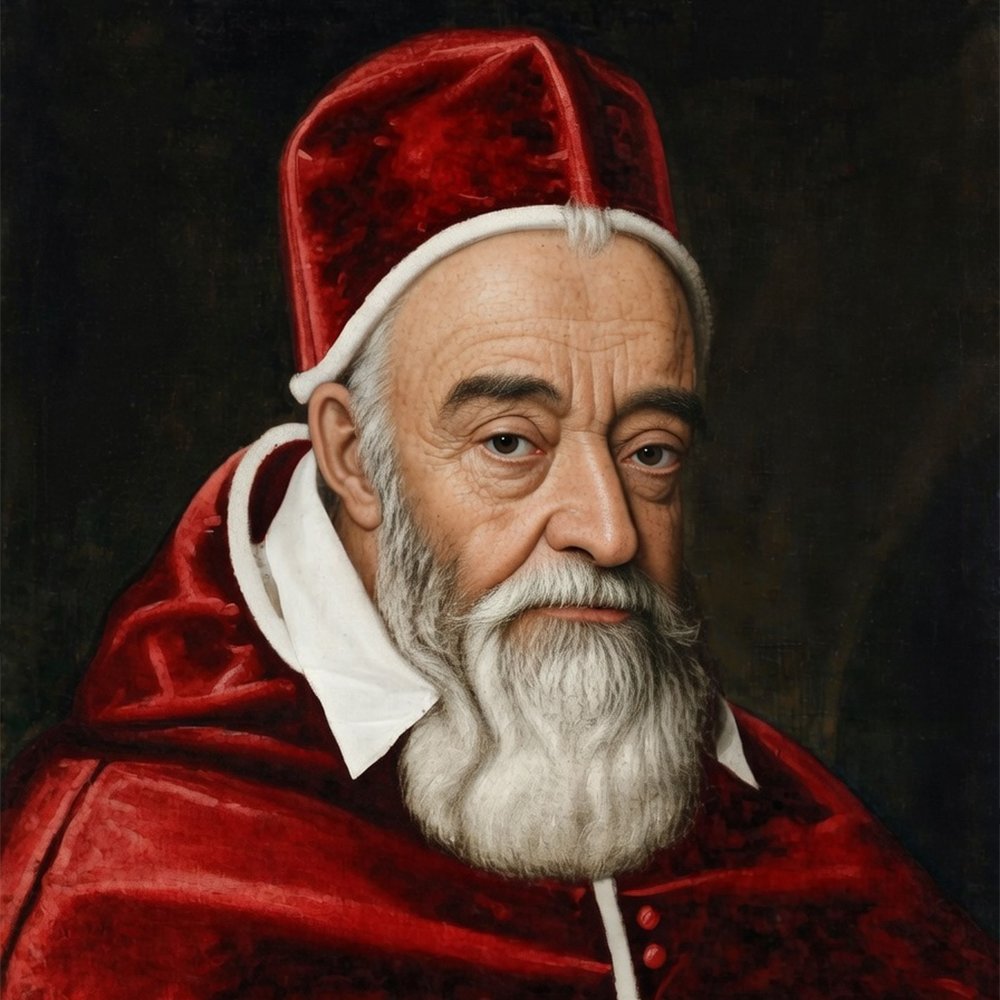
Leo XI (1605)
BIOGRAPHICAL DATA
Birth name: Alessandro Ottaviano de’ Medici
Birth: June 2, 1535, Florence, Republic of Florence
Papal election: April 1, 1605
Coronation: April 10, 1605
Pontificate: April 1, 1605 – April 27, 1605 (27 days)
Death: April 27, 1605, Rome, Papal States (69 years old)
Burial: St. Peter’s Basilica, later transferred to Santa Maria sopra Minerva, Rome
Religious order: Secular clergy (diocesan priest)
Papal motto: None officially recorded
Cognome: “Papa Lampo” (Lightning Pope), “The Morning Pope,” “Grandnephew of Leo X”
NOTE: His pontificate is one of the briefest in history, lasting only 27 days. He was the fourth Medici to become pope, following in the footsteps of his great-uncle Leo X, his cousin Clement VII, and Pius IV (who was Medici-related). His death triggered the second conclave of 1605, which elected Paul V.
EARLY LIFE AND FORMATION
Medici Lineage – A Family of Popes
The Medici of Florence:
- The Medici family: one of the most powerful and influential dynasties in European history
- Originally of Tuscan peasant origin from the village of Cafaggiolo in the Mugello valley
- Rose through commerce and banking to become rulers of Florence and patrons of the Renaissance
- Provided the Catholic Church with four popes: Leo X, Clement VII, Pius IV, and Leo XI
Parents:
- Ottaviano de’ Medici (1484-1546): father, from the Medici di Ottajano, a cadet branch of the House of Medici
- Francesca Salviati (1501/07-1566): mother, from a noble Florentine family
- Maternal grandparents: Giacomo Salviati (1461-1533) and Lucrezia de’ Medici (1470-1553)
- Great-uncle: Pope Leo X (Giovanni de’ Medici, 1475-1521), son of Lorenzo the Magnificent
- Connection to Leo X: Lucrezia de’ Medici (grandmother) was sister of Leo X, making Alessandro his grandnephew
Medici Connections:
- Maria Salviati (1499-1543): maternal aunt, married to the condottiere Giovanni dalle Bande Nere (1498-1526)
- Cosimo I de’ Medici (1519-1574): first Grand Duke of Tuscany, Alessandro’s first cousin once removed
- Marie de’ Medici (1575-1642): future Queen of France, related through family networks
- Catherine de’ Medici (1519-1589): Queen of France, also a Medici relation
Birth:
- Born: June 2, 1535, in Florence
- Baptism: likely in the Baptistery of San Giovanni, Florence
- Early childhood: raised in Florentine Medici circles
Childhood and Education
Early Years (1535-1550s):
- Father Ottaviano died early in Alessandro’s life
- Raised primarily by his mother Francesca Salviati
- Home schooled by a Dominican priest, Vincenzo Ercolano
- Education: humanistic formation typical of Florentine nobility – Latin, rhetoric, history, philosophy
- Dominican influence: shaped spiritual formation, connection to San Marco, Florence
Religious Vocation Opposed:
- Alessandro felt the call to the priesthood from his boyhood, “always had an earnest desire to enter the ecclesiastical state”
- His mother Francesca vigorously opposed this vocation
- Reason: Alessandro was the only male in the family to carry on the name
- Mother’s strategy: sought to have him given secular honours instead
Secular Interlude:
- Sent to the court of the Grand Duke of Tuscany
- Cosimo I de’ Medici (his cousin) appointed him a knight of the Order of San Stefano
- Alessandro complied with his mother’s wishes but maintained his inner vocation
Roman Sojourn and Spiritual Formation
First Visit to Rome (1560):
- Traveled to Rome in 1560
- Began lifelong friendship with St. Philip Neri (1515-1595)
- Philip Neri: founder of the Oratorians, known as the “Apostle of Rome”
- Spiritual conversations: Alessandro spent much time with Philip, seeking his advice in all important matters
- Philip’s prophecy: predicted that Alessandro would ascend to the pontificate
Death of Mother (1566):
- Francesca Salviati died in 1566
- Alessandro, now free from family obligations, resumed his studies for the priesthood
- Age at mother’s death: 31 years old
Ordination and Early Career
Priestly Ordination (July 22, 1567):
- Ordained by Antonio Altoviti, Archbishop of Florence
- Age at ordination: 32 years old (relatively late for the era)
- Finally able to pursue his long-delayed vocation
Tuscan Ambassador to the Holy See (1569-1584):
- Sent by Cosimo I de’ Medici, Grand Duke of Tuscany, as ambassador to the papal court
- Served under Pope Pius V (1566-1572), the sainted pope of Lepanto fame
- Held position for fifteen years (1569-1584)
- Represented Florence and the Medici family in Rome
- Gained extensive knowledge of Roman Curia and papal diplomacy
EPISCOPATE AND CARDINALATE (1573-1605)
Bishop of Pistoia
Appointment (1573):
- Named Bishop of Pistoia by Pope Gregory XIII
- Pistoia: diocese in Tuscany, near Florence
- Age: 38 years old
Episcopal Consecration (March 1573):
- Consecrated in Rome
- Principal consecrator: Francisco Pacheco de Villena, Archbishop of Toledo
- Took possession of the diocese
Archbishop of Florence
Promotion to Florence (1574):
- Appointed Archbishop of Florence by Pope Gregory XIII
- Date: January 15, 1574
- Florence: one of the most important sees in Italy, spiritual capital of Tuscany
- Age: 39 years old
Governance of Florence:
- Implemented the reforms of the Council of Trent (1545-1563)
- Trent had concluded less than a decade before his appointment
- Focus: clerical discipline, seminary formation, pastoral visitation
- Good relations with the Dominican convent of San Marco
- Reputation: effective, reform-minded bishop
Cardinalate
Created Cardinal (December 12, 1583):
- Elevated by Pope Gregory XIII
- Age: 48 years old
- Reason: merit, noble birth, episcopal success, diplomatic experience
Titular Churches (in order):
- Santi Quirico e Giulitta (formerly San Ciriaco alle Terme Diocleziane): installed January 9, 1584
- Later opted for other titular churches according to custom
- Transferred to suburbicarian sees as senior cardinal:
- Bishop of Albano (1600)
- Bishop of Palestrina (1602)
Continued Role as Archbishop:
- Remained Archbishop of Florence while cardinal
- Balanced Roman duties with Florentine pastoral care
- Regular travel between cities
Papal Legate to France (1596-1598)
Appointment (April 1596):
- Sent as papal legate to France by Pope Clement VIII
- Mission: crucial diplomatic and ecclesiastical assignment
- France: recovering from decades of religious civil war (French Wars of Religion, 1562-1598)
Context – France After the Wars of Religion:
- Henry IV of France (1553-1610): formerly Protestant (Henry of Navarre)
- Converted to Catholicism (1593) – famously: “Paris is worth a mass”
- Absolved by Clement VIII (1595), ending excommunication by Sixtus V
- Edict of Nantes (1598): granted religious toleration to Huguenots
- Challenge: restoring Catholic Church after decades of conflict
Medici’s Mission:
- Repress Huguenot influence at the court of Henry IV
- Restore Catholic religion in France
- Rebuild ecclesiastical discipline shattered by wars
- Negotiate between France and Spain
- Persuade Henry IV to implement Tridentine decrees in France (largely unsuccessful)
Achievements in France:
- Treaty of Vervins (May 2, 1598): diplomatic negotiations between France and Spain
- Helped bring peace between the two Catholic powers
- Strengthened the Catholic party at French court
- Developed close relationship with Henry IV
- Queen Marie de’ Medici (Henry’s wife) was related to Alessandro
Return to Italy (1598):
- Recalled by Clement VIII
- Appointed Prefect of the Congregation of Bishops and Regulars
- Position: oversight of bishops and religious orders throughout the Church
- One of the most important curial positions
Final Years as Cardinal (1598-1605)
Continued Service:
- Prefect of Bishops and Regulars: 1598-1605
- Suburbicarian Bishop of Albano: 1600-1602
- Suburbicarian Bishop of Palestrina: 1602-1605
- Member of multiple curial congregations
Relationship with St. Philip Neri:
- Lifelong friendship continued until Philip’s death (1595)
- Philip’s prophecy: constantly remembered
- Spiritual formation: Oratorian spirituality deeply influenced Medici
- Model: gentle reform, personal holiness, pastoral charity
Reputation in 1605:
- Age: almost 70
- Experience: ambassador (15 years), bishop (32 years), cardinal (22 years), legate, curial official
- Character: pious, learned, gentle, reform-minded
- Connections: Medici family, French court, Roman Curia
- Health: elderly but apparently robust enough for election
CONCLAVE OF MARCH-APRIL 1605 – ELECTION
Context: Death of Clement VIII
Death of Clement VIII (March 3, 1605):
- Pontificate: 13 years (1592-1605)
- Died at age 69
- College of Cardinals: 69 members, 60-61 electors participated
- Clement VIII: had created 38 of the cardinal-electors
Situation of the Church (1605):
- Post-Tridentine reform: ongoing implementation
- France: recovering from wars, Henry IV solidifying rule
- Spain: dominant Catholic power, Philip III
- Papal States: stable
- England: James I recently succeeded Elizabeth I (1603)
- Theological controversy: unresolved dispute between Jesuits and Dominicans on grace and free will
Political Alignments:
- French faction: cardinals loyal to France
- Spanish faction: cardinals loyal to Spain (13 electors)
- Aldobrandini faction: led by Cardinal Pietro Aldobrandini, nephew of Clement VIII (22 followers)
- Montalto faction: led by Cardinal Alessandro Peretti di Montalto, nephew of Sixtus V (8 followers)
The Conclave
Dates: March 14 – April 1, 1605
Duration: 18 days
Location: Apostolic Palace, Rome
Opening: March 14, 1605, eleven days after Clement VIII’s death
Major Candidates:
- Cardinal Cesare Baronius (67):
- Great historian, Oratorian, disciple of St. Philip Neri
- Author of Annales Ecclesiastici
- Supported by French, favored by Aldobrandini
- Considered too strict by some
- Problem: had criticized Spanish interference in ecclesiastical affairs
- His work banned in Spanish territories
- Vetoed by Spain
- Cardinal Roberto Bellarmine, SJ (63):
- Greatest theologian of Counter-Reformation
- Jesuit, learned, pious
- Also considered, but not the leading candidate
- Cardinal Alessandro de’ Medici (69):
- Supported by French throughout
- Related to Queen Marie de’ Medici of France
- Considered compromise candidate when Baronius blocked
The Conclave Struggle:
- First scrutiny: Baronius received 23 votes
- Good start, but many votes were “for friends” initially
- Baronius came within nine votes of election
- Refused to advocate for himself or accept acclamation
Spanish Veto of Baronius:
- Cardinal Avila, Philip III’s representative, announced veto
- Baronius excluded by express wish of Spanish king
- Caused clash between Avila and Aldobrandini
- Cardinals raised voices at each other
- Avila and Aldobrandini fought, shouting and pushing
- Crowds outside mistook noise for election, opened doors prematurely
Deadlock (March 16-30):
- Baronius blocked
- Medici gaining support from French
- Montalto faction (Spanish-allied) initially opposed
- Aldobrandini holding out for other candidates
- By March 30, Aldobrandini resigned to seeking alternative
The Turning Point:
- French Cardinal François de Joyeuse worked throughout for Medici
- Secured support of Montalto for Medici
- Baronius himself urged Medici’s election
- Aldobrandini finally persuaded, transferred support to Medici
Election of Leo XI
Final Scrutiny (April 1, 1605):
- Initial scrutiny that day: Baronius 28, Medici 13
- But momentum had shifted decisively
Election:
- Cardinals gathered in Medici’s room
- More than two-thirds of electors present
- Elected unanimously or by large majority
- Time: approximately April 1, 1605 (sources vary on exact hour)
Spanish Reaction:
- After election, Avila revealed that Philip III had also excluded Medici
- Protested so loudly he could be heard in the street
- Cardinals responded: protest useless once candidate elected pope
- Formal scrutiny confirmed election
Why Medici Won:
- French support: backed by French cardinals, Henry IV spent 300,000 écus promoting his candidacy
- Medici connections: related to Queen of France, prestigious name
- Compromise candidate: when Baronius blocked, natural alternative
- Personal reputation: pious, experienced, uncontroversial
- Age (69): seen as transitional figure
- St. Philip Neri’s prophecy: remembered by many
Choice of Name:
- Took name: Leo XI
- Honored his great-uncle Pope Leo X (1513-1521)
- Leo X: also a Medici, son of Lorenzo the Magnificent
- Message: continuity with Medici papal legacy
Significance of Election:
- Victory for France, defeat for Spain
- French supporters celebrated in Roman streets
- Fourth Medici pope (Leo X, Clement VII, Pius IV, now Leo XI)
- Last pope elected after Spanish veto (though veto ineffective)
Coronation and Possession
Coronation (April 10, 1605):
- Crowned in St. Peter’s Basilica
- Ceremony: traditional, solemn
- Protodeacon: Cardinal Francesco Sforza
Possession of St. John Lateran (April 17, 1605):
- Traditional ceremony taking possession of the cathedral of Rome
- Lengthy outdoor procession and liturgy
- Weather: cold, damp (April in Rome can be chilly)
- Leo XI, already elderly, exposed to elements
- This ceremony would prove fatal
PONTIFICATE (APRIL 1-27, 1605) – 27 DAYS
The Briefest of Reigns
Duration: 27 days
One of Shortest Pontificates in History:
- 27 days places him among the shortest-reigning popes
- Urban VII (1590): 13 days
- Boniface VI (896): 15 days
- Celestine IV (1241): 17 days
- Leo XI: 27 days
- John Paul I (1978): 33 days
- Marcellus II (1555): 22 days (sometimes listed as 22, sometimes 23)
Called “Papa Lampo” (Lightning Pope):
- Lightning flash: brief but brilliant
- Appeared, then vanished
- Nickname: affectionate Roman humor
Acts During 27 Days
Despite extreme brevity, some actions recorded:
- Refusal of Nepotism:
- During his final illness, many members of the Curia and ambassadors from foreign courts importuned him
- Request: confer the cardinalate on one of his grandnephews
- Grandnephew: whom he had himself educated and loved dearly
- Leo XI: firmly refused
- Had “such an aversion for nepotism”
- When his confessor urged him to grant it, he dismissed him
- Sent for another confessor to prepare him for death
- Remarkable: even on deathbed, refused to enrich family
- Contrast with virtually all popes of era (including Medici predecessors)
- Tax Relief for Romans:
- Freed the Roman people from a series of taxes
- Act of generosity at very beginning of reign
- Won popular affection
- Theological Commission on Conclave Rules:
- “On theological grounds he caused the foundation of a commission to revise the conclave regulations”
- Recognizing need for reform of papal elections
- Commission established but work cut short by death
- Gregory XV would complete this reform in 1621-22
- Support for Emperor Against Turks:
- Promised Emperor Rudolf II support in the war against the Ottoman Empire
- Continued papal policy of defending Christendom
- Turks: ongoing threat in eastern Europe
- Pontifical Acts (Presumed):
- Routine administration continued
- Briefs, letters, appointments
- Nothing substantial possible in 27 days
Illness and Death
The Fatal Cold:
- April 17, 1605: ceremony of taking possession of St. John Lateran
- Elderly pope (69) exposed to cold, damp weather
- Procession lengthy, outdoors
- Exhaustion combined with exposure
Onset of Illness:
- April 18: began suffering from fever
- Condition worsened rapidly
- Age: 69, vulnerable to respiratory infection
- Diagnosis: likely pneumonia (from cold and fatigue)
Last Days:
- Bedridden in Apostolic Palace
- Conscious, lucid
- Continued to receive visitors, including importuning cardinals
- Refused nepotism requests firmly
- Received Last Sacraments
- Prepared for death with new confessor
Death
April 27, 1605:
- Time: probably morning or early afternoon (sources unclear)
- Location: Apostolic Palace, Rome
- Age: 69 years, 10 months, 25 days
- Cause: complications from cold/fever, probably pneumonia
- Surrounded by: cardinals, servants, perhaps Medici family members
Last Words:
- Not recorded precisely
- Likely: prayers, commendation of soul
- Possibly: reaffirmed refusal of nepotism
Reaction:
- Rome: shock at suddenness
- Cardinals: immediate preparations for new conclave
- French court: disappointment (Henry IV had invested heavily)
- Spanish court: perhaps satisfaction (opposed candidate gone)
- People: sympathy for “Lightning Pope”
Significance of Death:
- Triggered second conclave of 1605 (May 8-16)
- Second conclave elected Pope Paul V (Camillo Borghese)
- Borghese would reign 15 years (1605-1621)
Epitaph
Inscription on Tomb:
- “Magis ostensus quam datus”
- Translation: “More shown than given”
- Meaning: shown to the world as pope, but not given (taken away)
- Later applied to Pope John Paul I (1978)
- Perfectly captures: brief appearance, swift removal
FUNERAL AND BURIAL
Funeral
Date: Late April 1605 (exact date uncertain)
Location: St. Peter’s Basilica
Ceremony: Standard papal funeral
Presider: Cardinal protodeacon or senior cardinal
Attendance: College of Cardinals, Roman clergy, diplomatic corps
Burial
Initial Burial:
- St. Peter’s Basilica
- Temporary location
- Modest tomb initially
Later Transfer:
- Remains moved to Santa Maria sopra Minerva, Rome
- Dominican church near Pantheon
- Appropriate: Medici had Dominican connections
- Also burial place of St. Catherine of Siena, Fra Angelico
- Location: Medici Chapel in the church
Tomb Monument:
- Erected later
- Features Medici arms (palle – the Medici balls)
- Inscription: includes “Magis ostensus quam datus”
- Commemorates the brief pontificate
LEGACY AND HISTORICAL EVALUATION
Major Significance
- Example of Brief Pontificate:
- One of shortest in papal history
- Illustrates: unpredictability of papal elections
- “Lightning Pope” entered popular memory
- Refusal of Nepotism:
- Most significant moral act of reign
- Refused cardinalate to grandnephew even on deathbed
- Dismissed confessor who urged compliance
- Remarkable for era: nepotism was universal
- Anticipated reforms of Innocent XII (1692) by nearly a century
- Shows: reform impulse existed before institutionalized
- French-Spanish Rivalry:
- Election victory for France, defeat for Spain
- Veto ineffective: pope elected despite exclusion
- Demonstrated limits of royal control over conclaves
- Connection to St. Philip Neri:
- Lifelong friendship with saint
- Philip’s prophecy fulfilled
- Model of Oratorian spirituality in papacy
- Medici Legacy:
- Fourth and last Medici pope
- Ended Medici papal line (though family continued in Florence)
- Bookends: Leo X (1513-1521) to Leo XI (1605)
Assessment
Contemporary Views:
- Catholic Encyclopedia (1913): positive – “good service for the Church”
- Praised for: piety, refusal of nepotism, diplomatic service
- St. Philip Neri’s prediction: seen as providential
Modern Scholarship:
- Too brief for meaningful evaluation
- Remembered for: brevity, refusal of nepotism
- Medici connection: primary interest
Comparison with Other Short-Reigning Popes:
Pope | Years | Duration | Nickname |
Urban VII | 1590 | 13 days | – |
Boniface VI | 896 | 15 days | – |
Celestine IV | 1241 | 17 days | – |
Leo XI | 1605 | 27 days | “Papa Lampo” |
John Paul I | 1978 | 33 days | “Smiling Pope” |
Marcellus II | 1555 | 22 days | – |
What Might Have Been:
- Age 69: likely transitional in any case
- But: refused nepotism suggests reform tendencies
- Might have anticipated Gregorian reforms?
- Theological commission on conclaves: seed planted
- Gregory XV (1621-23) would complete conclave reform
Historical Place
Among Popes:
- Minor figure due to brevity
- But: symbolic importance
- “Magis ostensus quam datus” – shown but not given
Medici Dynasty:
- Last Medici pope
- End of an era: Medici popes shaped Renaissance
- Leo X: patron of arts, excommunicated Luther (nominally)
- Clement VII: witnessed Sack of Rome (1527)
- Leo XI: brief flash, then extinction
Connection to Later Reforms:
- Refusal of nepotism: seed of future reform
- Innocent XII (1691-1700): would abolish nepotism
- Leo XI’s deathbed refusal: example of principle
Beatification/Canonization
No cause introduced:
- Not considered for sainthood
- Reasons:
- Pontificate too brief for heroic virtue to be demonstrated publicly
- No miracle tradition
- Medici wealth and status: obstacles in later eras
- St. Philip Neri connection: remembered but not enough
Veneration:
- No significant cult
- Remembered historically, not devotionally
- Santa Maria sopra Minerva: tomb visited by historians, not pilgrims
CURIOSITIES AND DETAILS
Personal Characteristics
Appearance (from portraits):
- Portrait by Scipione Pulzone? (attributed)
- Face: refined, aristocratic
- Expression: gentle, pious
- Beard: full, white (fashion of era)
- Vestments: cardinal’s red, later papal white
- Medici features: long nose, thoughtful eyes
Personality:
- Pious: lifelong desire for priesthood
- Gentle: friend of St. Philip Neri
- Resolute: refused nepotism on deathbed
- Diplomatic: successful in France
- Patient: waited 31 years for ordination (mother’s opposition)
Relationships:
- St. Philip Neri: spiritual father, friend, prophet
- Cosimo I de’ Medici: cousin, employer as ambassador
- Henry IV of France: esteemed legate, supported election
- Marie de’ Medici: relative, queen of France
- Grandnephew: loved dearly, but refused to promote
Languages:
- Italian: native
- Latin: professional
- French: from legation
- Spanish: likely some knowledge
The Name “Medici”
Medici Popes:
- Leo X (Giovanni de’ Medici, 1513-1521): son of Lorenzo the Magnificent
- Clement VII (Giulio de’ Medici, 1523-1534): illegitimate son of Giuliano de’ Medici
- Pius IV (Giovanni Angelo Medici, 1559-1565): from Milanese branch, related
- Leo XI (Alessandro de’ Medici, 1605): grandnephew of Leo X
Medici Contributions to Papacy:
- Art patronage: Michelangelo, Raphael, Renaissance Rome
- Political power: made papacy major Italian power
- Family ambition: characteristic of era
- Leo XI: last, least, but morally noteworthy
Anecdotes
- Philip Neri’s Prophecy:
- Years before election, Philip told Alessandro he would be pope
- Alessandro: likely dismissed as pious hope
- Philip: known for prophecies (also predicted Gregory XIV?)
- Fulfilled: April 1605
- Alessandro remembered: Philip’s words sustained him
- Mother’s Opposition:
- Francesca Salviati: determined to keep son from priesthood
- Sent him to court, gave him secular honours
- Only after her death (1566) could he be ordained
- Ordination at 32: decades delayed
- Yet: became pope eventually
- The 300,000 Écus:
- Henry IV of France spent enormous sum promoting Medici’s candidacy
- 300,000 écus: vast fortune
- Election secured, then pope died in 27 days
- French investment: very poor return!
- “Lightning Pope” indeed
- Deathbed Refusal:
- Curia officials and ambassadors: pressed for cardinal-nephew
- Grandnephew: loved, educated by Alessandro
- Confessor: urged compliance
- Leo XI: dismissed confessor, sent for another
- Refused to the end
- Extraordinary: dying man resisting immense pressure
- Shows: genuine conviction against nepotism
- “Magis Ostensus Quam Datus”:
- Inscription on tomb
- Perfectly captures brief pontificate
- Also inscribed on heart of Rome
- John Paul I (1978): same words applied
- Bond between two “lightning” popes
- Spanish Veto That Failed:
- Philip III excluded Medici
- Cardinals elected him anyway
- Veto announced after election: too late
- Spanish power: declining in papal politics
- Precedent: veto not absolute
Papal Arms
Coat of Arms:
- Medici family arms: six balls (palle) on shield
- Originally: six red balls on gold field
- Later: five red balls and one blue with fleur-de-lys (French concession)
- Papal tiara and crossed keys above
- Simplicity: Medici arms among most recognizable
DOCUMENTS AND ACTS
Papal Acts (27 Days)
No major documents possible in such brief reign. However:
Known Acts:
- Refusal of nepotism (recorded by biographers)
- Tax relief for Romans
- Promise of support to Emperor Rudolf II
- Establishment of theological commission on conclave rules
Presumed Routine Acts:
- Briefs to Catholic princes
- Confirmations of ecclesiastical appointments
- Routine curial business
- Blessings, indulgences
None Survive as Major Documents:
- No bulls of lasting significance
- No encyclicals (genre not yet developed)
- No major appointments
Beatification Decrees
None issued (too brief)
Correspondence
- Letters to Emperor Rudolf II (promising support)
- Diplomatic communications (mostly routine)
- None published separately
CHRONOLOGY SUMMARY
- 1535 (June 2): Born Alessandro Ottaviano de’ Medici in Florence
- 1560: First visit to Rome, meets St. Philip Neri; Philip predicts papacy
- 1566: Death of mother Francesca Salviati
- 1567 (July 22): Ordained priest (age 32)
- 1569-1584: Tuscan ambassador to Holy See under Pius V, Gregory XIII
- 1573: Appointed Bishop of Pistoia by Gregory XIII
- 1573 (March): Consecrated bishop
- 1574 (Jan 15): Appointed Archbishop of Florence
- 1583 (Dec 12): Created cardinal by Gregory XIII
- 1584 (Jan 9): Installed at titular church Santi Quirico e Giulitta
- 1595: Death of St. Philip Neri
- 1596-1598: Papal legate to France under Clement VIII
- 1598 (May 2): Treaty of Vervins negotiated
- 1598: Appointed Prefect of Congregation of Bishops and Regulars
- 1600: Became Cardinal-Bishop of Albano
- 1602: Transferred to Cardinal-Bishop of Palestrina
- 1605 (March 3): Death of Clement VIII
- 1605 (March 14): Conclave opens
- 1605 (April 1): Elected pope (age 69); takes name Leo XI
- 1605 (April 10): Coronation
- 1605 (April 17): Possession of St. John Lateran; catches cold
- 1605 (April 18): Fever begins
- 1605 (April 27): Death in Rome (27th day of pontificate)
- 1605 (May 8-16): Second conclave elects Paul V
FINAL EVALUATION
Pope Leo XI, Alessandro de’ Medici, reigned for only twenty-seven days – a lightning flash in the history of the papacy. He is remembered not for what he did, but for what he was: the last Medici pope, the friend of St. Philip Neri, the man who refused nepotism on his deathbed.
His election was a victory for France and a defeat for Spain. Henry IV spent 300,000 écus to secure the tiara for his wife’s relative; the Spanish king excluded him, but the cardinals elected him anyway. The veto, for the first time, had failed. The old order was changing.
His brief reign accomplished little of substance – how could it? Twenty-seven days allow for tax relief, a promise to the emperor, a theological commission, and little else. But in those twenty-seven days, Leo XI showed something remarkable: when pressed on his deathbed to make his grandnephew a cardinal, he refused. He dismissed the confessor who urged compliance. He died as he had lived – a man of principle.
His friendship with St. Philip Neri shaped his soul. For decades, he sought Philip’s advice, spent time in spiritual conversation, absorbed the gentle, joyful spirituality of the Oratory. Philip’s prophecy that Alessandro would be pope sustained him through long years of service. When it came true, Alessandro was ready – not for a long reign, but for a holy death.
His Medici heritage connected him to the greatest dynasty of Renaissance Italy. Leo X, his great-uncle, had been the pope of high Renaissance splendor – patron of Raphael, protector of arts, the pope who famously said, “God has given us the papacy, let us enjoy it.” Clement VII, his cousin, had witnessed the Sack of Rome and the humiliation of the papacy. Leo XI, the last Medici pope, offered something different: not splendor, not tragedy, but brief, principled holiness.
In comparison with Innocent XII, Leo XI appears as a precursor. Innocent XII would abolish nepotism in 1692; Leo XI refused it in 1605. Innocent XII made reform a program; Leo XI made it a personal act. The seed planted on that deathbed would flower nearly a century later.
In comparison with Paul V, his successor, Leo XI represents a road not taken. Paul V would reign fifteen years, complete St. Peter’s façade, fight the Venetian Interdict, enrich the Borghese family. Leo XI might have done differently – or might not. We cannot know.
“Magis ostensus quam datus” – more shown than given. The inscription on his tomb captures his pontificate perfectly. He was shown to the Church as pope, but not given to her for long. The same words would be applied to another brief pope, John Paul I, in 1978. There is a bond between these “lightning popes” – men who appeared, blessed, and vanished, leaving behind only the memory of goodness.
His tomb in Santa Maria sopra Minerva rests among Dominicans and saints. Fra Angelico is buried nearby; St. Catherine of Siena lies under the high altar. Leo XI, the last Medici pope, keeps company with the holiest. It is fitting.
Epitaph:
“Friend of saints, servant of princes, pope for twenty-seven days. He refused on his deathbed what others grasped in health: family advancement at Church expense. More shown than given – but what was shown was goodness.”
St. Philip Neri’s prophecy was fulfilled. Alessandro de’ Medici became pope. And then, like lightning, he was gone.
The 300,000 écus of Henry IV bought twenty-seven days. The French king might have regretted the expense. But the Church gained something priceless: a moment of moral clarity, a refusal of corruption, a deathbed witness to reform.
He was the last Medici pope. The dynasty that gave the Church Leo X and Clement VII ended with Leo XI. It ended not with a bang but with a whisper – a dying man dismissing his confessor rather than enrich his nephew.
That whisper echoed. Innocent XII heard it, nearly a century later, when he abolished nepotism forever. Gregory XV heard it when he reformed conclaves. Every pope since who has resisted family pressure owes something to Leo XI.
Twenty-seven days. A lightning flash. But lightning illuminates, even as it vanishes.
Pope Leo XI: the Morning Pope – here, then gone, but remembered.