JANSENISM
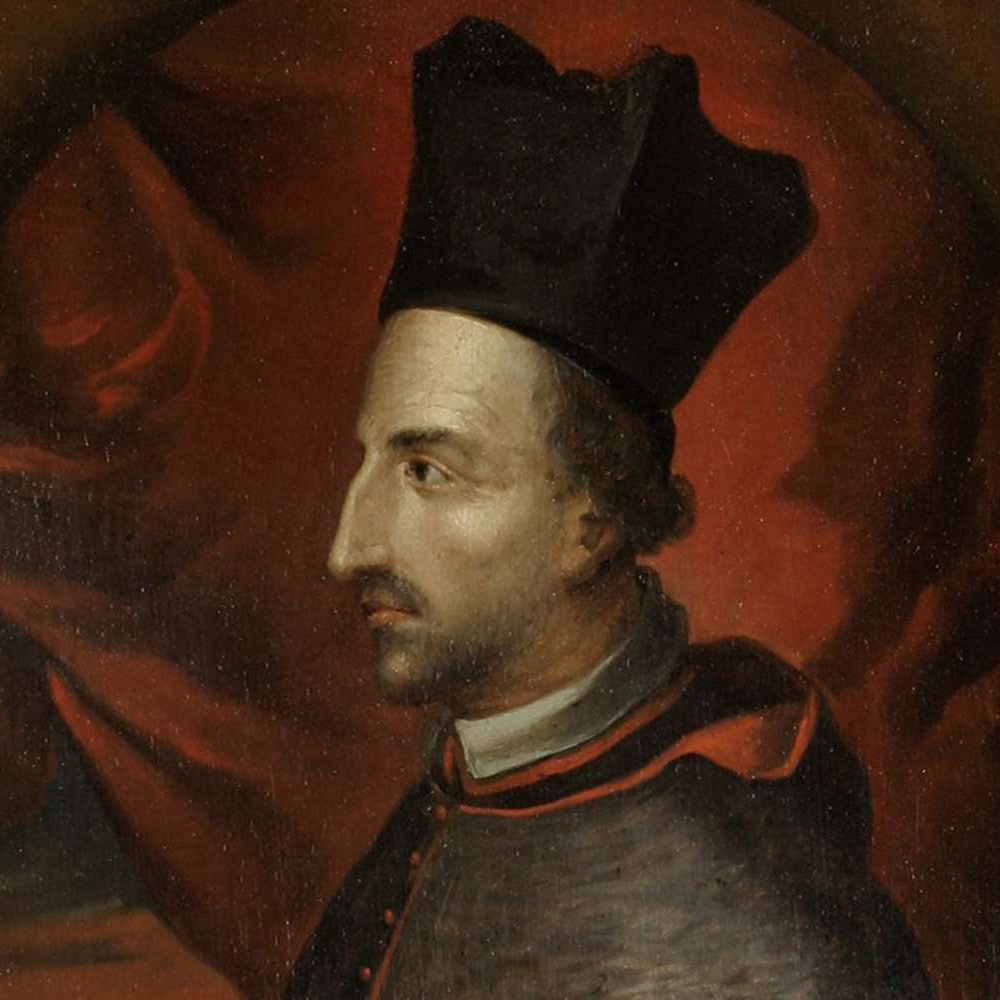
JANSENISM, A GREAT HERESY
A theological poison that fractured Christendom.
I. WHAT IS JANSENISM
Fundamental Definition
Jansenism = A Heretical Movement That Attacked Catholic Theology
Core Concept:
Jansenism presented itself as a “return to Augustine” but actually distorted Augustine’s theology to introduce:
Radical Predestination
God predestines some to salvation, others to damnation
Human free will is essentially negated
Grace is irresistible (if God gives it)
Salvation is not available to all
Denial of Human Cooperation
Man cannot cooperate with grace
Man’s will is entirely passive
Free choice is illusion
Effort toward sanctity is futile
Rigorism in Morality
Extreme asceticism demanded
Scrupulosity about sin
Difficulty of salvation emphasized
Few are truly saved
Anti-Scholastic Philosophy
Rejected Thomistic synthesis
Attacked Jesuit theology (Molinism)
Presented themselves as “true Catholics”
Actually were semi-Protestant
Historical Context
Jansenism emerged as reaction:
Against what they saw as “laxism” in Catholic morality
Against Jesuit theology of human cooperation with grace
Against perceived worldliness of Church
Against what they called “semipelagianismo”
But in reaction, went too far:
Overcompensated with predestinarianism
Denied human freedom
Created scrupulosity
Produced despair
II. ORIGINS: CORNELIUS JANSEN (1585-1638)
The Man and His Movement
Cornelius Jansen (Latin: Cornelius Jansenius):
Background:
Flemish theologian (from Spanish Netherlands)
Studied in Catholic universities
Became Bishop of Ypres (1636)
Died shortly after (1638)
His Work:
“Augustinus” (1640):
Massive theological treatise (1,300+ pages)
Published posthumously by followers
Claimed to present “true Augustine”
Actually distorted Augustine radically
The Augustinian Claim:
Jansen argued that:
He was returning to Augustine
Medieval theology (especially Thomas Aquinas) had corrupted Augustine
Only way forward was “back to Augustine”
His interpretation was historically accurate
Reality:
Modern scholars show:
Jansen misread Augustine
Quoted Augustine selectively
Imposed his own system on Augustine
Created new heresy, not restoration
Core Theological Errors
Error 1: Radical Predestination
Jansen taught:
God from eternity has:
Predestined some to salvation
Predestined others to damnation
No human choice in matter
Grace is “efficacious” (irresistible)
How this violated Catholic doctrine:
Council of Trent (1545-1563) defined:
Human free will exists
Grace cooperates with free will
Salvation is offered to all
Man must consent to grace
Jansen directly contradicted:
Said grace is irresistible
Said man has no real choice
Said God predestined some to hell
Reintroduced Calvinist predestination under Catholic language
Error 2: Denial of Sufficient Grace
Jansen’s position:
God gives “efficacious grace” to the elect:
Makes action certain
Grace determines the will
Rest of humanity gets no genuine grace
Only predestined receive real help
Catholic doctrine (Trent):
God gives “sufficient grace” to all
Grace is real offer to all
Man must cooperate
All can be saved who consent
Jansen’s innovation:
Created artificial category of “sufficient grace” (which is insufficient)
Made salvation impossible for non-predestined
Reintroduced Calvinist dualism
Attacked foundation of universal salvation
Error 3: Absolute Denial of Human Liberty
Jansen claimed:
When God gives efficacious grace, will is determined
Man cannot resist grace (if given)
Man cannot choose contrary to grace
Free will is negated when grace acts
This contradicted:
Council of Trent:
“If anyone says that man’s free will, moved and awakened by God, does not cooperate by assenting to God who awakens and calls… let him be anathema.”
Thomistic tradition:
Grace elevates nature, not destroys it
Free will is perfected by grace, not eliminated
Cooperation is real, not illusory
Man truly chooses
Jansen’s innovation:
Presented human will as passive instrument
Made cooperation impossible (logically)
Reduced man to automation
Denied real human agency
The Augustinian Mask
Why Jansenism was dangerous:
Appearance: “We are true Augustinians!”
Reality: Semi-Calvinist predestinarianism
Strategy:
Use Augustine’s name as authority
Distort Augustine’s texts
Claim to be “restoring true doctrine”
Actually introduce heresy
This made it:
Hard for average Catholics to refute
Appealing to intellectuals (seemed scholarly)
Difficult to condemn (used Augustine!)
Perfect Trojan Horse
III. PAPAL CONDEMNATIONS – THE CHURCH’S RESPONSE
Innocent X’s Initial Condemnation (1653)
Bull Cum Occasione (1653):
Five Propositions Condemned:
Pope Innocent X condemned five theses from Jansen’s “Augustinus”:
Proposition 1:
“Some commandments of God are impossible even for the justified and truly willing, though they wish to keep them… Grace is lacking by which they might be made possible.”
Condemnation: Heretical
Proposition 2:
“Interior grace is never resisted in the state of fallen nature.”
Condemnation: Heretical
Proposition 3:
“For merit or demerit in the state of fallen nature, freedom from necessity is not required, but freedom from coercion suffices.”
Condemnation: False and heretical
Proposition 4:
“The Semipelagians admitted the necessity of prevenient interior grace for individual acts… And they are condemned because they asserted this grace could be resisted or obeyed by free will.”
Condemnation: Heretical (because Semipelagians were right to resist Jansen’s error)
Proposition 5:
“It is semipelagian to say that Christ died or shed his blood for all men universally.”
Condemnation: Rash, offensive to pious ears, and (in context) heretical
Significance:
Clear papal rejection
Five specific heresies identified
Jansenism was heterodox
Church had spoken definitively
Alexander VII’s Clarification (1656-1665)
Bull Ad Sanctam (1656):
The Problem:
Jansenists claimed:
“We don’t hold those five propositions in the sense the Pope condemned”
“The propositions are in Jansen, but we interpret them differently”
“Factual question about what Jansen meant vs. doctrinal question are separate”
Pope’s Response:
Alexander VII:
Condemned not just propositions, but Jansen’s interpretation of Augustine
Said the five propositions ARE what Jansen taught
Denied Jansenist distinction between “fact” and “doctrine”
Demanded submission to both condemnations
The Famous Formula:
“We submit to the papal condemnation of the five propositions. However, they are not in Jansen in that sense.”
Pope’s Rejection:
“We reject this fraudulent distinction. The Pope condemns what Jansen taught, not just abstract propositions. Submission requires accepting that Jansen taught these errors.”
Clement XI’s Final Definition (1713)
Bull Unigenitus Dei Filius (1713):
Context:
Jansenism had spread despite papal condemnations:
France was stronghold
Port-Royal monastery was center
Many bishops supported it
Needed final, comprehensive condemnation
Content:
101 propositions from Jansenist writings condemned:
Examples:
“The fear of hell is not a movement of the Holy Spirit proceeding from the grace of election”
“Without charity, prayer is tyranny and hypocrisy”
“The grace of Jesus Christ is necessary for every good work”
“Outside the Church there is no grace”
“God wills the salvation of all men”
Final Character:
Most comprehensive papal condemnation
Defined Catholic doctrine clearly
Left no room for Jansenist reinterpretation
Settled matter definitively
Reception:
Accepted by most bishops
France was resistant
Parliament of Paris opposed
Created lasting tension
IV. JANSENISM IN FRANCE – THE POLITICAL DIMENSION
Port-Royal and the Center of Jansenism
Port-Royal Monastery (near Paris):
History:
Originally a women’s convent
Became center of Jansenist intellectualism
Included “Solitaires” (lay ascetics)
Famous for theological works
Notable Figures:
Blaise Pascal (1623-1662):
Great mathematician/philosopher
Jansenist sympathizer
Wrote “Pensées” and “Provincial Letters”
Most famous defender of Jansenism
Antoine Arnauld (1612-1694):
Theologian of Port-Royal
Defended Jansenism systematically
Attacked Jesuit theology
Wrote extensively
Pierre Nicole (1625-1695):
Port-Royal logician
Wrote “Logic of Port-Royal”
Influential in education
Spread Jansenist ideas
Intellectual Influence:
Port-Royal produced:
Outstanding theology (even if heretical)
Port-Royal Logic (rationalist)
Port-Royal Grammar (linguistic innovation)
Educational reforms
Moral philosophy
Danger of Jansenism:
Its intellectual quality made it seductive:
Not obviously heretical to average person
Used sophisticated arguments
Claimed to be “more faithful to tradition”
Attracted intelligent people
Spread through intellectual channels
Royal Support and Opposition
King Louis XIV’s Role:
Initially opposed Jansenism:
Louis XIV wanted religious unity
Jansenism created division
Papacy opposed it
Louis supported papal position (mostly)
But complications arose:
Gallicanism factor:
Jansenists exploited Gallicanism
Said Pope couldn’t impose doctrine in France
Parliament of Paris (not monarch) supported them
Created political vs. religious tension
Parliamentary Opposition (1713):
Parlement of Paris (judicial, not legislative body):
Refused to register papal bull Unigenitus
Said Bull violated Gallican liberties
Claimed Pope had no authority in France
Created constitutional crisis
Irony:
Used Gallican independence FROM Pope
To defend Jansenism AGAINST Pope
Turned religious heresy into political question
Made it about “French sovereignty”
Result:
Jansenism survived in France longer because:
Became entangled with political/Gallican issues
Appeared to be about “French freedom”
Not just about theology
Hard to suppress without appearing to surrender sovereignty
V. THEOLOGICAL CORRUPTION – HOW JANSENISM DESTROYED FAITH
Attack on Free Will and Human Dignity
What Jansenism taught people:
Core message:
“You probably cannot be saved. God has probably not given you grace. Your efforts are probably useless. Your will is probably enslaved. Accept despair.”
Psychological effect:
On the faithful:
Produced scrupulosity (obsession with sin)
Produced despair (belief salvation was impossible)
Produced passivity (why try if predestined to fail?)
Produced anguish (constant doubt about one’s state)
On the clergy:
Encouraged excessive rigorism
Made confession torture (confessor scrupulous)
Paralyzed pastoral ministry
Created atmosphere of fear
On the intellectual class:
Attracted those seeking rigorous theology
Gave heresy appearance of orthodoxy
Made rationalism seem Catholic
Prepared way for Enlightenment
Attack on Universal Salvation
Catholic doctrine (before Jansenism):
“Christ died for all men. Salvation is offered universally. God wills that all be saved.”
Jansenist corruption:
“Christ died only for the elect. Salvation is not truly offered to all. God predestined most to damnation.”
Consequences:
Spiritual:
Despair about God’s will
Doubt about divine mercy
Questioning of God’s love
Loss of trust
Pastoral:
Difficulty proclaiming salvation to all
Hesitation in offering absolution
Fear about preaching Christ’s mercy
Paralysis in evangelization
Doctrinal:
Contradiction of defined Catholic teaching
Introduction of Calvinist error
Undermining of hope (theological virtue)
Replacement of charity with fear
Attack on Human Cooperation with Grace
What Catholicism taught:
“God offers grace. You must cooperate. Your effort, united with grace, brings salvation. You are truly free and truly responsible.”
What Jansenism taught:
“Your effort is useless. Grace acts on you, not with you. You are passive instrument. If you have grace, you cannot resist. If you don’t have it, you cannot obtain it.”
Result:
Spiritual paralysis:
Why pray if predestined?
Why fast if grace is irresistible?
Why confess if will is enslaved?
Why evangelize if God already decided?
Moral collapse:
If free will is negated, responsibility disappears
If effort is useless, effort stops
If grace is irresistible, virtue becomes meaningless
If predestined, morality becomes irrelevant
Theological disaster:
Undermined entire Catholic moral system
Made virtue impossible to understand
Made sin impossible to understand
Made repentance problematic
VI. THE SPREAD OF JANSENISM – HIDDEN INFECTION
Geographic Spread
Initial Center: France
Port-Royal was intellectual epicenter
Paris was stronghold
Spread through universities
Influenced seminaries
Expansion to Low Countries:
Netherlands (especially Spanish Netherlands)
Belgium became center of resistance
Forms of Jansenism persisted longer
Connected to Gallicanism
Spread to Italy:
Some Italian bishops sympathized
Intellectuals were attracted
Not as organized as France
But influenced theology
Penetration of seminaries:
Taught in training for priests
Next generation infected
Not always explicitly Jansenist
But theological principles absorbed
Hidden Nature of Jansenism
Why it was so dangerous:
1. Intellectual camouflage:
Used Augustine’s authority
Employed sophisticated theology
Seemed academically rigorous
Hard to identify for average Catholic
2. Partial truths:
Correctly emphasized Augustine
Correctly criticized certain laxism
Correctly valued asceticism
But twisted these into heresy
3. Claimed orthodoxy:
Said they accepted Church teaching
Distinguished between “propositions” and “doctrine”
Made fine philosophical distinctions
Denied they were heretical
4. Appealed to intellectuals:
Attractive to sophisticated minds
Seemed more “logical” than free will
Offered clear system
Seduced those who loved theory
The Jansenist Underground
After papal condemnations:
Jansenists went underground:
Pretended orthodoxy
Influenced seminaries secretly
Spread through confessionals
Infected universities
Created parallel “true Church”
Port-Royal Tactics:
Never explicitly defied Church
Always professed obedience
But continued spreading ideas
Developed “double speak”
One thing said publicly, another believed privately
Result:
Jansenism became:
Semi-secret theology
Hidden infection in Body of Christ
“Fifth column” within Church
Time bomb for later explosion
VII. CONNECTION TO ENLIGHTENMENT
How Jansenism Prepared the Way for Enlightenment
Jansenism as bridge between Catholicism and Enlightenment:
Mechanism:
1. Attack on Thomistic Synthesis
Jansenists rejected:
Thomas Aquinas’s integration of faith and reason
Medieval harmony of revelation and philosophy
Scholastic system that unified theology
Result:
Confidence in synthesis shattered
Reason and faith appeared opposed
Opening for Enlightenment to separate them
Medieval synthesis collapsed
2. Emphasis on Individual Reason
Jansenists used:
Rigorous intellectual argument
Personal interpretation of Augustine
Individual reasoning about scripture
Rejection of “consensus”
Result:
Individual reason was exalted
Traditional authority questioned
Path opened to rationalism
Enlightenment individualism prepared
3. Anti-Institutional Attitude
Jansenists manifested:
Distrust of hierarchy
Questioning papal authority
Suspicion of institutions
Appeal to “inner truth”
Result:
Institutional confidence eroded
Authority became questionable
Anti-institutional attitude normalized
Prepared for anti-religious institutions
4. Aesthetic Austerity
Jansenism promoted:
Rejection of beauty in liturgy
Suspicion of art and music
Disdain for sensual pleasure
Approval of stark simplicity
Result:
Broke connection to sacred aesthetics
Separated faith from beauty
Made faith seem joyless
Prepared for secular aesthetics
Specific Examples of Transmission
Pascal’s Pensées:
Brilliant defense of Jansenism
Also contained rationalist elements
Showed tension between faith and reason
Became foundation for later apologetics
Influenced Enlightenment thinkers
Port-Royal Logic:
Revolutionary approach to logic
Emphasized individual reasoning
Rejected authority-based proof
Became influential in rationalism
Spread anti-traditional epistemology
Jansenist Criticism of Church:
Condemned “papal abuses”
Attacked institutional corruption
Became ammunition for anti-clericals
Provided “evidence” for Enlightenment critics
Weakened Church’s credibility
Result:
Enlightenment philosophers used Jansenist arguments:
Against papal authority
Against institutional Church
Against hierarchical structure
Against traditional theology
But took them further:
Against Christianity itself
Against all revealed religion
Against faith vs. reason dichotomy
To complete secularism
VIII. DESTRUCTION OF CHRISTENDOM
How Jansenism Contributed to Christendom’s Collapse
Christendom required:
Unity of faith – One doctrine
Trust in salvation – Hope in God’s mercy
Confidence in grace – Belief grace works
Institutional unity – Respect for hierarchy
Integration of sacred and secular – Sacramental worldview
Harmony of reason and faith – Thomistic synthesis
Joy in religion – Beauty and celebration
Universal mission – Salvation for all
Jansenism attacked each element:
Unity: Created division and factionalism
Trust: Introduced despair about salvation
Grace: Made grace seem irresistible and limited
Institution: Questioned papal authority
Integration: Separated sacred from secular
Synthesis: Pitted reason against faith
Joy: Replaced with scrupulosity and fear
Mission: Limited salvation to elect
Specific Mechanisms of Destruction
In seminaries:
Priests trained in Jansenist theology
Became rigid and scrupulous
Couldn’t minister effectively to faithful
Drove people away from confession
Produced demoralized clergy
In universities:
Theology became negative and rigorous
Attracted rationalists with philosophy
Created distance between faith and reason
Prepared for Enlightenment takeover
Undermined confidence in tradition
In intellectual class:
Seduced best minds into heresy
Made Christianity seem intellectually problematic
Showed contradiction in theology
Prepared for complete rejection
Created anti-clerical intelligentsia
In pastoral ministry:
Confessors became torturers, not healers
Souls were burdened, not liberated
Hope was replaced with fear
Mercy was replaced with judgment
People fled the Church
In spirituality:
Joy was replaced with anguish
Trust was replaced with doubt
Love was replaced with fear
Freedom was replaced with slavery
Hope was replaced with despair
IX. THE TRADITIONALIST ANALYSIS
Why Jansenism Was So Destructive
Core theological error:
Jansenism reintroduced Calvinist predestinarianism into Catholic theology:
Calvin taught: God predestines some to salvation, others to damnation
Jansen claimed Augustine taught this
Actually Augustine taught differently (modern scholars confirm)
But damage was done
Why this was lethal:
It attacked free will:
If predestined, choice is illusion
Undermined moral responsibility
Made virtue impossible
Introduced determinism
It despaired salvation:
If predestined to damnation, cannot be saved
No hope for most people
Salvation becomes inaccessible
Faith becomes burden
It limited God’s mercy:
If not predestined for salvation, God denies mercy
God’s love becomes conditional
Salvation appears unfair
Trust in God becomes irrational
It fractured Church unity:
Created “party” within Church
Claimed to be “truer Catholics”
Questioned papal authority
Introduced factionalism
Why Jansenism Was Undetectable
Cunningness of heresy:
Jansenism was worst kind of heresy:
Used orthodox language:
Quoted Augustine
Affirmed Catholic dogmas
Never explicitly denied Church teaching
Claimed to be defending tradition
Made fine distinctions:
Separated “fact” from “doctrine”
Said propositions were in Jansen but not his teaching
Made philosophy seem theology
Obscured with words
Appealed to authority:
Augustine’s name was magic
Patristic tradition seemed to support
Ancient authority more respected than papal
Made heresy seem scholarly
Attracted best minds:
Intellectual sophistication was seductive
Scholars were flattered
Complex theology seemed superior
Rationalism appeared rigorous
The Long-Term Damage
Jansenism’s legacy:
Even after papal condemnations:
Underground persistence:
Never fully extinguished
Survived in seminaries
Influenced confessional practices
Shaped moral theology
Affected spirituality
Psychological damage:
Generation of priests trained in scrupulosity
Millions of faithful burdened with guilt
Spirituality became fearful
Religion lost joy
Souls turned away
Intellectual damage:
Thomistic synthesis was shattered
Reason and faith appeared opposed
Philosophy became secular
Theology lost credibility
Enlightenment filled vacuum
Institutional damage:
Papal authority was questioned
Church unity was fractured
Hierarchy lost confidence
Gallicanism was reinforced
Nationalism replaced universalism
X. JANSENISM AND THE FALL OF CHRISTENDOM
Timeline of Destruction
1640: Jansen’s “Augustinus” published
Heresy enters Church officially
1653: Innocent X condemns five propositions
Church responds, but too late
1656-1665: Alexander VII clarifies condemnation
Jansenists refuse to submit truly
1713: Clement XI issues Unigenitus
Final, comprehensive condemnation
France resists papal authority
1730s-1780s: Jansenism goes underground
Infects seminaries and universities
Spread silently through institutions
1770s-1789: Enlightenment triumphs
Rationalism replaces scholasticism
Reason becomes autonomous
Faith becomes private opinion
1789: French Revolution
Attack on Church and monarchy
Priests take civil oath
Church-State harmony destroyed
1800s: Nineteenth-century secularism
Religion privatized
Christianity marginalized
Christendom collapses completely
Connection:
Jansenism helped destroy the intellectual and spiritual foundations that sustained Christendom:
Confidence in theology – Jansenism made theology seem problematic
Trust in grace – Jansenism made grace seem ineffective
Institutional loyalty – Jansenism questioned authority
Rational synthesis – Jansenism pitted reason against faith
Joyful faith – Jansenism made religion burdensome
Universal mission – Jansenism limited salvation
Without these foundations, Christendom could not survive:
The Enlightenment easily destroyed what was already weakened
The Revolution easily attacked what was already divided
Secularism easily replaced what had lost confidence in itself
The 19th century easily abandoned what had been made intellectually questionable
XI. COMPARISON: JANSENISM VS. OTHER HERESIES
Why Jansenism Was More Dangerous Than Other Heresies
Compared to Protestantism:
Protestantism:
Openly rejected papal authority
Created separate churches
Proclaimed heresies clearly
Could be identified and opposed
Jansenism:
Claimed to accept papal authority
Remained within Church
Hidden heresies in subtle language
Impossible to identify clearly
More dangerous: Jansenism
Compared to Arian heresy (early Church):
Arianism:
Denied Christ’s divinity clearly
Could be condemned explicitly
Separated into different sect
Eventually defeated
Jansenism:
Attacked free will and grace subtly
Remained in Church claiming orthodoxy
Never completely separated
Never completely defeated
More dangerous: Jansenism
Compared to Albigensianism:
Albigensianism:
Dualistic, openly heretical
Could be identified by beliefs
Could be crushed by force
Heresy was obvious
Jansenism:
Appeared orthodox to many
Used Catholic language
Could not be easily identified
Could not be crushed because appeared Catholic
More dangerous: Jansenism
Why Hidden Heresy Destroys More Than Open Heresy
Open heresy:
Believers know they left the Church
Catholic faith remains pure even if minority follows heresy
Heresy is clearly condemned
Can be addressed directly
Hidden heresy:
Infects the faithful without their knowing
Catholic faith itself appears problematic
Heresy hides under orthodoxy
Cannot be addressed directly
Result:
Open heresy removes people from Church. Hidden heresy poisons Church from within.
Jansenism was hidden heresy – poison in blood.
XII. PAPACY’S RESPONSE AND LIMITATIONS
What the Church Did Right
Papal condemnations were clear:
Innocent X condemned propositions
Alexander VII clarified Jansen taught them
Clement XI gave comprehensive condemnation
Magisterium was definitive
But limitations existed:
Political obstacles:
France (stronghold) was powerful nation
Gallicanism limited papal authority there
Parliament of Paris resisted condemnation
King had interests in stability
Intellectual obstacles:
Jansenist arguments were sophisticated
Attracted best minds of age
Required theological expertise to refute fully
Not easily explained to ordinary faithful
Institutional obstacles:
Jansenists occupied key positions
Some bishops sympathized
Had influence in seminaries
Hidden nature made rooting out difficult
Temporal obstacles:
No “Inquisition” to suppress it systematically
Jansenists were “respectable”
Couldn’t use force without appearing tyrannical
Had to rely on persuasion
Why Condemnations Weren’t Enough
Problem with papal condemnations:
They tell people “This is heresy.” But they don’t remove the heresy.
Why Jansenism survived:
Underground network – Continued to propagate
Continued appeal – Still attracted intellectuals
Fine distinctions – Jansenists claimed they accepted condemnation but interpreted it differently
No alternative theology – Nothing filled the vacuum
Political complications – Made it hard to suppress
Real solution would have required:
Complete reform of seminaries
Replacement of Jansenist-influenced theology professors
Systematic teaching of alternative (Thomistic) theology
Sustained effort over generations
Cooperation from political authorities
Unified front from bishops
But this didn’t happen because:
Too many powerful people sympathized
Too many institutions were infected
Divided episcopal leadership
Gallicanism prevented unified action
Enlightenment was already rising
XIII. CONSEQUENCES FOR THE CHURCH TODAY
Lasting Effects of Jansenism
On Catholic spirituality:
Even today, effects persist:
Scrupulosity:
Some Catholics obsess over sin
Frequent confessors are anxious
Guilt is not transformed by grace
Joy is missing from faith
Spiritual fear:
Fear of God replaces love of God
Judgment is emphasized over mercy
Damnation is emphasized over salvation
Despair lurks beneath surface
Negative spirituality:
What not to do emphasized
What to do is unclear
Mortification without mysticism
Penance without peace
Confessional practice:
Some priests remain scrupulous
Confessors burden rather than liberate
Penance is excessive
Absolution is conditional
On Catholic theology:
Predestinarian tendencies:
Some Catholic theology retains echoes
Free will is sometimes underemphasized
Grace is sometimes presented as limited
Predestination is sometimes overemphasized
Mind-body dualism:
Matter is often distrusted
Pleasure is often suspect
Body is often despised
Sacramentality is weakened
Rationalist tendencies:
Reason is sometimes pitted against faith
Mysticism is sometimes dismissed
Emotion is sometimes rejected
Integration is sometimes lost
On Catholic institutional life:
Distrust of authority:
Some Catholics question hierarchy
Papal authority is sometimes doubted
Institutional loyalty is sometimes weak
Factionalism persists
Loss of joy:
Catholicism sometimes seems burdensome
Celebration is sometimes subdued
Beauty is sometimes undervalued
Community is sometimes mechanical
XIV. THE VERDICT
How Jansenism Destroyed Christendom
The case is clear:
Jansenism attacked the foundations of Christendom:
It made salvation seem inaccessible
Changed message from “Salvation is offered to all” to “Salvation is predestined for few”
Despair replaced hope
People stopped believing in possibility of salvation
Christendom lost its universal mission
It made grace seem ineffective
Changed understanding from “Grace enables free choice” to “Grace eliminates free choice”
Human cooperation became impossible
Virtue seemed meaningless
Spiritual effort seemed futile
It made Church seem unreliable
Questions about papal authority
Factionalism and division
Hidden heresy within institution
Trust in Mother Church was shaken
It made reason and faith seem opposed
Destroyed Thomistic harmony
Rationalists could claim theology was irrational
Opened way for Enlightenment
Prepared for secularism
It made religion seem joyless
Replaced celebration with scrupulosity
Replaced trust with fear
Replaced love with judgment
Replaced beauty with austerity
Without these foundations, Christendom fell:
The Enlightenment attacked theology made questionable by Jansenism
The Revolution attacked institutions made suspicious by Jansenism
Secularism replaced religion that had lost its joy
The 19th century abandoned faith that seemed intellectually impossible
The Deeper Evil
Why Jansenism was particularly diabolical:
It used the appearance of orthodoxy to introduce fundamental heresy:
It used Augustine’s name
It quoted scripture selectively
It claimed papal fidelity
It seemed rigorously theological
Yet it introduced Calvinist determinism
It imported semi-Protestant theology
It fractured Catholic unity
It destroyed confidence in salvation
This is the strategy of the Devil:
Not to destroy Church openly, but to poison it from within. Not to create obvious heresies, but hidden ones. Not to separate people from Church, but to stay within and corrupt.
Jansenism was perfect example of this demonic strategy.
CONCLUSION
Jansenism’s Historical Role in Destroying Christendom
The case summarized:
Jansenism was a hidden theological poison injected into the body of the Church during the early modern period (1640s onward). Though officially condemned by popes, it:
Infected seminaries and universities
Corrupted pastoral practice
Destroyed confidence in salvation
Attacked institutional unity
Pitted reason against faith
Removed joy from religion
Prepared the way for Enlightenment
Contributed to secularization
Timeline of effects:
1640-1713: Jansenism spreads despite papal opposition
1713-1789: Goes underground, infects institutions
1789-1815: Revolution destroys institutional Church
1815-1900: Secularism replaces Christianity
1900-present: Christendom is dead
Jansenism’s role:
By destroying the intellectual confidence, spiritual joy, and institutional unity that sustained Christendom, Jansenism made Christendom vulnerable to the Enlightenment and the Revolution that followed.
Jansenism was one of the most subtle, dangerous, and destructive heresies in Church history—not because it was obviously false, but because it was hidden poison disguised as rigorous theology.
Final Assessment:
“Jansenism represents the pattern by which the Devil destroys the Church—not through open assault, but through subtle corruption from within. By offering seemingly rigorous theology while introducing semi-Calvinist predestinarianism, by claiming fidelity while sowing doubt, by using Augustine’s name while contradicting Augustine’s actual teachings, Jansenism infected the very sources of Catholic faith. The Church’s official condemnations were correct and clear, but they came too late to prevent the damage. By the time Jansenism had been definitively condemned, the seeds of the Enlightenment were already planted. The joyless, fearful Catholicism produced by Jansenist theology prepared the way for the complete rejection of Christianity that came with the Revolution. Thus Jansenism, more than any other single heresy of the modern period, contributed to the destruction of Christendom from within.”