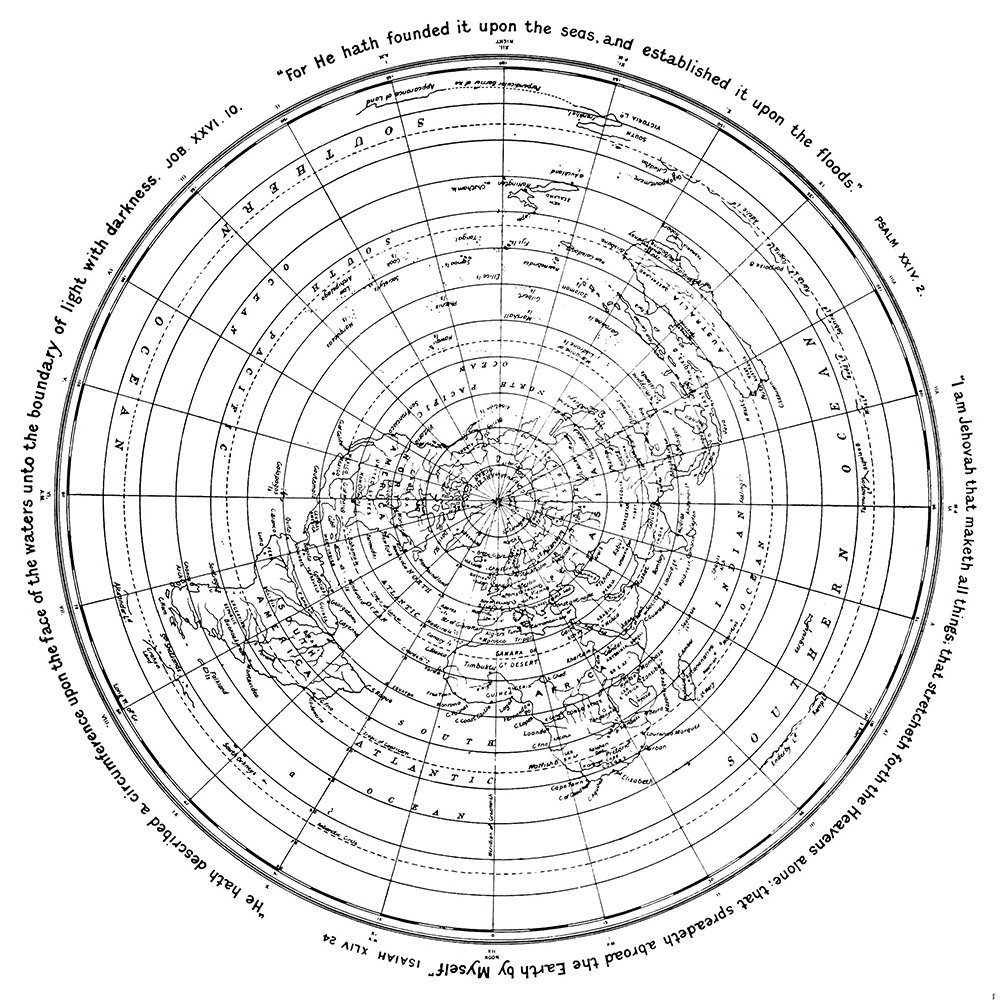
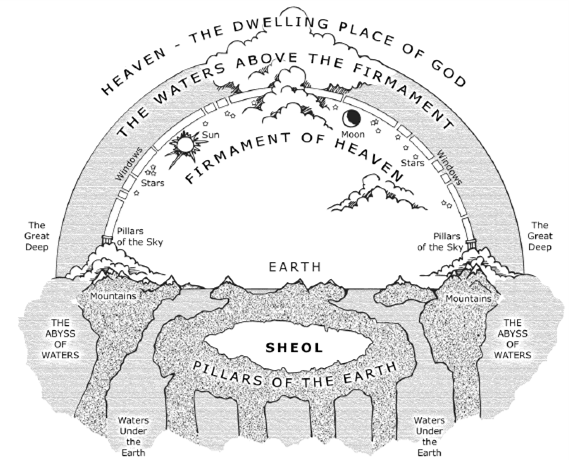
Terrarium
The earthly plane is just a great test, a temporary pilgrimage towards the eternal salvation of the soul.
This life, although real and meaningful, is transitory, and serves only as preparation for eternal life with God in Heaven.
God created human beings in His image and likeness, endowing them with reason, will and freedom. With this freedom, human beings can choose between good and evil. It is precisely in this free will that the proof lies: every choice made in this life has spiritual consequences. A good life, in accordance with God’s commandments and the teachings of the Church, leads to holiness and, at the end of life, to the possibility of salvation. Chosen evil, if not recognized, confessed and abandoned, can lead to condemnation.
This conception of life as a test does not mean that the material world is bad or irrelevant. On the contrary: creation is considered good, and earthly life is the field where charity, faith and hope and the three theological virtues develop. Everything that human beings do in this life, whether in suffering or joy, can be offered to God as an expression of love and fidelity.
God, in His infinite mercy, does not abandon anyone to their fate. He sends sufficient graces to everyone for salvation and offers the sacraments as concrete means of aid on the journey: Baptism, which purifies original sin; the Eucharist, which feeds the soul; Confession, which reconciles the sinner with God; between others.
The world is like a “valley of tears” (like the Hail Queen prayer), but also a spiritual battlefield, in which each soul must fight, with the help of divine grace, to reach the crown of eternal life promised to those who persevere to the end (cf. Mt 24:13).
Life on Earth
Life on Earth is not the ultimate end of the human being, but a time of pilgrimage, trial and preparation for the eternal destiny of the soul. This vision goes back to the Scriptures, the teachings of the Church Fathers and the Magisterium of the Church over the centuries.
Earthly life, although full of challenges, joys and suffering, is considered by the Church to be a providential means, given by God, so that man can cooperate with divine grace and reach his ultimate destiny: the beatific vision of God in Heaven.
In this sense, the world is not despised, but neither is it idolized. He is seen as good in essence, as he was created by God, but is injured by original sin and, therefore, also became the scene of temptations and spiritual dangers.
The Creation and Original Purpose of Man
God created human beings in His image and likeness (cf. Gn 1:26).
This means that man was created with:
Reason – the ability to know the truth.
Will – the ability to choose the good.
Freedom – the ability to act in accordance with one’s conscience.
Immortality of the soul – the human soul does not perish with the body.
Man’s original purpose was to live in full communion with God, in a life of holiness and happiness in the earthly paradise. However, by sinning, Adam and Eve broke this communion, introducing sin and death into the world (cf. Rm 5:12).
From then on, all humanity began to inherit original sin, and the world became a place of spiritual struggle, where man needs, with the help of divine grace, to regain friendship with God.
The World as a Place of Trial
This life is a test, God allows each human being to go through tests, difficulties and free choices so that they can consciously respond to the call of divine love. This is not an arbitrary game, but a divine pedagogical dynamic. Man grows spiritually when exercising his freedom and moral responsibility.
The main elements of this ordeal are:
Temptations – coming from the world, the flesh and the devil.
The cross and suffering – which purify and sanctify.
The practice of virtues – especially faith, hope and charity.
Obedience to God’s will – expressed in the Commandments and doctrine of the Church.
The response to the call to holiness – which is universal (cf. Mt 5:48).
Throughout life, each human being receives sufficient graces to seek the truth, do good and avoid evil. Persistent refusal of grace, attachment to mortal sin, and lack of repentance can lead to eternal damnation. On the other hand, fidelity to grace, even amid falls and weaknesses, leads to salvation.
Free Will and Personal Responsibility
One of the fundamental truths of Catholic doctrine is that human beings are endowed with free will. This freedom is a gift from God and the foundation of moral responsibility. Each person will be judged according to their works, as Jesus taught (cf. Mt 25,31-46; Rm 2,6).
Man is neither automatically saved nor fatally condemned. He participates, with his freedom, in the mystery of salvation. Salvation is a free gift, but it demands a free and loving response.
This answer comes true:
In faith, which accepts Jesus Christ as Savior.
In hope, which trusts in divine promises.
In charity, who loves God above all things and his neighbor as himself.
The Sacraments: Means of Grace on the Path of Salvation
To help man on this path of trial, Christ instituted the sacraments, which are effective signs of grace and channels through which divine life is communicated to us.
The main sacraments in this process are:
Baptism – which forgives original sin and makes us children of God.
Confession (or Penance) – which reconciles the sinner with God after the fall.
Eucharist – which feeds the soul with the Body and Blood of Christ.
Confirmation, Marriage, Order and Anointing of the Sick – which strengthen Christians at different stages of life. These sacraments are like spiritual antidotes, medicines and strengths for the soul, which must constantly fight against the forces of evil.
The Spiritual Struggle: The Christian’s Combat
The Christian life is often described as a spiritual struggle. Saint Paul speaks of this struggle in Ephesians 6:11-13:
“Put on the armor of God, that you may be able to resist the schemes of the devil.”
The Christian fights against:
The world – understood as the value system contrary to God.
The flesh – the disordered inclinations of human nature.
The devil – who seeks to lose souls.
In this fight, God does not abandon us. He gives us:
Prayer as a powerful weapon.
Sanctifying grace to persevere in good.
The examples of the saints, who have already won the battle.
Death: End of the Ordeal and Beginning of Judgment
According to Catholic doctrine, death ends the time of trial. After it, the soul goes through private judgment, in which it is judged by Christ according to its works and intentions.
The possibilities are three:
Heaven – for pure or already purified souls, who sincerely loved God.
Purgatory – for those who have died in grace, but are not yet fully purified.
Hell – for those who, to the end, rejected God’s grace and friendship.
Eternity is a consequence of choices made freely in this life. Therefore, every moment on Earth is precious: it is a time of conversion, growth, repentance and sanctification.
Heaven: The Reward of the Righteous
Heaven is God’s beatific vision, the ultimate end for which we were created. In it, the saints live in perfect communion with God, in eternal joy and peace. There is no more suffering, pain or sin.
The happiness of Heaven consists chiefly in the loving contemplation of God, in communion with the angels and saints, and in the fulness of love.
Purgatory: Purification of Souls
Purgatory is a state of purification for souls who have died in grace, but are not yet fully holy. It is a manifestation of God’s mercy, which allows these souls to be prepared for Heaven.
The souls in purgatory are already saved, but they need to be purified of their imperfections. We can help them with prayers, Masses and sacrifices offered for their liberation.
Hell: Eternal Separation from God
The doctrine of Hell, although difficult, is a truth of faith. It is the state of eternal separation from God, reserved for those who died in a state of mortal sin, without repentance.
It is not God who “sends” someone to Hell. It is the soul itself that freely refuses God’s love, preferring itself. This choice, made definitively in death, becomes eternal.
The Virgin Mary, the Saints and the Angels on the Earthly Journey
The Church teaches that Mary, Mother of God, is a perfect model of holiness and a powerful intercessor with her Son. Saints are concrete examples that it is possible to live holiness in this life. Angels are spiritual guardians who accompany us from birth to death.
They do not replace God’s action, but are instruments of His Providence, acting alongside us in this time of trial.
Life as Pilgrimage and Choice
In short, life in this world is a time of grace and trial, where each soul is called to cooperate with God for its own salvation. Everything in this life – joys, sufferings, decisions, falls and new beginnings – is part of a greater plan of divine love, which wishes to lead each human being to eternal salvation.
Every choice matters. Every act of love, every renunciation of sin, every step towards God counts for eternity. Life is brief, but its value is eternal.
As Saint Augustine says:
“You made us for You, Lord, and our hearts are restless until they rest in You.”