Daemonologia
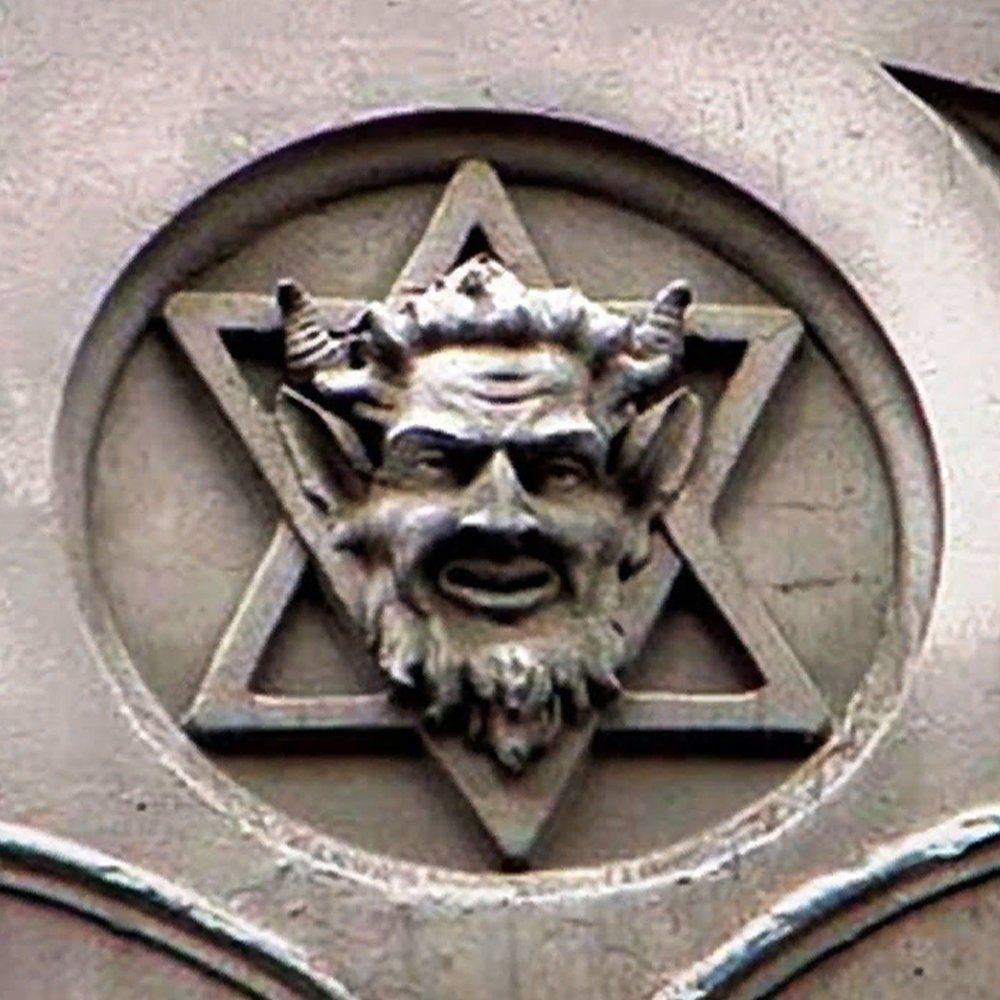
Demons are fallen angels, originally created by God as perfect spiritual beings, endowed with intelligence, freedom, and holiness. Unlike God, who is infinite and supreme, and the saints, who remain faithful to His grace, the demons exercised their freedom deliberately, voluntarily choosing evil. This rebellion against the divine order occurred, according to Christian tradition, before the creation of humankind, and was led by Lucifer, a high-ranking angel, also known as Satan. Driven by pride and the desire for autonomy, Lucifer rebelled against God, dragging other angels with him into the same apostasy.
As a consequence of this choice, demons were permanently separated from divine grace and condemned to hell eternally, remaining as corrupted spiritual beings, in constant opposition to God’s will and the order He created. Thus, unlike humans, who can still attain salvation, demons have no possibility of repentance, being irremediably destined for eternal damnation.
Nature: Immortal spirits, invisible to the human eye.
Corrupted free will: They retain intelligence and willpower, but use it for evil.
Objective: To destroy souls, cause confusion, generate suffering, and distance men from divine grace.
Limits: They cannot act against God’s will or outside the limits He allows.
Catholic tradition teaches that the spiritual world is full of these beings, invisible but active in human life, constantly trying to lead to perdition.
Types of demons and their names
According to traditions such as that of Saint Thomas Aquinas, demons can be organized into hierarchies , similar to angels. Each has specialties and acts in distinct ways.
Satan / Lucifer
Role: Leader of the demons, responsible for the rebellion against God.
Its impact on humans: It sows pride, envy, hatred, and rebellion against God.
Biblical example: The temptation of Adam and Eve (Genesis 3) and of Jesus in the desert (Matthew 4:1-11).
Destructive effect: It can lead to the damnation of the soul, cause family conflicts, hatred, and idolatry.
Beelzebub
Role: Lord of flies and torments, according to tradition.
Influence: Fuels lust, gluttony, and despair.
Example of destruction: It induces vices, moral corruption, and spiritual illnesses, making people slaves to pleasure and lust.
Asmodeus
Function: Demonstrates sexual vices and lust.
Influence: Causes adultery, promiscuity, pornography, and sexual obsessions.
Biblical example: Citations in the Book of Tobit (though partially symbolic), associating it with marital temptations.
Danger: It ruins families, destroys marriages, generates guilt and despair.
Leviathan
Function: Personification of pride and envy.
Influence: Fosters jealousy, arrogance, personal pride, and destructive envy.
Example: People dominated by Leviathan may seek power at any cost, harming others.
Mammon
Function: Demonstrates greed and an excessive love of money.
Influence: Greed, corruption, financial exploitation.
Examples of destruction: Businesspeople and individuals who betray morality for money, systemic corruption, and social injustice.
Belphegor
Function: Demonstrates laziness and deceit through false hopes.
Influence: It encourages laziness, procrastination, and addictions to comfort and escapism.
Example: People who waste time on useless or harmful activities, without cultivating virtues or honest work.
Astaroth
Function: Demonstrates intellectual seduction and vanity.
Influence: Promotes doubt about faith, intellectual pride, and heresies.
Example: It can lead people to question God’s morality or create false doctrines, leading them away from the truth.
Abaddon / Apollyon
Function: Demonstrates destruction and chaos.
Influence: War, death, disasters, and violence.
Biblical example: Revelation 9:11 mentions Apollyon as the angel of the abyss who destroys nations.
Danger: Physical and moral destruction of communities, conflicts and tragedies.
There are thousands of fallen beings. It is not prudent to list them all here, as they are similar to one another, although they possess distinct abilities and gifts. Their purpose, however, is unique: to offer some kind of advantage to humankind in exchange for the condemnation of their soul. These beings attach themselves to the body of the host—the one who allows their action in their life—in search of material and earthly benefits.
Modes of action of demons
Demons are not limited to supernatural acts—they often act through thoughts, temptations, and indirect influences .
Temptation: They suggest thoughts of pride, lust, greed, or hatred.
Deception: They mislead about the truth, creating false beliefs or rationalizations for sin.
Spiritual harassment: It provokes fear, doubt, anxiety, and spiritual depression.
Possession: In extreme cases, they can take partial or total control of a person’s will, requiring intervention from authorized exorcists.
Social influence: They can act through addictions, lies, corruption, hatred, and divisions within communities.
Examples of destruction caused by demons
The effects can be spiritual, psychological, social, and physical .
Spiritual: Separation from God, loss of faith, serious sin, and hopelessness.
Psychological: Anxiety, depression, addictions, excessive fear, or obsessions.
Social issues: Family division, betrayal, violence, corruption.
Physical: Although indirect, these can include illnesses related to addictions or self-destructive behavior.
Historical and literary examples
People possessed by demons in medieval exorcism accounts – spoke strange languages, displayed supernatural strength, and exhibited violent behavior.
Widespread vices, wars, and systemic corruption symbolically attributed to demonic influence.
Cases of demonic possession or influence in saints, which required intense prayer and exorcisms to free them.
How to avoid demonic influence
Catholicism offers concrete spiritual practices:
Constant prayer: Especially the Our Father, Hail Mary, Psalms, and prayers for protection.
Sacraments: Regular Confession, Eucharist, Anointing of the Sick.
Exorcism: Performed only by authorized priests.
Virtues: Humility, charity, patience, and faith strengthen the soul against temptation.
Avoid deliberate sin: Especially pride, envy, lust, greed, sloth, anger, and gluttony.
Protection with sacred objects: Holy water, crucifix, medals of saints.
Community life: Attending church, participating in prayer groups, avoiding spiritual isolation.