Innocent IX
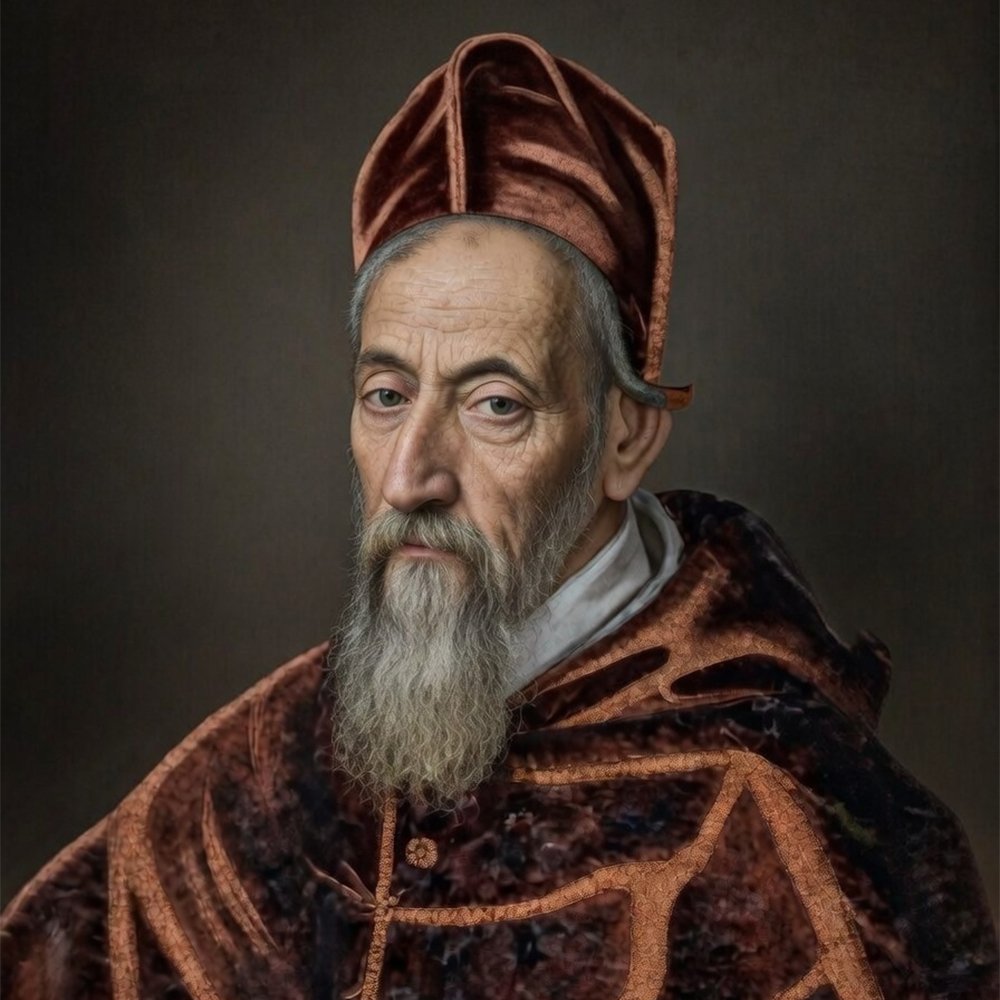
Pope Innocent IX (1591)
BIOGRAPHICAL DATA
Birth name: Giovanni Antonio Facchinetti
Birth: July 20, 1519, Bologna, Papal States (Italy)
Papal election: October 29, 1591
Coronation: November 3, 1591
Pontificate: October 29, 1591 – December 30, 1591 (2 months, 1 day)
Death: December 30, 1591, Rome (72 years old)
Burial: St. Peter’s Basilica, Vatican City
Religious order: Secular clergy (did not belong to a religious order)
Papal motto: None officially recorded
Cognomen: “The Brief Pope”, “Pope of Two Months”, “The Anti-Turkish Pope”
NOTE: One of the shortest pontificates in papal history – died before he could accomplish anything substantial, but showed promise as canonist and would-be crusader against Ottoman Turks!
FORMATION AND RELIGIOUS LIFE
Origins – Facchinetti Family
Facchinetti Family:
- Bolognese family, moderate nobility (not among greatest houses)
- Antonio Facchinetti: father, lawyer, modest means
- Emilia Biondini: mother, from respectable Bolognese family
- Family: professional class (law, not landed aristocracy)
- Giovanni Antonio: showed early aptitude for learning
Childhood and youth (1519-1535):
- Bologna: great university city (oldest university in Europe)
- Education: solid but not lavish (family means modest)
- Giovanni Antonio: serious, studious child
- Health: generally good (lived to 72 – respectable for era)
- Vocation: clear interest in Church, law from youth
Academic Formation
University of Bologna (1535-1544):
- Canon Law and Civil Law
- In utroque iure (doctorate in both laws)
- Doctorate: 1544 (25 years old)
- Student: excellent (Bologna = premier law faculty in Europe)
- Specialization: ecclesiastical jurisprudence, canon law procedure
Priestly Ordination: 1544 (25 years old)
- Immediate ordination after doctorate
- Prepared thoroughly for legal/administrative career in Church
EARLY ECCLESIASTICAL CAREER (1544-1560)
Auditor and Legal Advisor (1544-1553):
- Served various bishops, cardinals (legal counsel)
- Reputation: solid canonist, careful jurist
- Demonstrated: administrative competence, legal precision
Vicar-General of Various Dioceses (1553-1560):
- Served as vicar-general (bishop’s chief administrator) in several sees
- Locations: Fano, other Italian dioceses
- Role: ran diocesan administration (bishops often absent, in Rome)
- Performance: competent, thorough (typical of legal-minded administrator)
Characteristics (1544-1560):
- Meticulous: careful with documents, procedures
- Orthodox: doctrinally conservative (Counter-Reformation era beginning)
- Diligent: hardworking, reliable
- Unremarkable but solid: not brilliant, but dependable
PAPAL DIPLOMACY AND ADVANCEMENT (1560-1591)
Nuncio and Diplomat
Nuncio to Venice (1566-1572):
- Crucial period: height of Counter-Reformation
- Context:
- Republic of Venice: independent, sometimes tense with Rome
- Battle of Lepanto approaching (1571): major naval battle vs. Ottoman Turks
- Venice: key naval power (needed for anti-Turkish coalition)
Facchinetti’s role:
- Diplomatic mediator: Venice-Rome relations
- Crucial: helped organize Holy League (coalition against Ottomans)
- Pope Pius V: organizing coalition (Spain, Venice, Papal States)
- Facchinetti: facilitated Venetian participation
- Lepanto (October 7, 1571): GREAT CHRISTIAN VICTORY
- Ottoman fleet destroyed (turning point in Mediterranean)
- Facchinetti: contributed to diplomatic groundwork
Assessment:
- Competent diplomat: helped achieve historic victory
- Anti-Ottoman commitment: developed strong conviction (would carry to papacy)
- Reputation: solid, reliable (not spectacular, but effective)
Later assignments (1572-1585):
- Various administrative, diplomatic posts
- Continued anti-Turkish advocacy: consistent theme
- Curial service: various congregations
Created Cardinal by Gregory XIII (December 12, 1583):
- 64 years old (elderly for cardinalate)
- Cardinal-Priest of San Girolamo dei Croati
- Reasons:
- Decades of loyal, competent service
- Anti-Turkish credentials (Lepanto connection valued)
- Canonical expertise respected
Cardinal (1583-1591):
- Congregations:
- Holy Office (Inquisition)
- Council (Trent interpretation)
- Various administrative bodies
- Vicar of Rome (1588-1591):
- Important position: oversaw Rome’s ecclesiastical administration
- Direct papal representative in city governance
- Performance: competent, orthodox
- Reputation:
- Respected canonist
- Anti-Ottoman advocate (consistent position)
- Elderly but capable (mental faculties sharp)
- Ascetic: personal austerity noted
Personal characteristics (1583-1591):
- Age: 64-72 (elderly cardinal)
- Health: declining gradually but functional
- Piety: genuine, traditional
- Austerity: simple lifestyle (not ostentatious)
- Scholarly: continued legal/canonical interests
- Anti-Turkish zeal: primary passion (wanted crusade)
CONCLAVE OF 1591 – ELECTION
Pre-Conclave Context – Year of Three Popes!
1590-1591: EXTRAORDINARY YEAR:
- Urban VII (September 1590): pontificate lasted 13 DAYS! (shortest in history – died of malaria before even coronation)
- Gregory XIV (December 1590-October 1591): pontificate lasted 10 months
- Weak, ailing pope (health problems entire reign)
- Died October 16, 1591
Situation of Church (1591):
- Instability: three popes within year (chaos, uncertainty)
- Ottoman threat: continuing (despite Lepanto 1571, Turks still dangerous)
- Spanish influence: King Philip II dominant in Italian politics
- Counter-Reformation: ongoing implementation (Trent reforms)
- France: Wars of Religion raging (Catholic-Huguenot conflict)
Cardinals wanted:
- Stability: after chaotic year
- Experienced administrator: steady hand
- Anti-Turkish commitment: continue crusade spirit
- Orthodox: Counter-Reformation continuity
The Conclave – Brief
Start: October 18, 1591
Duration: 11 days (quick – cardinals wanted resolution after chaotic year)
Factions:
- Spanish faction:
- Philip II’s influence: significant in Italian politics
- Wanted: pope favorable to Spanish interests
- Various Italian factions:
- Different regional interests
- Facchinetti: acceptable to most (Bolognese, not identified with extreme faction)
Why Facchinetti won:
- Age and experience:
- 72 years old: very elderly
- Experienced: decades of service (nuncio, cardinal, vicar)
- “Transitional pope” logic: wouldn’t live long (turned out correct – only 2 months!)
- Anti-Turkish credentials:
- Lepanto connection: valued (crusade spirit still strong)
- Consistent advocate: wanted renewed anti-Ottoman effort
- Canonical expertise:
- Solid jurist: Church needed steady legal hand
- Not controversial: no major enemies
- Spanish acceptability:
- Not hostile to Spanish interests
- Philip II: didn’t oppose
Election: October 29, 1591
- Achieved majority relatively quickly
- Facchinetti: elderly, perhaps surprised (72, didn’t expect at this age)
- Accepted: dutiful acceptance
- Chose name: Innocent IX
- Homage to previous Innocents (continuity, humility implied by name meaning)
Coronation: November 3, 1591
- St. Peter’s Basilica
- Ceremony: solemn but perhaps subdued (third papal transition in year – exhaustion)
- Rome: hopeful for stability after chaotic year
PONTIFICATE (1591) – TWO MONTHS OF ACTIVITY
Immediate Priorities
Given brief time, Innocent IX focused on:
- Anti-Ottoman initiatives:
- Immediate priority: renewed crusade planning
- Correspondence: with Catholic powers (Spain, Venice, Austria)
- Financial preparations: began organizing subsidies
- Diplomatic outreach: encouraging coalition against Turks
- Personal passion: this was his primary papal goal
- Support for Catholic League in France:
- French Wars of Religion: ongoing
- Catholic League: fighting Protestant Henry of Navarre (future Henry IV)
- Innocent IX: strongly supported Catholic League
- Financial subsidies: sent to League forces
- Diplomatic support: encouraged continued resistance to Protestant succession
- Context: Henry of Navarre (Protestant) claimed French throne
- Catholic Church: opposed Protestant king
- Innocent IX: continued predecessors’ policy (Sixtus V, Urban VII, Gregory XIV all opposed Henry)
- Administrative continuity:
- Curial appointments: some (limited time for major changes)
- Papal States governance: routine administration continued
- No major reforms: insufficient time
- Charitable activities:
- Continued traditional papal charity: hospitals, poor relief
- Personal austerity: maintained simple lifestyle even as pope
Health Crisis – Immediate Decline
Pre-existing conditions:
- Age 72: already elderly at election
- Health: had been declining even before election
- Possible awareness: may have sensed limited time
Rapid deterioration:
- November-December 1591: health failing rapidly
- Symptoms: likely cardiac/respiratory issues (common in elderly of era)
- Continued working: despite declining health (dedication to anti-Turkish cause)
- Audiences: maintained as long as possible
Final weeks:
- Mid-December: confined increasingly to bed
- Lucid: maintained mental clarity
- Concerns: worried about unfinished anti-Turkish initiatives
- Continued correspondence: dictated letters (crusade planning)
DEATH
December 30, 1591:
- Rapid decline in final days
- Received Last Rites
- Death: peaceful, expected (health had been failing)
- Age: 72 years, 5 months
- Cause: Old age, likely cardiac or respiratory failure (natural causes, not sudden)
Immediate reaction:
Rome:
- Weary resignation: THIRD papal death within 18 months!
- Exhaustion: “Another conclave already?”
- Limited mourning: brief pontificate meant limited personal connection with populace
Cardinals:
- Practical concern: needed to organize FOURTH conclave in less than 2 years
- Frustration: unstable papal succession (three deaths in rapid succession)
- Urgency: Church needed LONGER-REIGNING, more stable pope
Europe:
- Minimal impact: brief pontificate meant limited diplomatic accomplishments
- Anti-Turkish coalition: initiatives interrupted (incomplete)
- French Catholic League: lost supporter (continuity concerns)
FUNERAL AND IMMEDIATE LEGACY
Funeral
January 1-3, 1592:
- St. Peter’s Basilica
- Ceremony: dignified but modest (brief pontificate = limited elaborate planning)
- Attendance: moderate (Romans somewhat inured to papal funerals after chaotic year)
Burial:
- St. Peter’s Basilica
- Tomb: simple (brief pontificate, limited time for elaborate planning)
Immediate Successor
Conclave 1592:
- FOURTH conclave in less than 2 years!
- Cardinals: desperately wanted stability
- Result: Clement VIII (Ippolito Aldobrandini) elected
- Much longer pontificate: 1592-1605 (13 years!)
- Finally: stability restored
- Clement VIII: significant pope (various achievements)
- Relief: Church finally had breathing room after chaotic succession
HISTORICAL LEGACY
Assessment by Historians
Limited assessment possible:
Given only 2 months:
- Cannot judge: major policy achievements (insufficient time)
- Cannot assess: administrative reforms (none implemented)
- Cannot evaluate: diplomatic success/failure (initiatives incomplete)
What CAN be assessed:
- Intentions and priorities:
- Anti-Ottoman commitment: genuine, consistent (lifelong passion)
- Catholic League support: continued predecessors’ policy (French situation)
- Administrative competence: demonstrated throughout career (pre-papacy)
- Historical significance:
- Symbol of instability: three popes in 18 months (1590-1591)
- Demonstrates: dangers of electing very elderly candidates
- Contrast: with subsequent Clement VIII’s long, stable pontificate
- What might have been:
- If longer reign: possibly significant anti-Turkish initiatives
- Canonical expertise: could have contributed to legal reforms
- Anti-Protestant commitment: might have influenced French succession crisis more significantly
Comparisons
With immediate predecessors:
- Urban VII (1590): 13 days – even shorter!
- Gregory XIV (1590-1591): 10 months – also brief, weak health
- Innocent IX: 2 months – continued pattern of instability
With successor:
- Clement VIII (1592-1605): 13 years – dramatic contrast
- Stability finally achieved: after chaotic 1590-1592 period
Pattern recognition:
- 1590-1591: cardinals kept electing elderly, sickly candidates
- Possibly: reaction to previous long pontificates (Gregory XIII, Sixtus V – both significant, lengthy reigns)
- Overcorrection: elderly “safe” choices led to instability
- Lesson learned: Clement VIII (age 56 at election) – more balanced choice
Why History Barely Remembers Him
Structural reasons:
- Insufficient time: 2 months cannot produce major legacy
- No major documents: no significant bulls, encyclicals possible
- No architectural projects: no time for construction/art patronage
- No major appointments: insufficient time for lasting personnel changes
- Overshadowed: by chaotic year (Urban VII, Gregory XIV) and stable successor (Clement VIII)
Historical footnote status:
- Appears in papal lists (obligatory mention)
- Rarely studied: insufficient material for biography/analysis
- Symbol: rather than substantive historical figure
- Represents: institutional instability period (1590-1592)
PERSONAL CHARACTERISTICS
Virtues (Based on Pre-Papal Career)
Competence:
- Solid canonist: decades of legal expertise
- Reliable administrator: consistent performance (vicar-general, nuncio, cardinal)
Piety:
- Genuine faith: traditional Counter-Reformation orthodoxy
- Personal austerity: simple lifestyle maintained
Commitment:
- Anti-Ottoman zeal: lifelong passion (Lepanto connection, continued advocacy)
- Consistency: maintained positions throughout career
Dedication:
- Continued working: despite failing health (final weeks)
- Focus: anti-Turkish initiatives prioritized even as dying
Limitations
Age:
- 72 at election: already elderly (limited future service inevitable)
- Health: declining even before election (should have been considered)
Brevity prevented:
- Major achievements: insufficient time for lasting impact
- Reform implementation: no opportunity for significant changes
- Relationship building: limited time to develop diplomatic relationships as pope
CURIOSITIES AND HISTORICAL CONTEXT
- Year of chaos:
- 1590-1591: THREE popes (Urban VII, Gregory XIV, Innocent IX)
- Cumulative pontificate time: approximately 13 months for three popes combined!
- Historical anomaly: rare period of extreme papal instability
- Election irony:
- Cardinals sought “stability” by electing elderly, experienced candidate
- Result: even shorter pontificate than predecessor!
- Lesson: age/experience doesn’t guarantee longevity
- Lepanto connection:
- 1571: Facchinetti’s diplomatic work helped enable historic victory
- 1591: finally pope, wanted to continue anti-Turkish work
- Tragic timing: died before could implement major initiatives
- Fourth conclave irony:
- Cardinals who elected Innocent IX (seeking stability) had to convene AGAIN within months
- Practical exhaustion: conclave fatigue evident by 1592
- Result: finally chose more balanced candidate (Clement VIII, age 56)
DOCUMENTS AND ADMINISTRATIVE ACTS
Limited Documentary Legacy
Due to brief pontificate:
- No major bulls: insufficient time for significant doctrinal statements
- Administrative correspondence: some letters survive (Vatican Archives)
- Anti-Turkish coalition correspondence
- Catholic League support letters (France)
- Routine appointments: minor curial adjustments (limited scope)
Historical sources:
- Vatican Archives: administrative records, correspondence
- Contemporary accounts: brief mentions in chronicles of period
- Diplomatic correspondence: from various ambassadors (limited due to brief tenure)
CHRONOLOGY SUMMARY
- 1519: Birth in Bologna (Facchinetti family)
- 1544: Doctorate in both laws; priestly ordination (25 years old)
- 1544-1560: Legal/administrative service (various dioceses)
- 1566-1572: Nuncio to Venice (helped organize Holy League, Lepanto 1571)
- 1583: Created cardinal by Gregory XIII (64 years old)
- 1588-1591: Vicar of Rome
- 1591 (October 29): Papal election (72 years old, third pope in 18 months)
- 1591 (November-December): Brief pontificate – anti-Turkish initiatives, Catholic League support
- 1591 (December 30): Death in Rome, 72 years old (after only 2 months as pope)
FINAL ASSESSMENT
Pope Innocent IX represents one of history’s briefest and least consequential pontificates – a mere two months that prevented any substantial legacy from developing, despite decades of competent pre-papal service.
The Context
Symbol of instability:
- Third pope in 18 months (following 13-day Urban VII and 10-month Gregory XIV)
- Institutional crisis: Church leadership in chaos
- Cardinals’ dilemma: sought stability through experienced elderly candidate, achieved opposite result
The Man Behind the Brief Reign
Competent professional:
- Solid canonist: Bologna-trained legal expert
- Reliable diplomat: contributed to historic Lepanto victory (1571)
- Consistent administrator: decades of dependable service
Genuine convictions:
- Anti-Ottoman passion: lifelong commitment to crusade against Turks
- Catholic orthodoxy: supported Counter-Reformation causes (French Catholic League)
- Personal austerity: maintained simple lifestyle despite elevation
What Might Have Been
Interrupted potential:
- Anti-Turkish coalition: initiatives begun but not completed
- Legal reforms: canonical expertise never fully applied to papal governance
- French crisis: Catholic League support cut short (Henry of Navarre situation continued without full papal engagement)
The Lesson
For papal history:
- Age matters: electing very elderly candidates (72+) as “safe” choices often backfires
- Health assessment crucial: should have been evaluated more carefully
- Stability requires: balance between experience and longevity potential
- Pattern breaking: Clement VIII’s election (age 56) finally provided needed stability
Historical Position
Among brief pontificates:
- Shorter than: most papal reigns in history
- Longer than: Urban VII (13 days) – his immediate predecessor’s predecessor
- Category: “transitional popes” who provided continuity without substantial change
Legacy assessment:
- Cannot be judged: by normal papal standards (achievements, reforms, documents)
- Must be assessed: by intentions, pre-papal competence, historical context
- Represents: institutional resilience (Church survived chaotic succession period)
Epitaph (Honest and Fair)
“Here lies Innocent IX Facchinetti, who spent decades preparing for a role he held only two months. A competent canonist, a dedicated anti-Ottoman advocate, a loyal supporter of Catholic causes in France – his brief pontificate prevented these qualities from producing lasting achievement. He represents not failure, but interrupted potential: a capable man given insufficient time by mortality’s timing. His death, following so closely upon two predecessors, taught the Church a crucial lesson about balancing experience with vitality in papal selection. Though history remembers him primarily as a footnote in an unstable period, he served faithfully in the time allotted, dying as he lived: dedicated to the Church’s defense against external threats and internal division.”
Modern Relevance
Institutional lessons:
- Succession planning: importance of considering candidate vitality, not just experience
- Continuity vs. change: balance needed in leadership transitions
- Historical patience: even brief, seemingly inconsequential reigns serve institutional continuity purposes
Broader historical insight:
- 1590-1592 crisis: demonstrates Church’s institutional resilience even during leadership instability
- Eventually resolved: through Clement VIII’s stable, lengthy pontificate
- Cyclical pattern: brief crises often precede periods of greater stability (silver lining)
Pope Innocent IX – remembered not for what he achieved, but for representing a moment of transition, a brief bridge between chaos and stability, a competent servant whose potential remained largely unrealized due to circumstances beyond his control.
Requiescat in pace – brief in reign, but sincere in service, faithful in his final months to causes he’d championed throughout a long ecclesiastical career.
In the grand sweep of papal history, some pontiffs shape centuries; others, like Innocent IX, simply ensure the institution survives to see another day – and sometimes, that quiet continuity is its own form of service.