Innocent XI
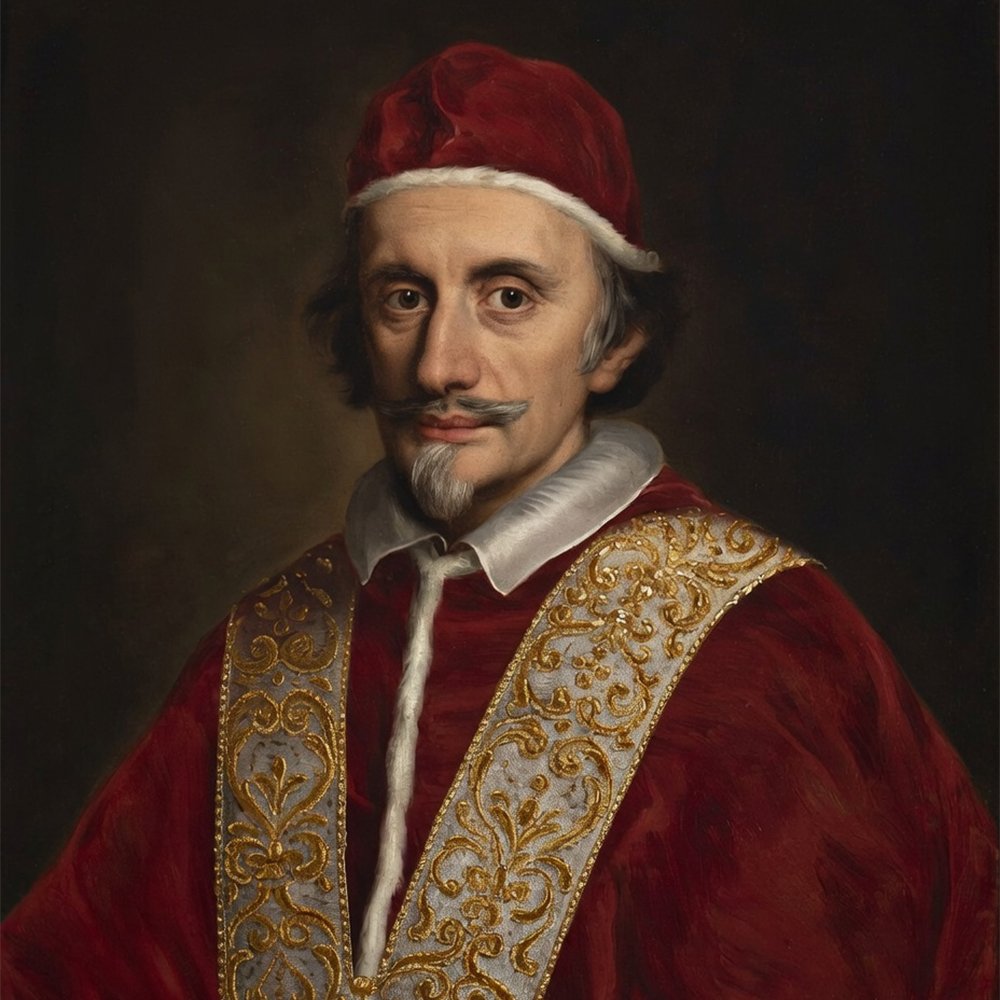
Blessed Innocent XI (1676-1689)
BIOGRAPHICAL DATA
Birth name: Benedetto Odescalchi
Birth: May 16, 1611, Como, Duchy of Milan (Lombardy, Italy)
Papal election: September 21, 1676
Coronation: October 4, 1676
Pontificate: September 21, 1676 – August 12, 1689 (12 years, 10 months, 22 days)
Death: August 12, 1689, Rome (78 years old)
Burial: St. Peter’s Basilica, Vatican City
Religious order: Secular clergy (did not belong to a religious order)
Papal motto: None officially recorded
Cognomen: “The Blessed Pope”, “Savior of Christendom”, “The Austere Pope”, “Enemy of Louis XIV”
BEATIFICATION: October 7, 1956, by Pope Pius XII
Feast Day: August 12
NOTE: Only pope of the modern era beatified – defeated the Ottoman Turks at Vienna (1683), abolished nepotism, fought corruption, opposed absolutism of Louis XIV!
FORMATION AND RELIGIOUS LIFE
Aristocratic Origins – Odescalchi Family
Odescalchi Family:
- Ancient noble family from Como (northern Italy, near Swiss border)
- Livio Odescalchi: father, wealthy merchant, banker, nobleman
- Paola Castelli Giovanelli: mother, from aristocratic family
- Family: IMMENSELY WEALTHY (banking, commerce, real estate)
- One of richest families in Lombardy
- Banking operations: Milan, Como, Genoa, Rome
- Properties: multiple palaces, estates
- Benedetto: second son (elder brother Carlo would inherit title; Benedetto destined for Church)
Privileged childhood (1611-1626):
- Palazzo Odescalchi in Como (magnificent residence)
- Education: private tutors (humanistic, classical)
- Languages: Italian, Latin, Spanish (Lombardy under Spanish rule)
- Benedetto: serious child, pious, studious
- Health: robust (would live 78 years)
- Piety: exceptional from youth
- Daily Mass attendance
- Mortifications (fasting, prayer)
- Charity to poor (personally distributed alms)
- Early vocation: clear from childhood (genuinely religious, not just family strategy)
Academic Formation
Jesuit College, Como (1626-1630):
- Secondary education with Jesuits
- Curriculum: rhetoric, philosophy, mathematics
- Student: excellent (intelligent, disciplined)
- Developed Jesuit spirituality (rigorous, methodical)
- Deepened devotion to Virgin Mary
University of Naples (1630-1632):
- Civil and Canon Law
- Why Naples? Family banking connections in Spanish-ruled kingdom
- Studies: philosophy, jurisprudence
- Doctorate in Canon Law (1632): 21 years old
Sapienza University, Rome (1632-1635):
- Advanced theological and juridical studies
- Specialized in Church law, benefices
- Student: brilliant (photographic memory, logical mind)
- Doctorate in Civil Law (1635): 24 years old
- In utroque iure (both laws doctorate)
Priestly Ordination: 1638 (27 years old)
- Delayed ordination (studied extensively first)
- Prepared thoroughly (spiritual exercises, retreats)
- Ordination: solemn commitment (took vows seriously)
Early Ecclesiastical Career (1638-1645)
Protonotary Apostolic (1638-1640):
- Honorary position in papal court
- Administrative work in Curia
- Demonstrated competence, integrity
President of Apostolic Chamber (1644-1645):
- Crucial position: supervised papal finances under Pope Innocent X
- Age 33: remarkably young for such responsibility
- Why appointed?
- Family banking expertise (Odescalchi = financial experts)
- Demonstrated administrative talent
- Integrity unquestioned
Performance:
- Reformed papal finances (first time!)
- Combated corruption in tax collection
- Systematized accounting
- Reduced papal debt significantly
- Reputation: incorruptible, efficient
- Innocent X: impressed but also uncomfortable (Odescalchi too rigorous, threatened corrupt officials)
Characteristics (1638-1645):
- Administrative genius: natural talent for finance, organization
- Austere personally: lived simply despite family wealth
- Charitable: donated extensively to poor
- Incorruptible: refused bribes, favors (unprecedented in 17th-century Rome!)
- Rigorous: demanded honesty, efficiency from subordinates
- Unpopular with corrupt officials: made enemies (but respected)
BISHOP, CARDINAL, AND LEGATE (1645-1676)
Episcopal Ministry
Bishop of Fermo (1645-1650):
- First diocese (Marche region, Papal States)
- Age 34 (young for bishop)
- Episcopal government – EXEMPLARY: Pastoral visitations:
- Visited EVERY parish (mountainous diocese, difficult terrain)
- Traveled on foot or horseback (refused luxurious carriages)
- Met with clergy, faithful personally
- Inspected churches, schools, hospitals
Diocesan reforms:
- Seminary: completely reorganized
- Curriculum: theology, Latin, pastoral care
- Discipline: strict (expelled lazy students)
- Produced well-trained priests
- Clergy: reformed rigorously
- Synods: held regularly
- Lazy/corrupt priests: dismissed
- Concubinage: eliminated (priests with mistresses expelled)
- Required residency (no absenteeism)
- Seminary: completely reorganized
Charity:
- Personal fortune: spent massively on poor
- Hospitals: founded, expanded
- Orphanages: established
- Food distribution during famine (1648-1649)
- Sold episcopal plate (silver, gold) to feed hungry!
Personal austerity:
- Refused episcopal palace: lived in simple rooms
- Food: bread, vegetables, water (occasional wine)
- Bed: wooden plank (no mattress – mortification)
- Clothing: simple cassock (no luxurious vestments except for liturgy)
- Gave away episcopal revenues (kept only subsistence minimum)
Reputation in Fermo:
- Beloved by poor (“Father of the poor”)
- Respected by clergy (feared his rigor)
- Venerated as living saint (people sought his blessing, touched his cassock)
Created Cardinal by Innocent X (March 6, 1645):
- 34 years old (unusually young)
- Cardinal-Deacon of Santi Cosma e Damiano
- Reasons:
- Outstanding performance as President of Apostolic Chamber
- Family Odescalchi influence (wealth, connections)
- Episcopal excellence in Fermo
- But: Odescalchi reluctant (preferred pastoral work to Curial politics)
Papal Legate and Administrator
Legate to Ferrara (1648):
- Mission: administer Ferrara (important papal city)
- Plague outbreak (1648-1649): devastating
- Odescalchi’s response:
- Stayed in city (many officials fled!)
- Organized medical care
- Distributed food, medicine
- Visited plague victims personally (risking life!)
- Spent personal fortune (Odescalchi family wealth) on relief
- Result: plague contained, mortality reduced
- Reputation: heroic charity, administrative competence
Cardinal-Bishop of Novara (1650-1656):
- Promoted to larger diocese (Lombardy, near family homeland)
- Similar pattern:
- Pastoral visitations (exhaustive)
- Seminary reform
- Clerical discipline
- Massive charity
- Personal austerity
Return to Rome (1656-1676):
- Resided permanently in Rome
- Refused episcopal palace: lived in modest apartments
- Participated in Curial Congregations:
- Holy Office (Inquisition)
- Bishops and Regulars
- Propaganda Fide (Missions)
- Financial Congregations: (expertise utilized)
Participated in Conclaves:
- 1655: Election of Alexander VII
- 1667: Election of Clement IX
- 1670: Election of Clement X
- Reputation in Conclaves:
- Respected universally for sanctity
- Seen as papabile (potential pope)
- But: too austere (cardinals feared his rigor!)
- Vetoed multiple times by Catholic monarchs (Spain, France – feared he’d be too independent)
Life in Rome (1656-1676):
Residence:
- Modest palace (compared to other cardinals)
- Simple furnishings
- No luxury, ostentation
Daily routine:
- 4am: Rise for Matins
- 5am: Meditation (1 hour)
- 6am: Mass (celebrated daily, devoutly – sometimes took 2 hours!)
- 7am-12pm: Curial work, audiences
- 12pm: Lunch (frugal – bread, vegetables)
- 1pm-3pm: Rest, spiritual reading
- 3pm-6pm: More work
- 6pm: Vespers
- 7pm: Dinner (minimal)
- 8pm-10pm: Prayer, study
- 10pm: Retire (slept on wooden plank with thin blanket)
Personal practices:
- Mortifications:
- Cilice (spiked chain worn around waist – constant discomfort)
- Flagellation (disciplina – weekly)
- Fasting (bread and water, multiple times weekly)
- Cold water only (no heating even in winter)
- Charity:
- Gave away 90%+ of income!
- Anonymous donations to poor
- Dowries for poor girls (so they could marry or enter convent)
- Hospitals, orphanages: supported massively
- Odescalchi fortune: steadily depleted by charity
Reputation in Rome (1656-1676):
- “Santo” (Saint): universally acknowledged
- Miraculous interventions attributed (healing sick, multiplication of bread – unverified)
- People sought his blessing
- But: cardinals nervous (too austere for papal throne – would demand reforms!)
CONCLAVE OF 1676 – ELECTION
Pre-Conclave Context
Death of Clement X (July 22, 1676):
- Long pontificate (6 years), elderly pope (80s at election)
- Weak government (dominated by Cardinal Altieri – nephew)
- Nepotism rampant
- Papal finances: deteriorating
- Church needed: REFORMER
Situation of Church/Europe (1676):
External threats:
- Ottoman Turks: expanding aggressively
- Hungary: largely conquered
- Poland: threatened
- Austria: next target
- Christendom in danger
- Protestantism: strong in Northern Europe
- Catholic monarchies: asserting independence from Rome
Internal problems:
- Nepotism: endemic (popes enriching families)
- Corruption: Curia, clergy
- Jansenism: rigorist heresy (France, Netherlands)
- Quietism: excessive mysticism
- Finances: papal debt enormous
- Moral laxity: clergy, religious orders
Need: Pope who would:
- Reform Church internally
- Oppose Ottoman expansion
- Stand firm against royal encroachments
- Restore papal finances
- Combat heresy
- Live holy life (example to faithful)
The Conclave – Two Months
Start: August 2, 1676
Duration: 51 days (long, contentious)
Factions:
- “Squadrone Volante” (Flying Squadron):
- Reformers, anti-nepotism
- Wanted: Odescalchi (ideal candidate!)
- Led by: Cardinal Brancaccio, Cardinal Azzolino
- Zelanti (“Zealous”):
- Pro-papal independence
- Anti-French (opposed Louis XIV)
- Also favored Odescalchi
- French faction:
- Pro-Louis XIV
- OPPOSED Odescalchi (feared he’d resist French absolutism)
- Preferred: weak, accommodating pope
- Spanish faction:
- Pro-Spanish interests
- Also opposed Odescalchi (too independent)
- “Nepotist” cardinals:
- Feared Odescalchi would end nepotism (correct!)
- Preferred: traditional pope who’d enrich family
Candidates:
- Cardinal Odescalchi: reformers’ choice (but opposed by powerful factions)
- Cardinal Altieri: moderate (former Secretary of State)
- Cardinal Cibo: French favorite
- Several compromise candidates
Vetoes (Exclusions):
- France (Louis XIV): repeatedly vetoed Odescalchi!
- Louis XIV: “Odescalchi is too rigid, will oppose French interests”
- French ambassador: pressured cardinals
- But: veto not absolute (advisorial, not canonical)
Odescalchi’s stance:
- Humble, reluctant:
- “I am unworthy”
- “I do not seek this burden”
- Genuinely preferred to remain cardinal
- But: did not refuse if elected (obedience to God’s will)
Turning point:
- Weeks of deadlock
- Reform faction: INSISTED on Odescalchi
- Arguments:
- Church desperately needs reform
- Odescalchi only one with credibility
- Sanctity undeniable
- Administrative competence proven
- Must defy French veto (papal independence at stake!)
- Zelanti: agreed
- Moderate cardinals: convinced
- French/Spanish factions: isolated
Election: September 21, 1676
- Dramatic vote:
- Achieved 2/3 majority despite French opposition!
- First time in decades: major power veto overridden
- Statement: Papacy independent of monarchs
- Odescalchi: ACCEPTED (reluctantly)
- “God’s will be done, though I am unworthy”
- Chose name: Innocent XI
- Homage to Innocent X (1644-1655, who made him cardinal)
- “Innocent” = “harmless, blameless” (fitting his character)
Coronation: October 4, 1676
- St. Peter’s Basilica
- Ceremony: SIMPLIFIED (Odescalchi insisted!)
- Reduced traditional pomp
- Shorter than usual
- Innocent XI: visibly uncomfortable with grandeur
- Symbolic: beginning of austere pontificate
PONTIFICATE (1676-1689) – REFORM AND RESISTANCE
Abolition of Nepotism – REVOLUTIONARY
Immediate actions (October 1676):
Family Odescalchi:
- Brother Carlo Odescalchi: expected cardinal-nephew position (tradition!)
- Other relatives: anticipated benefices, offices, wealth
- Innocent XI: REFUSED ALL
- “I am pope of the Church, not the Odescalchi family”
- NO Odescalchi made cardinal
- NO Odescalchi given Curial positions
- NO papal properties transferred to family
- UNPRECEDENTED in modern papacy!
Family reaction:
- Carlo Odescalchi: disappointed but accepted
- Extended family: shocked, some resentful
- But: Odescalchi already wealthy (didn’t need papal nepotism)
Edict against nepotism (1677):
- Prohibited future popes from enriching families
- Regulations:
- Maximum 1 relative as cardinal (only if genuinely qualified)
- No transfer of properties
- No lucrative offices for relatives
- Limited financial support (subsistence only)
- Enforcement: Innocent XI set example personally
Impact:
- Shocked Rome (nepotism was NORMAL for 400+ years!)
- Curial cardinals: uncomfortable (their own nepotism questioned)
- But: couldn’t oppose (Innocent XI’s sanctity = moral authority)
- Precedent set: successors pressured to follow (though some violated – Alexander VIII)
- Ultimate result: Innocent XII (1691-1700) made it PERMANENT (“Romanum Decet Pontificem” 1692)
Financial Reform – Restoring Papal Treasury
Situation inherited:
- Papal debt: 50 MILLION scudi! (astronomical)
- Annual deficit: massive
- Corruption: tax collectors embezzling
- Wasteful spending: courts, nepotism, wars
Innocent XI’s reforms:
- Austerity in papal court:
- Reduced staff drastically
- Eliminated unnecessary positions
- Cut salaries of overpaid officials
- No new appointments (nepotism banned)
- Simplified ceremonies
- Papal functions: less elaborate
- Reduced banquets, entertainments
- Saved enormous amounts
- Personal example:
- Papal apartments: lived simply (refused luxurious quarters)
- Food: frugal (bread, vegetables – same as cardinal days)
- Clothing: simple (no expensive fabrics)
- Gave away papal income (kept minimum for necessities)
- Taxation reform:
- Systematized collection (States Pontifical)
- Eliminated corruption:
- Tax collectors: audited rigorously
- Embezzlers: prosecuted, dismissed
- New oversight mechanisms
- Made taxation fairer (reduced burden on poor, increased on wealthy)
- Expense reduction:
- Construction projects: halted (except essential repairs)
- No new palaces, monuments
- Contrast with predecessors (Urban VIII, etc. – built lavishly)
- Military spending: only essentials (defense, not aggression)
- Curial spending: slashed
- Debt management:
- Renegotiated loans (better terms)
- Paid down principal systematically
- Avoided new borrowing
Results (1676-1689):
- Papal debt: REDUCED from 50 million to 25 million scudi!
- Annual budget: SURPLUS (first time in century!)
- Treasury: REPLENISHED
- Credit rating: RESTORED (lenders trusted papal finances again)
- Freed resources for:
- Charity (massive poor relief)
- War against Turks (subsidies to Holy League)
- Missions (supported Propaganda Fide)
Contemporary reactions:
- Romans: grateful (reduced taxation)
- Poor: blessed Innocent XI (charity increased despite austerity)
- Curial officials: resentful (lost lucrative corruption opportunities)
- Europe: impressed (financial miracle)
Moral and Disciplinary Reform of Church
Clergy:
- Residency requirement:
- Bishops MUST reside in dioceses (no absenteeism!)
- Many bishops: lived in Rome, ignored flocks
- Innocent XI: FORCED them to dioceses
- Refusal: removal threatened
- Compliance: dramatically improved
- Episcopal appointments:
- Merit-based (not family connections, bribes)
- Investigated candidates rigorously
- Required:
- Theological competence
- Pastoral experience
- Moral integrity
- No simony (buying/selling offices – prohibited!)
- Clerical discipline:
- Concubinage: combated relentlessly
- Priests with mistresses: suspended, removed
- Illegitimate children: scandal addressed
- Celibacy: enforced strictly
- Pluralism: prohibited
- Holding multiple benefices: forbidden
- One priest, one position (no accumulation of income)
- Simony: prosecuted
- Selling sacraments, offices: severe penalties
Religious Orders:
- Reform of lax communities:
- Visitations: conducted (or ordered bishops to conduct)
- Corrupt monasteries/convents: reformed or closed
- Jesuit controversy:
- Some Jesuits: too worldly (business, politics)
- Innocent XI: admired Jesuit spirituality
- But: warned against excessive accommodation (Chinese Rites issue)
- New foundations:
- Supported reform movements:
- Discalced Carmelites (Teresa of Ávila reform)
- Capuchins (Franciscan reform)
- Oratorians (Philip Neri spirituality)
Seminary education:
- Tridentine seminary system: enforced rigorously
- Curriculum: theology, Latin, pastoral care
- Discipline: strict (moral formation emphasized)
- Goal: well-trained, holy priests
Results:
- Clerical morality: IMPROVED (measurably)
- Scandals: REDUCED
- But: resistance from corrupt clergy (some defied reforms)
- Process: ongoing (not completed in 13 years, but significant progress)
Doctrinal Issues
Jansenism:
Context:
- Rigorist heresy (grace, predestination – similar to Calvinism in some ways)
- Strong in France, Netherlands
- Condemned by predecessors but persisting
Innocent XI’s approach:
- Condemned Jansenist doctrines (continuity with predecessors)
- But: nuanced:
- Distinguished: genuine Jansenists vs. those falsely accused
- Some rigorist practices: acceptable if not heretical (moral strictness not bad per se)
- Opposed laxism (opposite extreme – moral permissiveness)
- Controversy: some accused Innocent XI of Jansenist sympathies (FALSE)
- He was rigorous morally (like Jansenists)
- But: doctrinally orthodox (unlike Jansenists)
- Confusion: rigor ≠ heresy
Quietism:
Context:
- Excessive mysticism (passivity, inaction, claimed direct union with God)
- Miguel de Molinos: Spanish priest in Rome, main proponent
- Controversial teachings: “pure love” requires abandoning all activity (even virtue!)
Innocent XI’s response:
- Initially tolerant: allowed investigation
- 1687: CONDEMNED Molinos
- 68 propositions from Molinos’ writings: condemned
- Molinos: arrested, imprisoned (died in prison 1696)
- Reasoning: Quietism led to moral laxity (false mysticism justified sin)
- Balance: Innocent XI supported genuine mysticism (Teresa of Ávila, John of the Cross) but opposed false
Laxism (Moral Laxity):
Probabilism debate:
- Moral theology: when action doubtful, follow probable opinion (even if less safe)?
- Laxists: used probabilism to justify almost anything
- Rigorists: condemned all probabilism
Innocent XI:
- Condemned 65 laxist propositions (1679)
- Included justifications for:
- Lying, mental reservation (deception)
- Dueling
- Usury (excessive interest)
- Sexual immorality
- Simony
- 严ict moral standards reasserted
- Included justifications for:
- But: not rigorist (allowed legitimate probabilism)
- Middle way: orthodox, balanced
Chinese Rites Controversy:
Issue: Could Chinese Christians practice ancestral rites, honor Confucius?
- Jesuits: YES (civil customs, not worship)
- Dominicans, Franciscans: NO (idolatry!)
Innocent XI:
- Did NOT definitively resolve (too complex)
- Allowed debate to continue
- Consulted theologians
- Leaned toward restriction (suspicious of accommodation)
- But: left decision to successor (Clement XI decided against – disastrously)
Relations with France – EPIC CONFLICT
Louis XIV (“Sun King”):
- Absolute monarch (divine right)
- Controlled French Church (Gallicanism)
- Aggressive foreign policy
- Persecuted Huguenots (French Protestants)
Gallicanism:
“Four Gallican Articles” (1682):
- Declared by French clergy (under Louis XIV’s pressure):
- Popes have NO authority over temporal matters (kings independent)
- Church Councils SUPERIOR to Pope
- Papal authority limited by French customs (“Gallican liberties”)
- Papal decrees not infallible unless accepted by whole Church
Innocent XI’s response:
- ABSOLUTELY REJECTED Gallican Articles
- Refused to appoint bishops approved by Louis XIV (if they signed Articles)
- Result: 40+ French dioceses WITHOUT bishops! (1682-1689)
- Sees vacant (no canonical bishop)
- Louis XIV: furious (Church paralyzed)
- Innocent XI: UNMOVED (would not compromise papal authority)
Conflict escalation:
- Regale dispute:
- Regale: royal right to revenues of vacant dioceses
- Louis XIV: extended regale to ALL France (previously limited)
- Innocent XI: PROTESTED (violated Church rights)
- Louis XIV: ignored
- Innocent XI’s countermeasures:
- Refused papal bulls for Louis XIV’s episcopal candidates
- Threatened excommunication (never implemented – would cause schism)
- Diplomatic protests: constant
- Louis XIV’s retaliation:
- Occupied Avignon (papal territory in France)
- Threatened papal ambassador (physically intimidated)
- Propaganda campaign: attacked Innocent XI’s legitimacy
- Supported Gallican clergy against Rome
- Revocation of Edict of Nantes (1685):
- Louis XIV: BANNED Protestantism in France
- Huguenots: persecuted, expelled (200,000+ fled)
- Forced conversions: dragonnades (military persecution)
Innocent XI’s reaction:
- CONDEMNED method (not goal):
- Agreed: Protestantism erroneous
- But: OPPOSED forced conversions (“Violence cannot produce true faith”)
- Criticized Louis XIV publicly (rare for pope to criticize Catholic king!)
- Supported Huguenot refugees (those who fled to Catholic territories)
- Paradox: Pope defended Protestants’ right to not be coerced (principle vs. expediency)
Stalemate (1682-1689):
- Innocent XI: NEVER yielded (no compromise on Gallican Articles)
- Louis XIV: NEVER fully submitted
- French Church: PARALYZED (dozens of sees vacant)
- Resolution: only after Innocent XI’s death
- Alexander VIII (1689-1691): accommodated France partially
- Innocent XII (1691-1700): formal reconciliation (Louis XIV abandoned Articles formally)
Assessment:
- Innocent XI: MORAL VICTORY
- Preserved papal authority principle
- Showed papacy could resist absolute monarchy
- Inspired later resistance to royal encroachment
- But: practical stalemate (French Church suffered)
War Against the Ottoman Turks – SALVATION OF CHRISTENDOM
Context (1676-1689):
- Ottoman Empire: powerful, expansionist
- Hungary: largely conquered (1540s-1670s)
- Poland: threatened (southern territories raided)
- Austria: next major target
- European powers: divided, weak response
Innocent XI’s strategy:
- HOLY LEAGUE (1684):
- Organized coalition of Catholic powers:
- Austria (Holy Roman Empire) – Emperor Leopold I
- Poland – King John III Sobieski
- Venice – Republic (maritime power)
- Papal States (symbolic, limited military)
- Later: Russia (Orthodox, but allied against Turks)
Formation:
- Innocent XI: personal diplomacy (letters, ambassadors)
- Overcame rivalries (Austria-Poland tensions, Venice-Austria disputes)
- Papal authority: used to unite Christendom
- Financial support – MASSIVE:
- Despite papal poverty (debt reduction ongoing):
- Subsidies to Austria: hundreds of thousands of scudi
- Subsidies to Poland: significant amounts
- Venice: naval support funded
- How financed?
- Innocent XI’s personal austerity freed funds
- Borrowed (for this holy cause)
- Appeals to Catholic faithful (donations)
- Estimates: 2+ MILLION scudi contributed (1683-1689)
- Enormous sum (papal budget ~1 million scudi/year)
- Spiritual mobilization:
- Declared CRUSADE (spiritual indulgences)
- Prayers: ordered throughout Catholic world
- Rosary, Masses, processions
- Fasting, penance
- Propaganda: sermons, publications (rallied Christian morale)
BATTLE OF VIENNA (September 11-12, 1683):
Crisis:
- July 1683: Ottoman army (150,000+) besieged Vienna
- Grand Vizier Kara Mustafa: commanded
- Emperor Leopold I: fled (safety)
- Vienna: desperate (outnumbered defenders, supplies running low)
- Christendom in peril: If Vienna fell, Turks would sweep into Germany, Italy
Relief force:
- King John III Sobieski (Poland): arrived with 20,000 Polish troops
- Famous winged hussars (heavy cavalry)
- Charles V of Lorraine (Imperial general): Austrian/German forces
- Total Christian army: ~70,000 (still outnumbered)
Battle (September 12, 1683):
- Polish charge: Sobieski led largest cavalry charge in history
- 20,000 horsemen down Kahlenberg heights
- DECISIVE: shattered Ottoman lines
- Ottoman rout: Turks fled, abandoned camp
- Vienna saved!
Innocent XI’s reaction:
- News reached Rome: September 15
- Rejoicing: Te Deum in St. Peter’s
- Innocent XI: tears of joy (reports)
- Attributed victory to Virgin Mary
- Instituted feast: Holy Name of Mary (September 12 – anniversary of victory)
Sobieski to Innocent XI (letter):
- “Venimus, vidimus, Deus vicit” (“We came, we saw, God conquered”)
- Paraphrase of Caesar, attributing victory to God
- Sent captured Turkish standard to pope
Continued war (1683-1689):
- Momentum: Christian counteroffensive
- 1686: Buda liberated (Hungarian capital, Ottoman-held since 1541)
- 1687: Battle of Mohács II (decisive Christian victory)
- 1688: Belgrade captured (later lost, recaptured 1690s)
- Hungary: largely reconquered
Innocent XI’s continued role:
- Financial support: continued (despite poverty)
- Diplomatic coordination: maintained League unity
- Spiritual encouragement: letters, blessings
Ultimate result (after Innocent XI’s death):
- Treaty of Karlowitz (1699): Turks ceded Hungary, Transylvania
- Ottoman expansion in Europe: ENDED PERMANENTLY
- Innocent XI: “Savior of Christendom” (historical consensus)
Administration of Papal States
Government:
- Governors: appointed for competence (not nepotism)
- Corruption: combated (audits, dismissals)
- Justice: reformed
- Criminal code: updated
- Courts: more efficient
- Bandits: pursued (southern Italy, Papal States plagued by brigands)
Economy:
- Taxation: fairer (reduced burden on poor)
- Agriculture: modest improvements (drainage projects)
- Commerce: facilitated (reduced tolls, bureaucracy)
- But: Papal States still backward (compared to Venice, Tuscany)
Public works:
- Minimal (austerity policy)
- Essential only:
- Hospital repairs
- Aqueduct maintenance
- Fortifications (defense against Turks)
- No palaces, monuments (contrast with Urban VIII, Alexander VII)
Charity:
- Massive despite austerity:
- Hospitals: expanded (Santo Spirito, others)
- Orphanages: founded
- Poor relief: systematic distribution
- Dowries: for poor girls (marriage or convent)
- Famine relief: 1678-1679 (distributed grain)
- Funded by:
- Innocent XI’s personal income (given away)
- Savings from austerity
- Appeals to wealthy (Innocent XI’s moral authority induced donations)
Beatifications and Canonizations
Canonizations (formal):
- Few (process expensive, Innocent XI economizing)
- But: advanced many causes (completed by successors)
Veneration promoted:
- Teresa of Ávila, John of the Cross: Carmelite mystics
- Francis de Sales: gentle spirituality
- Philip Neri: joyful holiness
- Ignatius Loyola, Francis Xavier: Jesuit founders
Approach:
- Rigor: investigations thorough (avoid fraud)
- Holiness emphasized: not just miracles
- Universal call to sanctity: promoted
FINAL YEARS AND DEATH (1687-1689)
Health Decline
1687-1688:
- Age 76-77: still vigorous
- Maintained brutal schedule (4am-10pm daily)
- Austerities continued (wooden plank bed, fasting, cilice)
Winter 1688-1689:
- Illness began: fever, weakness
- Urinary problems (probable prostate issues)
- Pain: severe (but bore stoically)
- Continued working: refused to rest
Spring-Summer 1689:
- Deterioration: rapid
- Fever: persistent
- Edema: swelling (fluid retention)
- Difficulty eating (lost weight dramatically)
- But: lucid, alert (mind sharp)
Last months:
- Confined to bed (July-August 1689)
- Received cardinals, gave instructions
- Concerned about:
- War against Turks (continue support!)
- Reform of Church (must persist!)
- Papal finances (don’t waste restored treasury!)
Spiritual preparation:
- Daily Communion (when able)
- Confession: frequent
- Devotions: Rosary, prayers to Virgin Mary
- Serenity: accepted approaching death peacefully
Death
August 12, 1689:
- Morning: agony began
- Received Last Rites (Extreme Unction)
- Surrounded by:
- Cardinals (close collaborators)
- Physician
- Servants (few – lived simply even dying)
- NO Odescalchi family members enriched! (contrast with nepotistic popes)
Last words (reported):
- “Jesus, Mary” (devotion until end)
- Or: “Lord, into Your hands I commend my spirit” (Luke 23:46)
Time of death: ~2pm Age: 78 years Cause: Multiple organ failure (kidney/heart failure probable)
Immediate reaction:
Rome:
- Mourning: PROFOUND
- Bells tolled throughout city
- People wept in streets
- “The saint has died!” (common cry)
- Crowds: tried to touch body (seek relics)
Cardinals:
- Genuine grief (even those who resented his rigor)
- Recognized: giant has fallen
Europe:
- Catholic world: mourned deeply
- Vienna: special Masses (savior of city!)
- Poland: Sobieski wept (reports)
- Even France: respectful (despite Louis XIV’s conflicts)
- Protestant world: respectful tributes (even enemies admired his integrity)
FUNERAL AND IMMEDIATE AFTERMATH
Funeral
August 14-16, 1689:
- St. Peter’s Basilica
- Unprecedented scenes:
- Multitudes: overwhelmed Vatican (200,000+ estimated)
- Veneration: people kissed body, touched with rosaries
- Miracles claimed: healings, conversions (unverified immediately)
- Guards: struggled to control crowds
Burial:
- St. Peter’s Basilica
- Tomb: initially simple (his wish)
- Later: monument erected (successors honored him)
- Sculpture: shows Innocent XI in prayer
- Inscription: praises sanctity, defense of Christendom
Immediate Legacy
Successor: Alexander VIII (1689-1691):
- Complete opposite: nepotistic, luxurious
- Undid some reforms: enriched family Ottoboni
- But: couldn’t reverse main achievements (Holy League victory, papal authority vs. France)
- Contrast: highlighted Innocent XI’s sanctity
Reforms:
- Financial: treasury remained healthy (Alexander VIII damaged it, but not destroyed)
- Anti-nepotism: principle established (Innocent XII made permanent 1692)
- Moral reform: continued (momentum Innocent XI created)
International:
- War against Turks: continued successfully (Treaty of Karlowitz 1699)
- Papal prestige: restored (Innocent XI showed papacy could lead Christendom)
BEATIFICATION PROCESS
Popular Veneration (1689-1700s)
Immediately after death:
- “Santo subito!” (“Saint immediately!”) – popular cry
- Tomb: pilgrimage site
- Miracles attributed:
- Healings (sick touching tomb)
- Conversions
- Intercessions
18th Century:
- Devotion continued
- Biography published (hagiographic)
- Process initiated: Rome (informally)
Political Obstacles
Why delayed 250+ years?
- French opposition (Louis XIV, successors):
- Louis XIV: opposed beatification (Innocent XI resisted him)
- French government: blocked process (influence in Rome)
- Even after Louis XIV’s death (1715): French Bourbons opposed
- Jansenist controversy:
- Jansenists: claimed Innocent XI sympathized with them (FALSE)
- Some rigorist statements: misinterpreted
- Opponents: used this to block process
- Anti-Jesuit elements:
- Innocent XI: supported Jesuits generally
- But: warned about Chinese Rites (eventual condemnation)
- Jesuits: ambivalent about beatification (some feared association with Rites condemnation)
- Political instability:
- French Revolution (1789): chaos
- Napoleonic era: persecution of Church
- Italian unification (1860s-1870): Papal States seized
- Process stalled repeatedly
Modern Revival
20th Century:
- World Wars: devastation made Innocent XI’s defense of Christendom resonate
- Anti-communist struggle: Innocent XI’s resistance to absolutism (Louis XIV) paralleled
- Pope Pius XII: revived cause (1940s-1950s)
Investigation:
- Historical research: life, writings, miracles examined
- Theological examination: orthodoxy confirmed
- Jansenist accusations: REFUTED
- Rigor: legitimate, not heretical
- Miracles: several verified (healings attributed to intercession)
Beatification: October 7, 1956
- Pope Pius XII presided
- St. Peter’s Basilica
- Declared “Blessed” (first step to sainthood)
- Feast day: August 12 (anniversary of death)
Why Not Yet Canonized?
Requirements for sainthood:
- Beatification: requires 1 miracle (verified)
- Canonization: requires additional miracle (after beatification)
Status:
- Cause open (additional miracles being investigated)
- But: slow process (bureaucratic, expensive)
- Devotion: continues (especially in Como, Rome, Poland, Austria)
Likelihood:
- Strong case:
- Heroic virtue: undeniable
- Historical importance: savior of Christendom
- Continued veneration
- Obstacles:
- Political sensitivities (France – diminished but lingering)
- Process expense/complexity
- Prediction: likely eventual canonization (but may take decades more)
HISTORICAL LEGACY
Assessment by Historians
Catholic historians:
- Consensus: one of greatest popes of modern era
- Comparisons:
- St. Pius V (1566-1572): reform, defense of Christendom (Lepanto)
- St. Gregory VII (1073-1085): papal independence vs. monarchs
- Innocent XI: worthy peer
Secular historians:
- Respected: even non-Catholic scholars admire
- Financial genius: transformed papal finances
- Diplomatic skill: created Holy League
- Moral integrity: rare in 17th-century politics
Military historians:
- Vienna 1683: pivotal battle of European history
- Innocent XI’s role: essential (without him, no Holy League, no Sobieski relief, Vienna falls)
- “Savior of Western Civilization”: justified (Turkish conquest would have altered European history fundamentally)
Comparisons with Contemporaries
Louis XIV (“Sun King”):
- Polar opposites:
- Louis: absolute monarch, luxury, glory
- Innocent XI: humble pope, austerity, service
- Conflict: epic (Gallicanism vs. Papal authority)
- Long-term: Innocent XI’s principles outlasted Louis XIV’s absolutism
Emperor Leopold I:
- Ally: Innocent XI’s key partner
- Leopold: grateful (Innocent XI saved Austria)
- Cooperation: model Church-State collaboration
King John III Sobieski:
- Hero of Vienna: military genius
- But: acknowledged Innocent XI’s crucial role
- “God conquered” (letter to pope)
- Without papal subsidies, Polish army couldn’t have marched
Impact on Papacy
Financial:
- Model: showed papal finances could be managed responsibly
- Precedent: austerity possible (even if successors violated)
Anti-nepotism:
- Trailblazer: Innocent XI proved pope could resist nepotism
- Culmination: Innocent XII’s permanent ban (1692) built on Innocent XI’s example
Moral authority:
- Restored: papal prestige after scandals of earlier century
- Demonstrated: holiness matters (people followed holy pope even when weak politically)
Independence:
- Vs. France: showed papacy wouldn’t submit to absolutism
- Inspiration: future popes resisting royal encroachment (Pius VII vs. Napoleon)
Cultural Legacy
Feast of Holy Name of Mary:
- September 12 (anniversary of Vienna victory)
- Universal feast: celebrated throughout Catholic Church
- Commemoration: Innocent XI’s gratitude to Virgin Mary
Devotions:
- Rosary: promoted (Marian devotion)
- Eucharistic piety: encouraged
Architecture:
- Minimal: Innocent XI built almost nothing (austerity)
- But: repaired/maintained (responsible stewardship)
- Legacy: showed grandeur not necessary for great pontificate
Art:
- Limited patronage (austerity)
- But: commissioned works emphasizing sanctity, charity (not glorifying papacy)
PERSONAL CHARACTERISTICS
Virtues (Heroic Level)
Charity:
- Gave away 90%+ of income (entire life)
- Sold possessions to feed hungry (episcopal plate, even papal treasures)
- Personal service: visited sick, poor (even as pope)
- Institutional: hospitals, orphanages, dowries
Humility:
- Lived like monk (wooden plank bed, simple food, plain clothing)
- Refused honors (simplified papal ceremonies)
- No nepotism: rejected family enrichment
- Self-knowledge: “I am unworthy” (genuine, not false modesty)
Austerity:
- Mortifications: cilice, flagellation, fasting (until death)
- Sleep: minimal (4-5 hours nightly)
- Comfort: rejected (cold rooms, hard bed, plain food)
- Purpose: not sadism, but union with Christ’s suffering
Justice:
- Incorruptible: never took bribes, favors
- Merit-based appointments
- Fair taxation (burden on wealthy, relief for poor)
- Legal reform: improved courts, reduced arbitrariness
Fortitude:
- Opposed Louis XIV: never yielded (despite pressure, threats)
- Organized Holy League: diplomatic courage
- Maintained reforms: despite resistance
- Bore illness stoically: final months (pain, but no complaints)
Prudence:
- Financial genius: transformed papal finances
- Strategic: Holy League (diplomatic masterpiece)
- Balanced: rigor without cruelty, justice without vindictiveness
Temperance:
- Food, drink: minimal (bread, vegetables, water)
- Sleep, comfort: rejected
- Pleasures: virtually none (entire life devoted to prayer, work)
Weaknesses/Criticisms
Severity:
- Some found him too rigid
- Clergy: resented strictness
- But: not cruelty (justice, not vengeance)
Inflexibility:
- France: perhaps could have compromised more (avoided 40+ vacant sees)
- But: principle at stake (papal authority)
Workaholic:
- Brutal schedule (18-hour days)
- Perhaps neglected health
- But: sense of duty overwhelming
Chinese Rites:
- Leaned toward restriction (though didn’t decide)
- But: left open for successor (not his fault Clement XI decided poorly)
Miracles Attributed
During lifetime (unverified):
- Multiplication of food (feeding poor – always had enough despite giving away all)
- Healings (sick who touched him, prayed for)
- Prophecies (predicted Vienna victory – claimed)
After death (some verified for beatification):
- Healings at tomb
- Intercessions (answered prayers)
- Miracle for beatification: verified healing (1950s)
Character of miracles:
- Modest (not spectacular)
- Consistent with sanctity (charity, healing)
- Carefully investigated (Church rigorous)
WRITINGS AND DOCUMENTS
Official Documents
Bulls and Briefs:
- Against Laxism (1679): 65 condemned propositions
- Against Gallican Articles (1682): doctrinal condemnation
- Against Quietism (1687): Molinos condemned
- Financial edicts: numerous (tax reform, anti-corruption)
- Appointment bulls: bishops, cardinals (merit-based)
Personal Writings
Letters:
- Thousands: to bishops, rulers, cardinals
- Diplomatic: Holy League formation (Leopold I, Sobieski)
- Pastoral: exhortations to reform
- Personal: spiritual direction (some preserved)
- Style: clear, direct, unadorned (no rhetoric – substance)
Spiritual writings:
- Meditations: private notes (discovered posthumously)
- Resolutions: personal commitments (holiness, charity)
- Not intended for publication (private spirituality)
Sermons:
- Few preserved (preached rarely as pope – too busy)
- But: as cardinal/bishop – many
- Themes: conversion, charity, judgment, sanctity
CHRONOLOGY SUMMARY
- 1611: Birth in Como (Odescalchi family)
- 1638: Priestly ordination
- 1644-1645: President of Apostolic Chamber (financial reform begins!)
- 1645: Created cardinal, Bishop of Fermo
- 1645-1650: Exemplary episcopal ministry (Fermo)
- 1648: Heroic charity during plague (Ferrara)
- 1650-1656: Bishop of Novara
- 1656-1676: Cardinal in Rome (20 years preparing)
- 1676 (September): Papal election (defeated French veto!)
- 1677: Abolished nepotism (revolutionary!)
- 1679: Condemned laxism (moral rigor)
- 1682: Gallican Articles crisis (40+ French sees vacant – refused compromise)
- 1683 (September 12): Battle of Vienna (saved Christendom!)
- 1684: Holy League formed (Austria, Poland, Venice, Papal States)
- 1685: Revocation of Edict of Nantes (condemned Louis XIV’s methods)
- 1686-1689: Continued war against Turks (Buda liberated, Hungary reconquered)
- 1687: Condemned Quietism (Molinos)
- 1689 (August 12): Death in Rome, 78 years old
- 1956 (October 7): Beatification by Pius XII
ASSESSMENT FINAL
Blessed Innocent XI stands as the last great reforming pope before Vatican II and the savior of Christian Europe from Ottoman conquest.
The Reformer
Internal transformation:
- Abolished nepotism (revolutionary – broke 400-year tradition)
- Restored papal finances (50 million to 25 million scudi debt reduction)
- Reformed clergy (residency, celibacy, education)
- Exemplified sanctity (lived like monk despite papal throne)
These reforms:
- Restored Church’s moral authority
- Prepared ground for permanent anti-nepotism ban (Innocent XII 1692)
- Set standard: holiness matters more than politics
The Defender
Vienna 1683:
- Without Innocent XI: no Holy League, no Sobieski, Vienna falls
- Turks conquer Vienna: march into Germany, Italy inevitable
- Western civilization: fundamentally altered (Ottoman Europe)
- Innocent XI’s achievement: organized, financed, inspired coalition that saved Christendom
Historical consensus:
- Military historians: Vienna = pivotal battle
- Innocent XI’s role: ESSENTIAL (not merely symbolic)
- “Savior of Christendom” – justified title
The Saint
Heroic virtue:
- Charity: gave away fortune (personal + papal)
- Humility: lived as monk (wooden plank, fasting, cilice)
- Justice: incorruptible, merit-based
- Fortitude: opposed Louis XIV (never yielded)
- Consistency: from youth to death (78 years) – no hypocrisy
Miracles:
- Some verified (beatification requirement met)
- But: sanctity self-evident even without miracles
Beatification (1956):
- 267 years after death (French opposition delayed)
- First modern pope beatified (only one of modern era)
- Feast: August 12
The Paradox
Politically:
- Weak militarily (Papal States small, poor army)
- Opposed by France (most powerful Catholic state)
- 40+ French sees vacant (Gallican crisis unresolved at death)
But spiritually/morally:
- Immense authority (sanctity commanded respect)
- Saved Europe (organized Holy League)
- Reformed Church (corruption reduced)
- Inspired millions (holiness contagious)
Lesson: Sanctity > Military Power
- Urban VIII (1623-1644): nepotistic, built fortresses, enriched Barberini – forgotten except for scandals
- Innocent XI: poor, austere, gave away all – beatified, revered
Comparisons
St. Pius V (1566-1572):
- Both: austere Dominicans/ascetics
- Both: reformed Church (Trent implementation / anti-nepotism)
- Both: defeated Muslim expansion (Lepanto 1571 / Vienna 1683)
- Both: opposed monarchs (Elizabeth I / Louis XIV)
- Both: SAINTS (Pius canonized 1712, Innocent beatified 1956)
Innocent XI = Pius V of Baroque era
St. Gregory VII (1073-1085):
- Both: defended papal independence vs. secular rulers
- Both: suffered for principles (Gregory died in exile, Innocent had 40+ French sees vacant)
- Both: moral giants (holiness = authority)
Legacy Summary
Ecclesiastical:
- Anti-nepotism: permanent (Innocent XII’s 1692 ban built on his example)
- Papal finances: reformed model (even if successors violated)
- Moral reform: momentum continued
- Sanctity standard: showed pope should be holy (not just political)
Political:
- Ottoman expansion: STOPPED (Vienna 1683 = turning point)
- Hungary: liberated (remained Christian, not Muslim)
- Papal independence: asserted (vs. Louis XIV)
- Treaty of Karlowitz (1699): ultimate fruit of his Holy League
Spiritual:
- Beatification: model of sanctity
- Feast day: celebrated August 12
- Devotion: continued (Como, Rome, Vienna, Kraków)
- Intercession: invoked (especially vs. Islamic expansion)
Modern Relevance
Anti-corruption:
- Model for Church reform (financial integrity, merit-based appointments)
Defense of civilization:
- Vienna 1683: reminder that civilizations must be defended
- Poland especially: venerates Innocent XI (enabled Sobieski’s victory)
Sanctity in office:
- Proof: political office compatible with holiness
- Not “saint despite being pope” but “saint THROUGH being pope”
Resistance to absolutism:
- Stood against Louis XIV (divine right monarchy)
- Principle: even kings subject to moral law
- Inspiration: 20th-century resistance to totalitarianism
EPITAPH (Honest and Merited)
Historical: “Here lies Innocent XI Odescalchi, who proved sanctity and statecraft compatible. He lived like Francis of Assisi on the throne of Peter. He gave away millions to the poor while restoring papal finances. He defeated the Ottoman Empire with prayer and subsidies. He opposed the Sun King with wooden plank and cilice. He died poor, having enriched only the Church and the poor. Christendom owes him its survival. The Church owes him example of holiness. Blessed forever.”
Theological: “Blessed Innocent XI – pray for us, especially in defense of Christian civilization, reform of clergy, and victory over corruption. You who resisted earthly kings, intercede that we resist sin. You who saved Vienna, save souls. You who gave all to Christ, obtain for us generosity. Saint-in-waiting, pray for your canonization, that the Church may officially proclaim what all know: you are saint indeed.”
Personal (if he could speak): “I am unworthy. All glory to God. I did only my duty. Pray for my soul. Reform the Church. Defend the Faith. Feed the poor. Resist corruption. Love Christ above all. Ave Maria!”
Blessed Innocent XI Odescalchi – SAVIOR OF CHRISTENDOM, REFORMER OF THE CHURCH, MODEL OF SANCTITY