Innocent XII
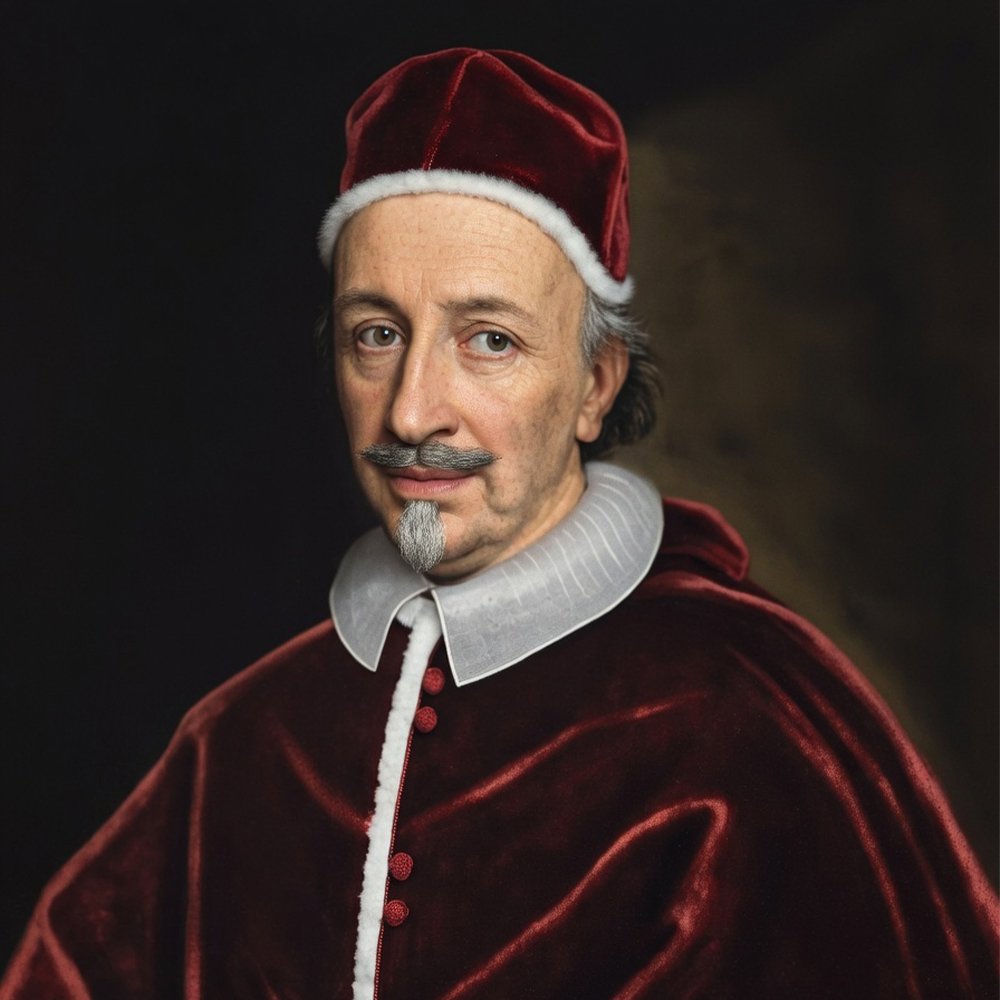
Innocent XII (1691-1700)
BIOGRAPHICAL DATA
Birth name: Antonio Pignatelli
Birth: March 13, 1615, Spinazzola, Kingdom of Naples (Apulia, Italy)
Papal election: July 12, 1691
Coronation: July 15, 1691
Pontificate: July 12, 1691 – September 27, 1700 (9 years, 2 months, 15 days)
Death: September 27, 1700, Rome (85 years old)
Burial: St. Peter’s Basilica, Vatican City
Religious order: Secular clergy (did not belong to a religious order)
Papal motto: None officially recorded
Nicknames: “The Reform Pope”, “The Anti-Nepotism Pope”, “The Austere Pope”, “Destroyer of Nepotism”
NOTE: Permanently abolished papal nepotism – the last major administrative reform before the modern era!
FORMATION AND RELIGIOUS LIFE
Aristocratic Origins – The Pignatelli Family
The Pignatelli Family:
Ancient and most noble Neapolitan family
Filippo Pignatelli: father, Duke of Monteleone, Grandee of Spain
Porzia Carafa: mother, from another aristocratic Neapolitan family (Carafa)
Family: one of the most powerful in the Kingdom of Naples (Spanish dominion)
Multiple palaces in Naples, immense properties in southern Italy
Antonio: youngest son (older brothers: military/political careers)
Privileged childhood (1615-1630):
Pignatelli Palace in Spinazzola (hometown)
Palace in Naples (main residence)
Refined aristocratic education
Tutors: humanities, Latin, Spanish (Kingdom of Naples = Spanish)
Antonio: serious, pious, studious child
Health: robust (would live 85 years – record for the era!)
Family: deeply Catholic, tradition of service to the Church
Academic Formation
Jesuit College, Naples (1630-1635):
Jesuit secondary education
Rhetoric, scholastic philosophy
Student: diligent, pious
Developed profound Marian devotion
University of Naples (1635-1640):
Legal studies
Doctorate in Canon Law (1638)
Doctorate in Civil Law (1640)
In utroque iure (both laws)
Specialization: ecclesiastical law, Church-State relations
Theses: solid, orthodox
Roman College, Rome (1640-1642):
Theological improvement
Advanced canon law
Preparation for curial career
Priestly Ordination: 1642 (27 years old)
Early Ecclesiastical Career (1642-1652)
Inquisitor in Malta (1646-1649):
Context: Malta = Order of St. John (Knights Hospitaller)
Inquisition Tribunal: special jurisdiction
Pignatelli: first important position
Reputation:
Fair but rigorous
Fought magic, witchcraft (period standards)
But: not fanatical (avoided excessive torture)
Processed cases with correct procedure
Auditor of the Nunciature of Naples (1649-1652):
Returned to the Kingdom of Naples
Legal advisor to the Apostolic Nuncio
Cases: disputes between Church and Spanish Crown
Diplomatic skill: noticed
Knowledge of Naples-Spain-Rome dynamics: valuable
APOSTOLIC NUNCIO AND ARCHBISHOP (1652-1687)
Brilliant Diplomatic Career
Nuncio in Tuscany (Florence, 1652-1654):
First major diplomatic mission
Grand Duchy of Tuscany (Medici): important but small
Pignatelli: mediated local disputes
Cordial relations with Grand Duke Ferdinand II
Nuncio in Poland (1660-1668):
Most important and challenging mission
Difficult context:
Poland: vast kingdom, Catholic but politically chaotic
King John II Casimir: weak, surrounded by intrigue
Nobility: rebellious, constant divisions
External threats: Sweden, Russia, Turks
Polish Church: rich but undisciplined
Challenges faced:
Swedish “Deluge” (1655-1660):
Swedish (Protestant) invasion of Poland
Pignatelli: organized Catholic resistance
Mediated between noble factions
Negotiated with Sweden (without immediate success)
Conflict with Russia:
Dispute over eastern territories
Pignatelli: tried to mediate peace
Partially successful (Treaty of Andrusovo, 1667)
Clerical reform:
Polish clergy: corrupt, negligent
Pignatelli: pressured bishops for reforms
Synods: convened, presided
Resistance: enormous (but he persisted)
Result:
Mission: partially successful
Did not resolve Polish political chaos (impossible)
But: strengthened Church, mediated conflicts
Reputation: skilled, resilient diplomat
8 years in Poland: shaped his character (learned realism, firmness)
Return to Rome (1668):
Pignatelli: exhausted but recognized
Pope Clement IX: praised performance
Reputation: solid in the Curia
Archbishop and Cardinal
Archbishop of Lecce (1671-1682):
First diocese (southern Italy, Kingdom of Naples)
Small but poor diocese
Exemplary governance:
Pastoral visits: visited ALL parishes (multiple times)
Diocesan synods: regular (clerical discipline)
Seminary: completely reformed
Curriculum: theology, Latin, pastoral care
Priests: better prepared
Charity:
Founded hospitals, orphanages
Food distribution (southern Italy = frequent famines)
Spent personal fortune (Pignatelli family wealthy)
Personal austerity:
Rejected luxurious episcopal palace
Lived simply
Food: frugal
Vestments: modest
Created Cardinal by Innocent XI (September 1, 1681):
66 years old (relatively late)
Cardinal-Priest of San Pancrazio
Reason: pastoral merit + diplomatic experience
Archbishop of Naples (1687-1691):
Enormous, most important archdiocese
Kingdom of Naples: Spanish dominion
Population: hundreds of thousands
Immense challenges:
Extreme poverty: Naples = most densely populated city in Europe, misery
Clerical corruption: numerous, undisciplined clergy
Tensions with Spanish Crown: regalism (royal control over Church)
Organized crime: primitive camorra, banditry
Actions:
Visitations: toured archdiocese (immense size!)
Clerical reform:
Severe synods
Dismissed corrupt priests
Promoted formation
Massive charity:
Hospitals: expanded
Daily bread distribution
Monte di Pietà: bank for the poor (interest-free loans)
Sold episcopal silverware to feed the hungry!
Relations with Spain:
Spanish Viceroy: tense but respectful relations
Defended ecclesiastical rights (firmly)
But: avoided rupture
Fight against crime:
Coordinated with civil authorities
Offered sanctuary to penitents
Reputation in Naples:
People: ADORED him (“father of the poor”)
Clergy: respected (feared severity)
Nobility: appreciated (Pignatelli descendant, but austere)
Spanish: correct relations
Participated in Conclave of 1689: election of Alexander VIII
CONCLAVE OF 1691 – PAPAL ELECTION
Pre-Conclave Context
Death of Alexander VIII (February 1, 1691):
Very short pontificate (16 months)
Elderly pope, scandalous nepotist
Church needed: REFORMER (urgently!)
Situation of the Church (1691):
Nepotism: institutional cancer
Popes obscenely enriched families
Nephews: incompetent cardinals
Relatives: positions, properties, fortunes
Papal treasury: drained
Scandal: universal
Finances: disastrous
Gallicanism (France): Louis XIV challenging Rome
Turks: military threat (besieged Vienna 1683)
Jansenism: persistent heresy
Urgent need:
Reformist pope
Personally austere
Who would abolish nepotism
Strong diplomatically
The Conclave – Five Months!
Start: February 12, 1691
Duration: 151 days! (one of the longest of the century)
Factions:
“Squadrone Volante” (Flying Squadron):
Anti-nepotism reformers
Led by: Cardinal Odescalchi (nephew of Innocent XI)
Wanted: austere, reformist pope
Pignatelli: IDEAL candidate
Zelanti:
Intransigent, pro-papal independence
Suspected Pignatelli (Neapolitan = Spanish influence?)
“Crown” (French/Spanish/Imperial):
Monarchical factions
Spain: favored Pignatelli (Neapolitan, Spanish subject)
France: neutral/suspicious
Austria: acceptable
Prolonged deadlock (February-June 1691):
Vetoes blocked candidates:
France: vetoed several (reprisal for conflicts with Alexander VIII)
Spain: pushed for Pignatelli
Zelanti: resisted (fear of Spanish influence)
Roman heat (summer):
Conclave at the Quirinal: unbearable
Cardinals: sick, exhausted
Pressure: intense to resolve
Why Pignatelli finally won:
Advantages:
Reputation for holiness:
Naples: venerated as living saint
Austerity: proven (decades)
Charity: legendary
No scandals: irreproachable life
Administrative competence:
Lecce, Naples: reformed effectively
Poland: difficult diplomacy (survived)
Credible anti-nepotism:
Pignatelli family: RICH (didn’t need to enrich relatives)
During career: NEVER favored nephews
Reputation: incorruptible
Age (76 years):
“Transitional pope” (wouldn’t live long – they thought wrong!)
Paradoxically: reassured factions (expected brief pontificate)
Spanish support:
Decisive (large faction)
Neapolitan: loyal subject
But: Pignatelli demonstrated independence (convinced zelanti)
Election: July 12, 1691
Voting: finally 2/3 majority
Cardinals: exhausted but relieved
Pignatelli: RELUCTANT
76 years old, felt old
“Let me die in Naples!”
But: accepted (duty)
Chose name: Innocent XII
Homage to Innocent XI (1676-1689): reformist pope, austere, anti-nepotist
Clear message: I WILL CONTINUE REFORMS
Coronation: July 15, 1691
St. Peter’s Basilica
Ceremony: solemn but simple (contrast with predecessors)
Innocent XII: austere, fragile appearance
Rome: hopeful (finally a reformer!)
PONTIFICATE (1691-1700) – REFORM AND AUSTERITY
Abolition of Nepotism – INSTITUTIONAL REVOLUTION
Bull “Romanum Decet Pontificem” (June 22, 1692):
MOST IMPORTANT DOCUMENT OF THE PONTIFICATE
Permanently PROHIBITED papal nepotism
Content:
Prohibition of enriching relatives:
Popes: FORBIDDEN to donate properties, money, benefits to relatives
Exception: modest support (if relative genuinely poor)
But: NO fortunes, NO properties, NO lucrative positions
Limitation of nephew cardinals:
Pope: MAXIMUM 1 relative as cardinal
And ONLY if:
Genuinely qualified (proven virtue, competence)
Real need of the Church
NOT simply for being a relative!
Financial supervision:
Special Congregation: would monitor compliance
Violations: automatically null
Future pope: OATH to comply upon election
Penalties:
Nepotistic acts: NULL (no legal effect)
Violation: GRAVE SIN
Rigorous implementation:
Innocent XII: PRACTICED WHAT HE PREACHED
Did NOT appoint ANY Pignatelli cardinal!
Did NOT donate properties to family!
Did NOT create positions for relatives!
Pignatelli family: DID NOT enrich (remained rich, but not through papal nepotism)
Historical impact:
END of 400+ years of systematic nepotism!
Renaissance-Baroque: nepotism was NORM
Popes obscenely enriched families
Della Rovere, Medici, Borghese, Barberini, Pamphili: colossal fortunes
Innocent XII: CUT this tradition
Successors: obliged to follow (swore oath)
Some tried to circumvent (Clement XII/Corsini), but scale drastically reduced
Permanent legacy: nepotism never again institutional
Contemporary reaction:
Reformist cardinals: celebrated
Roman aristocracy: shocked (lost source of wealth)
Europe: respected (serious pope!)
Pignatelli family: accepted (already rich, didn’t expect nepotism)
Administrative and Financial Reform
Reorganization of the Curia:
Complete audit:
Investigated ALL departments
Discovered: massive corruption (Alexander VIII/nepotism)
Dismissed corrupt officials
Meritocracy:
Appointments: by competence (not birth)
Promoted humble but talented clergy
Example: Giovanni Francesco Albani (future Clement XI)
Brilliant deacon
Innocent XII: promoted him (recognized talent)
Became pope’s right-hand man
Reduction of offices:
Eliminated unnecessary positions (created for nephews)
Savings: significant
Papal finances:
Expense containment:
Papal court: drastically reduced
Ceremonies: simplified
Sumptuous constructions: cancelled
Innocent XII: “Church doesn’t need luxury, needs efficiency”
Revenue increase (modest):
Taxation: fairer, more efficient
Combat against evasion
Papal States: improved administration
Result:
Deficit: significantly reduced
Treasury: partially recovered
Didn’t eliminate debt (accumulated over centuries)
But: stabilized finances
Institutional charity:
Hospitals: restored, expanded
Santo Spirito Hospital (Rome): complete reform
Orphanages: expanded
Food distribution: systematized
Monte di Pietà: supported (loans for the poor)
Innocent XII: spent ON the poor what he saved from nepotism
International Relations – Pragmatic Diplomacy
France – Gallicanism:
Context:
Louis XIV: absolutist, controlled French Church
“Four Gallican Articles” (1682): affirmed French Church’s independence from Rome
Alexander VIII: had condemned (tension)
Innocent XII’s actions:
Pragmatism: avoided total rupture
Negotiated with Louis XIV (years of correspondence)
Mutual concessions (1693):
Louis XIV: abandoned Four Articles (formally)
Innocent XII: appointed French bishops (accepted by king)
TEMPORARY PEACE
But: Gallicanism persisted (structurally)
Result: avoided schism (diplomatic success)
Spain:
Charles II: sick king, without heirs (problematic succession)
Innocent XII: cordial relations
Neapolitan: knew Spain well
But: maintained independence (not a puppet)
Episcopal appointments: negotiated
Kingdom of Naples: administrative improvements (with Spanish agreement)
Holy Roman Empire (Austria):
Emperor Leopold I: ally in war against Turks
Innocent XII: financial, diplomatic support
Relations: excellent
Ottoman Turks – Great War (1683-1699):
Context:
Turks: besieged Vienna (1683) – repelled
Holy League (Austria, Poland, Venice, Russia): counter-offensive
Innocent XII: CRUCIAL SUPPORT
Innocent XII’s contributions:
Financial:
Massive donations (despite difficult treasury!)
Subsidies to Holy League
Diplomatic:
Mediated between Christian allies (maintained unity)
Constant correspondence with emperors, kings
Spiritual:
Public prayer (Rome)
Declared crusade (spiritual mobilization)
Treaty of Karlowitz (1699):
CHRISTIAN VICTORY:
Turks: lost Hungary, Transylvania, Podolia
Ottoman retreat from Central Europe definitive
Innocent XII’s role:
Not main mediator (secular powers)
But: consistent support crucial
Te Deum in Rome: solemn celebration
England (Protestant):
William III: Protestant, hostile
But: Innocent XII tried dialogue (unsuccessful)
English Catholics: persecuted (Innocent protested)
Poland:
Knew well (had been nuncio for 8 years)
King John III Sobieski (hero of Vienna 1683): friendly correspondence
After Sobieski’s death (1696): election of successor (Augustus II)
Innocent XII: neutral (didn’t interfere excessively)
Ecclesiastical and Doctrinal Issues
Jansenism:
Persistent rigorist heresy (France, Low Countries)
Innocent XII: condemned (continued predecessors)
Bull “Cum Alias” (1691): renewed condemnations
But: pragmatic (avoided extreme persecutions)
Dialogue: tried to convert (not always successful)
Quietism:
Excessive mysticism (total passivity, inaction)
Miguel de Molinos: main exponent (Spanish)
Innocent XII: condemned (Bull 1699)
Molinos: imprisoned (died in prison 1696)
Fénelon-Bossuet controversy (France):
Fénelon: semi-quietist
Bossuet: orthodox, attacked Fénelon
Innocent XII: condemned Fénelon (1699)
Fénelon: submitted (avoided schism)
Chinese Rites Controversy:
Inherited problem (Jesuits vs. other orders)
Innocent XII: DID NOT RESOLVE
Tried to study (commissions, consultations)
But: overly complex issue
Left to successor (Clement XI will resolve – disastrously)
Missions:
Support for Propaganda Fide
Jesuit missions: continued
Latin America, Asia: expansion
But: limited resources (difficult finances)
Beatifications/Canonizations:
Very few (rigorous criteria)
St. John of the Cross: canonized (1726, process accelerated under Innocent XII)
St. Pascal Baylon: canonized (1690, completed by Innocent XII)
Administration of the Papal States
Local government:
Governors: appointed by merit (not nepotism!)
Corruption: combated
Justice: partially reformed
Codes: updated
Courts: more efficient
But: still ancient system
Economy:
Agriculture: modest improvements
Swamp drainage (Agro Pontino): attempted (limited success)
Commerce: facilitated (less oppressive taxes)
But: Papal States still backward (compared to Western Europe)
Public works:
Minimal (austerity!)
Prioritized: necessities (hospitals, aqueducts)
Not: palaces, sumptuous monuments
Brutal contrast with previous Baroque popes
Banditry:
Endemic problem (southern Italy, mountains)
Innocent XII: military campaigns
Partially effective (never eliminated)
Public charity:
During famines (1693-1694): massive grain distribution
Innocent XII: sold papal silverware (to feed Romans!)
People: venerated him (pope who sacrificed luxury for the poor)
Personal Life and Austerity
Residence:
Refused luxurious papal apartments
Lived in simple rooms
Furniture: minimal (bed, table, chair, crucifix)
No sumptuous decoration
Diet:
Food: most frugal
Bread, vegetables, occasionally fish
Wine: watered
Fasts: rigorous (Lent, vigils)
Spent on the poor what he saved
Vestments:
White papal cassock: simple (without excessive embroidery)
Tiara: used only for obligatory ceremonies
Preferred simplicity
Daily routine:
5am: Rise
5:30am: Private prayer (1 hour)
6:30am: Mass (celebrated daily)
7am-12pm: Audiences, dispatches
12pm: Frugal lunch (while eating, read reports!)
1pm-3pm: Brief rest
3pm-6pm: More work
6pm: Vespers
7pm: Light dinner
8pm-10pm: Reading (theology, reports)
10pm: Retire (slept 7 hours)
Piety:
Daily Mass
Rosary: always
Confession: weekly
Marian devotion: profound
Visited Roman churches (incognito when possible)
Health:
Surprisingly robust (76-85 years!)
Very few serious illnesses
Longevity: exceptional (era: life expectancy ~40 years)
Vitality: worked 12-14 hours daily (at 80+!)
LAST YEARS AND DEATH (1698-1700)
Final Decline
1698-1699:
Health: still good (83-84 years!)
Continued working intensely
Concluded main reforms
Treaty of Karlowitz: celebrated (1699)
1700:
Spring-Summer: growing fatigue
At 85 years: finally weakening
But: lucid until the end
Continued dispatches (sitting, then lying down)
August-September 1700:
Persistent fever
Extreme weakness
Doctors: impotent (old age, not specific illness)
Prepared consciously for death
Last weeks:
Received Last Rites (September 20)
Said goodbye to cardinals
Gave final instructions
Asked for: simple tomb, without luxury
Death
September 27, 1700:
Morning: peaceful agony
Noon: death
85 years (exceptional longevity!)
Cause: old age, multiple organ failure
Last words (reported):
“Lord, into Your hands I commend my spirit”
Or: “I reformed what I could… God judge the rest”
(Accounts vary, but serene)
Immediate reaction:
Rome: DEEP MOURNING
Crowds: wept
Poor especially: “Our father has died!”
Popular veneration: holiness
Cardinals:
Universal respect
Recognition: historic reforms
Europe:
Monarchies: tributes
Even Protestants: respected austerity
FUNERAL AND LEGACY
Funeral
September 29 – October 2, 1700:
St. Peter’s Basilica
SIMPLE ceremony (explicit wish of the pope)
Without excessive pomp
Crowds: venerated body
Touched vestments (relics)
Asked for miracles (reported cures – unverified)
Burial:
St. Peter’s
MODEST tomb (according to wish)
Simple inscription: name, dates, “Reformer”
Contrast: sumptuous tombs of predecessors (Urban VIII, etc.)
Legacy – Permanent Transformation
Abolition of Nepotism:
GREATEST ACHIEVEMENT
Cut 400+ year tradition
Bull “Romanum Decet Pontificem”: permanent
Successors: obliged to follow
Enduring impact: nepotism never again systematic
Financial reform:
Stabilized papal finances
Reduced curial corruption
Model: administrative efficiency
Personal austerity:
Moral example
Contrasted with Baroque excess
Inspired future popes (Benedict XIV, Pius V)
Pragmatic diplomacy:
Avoided schism with France (Gallicanism)
Supported victory against Turks (Karlowitz)
Maintained papal prestige (despite military weakness)
Institutional charity:
Hospitals, orphanages: expanded
Poor: massively benefited
“Pope of the poor” (deserved)
Historiographical Evaluation
Contemporaries:
Rare unanimity: all respected him
Catholics: venerated
Protestants: admired austerity
Poor: genuinely mourned
18th Century:
Enlightenment thinkers: respected (administrative reform)
Catholics: model of reform pope
19th-20th Centuries:
Consensus: one of the great post-Trent popes
Comparison: St. Pius V (post-Council of Trent reform)
Innocent XII: reformed INSTITUTION (not doctrine)
21st Century:
Growing positive reassessment
Abolition of nepotism: recognized as revolution
Model: reform without violence
Beatification/Canonization
Cause proposed:
18th Century: initiated
Obstacles:
Condemnation of Molinos, Fénelon: controversial (some defended them)
Lack of proven miracles
Expensive, lengthy processes
Result:
Never beatified
But: reputation for holiness persisted
“Unofficial saint”
Popular veneration:
18th-19th Centuries: people venerated
Tomb: visited, prayers
Cures attributed (not officially verified)
CURIOSITIES AND PERSONAL DETAILS
Personality
Virtues:
Extreme austerity: rivaled medieval monks
Heroic charity: spent everything on the poor
Firmness: fought corruption relentlessly
Profound piety: not performative
Humility: rejected papal luxury
Justice: impartial, rigorous
Characteristics:
Severe: did not tolerate corruption, laziness
Obsessive worker: 12-16 hours daily (at 80 years!)
Reserved: few close friends
Inflexible: when moral convictions were at stake
Pragmatic: in diplomacy (but not principles)
Appearance
Descriptions/Portraits:
Face: thin, ascetic
Eyes: penetrating, severe but kind
Beard: white, long (period custom)
Figure: tall, erect (even at 80+)
Posture: dignified but not arrogant
Personal Relationships
Pignatelli Family:
Maintained contact (Naples)
But: ZERO nepotism
Relatives: did not enrich
Some visited Rome: received like anyone else
Historical example: aristocratic pope who did not favor his family!
Giovanni Francesco Albani (future Clement XI):
Main protégé
Recognized exceptional talent
Promoted him (deacon → cardinal)
Prepared him for papacy
Indirect succession: Albani elected after Innocent XIII
Cardinals:
Mutual respect
Reformers: adored him
Conservatives: respected (firmness)
Servants:
Very few (simplicity)
Treated them respectfully
Paid fairly
Anecdotes
1. Silverware sold:
1693: severe famine in Rome
Treasury: empty (reforms)
Innocent XII: SOLD papal silverware!
Chalices, candlesticks (some Renaissance!)
Scandal: Roman aristocracy
“Silverware doesn’t feed the hungry, bread does”
Bought grain: distributed
2. Tomb refused:
Sculptor: proposed grand monument
Innocent XII: REFUSED
“Spend on the poor, not on my tomb”
Insisted: simplicity
3. Frustrated nephew:
Pignatelli relative: came to Rome (expecting position)
Innocent XII: received him
Nephew: “Your Holiness, I am your relative…”
Innocent: “I know my family. And I know my duty. There is no position for you. But there is my blessing”
Nephew: returned to Naples (without fortune)
4. Incognito hospital visit:
Regularly visited Santo Spirito Hospital
Sometimes: INCOGNITO (simple clothes)
Talked with the sick (who didn’t know who he was)
Later revelation: shock, emotion
“Christ visited the sick disguised, I do the same”
5. Death of Alexander VIII:
Predecessor: scandalous nepotist
Died leaving family enriched
Innocent XII (then cardinal): commented
“He left fortune to his family. I will leave reforms to the Church”
(Prophetic!)
IMPORTANT DOCUMENTS
Principal Bulls
“Romanum Decet Pontificem” (1692):
DEFINITIVE ABOLITION OF NEPOTISM
Transformative historical document
“Cum Alias” (1691):
Against Jansenism
Condemnation of Quietism (1699):
Miguel de Molinos, Fénelon
Multiple administrative bulls:
Curial Reform
Papal States finances
Briefs and Letters
Diplomatic correspondence: Louis XIV (Gallicanism)
Letters to emperors: war against Turks
Pastoral instructions: to bishops
Thousands of administrative documents (reforms)
SUMMARY CHRONOLOGY
1615: Birth in Spinazzola (Kingdom of Naples)
1642: Priestly ordination
1646-1649: Inquisitor in Malta
1652-1654: Nuncio in Tuscany
1660-1668: Nuncio in Poland (8 crucial years)
1671-1682: Archbishop of Lecce
1681: Created cardinal by Innocent XI
1687-1691: Archbishop of Naples
1691 (July): Papal election (5-month conclave, 76 years old)
1692: Bull “Romanum Decet Pontificem” – ABOLITION OF NEPOTISM
1691-1700: Reformist pontificate (9 years)
1693: Agreement with Louis XIV (Gallicanism)
1699: Treaty of Karlowitz (victory against Turks)
1700 (September): Death in Rome, 85 years old
FINAL EVALUATION
Pope Innocent XII remains the great institutional reformer between Trent and Vatican II. Where predecessors failed for centuries, he triumphed: PERMANENTLY ABOLISHED PAPAL NEPOTISM.
His Bull “Romanum Decet Pontificem” (1692) is a landmark in Church history – it divided eras. BEFORE: popes obscenely enriched families (Della Rovere, Medici, Barberini, Borghese, Pamphili – colossal fortunes). AFTER: systemic nepotism ended (occasional attempts, but never again institutional).
He was not merely a legislator: HE PRACTICED HEROIC AUSTERITY. An aristocratic pope (noblest Pignatelli) who:
Lived in simple rooms
Ate bread and vegetables
Sold papal silverware to feed the hungry
NEVER favored his family (zero nepotism)
Worked 14 hours daily (at 80 years!)
Diplomatically: pragmatic and effective. Avoided schism with France (Gallicanism), supported victory against Turks (Karlowitz 1699), maintained papal prestige despite military weakness.
Administratively: revolutionized the Curia. Meritocracy over birth. Dismissed the corrupt. Stabilized finances. Massively expanded institutional charity.
But: he was not perfect:
Condemnations (Molinos, Fénelon): controversial
Chinese Rites: did not resolve (left time bomb for Clement XI)
Quietism: excessive severity? (debatable)
He lived 85 years (exceptional!), governed until death. Lucid, hardworking, austere at 85. Died peacefully, venerated by the poor he fed, respected by the cardinals he reformed.
Permanent legacy:
Nepotism: DEAD
Curia: REFORMED
Finances: STABILIZED
Charity: SYSTEMATIZED
Model: papal austerity
Fair comparison: St. Pius V (1566-1572) – both post-conciliar reformers (Trent), austere, effective. Pius V: doctrinal/liturgical reform. Innocent XII: INSTITUTIONAL/ADMINISTRATIVE reform.
Never canonized (process initiated, not concluded). But popular veneration persisted for centuries. “Unofficial saint” – and deservedly so.
His modest tomb in St. Peter’s (as he wished) contrasts brutally with the sumptuous tombs of predecessors. Perfect metaphor: he reformed excess, restored evangelical simplicity.
True epitaph: “Here lies he who abolished 400 years of institutional corruption, lived as a Franciscan monk while being pope, and died leaving the Church poorer in gold but infinitely richer in dignity.”
Modern Rome, rushing through St. Peter’s, rarely stops at his simple tomb. But every pope since 1700 who does NOT obscenely enrich his family owes him gratitude. He cut the cancer that had metastasized for centuries.
“Anti-Nepotism Pope” – definitive historical title. But also: “Pope of the Poor”, “Austere Reformer”, “Last Great Baroque Pope Who Destroyed the Baroque Itself”.
He died September 27, 1700 – the last year of the 17th century. Perfect symbolism: he closed an ERA of papal excess, inaugurated an ERA of modern austerity.
Innocent XII: the pope who transformed the papacy by selling papal silverware to buy bread for the hungry. Is there a more Christian image? I doubt it.
“I came not to be served, but to serve.” (Matthew 20:28) – Innocent XII LIVED this literally. Few popes can say the same.
Peace to the soul of this moral giant who proved: profound institutional reform is possible without violence, only with iron will and personal example.